An evidence-based primer explaining what Styrofoam really is, how EPS and XPS differ, whether the 2024-2025 health and recycling data support the noise, and whether the other options are reliable.
Quick Specs: Styrofoam at a Glance
| Generic name | Polystyrene foam (PS foam) |
| Trademark owner | DuPont (originally Dow Chemical, patented 1947) |
| Real “Styrofoam™” type | Closed-cell extruded polystyrene foam (XPS) |
| What people usually mean | Expanded polystyrene foam (EPS) — coffee cups, packing peanuts |
| Air content by volume | 95–98% |
| R-value per inch | EPS R-3.6 / XPS R-5.0 |
| EPS recycling rate (US/Canada, 2022) | 31% commercial; close to 0% curbside |
| IARC carcinogen classification (styrene) | Group 2A — “probably carcinogenic” (upgraded 2018) |
What Is Styrofoam? The 60-Second Answer

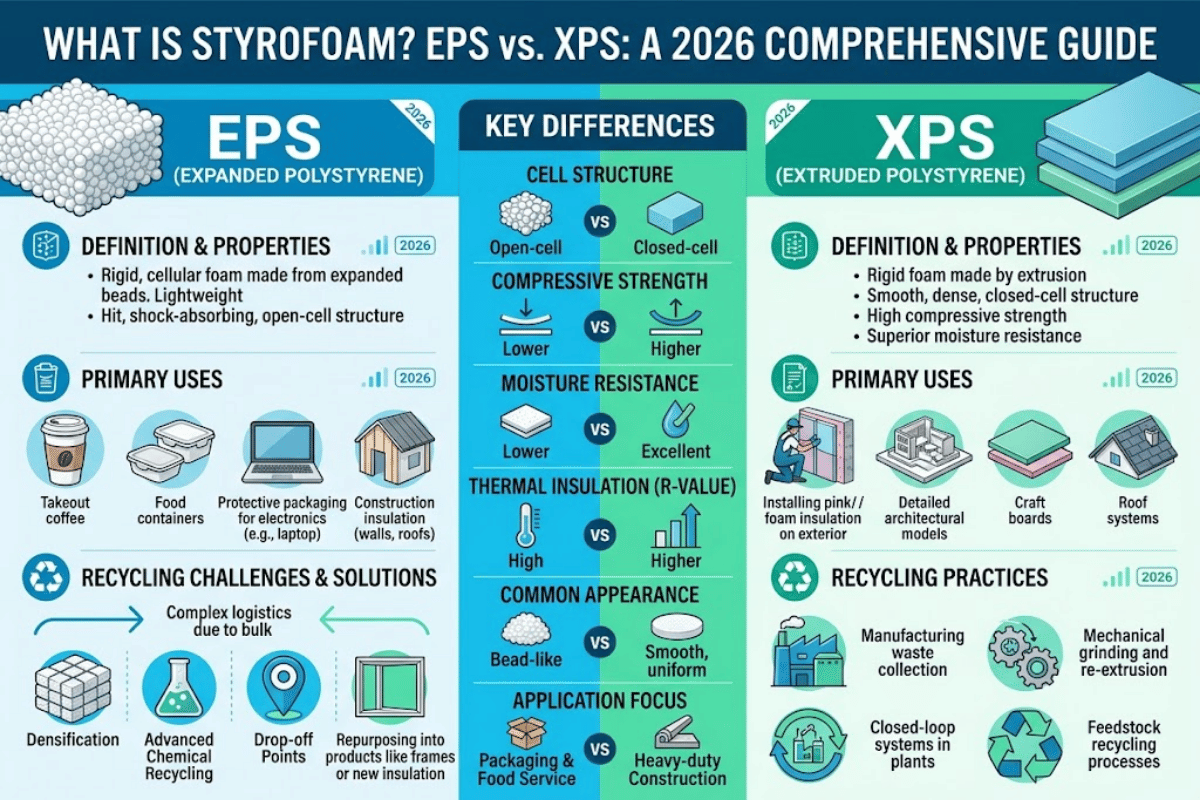
What exactly is Styrofoam? In fact,Styrofoamis a brand of closed-cell extruded polystyrene foam (XPS) building insulation, owned by DuPont, originally patented by the Dow Chemical Company in 1947 as a foamed polystyrene insulation material. The label gets stuck onto almost any polystyrene product people see — white foam coffee cups, packing popcorn, takeout containers. Those items are made of polystyrene processed via a different polymer called expanded polystyrene foam (EPS) — a different type of polystyrene foam altogether. EPS and XPS are simply two varieties of the same chemistry, both typically consist of about 95-98% trapped air, and both deliver excellent insulator performance and structural rigidity, and both pose the same health and recycling concerns.
This distinction actually makes a difference because the chemistry, physical performance, recycling practices, and even the regulatory concerns of EPS and XPS are not the same. A homeowner choosing rigid foam insulation has different priorities from a restaurant operator swapping out foam-clamshell takeout containers. This primer details the similarities at first, then the manufacturing, performance, health literature, recycling realities, and emerging bio-foam substitutes starting to appear in 2026 purchasing contracts.
Styrofoam vs. Polystyrene vs. EPS vs. XPS — Why You’ve Probably Been Saying It Wrong
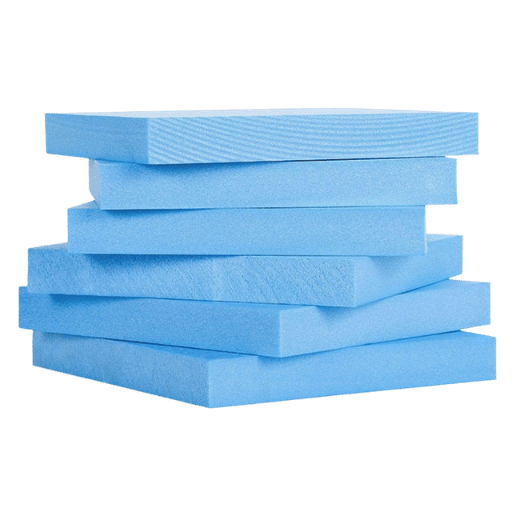
Most cups labeled “Styrofoam” in fact aren’t Styrofoam – and that trademark belongs to a building insulation you’ve likely never seen. Dow filed the patent covering the manufacturing method in 1947 (US 2450436, the inventor was Otis Ray McIntire), and has a trademark on the Styrofoam name for years. Dow developed a unique extrusion process to manufacture extruded polystyrene foam (XPS). At a later date, the Dart Container Corporation developed a different technology and has trademarked a separate product called bead expansion, which forms expanded polystyrene foam (EPS). Innovation for ideal consumer use, however, has focused on the differences of the two by local manufacturers. Trademark history is documented by Wikipedia’s entry on Styrofoam and the chemistry timeline by EBSCO’s research summary on Styrofoam.
Mapping the current terminology reveals clarity:
| Term | What It Actually Is | Manufacturing Process | Typical Use |
|---|---|---|---|
| Polystyrene (PS) | A clear, rigid thermoplastic polymer | Polymerization of styrene monomer | CD cases, lab equipment, plastic cutlery |
| Expanded polystyrene foam (EPS) | Bead-fused white foam, ~95% air | Steam-expanded beads cooled in a mold | Coffee cups, packing peanuts, foam coolers |
| Extruded polystyrene foam (XPS) | Continuous closed-cell rigid board | Polystyrene melt extruded under pressure | Building insulation board, road sub-grade |
| Styrofoam™ | DuPont brand of XPS insulation | Proprietary XPS extrusion | Wall, roof, foundation thermal insulation |
Is Styrofoam the same as polystyrene foam?
While every piece of Styrofoam is in fact polystyrene, not all polystyrene foam is Styrofoam. Polystyrene foam describes the material (a polymer formed from the styrene monomer and cellularized via a gas), and Styrofoam specifically refers to the closed-cell types developed and trademarked by DuPont: an extruded-XPS insulating board. Your daily foam coffee cup or pick-and-pack peanut is the bead-fused EPS variety, and the other manufacturing process produces a different result using different machines in different factories. EPS is not as stiff as XPS, and is not as solid at the surface. Do not imagine them interchangeable: a polystyrene foodware isn’t appropriate interchangeable foam insulation.
Outside the US, the trademark hold is less strong. Since the term “polystyrene” is commonplace in European technical specifications for both rigid and foam core forms and styrofoam rarely appears, the name has in effect been genericized as far as US construction practice and appears as a registered DuPont trademark only in legal proceedings.
How Is Styrofoam Made? Polymerization, Beads, and Blowing Agents
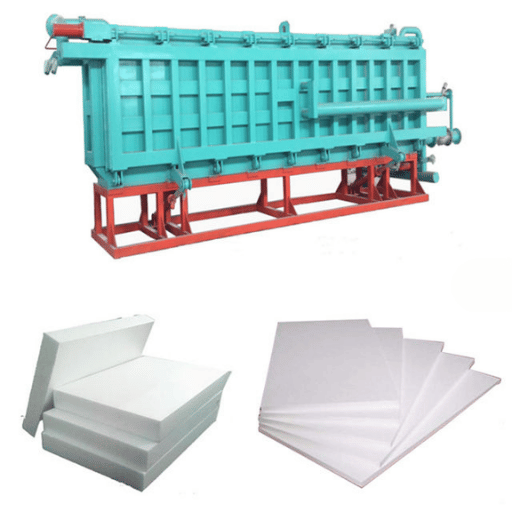
Styrofoam, like most polystyrene foams, is made from a base molecule derived from petroleum: styrene. The first isolation of styrene from natural resin was by German apothecary Eduard Simon in 1839. However it was not until the 1920s that the potential of styrene as a polymer became apparent, once German chemist Hermann Staudinger showed the styrene molecules could be coupled up into long chains.
These joint chains earned him the 1953 Nobel Prize in Chemistry. Dow began commercial production of polystyrene in 1937. Ten years later Ray McIntire in Dow’s Chemical Physics Lab inadvertantly produced a foamed version when he tried to produce a flexible electrical insulator to be used in World War II.
Dow obtained patents in 1947, and registered Styrofoam as a name shortly there after.
Manufacturing is where the two foam variants split:
- EPS (expanded polystyrene): solid beads of polystyrene, ~0.5-2mm diameter, are pre-impregnated with a hydrocarbon blowing agent (generally pentane). Steam (ca 100 C) softens the beads and the pentane vaporizes, causing each to expand up to 40 times its original size. The expanded beads are loaded into a steel mold and steam fused into the end product (coffee cup, packing insert, foam cooler).
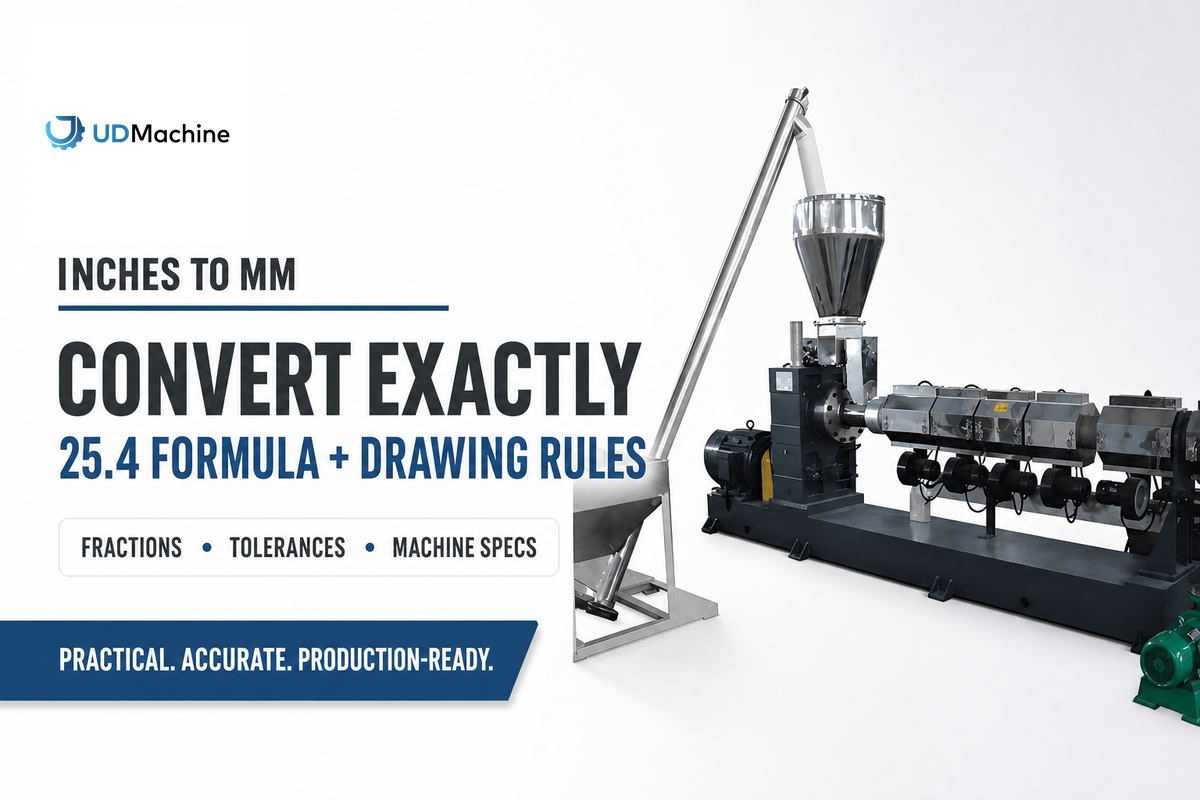
- XPS (extruded polystyrene): Polystyrene resin pellets are heated, blended with a blowing agent (until fairly recently this was HCFC, but these have been reformulated using lower-GWP HFO blowing agents in the Dupont Styrofoam process.), and then continuously extruded through a die at carefully controlled temperature and pressure using a high-through put twin-screw extrusion line. This produces a consistent, fine-cell, rigid board with a smooth skin.
Engineering Note
Both processes finish the foam at between about 95 and 98% air by volume – that air is what provides the insulating effect. Polystyrene resin alone is just average at insulatiion, but trapped, immobilized air is great. The difference in performance between EPS and XPS is primarily due to cell shape and size: XPS has miniature cells with a Dense, perfectly closed cell structure which results in a net retardation of water vapour transmission through the material, which imparts the improved R-value per inch, whereas EPS’s larger, partially interconnected cell structure at the bead boundaries results in increased water absorption on long term exposure.
This basic concept of continuous extrusion still exists in almost all thermoplastic forming processes. A single screw general purpose extruder can run polystyrene resin into sheet, profile, or pelletized output depending on the die and downstream tooling — the same machine class used to convert virgin or recycled polystyrene back into usable feedstock.
Common Forms and Industrial Uses of Polystyrene Foam
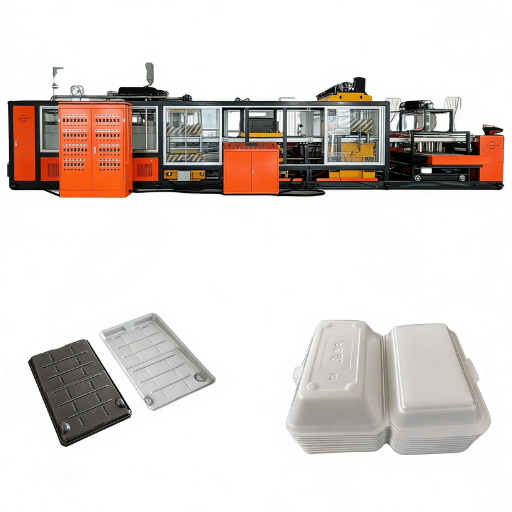
There are five major classified finished products for polystyrene foam, each with very different value density and end-of-life characteristics:
| Category | Foam Type | Typical Form Factor | Value to End User |
|---|---|---|---|
| Building insulation | XPS (Styrofoam™) and high-density EPS | Foam board, sheathing, foundation panel | High — multi-decade lifespan, energy savings |
| Protective packaging | EPS | Molded inserts, packing peanuts, foam blocks | Medium — single-use but functionally critical |
| Food service | EPS | Coffee cups, takeout containers, plates, egg cartons | Low — minutes of use, lowest-value application |
| Marine and recreational | EPS, sometimes XPS | Foam coolers, life jacket buoyancy, surfboard cores | Medium to high |
| Geotechnical and craft | XPS (geofoam blocks), EPS (florist foam) | Road sub-grade, freeze-protected slabs, craft shapes | High structural value, low craft value |
A key role of those other three products means the food-service category drives nearly all the regulatory backlash, since it involves the highest-volume, lowest-value, hardest-to-recycle use of that polystyrene foam, a single-use disposable that sees hot food, winds up in curbside bins where it can’t be processed, and then breaks into windborne artifacts that are nearly impossible to sweep up. Only in building insulation do you get away with not worrying about a ban, since the foam stays inside the wall cavity 30-50 years, and the math works out really well in the endgame. That dichotomy – same chemical, opposite policy treatment – is the most distinctive thing to understand about polystyrene foam for 2026.
Performance as a Building Insulator: R-Value, Compressive Strength, Moisture

As a short-term insulator in a wall, roof, or below-grade application, both EPS and XPS end up far better than no insulation, but the hardware trade-offs are real. The road line for both materials is ASTM C578 – Standard Specification for Rigid, Cellular Polystyrene Thermal Insulation, against which fifteen separate types, A through P (then 1X and 2X), are defined by minimum density, compressive resistance, and water absorption. Architects and builders specify by ASTM type, not brand name.
| Property | EPS (typical Type I, 1.0 lb/ft³) | XPS (typical Type IV, 1.6 lb/ft³) |
|---|---|---|
| R-value per inch (aged) | R-3.6 | R-5.0 |
| Compressive resistance | 10 psi minimum | 25 psi minimum |
| Water absorption (long-term immersion) | 2–4% by volume | 0.3% by volume |
| Cell structure | Bead-fused, partly open between beads | Continuous closed cell |
| Cost per board foot (US, 2026 rough) | $0.30–0.45 | $0.55–0.85 |
The cost figures above will fluctuate with raw-resin prices and are best taken as a ratio, not an absolute dollar number. The ratio stays constant: XPS, as a closed-cell, moisture-resistant insulation material, carries roughly 40% more R-value per inch and roughly 60% more dollar per board foot – a relationship stable enough to call by its own name.
📐 The 60/40 R-Value Rule for EPS vs XPS
The same 1″ thick piece of XPS delivers about 40% more R-value than the same 1″ thick piece of EPS, but costs about 60% more (roughly).
- If wall thickness is constrained (a retrofit, narrow framing, or a quickie retrofit) goto XPS. The inch-by-inch R-value premium is more important than the dollar-to-dollar one.
- If total project budget is constrained (new construction, large scope project) goto EPS and run a little thicker. In dollars, you can buy 60% more inches and have equivalent R-value, with superior cost-per-R.
- For below-grade or below-slab XPS, since it only 0.3% versus 2-4% water absorbtion for EPS. In saturated soil, EPS will eventually waterlog.
- For above-grade wall and roof assemblies, in dry or not-so-dry American climates EPS is generally where the costs make it the best choice.
One thing that rarely makes it into spec sheets: long-term R-value drift. The R-values of XPS are significantly higher due to the high initial performance of the HFO blowing agent in the foam cell walls, but the value drops off a bit over five to ten years as some of that blowing agent escapes from the closed cells, and gets replaced by air in the diffusion. EPS has ordinary pentane that escapes in the first few weeks of aging, but then its published R-value stays at a steady level indefinitely. Builders opting in for a 50-year envelope life should ask for the LTTR (long-term thermal resistance) value from the foam manufacturer, not the initial RT (initial thermal resistance) value.
Health and Environmental Impact: What the Science Actually Says
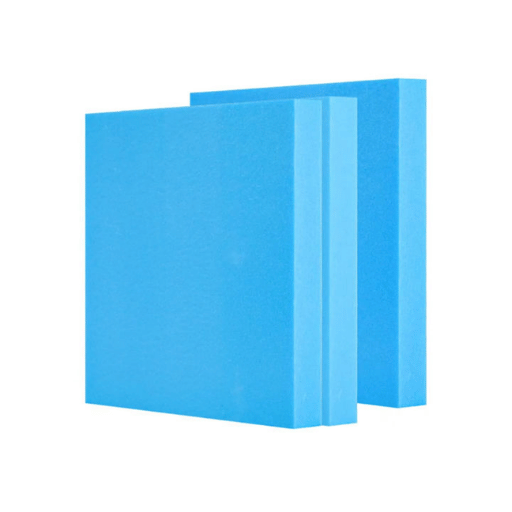
In most cases, the public concern over styrofoam centers around either whether styrene monomer is safe for humans, or whether the foam causes environmental problems. On both topics, the science has frankly changed a lot between 2014 and 2024, and you’ll see many consumer articles using outdated classifications.
Authoritative findings from US and international bodies today looks like this:
| Agency | Year | Designation |
|---|---|---|
| US National Toxicology Program (NTP), 14th Report on Carcinogens | 2014 | Styrene listed as “reasonably anticipated to be a human carcinogen” |
| International Agency for Research on Cancer (IARC Monograph Vol. 121) | 2018 | Styrene upgraded from Group 2B to Group 2A — “probably carcinogenic to humans” |
| National Institute of Environmental Health Sciences (NIEHS) | Ongoing | Active research program on styrene exposure pathways and worker safety |
| US Environmental Protection Agency (EPA) — TSCA | December 2024 | Styrene named as one of five candidate substances for designation as a high-priority risk evaluation chemical |
IARC’s shift from Group 2B (2002) to Group 2A (2018) is the most important single milestone for risk messaging on polystyrene foam, and it is the data point most likely to be overlooked by older consumer guides. Styrene-7,8-oxide, a metabolite of styrene formed in human tissue after exposure, was reclassified concurrently as Group 2A in the same monograph, with sufficient evidence in experimental animals.
“The recent IARC monograph classified styrene as ‘probably carcinogenic to humans’ (Group 2A), on the basis of ‘limited evidence’ in humans and ‘sufficient evidence’ in experimental animals. This represents an upgrade from the previous Group 2B classification.”
— European Food Safety Authority (EFSA), 2020 Assessment of IARC Monograph Vol. 121 Impact
Why was Styrofoam banned in some U.S. cities?
This combination of open-room worker exposures, marine and debris worries over lightweight foam fragments, and exasperation over building insulation unable to reach curbside recycling, has led to: the patchwork of bans as of 2026:
- California — statewide EPS food-service ware restrictions in effect.
- Oregon, New Jersey, Washington, Colorado, Maine, Maryland, Vermont – statewide EPS food-service container bans in force.
- Virginia – phased rollout; food vendors with 20 or more locations must comply by July 1, 2025; all remaining food vendors by July 1, 2026 (per Food Tank reporting on Virginia’s Styrofoam ban).
- Major cities – Oakland, San Francisco, Chicago, New York City and over 200 US municipalities have local-level EPS food-container restrictions, many predating their state-level rules.
Building trade is still free of the bans, because the regulatory framing places that where-life-cycle in a separate category—long-lived, embedded, offset by the energy savings that the insulation produces for decades. The crackdown, rather, is focused on what is regarded as the lowest-value shortest-lived form.
Can Styrofoam Be Recycled? Densification, Repolymerization, and Where to Drop It
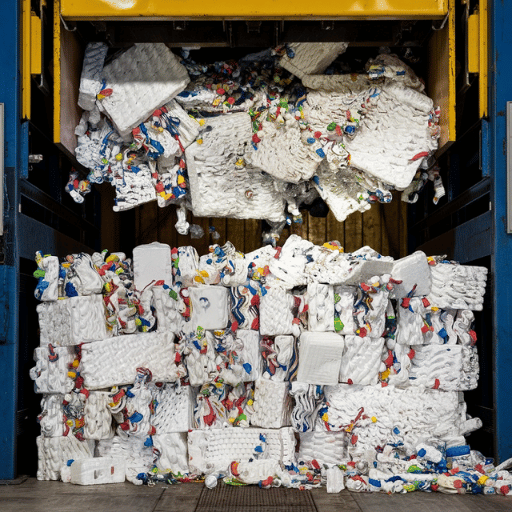
An honest answer to “is Styrofoam recyclable?” is “yes, but not the way you think.” There are two simultaneous realities in EPS recycling, and most public-facing reporting conflates them.
As reported in 2022 by the EPS Industry Alliance, North American post-consumer EPS recycling totaled 61.6 million pounds, with total recycled EPS including transit packaging standing at 168.6 million pounds, leading to an overall recycling rate of 31%. This figure exceeds most people’s expectations and is often referenced in industry communications.
The other truth, as reported by Plastics News and Waste Dive, is that this 31% figure is predominantly business-to-business: a television manufacturer collecting pristine white EPS shipping inserts from a distribution center, a fish processing plant returning ice-pack EPS to the cold-chain supplier. Consumer scale curbside recycling of mixed consumer EPS—the coffee cups, the takeout clamshells, the broken cooler from last weekend—is by and large nonexistent in the United States. EPS contaminated with food and ink or mixed with lookalike foams from PE/PU are unrecoverable at consumer scale.
How is Styrofoam recycled into new products?
Underlying process used in the EPS recyclers is, however, fairly consistent, and operates through three straightforward phases:
- Densification – Loose EPS (mostly air) is fed into a thermal (or mechanical) densifier which reduces it down into solid “ingots” (roughly -50:1 volume reduction). This is where recycled EPS gets cost-effectively shipped; without it, it costs more to ship than the material is worth.
- Compounding and re-pelletizing – Densified ingots are ground, fed into an extruder, melted, optionally compounded with virgin pellet feedstock or additives, and cut into pellets for resale as recycled polystyrene pellets. The same equipment used for virgin polystyrene compounding does this step.
- Re-application – The recycled pellets are now manufacturing feedstock for non-food-contact uses: picture frames, hardwood-substitute mouldings, surfboard cores, garden furniture, and more and more, the same types of insulation board the polymer was manufactured into before it was recycled.
The “industrial” step of this cycle – the machines which convert filthy mixed scrap into a usable raw resin – is where the recycling business really becomes tangible.
UDTECH produces the recycled plastic extruder lines which convert densified post-use or post-industrial polystyrene into pellets, which can be sold to foam-injection molders, sheet producers, and EPS beads. The twin-screw compounder covers that step of mixing contaminated post-industrial or post-use streams in with stabilizers, colorants, or virgin resins to meet a specific design specification, and downstream underwater pelletization converts that volume into the evenly sized pellets for sale to foam injection molders, sheet makers, and bead producers.
Field Note from UDTECH
The trend from the standpoint of machine manufacturers is the reduction of the specification requirements for extrusion lines to be able to be made for use in Southeast Asian and Eastern European packaging plants feeding high contamination recycled streams since reducing the specifications for the production line allows the very same extrusion lines to be used for faking that recycled stream in virgin-PS production. Inquiries that would traditionally have asked for virgin-PS extrusion lines that meets their construction specifications are now requesting production equipment which would be compatible with the addition of recycled content – gravimetric blender systems designed for 15-25% recycled, melt units with larger melt filters for the higher contaminant load, and increased melt capacity on the extruders to handle the higher throughput. From the perspective of the equipment maker, the very moment when the machinery just becomes economically viable is the moment at which it is specified with a really dirty feed system.
Where to Drop Off Your Styrofoam
- For almost any US city, do not recycle it in your curbside bin. It will contaminate other recyclables and be thrown into a landfill, often after clogging up the sorting lines for hours on end.
- Find a municipal drop-off center. Madison WI, Aurora CO, Alexandria VA, and other communities in the US offer free recycling drop-off.
- Use the EPS Industry Alliance “Find a Drop-Off” web tool.
- Wash it out. EPS with residue of food, tape, or labels, or mixed with other resin or foam samples will be refused. One of the mainreason municipal programs end is contamination.
Sustainable Alternatives to Styrofoam (2026)
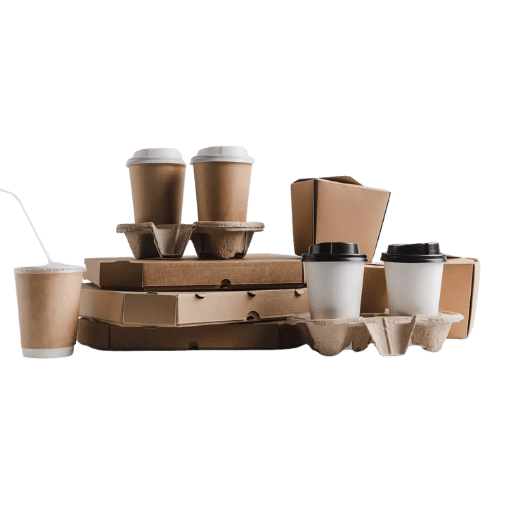
Ecology of [alternatives to polymers] has come a long way since 2020, but most “biodegradable” references rely on vague and optimistic marketing, not current realities. Buyers expecting substitutionon a 1-to-1 basis[should] read between the lines.
| Alternative | Decomposition (real-world) | Cost vs EPS | Best Use |
|---|---|---|---|
| Expanded polyethylene foam (EPE) | Not biodegradable, but recyclable as #4 LDPE | 1.2–1.8x | Heavy electronics packaging, flexible cushioning |
| Mycelium (mushroom) packaging | 30–45 days in home compost | 3–5x | High-value e-commerce inserts, premium brands |
| PLA (polylactic acid) foam | 3–5 years natural environment; 90+ days under industrial composting (limited) | 2–3x | Food-service ware in regions with industrial composting |
| Molded paper pulp | 2–6 weeks in any compost or soil | 1.3–2x | Egg cartons, drink trays, electronics inserts |
| Cornstarch (PSM) packing peanuts | Dissolves in water in minutes | 1.5–2x | Loose-fill void packaging, void filler |
PLA in particular has been heavily promoted as a 90-day compostable substitute for EPS. 2025 published a study in Nature Scientific Reports (Afshar et al., 2025) that demonstrated in typical commercial composting settings, standard plastics achieve less than 1% disintegration after 90 days, and PLA performs somewhat better in practice. ACS Sustainable Chemistry & Engineering reportedfull PLA degradation in natural settingswill take years, not months. Mycelium packaging is the exception for true fast home-composting performance, but at 3-5x the price of EPS, it’s positioned for high end e-commerce, not mass food service.
For B2B procument involving primarily the technical (not marketing) side, the most straight-forward substitute route is whichever EPS application you start with. Protective transit packaging is the least difficult alternative, with EPE foam and molded paper pulp both long-since proven at industrial scale. Cold-chain insulation is a little more challenging; vacuum-insulated panels (VIP) and reusable gel-pack systems are what people are using today, both higher-end of the price spectrum than EPS foam coolers.
The use of bio-polymer-packaging that employs dedicated extrusion line installed with carefully engineered shear profile to minimize the amounts of peak energy/temperature and maximum shear experienced in the process, since with PLA, PHA and other bio-polymers that may be used, shear- and heat-sensitivity is a far real concern; UDTECH is now building bio-extruder lines/containing dedicated process window.
Industry Outlook 2026–2030: Bans, Bio-Foam Adoption, and the Circular Polystyrene Economy
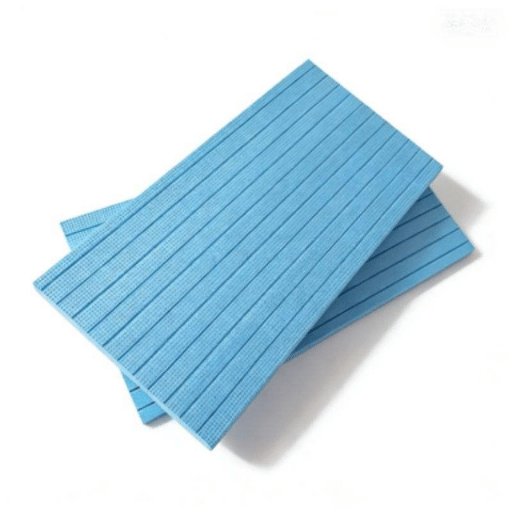
There are three separate forces changing global polystyrene foam market landscape from now till the end of the decade. Time, they are not headed in one direction…
Expanding regulation. After the US EPA’s December 2024 announcement to list styrene as a TSCA-priority chemical for risk evaluation, a multi-year process will unfold that could, in the event of certain findings, severely restrict styrene in applications well beyond food packaging. Virginia’s phased ban reaches its final step in the consumer arena on July 1, 2026.
Meanwhile, the scope of the EU’s Single-Use Plastics Directive is widely anticipated to expand at its next review in 2027. While these processes do not follow the same logic as building insulation, the popular label of “styrofoam ban” continues to hound XPS into a battle that science itself does not require.
Mechanical recycling expansion. The body of information that boosted the 2022 recycling rate to 31% from in-house recollections, was the EPS Industry Alliance’s evidencing of the extremely aggressive growth trend in densification capacity and downstream plastics compounding machinery for recycled-content blending..Grand View Research is forecasting a 5.6% CAGR for the global expanded polystyrene market, estimated at USD17.82 billion in 2024 to reach USD29.04 billion by 2033; and there will be a significant percentage of that growth realized in the recycled-content segment. The ceiling is no longer the reactor; collection and contamination issues are the constraint.
Bio-foam disruption- slower than the headlines. Mycelium packaging is the most credible near term threat to EPS in protective packaging, but the cost delta is still a 3-5x multiple, and the capacity is still about two orders of magnitude below what would be needed to substitute (and then some) in industrial-scale applications. PLA foam is just moving into food service in compost-enabled municipalities, but the absolute volumes I expect today are still marginal to the worldat large. The practical 2030 scenario I forecast is one of coexistence- EPS ultimately dominates in industrial and building insulation, mycelium and pulp take marginal share in premium segments, and PLA expands where regulation forces the market to change.
From the perspective of the manufacturing equipment install base in this market, the practical signal we see at UDTECH is that customers are no longer requesting virgin-PS-only extrusion lines on new packaging-plant projects. A 2025-vintage specification sheet calls for equipment that is compatible with 30-50% regrind-content blends, capable of melt-filtering with higher contamination loads, and compatible with bio-based polymers on at least 1 line. That singular focus in equipment procurement is probably a better leading indicator of polystyrene foam direction in 2025 than any market research projection I have come across.
Action recommendation: If you are specifying packaging or insulation in a 2026-2027 timeframe, treat regulatory risk as a primary input, not an afterthought. For food service applications in any jurisdiction with an active or upcoming EPS ban, bake the substitution into the 2026 procurement cycle rather than waiting for the deadline. For building insulation, XPS and high-density EPS will remain technically and economically preferable in the near term, and current regulatory trajectories do not threaten the application.
Frequently Asked Questions About Styrofoam
Q: What is Styrofoam made of?
View Answer
Q: Is Styrofoam a paper or plastic?
View Answer
Q: Is it safe to microwave Styrofoam containers?
View Answer
Q: How long does Styrofoam take to decompose?
View Answer
Q: What does Styrofoam dissolve in?
View Answer
Q: Do Styrofoam cups leach chemicals into food?
View Answer
Q: Is Styrofoam still legal in 2026?
View Answer
For the US as a whole, on the federal level, yes. On state level, no. The following nine states have statewide regulations banning EPS in foodservice ware:California, Oregon, New Jersey, Washington, Colorado, Maine, Maryland, Vermont, and Virginia.
Over 200 cities in the US have bans on food packaging, though XPS and EPS used for building insulation, remain legal every where.
About This Polystyrene Foam Analysis
UDTECH manufactures polystyrene compounding and recycled-plastic extrusion lines for buyers in over 100 countries. We see weekly inquiries from packaging plants and recycling operators asking how their machines should be specified to handle EPS scrap, recycled-content blends, and bio-polymer compatibility. This guide consolidates the chemistry, regulatory landscape, and recycling logistics we explain repeatedly to procurement teams in 2026, with every cited number traced back to its source agency or peer-reviewed study.
Reviewed by the UDTECH engineering team — 15+ years building twin-screw extruders, single-screw compounding lines, and underwater pelletizing systems for polystyrene processing applications.
References & Sources
- Styrene Chemical Fact Sheet — US Environmental Protection Agency (EPA)
- IARC Monograph Vol. 121: Styrene, Styrene-7,8-Oxide and Quinoline (2018) — International Agency for Research on Cancer
- Styrene Topic Page — National Institute of Environmental Health Sciences (NIEHS, NIH)
- 14th Report on Carcinogens — Styrene Listing (2014) — US National Toxicology Program (NTP)
- 2022 EPS Recycling Report — EPS Industry Alliance
- Disintegration of Commercial Biodegradable Plastic Items (Afshar et al., 2025) — Nature Scientific Reports
- Expanded Polystyrene Market Industry Report 2025–2033 — Grand View Research
- Virginia’s Styrofoam Ban Coverage (2025) — Food Tank
- Styrofoam — Wikipedia — General Reference (with note: Wikipedia entry still cites IARC Group 2B; the 2018 upgrade to Group 2A is documented in IARC Vol. 121 above)
Related Articles
- Recycled Plastic Extruder Equipment Guide — Densification, melt filtration, and pellet output for post-consumer EPS scrap.
- Twin-Screw Extruder Selection — When to choose twin-screw over single-screw for polystyrene compounding.
- Underwater Pelletizing System — How recycled polystyrene becomes uniform feedstock pellets.
- Bio-Polymer Extrusion Equipment — PLA, PHA and other bio-foam processing on controlled-shear extrusion lines.