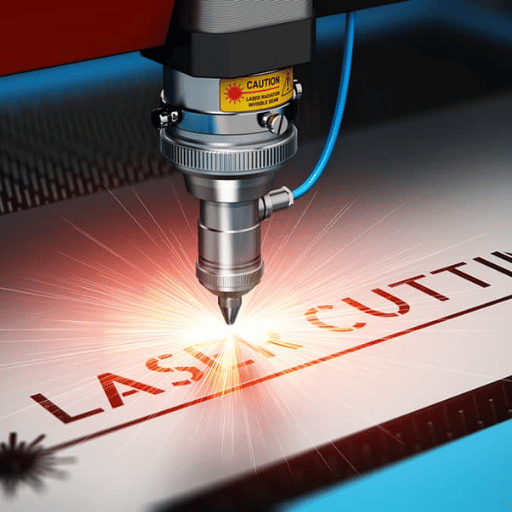
Accuracy and precision are the defining elements of contemporary manufacturing, making the need for advanced tools that can meet intricate requirements more prevalent than ever. In the realms of CNC (Computer Numerical Control) machining, laser cutters, arguably the most important innovation, have drastically changed the approach to cutting and engraving in different industries. With unparalleled accuracy and exceptional flexibility, these machines have become critical components of almost every industry from aerospace to custom manufacturing. In this article, learn about the advancements in productivity through reduced waste, enhanced ease, and revolutionary CNC designs made possible by laser cutters. Read more to discover the technologies driving this change and their implications for the future of precision engineering.
What is a Laser Cutter and How Does it Work?
Apprehending the Mechanism of the Laser Beam
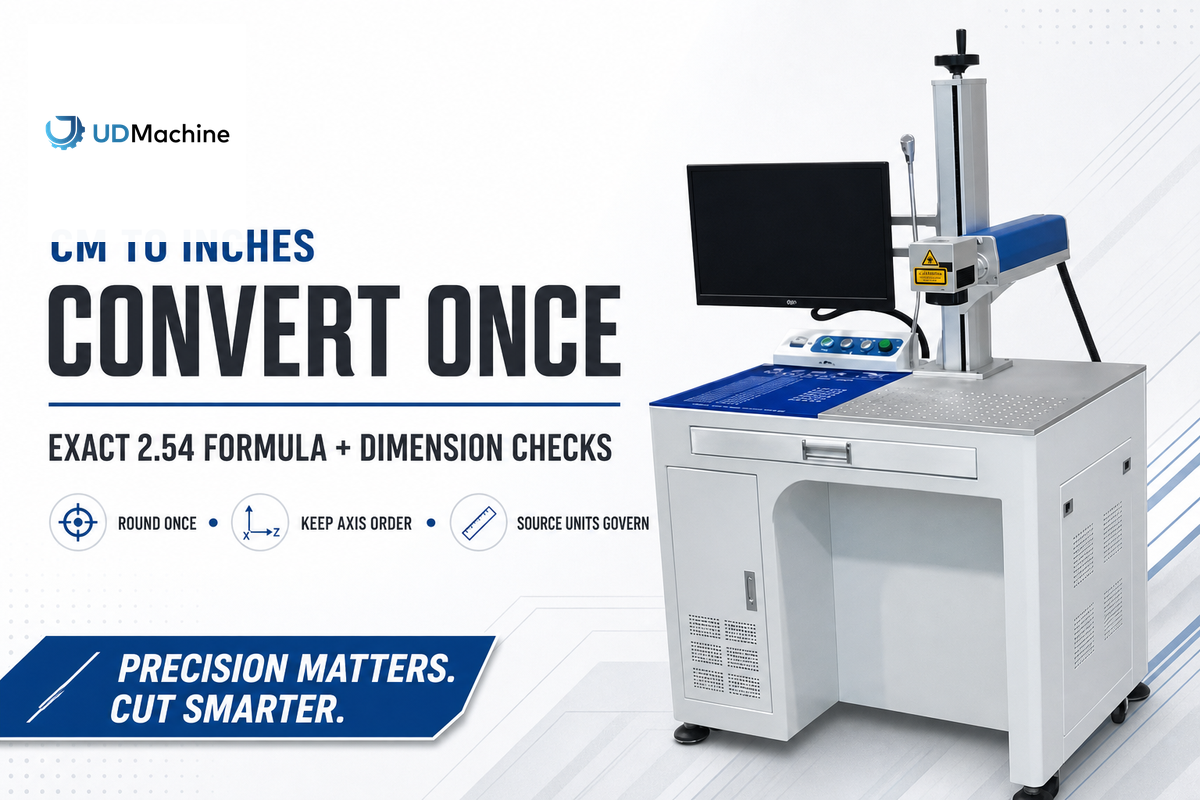
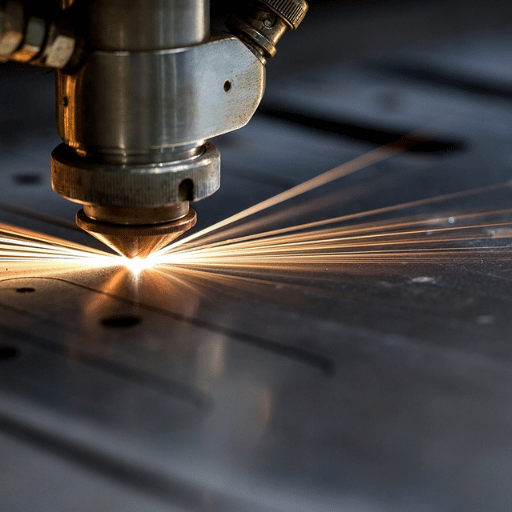
Laser cutters function by creating a focused light beam known as laser, which can be used to engrave or slice through materials. A source for laser is where it all commences. This source releases waves of light that are very narrow and focused and with a lot of power. The waves are sent through various sets of lenses and mirrors to increase their power and the energy of the beam. It is then further controlled using CNC systems which make sure the laser pointer moves to the correct position on the cutting surface. Once the object is cut or engraved, the concentrated beam is focused on it. The energy of the beam is absorbed, causing controlled heating, melting or vaporization at a specific region. This mechanism achieves enhanced detailing in the process of cutting, which makes laser cutters efficient for use in all sectors. Laser cutters have become an excellent technology for achieving precision in operations in various sectors.
How the Laser Cutting Machine Works
The operation of laser cutting machines is realized with a high powered laser and complex motion systems. At first, high power lasers are generated from the source, which release light beams that are focused through various lenses to produce an intense point of energy. Computer control systems are in place to ensure the laser is shone where intended, making sure focus is on the exact spot needed, strategically using the powerful laser.
Once the laser makes contact with the material, it has the ability to transfer energy that heats up the material to the extent where it can rapidly melt or vaporize at the desired location. Oxygen or nitrogen as an example, are assist gasses that are used to enhance the cut by blowing the contestants away or improving the edge finish. A CNC laser cutter uses Computer Numerical Control (CNC) software to operate the laser and the material in a synchronized controlled manner to deliver complex and clean cuts. The control, precision, and efficiency offered by laser cutting machines makes them invaluable in the modern world from manufacturing to fine arts pieces.
How the CNC Machine Helps with Laser Cutting
CNC machines are essential to laser cutting because they guarantee accuracy and repeatability throughout the entire manufacturing process. After obtaining the necessary digital design, the software processes the design and translates it into movements which commands to the laser cutting head. These movements can reproduce very fine shapes and patterns with a high degree of accuracy. Human error is decreased and productivity is increased through automation. Moreover, CNC systems allow for optimization and modification of the cutting motion, making sure the process is versatile and dependable for different materials and cutting challenges.
Different CO2 Laser Types Focused On Specific Processes
Features of CO2 Lasers
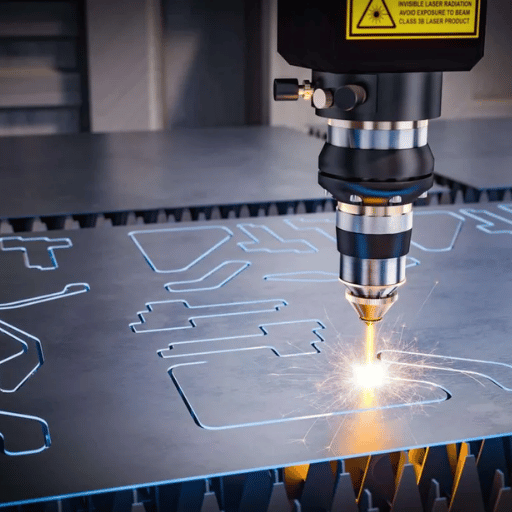
Because of their effectiveness in cutting different materials such as metals, plastics as well as wood, CO2 lasers are greatly utilized for advanced industrial cutting practices. To create an infrared beam, it begins with the mixture of carbon dioxide gas being vibrated up to a specific temperature. In regards to CO2 lasers, primary features to note include high power and great beam quality, as well as the capacity to perform cutting with high smoothness on the edges. This type of cutting technology is, however, most useful for non metallic materials. As a result, they are highly affordable and dependable and can be used for a wide variety of tasks.
Looking into Fiber Lasers
Fiber lasers use rare elements like neodymium, erbium, and ytterbium as doping substances while using optical fibers as solid-state laser materials. This results in the generation of high intensity laser beams. These types of lasers are highly used in many industries because they are designed to be compact yet perform great. One of the most importants features of fiber lasers is that they provide great beam quality and focus; this makes them ideal for precise tasks like cutting, marking, and wielding. Their low operating costs are due to the fact that they operate with little maintenance for long periods of time.
The output power of fiber lasers has improved tremendously owing to the latest innovations in technology, with some systems offering powers in the kilowatts range. As a result, they are able to cut through stainless steel and aluminum with astonishing efficiency. With fiber lasers, the processing of reflective and thin materials is done at a much greater speed than traditional CO2 lasers. Their applications in laser cutting have made them the preferred technology in the aerospace, automotive, and even medical device manufacturing industries for laser cutting.
Uses Of Various Laser Cutting Technologies
Because of their restriction free design capabilities, laser cutters have found their way to virtually every industry that requires precise and intricate cuts. CO2 laser cutters are widely used in the signage, decorative handicrafts, and packaging industries as they are very efficient in cutting textiles, wood, acrylic, glass, and a variety of other non-metallic materials. Fiber laser cutters are utilized in the electronics and automotive industries along with aerospace owing to their ability to process titanium, stainless steel, aluminum, and several other metals. Nd:YAG lasers are very common in the tool making and manufacturing industries as they are used for welding, deep engraving, and a host of other high powered applications. Different styles of laser cutter all serve their specific purposes and distinct advantages for various materials and varying levels of precision required in each.
Advantages of Laser Cutting in Modern Manufacturing
Benefits of Metal Cutting with Lasers
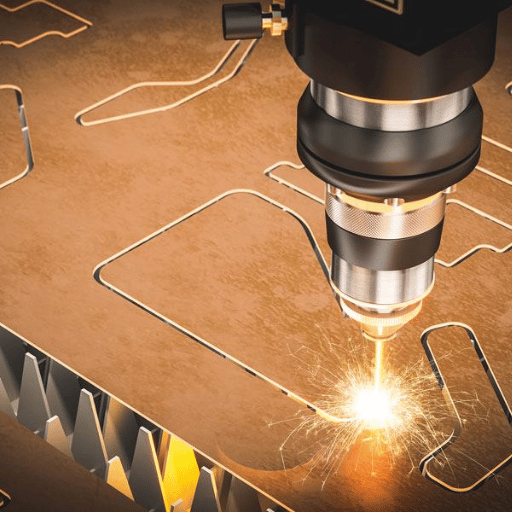
Laser cutting technology yields the highest measures of accuracy compared to other techniques. This high accuracy enables manufacturers to cut complex shape designs, with effort and precision as very minor aspects of the effort needed. The common lasers used in metal cutting further provide advanced non-contact systems, which decreases distortion of the material. This attribute, along with the capability of the laser to move over the surface, makes it ideal for delicate and sensitive metals. The efficiency and speed achieved by laser cutters is exceptional, which results in higher production rates alongside impeccable finishes within lower time frames. Stainless steel, aluminum, and even titanium are some of the metals whose cutting can be performed with consistent results. When accuracy, speed, and the range of metals that can be worked on are combined, productivity is greatly increased, and waste is reduced in modern manufacturing processes.
Precision and Efficiency of Laser Cut
Compared to most, if not, all other technologies, laser cutting remains one of the most known and used precision tools around the world. It is highly employed in car manufacturing for parts that are intricate and can cause a lot of errors during cutting, as the laser cutter does not. In aerospace, laser cutting helps as it can easily create lightweight, durable, and high-quality components. This precision helps in maintaining quality standards needed by the industry. In addition, the electronics industry can also construct more advanced circuit designs with the help of laser cutters, as less material is wasted during the process. Through these applications, it leads to the conclusion that laser cutters play a huge role in laser cutting as it increases the ability to produce advanced devices within high quality requirements.
The Basic Principles of Laser Cutting Technology
The Working Mechanism of Material Processing by Laser Beam
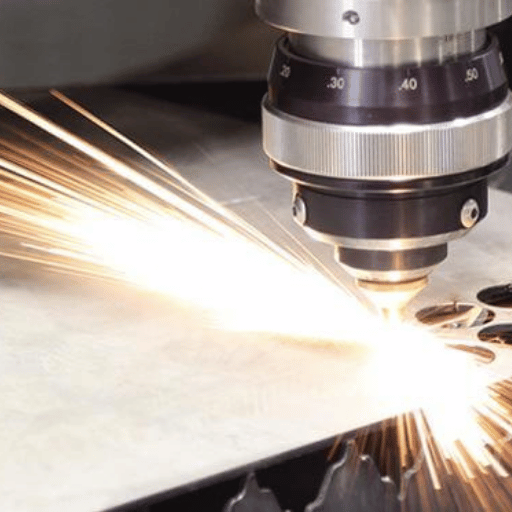
Materials are cut using a laser beam with the aid of a specialized mechanical system. It starts with the laser beam source where the concentrated light beam is generated. This light beam is then passed through mirrors and lenses positioned inside the laser cutting machine to tune it to a certain level of focus. Once the beam is focused, it is directed at the surface of the material. As long as the energy intensity is high enough, the material will heat, vaporize, or melt. Finally, the advanced motion systems guide the laser on the desire cutting path. These two factors will ultimately lead to accurate and smooth cuts.
Phases of the Cutting Procedure
- Beam Creation. The cutting process begins at the laser source where the light beam is generated. For best results, the power and wavelength of the light beam must be sufficient for the intended purpose.
- Beam Transfer. The generated light beam is sent through a combination of lenses and mirrors to increase the power concentration of the beam at a designated point.
- Interaction with the Material. The light beam is targeted at the material where the energy concentration is sufficient to vaporize, ablate, or melt the designated surface.
- Motion Control. Pre-defined slicing patterns are executed through advanced motion systems that are responsible for guiding the laser’s position, and thus, ensuring the utmost shape and pattern accuracy and completeness.
- Removal of Byproducts. Often referred to as ‘assist gas,’ the gas flow aids in removing debris or molten material from the slice area ultimately enhancing the cleanliness of the end product.
Role of Vector Cutting in Laser Cutting
Vector cutting assists with the laser cutting technique immensely as a great amount of accuracy and efficiency is achieved during the actual cutting phase with the laser. This strategy consists of outlining a straight or curved path which the laser uses as a guide to make the cut; therefore, this technique is suitable for elaborate patterns and complicated geometries. Manufacturing, aerospace, automobile and jewelry industries are some of the most important fields of application of vector cutting where accuracy is a critical factor.
With vector cutting technology, software integration is now possible due to the automation of cutting paths that are extracted directly from CAD designs. This ensures that there is minimal material waste while allowing the customization of the output. Furthermore, contemporary vector cutting systems adjust cut speeds and energy consumption to the properties of the material at hand, particularly its thickness and composition, thus increasing productivity and reducing operational costs. As a result of maintaining close tolerances with every cut, this technology proves to be essential for precise applications across a variety of sectors.
Which Substance or Surface Can a Laser Beam Cut?
Using various materials as their base
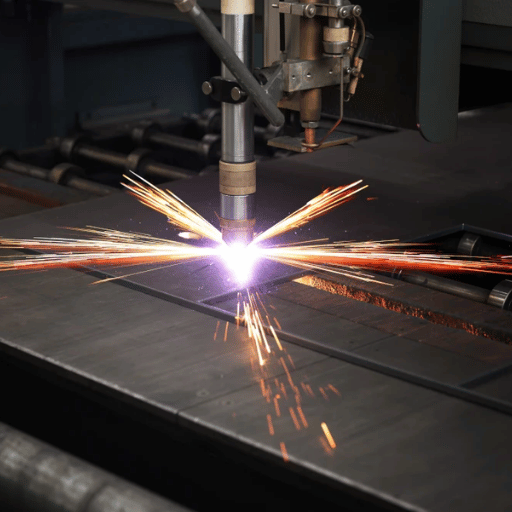
One of the advantages of laser cutting is its ability to work with different types of materials. Steel, aluminum, titanium, and other metals are frequently cut due to their strength and machinability. These metals are used in aerospace and automotive industries. In addition, wood, acrylic, plastics, and even glass are also commonly used materials in sign and design industries. Some types of fabrics and even leather can be used for laser cutting for the fashion and textile industries. The capability of rapid switching between these materials brings out the efficiency of laser systems.
How Different Material Types Affect Cutting
Due to differences in the density, reflectivity, and thermal conductivity of different materials, the reaction to the process of laser cutting is not the same across all types. For example, metals usually have a higher power threshold as they endure greater damage while retaining their ability to reflect light. Highly reflective materials such as aluminum and copper can be quite challenging and may require specific systems for the best results. Wood and acrylic, being non metallic materials, have a lower density, thus, they absorb laser energy much more efficiently leading to cleaner and precise cuts at lower levels of power. However, such materials as glass can be more difficult to manage as they are easily damaged and can crack with excess thermal stress. These specific characteristics of materials are the reason for the need to set appropriate laser settings.
Choosing the Ideal Materials for Laser Cutting Angle
When choosing a laser cutting material, the outcome desired as well as the material’s properties. For the best outcomes, acrylics, plywoods, and certain plastics are usually ideal since they have a great finish with the laser systems as well as a good edge with little post-processing. Steel or even some metal materials are more difficult, but can be utilized widely when there is ample power available from the laser in use. These items stand the test of time and have high accuracy in their end details. Thin glasses or untreated fabrics are materials, with high risk of warping, that should be avoided unless the specific takes into target calibration of the laser system for those applications. The integration of materials with high efficient absorption of laser energy while exhibiting low thermal stress will increase the proficiency and quality of the cutting processes significantly.
Concerns and Problems Associated with Laser Cutting Works with Corresponding Solutions
Troubleshooting Cutting Path Problems
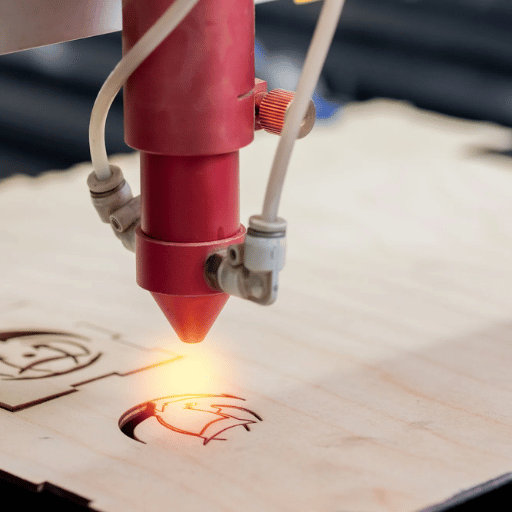
As with any work done with laser technology, cutting path problems are flexible and dependent on numerous factors like design errors, machine setup, or material’s quality. To perform these tasks with a laser engraver, it is critical to consider the following:
- Check The Design FileFor laser cutting, the path in the design file should be a vector-based file with closed paths. Otherwise it will not be the best optimized for it.
- Inspect The Alignment Of The LaserIf the laser does not make straight cuts, chances are that the machine needs calibration. Routinely check that the laser resonator is calibrated so that the cuts are accurate.
- Adjust Feed Rate and Power SettingsIf a material is inconsistently cut, check the power of the laser and the speed. More times than not, the tool is moving too quickly or there is not enough power present. In both these scenarios, the results will be sub-par.
- Assess Quality Of MaterialAt times, cut-warped materials can cause issues with the path of the laser that is being cut. So, use high quality materials to ensure compatibility.
- The system has to be maintained regularly otherwise dirty lenses and filters will cause a problem with the accuracy. So ask your maintenance technician to perform regular systems check-ups.
By addressing the issues above, you will be able to resolve the challenges during cutting path problems enabling achievement of high precision cutting.
Finding Solutions to Cutting Machine Problems
- Materials Do Not Match Dimensions. Ensure the size of the materials match what is indicated in the design file. If there is a mismatch, resize or realign the material before beginning the cutting process to avoid errors.
- Burn Marks / Heat Damage. For burns or extreme heat damages, slow down the working speed or reduce the laser power, while also tailoring the parameters to the material type. For sensitive materials, best results are achieved with low power and high speeds.
- Edge Quality Is Subpar. The cutting edges of the component will be rough if the dull/worn cutting tools are not replaced, or if the material is secured to the cutting bed in a flat position to allow for edge smoothening.
- Cutting Is Not Perfect. Incomplete cuts can be caused by the presence of obstacles in the machine block. Also, there may be other causes like wrong laser focusing, or dirty optics.
If these specific solutions are applied, common problems and issues can be dealt with and the performance of a cutting machine can be made more efficient.
Frequently Asked Questions (FAQs)
Q: What is a laser cutter and how does it work?
A: A laser cutter is a CNC machine that cuts through a material with the help of a laser beam. It works by concentrating the beam of a focused laser so that it can cut through sheet metal, plastics, wood, and more. The laser head moves along a specific path, cutting the material based on the programmed instructions.
Q: What are the different types of lasers used in laser cutting?
A: There are many kinds of lasers that are used in laser cutting, such as CO2, fiber, and Nd:YAG lasers. Non-metals are easily cut with CO2 lasers and can be focused to pierce other materials. Fiber lasers are well suited for cutting thin metals, but Nd:YAG lasers are powerful industrial lasers best suited for cutting medium thick materials.
Q: In terms of laser cutting ion laser and plasma cutting, which is better?
A: The main difference between laser cutting ion laser and plasma cutting is the speed level and quality of the finished product. Whereas laser cutting allows for more accuracy with delicate structures on thinner materials plasma cutting is commonly faster when precision is not as great of a concern. A laser cutter employs a focused beam of light while plasma cutting enables the use of ionized gas to cut.
Q: What is the range of materials that a laser cutting machine can work on?
A: Laser cutters enable the cutting of an extensive variety of materials such as sheets of metals, plastics, wood, acrylic, leather, and even certain textiles. How thick or what type of material one can cut can be determined by the power of the laser. Some industrial laser cutters are now capable of cutting thicker metals that were previously only suitable for flame cutting and even plasma cutting.
Q: What are the advantages of using a laser cutter over traditional cutting tools?
A: The use of laser cutters has several advantages in relation to more traditional forms of cutting tools. These tools offer greater accuracy, harmonious cuts, intricate patterns, and faster working speeds on thin materials. They also render lesser amount of waste, easier and safer handling since there are no physical cutting tools that can break or deteriorate.
Q: Can laser cutters be used for anything other than cutting?
A: Absolutely! Laser cutters are also able to engrave and mark the material that you are cutting, adding more features to the material. Changes to the power and focus of the laser beam enable one to decorate surfaces without cutting deeper into the material. Such features are appreciated in the world of mass production but also make laser cutters useful in artistic work.
Q: What safety precautions should be taken when using a laser cutter?
A: It is mandatory to put on the right safety attires and goggles when using a laser cutter, especially the ones made for laser use. Be sure to ventilate in order to get rid of fumes and particles that are produced when using it. Be careful not to operate the machine for long periods without monitoring it and be sure to account for the hot temperature of the laser beam to prevent any burns or fires.
Q: What is the difference between CNC machining and laser cutting?
A: The process of using a laser to cut differs from traditional CNC machining in several ways. Unlike conventional CNC machining, laser cutting does not involve the use of a contact tool, hence marking does not occur. The edges and details on the work piece are cleaner and sharper than those produced by CNC machines, especially for thinner materials. However, most CNC processes are better for thicker materials or more complicated 3D cutting and shaping.
Reference Sources
1. Nanosecond-Fiber Laser Cutting and Finishing Process for Manufacturing Polycrystalline Diamond-Cutting Tool Blanks
- Authors: F. Chang, C. Hsu, Wentong Lu
- Journal: Applied Sciences
- Publication Date: June 24, 2021
- Citation Token: (Chang et al., 2021)
- Summary:
- This document covers the fabrication of polycrystalline diamond (PCD) tool blanks with a nanosecond fiber laser. The research focuses on investigating how changes in process parameters affect the morphology and quality of the cut-surface and the finished PCD workpieces. The findings reveal that the reactive fusion cutting mechanism has a capability to process as deep as 155.2 µm with certain laser parameters, thus supporting the notion of using laser technology for the accurate cutting of PCDs.
2. A Rapid Manufacturing Method for Rectangular Splines Based on Laser Cutting and Welding
- Authors: Wang Shenying et al.
- Journal: Transactions of the ASABE
- Publication Date: January 1, 2021
- Citation Token: (Shenying et al., 2021, pp. 117–126)
- Summary:
- This research implements a new technique for fabricating internal and external rectangular spline shafts using laser cutting and welding. The authors assess the spline parts and furnish boundary parameters for the average dimensions of the splines. The approach is substantiated by particular examples of agricultural machines which proved its efficacy in cutting the costs and time of production processes.
3. Fiber Laser Cutting Study on Ternary NiTiV Shape Memory Alloy
- Authors: A. Arun, K. Rajkumar, S. Santosh
- Journal: Materials and Manufacturing Processes
- Publication Date: April 7, 2023
- Citation Token: (Arun et al., 2023, pp. 1745–1754)
- Summary:
- The exploration focuses on the fiber laser cutting of NiTiV shape memory alloys, paying particular attention to the surface roughness and material removal rate associated with various laser cutting technologies. The study used the Box-Behnken method of experimentation that confirms the ability to achieve optimized cutting conditions where surface quality is enhanced while simultaneously retaining the material’s shape memory characteristics.
4. Modeling and Process Parameter Optimization of Laser Cutting Based on Artificial Neural Network and Intelligent Optimization Algorithm
- Authors: X. Ren et al.
- Journal: The International Journal of Advanced Manufacturing Technology
- Publication Date: May 23, 2023
- Citation Token: (Ren et al., 2023, pp. 1177–1188)
- Summary:
- In this work, an attempt is made to predict the quality of laser cutting processes by means of an artificial neural network optimized by a particle swarm optimization algorithm. The study also analyzes the influence of average power, repetition frequency, and scan speed on the kerf width as well as processing efficiency, therefore making it possible to improve the balance between quality and efficiency of the laser cutting process.
5. Improving Image Monitoring Performance for Underwater Laser Cutting Using a Deep Neural Network
- Authors: Seung-Kyu Park et al.
- Journal: International Journal of Precision Engineering and Manufacturing
- Publication Date: February 6, 2023
- Citation Token: (Park et al., 2023, pp. 671–682)
- Summary:
- The goal of this study is to improve the monitoring of images during the underwater laser cutting process. The authors propose the use of a deep neural network which aids in the capture and processing of images by overcoming the problems caused by flames and bubbles during the cutting process. The results indicate that the proposed method achieves better performance results and, as a consequence, a higher degree of control over the cutting process.
7. Laser