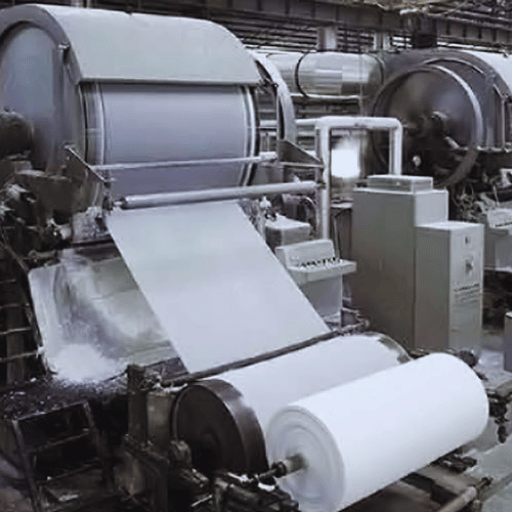
The stock preparation system is the circulatory system in the pulp and paper manufacturing process, significantly influencing product quality, operational efficiency, and overall success. It is critically essential in sugarcane juice clarification, pulp refining, fiber blending, and even chemical treatments, as this final phase directly impacts paper characteristics and production expenses. The primary aim of this guide is to reveal crucial processes and components of the stock preparation system, best practices, and more, uncovering its hidden mechanisms. Further reading will equip you with ideas and information to sharpen your planning, improve operational efficiency, and remain relevant in this ever-evolving industry.
What is the Pulp Preparation Process?

The pulp preparation process marks the very beginnings of the papermaking workflow. It involves transforming raw materials such as wood fibers and recycled paper into a homogeneous slurry to facilitate the formation of the sheets. This process also comprises breaking down raw materials, cleaning away contaminants, and refining the pulp to adjust fiber characteristics for targeted-grade papers while maintaining high consistency. Achieving effective pulp preparation equilibrates pulp fiber distribution and uniformity, thereby augmenting sheet grade and production efficiency.
Understanding Pulp Production
Regarding environmental impact, modern processes in pulp production have shifted towards greater sustainability by incorporating more energy-saving technologies, renewable materials, and environmentally friendly technologies.
The Role of Wood Pulp in Paper Manufacturing
Cellulose fibers needed to manufacture different paper grades are obtained from wood pulp, the main raw material in paper mills. The composition of wood pulp allows for the control of the quality of paper, from lightweight sheets for printing to durable packaging materials. During the refining processes, wood sulfurous pulp can be enhanced in balance strength, smoothness, and opacity while achieving the desired clear functional and aesthetic targets for different paper grades.
From Raw Material to Finished Product: Key Steps
- Harvesting and Preparation: Wood is collected and brought to the processing centers, where its bark is removed and chipped into smaller pieces.
- Pulping Process: Capable of using mechanical, chemical, or semi-chemical methods, the wood chips are treated to extract cellulose fibers, which are essential for producing quality paper.
- Cleaning and Refining: Fibers within the pulp mixture undergo a rigorous cleansing process to eliminate contaminants that reduce the yield. The pulp then undergoes a refining stage, which enhances inter-fiber bonding capabilities.
- Sheet Formation: A dilute pulp suspension is spread on a moving screen, forming thin pre-dried sheets as water drains.
- Pressing and Drying: Subsequently, the cake of moist sheets is pressed and dried using heated rollers to remove excess water.
- Finishing: Finally, the paper undergoes smoothing, coating, or other treatments, which create the desired functional and optical characteristics before cutting and packaging for distribution.
How Does a Pulp and Paper Stock Preparation System Work?

Components of a Stock Preparation System
- Pulping equipment: Changes raw materials into pulp by disintegrating fibers.
- Screening Systems: Eliminate impurities and oversized pieces of the pulp.
- Centrifugal Cleaners: Remove sand, metals, and heavy contaminants using centrifugal force.
- Refiners: Improves fiber quality by processing pulp mechanically to enhance bonding in the fibers.
- Mixing chests: Blend uniformly pulp with filler, dye, chemicals, and other additives.
- Water filtration systems: Reuse water from the preparatory processes and clean it to reduce waste.
- Storage Tanks: These temporarily hold prepared pulp after the initial processes until it undergoes further steps in the papermaking procedure.
The Function of a Pulper in Fiber Processing
A pulper’s function in fiber processing is to reduce the raw materials into a uniform slurry, such as recycled paper or wood fibers that undergo mercerization for papermaking. Polymers, plastics, and metals are removed during the process, which facilitates the separation of silicates through water and mechanical stirring. This stage ensures that all polybasic saponified silicates are adequately separated with the appropriate level of cleanliness necessary for streamlining production.
Importance of Control Systems in Efficiency
Control systems are pivotal to enhancing productivity and streamlining industrial processes. These systems manage different operations to maintain quality, lower waste, and decrease energy consumption. Masterful control of temperature, pressure, and flow rate variables greatly enhances productivity and operational reliability. Moreover, the capability of master control systems to analyze data in real time enables prompt decisions, which fosters ongoing refinements. Implementation of these systems undeniably fortifies sustainable production and reduces operational expenses.
What are the Challenges in Pulp and Paper Production?

Managing Impurities during Processing
Contaminants within pulp and paper production systems are exceedingly difficult to deal with because they can affect product quality, equipment lifespan, and productivity. Impurities, which include sand, dirt, and non-fibrous materials, require adequate handling to maintain smooth operations. Modern screening and cleaning systems remove such particles through hydro cyclones, vibrating screens, and pressure washers. Some studies indicate optimally cleaned processes have up to a 90% reduction in impurities, leading to enhanced product quality.
Furthermore, the pulp’s chemical composition must be closely observed. Components such as lignin and hemicellulose require precise balancing, where their residual forms are maintained during the pulping stages. More recently, oxygen delignification and enzymatic treatments have emerged that reduce residual lignin efficiently while lessening the need for harsh bleaching agents, characterizing modern chemical pretreatment techniques. Not only do these practices strengthen the fiber characteristics of the product, but they also bolster environmentally minded strategies by contributing to sustainable chemical practices.
The use of automated control systems with real-time monitoring capabilities has advanced the effectiveness of impurity control even further. Contaminants are detected in the production lines where these systems are applied, and necessary changes are made automatically, aiding zero maintenance and minimizing downtimes. Therefore, novel techniques for impurity control must be adopted to sustain operational dependability and cope with rising needs for high-grade, eco-friendly pulp and paper.
Addressing Environmental Concerns
The pulp and paper sector grapples with serious ecological issues, especially in conserving water, managing waste, and curbing greenhouse gas emissions. To mitigate these problems, companies are increasingly adopting sustainable measures, incorporating systems like hydropower or wind energy, closed-loop water systems to minimize wastewater, and efficient waste recovery processes. Apart from improving compliance with robust regulations, promoting sustainable business practices, and guaranteeing environmental stewardship, these measures also bolster long-lasting compliance and high-quality finished paper production.
Optimizing the Use of Waste Paper
The effective management and optimization of waste paper is vital towards fostering sustainability and conserving natural resources. An essential aspect of this strategy is recycling paper, which alleviates the strain on first-generation pulpwood trees in forests. Industry statistics indicate that recycling one ton of paper saves around 17 trees, approximately 7,000 gallons of water, 463 gallons of oil, and significantly reduces landfill waste by three cubic yards.
Implementing advanced de-inking systems and precision pulping techniques improves the quality of paper grades such as kraft and sulfite. Certain companies are shifting towards circular economy frameworks, which involve the multiple use of waste paper to preserve the fiber for as long as possible. Newer techniques also enable better waste paper sorting through digital watermarks, ensuring higher recovery rates at recycling facilities.
Another equally important aspect is the creation of hybrid systems for paper production that integrate sustainably sourced virgin fibers and recycled fibers to satisfy quality and functional criteria and adhere to green standards. When incorporated into corporate strategies for handling waste, such actions promote lower carbon footprints, bolster eco-friendly resource practices, and align corporate actions with green values.
How is Bleach Used in the Pulp Industry?

Types of Bleaching Agents
- Chlorine Dioxide (ClO₂): A shredding compound predominantly utilized in the process of delignification due to its effective destruction of pulp lignin whilst mitigating the generation of detrimental chlorinated by-products.
- Oxygen (O₂): Employed in delignification, it enhances the elimination of lignin from the pulp as a prerequisite to subsequent bleaching steps, improving eco-efficiency.
- Hydrogen Peroxide (H₂O₂): Used widely in TCF and ECF processes, hydrogen peroxide achieves high brightness while being eco-friendly, thus being regarded as an environmentally responsible choice.
- Ozone (O₃): Used in subsequent paper processing as a powerful oxidant for bleaching, it reduces lignin in advanced stages, making it less reliant on traditionally used chlorinated compounds and enhancing oxidation during paper production.
- Sodium Hypochlorite (NaClO): Widely known as an outdated bleaching agent, it is still used in some instances due to its high efficacy in lignin breakdown despite being overshadowed by sustainable alternatives.
Understanding the Bleaching Process
The bleaching process includes removing lignin to increase the brightness of pulp. Sustainable and modern agents are used to improve efficacy and lessen environmental harm.
Impact of Bleaching on Pulp Fiber
Fibers of the pulp rely heavily on their properties after the bleaching methods. Proper bleaching improves the pulp’s brightness, whiteness, and cleanness, increasing its value while producing quality paper. Nevertheless, improper bleaching will cause fibers to become weaker, which reduces strength and durability. Modern techniques seek to provide an appropriate compromise between the quality of bleaching and environmental considerations, trying to minimize harm to the fibers while achieving the target brightness.
Why is the Pulp and Paper Industry Crucial to the Paper Mill Economy?

The Role of a Paper Mill in Local Economies
Paper mills serve a vital function in a region’s economic development by creating jobs, sustaining industries, and providing an impetus for growth within the locale. They employ skilled and unskilled workers directly within the mill and indirectly via forestry, transportation, and equipment manufacturing. Moreover, paper mills enhance community development by elevating local tax revenues and catalyzing economic activity in the surrounding regions. The operations of paper mills often drive further innovations in sustainability and recycling, thus showcasing their economic importance and environmental impact.
Technological Advancements in Pulp Production
- Enzyme-Based Pulping Methods: Enzyme technologies have transformed energy-intensive pulping processes by reducing chemical usage and environmental impacts.
- High-Performance Refining Equipment: Improvements to refining equipment have further advanced fiber fractionation, resulting in better consistency, quality of the pulp, and enhanced performance across diverse applications.
- Oxygen Delignification: This method extracts lignin from wood fibers using oxygen before bleaching, drastically reducing the use of harmful substances like chlorine and improving the technique’s eco-friendliness.
- Closed-Loop Water Systems: Today’s pulp mills use modern methods, adopting closed-loop water recycling systems that minimize freshwater intake and wastewater production.
- Digital Process Optimization: Industry 4.0 technology, including AI analytics and IoT sensors, facilitates real-time monitoring and optimizes pulping processes, driving productivity and sustainability.
Future Trends in the Pulp and Paper Industry
The paper and pulp industry is set to undergo seismic shifts due to technological innovations, evolving market dynamics, and the quest for global sustainability. One such development is using bio-based materials for sustainable substitutes to conventional packaging. Businesses focus on lignin, cellulose nanofibers, and other wood-based biomaterials to manufacture eco-friendly, biodegradable, and recyclable products.
Another important area of progress is introducing new automation technology and robotics. Smart factories with autonomous systems, machinery, and AI-powered frameworks are improving production efficiency and operating costs. Predictive maintenance IoT sensors ensure reduced downtimes and enhance equipment efficiency and dependability.
Leading pulp mills are also shifting to renewable biomass, solar, and wind energy to reduce fossil fuel dependency, which is aiding innovation in energy management amidst the industry’s focus on carbon neutrality. To further reduce greenhouse gas emissions, corrugated paper production is being made more sustainable by implementing carbon capture and storage (CCS) technologies on production facilities.
Finally, the principles of circular economy are changing design innovation and the use of resources. There are increasing efforts to economically utilize by-products such as black liquor into renewable energy or chemicals, which is a form of waste-to-resource technique. This method improves the utilization of materials in addition to global sustainability efforts and advances the position of the pulp and paper industry in the future low-carbon economy.
Frequently Asked Questions (FAQs)
Q: What is the stock preparation process in pulp and paper manufacturing?
A: The stock preparation step involves pre-treating the materials used to make both chemical and mechanical pulp so that they can feed the paper machine. This process is essential to maintain the uniformity of the quality of the paper produced.
Q: How does the refining process impact paper quality?
A: The refining process is an essential step in pulp and paper manufacturing because it changes the fiber constituents of the pulp and increases the ability of the paper pulp to bond. This step is achieved by using a refiner to process the wood fibers, which determines the strength and printability of the paper.
Q: What role do chemical and mechanical pulps play in paper making?
A: Chemical pulp obtained through the kraft or sulfite process strengthens paper products, and mechanical pulp gives bulk and opacity. A blend of both types is used in a given amount to suit the requirements of a specific kind of paper.
Q: Why is pulp bleaching an essential part of the manufacturing process?
A: Pulp bleaching involves using chemicals like chlorine dioxide to remove lignin and achieve certain levels of whiteness and brightness without damaging the paper fibers.
Q: Why is the use of recycled paper significant in stock preparation and the paper manufacturing process?
A: Recycled paper streamlines energy use and the industry’s environmental impact. It is recycled in the pulp mill, where fibers are cleaned and refined. This helps towards sustainable pulp and paper manufacturing.
Q: What is the contribution of the headbox to the papermaking process?
A: The headbox is very important for the balance and diffusion of the paper pulp slurry onto the wire section of the paper machine. This assists in the paper sheet’s formation and consistency over its breadth.
Q: What main chemicals are used in the Kraft process, and what are their actions?
A: Some chemicals used in the Kraft process are sodium hydroxide and sulfur, which hydrolyze lignin and detach it from cellulose fibers. This produces a strong type of cooked pulp that helps further processing into good-quality paper products.
Q: What happens to process water in the pulp and paper manufacturing steps?
A: Process water is treated and reused within the mill to reduce wastage and environmental concerns for unbleached pulp and processing. The balance is as critical as the water management in maintaining the quality of the stock preparation.
Q: Why is washing pulp significant in a system’s stock preparation context?
A: Pulp washing is important in removing residual cooking chemicals and lignin from cooked pulp. Washing strengthens the qualitative indicators of the paper pulp and increases the efficiency of the chemical recovery cycle, ensuring that the cooked pulp is washed sufficiently before additional stages.
Q: What is the role of energy consumption in the pulp and paper industry’s entire process?
A: Process optimization, along with adequate equipment selection, such as pressure screens and refiners, leads to enhanced energy efficiency for pulp processing and paper-making operations. This, in turn, helps to reduce production costs and support the ecological environment.
Reference Sources
1. The Transformation of Paper-Grade Pulp into Dissolving Pulp for the Preparation of Lyocell Fiber (Gong et al., 2022)
- Key Findings:
- The dissolution mechanism of pulp in the system and several influencing factors were examined, which serves as a theoretical foundation for transforming paper-grade pulp into dissolving pulp for producing Lyocell fiber.
- The prepared pulp showed competitive properties when benchmarked against commercial-grade Lyocell dissolving-grade pulp.
- Methodology:
- The dissolution of paper-grade pulp was achieved through a sequence of caustic extraction, acid treatment, and enzymatic treatment.
- Evaluated the prepared pulp regarding its dissolution and spinnability with Lyocell solution, characterizing its pulp properties, dissolution properties, and spinnability and stability.
2. Pulp and Paper Making Processes – Princeton University
- This document offers thorough information on the preparatory steps involved in processing pulp and the subsequent stages of preparing paper.
3. Stock Preparation Part 1 – Pulp Treatment – NC State University
- Deals with the review of the re-pulping, refining, and hot dispersing processes.
4. Pulp (paper)