The pulp and paper segment is currently in a critical condition, as it grapples with the challenge of meeting demand while also being environmentally responsible. As one of the largest industries in the economy, it consistently faces demands from society, primarily for environmental improvement and enhanced quality of life. This literature examines the industry that has become sustainable through advancements in technology, resulting in the production of sustainable paper. These new technological solutions reduce the harmful effects on the environment, and in turn, help create ways to support future generations. You could be an industry player, a nature lover, or simply someone interested in green technologies; this article provides a brief overview of the changes underway in the pursuit of sustainable paper production and the key innovations driving that effort.
The Sustainability Imperative in Modern Papermaking
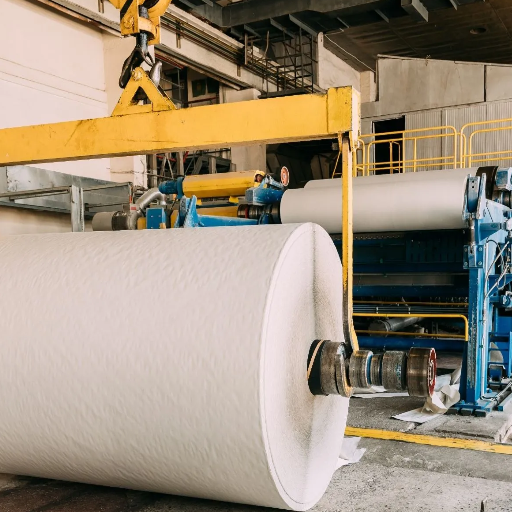
The necessity of sustainability in modern papermaking lies in two basic goals: the first is to minimize harm to the environment, while the second is to supply the market with paper products in increasing volumes. This is achieved using renewable primary input materials, energy-saving manufacturing methods, and recently developed recycling techniques. Sustainability enables effective ways to minimize water, electricity, and harmful industrial practices. Many pulp mills have, at present, opted for wood harvested from sources that can be guaranteed to have no harm to the environment and have strived to minimize the amounts of water and energy used in the production process. Additionally, recycling is crucial, as it reduces the use of raw materials and minimizes waste production. These efforts, in the context of strict environmental regulations and modern technologies, are helping the papermaking sector adopt a shift to ‘worth creating’ production that is environmentally sustainable and preservative-bound.
Industry Environmental Impact Overview
The technological and ecological aspects of paper production have undergone considerable improvement over time, driven by advancements in technology and the adoption of sustainable practices. The most recent statistics reveal that numerous factories have reduced their emissions into the atmosphere by almost 20% over the last decade, primarily due to transitioning to sustainable sources of energy, such as biomass and wind energy. Moreover, the use of recycled fibers in papermaking now exceeds 50% globally. The recycling process has helped decrease the rate of deforestation. These attempts characterize the industry’s movement toward a “circular” model, where the economy does not dispose of waste but recycles it for reuse, thereby reducing the harm caused to the environment. However, there is still work to be done in terms of restricting aquatic pollution and adhering to eco-friendly timber harvesting practices across the board. Such changes are unlikely to be implemented unless there is more innovation and stricter regulatory compliance within the paper industry.
Regulatory Landscape and Compliance Requirements
The regulations governing the paper and pulp industry are numerous, all geared towards ensuring that the sector contributes to environmental protection while also protecting itself by adopting sustainable practices. The mentioned mandatory interventions include the Industrial Emissions Directive, which aims to restrict the emission of pollutants, and the effluent guidelines of the United States Environmental Protection Agency, designed to manage the discharge of water into the surrounding environment. Besides, some certifications such as FSC (Forest Stewardship Council) and PEFC (Wood from Agro Forestry Endorsement) have played an instrumental role in the use of raw products in an environmentally friendly manner.
Based on global warming data, there is an increased focus on adhering to the obligations of reducing greenhouse gas emissions to promote the climate goals outlined in the Paris Agreement. The companies operating within the sector, due to the requirements set forth, are expected to adopt greener technologies, improve aspects of environmental pollution with a special focus on waste reduction, and provide evidence of activities focusing on sustainability to society. Failure to comply can result in penalties, including meticulous enforcement and damage to the company’s reputation; consequently, motivated companies agree to the rules not just because they have to, but also because they know their improved performance will help them stand out in the market.
Economic Drivers for Sustainable Practices
The need to go green has become a widely recognized fact in almost all parts of the world for some time. The focus on environmental issues is driven not only by the ecological approach but also by economic considerations. Renewable businesses have been taken very seriously, as evident by the rising demands of over 45% in the past years in ‘sustainable investments.’ The trend instead shows consumers wanting to be seen as environmentally conscious by using eco-friendly products, as the typical modern consumer with an eco-friendly mindset would rather pay more for ecologically aware brands. Typically, there is an argument that businesses seeking to implement such strategies would not only look towards the future but also address today’s environmental issues. This would mean flexibility in terms of where such problems may be eliminated simply with the introduction of new technologies. Accordingly, they have made it possible to raise funds for addressing community development concerns, specifically environmental protection. The factors encourage companies to decarbonize and renew their technology systems, as they attract and drive funds in these sectors through sustainable income generation.
Latest Innovations in Sustainable Papermaking Technology
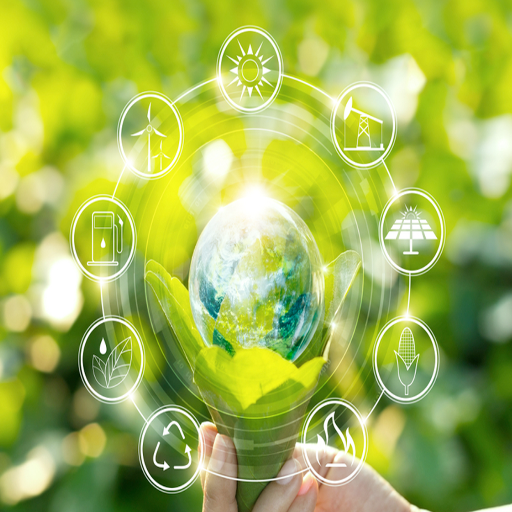
Supporting information regarding current development trends suggests that new initiatives are focused on ensuring the sustainability of paper production and minimizing unnecessary waste of available resources. One of the most significant developments has been the production of tree-free paper, manufactured using alternative fibers such as bamboo, hemp, and agricultural residue, rather than the customary wood pulp source. The reduction of water intake in mills for papermaking through the use of closed-loop water systems is yet another vital step in favour of the environment. Furthermore, there is an increasing trend towards the use of non-polluting and non-hazardous biodegradable chemicals instead of the traditional bleaching agents, resulting in fewer waste products being produced. One more such victory lies in the improvement of an existing process, which helps recycle paper more economically and without the expense of greater quantities of virgin materials than before. These changes are the drivers of the careful and responsible development of paper-making practices in the interest of the environment.
Advanced Effluent Treatment Technologies
The rationale underlying modern effluent treatment strategies in the context of the pulp and paper industry can be best described as a quest to mitigate the negative consequences of the effluents discharged. These strategies typically employ a combination of approaches, including chemical, mechanical, physical, and biological treatment methods, to manage waste. For example, methane gas emitted during the anaerobic decomposition of waste serves as a valuable source of energy. It also uses AOPs or advanced oxidation processes, which target relatively difficult-to-remove compounds. Additionally, a variety of membrane processes, such as reverse osmosis and ultrafiltration, are applied, effectively removing both finer and micro-sized impurities. Simply put, these automation strategies provide an additional means of minimizing treatment costs by generating profit for the plant. It should be noted that the new and emerging treatment technologies described above represent a step towards overcoming the hurdles imposed, especially in hazardous industries, to reach ambitious green goals and improve industrial practices.
Energy Efficiency Technologies (EETs)
Energy is a fast dwindling resource, and one that our planet cannot afford to run out of soon. Energy-saving applications have the potential to consume less energy while preserving or complementing the existing efficiency in different sectors. Some of this innovativeness, such as innovative grid structures, energy-saving lighting (utilizing LEDs), and superior air conditioning systems, are becoming the norms of energy management. Using this technology helps reduce the rate of abandonment and the costs associated with ensuring sustainable energy is continuously used. It is also essential to observe that most businesses nowadays are susceptible to the concept of global warming. Energy-saving equipments wouldn’t become a day-to-day practice, and it is crucial within the given context.
Digital Transformation and Industry 4.0
The concepts of digital transformation and Industry 4.0 are key tenets defining contemporary industrial practices, as traditional manufacturing processes are becoming increasingly obsolete due to the integration of various modern technologies, including the Internet of Things (IoT), Artificial Intelligence (AI), Big Data, and automation. Having made the transition to an Industry 4.0-driven business, many organizations have reported improvements in operational excellence, cost savings, and innovation capabilities. This digital revolution in industry not only improves the efficiency of production and supply chains but also brings advancements in maintenance, facilitates faster decision-making, and enhances the quality of customer engagement. Even in the face of fierce competition in a digital world, businesses will always find it impractical to embrace the status quo, and their strategic decisions for Contemporary business operations will be re-engineered. That is, data-driven and automated business processes will be simplified, facilitating flexibility in the marketplace.
Sustainable Materials and Alternative Fiber Sources

The necessity of reduced environmental disruption and sustainable growth is directly connected to the essentiality of alternative materials and fibers. These range from materials such as organic cotton, bamboo, and recycled fibers to repurposed materials like hemp. In addition, these new developments in bio-based materials and lab-created fibers also represent an efficient and scalable strategy for reducing the use of conventional heavy materials. In this case, it follows that industries can opt for these alternatives, ultimately reducing waste and harmful gases while contributing to the development of a circular economy.
Bio-based Material Integration
There is an exciting trend in many sectors of the marketplace, which is the emergence of bio-based materials. The wave is a product of the confluence of multiple factors: the rising demand of end-users, the expansion of economic distribution channels, and the introduction of innovations. Trends in biodegradable materials indicate a significant rise in demand, particularly in sectors such as architecture, fashion, and packaging. These are composite materials made from natural resources, including, but not limited to, algae, maize, and waste crops, which reduce the reliance on non-renewable resources such as petroleum. They present alternative options to those using petroleum products. For instance, research has progressed to the point where corn-based packaging is now available in the market, replacing heavy packaging materials that can be recycled and decomposed during the process. The adoption of bioplastics, for instance, has helped in creating fully compostable or biodegradable food products, where the packaging remains on the ground. This only goes to show that industries can further the fight against climate change and make money from the evolution of the latest trends towards a more profound respect for the environment.
Recycled Fiber Optimization
The maximization of efficiency and quality in reused fibers obtained from ongoing recycling processes of post-consumer and post-industrial fibers is demonstrated through optimized utilization of recycled fibers. Presently, industries achieve a higher yield rate of fibers in various tissues, boxes, and building materials through the recovery of these fibers using techniques such as advanced sorting and modifications of existing provisions concerning recycling. The most recent data revealed a conversely high demand for products manufactured from recycled materials, with sustainability seemingly taking priority in the minds of purchase-makers. To deal with contamination problems and improve the recovery of higher-grade recycled fibers, AI-led identification of materials and recycling of components are also major ones. Proud that less and less waste is being generated in the process of production, while acknowledging that one problem may be more, hopefully, safe and secure than another. However, there is a way for industries that aim to achieve a less radical reduction in waste and GHG emissions, despite their cost consciousness, to incorporate environmentally friendly technologies. Designed recycling processes enable them to achieve their goals without compromising economic efficiency.
Alternative Non-wood Fiber Sources
To promote sustainable development, various alternatives to wood-based paper are being explored. In this endeavor, more creative and eco-friendly materials are being developed for the production of paper and textiles, aiming to replace polymeric ones. And so, it is embodied in five of the most notable non-wood alternative fibers:
- Bamboo
Bamboo has the advantage of being a non-wood plant that grows quickly and requires minimal resources. It also provides high-quality fibers for textiles and paper, yielding between 5 and 10 tons per hectare annually.
- Hemp
Hemp is a firm, long-lasting, and flexible fiber. Hemp cultivation is highly efficient, producing approximately 1.5–3 tons of dry fiber per hectare and also improving soil quality.
- Flax
Flax is recognized more for its linseed oil than for its fibre. The author discusses the harvesting practices of the fiber crop. The fiber crop grows well in SLC and provides medium–quality, biodegradable fibers for textile and other purposes. The estimated yield of 2.5 liters per hectare is quite acceptable.
- Kenaf
Another semi-tropical crop that yields a bountiful harvest. Kenaf’s fibers are widely used in the paper and building industries, primarily for walls and ceilings, with an output of around 4-8 tons per hectare.
- Bagasse
It is incredible how much waste can be turned into a valuable resource, such as bagasse. After the molasses has been removed from sugarcane, some of the plant residue remains. Which of these plant residues is waste and will be the primary focus of my research?
These alternative fibers are more than just additional pockets of progress; they contribute to the current assaulted environment, and the economy is undergoing deforestation by replacing unsustainable wood-based resources in the global market.
Revolutionary Manufacturing Processes
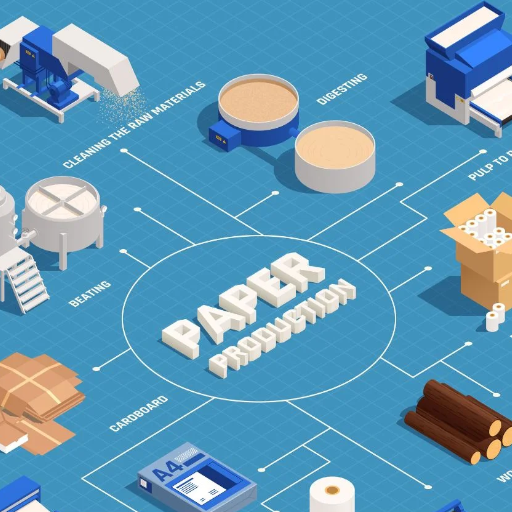
Modern manufacturing processes are examining the most fundamental aspects of this development, including cost efficiency, environmental impact, and creativity. Many of these companies need to introduce innovative manufacturing tools, such as upgrading to higher levels of automation, switching to eco-friendly power sources, and reducing waste during product production. Automation goes a long way in improving operations, thus allowing for accuracy that eliminates waste. This demand drives the structural transformation of manufacturing towards minimizing environmental harm, such as the use of solar energy or wind turbines. Transforming waste products into marketable resources during the process, rather than disposing of them in a landfill, can be referred to as a zero waste strategy. These strategies eventually transform the conventional way of producing goods, which may not be environmentally friendly, into one that can be considered so by employing a few measures within the constraints of available technology.
Microbial Degradation Systems
Microorganisms, such as bacteria and fungi, are bio-technologically enhanced and utilized to break down both organic and inorganic waste products into simpler products. These biodegradation systems are particularly relevant for treating biodegradable waste, including agricultural byproducts, industrial and municipal waste, and plastic waste. This research paper further demonstrates that the application of modern microbial biotechnology has enabled the development of specific microbial strains capable of degrading recalcitrant pollutants, such as polyethylene and polystyrene, which are typically associated with unreliable degradation methods. These systems of pollution control avoid the use of chemically oriented cleanup measures by strengthening the use of already available waste management organisms, preventing pollution, and enhancing their functions. Experience gained through the application of these systems in practice provides reason for optimism, demonstrating that both new and traditional approaches to waste disposal are more effective when used judiciously.
Waste Heat Recovery Technologies
The strategies put in place to achieve energy efficiency in almost all industries can be enhanced by such heat recovery techniques as the WHR, extracting energy that is usually wasted, and using it as another energy. To achieve this, several tools were utilized, including regenerators, economizers, steam reheating, jacket water, flash steam, and jet collectors. On the newest systems, there are thermoelectric generators or boiling units that help decrease the amount of thermoelectric losses. Industries such as manufacturing, petrochemical, and cement can benefit from the adoption of WHR systems, as these systems provide reduced utility bills and a reduction in CO2 emissions. Furthermore, new technologies that work with AI have provided the means to individualize and control these systems, thereby maximizing their yield. It is possible to further develop such designs for large-scale industrial implementation by introducing new concepts, including the use of waste heat recovery in conjunction with other energy sources.
Advanced Process Control Systems
Investment in process control units and AI-driven algorithms aims to achieve optimal performance in industrial systems through efficient operation, waste reduction, and enhanced product quality. This is except that the latter systems use real-time measurements and quantities, and make forecasts based on a process model. Control variables are parameters that have to be maintained by the APC.
Cutting-edge technologies, such as the Internet of Things (IoT) and cloud computing, are now becoming an integral part of APC systems’ processes. This integration facilitates the collection and analysis of data more effectively, while also enhancing remote operations. In addition to various industries using APC systems, the benefits within the plant can vary from considerable energy conservation, lower production costs, and increased velocity, thereby it is pretty necessary today that these systems are incorporated in the industries while remaining linked to the objectives of safeguarding the utilization of resources.
Current Industry Challenges and Barriers

- High Implementation Costs
The Commission of an APC system always leads to spending a significant amount of capital within the project. The device often has high requirements not only in hardware and software design but also in its control and management. This may be considered to be too high an investment for small-scale industries to consider.
- Complex Integration Processes
The APC System’s hardware integration problems, such as integrating the new systems with existing ones, may prove to be complicated, thereby creating inconveniences and increasing costs due to these compatibility issues.
- Lack of Skilled Workforce
In addition to the above-given challenges, the majority of the tasks in the given industries cannot be completed, or rather have to be put on hold, since there is no qualified, reliable workforce competent enough to operate the new state-of-the-art systems, such as APC.
- Data Security and Privacy Concerns
With the latest technological advancements, such as the Internet of Things and cloud computing, numerous risks related to data, security, and cyber threats must be addressed.
- Resistance to Change
Putting in place (adopting) an advanced process control application will often require some profound operational changes; on the contrary, some organizations face difficulties of employee revolt, where it becomes hard to change or instead alter a due course of action.
Technical and Operational Challenges
- Integration with Legacy Systems
Although it is unfortunate, many sectors continue to benefit from legacy systems that have been phased out and do not integrate well with modern advanced process control (APC) technologies. This kind of incompatibility has been one of the challenges that have increased the complexity and cost of the integration, which has even led to the development of unorthodox methods or the redesign of the entire process. Studies indicate that nearly four-fifths of all industrial enterprises still use systems installed more than ten years ago, creating a significant challenge in integrating these legacy systems.
- Limited Technical Expertise
To apply advanced process control systems, it is essential to be familiar with various aspects, including control algorithms, system setup, and troubleshooting problems. This is because they lack the skills, hence are unable to realize the efficiencies associated with using these technologies in their workplaces. Almost 40% of engineering companies that have participated in a research survey have listed skilled personnel deficiency as one of the main reasons limiting their success.
- High Initial Costs
Such an augmented process control system, like many others, has a very high initial capital requirement, which includes license fees, the procurement of new hardware, and organizing learning experiences for end users. This might alter the progression onward for small and medium businesses, as investments in this technology tend to present another challenge. It is a fact that the majority of small enterprises face a challenge in implementing technology, as more than three-fifths focus on other activities, where restricted access to finance is a significant obstacle to these organisations.
- System Downtime During Deployment
The introduction of APC systems often means that a company must stop producing its product while improvements are made. This disruption is particularly significant for businesses with fixed deadlines and those that operate continuously, as some require constant production to remain in business. Data from practice shows that losses aggravated by downtime can consume up to 20% of the marketable business for the entire year.
- Uncertainty in ROI (Return on Investment)
Indeed, the implementation of APC systems will eventually improve operational efficiency, save on energy, and reduce costs; however, the same cannot be said for the returns. When producing, distributing, and selling a good or service, the return on investment for advanced process control is not predictable on a short-term basis. Thus, it is reasonable to assume that an increased likelihood of implementation for these systems presupposes a lower financial risk.
Economic and Market Pressures
In my opinion, economic and market factors hinder the slow adoption of atmospheric plasma coating systems. A lack of stability in the return on investment, combined with the cosmetic character of the market, imposes restraints on the installation of these technologies. It is normal for companies to fear anything that does not show immediate benefits and assured profits, leading to the expansion of this fear to the extensive spending typically associated with an acquisition of this size. The tradeoffs among expenses, risks, and ultimate profits gained are a concept that has a significant impact on the decision-making process.
Regulatory Compliance Complexities
The Transitional Government Program (TGP) has emerged as another crucial step in enhancing public administration. Its activity is directed at fulfilling seven administrative principles that contribute solely to the concept of good administration. These rules are designed to make the process of governing fair, transparent, business-focused, and effective for the benefit of citizens. Sound governance principles are paramount for any successful administration. The seven rules are also intended to make it easier to accomplish resolutions; however, they are usually not implemented effectively. Adopted resolutions remain on paper and are not implemented due to the lack of development in public administration in Ukraine, which lacks proper concepts and approaches to public administration. These objective factors include the level of local public administration development, budget realism, and availability of funds in the budget. Such a reality greatly hindered the TGP, which had to implement the same regulations at the local level, despite unresolved issues related to the deconcentration of development budgets and the actual capacity allocated to the territorial administrative-territorial units.
Reference Sources
-
GENEDGE: Sustainable Papermaking: Green Strategies for the Industry – Covers strategies like alternative raw materials and energy-efficient technologies.
-
World Paper Mill: Green Technology in Paper Manufacturing – Discusses eco-friendly innovations like bagasse and recycled paper.
-
Voith: Fiber/Circular Economy – Papermaking for Life – Focuses on technologies ensuring sustainable paper production.
-
NIST: Technologies for Sustainable Manufacturing of Pulp and Paper Products – Provides roadmaps for breakthrough sustainable technologies.
-
Pulp and Paper Technology: Future-Proofing the Paper Industry: Embracing Innovation – Highlights innovations like biomass and bamboo materials.
Frequently Asked Questions (FAQs)
Q: What is sustainable papermaking technology?
A: Sustainable papermaking technology refers to innovative practices and processes that minimize the environmental impact of paper production. This includes using recycled materials, reducing energy consumption, and optimizing the use of renewable resources in paper manufacturing.
Q: How does sustainable paper differ from traditional paper?
A: Sustainable paper is produced using eco-friendly methods that prioritize the use of recycled fibers and renewable resources, whereas traditional paper often relies on virgin wood pulp and comes with a higher environmental impact. Sustainable paper aims to reduce waste and support responsible forestry practices.
Q: What role do paper manufacturers play in sustainability?
A: Paper manufacturers play a crucial role in sustainability by adopting eco-friendly practices in the paper production process. This includes utilizing sustainable raw materials, implementing efficient manufacturing processes, and investing in technologies that minimize waste and reduce energy consumption.
Q: How does paper recycling contribute to sustainable solutions?
A: Paper recycling contributes to sustainable solutions by reducing the demand for virgin wood, lowering energy consumption, and minimizing paper waste. By reusing recovered paper, the paper industry can significantly decrease its environmental footprint and promote a circular economy.
Q: What are the environmental impacts of paper production?
A: The environmental impacts of paper production include deforestation, greenhouse gas emissions, and water pollution. Sustainable practices in the paper manufacturing industry aim to mitigate these impacts by using responsibly sourced materials and reducing waste during the papermaking process.
Q: What advancements have been made in the paper industry towards sustainability?
A: Recent advancements in the paper industry include the development of digital technologies that streamline the manufacturing process, innovations in the use of alternative fibers, and improved recycling techniques that enhance the strength and quality of new paper products made from recovered paper.
Q: Can modern paper products be sustainable?
A: Yes, modern paper products can be sustainable. With the rise of eco-conscious consumers and increasing demand for sustainable products, many companies are now offering paper made from recycled materials and sustainable sources, thereby supporting the transition toward a more sustainable future.
Q: What is the importance of wood fibers in sustainable papermaking?
A: Wood fibers are essential in sustainable papermaking as they serve as the primary raw material for producing paper. The use of sustainably sourced wood fibers helps maintain the balance of ecosystems and supports responsible forestry practices, contributing to sustainability in the paper sector.
Q: How can consumers support sustainable paper manufacturing?
A: Consumers can support sustainable paper manufacturing by choosing products made from recycled paper, seeking out brands that prioritize sustainability, and advocating for policies that promote responsible forestry practices. This demand for sustainable products encourages companies to adopt greener practices within the industry.