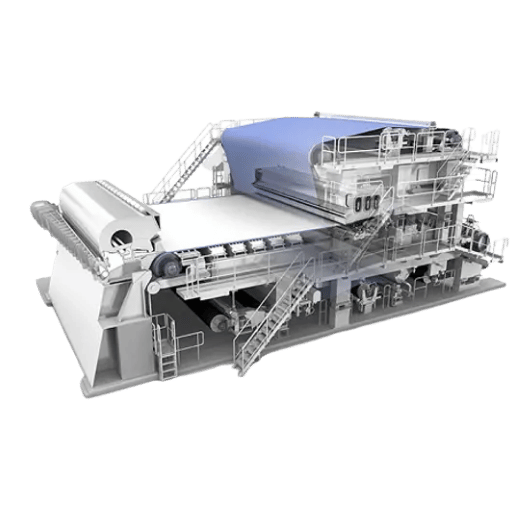
A paper machine’s lifetime can best be extended by reducing downtime; therefore, it is imperative for performance, protecting the investment, and maintaining production quality. Regular maintenance prevents catastrophically costly breakdowns and consequently enhances the efficiency of such industrial assets. We shall provide you with essential hints and actionable strategies to maintain your paper machine, minimize wear and tear, and spot issues before they escalate. These will help you ensure maximum operational efficiency and extend the working life of your machinery, whether you are a technician with years of experience or a beginner in equipment management.
What is the Importance of a Maintenance Schedule in Paper Production?

Developing a maintenance schedule for paper production is crucial to maintaining consistent performance and reducing machine downtime. Through maintenance, issues can be identified and addressed before the machines experience costly breakdowns, resulting in lower repair costs and less lost production time. The maintenance scheme will ensure the equipment is maintained in the best working condition and that the highest standard of products is produced at the lowest energy consumption rate. Maintenance scheduling extends equipment life, keeps the workplace safe, and ensures compliance with industry legislation, thereby enhancing operational reliability and cost-effectiveness.
How Regular Maintenance Affects Paper Machine Efficiency
Regular maintenance plays a vital role in achieving the desired efficiency of the paper machine. By regularly checking and servicing the most essential equipment components, operators can avoid unexpected machine downtime that can lead to wear on critical parts. Proper maintenance will help maintain consistent production speeds, reduce energy consumption, and ensure acceptable quality of the finished product. Furthermore, with appropriate maintenance, the risk of mechanical failure will be reduced, maximizing the machinery’s working capacity and extending its service life.
Essential Components of a Maintenance Program
📋 Scheduled Inspections
Periodic inspections are scheduled to identify and address any emerging problems before they worsen, ensuring the efficient and safe operation of the machinery.
🔧 Lubrication Management
Lubricating moving parts is necessary to reduce friction and wear, and to extend equipment lifespan.
🧹 Cleaning and Debris Removal
Cleaning prevents machinery from clogging, overheating, or contamination, thereby allowing it to perform optimally.
⚙️ Replacement of Worn Components
Worn components are replaced promptly, including belts, bearings, and filters. This minimizes downtimes and asymmetrically prevents more severe damage.
📊 Calibration and Adjustment
Periodic calibration keeps the equipment within its parameters and ensures the required level of accuracy and consistent behavior.
📝 Documentation and Record Keeping
Maintenance activities are tracked to create a detailed record of what was done, to support future planning, and to ensure compliance with industry standards.
⚡ Key Maintenance Routines to Prevent Downtime
- Regular Inspections: Perform a series of frequent visual and operational checks to detect wear, damage, or potential faults that could escalate into serious issues.
- Scheduled Preventive Maintenance: Implement a clean preventive maintenance program with a set schedule to ensure proficiency.
- Component Replacement Cycles: Replace consumables with high wear and tear, such as belts or filters, as-and-when prescribed by the manufacturer to circumvent sudden failures.
- Condition Monitoring: Use condition-monitoring instruments such as vibration analysis and thermal imaging to detect early mechanical or electrical faults.
- Software Updates and System Checks: Regular updates for software and control systems ensure proper functioning and the timely handling of identified vulnerabilities.
Implementing these routines will minimize interruptions to operations and improve the reliability of critical systems.
How Does Predictive Maintenance Extend the Lifespan of Paper Machines?
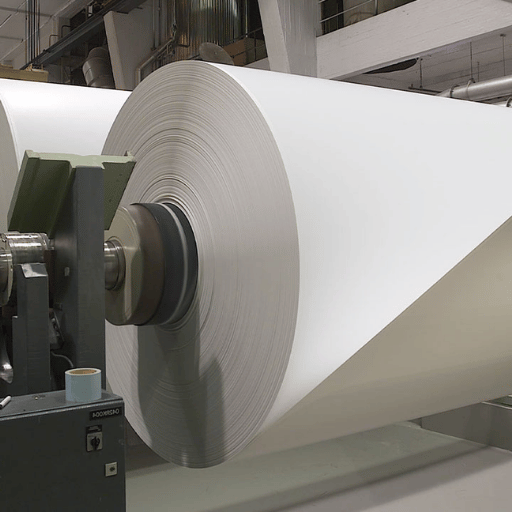
Leveraging Predictive Maintenance to Reduce Unplanned Downtime
Predictive maintenance can significantly reduce unscheduled downtime by leveraging advanced monitoring tools and data analytics to predict failures and proactively address them before they occur. According to industry reports, manufacturing facilities that implement predictive maintenance steps record a 30-50% reduction in downtime, leading to increased efficiency and cost savings. Using vibration analysis, ultrasonic testing, infrared thermography, and other methods, they continuously monitor the condition of essential components to detect operational symptoms that could cascade into failures.
📈 Key Insight: A McKinsey study revealed that predictive maintenance could reduce maintenance costs by up to 20% while boosting operational availability by up to 10-15%.
Predictive maintenance, supported by IoT sensors and machine learning algorithms, enables continuous system diagnosis and real-time insights. For example, wear on motor bearings or temperature variations in drying cylinders need to be monitored to avoid disastrous failures.
With this data-driven approach, paper machine operators can schedule repairs and component replacements, minimizing the likelihood of unscheduled stops and maintaining maximum production levels. The result of predictive maintenance is longer machinery life, better productivity, and long-term reliability of vital systems.
Signs of Wear and When to Schedule Repairs
Recognition of early signs of wear on machinery is essential to avoid failure and limit downtime. Increased abnormal vibration, noise, heat, and inconsistent performance are symptoms of wear. A bearing producing excessive noise and rotating irregularly could very well indicate insufficient lubrication or surface damage, both of which require urgent attention.
⚠️ Critical Warning Signs
- Abnormal vibrations or oscillations
- Increases in noise level during operation
- Overheating of components
- Inconsistent performance or the quality of output
- Visible damage or wear in the surface
- Oil contamination or debris in lubricants
Indubitably, wear in mechanical elements, when allowed to persist, results in grooves that lead to much higher energy consumption, and such compromised systems may operate up to 30% less efficiently. Temperature fluctuations and lubricant oil sampling for foreign contamination or debris may even serve as early warning signs of problems, including misalignment of gears or internal component degradation.
Repairs must be scheduled upon such signs. Ninety percent of the time, an increase in vibration amplitude beyond 10% relative to the baseline reading is accepted as grounds for intervention. Condition monitoring should initiate maintenance planning at the first indication of abnormality, so components are serviced before failure. Maintenance activities should be assisted by the use of condition monitoring techniques such as vibration analysis and thermal imaging, to help continue repair schedules, and to ensure that components are serviced prior to them having critical problems.
What Are the Best Maintenance Approaches for Paper Mills?
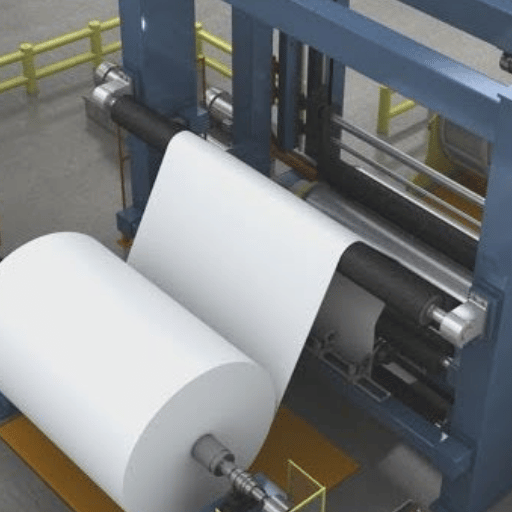
Preventive vs. Predictive Maintenance: Which Strategy is Best?
| Parameter | Preventive Maintenance | Predictive Maintenance |
|---|---|---|
| Trigger | Time/usage-based | Condition-based |
| Approach | Routine schedule | Real-time monitoring |
| Technology | Minimal | Advanced sensors/analytics |
| Cost | Lower upfront | Higher upfront |
| Maintenance Timing | Regular intervals | As-needed |
| Downtime Impact | Planned downtime | Minimized unplanned downtime |
| Ideal Use Case | Moderate failure cost assets | High-value critical assets |
| Data Utilization | Historical trends | Real-time data |
| Implementation | Easier | Complex |
| Efficiency | Risk of over-maintenance | Optimized resource use |
How to Develop a Tailored Maintenance Strategy
Developing a customized maintenance strategy requires a clear understanding of operational needs, asset criticality, and available resources to ensure maintenance is adequately delivered. Begin by grouping assets according to their importance and potential impact in the event of failure. Less critical assets can be maintained with minimal or preventive approaches, such as scheduled maintenance, ensuring optimal maintenance without unnecessary spending. For costly, critical assets, advanced strategies such as predictive maintenance can be considered, leveraging real-time data to monitor assets accurately and allocate resources.
Next, examine technologies, costs, and implementation complexity to determine how they align with organizational goals. Maintenance performance should be reviewed regularly, aiming to identify gaps and optimize processes based on that feedback. The approach ensures that the strategy remains efficient and adaptable to changing operational requirements.
Importance of Regular Inspections and Lubrication
Regular inspections and consistent lubrication are among the most essential aspects of maintenance; they go a long way toward ensuring better functioning and longer life for machines. In fact, about 70% of all equipment failures are due to improper lubrication, faulty inspection, or the absence of both. With scheduled inspections, an organization can catch those early signs of wear, slight misalignment, contamination, and so on, thereby averting minor problems from snowballing into big repairs or catastrophic asset failures.
💡 Performance Impact
Lubrication plays an equally essential role in reducing friction, minimizing wear, and protecting machinery from corrosion. Well-maintained oiling systems, when applied correctly, can increase equipment performance by reducing power consumption and operational costs by up to 15%.
Advanced lubrication management can enhance consistency and performance while lowering downtime. Examples would include automated lubrication systems integrated with real-time monitoring.
Combining proactive proper lubrication with inspection promotes predictive maintenance by providing adequate feedback on equipment health. It, in turn, helps organizations maintain peak productivity, extend equipment lifespans, and focus on operational efficiency in the long run.
How to Handle Downtime and Minimize Its Impact on Paper Production?
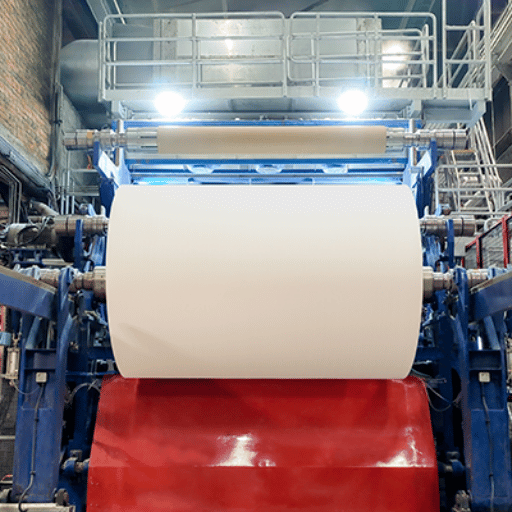
🎯 Effective Strategies for Minimizing Downtime
1. Implement a Proactive Maintenance Plan
Schedule planned maintenance operations to detect and remediate potential issues before unplanned shutdowns cause loss of valuable production time, thereby promoting effective maintenance practices. Maintenance records must be used to track machine performance and ensure timely servicing.
2. Invest in Staff Training
Provide training so that operators and maintenance personnel can develop their skills in troubleshooting and in the efficient operation of equipment for proper machinery maintenance. Such trained personnel can respond quickly to minor issues that could escalate into complex problems with the machine, thus preventing escalation and reducing machine downtime.
3. Utilize Automation and Monitoring Tools
Set up automated control systems and monitoring technologies to continuously monitor machine performance. Real-time monitoring will alert operators to any abnormal situations, enabling them to take corrective action immediately.
4. Maintain a Stock of Critical Spare Parts
Keep spare parts essential for repair on demand to avoid waiting times and consequent skyrocketing downtimes.
5. Streamline Workflow Processes
Conduct workflow analysis to identify bottlenecks and inefficiencies. Well-designed production processes will reduce equipment stress and minimize sudden failures.
By combining these strategies, organizations can effectively reduce the frequency and duration of downtime, supporting consistent paper production and operational success.
Implementing a Comprehensive Maintenance Plan
Step 1: Assess Current Assets and Equipment
For starters, an inventory of all equipment and machinery must be created, along with their condition and usage parameters. Moreover, maintenance records should be collated at this stage to establish a baseline.
Step 2: Develop a Preventive Maintenance Schedule
When designing a maintenance schedule, downtime should be minimized at all costs, using manufacturer guidelines and historical equipment performance data to tailor the schedule to each piece’s specific needs.
Step 3: Train Maintenance Personnel
Create an opportunity to train workers on operational, maintenance, and safety issues related to the equipment. Well-trained personnel shall prevent mistakes and improve efficiency.
Step 4: Leverage Technology for Monitoring
Tools such as predictive maintenance software or IoT sensors could help detect early signs of equipment failure and schedule repairs in time.
Step 5: Establish Clear Communication Channels
Put in place a request system for maintenance updates to facilitate smooth communication between operators and maintenance teams. It must ensure that all issues are addressed promptly to minimize machine downtime.
Step 6: Conduct Regular Audits and Reviews
Conduct reviews and audits of the maintenance plan to ensure it meets objectives and to assess equipment performance and processes, which may need to change from time to time to meet operational demand.
✓ Outcome: By following these steps, organizations can build a comprehensive maintenance plan that extends equipment lifespan, improves productivity, and reduces overall operational costs.
What Role Does Machine Condition Monitoring Play in Maintenance?

Techniques for Monitoring Machine Condition
Depending on the specific machine and the required condition, a machine can be evaluated using several experimental techniques. The most familiar methods are:
📊 Vibration Analysis
Vibration is measured and analyzed to determine whether imbalances, misalignments, or potential failures warrant consideration.
🌡️ Thermography
Through thermography, abnormal temperature variations may indicate overheated components or insufficient lubrication.
🛢️ Oil Analysis
To investigate the wear and contamination inside machinery, analyzing the condition of lubricants and traces of debris is very important for the health of the machinery.
🔊 Ultrasound Testing
Such testing detects leaks, electrical discharges, or bearing defects using high-frequency sound waves to measure machine condition.
👁️ Visual Inspections
This would involve regularly inspecting machinery under the observation of trained personnel for any signs of wear, damage, or unexpected irregularities.
Used singularly or in combination, these methods facilitate early recognition of potential problems that could lead to costly downtime and shorten equipment life.
Improving Machine Operation through Condition-Based Maintenance
Condition-based maintenance (CBM) checks machine operation and stops it before failure. By continuously monitoring machine performance through vibration analysis and thermal imaging, CBM identifies irregularities and addresses them in real time. Thus, it prevents machine downtime, optimizes repair schedules, and lets machines operate efficiently. CBM enables better resource allocation and reduces maintenance costs, thereby extending equipment life and increasing reliability.
❓ Frequently Asked Questions (FAQs)
Q: What is the importance of preventive maintenance in extending the life of paper machines?
A: Preventive maintenance is essential in extending the life of paper machines, as it enables the identification and rectification of any potential problems before they develop into catastrophic failures; inspection and maintenance are carried out regularly to ensure that the machinery is running at maximum efficiency, thus reducing its downtime and maintenance costs.
Q: How can predictive maintenance enhance the functioning of paper production machinery?
A: Predictive maintenance makes use of data analysis and monitoring tools in assessing the condition of paper production machinery, which is vital for the effective operation of your paper machines. Anticipating warning signs of deterioration provides the opportunity to implement interventions to maintain performance levels, avoid unexpected shutdowns, and ultimately prolong the machinery’s life.
Q: What are some effective maintenance practices for improving the life of paper machines?
A: Within effective maintenance practice, a delicate balance of scheduled routine maintenance, proper lubrication, vibration analysis, temperature, and lube oil checks every so often is maintained. The smooth operation of moving parts reduces the risk of breakdown and thereby increases the machine’s functional life.
Q: How does scheduled maintenance help paper mills operate at peak efficiency?
A: Scheduled maintenance is vital in creating a maintenance schedule so that all equipment goes through regular checks and servicing. This proactive procedure helps reduce the risk of unplanned downtime and improve machinery performance, while the maintenance policy helps make operations more efficient.
Q: What is the effect of machine performance on maintenance costs in the paper industry?
A: Machine performance directly relates to maintenance costs in the paper industry. When machines are well maintained, they fail less often, operate efficiently, and, in the end, incur lower maintenance costs. These cost savings might be significant if a highly effective maintenance mode is devised and pursued. More quality can be gained from further care.
Q: What are the wear signs that should be checked for in paper machine rolls?
A: Some of the wear symbols exhibited in paper machine rolls are vibrations, temperature changes, and surface damage, all of which can be detected via proper maintenance practices. Through appropriate inspections and maintenance activities, these or similar conditions can be identified at an early stage, promptly repaired before they worsen, and increase the rolling life span.
Q: How does mill maintenance affect the general operational efficiency?
A: Maintenance of mills helps increase operational efficiency by ensuring that all machinery is running at peak performance. By conducting regular inspections and implementing predictive maintenance, power mills can reduce downtime, reduce maintenance activities, and enhance the overall production efficiency of pulp and paper machines.
Q: How does proper lubrication contribute to the maintenance of paper machine longevity?
A: Proper lubrication maintains the longevity of paper machines by reducing friction between moving parts, thereby minimizing wear and tear, and also preventing overheating. Proper lubrication procedures will also go hand in hand with any effective maintenance scheme, which promotes optimal performance and longer machinery life.
🎯 Key Takeaway
Maximizing the service life of paper machines requires a comprehensive approach that combines preventive and predictive maintenance strategies, regular inspections, proper lubrication, and continuous monitoring. By implementing these best practices, organizations can significantly reduce downtime, lower maintenance costs, improve equipment efficiency, and ensure long-term operational success in paper production.
📚 Reference Sources
- Intelligent Prognostics Tools and E-Maintenance – University of Michigan: This paper explores maintenance strategies and their impact on machine life.
- Chapter 7: The Pulp and Paper Industry – National Academies Press: Information about the equipment and operational challenges of the pulp and paper industry.
- Paper machine technical documentation
- Leading paper making machine manufacturers in China