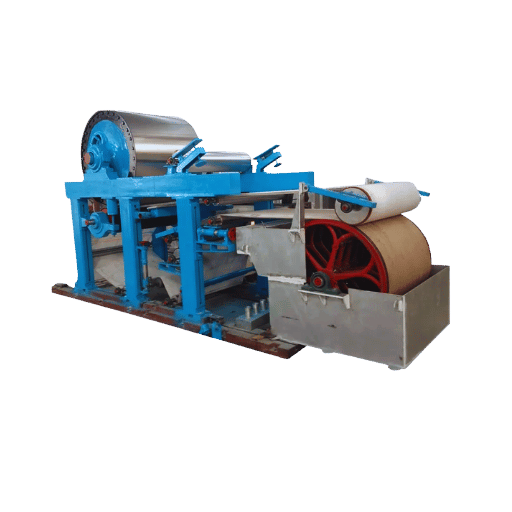
The efficiency and reliability of paper machine cylinders everlastingly impact the paper manufacturing processes. Components of this nature are subjected over time to the extreme conditions of heat, pressure, and mechanical wear, which can influence their performance and life cycle. This guide covers the peculiarities of the repair of paper machine cylinders, giving instructions on practices, tools, and engineering to assure their performance and service life. In one form or another, any purpose that aims to eliminate performance degradation, unplanned downtime, or enhance operational efficiency falls within the scope of this article, which presents a cycle of maintenance and repair of paper cylinders from primary diagnostics to execution with professional precision.
What Are the Common Causes of Cylinder Damage in Paper Machines?
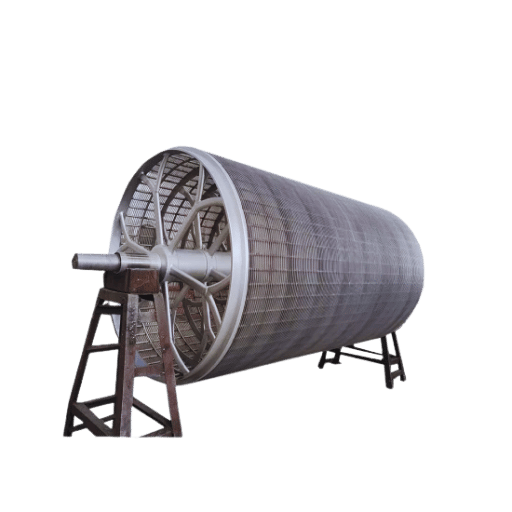
Corrosion, thermal stress, and cylinder damage in paper machines stem from wear and abrasion. Damage may also occur from improper upkeep, mechanical overloading, and misalignment. Addressing these problems swiftly prevents increased, costly downtime and maintains technological efficiency.
Understanding Cylinder Surface Wear and Tear
The surface of the cylinder undergoes wear and tear due to wearing down, cutting and tearing of material, and erosion which is the result of friction caused by motion of pistons, fluid particles, or due to lack of lubrication.
Identifying Damage from Overuse in Paper Mills
In paper mills, damage stemming from overuse can often be diagnosed by symptoms such as worn-out parts, elevated noise levels, and an increase in noxious fume emissions.
Impact of Steam and Pressure on Cylinder Integrity
Over time, structural deformation, material fatigue, and cracking as a consequence of excessive steam and pressure may greatly weaken a cylinder’s integrity. High pressure for an extended period increases stress on the surface of the cylinder and weakens performance retention capabilities. Furthermore, steam temperature differences can escalate expansion and distortion risks. Timely intervention through routine checks can detect early signs of deterioration, whilst effective maintenance optimizes reliability and operational longevity.
How Does Regular Maintenance Improve the Lifespan of Machine Cylinders?
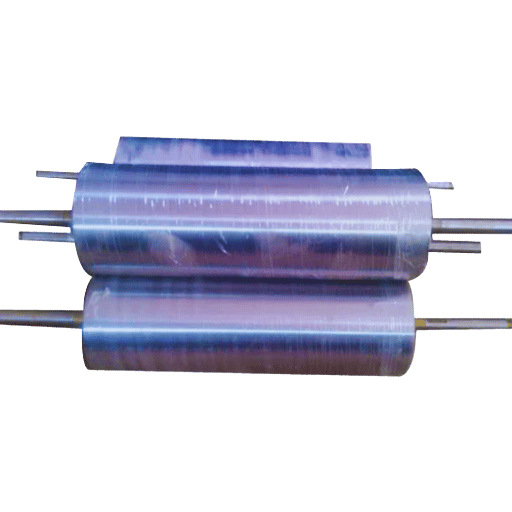
Importance of Routine Cylinder Inspection
Regular inspections of the cylinder are vital because they help detect any early signs of wear, corrosion, and other forms of deterioration, which helps in mitigating the risk of unexpected failures. Routine checks help identify emerging issues before they become severe, which ensures that the cylinder functions properly and safely. Timely inspections help maintain proper functioning, which prolongs the overall lifespan of the machinery in the long run, reduces costs, and minimizes downtime.
Strategies for Reducing Downtime and Enhancing Efficiency
Reducing downtime and improving efficiency are critical for attaining sustainable growth optimally. The following strategies utilize recent advancements and industry best practices:
1. Employ Predictive Maintenance Strategies
Maintenance actions are based on the needs of the equipment using data analytics and IoT (the Internet of Things) sensors that provide real-time monitoring services. In Deloitte’s 2023 report, organizations that adopted predictive maintenance were reported to have maintenance expenses lowered by 25% and equipment breakdowns by 70%. Foreseeing operational failures allows companies to schedule remedial actions ahead of time, significantly reducing unexpected downtime while improving operational uptime.
2. Automate Processes that are Central and Fundamental
Efficiency experts have indicated that automation drives growth across various industries. Tasks that require repetition can now be completed virtually with the use of Robotic Process Automation (RPA) and AI-integrated technologies. Production time is not only decreased, but errors are also minimal. For example, a McKinsey study indicates manufacturers that adopted automation experienced up to 30% overall productivity improvement within the first two years of integrating the solutions.
3. Boost Employee Training
A proficient workforce not only solves problems faster but also reduces errors, resulting in costly downtime. Providing ever-increasing levels of study, such as technical training and certification, empowers team members to operate machinery and perform basic troubleshooting for common issues. As noted by The Association for Talent Development (ATD), businesses that implement training programs structured around employee development have reported a whopping 218 percent increase in revenue per employee.
4. Utilize Digital Twins to Optimize Business Processes
Digital twins—digital representations of real-world systems—enable companies to conduct simulations and evaluations in real-time. With the utilization of digital twins, companies can locate process inefficiencies, assess multiple scenarios, and adopt the best strategies without interrupting seamless workflows. Research by Gartner projects a 15 percent enhancement in overall operational performance across all sectors employing digital twin technologies by the year 2025.
5. Incorporate Lean Management Techniques
The core focus of lean management is waste reduction while enhancing operational processes. Conducting value stream mapping (VSM) and constant review of processes for bottleneck creation aids in better resource utilization and consistent production rates. Embracing lean approaches has also been shown to enhance product quality and reduce lead times by as much as 50 percent.
Work process integration of these strategies could remarkably aid in minimizing downtime and increasing productivity. Organizations that invest in technology and optimize their workforce will be able to effectively compete in the ever-changing world market.
Technical Tips for Cylinder Maintenance in the Paper Industry
In the paper industry, proper cylinder upkeep is crucial for streamlining machine functions and guaranteeing sustained dependability over time. Supporting information and thorough steps to improve cylinder maintenance are listed below:
| Key Point | Description |
|---|---|
|
Regular Inspection |
Inspect for wear, damage, and contamination. |
|
Scheduled Cleaning |
Reduce debris buildup by up to 35%. |
|
Precision Alignment |
Use laser tools to reduce energy use by 10-15%. |
|
Surface Temperature Monitoring |
Install sensors for real-time heat adjustments. |
|
Lubrication Management |
Use recommended lubricants; avoid over/under-lubrication. |
|
Non-Destructive Testing |
Use ultrasonic or magnetic methods to detect defects. |
|
Upgrading Cylinder Coatings |
Apply ceramic or carbide coatings for 40-50% longer lifespan. |
|
Preventive Maintenance |
Tailor programs to reduce downtime by up to 25%. |
|
Condition Monitoring |
Use sensors to predict failures and optimize operations. |
|
Recoating Services |
Extend cylinder life with recoating programs. |
The integration of these practices along with advanced monitoring technologies enables manufacturers to extend the lifespan of cylinder components, minimize variabilities in operations, and maintain production quality consistently.
Why is Expert Repair Essential for Cylinder Moulds?
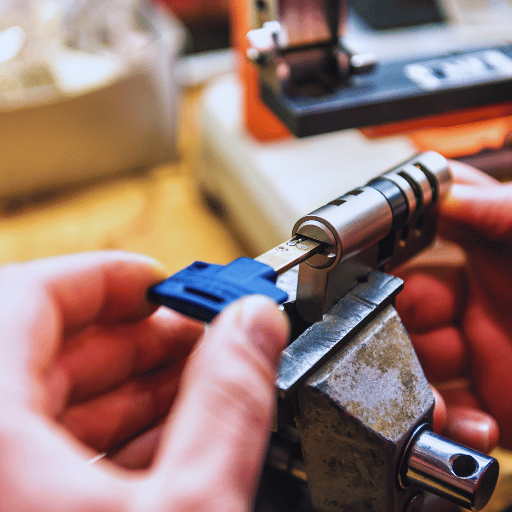
Benefits of Using High-Quality Repair Services
Repairing Services of High Quality maintains peak operation, extends the life of the cylinder moulds, and minimizes system downtime, thus increasing productivity and optimization of costs.
The Role of Engineering Solutions in Paper Machine Repairs
Addressing the mechanical deficiencies, durability, and functionality of a paper machine’s paper mechanics involves Engineering about the work while constructing new and upgrading old components. Engineering pertains to construction or changes to the components and includes design and manufacturing of new parts, new technologies in modern automated machine building, Programming, process control in single industrial modules, advanced technologies about computer-aided design and engineering, computer-aided manufacturing, modern techniques of automation and worldwide industrial robots about precision machining and materials enable continuity of the unit without material defects thus removing stabilities in recurrent correlative failures. In light of the above-mentioned statements, it can be noted that modern engineering enables fewer operational halts, advanced efficiency in the process work, reliability of the machines, as well as workload or life time of concern powered devices.
How Expertise Minimizes Operational Disruptions
Expertise reduces operational disturbances by detecting problems proactively and implementing effective preventative measures, coupled with fast and precise repairs. Skilled professionals with industry experience diagnose faults, maintain streamlined operations, and apply proven downtime-reduction techniques. All of this improves operational continuity, boosts productivity, and reduces expenses in the long term for manufacturers.
What Are the Latest Solutions for Cylinder Repairs?
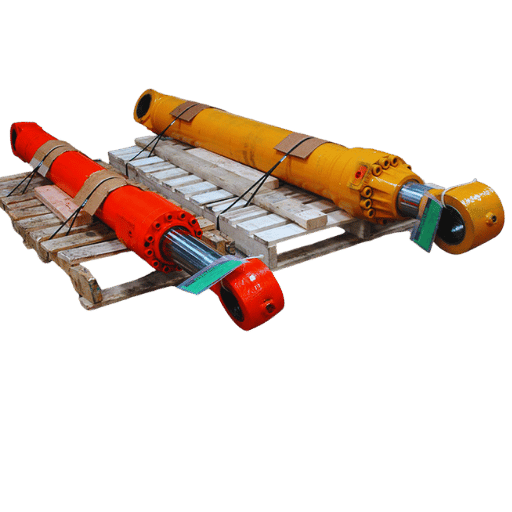
Advancements in Dryer Cylinder Repair Techniques
- Precision Laser Alignment: Guarantees complete alignment of the axis of the cylinder to minimize damage and maximize efficiency.
- Surface protection by thermal spraying technology improves the abrasion and corrosion resistance of biological surfaces due to the high-performance coatings applied.
- Non-Destructive Testing (NDT): employs diagnostic methods such as ultrasonic testing and magnetic particle testing with high and low to surface Makostsu to check for internal and outer faults without opening or breaking them.
- Automated Welding Systems: achieves verification for the repairs of cracks and defects where accuracy and repetitiveness are not compromised.
- Composite Repair Materials: extends the service life of the cylinder by repairing the damaged areas with lightweight and high-strength composite materials.
- On-Site Machining Services: Provides restoration services at the site of the equipment which saves time without needing to detach and remove the cylinder.
- 3D Scanning and Modeling: allows for the accurate reconstruction of parts to ensure all dimensions for the repairs are correct and compatible.
- Enhanced Lubrication Techniques: reduced friction and less of it strengthens the movements of the cylinder which increases productivity during operation.
These innovations in combination enhance the reliability, efficiency, and useful life of dryer cylinders in industrial operations.
Advancements in Cast Iron Cylinder Manufacturing
- Optimized Casting Techniques: The focus is on enhanced casting techniques that improve durability and minimize material defects.
- Advanced Material Compositions: Incorporation of alloying elements that enhance wear resistance and thermal conductivity.
- Non‐traditional machining: The adaptation of CNC technology applies broader industry standards, including tighter tolerances and enhanced surface finishes.
- Non‐Destructive Testing (NDT): Structural components are checked for integrity using ultrasonic and radiographic methods.
- Thermal stress relaxations: The adoption of heat treatment techniques reduces residual stress and stress-induced deformation.
Developing these products guarantees quality, minimizes maintenance requirements, and significantly increases the usefulness and reliability of cast iron cylinders in industrial operations.
Future Trends in Paper Machinery Repair
The coming years in paper machinery repair will be defined by the application of predictive maintenance utilizing artificial intelligence alongside Internet of Things (IoT) sensors for real-time monitoring coupled with the proactive identification of failures.
How Does Cylinder Repair Impact Overall Paper Mill Productivity?
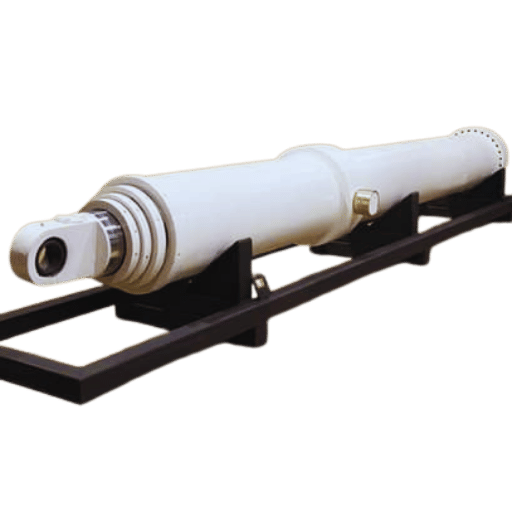
Balancing Repair Costs with Production Efficiency
As it pertains to performing a given task with quadratic cost functions, while taking into account the preservation costs, the productivity of a business is enhanced by the prevention of costs incurred from halting business operations. Critical repairs done timely manner can negatively impact operations if they create lasting halts. Preventive maintenance reduces the chances of critical failures. Further, high-quality maintenance ensures performance and reliability have efficacious output processes. Due to these, a balance must be struck between the cost incurred from repairs versus the operational needs of the organization to optimize profit.
Case Studies: Successful Cylinder Repairs in the Industry
Case Study 1: Predictive Maintenance in the Case of a Large Paper Mill
A Finnish paper mill is known for integrating the predictive maintenance approach for its drying cylinders. Installation of considerable IoT-oriented sensors that monitor the systems’ surface temperature, pressure, and condition, along with basic parameters like temperature, helped reduce unscheduled downtimes by 30 percent. As a result of this approach, uninterrupted production was maintained, along with increased carbonite durability by around 15 percent over the usage period. In addition, maintenance was accomplished before system failures took place. The production halts that were attainable in terms of finances were enormous. Therefore, as for unneeded repairs, machinery usage dropped by cyclical compensation.
Case Study 2: Using Thermal Coating on Cylinders for Their Extended Usable Life
A thermal spraying USA paper manufacturing company undertook further rehabilitation procedures on the processing cylinders. Specifically, high velocity flame spray dry coating was adopted for further surface integrity restoration and for those specific coatings that are robust to high wear and aggressive environments. Rather than replacing the cylinder, the refurbishment cost was around 40% less. Beyond these expenses, the yield improved significantly and even surfaced smoother than expected, which fell flawlessly within the anticipated parameters of 20%, further ensuring that the quality of paper produced and production trash is decently efficient.
Case Study 3: Collaborative Repairs to Minimize Downtime in Asia
An Indian paper mill’s recurring cylinder leaks prompted collaboration with a repair specialist for an innovative in-place welding technique. Engineers used advanced inspection technology, including ultrasonic flaw detection, to determine the damage’s exact location. Afterward, the welding work was done on-site, eliminating the need for cylinder removal. This collaborative effort reduced the repair process by 50% when compared to off-site traditional repairs, optimizing ongoing operations while protecting the mill’s supply chain commitments.
These cases showcase the integration of advanced technologies and collaborative methods toward effective cylinder repair. Embracing predictive diagnostics, new concepts in repair methodologies, and intelligent scheduling collectively provide superior efficiency within the paper manufacturing sector.
Long-Term Benefits of Timely Cylinder Maintenance
By prioritizing timely cylinder maintenance, I can ensure extended equipment lifespan, reduced risk of unexpected failures, and sustained production efficiency. Proactive upkeep minimizes costly downtime and contributes to consistent product quality, ultimately supporting the long-term profitability and reliability of operations.
Frequently Asked Questions (FAQs)
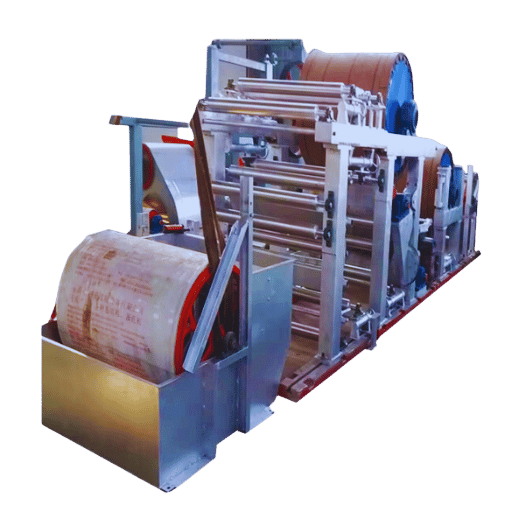
Q: What are the common signs that a paper machine cylinder needs repair?
A: Common signs include unusual noises, wear and damage to the surface, reduced productivity in the paper-making process, and defects on the paper itself. Regular checkups can mitigate these issues promptly.
Q: How often should the cylinders in a paper-making machine be inspected?
A: Experts recommend semiannual inspections of the cylinders in a paper-making machine. With the nature of the machine, type of paper produced, and the experience of the inspecting technicians, these intervals may differ.
Q: What is the role of a cylinder mould in a paper-making machine?
A: The cylinder mould is majorly responsible to facilitate the paper production process. It impacts the quality and consistency of the output so it must be properly looked after.
Q: How do you repair a dryer cylinder on a paper machine?
A: Repairing the dryer cylinder of a paper machine starts with the inspection. The shaft or rods will be repaired and replaced as needed. Checking the wire guide roll is also paramount to make sure that all parts are working smoothly. Meticulous lubrication and alignment of the parts is another essential level to consider.
Q: What are the criteria for cost estimation of repairing the cylinder mould?
A: The criteria of cost estimation for repairing the cylinder mould include the nature of damage, size of the cylinder, materials needed, and the experience of the technician performing the repairs. Obtaining well-explained quotes is the best option to explore the costs calculated.
Q: What routine maintenance activities apply to a cylinder mould used in a paper-making machine?
A: Effective cleaning, changing worn-out parts on time, and lubricating adequately, along with the periodic checkups of the skilled workers, are routine maintenance activities that directly enhance the lifespan of a cylinder mould in a paper-making machine.
Q: What is the importance of movable spray pipes in the maintenance of drying cylinders?
A: Movable spray pipes assist in the hydro cleaning of the drying cylinders because they aid in achieving the requisite uniformity in the application of the solvents cleaning water, thus aiding in the removal of unwanted materials as well as maintaining the operational efficiency of the machine cylinder mould and of drying cylinders.
Q: Role of the couch roll in the functionality of a paper machine?
A: A couch roll assists in retaining surplus water from the paper sheet while supporting the sheet’s consolidation and smoothness. Its upkeep is essential to maintain the quality and productivity of the paper machine.
Q: Importance of the guide roll in a cylinder paper machine?
A: The guide roll is important in maintaining the correct tension and registration of the paper web in the cylinder paper machine. Proper servicing of the guide roll staves off paper breaks and maintains the efficiency of the paper machine.
Reference Sources
1. Title: Experimental and Theoretical Study of Heat Losses in Drying Cylinders
- Authors: V. Sivakov
- Journal: Lesnoy Zhurnal (Forestry Journal)
- Publication Date: 04 April 2021
- Token Citation: (Sivakov, 2021; 169-179)
Summary:
- This work evaluates the thermal inefficiencies associated with dryers in paper-making machines, focusing on the condensation phenomena taking place on the internal walls of the steam-heated cylinders. In the course of this work, temperature measurements were conducted in the drying section of a paper machine during steady-state operation to evaluate the energy balance. Other important findings are that the internals of dryer cylinders have limited steam space and insufficient thermal insulation, which adversely impact the drying process. The study concludes that thermal insulation of the end caps of drying cylinders is a method that can lower steam consumption and improve the efficiency of drying. The paper discusses a statistical analysis of measured temperature data as well as a refined approach to quantifying heat losses in the contact drying process.
2. Title: Exploring The Case Study of a Tissue Paper Machine’s Heat Energy Consumption Reduction
- Authors: Mariusz Reczulski , Andrei Bhandari, Grzegorz Shih, Korytowski Shy, and Michal Wuisan
- Journal: Energies
- Date of Publication: April 27, 2023
- Citation Claim: (Reczulski et al, 2023
Abstract:
- This paper presents the case study of a tissue paper machine optimizing energy efficiency concerning the drying process. This paper investigates the Yankee cylinder’s contribution to paper production processes, considering features such as humidogen control system, needle felts replacement, and heat transfer operation of the drying cylinder. The results of the study show that the CAD and manufacturing modification, together with certain constructional modifications, will provide some 10% enhancement in output and 16.3% decrease in heat energy consumption of the machine per metric ton of paper produced. For this study, the authors set the aim of investigation to measure the values of production parameters in order to estimate the operational indicators and to estimate the consequences of the changes undertaken.
3. Title: Analysis & Management for Big Differential Expansion of No.9 Turbine LP Cylinder of Shaoguan Power Plant
- Authors: Jian-kang He
- Journal: Turbine Technology
- Publication Date: 2000
- Citation Token: (Jian-kang, 2000)
Summary:
- Even though this paper is older than five years, it captures the best practices of the thermal management of the turbine cylinders, which corresponds to the maintenance and repair of paper machine cylinders. The research primarily focuses on the need to control the differential expansion of the turbine components over time. The approach includes thermal evaluation and operational surveillance concerning the condition of the cylinder during servicing ‘a thermal evaluation and operational surveillance with regards to the condition of the cylinder during servicing’.
4. Paper Chemistry Troubleshooting Issues – Troubleshooting issues in papermaking practices, including cylinder issues.
5. “Risk-Based Maintenance Implementation at the Drying Part of the Paper Machine” – A research paper on the maintenance and repair of dryers in paper machines.
6. Inspection, Repair, and Alteration of Yankee Dryers – A comprehensive guide on the inspection and repair of Yankee dryers, which are used in the paper machine.