Sheet making is the most critical phase in papermaking, during which fibers are converted from a dilute suspension into continuous, structured sheets. Through this stage, fine characteristics of the end product are established. A delicate balance exists among art and engineering, fiber distribution, and equipment technology, with these variables affecting sheet forming and immediately influencing paper performance, quality, and appearance. An elaborative discussion of the science and precision of sheet forming will offer readers in-depth insight into the technical importance, core mechanisms, and innovations that shape the future of paper manufacture. Learn how this vital step unites science, art, and technology to make fine paper products.
How Does the Forming Process Begin with the Pulp?
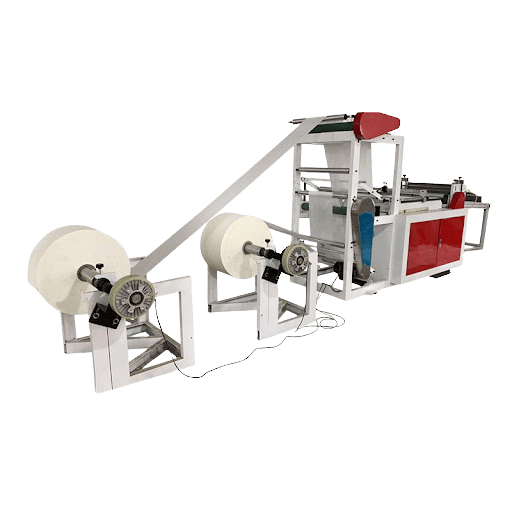
The forming process begins by making the pulp, which consists of fibers, water, and, if required, additives. The headbox delivers this slurry onto the moving forming fabric or wire, ensuring an even distribution of fibers throughout. Water is drained from the pulp by gravity and suction through the fabric, thereby creating a fibrous mat. At this stage, the paper is essentially formed, so this step is crucial for ensuring uniform strength and quality in the sheet.
What Role Does Fibre Play in Sheet Formation?
Among the raw materials used in the manufacture of paper, fibers dominate sheet formation, which determines the paper’s strength, texture, and surface properties. It is the bonding between fibers during the wet and dry phases of paper processing that lends strength to the formed paper sheet, making it more desirable for specific applications. The uniformity and durability of the product obtained are greatly affected by the nature, length, and quality of the fibers, and therefore play a vital role in achieving the required paper properties.
Steps Involved in the Manufacturing Process of a Paper Sheet
1Pulping
In the manufacturing process, pulping is the initial step, during which raw materials—good-quality wood fibers, waste paper, or other cellulose sources—are slurried together, either mechanically or chemically.
2Cleaning and Refining
Cleaning removes any rejected material from the pulp and refines it by maintaining fiber consistency, making it more suitable for sheet manufacturing.
3Sheet Formation
The refined pulp is washed onto moving screens or wire meshes, which drain water and form a continuous sheet of fibers.
4Pressing
Pressing removes excess water and initiates densification of the wet sheet, improving its structure and strength.
5Drying
Drying removes the remaining moisture while setting the sheet using heated drying cylinders or air dryers.
6Coating or Finishing (Optional)
Depending on the application, the sheet may undergo further treatments, such as coating, to impart surface properties such as smoothness, gloss, or printability.
7Cutting and Packaging
The paper sheet is finally cut into the required sizes and packaged for distribution or further processing.
How is Excess Water Removed from the Paper Web?
Excess water is removed from the paper web through mechanical and thermal means. A press section initially passes the paper web through rollers that squeeze out a large portion of the water, ensuring the thin sheet is formed correctly. Next, the residual moisture is evaporated by passing through heated drying cylinders or air dryers, which dry the paper to the desired extent. This makes the paper strong enough for further processing or use with relative ease.
What Makes Pulp and Paper Sheet Forming Processes Unique?
Exploring the Function of the Fourdrinier Machine
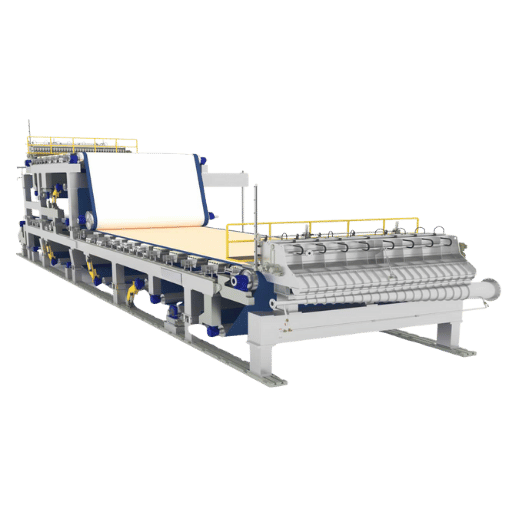
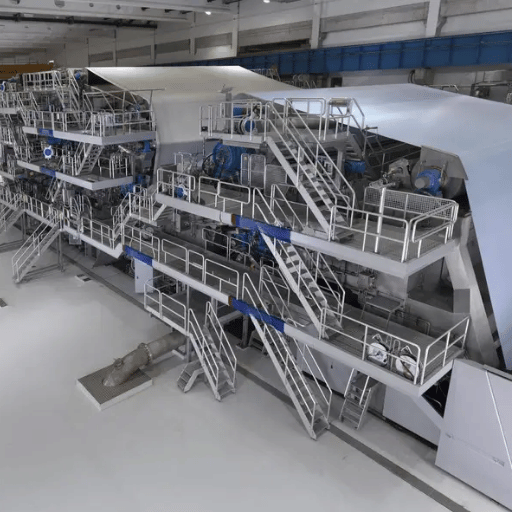
A Fourdrinier machine is a contemporary paper-making technology that produces paper sheets continuously at a high rate, ensuring uniformity. The operation starts with the pulp slurry being poured I’ll onto a moving mesh wire conveyor, which is an essential step in sheet formation. This conveyor track serves as a forming section, where water is extracted from the slurry by gravity and suction, leaving behind a wet fiber mat. A smooth, uniform rate of pulp application on the wire dictates the dimensional accuracy and surface quality of the sheet.
A critical feature of the Fourdrinier is its adjustable grades and production speeds. Higher models can achieve speeds exceeding 1,000 meters per minute while producing sheets up to 10 meters wide. This ability to perform multidimensional tasks is well-suited to handling high-volume production of both standard newsprint and high-quality coated paper.
Pressing systems are incorporated into the machine to press out excess water further and increase fiber bonding, followed by a drying section to dry the sheet to the required moisture content. Drying is done on steam-heated drying cylinders. Further recent developments have introduced automated quality control systems, optical sensors, and process-monitoring tools for the Fourdrinier machines, thereby achieving high efficiency and precision. Such advances have dramatically reduced energy consumption, material waste, material drop loss, and output variability, making this technology the bedrock of the paper industry worldwide.
The Significance of Suction Boxes in Paper Production
Suction boxes ensure the smooth operation of the other machines in the sequence and are necessary for achieving the paper-thin sheet quality in the initial phase. Suction boxes are placed beneath the forming wire where they create a vacuum that induces the drawing force, effectively removing excess water from the fiber suspension. Essentially, suction boxes aid in forming the web, which must be uniform and consistent for high-quality production.
Recent improvements in the suction box design have introduced embodiments with more energy-efficient vacuum systems and materials with higher durability, including high-density ceramics and coated composites. The equipment, in tandem with the contemporary sheet metal forming processes, thereby has lower maintenance costs and accommodates a longer working life. Aside from that, it has been established that regulating vacuum pressure within suction boxes can achieve at least a 20% increase in water removal, which directly affects production rate and energy consumption.
Evenly working suction boxes minimize the risk of sheet breakage; hence, time loss is reduced, and total output increases. Better water removal and process stability achieved by suction boxes significantly improve the uniformity, strength, and surface characteristics of the final paper product, meeting stringent industry standards.
How Does the Press Section Enhance Papermaking?
Why Are Steam-Heated Cylinders Important?
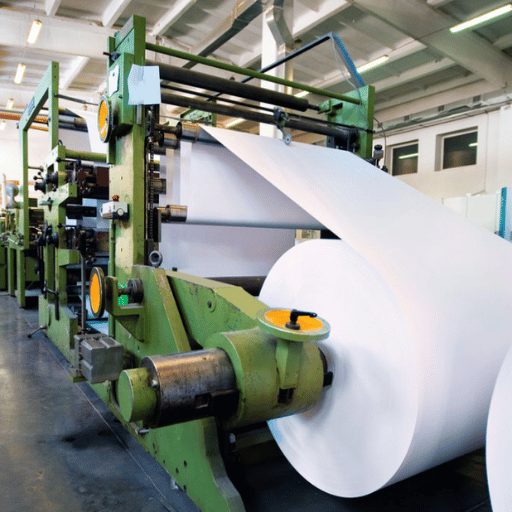
Steam-heated cylinders are used extensively in papermaking, especially in the drying section. Their primary job is to remove water from the paper web by imparting heat through steam inside the cylinder shell. This method of heat transfer increases the evaporation rate, thereby providing a sufficient drying rate. These cylinders, with steam as the heat source, offer the advantage of precise temperature control, enabling uniform moisture content and, consequently, high-quality paper.
Technical developments in steam-heated cylinders have improved thermal efficiency and energy conservation. For instance, with more complex condensate removal systems in place to prevent water from accumulating inside the cylinders and to allow level temperature distribution, modern systems optimize the heat transfer coefficient. Studies show that using steam-heated cylinders with effective heat management systems can reduce energy consumption by 20–30%, thereby decreasing operational costs while maintaining output.
The drying cylinders also ensure uniform paper properties, such as smoothness, thickness, and strength. Drying evenly across the web reduces irregularities and helps in deformation resistance to some extent, thereby improving the mechanical properties of the final product. With excellent reliability and low maintenance, steam-heated drying systems remain an essential technology in all forms of high-speed papermaking operations.
How is Smoothness Achieved on the Surface of the Sheet?
Smoothness on the surface of a sheet occurs through a set of mechanical and chemical processes during manufacture. Calendering is one of the most critical processes to impart smoothness. The paper is passed through rolls that press the fiber to close surface irregularities. Controlling nip pressure, temperature, speed, and finish can be adjusted during calendering to achieve the desired level of smoothness.
Besides, coatings and surface treatments may be applied to improve smoothness. The coating may be clay, calcium carbonate, or latex, which creates a uniform fill of surface voids and irregularities. This surface is essential for good prints: the smoother the surface, the better the ink absorption and the fewer the defects.
Surface smoothness is measured and quantified using standardized techniques, such as the Parker Print-Surf (PPS) method, which assesses topography under conditions ideally suited to sheet metal forming processes. Low values imply a smooth surface, as required in packaging, printing, or technical applications.
Data from industrial studies show that, depending on the paper grade, a 40% increase in smoothness can be achieved through a proper combination of fiber refining, calendering parameters, and coating applications. These variations ensure consistent production of high-grade paper that meets the stringent specifications of current applications.
What Determines the Quality Paper in Sheet Forming?
The Impact of Mechanical Properties on Paper Web
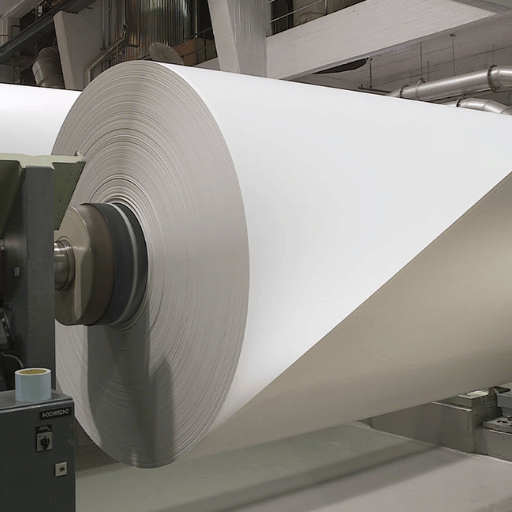
The mechanical properties of a paper web play an essential role in the production and end-use performance —the prints, for instance, provide tensile strength, stiffness, stretch, and tear resistance under various stresses and influences, all of which are needed for the thin sheet to perform. In tensile strength, for example, it resists stretching forces during high-speed printing and converting operations, thereby preventing breakage. According to research, a 15-20% increase in tensile strength may significantly reduce the operating time of high-speed machines.
In contrast to its other properties, stiffness governs the paper’s structural integrity and its suitability for the packaging massing. It is critical to select an appropriate stiffness value to ensure the paper retains its shape and withstands loads without deformation for specific uses. Conversely, tear resistance is vital to prevent damage from folding and cutting. Industry trends suggest that a 10% increase in tear resistance may reduce material failures during die-cutting.
Lastly, the controlled stretch properties of paper ensure uniform tension, particularly in procedures that stretch the paper to prevent it from snapping or warping. To achieve the optimum mechanical properties, we must carefully select fibers under refining conditions and add chemical auxiliaries to some degree so that the web remains stable and meets market standards tightly.
Understanding Chemical Pulping and Its Effects
Chemical pulping is a crucial process for making higher-quality paper products; it uses chemical treatments to separate lignin from cellulose fibers in wood. This method provides stronger, more durable fibers than mechanical processes, which damage fibers and shorten their length. The two primary chemical methods are Kraft pulping and sulfite pulping, each using different chemical agents and various operating conditions to optimize for fiber yield and quality.
Recent developments have focused on making manufacturing processes more efficient and less harmful to the environment through various innovations. From such examples, we know that in modern Kraft mills, a closed-loop system recovers chemicals such as sodium hydroxide and sodium sulfide, thereby reducing waste and emissions. Data further reveal that optimized chemical pulping processes yield about 45-55% cellulose-rich material, whereas mechanical processes yield much lower yields. This further enhances production efficiency and advances the higher ideals of sustainability by curtailing chemical consumption and energy use.
In this regard, chemical pulping affects paper properties; paper prepared with chemical pulped fibers has greater tensile strength, better printability, and greater uniformity. Gaining this understanding will help industries tweak parameters to meet specific industrial requirements and, in turn, compete with current market standards in sheet-forming simulation.
Factors Affecting Uniformity within the Sheet
Uniformity within a paper sheet depends on many factors affecting the distribution of fibers, moisture control, and the consistency of the manufacturing process. Hence, it is an essential factor. Fiber dispersion, which subdivides itself into the quality of pulp blend and the mechanical time of agitation when forming a sheet, should be thoroughly inspected. Dispersion of fibers creates uniformity, which would also reduce defects such as flocculation or uneven density.
Moisture content control is another production concern. Maintaining a fixed moisture content ensures dimensional stability and uniform drying, directly contributing to the flatness and smoothness of the sheet. Conversely, inconsistent moisture control can lead to warping or the formation of localized stress points, rendering the products unusable.
Other parameters affecting sheet uniformity include press section pressure and drying roll tension. Using advanced sensors and automated process control systems, modern manufacturing techniques enable real-time monitoring and adjustment of these parameters to achieve precise outcomes. Studies have shown that optimizing headbox flow dynamics can improve uniformity by up to 25%, thereby reducing rejects and improving overall efficiency.
Lastly, chemical additives, such as retention aids and binders, maintain a balanced fiber structure and uniform sheet properties. The additives disperse and stabilize the fiber matrix during production, thereby enhancing the sheet’s resistance to surface defects and edge irregularities. Therefore, a high degree of uniformity in paper-making processes requires collaboration across disciplines, the use of modern technology, and the highest level of quality control.
How is Recycling Integrated into Papermaking Processes?
What are the Benefits of Using Recycled Pulp?
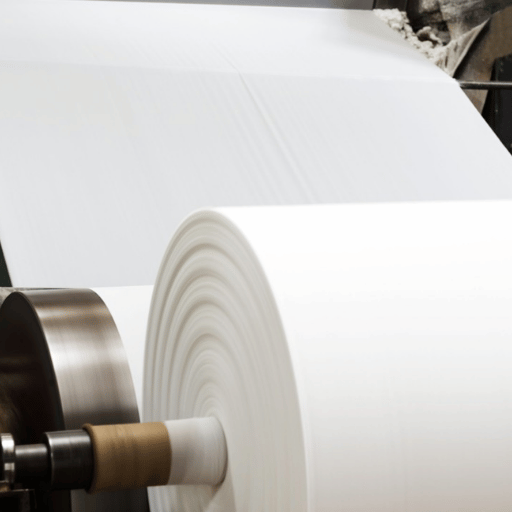
Using recycled pulp in papermaking offers significant environmental, economic, and operational benefits. Environmentally friendly incorporation of recycled fibers conserves natural habitats by using fewer raw materials and reducing deforestation. Thus, entering the worthy horn of a dilemma: since one must make paper, do they protect trees or go ahead with cutting them down to create paper? Some recent figures gleaned from the industry include: 17 trees again; 7,000 gallons of water; 4,000 kilowatt-hours of electricity; and a decrease in greenhouse gas emissions from traditional paper-making methods. The presence of this alone lessens the ecological weight a mill has to bear.
Economically, recycled pulp helps lower raw-material costs because recycled fibers are generally more affordable than virgin fibers. Also, growing consumer awareness of green products has prompted companies to increase their focus on recycled content, thereby providing an avenue for selling sustainable paper products.
Operationally, improvements in recycling technologies have enhanced the quality and strength of recycled pulp, enabling its integration into production processes with high consistency. Such modern technologies also include effective deinking and cleaning procedures that eliminate contaminants, allowing the manufacturers to develop superior grades of paper efficiently without compromising production output or paper performance.
Being a supporting factor in the integration of recycled pulp into the paper industry will generally contribute to building a circular economy, in which waste reduction, energy conservation, and resource efficiency serve as pillars for the industry’s long-term sustainability.
The Role of Stainless Steel Reels in Recycled Paper Production
Stainless steel reels are an indispensable part of recycled paper production, for they impart durability and precision to the winding and unwinding operations. Designed to withstand very high tension and continuous mechanical stress during handling, these reels ensure smooth operation in industrial settings. Stainless steel always remains on top in resisting corrosion due to environmental exposure, particularly in the wet working conditions inherent in papermaking.
According to some studies, stainless steel reels extend equipment life, reduce maintenance costs, and provide consistent product quality. For instance, stainless steel reels have been reported to minimize paper web breaks by up to 15%, thereby increasing operational efficiency and reducing material waste. Besides, because they have a smooth surface, they maintain controlled tension during winding, making it extremely important to preserve the structure of recycled paper fiber when processing different grades of recycled pulp.
Furthermore, on the sustainability front, stainless steel extends the longevity of all equipment used in the paper-making process. Being recyclable, it supports the idea of a circular economy. When durable materials are integrated into manufacturing processes, they help reduce environmental impact and increase long-term operational reliability, which, in turn, supports the aim of maximum production efficiency and environmental consciousness in the paper industry.
Frequently Asked Questions (FAQs)
Q: What role does pulp play in the paper sheet forming processes?
A: Pulp is considered the first and foremost raw material used in paper sheet formation processes. It contains cellulose fibres derived from wood or plant materials, processed into a slurry known as a fibre suspension. Throughout the papermaking process, this suspension is converted into sheets, where water is removed, then pressed.
Q: How does the paper-making process affect the properties of paper?
A: The process of papermaking determines to a large extent the actual physical properties of the paper, e.g., stiffness, opacity, and printability. Accordingly, different combinations of pulp, water content in fibre suspension, drying conditions, and pressing amount create the final set of characteristics for each paper sheet produced.
Q: What does the press section do in sheet forming?
A: The press section in a paper machine is significant for removing excess water from the wet paper sheet. Mechanical pressure is applied to compact the sheet, increasing density and strength. This step is essential to bring the moisture to an appropriate level before drying.
Q: Could you describe the importance of incremental sheet forming in paper production?
A: Incremental sheet forming is the gradual shaping of paper sheets, which allows the final dimensions and properties of the paper to be better controlled. It is used when producing complex shapes or forms that the traditional method finds difficult to create.
Q: What are the advantages of steam-heated drying cylinders in drying?
A: The drying cylinders, activated by steam, remove water from the wet paper sheet by heat transfer. Such action permits a uniform, controlled drying process, so that the surface finish is maintained on the paper and it does not warp or develop defects.
Q: How does the choice of raw material influence paper making?
A: Choice of raw materials greatly influences the whole paper-making process. Depending on the fibre source—hardwood or softwood —the strength, texture, and appearance of the final paper also vary. Also, lignins in some materials affect the quality and keeping quality of the paper.
Q: What are the methods used to improve the printability of paper?
A: To enhance the surface finishing and the opacity of a sheet for printing, one has to consider methods such as coating, pulp refining, controlling drying, and pressing during the paper sheet forming processes. Such treatment results in a very smooth surface, ideal for printing.
Q: How does water removal affect the stiffness of the paper?
A: Water removal has an essential effect on the stiffness of the final paper product. During sheet formation, the exhaustion of water and fiber bonding must be controlled so that fibers bond satisfactorily into stiffer, stronger sheets. Too little water removal results in weaker, more flexible sheets.
Q: What are typical forming processes in papermaking?
A: Papermaking has, for a long time, been considered a traditional process in which Fourdrinier and cylinder moulding methods are included. Stretching and incremental forming are among the latest additional forming methods. Obviously, each technique has its advantages and is selected based on the intended use of the final paper product.
Reference Sources
- Basics of Paper Manufacturing-Oklahoma State University Extension: This source provides a mechanized paper-making process overview, raw material treatment, and pulp processing.
- Paperboard Forming-Specifics Compared to Sheet Metal Forming-BioResources: Discusses the various forming procedures of paperboard, like embossing, pulp molding, and bending, all compared to those of sheet metal.
- Paper machine
- Leading paper-making machine Manufacturers in China