Although laser engraving has completely reshaped the way we use wood as laser engraving provides unmatched precision and has done wonders in bringing to life intricate designs. For anyone who wants to involve in personalizing gifts as a hobby or wants to bring their business to a high-quality product line, laser engraving is what you need to do when you when it comes to the finer details. This guide/book takes you across the basics of using a wood laser engraver/engravers, giving you practical advice, techniques, and lessons, altogether constituting a complete way of how to achieve professional outputs. From selecting your machine down to mastering those engraving settings and looking into endless creative possibilities this blog will stand to help you with everything during entering to embrace this groundbreaking technology to its ultimate fullest. Casual attendees, please follow us as we embark along this picturesque adventure!
Introduction to Laser Engraving

Laser engraving is the accurate and flexible method of etching designs, patterns, or words onto various surfaces; such surfaces include wood, metal, glass, among others. This method engraves its inscription through consistently cutting out material incrementally with the use of a beam of focused light, eradicating the need for physical tools. The manufacture industry, the world of arts, and crafts, amongst others, render it performance technologies with the best accuracy, consistency, and capability to work through intricate images. The benefits of using laser engraving as an effective way of attaining great results are vividly substantial, irrespective of whether for personal or business applications.
What is Laser Engraving?
Laser engraving is a high-tech process involving beam laser, which is a type of coating, wherein various images, designs, or written copy is etched on the surface of an object. This process usually vaporizes or partly evaporates the material, thereby creating a permanent mark. Overall, laser engraving is quite versatile, coming with compatibilities for wood, metal, glass, acrylic, leather, even some types of stone. It is highly valuable to several industries like jewelry, circuits, car manufacturing, and manufacturing, since it allows such detailed, consistent, and lasting outcomes. The integration of high-end computer software in modern laser engraving systems supports the customization of designs, making targeted pieces of laser-engraving machines perfect for anything-party crafts meant for large-scale fabric initiation.
How Laser Machines Work
Laser machines work by concentrating light beams on materials for them to cut, engrave, or mark with precision. It all begins in the laser source, where a high-energy light beam is generated. This is then focused through an arrangement of mirrors and lenses in a way that maximizes the energy into a single pinpoint on the target material’s surface. The laser beam’s heat promptly vaporizes, melts, or burns up the substances in the localized heat zone!
The computer system operating a laser machine is directed to perform only in accordance with the program design that it holds, or any already set standard. Laser machines, given particular software, can therefore give detailed precision by guiding the laser accurately across paths. The material range of laser machines includes several work materials such as wood, steel/metals, glass, and plastics, affording a broad base on which to work with the equipment for all kinds of duties. The laser power could be shuffled by operators to fit the material type and the outcomes that are desired.
Move towards those criteria, among which laser technology offers its specific peculiarities and its capability in terms of accuracy and thoracic properties. A laser being at the particular thing, with its power-arm punch, is less wasteful of materials as compared to its rival technologies and is unlikely to go wrong for any bang up option while it does this. In this regard, laser machines have been found assiduous to use; hence they are referenced for precision with inherent transferance to factories, as in artistic maneuvering. These aspects show how laser machines can be an important component of the ultimate end-results from vast industries across the board.
Types of Laser Engravers
There are several types of laser engravers, including CO2 lasers, fiber lasers, diode lasers, and UV lasers.
| Laser Type | Usage | Material | Efficiency | Cost | Maintenance |
|---|---|---|---|---|---|
| CO2 Laser | General-purpose | Wood, acrylic | Moderate | Affordable | Moderate |
| Fiber Laser | Industrial metals | Metal, plastics | High | Expensive | Low |
| Diode Laser | Hobbyist projects | Paper, leather | Low | Affordable | Simple |
| UV Laser | Precision marking | Glass, ceramics | Very High | Expensive | Low |
Getting Started with Laser Engraving for Wood
Choosing the Right Laser Engraving Machine for Wood
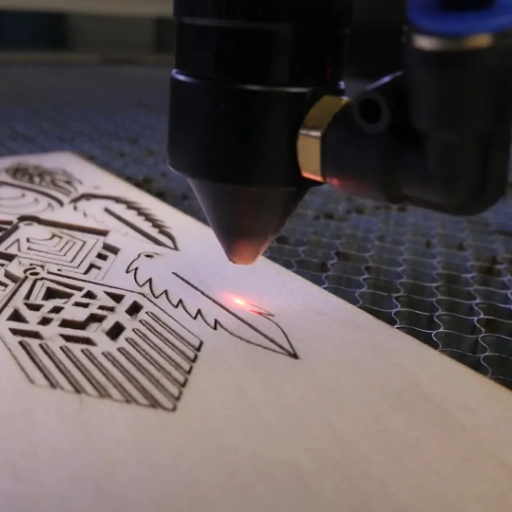
Laser engraving machines that are suitable for wood engraving have a handful of considerations to bear in mind to implement the best finishing. The more common types used for the purpose are CO2 lasers, as they are all-around and give best results with high precision. Numerous wood types can be treated, including softwood, hardwood, plywood, making it well-suited for any intricate design or critical dimensions requiring the use of CO2-based laser machines. This is undoubtedly the most efficient and cheapest machine that is appealing to professionals as well as hobbyists.
Affordable tabletop CO2 laser models work great for weekend wood workers or other projects on a smaller scale. Rather, if you focus on higher applications or high-volume production, investing in a high-end CO2 laser model up to a higher power rating and an integrated cooling unit would help greatly in higher carving speed and better quality. Ensure you understand all the required features like engraving area measurement, laser power, compatibility with software, etc. Finally, the safety of protection covers and resemble ventilation to secure proper execution in wood.
Essential Features to Consider
Power of Laser & Wattage
To engrave that broader range of woods, make sure that the machine is strong enough for it. Harder woods require higher wattage for proper and real engraving.
Speed and Size of Engraving
Let the machine be chosen with adjustable speeds and real high precision, enabling you to realize the intricate designs carving deeply into wood in eliciting creativity.
Size of the Engraving Area
The engraving area of the machine must match the size of the articles with which you most likely want to work; i.e., small decorative items and such larger wooden sheets or pieces.
Compatibility of Software
This pertains to owning a laser engraver that shall work fast with well-known CAD / CAM applications in order to guarantee a smooth workflow and ease the convergence of files.
Durability & Maintenance
Machines must have sturdy construction and will require the least maintenance so you can rightly assume that the machine will stand up to years of hard work with minimal maintenance and hence be cost-effective.
Setting Up Your Laser Engraver
Step-by-Step Setup Guide
- Selection of Appropriate Workspace: The location of work should be chosen in such a way that it would have enough space to support safe use of the engraver and wood. The workplace should be clean and well-ventilated.
- Installation of Software: You will need to download and install the engraving design software that your engraver is compatible with. You will have to follow the manufacturer’s instructions when attaching the software to your machine.
- Positioning the Machine and Wood Right: The laser engraving machine should be stable on a smooth surface. Make sure that the wooden material is aligned against the material stop securely in order for it to not move during the engraving process.
- Adjust the Laser Settings: Adjust the laser speed, power, and resolution settings suitable for wood. Take the manufacturer’s guideline for materials as a reference for good results.
- Testing the Engraving: Engrave a small design on a scrap piece of wood. This should confirm that the setting is correct and that there are no need for adjustments.
- Begin Engraving: When you feel that your test print is ok, go on to the final, ensuring precision and correctness while watching out for safety at all times.
⚠ Safety Notice
Observe all safety guidelines in the work area at all times. Dress in accordance with the safety gear recommended by the manufacturer of your equipment.
Processing Wood for Laser Engraving
Types of Wood Suitable for Laser Engraving
| Wood Type | Characteristics | Best For |
|---|---|---|
| Plywood | Common, affordable, smooth surface; choose low glue content varieties | General engraving projects |
| Birch | Light wood with fine grain | Abstract designs and lettering |
| Maple | Strong, outstanding contrast and clarity | High-contrast engraving work |
| Cherry | Deepens with age for aesthetic beauty | Exquisite, heirloom-quality design |
| Basswood | Softwood with small grain | Smooth finishes with fine motifs |
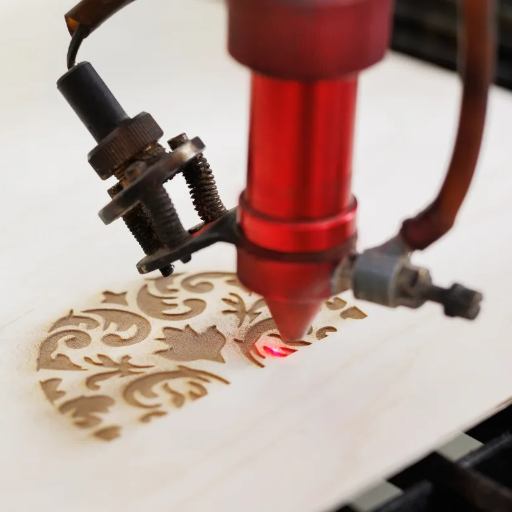
The perfect wood for optimum engraving must have a consistent texture and little variation.
Preparing Your Wood for the Engraving Process
The wood preparation is of distinct significance to achieve detailed engraving outcomes. The wood prepared should not only be plain and plentiful enough in thickness to match what you are making, but the surface should also be well sanded with fine grit sandpaper to have a flat, even, more straight texturizing ground for laser accuracy. Gently defrost the doors to remove all dust and debris, saving the final surface of the engraving.
Some get-away trees are simpler and best left to be simply burned off, but a light stripping is advisable for natural finishes or coatings because engraving better takes place on natural surfaces. Masking tape is a good aid here, as it does help eliminate some of the scorch burnish or discoloration that is the side effect of laser engraving. Also be sure to check that the wood is dry-allowing the presence of moisture in the wood to interfere with the laser engraving process and cause less clarity in engraving details. These are steps thrown down to leave a foundation for a professional engraving look.
Common Challenges in Wood Laser Engraving
Material Variances
Different species of wood, such as hardwoods and softwoods, react differently when subjected to this kind of treatment. Some spots are likely to get burnt or charred easily due to engraving, giving higher readings to increased premium demands or density.
Scorch Marks & Discoloration
Titrations leave that brownish splotchiness or discolored areas around the outer edge for later lighter, more golden woods. This normally calls for an additional round of cleaning or sanding.
Moisture Content
High levels of moisture in the wood may spark alterations in the inscription and may lead to some unexpected aesthetic effects, especially in places where too much speaks on the wood.
Limited Detail on Rough Surfaces
Highly intricate designs can be a bit of a headache with the coarse or uneven surface of the wood, likely to come in the way of derived effect.
Warping and Cracking
Intensive warming of a bent or thin portion in the exposure heat of the laser could cause these areas to warp or crack. Very strict caution is needed in order to avoid damaging the cut.
Advanced Laser Engraving Techniques
Multi-layer Engraving
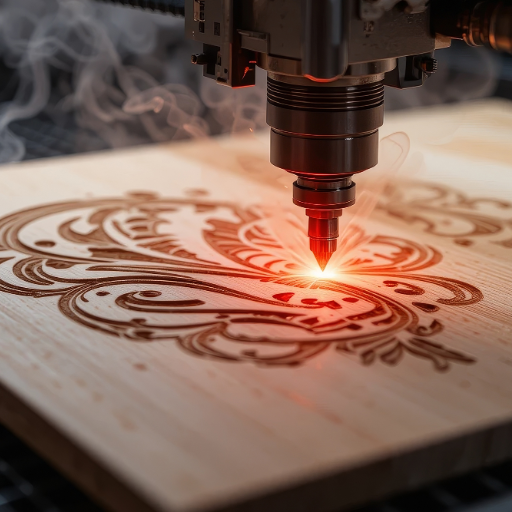
In multilayer engraving, engraving is carried out on different levels and depths in a piece of wood. The use of multi-layers effect enhances the artistic quality of the piece by bringing about more intricate details and a three-dimensional effect. Here are some key insights and guidelines in multi-layer engraving:
Preparation and Material
It would be advised to use the highest flat wood surfaces we can find. This guarantees not only results that have some form of uniformity, but also means that the wood surface is maintaining a unique shade and finish.
Artwork Design
While designing the engraver’s project, for the depth of the engraving, color code the different types of wood. Set the proper power/energy settings for that layer or different layer.
Power and Speed
If you have access to some sort of test piece, have it measured first, so that the laser’s power and speed get fine-tuned for each different layer. In general, lower power settings will produce shallow engravings, whereas higher power settings will create deeper engravings.
Layer Alignment
Make sure there is a proper correspondence between the layers so that overlapping is avoided. It is even advisable to execute a mock run or test burn prior to making the final product.
Final Finishing
Sanding lightly would remove most of the residue or debris left behind by burning prior to staining or painting individual layers of the work for a better depth effect image. With more expertise, this gives master artisans the ability of perfecting elaborately carved wooden projects in such a way that they appear to come up from inside the wood.
Combining Laser Cutting and Engraving
Combining laser cutting and engraving can assist workers to create intricate and highly personalized pieces that meet the precision needed in the design. The work of the laser in laser cutting does not intervene with the material; it just outlines the shape or cuts through the material. Engraving is the technique that adds the finer details or designs onto the surface of the cut. All this goes to achieve a blend of motivation in any of these workings, resulting in projects with appealing designs that can vary in their uses, from decorating practical art to use decorations such as furniture or signs.
It is very essential to premeditate the design: which parts need to be cut and which to be engraved. Correct settings for power, speed, and focus that meet properly are the only thing that can make a fine and clean outline. Besides that, concentrating on that task ensures perfection, as wrong settings come up as a rather burnt edge or not-so-even engraving.
The finishing touch enhances the look of the project. Sanding leads to residue not being removed after engraving, and finishes such as wood stain and varnish provide a textured depth and vibrancy. A successful combination of these techniques provides a professional finish resulting both in appearance and usage of a project’s value.
| Aspect | Laser Cutting | Laser Engraving |
|---|---|---|
| Function | Outlines shapes or cuts through material | Adds fine details and designs onto the surface |
| Material Interaction | Cuts all the way through | Removes only surface material |
| Best Applications | Furniture, signs, structural shapes | Decorative art, lettering, textures |
Creating Detailed Designs
Laser engraving best exhibits the capability to accomplish intricate objective in wood, thus allowing craftspersons in addition to businesses an opportunity to realize a specific creative imagination. This technology, which provides unimaginable details, may permit the incorporation of very fine details such as intricate images, any bizarre patterns, or a long range of impressive projects into the same small text. To date, any undivided current content-and-computer-related approach can enable the composition as well as maximum efficiency of prior enhancement creation of digital documents soon mold-ready for laser engraving all in perfect accordance.
The characteristics of different types of wood need to be considered when we make elaborate designs, as the grain structure and wood density affect the outcome. Maple is one and in fact, birch are well recommended for achieving clear and clean cuttings, as they possess a fine and even texture. By combining detail-oriented planning, the crème of the crop design tools, and neatly advanced settings for a laser engraving that lifts pieces of wood into works of art with incredible detail and accuracy.
Maintenance and Troubleshooting
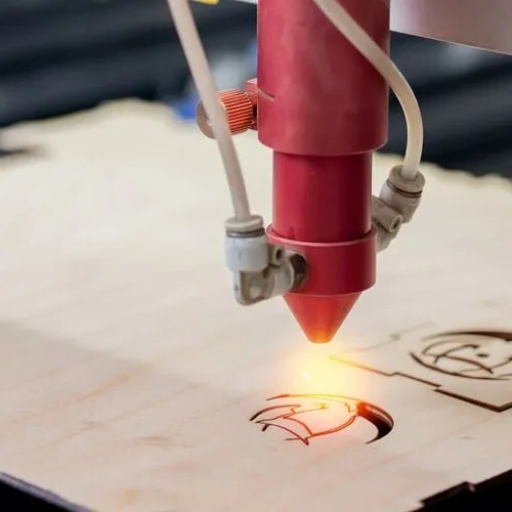
Regular Maintenance Tips for Longevity
Maintenance Checklist
- —
Lens & Mirror Cleaning: Wipe out the dust, dirt, and residues on the lenses and mirrors. Be sure to use the right cleaning agents and a lint-free cloth. - —
Cycle Alignments: The proper alignment of laser mirrors keeps the power of engraving at a maximum throughout the life cycle of a machine. Misalignment can certainly have unwanted effects on the quality and potential efficiency. - —
Cooler Check-up: All air- and water-cooled laser cutting and engraving machines need to be continuously monitored for temperatures to avoid overheating. Always maintain these temperature levels, replenish it with coolant once necessary, or recondition the cooling system if need be. - —
Lubricate Movable Surfaces: Slicken up the rails, belts, and moving bits. Intend for smooth operation and to protect it from abrasion. - —
Review Electrical Connections: A study of the electrical connections for signs of damages or corrosion. - —
Cleaning up the Workspace: Clean all debris away from the working area so work can be accomplished without obstructing any machine parts. - —
Keep Firmware and Software Updated: Updating the firmware will result in good features and performance from the machine. - —
Test and Calibrate Regularly: Periodically analyze test slits and calibration for the sake of maintaining its corresponding function in accordance with the expected operational parameters.
These maintenance points, if performed regularly, will help increase the service life of the laser engraving machine and ensure that it consistently performs at its best.
Troubleshooting Common Issues
| Issue | Resolution |
|---|---|
| Laser Not Engraving Properly | Check on the focus of the laser and make sure it is in alignment; also, verify the appropriateness of the material for the mass production and whether power settings are effectively adjusted for desirable engraving results. |
| Laser Does Not Fire | Check both the cables if they are plugged in securely, and also inspect the power supply in case it is faulty. Cross-check to see that the emergency stop button is not engaged and that safety harnesses are disengaged. |
| Uneven or Shallow Engraving | Clean the laser lens and mirrors from dust or debris obstructing the laser. Check for misalignment of the beam and exclude material variations by testing it with a new one. |
| Machine Stops Mid-Engraving | Check the software to see if any error occurs or if it stops midway. Observe and tell whether it may have overheated or is improperly ventilated. Try to reboot the system as well as the CAM to see if production continues. |
| Unexpected Smoke or Smell | Make sure that the ventilation and fume extraction system are in functional mode and ensure that all the material is safe for the laser engraving operations and is not producing unsafe fumes. |
For continued solutions, refer to the machine manual and contact technical support for professional assistance.
Upgrading Your Laser Engraving Machine
It is critical to bear in mind both the present and future requirements of your laser engraving machine when making improvements to it. The first step to a successful upgrade is to determine where in its performance the existing machine is limited-whether in speed, precision, or material processing capabilities. Present-day improvements in laser technologies offer old machines, such as more powerful laser sources for deeper cutting depths, highly reliable software solutions for intricate design works, larger work fields for a varied set of jobs, and compatibility with synonymous sophisticated safety control systems, such as an enhanced exhaust system and automatic shutdown controls. By checking the data on prominent laser engravers from authorized publications or user reports, anticipate an update that complements his goals. Training for the utilization of software or hardware enhancements triggers the process of getting the very best possible performance out of the new software.
Reference Sources
-
The Effect of CO2 Laser Engraving on the Surface Structure and Properties of Spruce Wood
This study examines how CO2 laser engraving affects the surface morphology and properties of spruce wood, providing insights into engraving parameters and their impact.
Link to source -
Design and Fabrication of Laser Engraving Machine
This article explores the design and cost-efficiency of laser engraving machines, particularly for wood-based applications.
Link to source -
A Review on Laser Engraving Process
This review provides an overview of the laser engraving process, including parameters like laser power and spot diameter, with examples of wood engraving.
Link to source -
Influence Effect of Wood Laser Engraving Mode on Aesthetic Perception of Images
This research investigates how different laser engraving modes influence the aesthetic perception of engraved wood images.
Link to source - Top CNC Laser Marking Machine Manufacturer and Supplier in China
Frequently Asked Questions
What do make laser-engraving machines; and how do they work on wood?
Laser technology works by focusing a beam on one surface of wood, which then removes a material evenly on the surface or changes the surface absorption in the wood-a particular engraving to leave behind an intricate mark, image, or text on wood, whichever gives the desired outlook. It is also called a Laser engraving machine. During the process of engraving with laser on wood, the intensity level of the laser beam can be adjusted to control the desired result; whether it’s fine etching or a deeper cut by adjusting power and speed settings for the beam with some specific intensity level. Different laser engraving and cutting machine models, mainly for hobbyists and pros, are designed to target a variety of woods, beginning on plywood, then hard wood, and with dedicated pre-settings to work piecewise on different woods.
What about the issue of safety pertaining to the laser engraving and cutting machine? And what would Class 1 imply?
Safety varies with the design and enclosure of the laser. Class 1 denotes that the laser system is enclosed completely, providing safety during regular operation by not allowing the beam to come into contact with body parts. Open-frame diode-laser machines or handheld laser engraving-machine setups will require some safety glasses and venting. One should choose models that follow local safety standards, particularly while handling coated metals, plastic, or varnished wood that generate fumes that could be hazardous.
What is the Newbie’s Best Shot: Portable Laser Engraving Machines or Some of those desktop laser machines that are so compact they can almost be carried?
For beginners, compact desktop engraving systems and many portable laser engraver and cutter models are highly recommended. They often have user-friendly software, a smaller 300 by 300 mm engraving area or so, and low-power diode lasers so that the risk is low while the principles are taught. They should feature clear and strong documentation, community assistance, and preconfigured settings for materials like wood and leather.
How important is an air assist or is a longer laser head going to make real cleaner cuts into wood or coated metal?
An air assist could be the difference between life and death! The best example of when it is truly necessary is while the equipment is used on wood or other materials already prepared to be able to create a very nice cut without the creation of any black residue. On the other hand, by either adding a moving head or working from a greater distance, working with some sort of height or depth will be visible by the conjunction of added head motion and material illumination while facing accuracy problems presuming clean-cut results. Franceitesse of the optics and focus must be precisely adjusted and set for the engraving to maintain the laser almost without errors.
Could a diode laser or a 2W IR dual laser engraver suffice for the needed engraving machine for both wood and metal projects?
Diode lasers are common hobbyist units, with their snappy capability to engrave wood, leather, and some coated metal surfaces. On the other hand, the varying wavelengths of 2w IR dual setups might prove useful in different material responses. However, anytime real engraving on metal (especially anodized or coated) is needed, the suggestion is always ahead to go for an engraver specialized in both wood and metal, or a fiber with galvo configs. High-power diodes are more capable of marking coated metals or when provided with adequate surface treatments.