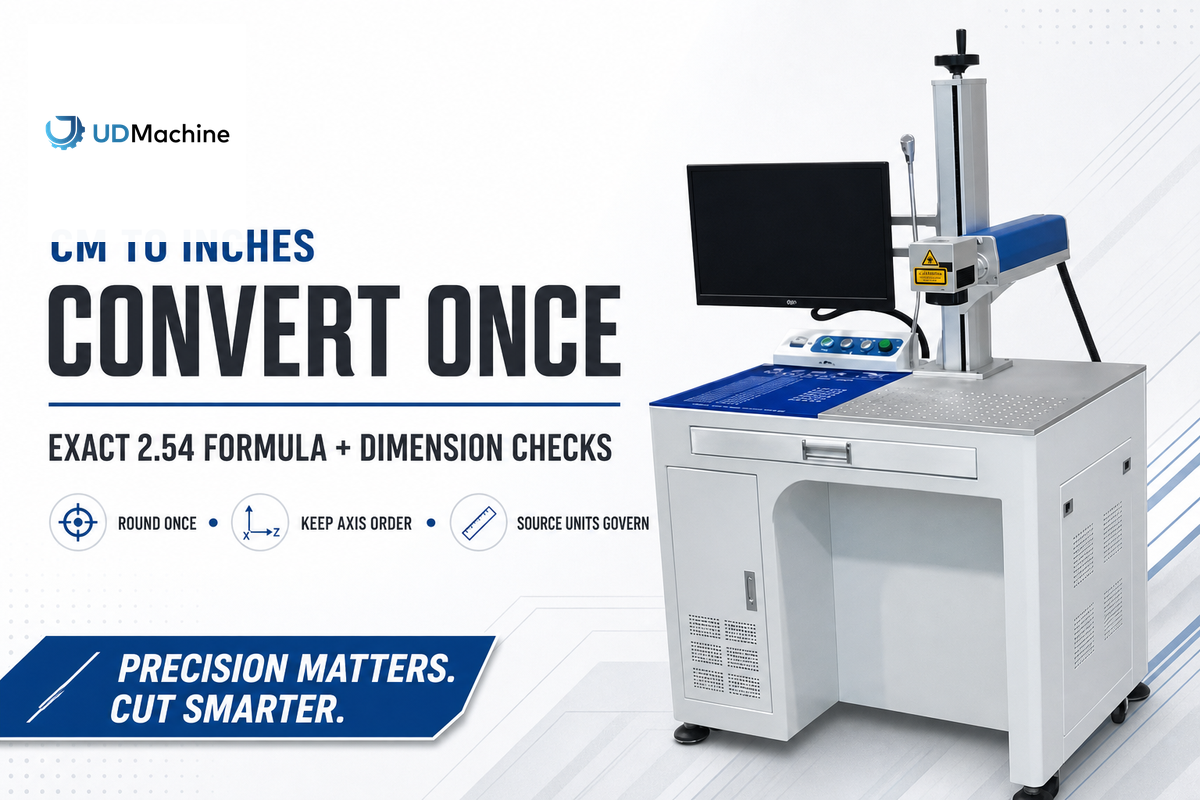
Laser technology treats cutting and engraving with infinite accuracy combined with extreme flexibility. CNC laser technology holds an extensive ground for anyone already at the forefront of manufacturing, a small-scale operator searching for innovative applications, or an enthusiast interested in the abundant unknown potentials this technology offers. The exclusive paper taking you through the step-by-step journey provides information on how a laser engraver or cutter works, as well its basic components and why it can never be a dispensable tool in the numerous worlds of industry, representing a wide range of components — from personal gifts to highly elaborate automotive simulations; we will showcase how the technology is putting into reality all ideas with remarkable precision and consistency. Stay with us, so we elaborate on how one can exploit the maximum potential of CNC laser technology.
Introduction to CNC Laser Etching Machines
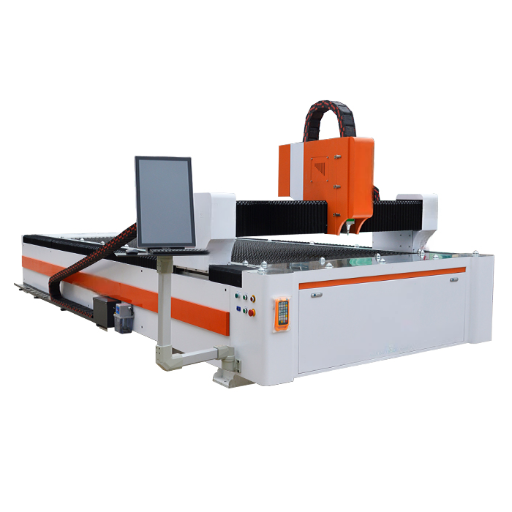
Concentrated light rays from a laser engraver are manipulated to inscribe fine patterns, images, or text onto various materials. A high-power beam is shot at the material, causing its surface to change in some way and forming an indelible mark. For these reasons, accuracy, speed, and multi-use configurations are common places for the machine to work, such as creating individual custom artwork designs, industrial part coding, etc. The software is easy to understand and permits the use of various materials such as wood, metal, glass, and plastic, making the CNC laser etching machines indispensable devices for the professionals and amateurs.
What is a CNC Laser Etching Machine?
A CNC laser etching system is a computer-controlled machine that employs a high-powered laser for engraving designs, text, or patterns onto a variety of materials with exquisite acuity. CNC is an acronym for Computer Numerical Control, suggesting it follows pre-programmed settings for etching. In the process, these machines take full advantage of high-end software, which creates intricate designs and details, rendering CNC laser etching technology ideal for a range of applications such as manufacturing, prototyping, and aesthetic purpose. Modern CNC laser engraving machines are using cutting-edge technology to work on several materials: wood, metal, leather, glass, and plastic. Also, they provide high-speed operation, low maintenance requirements, and adaptability to various industries. Thus, they are an indispensable tool to many industries and individuals.
Compatible Materials
Differences Between Laser Engravers and Laser Cutters
Laser engravers focus on surface marking by vaporizing material for detailed designs, while laser cutters cut through materials entirely to create precise shapes.
| Key Point | Laser Engraver | Laser Cutter |
|---|---|---|
| Function | Surface marking | Cutting through |
| Depth | Shallow | Deep / full cut |
| Precision | High detail | Moderate detail |
| Material | Variety | Specific types |
| Speed | Faster for marking | Slower for cutting |
| Application | Designs, text | Shapes, parts |
| Cost | Lower | Higher |
| Tool Power | Lower wattage | Higher wattage |
| Use Case | Art, labels | Parts, prototypes |
Applications in Various Industries
Manufacturing
Various industries use this type of engraving to create permanent marks like serial numbers, barcodes, and logos on products to ensure traceability and branding.
Jewelry
Create an engraving involving intricate designs, patterns, and personalization on metals and other materials like gold, silver, and platinum.
Medical Industry
Create a valuable mark consisting of information such as calibration data, part number, and compliance label on the medical device and other instruments.
Electronics
Utilize precision laser marking systems in etching various products such as circuit boards, electronic components, and branding details of top-quality.
Automotive
Marking materials is employed to engrave engineering or production identification on parts and components like control panels, engine parts, and identification plates to enhance durability and traceability.
Fundamental Principles of Laser Engraving
How Laser Technology Works
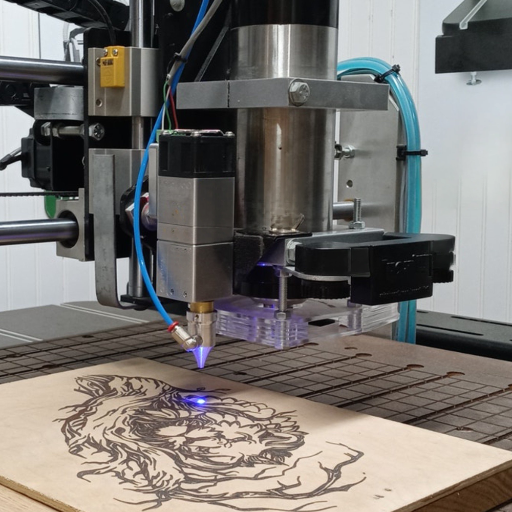
Specifically, laser engraving is the process in which laser beams are focused with a high degree of precision and directed to mark a material by removing a certain portion of its surface layer. The process universally comprises commanding laser power via a concentrated beam of light that is generated by the laser. The beam, in turn, generates heat that acts to vaporize the material, leaving the material’s nucleus free of marking. The depth of the marking produced by the laser is determined by the amount of power applied, engraving speed, and the kind of material used.
Three important parts are commonly used in the laser equipment to effect this process: the laser source, the controller, and the motion control system. The laser source is used to generate the laser beam, with the controller regulating the laser beam’s power, speed, and focusing as needed to define the shape that will be engraved out. The motion control system is required to drive the chosen path for the laser beam on the material through the precise revolution or the workpiece itself for generating pictures or the textures.
The unique attribute of laser engraving is that it can produce crisp and virtually permanent marks on wide variety of materials like metals, plastics, wood and ceramics. The process is contact-free and so the equipments do not wear-off easily from the materials being engraved. Also, perhaps due to the ability to offer unparalleled precision and equal speed, it is the method of choice for industries consistently tied to high-quality and faster output.
Three Core Components
01
Laser Source
Generates the beam that forms the basis of engraving
02
Controller
Regulates power, speed, and focus to define shape
03
Motion Control
Drives the laser path precisely across the material
Components of a Laser Engraving Machine
In laser engraving machines, some key components contribute in one way or another to the engraving process:
- 01
Laser Source — Within the system, it generates the laser beam that forms the basis of engraving. The most common ones are CO2, fiber, and diode lasers based on material and application.
- 02
Controller — It manages the machine operations and coordinates movement of the laser, controlling power and speed. It reads design files and ensures precision engraving.
- 03
Work Surface — It is a flat/solid platform on which the material to be engraved rests. This is often adjustable to accommodate any size and kind of material.
- 04
Laser Optics — This consists of laboratory optics like mirrors and lenses that focus and direct the laser beam in perfect exactitude onto the surface.
- 05
Cooling System — Basic functions are to keep the laser source cool when embedded within the laser source and keep the machine cool, thereby providing consistent and reliable operation.
- 06
Exhaust System — It eradicates smoke, debris, and fumes resulting from the engraving process and overall assures a neat workplace and prolongs the equipment useful lifespan.
- 07
Software — Specific programs meant for designing as well as preparing the engravings patterns. The same software makes the designs understandable to the machine through commands.
Hence, every stage comes, all of these components should work congruently with one another so as to insure that the machine engravings produce accurate and high-quality results.
CNC Control Systems Explained
Although certainly an important part of the way in which laser engraving machines operate, CNC systems are crucial to this set-up, as their presence allows absolute control and automation over the processes of engraving and obviates the need for human involvement. Their mechanism allows for the conversion of digital drawings into specific language for the machine that ensures that the laser performs in exact movements to render intricate design. At their core, CNC systems sustain a mix of controllers, motors, software — the component of which processes input data.
Below satisfactory engraving times, and computer memory usage as well are augmented by improvements that reflect back on programming and algorithms used in modern CNC technology. These modern systems can work with complex geometry details and high resolution; this makes their application hugely suitable for catastrophic fine engraving on almost any type of material such as wood, metallic engraving, acrylic engraving, and glass engraving. Also, the newest CNC systems integrate technologies such as machine learning or adaptive control to a certain level for real-time performance monitoring and allowance for on-the-spot operation adaptation, thus constantly reducing the error rates and increasing productivity.
Today, with interesting new functionalities in laser engraving CNC systems, cloud connectivity and the Internet of Things (IoT) are coming up in this context. What this means is that users can manage their machines remotely to watch production and even access diagnostic equipment. This, indeed, breathes new life into the critical role that CNC systems in creating widely appreciated and fantastic engraving designs are serving both hobbyist and industrial users.
Modern CNC Innovation
Cloud connectivity and IoT integration now allow users to manage machines remotely, monitor production in real time, and access diagnostics — expanding the capabilities of both industrial and hobbyist CNC laser systems.
Types of CNC Laser Machines
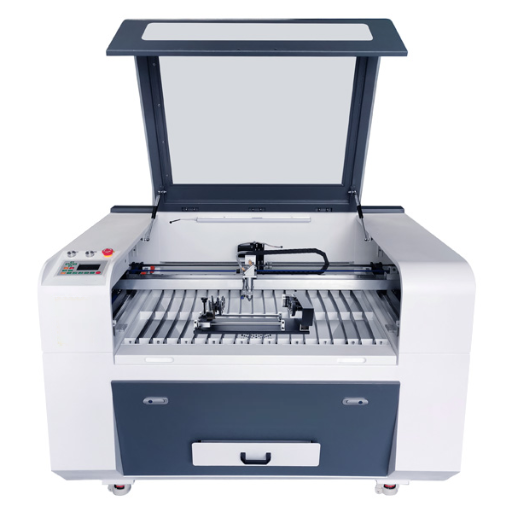
CO2 Laser Machines
In the realm of engraving and cutting, CO2 laser devices form an essential piece of kit and provide the highest degree of versatility. These devices operate using a gas laser, which is typically powered by carbon dioxide, nitrogen, hydrogen, and helium to achieve a high-powered, infrared laser. CO2 lasers are ideal for engraving on various materials, including wood, acrylic, glass, leather, and specific kinds of plastic, and they are therefore very useful and popular to artisans and manufacturers of substantial scale.
The main issue that is frequently noted; “What are the main benefits of CO2 laser machines?” One of the greatest is remarkable detail achieved at very great speed. The fact that they are cost-effective and reliable in the field for long periods of use suggests an offering attractive to businesses needing consistently scalable production. With increases in technology, modern CO2 laser machines come with features like improved beam power and cutting particulates in order for them to remain and to always stay highly competitive when it comes to a professional laser app.
Fiber Laser Machines
Fiber lasering for precision, efficiency, and versatility is indeed something to look up to. Rare earth-doped fiber-optic cables help materialize a focused and very intense laser beam. As a result of the characteristics of its shorter wavelength, fiber lasers are capable of cutting and engraving metal more effectively than CO2 lasers if the intensity of absorption by the substrate tends to be high enough, for instance, via the reflective materials like aluminum, copper, and gold. The fiber lasers have other attributes of low maintenance requirements and long life expectancy. They are energy efficient, which translates to cutting down on operating costs. Fiber laser cutters offer the ultimate in cutting speed, superior beam quality, and the ability to deal with intricate details without warping owing to less heat distortion. Thus, making machines with fiber lasers the preferable option for several business sectors like the aerospace, automotive and electronics manufacturing industries.
Diode Laser Machines
Diode Laser systems are yet another type of cutting-edge laser technology well-acclaimed for its pocket-friendly costs, remarkable compactness, and sturdiness, apart from its high efficiency with power consumption and its adaptability. The laser utilizes semiconductor diodes as their active laser medium, and so achieves an impressive-efficiency conversion of electric energy into light. So diode laser technology is more broadly employed in applications such as engraving, plastic welding, medical treatment and for telecommunication adaptation, mainly because of their precision and adaptability.
One of the most commonly asked questions is, “How does a diode laser machine compare to a fiber laser?”. The key difference lies in their application and performance. Typically, diode lasers are best in lower power application fields and great for marking or engraving. Alternatively, fiber lasers are great with higher powers and help drive industrial cutting of hard materials. With the addition of stronger technology a diode laser continues to evolve and holds immense value wherever precision and cost-effective solutions are being called for.
Laser Type — At a Glance
| Laser Type | Best For | Key Advantage | Typical Industries |
|---|---|---|---|
| CO2 | Wood, acrylic, glass, leather | Cost-effective, versatile | Artisans, manufacturing |
| Fiber | Metals, reflective surfaces | Speed, low heat distortion | Aerospace, automotive, electronics |
| Diode | Marking, engraving | Compact, affordable | Hobbyists, medical, telecom |
Buyer’s Guide for CNC Laser Engravers and Cutters
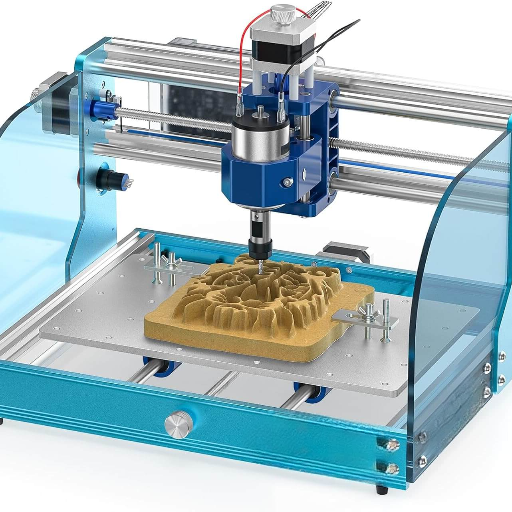
Key Features to Consider
01
Laser Machine Power
Look at the power of the laser also. Depending on the thickness or consistency of the materials you intend to use, you may want to consider laser power. The laser power of laser cutters has an inverse relationship with the related power of laser engravers.
02
Scaling Capability
Scrutinize the size of your machine operating area to determine if it would accommodate most of your material sizes. Larger working areas could mean even better flexibility in processing various projects on the spot.
03
Comprehensive Material Compatibility
Look at the materials that suit the requirements of your CNC laser so that it smoothly processes them especially. This includes such material categories as wood, metal, fabric, and plastics such as acrylics.
04
Precision and Accuracy
Invest in machines that can offer the best in precision and accuracy — an extremely vital aspect if you make complicated designs or do highly detailed engraving.
05
Acceptance of Software
Confirmation of the integration of the software designed for the machine will enhance the compatibility with the existing operating systems and design software. Design customization and easy-to-use features will help in maximizing the efficiency and robustness in the operation.
Understanding Laser Power and Its Implications
Laser power is one of the fundamental parameters to be considered while selecting a CNC laser engraver, as laser power brings some clarity to the performance of the machine which could work with a long list of different materials and applications. The more power you pour into the laser, the more opulence and comfort you can expect from it while cutting and engraving through heavy or dense materials like metal or stone at greater speeds. On the other hand, low-power lasers can only excel in lighter deeds like precision engraving of pictures and lettering, onto paper, wood, or acrylic.
To conjecture in general what laser power could work well for your application are the following rules: What materials and thicknesses, generally speaking, are you trying to cut first for your operations? 40 and 60 watts will work well for engraving with much versatility, while, theoretically, the power will exceed 100 W or more for the industry and cutting of the thicker material.
Understanding the laser power to precision relation is also important. Whereas more energy at a faster rate would quicken things, the smaller details and resolutions could get compromised. What is required is to ensure the power settings are custom-made, to make the system applicable both for deep cutting and intricate engraving.
Then there is, finally, safety and maintenance considerations. A high-powered laser beam needs proper venting and cooling to run properly and safely. Regular maintenance work on lens cleanup and calibration will result in all good and regular performance, thereby extending the machine’s life. Prioritizing a balance among power, precision, and machine running requirements will help to find the best-suited machine for your specific project requirements.
Wattage Reference Guide
10W
Fine precision engraving on wood & acrylic; scratch-cutting coated metals
40–60W
Versatile engraving; cuts through most woods with greater pace and ease
100W+
Industrial cutting of thick materials; multiple material types including metals
Work Area Size and Its Importance
Size of the work area is one of the key concerns to account while considering a CNC laser marking machine and it affects the efficiency and capabilities of a project. The work area size imparts the maximum dimension on the material that the machine can handle in a single job. CNC laser machines thus with flexible work areas — that can take up large sheets without any need for multiple tasks and discontinuations — are in greater demand, indicating a call for greater efficiency and adaptability.
The ideal size of working space is more strictly a function of the respective applications. For instance, a small working space can take care of small design works such as fine jewelry and personalization of small gift items. However, in fields like signage, furniture design, or huge art installations, a bigger workspace is a must as the larger material handling should be done very easily along with time-saving benefits. Also, in your workshop, make sure the working space differs according to the dimension of the machine. This is due to the fact that some of the bigger CNC laser machines take up a lot of space, with a considerable debate on the requirement of proper ventilation and other working conditions. The decision concerning the work area size is meant to strike a balance between both the need for productivity and the need you basically are facing.
Common Materials for CNC Laser Engraving
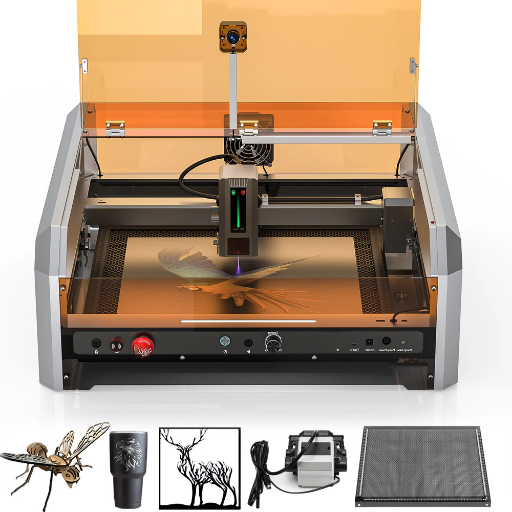
Engraving and Cutting Wood
Wood is considered a top material for CNC laser engraving and cutting owing to its surprising flexibility, availability, and charm for modern comfort life. Common wood types like plywood, MDF, cherry, maple, or pine have been used for that purpose. These are unusual and properly suited for cutting and engraving because of their consistency in make-up. Hardwoods possess endurance together with rich colors that complement intricate designs. Given that wood is introduced to the laser cutter, getting settings just right is critical. Chances are some hardwood out there needs a significantly lower rate and the increased power because of higher density. Truly, art with a laser system gives life, with wood as the unanimous choice for ornamental interiors, fine signs, highlight to furniture, or even intricately crafted gift items.
Common Wood Types
- Plywood
- MDF
- Cherry
- Maple
- Pine
- Hardwoods
Metal Engraving: Stainless Steel and Coated Metal
With tremendous precision and durability, CNC laser engraving is highly reliable when it comes to marking and etching on stainless steel materials. Technically, laser engraving is excellent when it comes to stainless steel bearing etching into the surface directly, making it possible to have finer designs, logos, or even characters with minimal intensity on the material. By respecting the material’s original beauty and quality of high strength and rust resistance, stainless steel laser engraving may be suitable for several end applications, such as industrial signage and ornamentation.
In the case of coated metals like anodized aluminum and powder-coated steel, laser engraving works like a fantastic method whereby an etching design is produced on a contrasting base-colored substratum just by affecting the colored surface. This makes it very versatile in the creation of labels, ID plates, personalized products, etc. For the best results, it is important that custom settings like power and speed be fine-tuned to enable the machine to picture as required the workpiece in consideration — material type and thickness of the coating. CNC engraving, as reliant on advanced laser technology on metal properties, enables utmost precision and finesse. It functions in a way that no other system can with the relative assurance of exact or comparative reproducibility in metal-bunch projects.
Working with Acrylic and Plastic
Acrylic and plastic constitute a universe of possibilities for laser engraving materials: they are versatile and convenient. Acrylic allows precise cuts and engravings with smooth edges, thus suitable for both signs and decoration and for offering utility in patented parts. Cast acrylic is the preferred choice over extruded acrylic when the engraving involves a lot of detail and sharpness. The engraving of plastic materials is also possible, however, one has to be exceptionally careful, as many plastics can produce hazardous fumes when acted upon by a laser. Proper ventilation and only cutting-edge plastics suitable for laser cutting become crucial for safety and, obviously, for quality engraving.
Safety Note
Many plastics can produce hazardous fumes when acted upon by a laser. Ensure proper ventilation and use only plastics that are specifically rated as suitable for laser cutting.
Frequently Asked Questions (FAQs)
Reference Sources
-
Development of a Low-Cost CNC Machine Laser Engraver – Explores the design and implementation of cost-effective CNC laser engravers, focusing on reducing complexity and expense.
-
Control System Development and Implementation of a CNC Laser Engraver for Environmental Use with Remote Imaging – Discusses the development of a CNC laser engraver with advanced control systems and remote imaging capabilities.
-
Design and Development of CNC Robotic Machine Integrate-able with Nd-Yag Laser Device – Details the integration of Nd-Yag laser devices with CNC machines for precise laser cutting and engraving.
-
Research and Development of Laser Engraving and Material Cutting Machine from 3D Printer – Examines the adaptation of 3D printers into multi-purpose CNC machines capable of laser engraving and material cutting.
- Top CNC Laser Marking Machine Manufacturer and Supplier in China