Laser marking machines have indeed revolutionized all industrial modes of engagement in engraving and marking technology. Right from the width of its precision to the variety of materials it handles, highly investigated laser machines have found their way into manufacturing, electronics, healthcare, and consumer product sectors the world over. This Encyclopedia delves into the working principles of laser marking technology and its evolution and depicts how laser marking printouts save time while ensuring compliance, a smooth finish, and very less environmental pollution.
These capabilities and applications of laser marking machines will prove worthwhile in streamlining your production and competitiveness in today’s fast-growing market. Let’s look into how this technology is creating the future for engraving and marking.
What is Laser Marking?

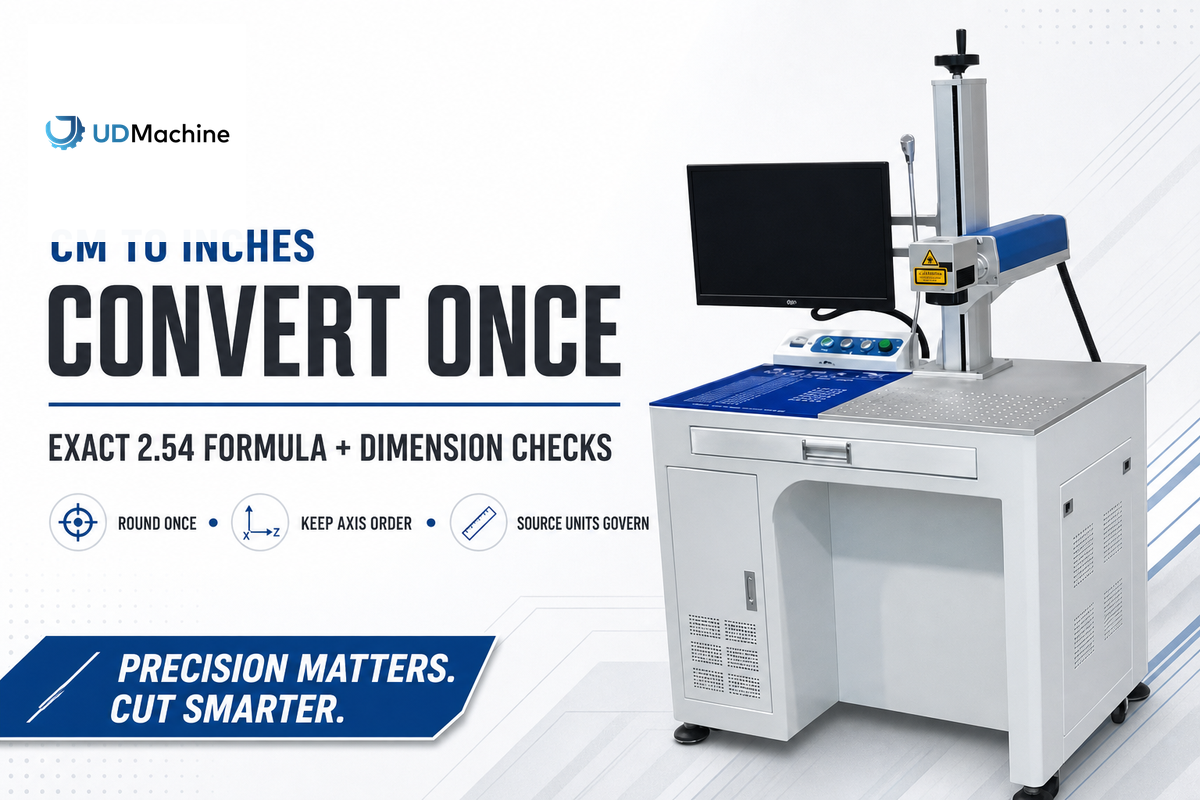
The laser marker’s operation involves the use of a concentrated beam of light for making permanent marks on the surface of one or more workpieces. It is famed for extreme precision and for placing any text, logo, barcode, or symbol imaginable on anything from metals to plastics and ceramics to glass.
The method is highly preferred because of its accuracy and durable markings that are created without any physical pressure, which otherwise could cause distortion. Laser marking perfectly finds applications in manufacturing, electronics, medical devices, and automotive for identification, branding, and traceability.
Definition and Core Principles
Laser marking is carried out by using focused laser beams to form permanent marks on material surfaces. Being a non-contact process, it alters the properties of the material surface using one in three ways:
- Discoloration – Changing the color of the surface of the material
- Material removal – Removing layers of material to give a certain depth
- Surface engraving – Making textured patterns on the surface
The engraving follows differently based on the respective laser and material. It is among the best marking methods in terms of accuracy, reliability, and application suitability for nearly every industry, creating clear and permanent identification.
Basic Working Principles of Laser Marking Machines
Laser marking machines make use of the laser beam directed by the optics at the surface of the material. The energy of the laser creates changes like etching or engraving or discoloration through heating or ablation as a localized process. These precise modifications, done with the highest accuracy by advanced laser engraver machines, reproduce texts, patterns, or codes.
The process is extremely fast and also highly customizable-with the ability to cover metals, plastics, ceramics, etc. Due to this versatility, laser marking has achieved the status of a core process in manufacturing, electronics, and the automobile industry.
Types of Laser Marking Technologies
Annealing Marking
Surface heating without material removal, changing color through oxidation. Primarily used for stainless steel and other metals.
Laser Engraving
Burns away surface material to create deep, permanent marks. Used where absolute durability and precision are required.
Laser Etching
Faster process that melts the surface slightly, producing raised marks. Best for metals, polymers, and coated materials.
Carbon Migration
Heats metal surfaces to alter carbon composition, creating high-contrast marks. Frequently used in medical and aerospace industries.
Foaming
Creates high-contrast marks by forming gas bubbles in materials, producing raised, typically white or light-colored marks. Best for plastics.
Color Marking
Selective heat application alters chemical composition to produce vibrant, multicolor marks, usually on steel or titanium.
Scribing
Creates fine, shallow grooves on surfaces, commonly used on solar panels and electronic components.
Types of Laser Marking Machines
Fiber Laser Marking Machines
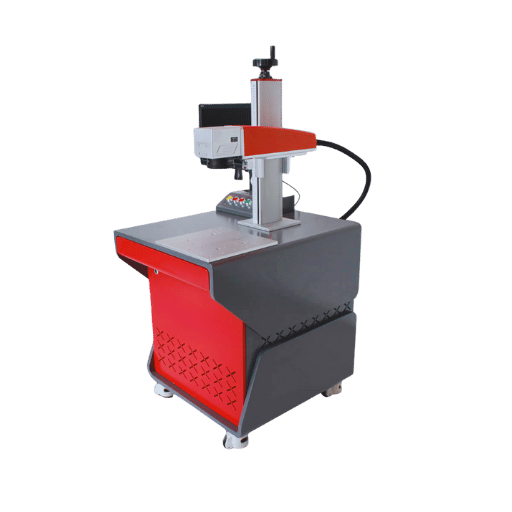
The fiber laser marking machines, on using highly focused laser beams, inscribe permanent and precise marks on a variety of surfaces, such as metals, plastics, and ceramics. The marking speed, low maintenance, and reliability are some advantages out of many offered by them.
Key Advantages
- High precision marking capabilities
- Energy efficient operation
- Minimal maintenance requirements
- Excellent for industrial applications
- Compatible with various materials
Common Applications
- Serial numbers and barcodes
- Corporate logos and branding
- Industrial part identification
- Medical device marking
- Automotive component labeling
The energy-efficient fiberlaser systems making use of 20W fiber laser markers are apt for numerous manufacturing procedures, while they maintain high speed of processing and, thus, are best suited for large scale production activities.
CO2 Laser Engraving Machines
CO2 laser engraving machines come in different shapes and configurations able to cut and engrave various non-metal materials with wood, glass, acrylic, leather, and paper being merely some examples. These machines work on the principle of using a mixture of carbon dioxide gases to produce laser beams strong enough to vaporize the surfaces of certain materials.
Why Choose CO2 Lasers? This system is an excellent choice for signage, packaging, and crafts industries, whereby versatility and premium outputs are required, as it produces perfect results with precision working on a huge array of materials at a relatively low price.
UV Laser Marking Systems
UV laser marking systems use ultraviolet rays to mark material with utmost precision and in nearly no time, depositing minimum thermal impact on the substrate. The systems are particularly good for fragile materials such as glass, ceramic, and some plastics so that it does not deform or cause damages to the materials during the marking.
UV Laser Benefits Checklist
- Non-contact operation for clean, consistent markings
- Minimal heat-affected zone
- Excellent for sensitive materials
- High precision for fine details
- Ideal for electronics and medical applications
- Pharmaceutical industry compatibility
Benefits of Laser Marking
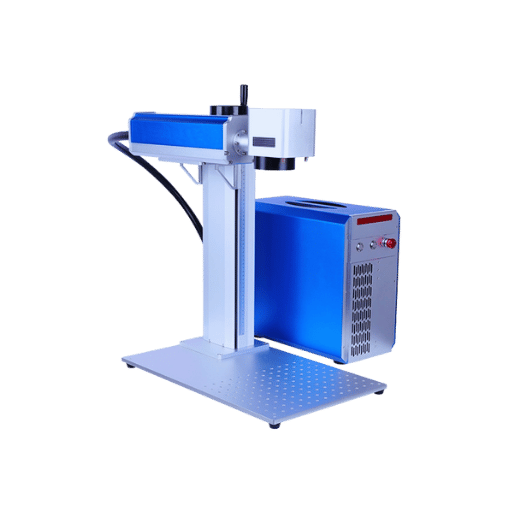
Precision and Durability
Laser marking is exceptional in offering laser precision: thin, detailed markings with near-zero tolerances. These markings are extremely precise and consistent, resistant to any form of variation in design complexity or size. Laser markings, furthermore, wear away least, and resist any attempt to fade them made by heat or chemicals.
With such characteristics, laser marking is well-suited for any industry that requires engraving or marking that must be long-lasting and clear. Aerospace, automotive, and medical industries are some of the few sectors where reliability and permanence cannot be compromised.
Environmental Benefits Compared to Traditional Methods
Environmental Advantages
- Waste Reduction: In a conventional method, tooling must be employed or consumables such as inks, chemicals, or engraving tools would have to be used. This would, in reality, make for a dirtier process with tons of material waste.
- Energy Conservation: The new marking systems work with great energy conservation in contrast to those traditional processes that require heavy power consumption or a handful of multiple manufacturing assemblies.
- Safety Enhancement: Creates safer working conditions by avoiding the use of chemicals or solvents that are a hazard to environmental health.
- Equipment Longevity: And since this method is a non-contact method, there is very little wear and tear on the equipment due to the marking, thus cutting down greatly on the frequency with which repairs or replacements must be carried out, thereby contributing to sustainable modes of operations.
- Clean Output: It generates dust or particulate matter that is so minuscule that it is mostly easy to handle or recycle, thus leading to lesser environmental problems.
Cost-Effectiveness in Production
Laser marking can be seen as a highly cost-efficient production process with pinpoint accuracy, unique durability with very few maintenance requirements. Moreover, that process reduces waste of raw materials and avoids the consumption of inks or chemicals, which leads to huge operational savings in the long run.
Because of the very fast operation of laser marking, working cycles tend to become shorter, which in turn stands for greater productivity and profitability. Crop out unnecessary processes, and laser marking can be the economical pathway for industries that seek scale and efficiency.
Applications of Laser Marking Across Industries
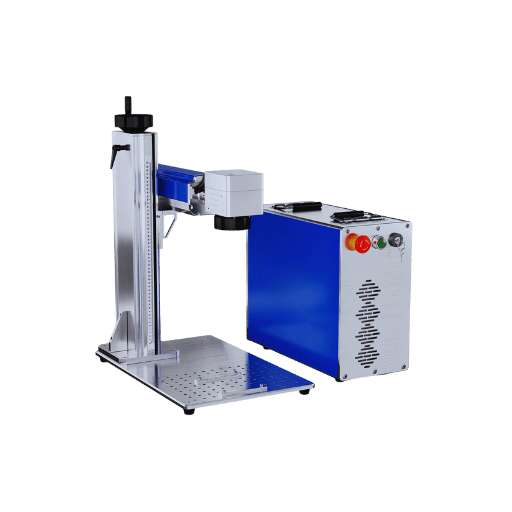
Automotive Industry Applications
The automotive industry extensively uses laser-marking techniques for product identification, traceability, and regulatory compliance. Except for marking indelibly over harsh automotive settings under extreme conditions of heat, corrosion, and mechanical wear, permanence and precision will be the keywords.
VIN Marking
Vehicle Identification Numbers for regulatory compliance and theft prevention
Component Identification
Serial numbers and barcodes on engine parts, chassis components, and brake systems
Brand Authentication
Manufacturer logos and authenticity marks for quality assurance
Safety Compliance
Regulatory markings that meet automotive safety standards
Medical Device Applications
Medical Industry Applications
- Instrument Marking: Permanent identification codes and logos on surgical instruments for traceability and regulatory compliance
- Implant Identification: Medical implants must bear critical information, including batch numbers and identification numbers, for example, orthopedic screws and plates
- Flexible Material Marking: Labeling of catheters and tubing making sure structural integrity is not compromised
- Medical Device Branding: Logo and trademark marking for brand visibility and authenticity in competitive medical markets
- Calibration Markings: Precise scales on surgical rulers and calibration devices for enhanced procedural accuracy
Electronics and Packaging Solutions
From electronics to packaging, laser marking finds use for unchallenged accuracy, durability, and traceability. On the electronics front, this implies laser marking a serial number, barcode, or QR code on components such as circuit boards and chips so that they can be tracked and quality-checked along the production line.
For packaging, laser marking renders the expiry date, batch number, and branding information crisp and permanent, so as to ensure product-level regulatory compliance and product counterfeiting. The precision and speed of laser marking are best to meet the rigorous demands of these fast-moving industries.
Choosing the Right Laser Marking Machine
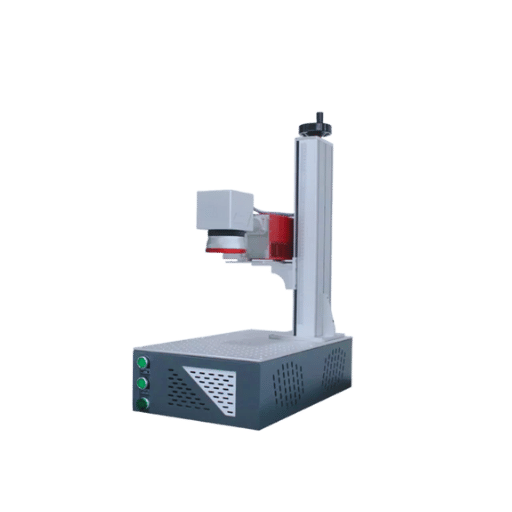
Key Factors to Consider Before Purchase
Essential Purchasing Guidelines
- Material Compatibility: Be assured that the laser marking machine is suitable for your target materials, whether metals, plastics, ceramics, or other special substrates.
- Marking Speed and Efficiency: Review speed of marking vis-à-vis production requirements ensuring efficient functioning sustains precision and quality level.
- Resolution and Accuracy Requirements: Observe the resolution and accuracy for your applications, more so when designing for intricate or minute text marking.
- Budget Considerations: All considered must go into calculating the total cost of ownership: initial machine cost, maintenance expenses, operation cost, and upgrade requirement costs.
- Software Integration: Be sure the software of the machine has an intuitive interface in the first place and can be integrated with other systems such as those monitoring production lines or managing databases.
- Realizational Compliance: To make sure that the laser marking machine meets the requirements set forth by the respective industry including safety standards and environmental certification.
Evaluating Material Compatibility
Material compatibility evaluation for laser marking involves an intense analysis of how the materials behave under laser energy. Various materials like metals, plastics, ceramics, and glass react differently to varied wavelengths of the laser, its power level, and pulse rate.
| Material Type | Compatibility Level | Key Considerations | Recommended Laser Type |
|---|---|---|---|
| Metals (Steel, Aluminum, Brass) | High | Excellent laser energy absorption | Fiber Laser |
| Plastics | Variable | May require additives or pre-treatment | CO2 or UV Laser |
| Ceramics | High | Requires precise methods to prevent damage | Fiber or UV Laser |
| Glass | Moderate | Requires delicate handling for crack-free marking | CO2 or UV Laser |
Important Note: Always conduct material testing to verify real-world application performance and optimize marking quality for your specific requirements.
Understanding Power and Speed Requirements
Power and speed configuration is the crux of achieving precision and best marking in laser application. The interrelationship between power and speed ultimately determines the quality, productivity, and compatibility of marking with materials.
Power Settings Guidelines
Higher Power Settings: The higher the power, the better for hard materials such as metals that need deeper penetration and stronger marking.
Lower Power Settings: The lower the power, the better for soft materials such as plastics or glass that need to avoid surface damage whilst maintaining marking quality.
Speed Configuration
Slower Speeds: Deeper marking with more presence, and are for applications that need to be durable.
Faster Speeds: Lighter markings or applications with high production volumes and are concerned with efficiency.
The best results are obtained by first tuning these two parameters based on the material properties and the desired objectives. It is always wise to consult manufacturer guidelines and perform preliminary tests which will identify the best power and speed combination for the applications.
Laser Marking vs. Alternative Marking Methods
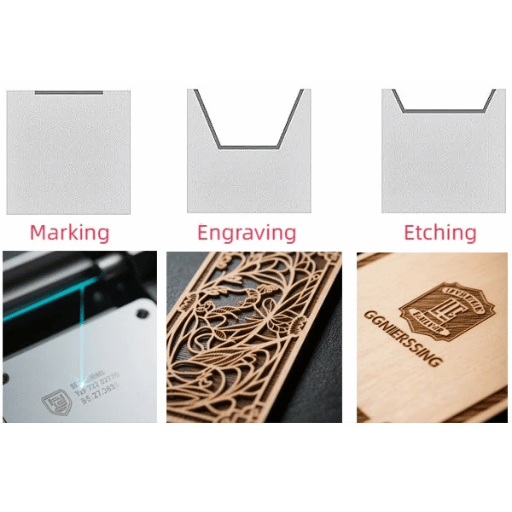
Comprehensive Comparison: Engraving, Etching, and Laser Marking
| Parameter | Engraving | Etching | Laser Marking |
|---|---|---|---|
| Process Type | Physical | Chemical | Laser-based |
| Marking Depth | Deep | Surface | Variable |
| Durability | High | Moderate | High |
| Precision Level | Moderate | High | Very High |
| Material Range | Hard Materials | Thin Materials | Versatile |
| Environmental Impact | No | No | Yes |
| Processing Speed | Moderate | High | Very High |
| Initial Cost | Moderate | Low | High |
| Maintenance | Moderate | Low | Minimal |
| Primary Applications | Metals, Wood | Jewelry, PCB | Industrial, ID |
Inkjet Printing vs. Laser Marking Analysis
| Parameter | Laser Marking | Inkjet Printing |
|---|---|---|
| Mark Durability | Permanent | Temporary |
| Precision Quality | High | Moderate |
| Initial Investment | High upfront | Low upfront |
| Consumables Required | None | Ink required |
| Maintenance Needs | Minimal | Regular |
| Processing Speed | High | High |
| Design Flexibility | Limited | High |
| Material Compatibility | Wide range | Wide range |
| Environmental Suitability | Clean/Harsh | Clean/Controlled |
| Best Applications | Permanent marks | Variable data |
When to Choose Laser Marking
Ideal Laser Marking Scenarios
- Applications requiring extreme precision and accuracy
- Environments demanding maximum durability and permanence
- Projects prioritizing environmental friendliness and sustainability
- Industrial packaging requiring reliable identification
- Medical equipment needing regulatory compliance
- Electronic components requiring fine detail marking
- Operations seeking minimal maintenance and consumable-free processes
- Multi-material applications requiring versatile marking capabilities
Laser marking emerges as the optimal solution when permanent marks with minimal maintenance are required, combined with sustainable processes that eliminate the need for consumables, making it the most cost-effective long-term marking solution.
Future Trends in Laser Marking Technology
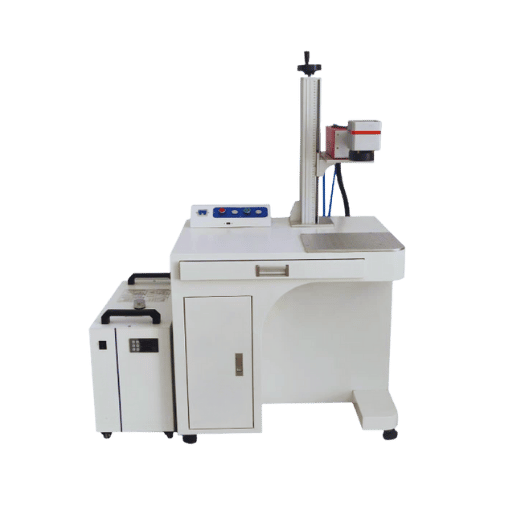
Emerging Innovations in Laser Marking
With a laser marking industry in a phase of rapid diversification, new methods of enhancement are sought after for better output, greater precision, and a developmental capability. Different novel developments act as forming and reshaping agents in the scenario of marking technology and facilitate industrial applications.
Ultra-Fast Lasers
Revolutionary marking tools that dramatically increase marking speed while maintaining high-resolution detail and precision across various materials.
Smart Software Integration
Automation and customization from an advanced system for a wide range of industrial requirements, with the possibility of smooth integration into existing workflow.
Green and UV Laser Development
Systems for delicate or heat-sensitive materials, which, in turn, widen application areas and give rise to new market opportunities.
Sustainability Focus
Innovations lowering energy consumption while promoting green manufacturing processes without compromising on the performance standards.
Impact of Automation and Smart Manufacturing
Smart Manufacturing Benefits
- Increased Productivity: Automation technologies lend smoothness to the production processes with reduced manual intervention and faster production cycles, thereby increasing the efficiency of output.
- Better Quality Control: By employing advanced sensors in conjunction with learning systems, manufacturing processes are continuously monitored to ensure product consistency and to reduce the occurrences of defects.
- Cost Optimization: While these demand low-cost production by eliminating laborious activities and by making optimal use of resources, flexibility is maintained to meet new market demands.
- Real-time Monitoring: Working along the lines of smart systems, constant feed and adjustments are provided to ensure the best possible performance with minimum downtime on the production lines.
Sustainability in Laser Marking Solutions
Modern sustainability initiatives in laser marking emphasize the operational efficiency and positive environmental impact. Current laser machines show great environmental benefits by eliminating consumables such as inks or solvents, thus significantly reducing the generation of waste and usage of chemicals.
Sustainability Advantages
The contemporary laser marking systems are extended in implementation life with minimal maintenance and energy consumption, significantly avoiding carbon emissions. Thus, laser marking becomes an integral part of production processes and enables good quality manufacture while also supporting environmentally conscious manufacturing.
Frequently Asked Questions (FAQs)
Conclusion
Key Takeaways
Laser marking machines are said to be the future in industrial marking and engraving technology, offering the highest precision, durability, and considered on the environmental point of view. From fiber lasers which excel at metals to CO2 systems best suited for organic materials and further on to UV lasers which are good for fine marking of very sensitive substrates, the laser marking system is there to solve almost every industrial application.
It can be counterproductive to list the benefits simply focusing on their technical applications while ignoring the huge cost advantage imbued in these technologies for maintenance reduction, elimination of consumables, and increase in production efficiency. As more and more industries focus on sustainable, quality-oriented, and traceable processes, the laser marking machines provide the best answers to these changing needs.
The correct laser marking system is an investment for your establishment that will set you up for success in our fiercely competitive world, in case your industry is automotive manufacturing, medical device manufacturing, electronics, or another one that requires permanent marking in excellent quality.
Reference Sources
- Triumph: 3D Dynamic Focus Laser Marking Machine – A complete description of the Triumph 3D Dynamic Focus Laser Marking Machine, its features, and application purposes, including metal engraving.
- TYKMA Electrox Laser Marking System– Discussing the qualities and abilities of the Tykma Electrox Laser Marking System and the materials it can mark.
- An Embedded Laser Marking Controller Based on ARM– On the procedure of laser marking machines and their controllers.
- Machine
- Laser engraving
- Metal
The horizon of laser marking is always improved through innovations around automation, sustainability, and precision. From the perspective of a client, having knowledge about the capabilities and applications discussed in this comprehensive guide will well prepare you to make better decisions for refining your production processes and maintaining competitive advantages within your industry.