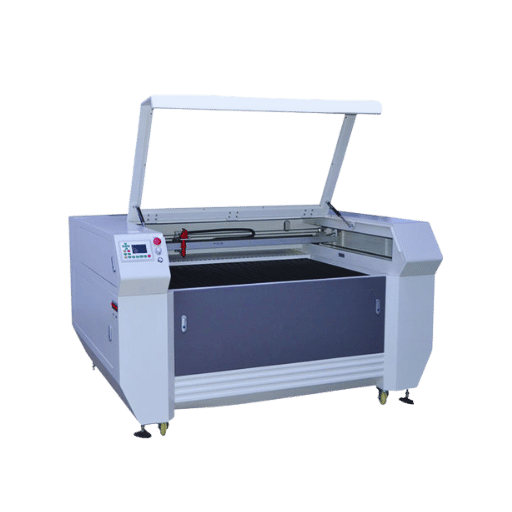
Laser Wood Cutting Machines: The Future of Woodworking
Learn how laser wood cutting machines are making a new revolution in woodworking with unmatched precision, speed, and versatility – whether it be for a hobbyist or a professional.
Understanding Laser Wood Cutting Machines
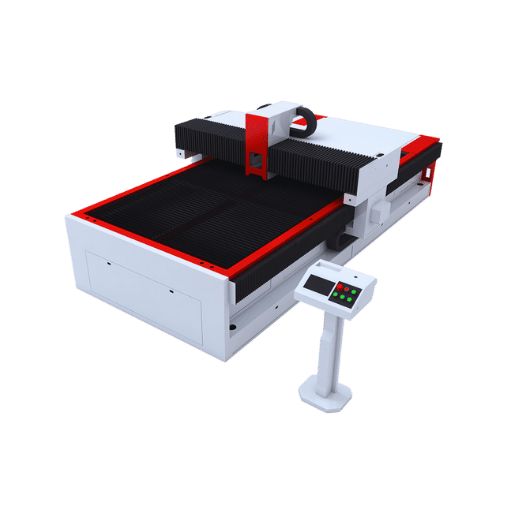
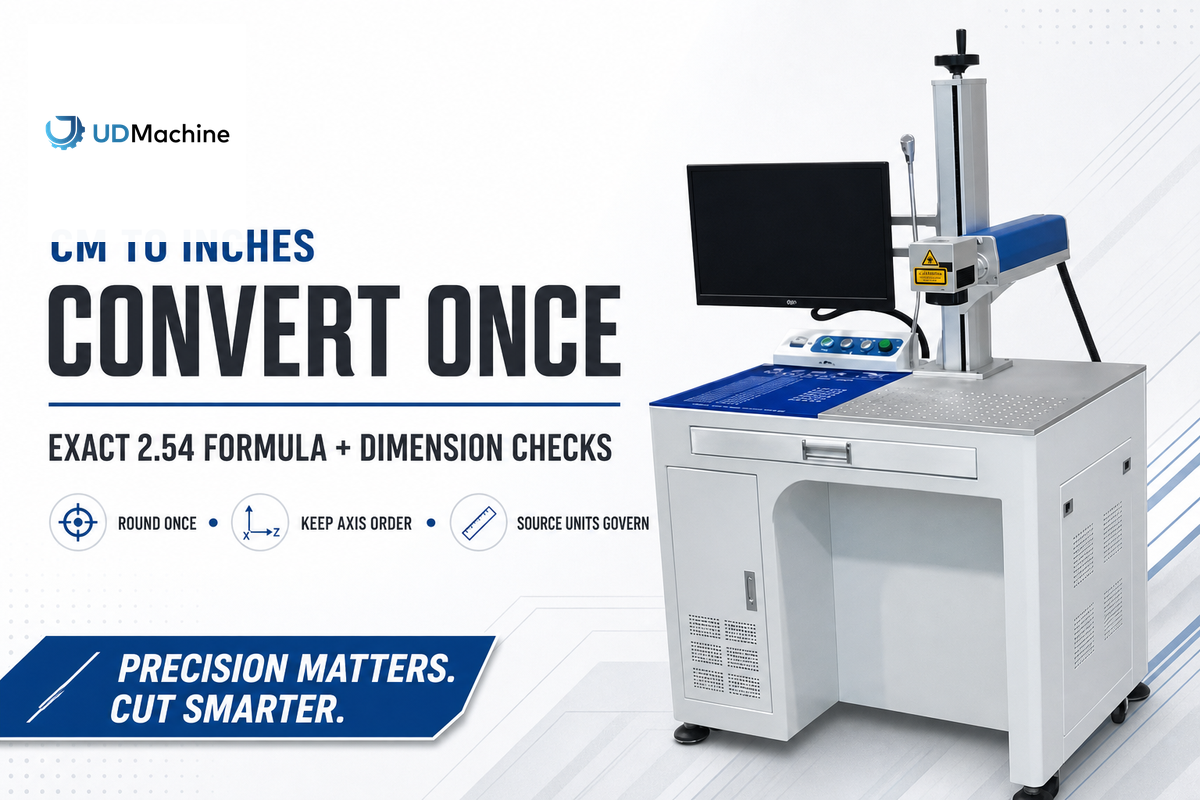
Laser wood cutting machinery is a revolutionary advancement in woodworking technology, offering precision, speed, and versatility rarely offered by traditional methods. These high-tech machines with a focused beam of light allow one to cut, engrave, or etch wood with great precision, especially for detailed designs, making production faster, and igniting an artistic spirit.
Key Advantages at a Glance
- ✓ Creation of intricate designs with consistent quality
- ✓ Significant reduction in material wastage
- ✓ Exceptional speed and accuracy
- ✓ Time-efficient operation with reliable results
What Are Laser Wood Cutting Machines?
Laser wood cutting systems are sophisticated devices that use an exact laser beam to cut, engrave, or etch a pattern on the wood surface. The machines steer laser energy with extreme precision, notwithstanding the anodizing effect on the laser: Refraction or burning along definable paths between smooth, fine patterns on wood surfaces. Owing to their greatly outstanding performances, they are most suited for applications that require great precision and repeatability in handicrafts, manufacturing, and design prototyping.
Types of Lasers Used in Wood Cutting
CO2 Lasers
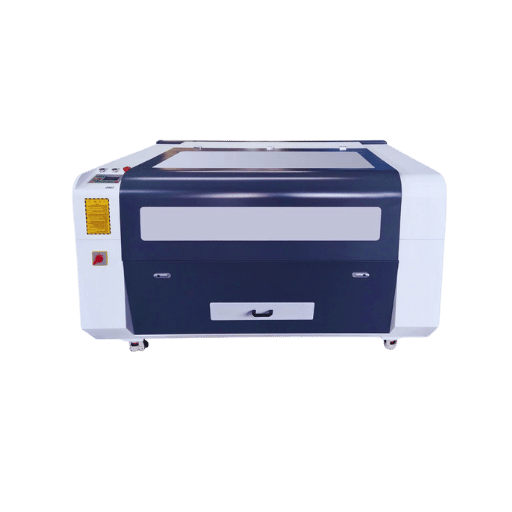
The most primary decision in wood cutting would probably be CO2 lasers, providing continuous wave laser beams with pinpoint accuracy. Power delivery is extremely efficient, so laser beams can cut through thin materials with clean edges and mirror finishes-opposite to engraving applications that benefit from clean and superior finishes.
Fiber Lasers
Customized mainly for use on metals, fiber lasers accommodate certain woodcutting operations, more so on thin and dense materials. In addition to a large fiber diameter, these lasers employ solid-state laser sources, allowing them to have high-speed operation and great durability.
Diode Lasers
An economical solution for light-duty wood cutting and engraving, diode lasers offer lower power compared to CO2 systems. They’re ideal for hobbyists and entry-level applications requiring basic functionality.
Excimer Lasers
Excimer lasers work in the UV range and are mostly preferred in special cases because the ability of thermal damage requires to be kept at a minimum level, while precision must be at maximum. Engraving, fine finishing, and delicate detailed work are ideal for them.
How Laser Cutting Works
- Beam Generation: The energy of the laser beam is so powerful that it radiates along its path onto the surface of a material through the specialized nozzle
- Focus Application: The energy from such intense laser irradiates on that point of the material, increasing its temperature to satisfy requirements for melting or burning of the material
- Material Removal: After being heated, the material melts or vaporizes along the predetermined path
- Gas Assistance: A gas is then blown along as the debris is swept away and the edges are finished: nitrogen or oxygen
Key Features of Modern Laser Wood Cutting Machines
Precision and Speed in Laser Cutting
Cutting-edge laser-cutting machines provide greater precision by control systems that place the laser head to halves or even tenths of a millimeter. Such accuracy in positioning allows the laser beam to cut very intricately shaped designs. The high-speed cutting decreased the overall production time, as given by conventional cutting methods, and, therefore, laser-cutting is much appreciated in industries where the product is to be processed fast and accurately, e.g., in the manufacturing, automotive, and aerospace sectors.
Material Versatility of Wood Laser Cutters
Compatible Wood Materials:
Smart Technology Integration
Ensuring everything from imprecision to productivity and user comfort, new-age technologies are being employed in laser cutting systems today. Innovations include auto-calibration, real-time performance monitoring, and even AI-assisted design optimization. Software integration will enable users to import complex design files thus saving the entire workflow. Lastly, remote-connectivity plays a key role in maximizing productivity and operational efficiency by allowing operators to monitor and control these machines from remote locations.
Benefits of Laser Wood Cutting Machines
🎯 High Precision and Detail
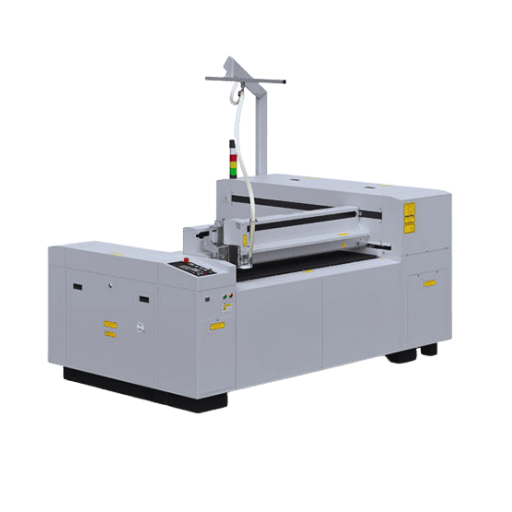
Laser wood-cutting machines excel at wood engraving with micron-level precision, carving into extremely complex patterns and textures with very little waste of precious wood material. Being non-contact, they cut smooth edges without surface damage, becoming favorite tools for custom furniture, sign-making, and artistic freedoms where exquisitely refined craftsmanship is a must!
💰 Cost-Effectiveness
Laser cutting gives cost-effective solutions for small and large productions. The high precision minimizes material waste while fast cutting speeds maximize output and reduce production time. Being one of the most versatile technologies, it saves a precision manufacturing operation from using and procuring several other tools.
🌱 Eco-Friendly Operation
Laser-wood cutting is an eco-friendly process with its efficient working system and minimal wastage. High-precision cutting ensures maximum utilization of materials, whereas an energy-efficient technique uses less energy compared to conventional ones. Thus, chemical treatments or finishing processes are mostly not required.
Applications of Laser Wood Cutting Machines
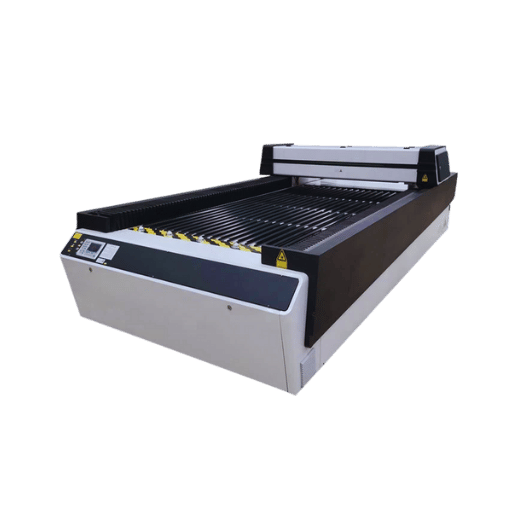
Creative Industries Utilizing Laser Cutters
- Furniture Design: Creating intricate patterns, custom pieces, and detailed engraving work
- Art and Sculpture: Producing finely detailed wood carvings and custom artwork
- Interior Design: Enhancing decor panels, custom lighting, and architectural detailing
- Product Packaging: Creating custom wooden packaging for luxury goods
- Crafting and DIY: Enabling hobbyists to achieve professional finishes in small projects
Industrial Uses of Laser Cutting Machines
Educational and Hobbyist Projects
Laser cutters are considered precious tools in an educational or hobbyist setup for precision, versatility, and ease of operation. Teachers also use these machines to propagate STEM subjects through other hands-on learning activities where students can design and prototype architectural models, circuit layouts, or mechanical parts. Hobbyists work in almost all creative arts using laser cutters: engraving, artistic object creation, and jewelry making.
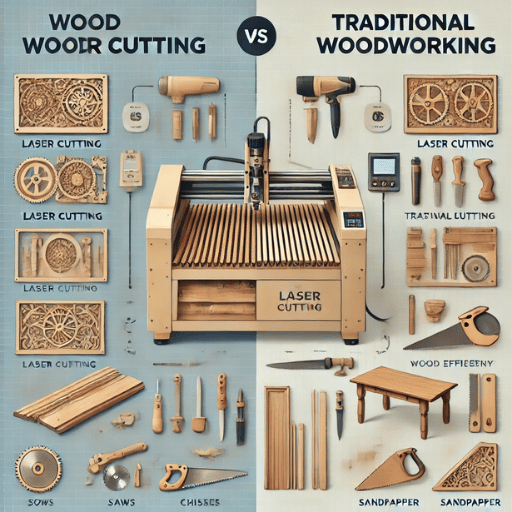
Comparison with Traditional Wood Cutting Methods
Latest Trends in Laser Wood Cutting Technology
🤖 AI and Automation
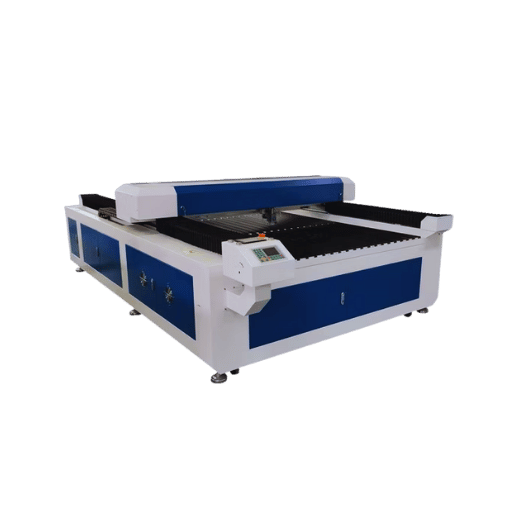
Laser cutting is enhanced with AI technologies and automation for precision, speed, and consistency. Machine learning algorithms analyze and adjust cutting parameters in real-time to optimize performance and minimize errors, whereas materials loading, alignment, and cutting are streamlined.
🌿 Sustainability Focus
Computer numerically controlled (CNC) technology is used in precise cutting in an attempt to minimize material waste in manufacturing. The contemporary laser systems are energy-efficient, so much so that they consume lesser power than conventional cutting operations while having the good choice of using recyclable materials for eco-friendly manufacturing.
🎯 3D Cutting Capabilities
This process of 3D laser cutting gives a design cutting at varying angles, through materials of varying thickness. 3D laser cutting offers precision in processing complex shapes and contours into different materials while facilitating cutting at various angles through materials of differing thicknesses. This flexibility of design provides for many secondary operations to be eliminated in manufacturing processes.
Practical Advice for Choosing a Laser Wood Cutting Machine
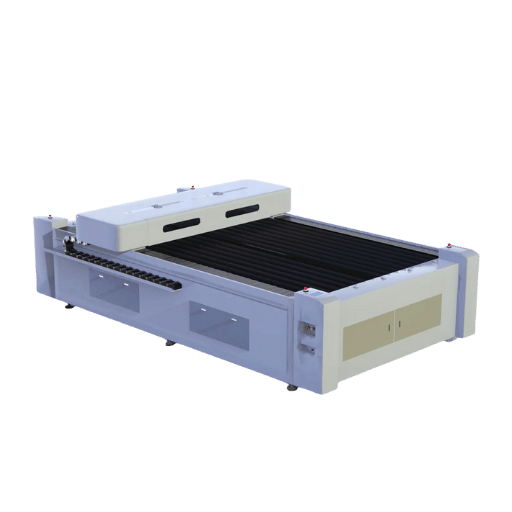
Key Considerations When Selecting a Laser Cutter
⚡ Power and Wattage
Determine laser power requirements based on material types and thicknesses. Higher power enables cutting thicker materials and faster operation across various material types.
📐 Bed Size and Material Compatibility
Consider working area dimensions to accommodate various project sizes. Ensure machine compatibility with intended materials for optimal project outcomes.
🎯 Precision and Resolution
Evaluate cutting and engraving resolution capabilities. Higher DPI and superior focusing methods result in cleaner, more detailed work execution.
💻 Software Compatibility
Being compatible with the software of choice and having an intuitive interface are always in line with its objectives. Features such as autofocus, material presets, and design tools enhance workflow.
🔧 Maintenance and Support
Evaluate the maintenance and manufacturer support required. With technical support ready and not-too-hard-to-get replacement parts, work-ability ceases being an issue.
Budgeting Tips for Laser Cutting Machines
- Assess Your Needs: Features and capabilities are required depending on material and complexity of a project so as not to invest into value-included features that will never be used
- Compare Multiple Models: Research various machines within budgetary limits while bearing in mind user reviews and technical specifications to ensure an optimal value for money
- Consider Additional Costs: In the overall costing, appointment of the price of accessories, software programs, contingencies of maintenance, and protective gears is imperative
- Plan for Maintenance: Keep a maintenance budget for operational maintenance or replacement parts to maintain operational efficiency in the long run
- Explore Financing Options: If full payment cannot be made at this time, look into the possibility of financing or leasing
Future Predictions for Laser Wood Cutting Machines
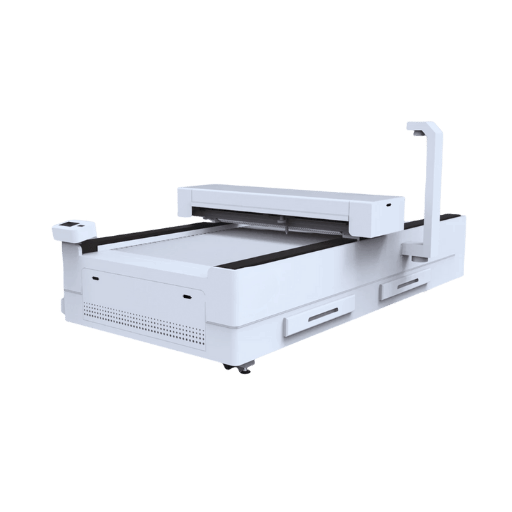
🚀 Technological Advancements
Future laser cutting promising better accuracy, speed, and energy efficiency. Present technologies are developing multi-axis capabilities to perform cuts of a more challenging nature while offering an intense laser output, which, with its tight beam, can work on a larger array of materials with fewer lateral thermal effects. Process automation through AI integration results in better productivity with fewer human errors.
📈 Market Growth
The domain of laser wood cutting conforms to steady growth as more and more orders get placed with the demand of precision and efficiency across many industries. Continuous innovations in laser cutting technologies supporting the building of power, automation, and cost-efficiencies feed into this growth. Companies increasingly invest in laser wood cutting for better outputs and faster production.
🌱 Sustainability Focus
The future of laser technologies involves attempts to reduce energy requirements and waste generation through better laser sources and improved automation. Closed-loop recycling systems minimize the environmental impact while supporting worldwide initiatives for greener manufacturing and higher environmental standards.
Frequently Asked Questions (FAQs)
Reference Sources
Laser Cutters | Engineering Product Innovation Center (Boston University)
- The page elaborates on laser cutting and touches upon applications like working with wood.
2. Laser Cutters | Sears think[box] (Case Western Reserve University)
- The site describes the capabilities of laser cutters in cutting and etching various materials, including wood.
3. Laser Engravers | The Maker Hub (Elon University)
- An exhaustive guide to laser engraving machines and their use for several materials, including wood.
5. Wood
6. Machine
🎯 Key Takeaways
⚡ Precision & Speed
The laser cutters are endowed with striking precision, cutting at the micron-level fine lines of accuracy.
🌱 Eco-Friendly
The laser woodcutting machines are at the center of eco-friendly movements pertaining to lesser wastes, energy conservation, and less chemical treatment.
🚀 Future-Ready
Feature-rich options of AI integration, 3D capability, and smart automation are shaping the future of the woodworking industry.
📋 Conclusion
Laser wood cutting machines have changed woodworking technology forever to provide precision that has never been attained at astonishing speeds and great versatility. These systems are changing how wood cutting and engraving projects are undertaken from a hobbyist’s point of view into full-fledged industrial manufacturing.
Apart from the increase in efficiency during operation, this technology offers other benefits such as saving the environment, saving a consumer’s money, and providing opening and possibilities that were never afforded by the traditional methods. With the advances in AI integration, 3D functionalities, and smart automation, laser wood-cutting machines will stay key in modern manufacturing and creative industries.
Needless to say, laser wood-cutting machines would be able to meet your needs and give you the tools and capabilities to take your woodworking projects to the next level whatever the manufacturer you are and the environment of operation you find yourself in, putting precision and efficiency in a word-or hobby spirit where one searches always for justice-to laser wood-cutting machines present the platforms from which woodworks are transformed.
💡 Ready to Start Your Laser Cutting Journey?
Explore the endless possibilities of precision woodworking with laser cutting technology.
Go ahead and transform your woodworking projects today, with lasers acting as instruments of precision!