Laser Tube Cutting: Revolutionizing Metal Fabrication with Precision and Efficiency
Discover how cutting-edge laser technology is transforming manufacturing across automotive, aerospace, and medical industries
The landscape of metal fabrication has witnessed an incredible transformation through laser tube cutting technologies from industry leaders like Trumpf and BLM Group. This advanced method utilizes ultra-precise lasers to cut, profile, and shape metal tubes with exceptional accuracy and speed, improving production efficiency while reducing material waste.
Introduction to Laser Tube Cutting
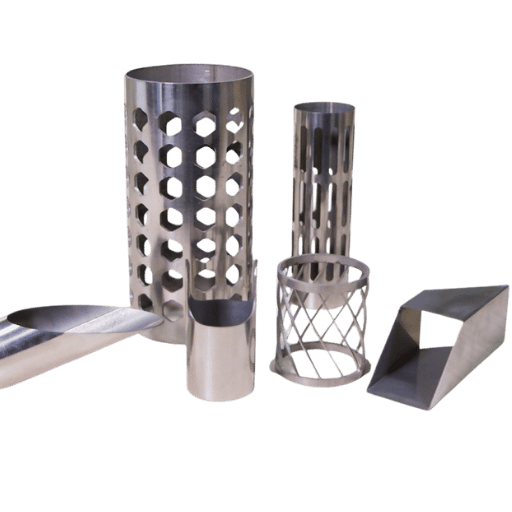
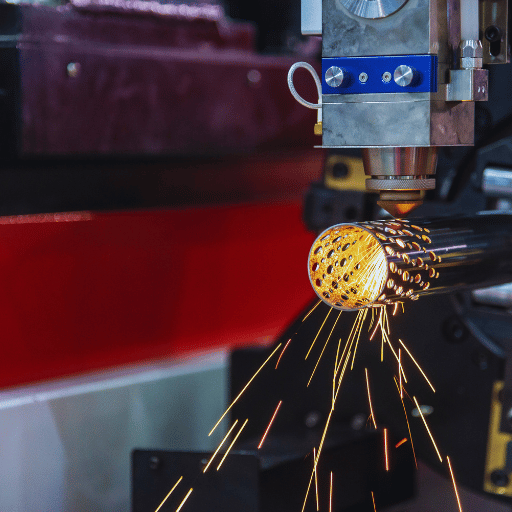
Laser cutting machines are precision manufacturing tools that use focused laser beams for cutting and shaping metal tubes and pipes. This process delivers high precision with minimal material waste and clean cuts, making it the preferred choice for industries requiring intricate designs and tight tolerances.
What is Laser Tube Cutting?
Laser tube cutting is a high-tech manufacturing technique, utilizing highly energized laser beams for precision cutting, engraving, or alteration of metal tubes. PLM, CAD, and CNC are basic terms in the field of CAD purposes with machinery operations wherein the designs, patterns, and smooth-edged shapes are developed with very little human interference.
Industries: Automotive, aerospace, construction, furniture manufacturing
The Laser Tube Cutting Process
- Tubes are securely locked into position to prevent movement during cutting
- The laser beam is precisely directed to the material surface
- Material is heated to the melting point for clean, accurate cuts
- The system follows programmed specifications for complex designs
- Final inspection ensures quality and dimensional accuracy
Comparison with Traditional Cutting Methods
Key Benefits of Laser Tube Cutting
🎯 High Precision Cuts
Achieves astounding precision with clean edges that eliminate secondary processing like grinding or deburring. Maintains consistency across all components for tight tolerance applications.
💰 Cost Efficiency
Reduces material waste through optimal utilization and efficient nesting of parts. Lower rework costs and improved accuracy result in significant cost savings.
🔧 Material Versatility
Works efficiently with metals, plastics, glass, stone, and composites while maintaining precision across complex geometries and various material thicknesses.
Technological Advancements

Fiber Laser Technology
Using fiber laser technology, the cutting of materials has undergone a precision transformation-we have never known accuracy and speed like this. Unlike conventional lasers, fiber lasers use a finely focused beam, which yields minimal heat distortions or material deformations.
Advantages: Clean edges, minimal secondary processing, enhanced reliability, suitable for a variety of materials, including metal, plastic, and composites
Automation & Artificial Intelligence
- Workflow Optimization: Automated systems reduce manual controls and accelerate processing times
- Real-Time Analysis: Preferences for cutting parameters and predictive maintenance are decided upon through data analysis by AI.
- Quality Consistency: For all production runs, quality remains consistent.
- Cost Reduction: These include negotiations to tilt operating costs in their favor with regard to better utilization of resources.
Enhanced Motion Control Systems
Advanced motion control integrates high-accuracy sensors, real-time feedback systems, and machine learning algorithms to enhance automation capabilities. These systems enable smooth, precise movements while eliminating vibrations for maximum efficiency in critical applications like robotics, automotive manufacturing, and aerospace.
Industry Applications
🚗 Automotive Industry
Exhaust Systems
Precision shaping and cutting of exhaust components for optimal performance and reduced emissions
Chassis & Frames
Lightweight yet strong structural components enhancing vehicle safety and efficiency
Suspension Systems
Complex tube geometries produced with high precision for superior performance
✈️ Precision Aerospace Parts
Aerospace services require the utmost precision and quality in view of considerations for safety. Laser cutting offers tight tolerance with superb finishes and superior machining for such things as turbine blades, engine parts, and structural assemblies, as laid down in the strict aerospace certification standards.
🏥 Medical Device Manufacturing
The demand for producing medical devices is for genuine and very precise components. Laser cutting and CNC machining can direct the production of parts that are overly complex with tight tolerances, be it for medical instruments, implants, or diagnostic equipment, so that patients’ safety and regulatory compliance are guaranteed.
Equipment Selection Guide
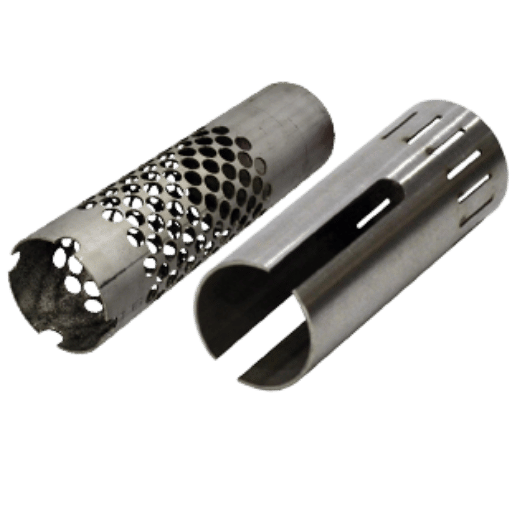
🔍 Key Selection Factors
Technical Specifications
- Material compatibility assessment
- Precision and tolerance requirements
- Cutting speed and efficiency needs
- Integration capabilities
Business Considerations
- Operational and maintenance costs
- Future scalability options
- Customization flexibility
- Return on investment timeline
Support & Compliance
- Regulatory compliance verification
- Training and support availability
- Provider reputation and reviews
- Warranty and service agreements
⚠️ Important Considerations
After-sales support and training are critical for smooth operations. Reliable support ensures timely issue resolution and maintained productivity, while comprehensive training enables maximum equipment utilization and ROI optimization.
Future Trends & Predictions
🔮 2025 and Beyond
Fiber Laser Evolution
Enhanced precision and speed capabilities with improved energy efficiency
Smart Integration
AI and IoT integration for automation and predictive maintenance
Sustainable Manufacturing
Energy-efficient systems supporting environmental initiatives
Industry 4.0 Integration
Full integration into smart manufacturing ecosystems
🔬 Emerging Materials
Advanced composites, high-performance polymers, technical ceramics, and reflective metals like aluminum and copper are becoming increasingly compatible with modern fiber laser systems, expanding application possibilities across industries.
Success Stories & Case Studies

Automotive Success
From a 30% decrease in material wastage to a 40% increase in production speed, fiber laser automation systems worked their magic on lightweight chassis and exhaust components.
Aerospace Accomplishment
Implementation of predictive maintenance systems ensured 99.8% uptime for critical engine component production while maintaining strict safety compliance.
Medical Advancement
The laser cutting process gave us the means to manufacture the most complex surgical instruments with tolerances below 0.001″ in order to comply with health regulations.
📊 Measurable Benefits Achieved
Frequently Asked Questions

Q: What are the advantages of tube laser cutting?
Tube lasers have high precision, leading to less waste of material, and can therefore cut complex shapes, including bevels and miters for custom fabrication. They give faster lead times compared to traditional methods and guarantee consistent high-quality results with very little need for secondary work.
Q: How does laser tube cutting enhance productivity?
Laser tube-cutting services enhance productivity by shortening the cutting time and thus minimizing setup time and manual handling of the job. The latest CNC lasers now process and produce jobs automatically, allowing for a faster turnaround time for both prototypes and production runs, assuring consistent quality.
Q: Can a laser cutter cut tubes as well as flat sheet metal?
Yes, and also many laser cutters will possess this fluid ability to work on 2D and 3D applications. This versatility allows fabricators to use a single cutting system to cover diverse applications, which smoothens workflows and makes it unnecessary to have distinct, specialized machines for each.
Q: What is the difference between CO2 and fiber laser technologies?
CO2 lasers use gas to generate laser beams and work well with thicker materials, while fiber lasers use solid-state laser sources offering faster cutting speeds on thinner materials with more intricate detail capabilities. Both technologies have specific advantages depending on application requirements.
Ready to Transform Your Manufacturing?
Discover how laser tube cutting technology can revolutionize your production capabilities, reduce costs, and enhance precision across your manufacturing processes.
Contact industry experts today to explore customized laser cutting solutions for your specific applications and requirements.
🔗 Reference Sources
Stanford University
Lab64-FabLight L4500 Laser Cutter
Product Realization Lab – Comprehensive laser cutting process documentation and academic research applications.
Industry Leaders
Laser-Cutting | Product Realization Lab
Advanced laser tube cutting technologies and manufacturing solutions from leading industry equipment providers.
📝 Article Summary
Laser tube cutting is the transformative technology in modern manufacturing, providing unmatched accuracy, efficiency, and flexibility. This advanced cutting technique is indeed revolutionizing production capabilities by bringing down costs and waste when it comes to automotive chassis, aerospace, and medical devices. Integrations with AI, IoT, and Industry 4.0 technologies will improve the capabilities of these systems even further by 2025 and onward, rendering laser tube cutting a critical investment for the forward-thinking manufacturers seeking a competitive edge in precision fabrication.