Welding with Laser: Understanding Laser Beam Techniques
Laser-type welding revolutionizes manufacturing as its efficiency and precision are the way to go.
Introduction to Laser Welding

Laser beam welding, commonly known as laser welding, is a metallic joining process that utilizes a laser beam as a heat source. The heat generated by the beam melts and allows for the joining of metals. This methodology stands out in the production of strong and almost seamless joints and also in the reduced thermal impact and material deformation. Laser beam welding is widely accepted across various industries due to its finesse, modulus of metals, and speed. It has gained recognition for mass production in the automotive, aerospace, and medical fields.
What is Laser Welding?
Laser welding is a specialized technology that focuses heat generated by a laser beam to provide the necessary energy for the fusion process of metals and plastics. This technology enables:
- Minimal thickness welding with deep penetration capabilities
- High-speed accuracy with minimal distortion
- Automation compatibility for industrial applications
- Versatile applications from continuous deep penetration to pulsed welding for delicate joining
Comparison of Laser Welding with MIG and TIG Welding
| Parameter | Laser Welding | MIG Welding | TIG Welding |
|---|---|---|---|
| Precision | High | Moderate | Exceptional |
| Speed | Fast | Fast | Slow |
| Distortion | Minimal | Moderate | Minimal |
| Material Range | Wide | Metals | Metals |
| Thickness | Thin-Medium | Medium-Thick | Thin-Medium |
| Cost | High Initial | Moderate | Moderate-High |
| Ease of Use | Skilled Needed | Beginner-Friendly | Skilled Needed |
| Applications | Aerospace, Medical | Automotive, Repair | Artistic, Detailed |
| Energy Use | High | Moderate | Moderate |
| Setup Time | Low | Moderate | High |
The Value of Laser Welding in Manufacturing
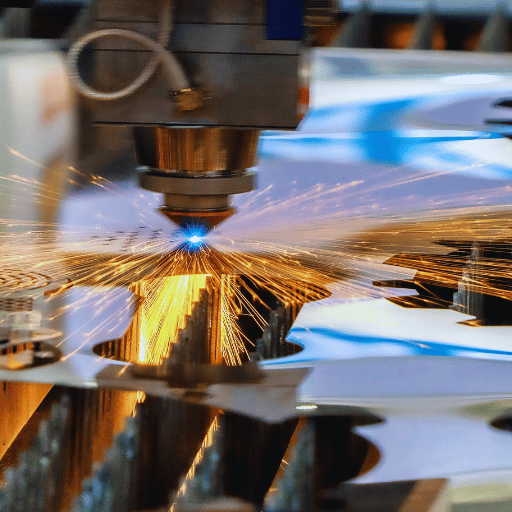
Laser welding is an essential technology for cutting-edge manufacturing processes across a range of sectors, including the aerospace, automotive, and healthcare industries. In the case of aerospace, medical, and automotive applications, laser welding is particularly useful given its speed, consistency, and the quality of the welding it offers. For every industry, laser welding offers the possibility to produce quality components while reducing distortion. It is immensely useful for intricate, delicate components, and at the same time is becoming a go-to solution for the automation of complex parts.
Advantages of Laser Welding
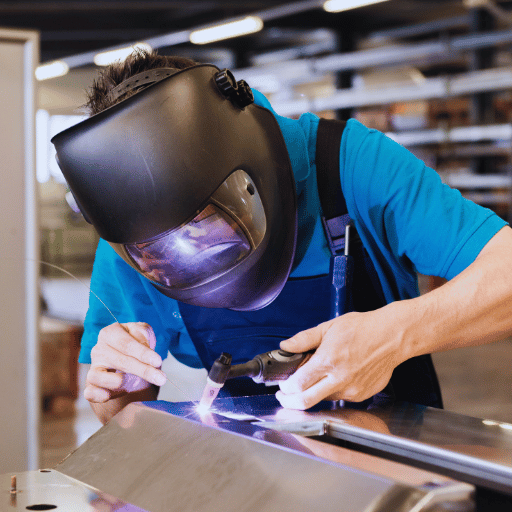
High Levels of Precision and Control
Laser welding offers extraordinary control and precision, making it ideal for tasks requiring intense detailing. Key benefits include:
- High degree of placement accuracy with minimal error rates
- Low contamination and high-quality welds
- Controllable beam adjustment for different materials and thicknesses
- Minimal waste material production
Speed and Versatility in Manufacturing
The incredible speed and flexibility of laser welding allow for:
- Exceptional seam quality with reduced cycle times
- Excellent performance in high-volume production
- Adaptability to complex shapes without restricting design
- Enhanced production efficiency in demanding industrial applications
Cost-effectiveness and Minimization of Post-treatment
Modern laser welding practices provide:
- Elimination of grinding and other traditional post-welding processes
- Reduced labor and resource costs
- Minimized turnaround time without quality compromise
- Lower overall production costs through process efficiency
Types of Laser Welding
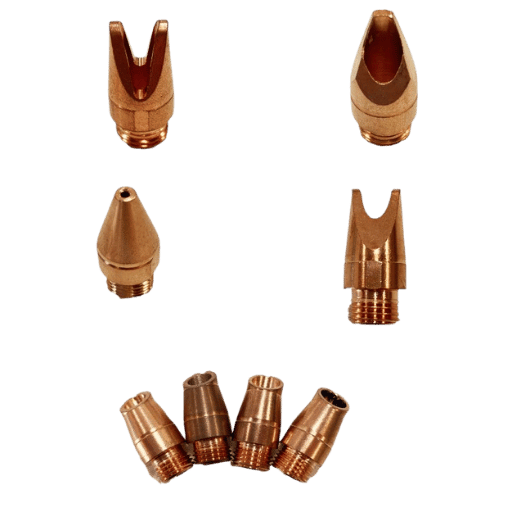
Different Types of Lasers Used in Welding
| Laser Type | Medium | Wavelength | Operation | Key Features | Applications |
|---|---|---|---|---|---|
| Fiber | Solid-state | ~1.06 µm | CW, Pulsed | High precision, deep welds | Automotive, Aerospace |
| CO₂ | Gas | 10.6 µm | CW, Pulsed | Versatile, deep penetration | Plastics, Metals |
| Nd:YAG | Solid-state | 1.06 µm | CW, Pulsed | Precision, reflective metals | Medical, Electronics |
| Disk | Solid-state | ~1.03 µm | CW, Pulsed | High power, compact design | Heavy Industry |
| Semiconductors | Diode-based | ~0.8-1.07 µm | CW, Pulsed | Efficient, low power | Plastics, Thin Metals |
| Pulsed | Varies | Varies | Pulsed | Minimal heat, precision | Thin Materials |
| CW | Varies | Varies | Continuous | Deep welds, high speed | Structural Welding |
| Hybrid | Laser + Arc | Varies | Combined | Filler material, gap bridging | Shipbuilding, Automotive |
Understanding Laser Welding Machines
Laser welding systems are created to merge different materials with a higher temperature range and a greater degree of control. These devices come in classes such as ‘aerospace laser welding class’, ‘automotive laser welding class’, ‘shipbuilding laser welding class’, and so on. They have an excellent eye for detail, which makes them invaluable in the industries that need to perform ultraprecision welding, like aerospace, automotive, and shipbuilding.
Applications of Laser Welding

Automotive Industry Applications
In automotive manufacturing, laser welding plays a critical role in:
- Vehicle frame construction and essential structural components
- Precision joining of dissimilar-thickness metals
- Electric vehicle battery pack assembly requiring durable, reliable welds
- Enhanced structural integrity in modern vehicle assembly
- Improved production speed while maintaining consistent quality standards
Aerospace Applications
The aerospace industry benefits from laser welding through:
- Improved Manufacturing Tolerance: Ensures components meet strict tolerance levels
- Weight Reduction: Enables use of thinner, high-strength materials
- Heat Management: Minimizes heat-related distortion for sensitive materials
- Material Compatibility: Bonds different metals effectively
- Durability: Creates welds with extended life and fatigue resistance
- Automation Integration: Increases productivity through automated processes
- Repair Capabilities: Enables precise aircraft structure repairs
Medical Device Manufacturing
Laser welding in medical applications offers:
- Precision Welding: Minimal impact on surrounding materials
- Contamination Prevention: Non-contact process reduces contamination risk
- Miniaturization Support: Enables micro-welding for intricate devices
- Hygiene Compliance: Meets strict medical industry standards
- Customization: Adaptable to various medical equipment needs
- Technology Advancement: Supports the development of advanced surgical equipment
Safety in Laser Welding

Common Hazards in Laser Welding
| Hazard Type | Key Points | Details |
|---|---|---|
| Eye Injuries | Laser radiation | Severe retina/cornea damage |
| Skin Injuries | Burns | UV/IR exposure, severe burns |
| Respiratory Risks | Fumes | Toxic gases, lung damage |
| Heat Hazards | Burns, heat stress | Intense heat, thermal injuries |
| Fire Risks | Flammable materials | Sparks ignite surroundings |
| Electrical Risks | High voltage | Shock from faulty equipment |
| Reflection Risks | Specular reflections | Hazardous reflected beams |
| Safety Measures | PPE, ventilation | Helmets, gloves, fume extractors |
Protective Equipment and Best Practices
Personal Protective Wear (PPE):
Cover the head with helmets, hands with gloves, and eyes with goggles, while footwear should be flame-resistant. The PPE should also include masks or respirators for toxic fumes protection and the associated clothing.
Ventilation System:
Install and make use of fume extractors specifically for harmful substances and ensure proper air quality within the work area.
Electrical Safety:
Keep an equipment check and maintain and repair as required. Ensure proper grounding and insulation of equipment.
Laser Safety:
Make use of proper goggles to block its powerful rays from touching any part of the body. Illuminate matte finishes to reduce sharp light.
Regulatory Standards for Safe Laser Welding Practices
Adherence to safety regulations is crucial for laser welding operations. Key standards include:
- ANSI Z136.1: Comprehensive laser safety guidelines, including protective limits and control measures
- OSHA Section 1926: Occupational safety requirements
- ISO 11553-1: Safety standards for laser processing machinery
Future Trends in Laser Welding
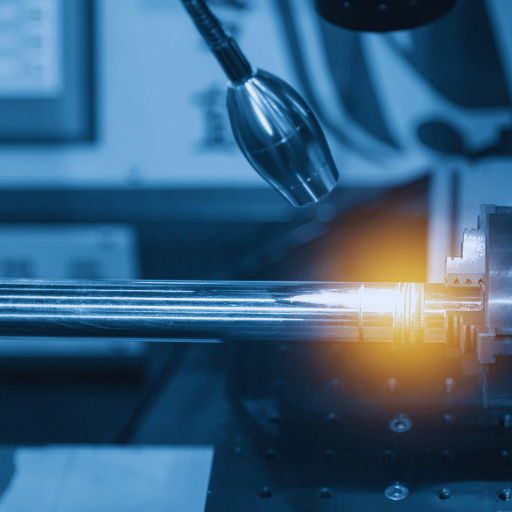
Emerging Technologies and Innovations
The future of laser welding will see significant advances through:
- High-brightness fiber lasers for enhanced performance
- Adaptive optics for improved beam control
- Artificial Intelligence integration for process optimization
- Advanced beam shaping technologies
Sustainability Practices
Environmental considerations driving laser welding evolution:
- Energy reduction through high-efficiency laser systems
- Material savings via precision process monitoring
- Recyclable material utilization
- Green manufacturing practices integration
Anticipated Advancements
Future developments will focus on:
- Faster and more reliable manufacturing solutions
- Enhanced eco-friendly processes
- AI-assisted welding technologies
- Improved cost-effectiveness and efficiency
Frequently Asked Questions (FAQs)
Q: What are the benefits of using laser welding as opposed to manual welding techniques?
A: There are numerous reasons why laser technologies are adopted, such as MIG welding and arc welding. It offers faster welding speed to thin materials without them being overly distorted, unlike other applications. In addition, laser welding allows greater penetration and therefore reduces the risks of distortion to the weld material. With improved weld join technology, all these individual components of the laser welding process join hands to form a more robust welding system.
Q: What types of laser welding machines exist?
A: There are different machines for laser welding. We have fiber laser welders apart from the CO2 and the solid-state laser machines. There is a handheld machine that helps in laser welding; therefore, it comes up with portable solutions. Also, other very common machines are laser-weaving, which can be performed by machines in welding, making laser welding possible in a large scale.
Q: How does the laser welding machine operate?
A: It consists of a highly concentrated laser, referred to as the laser beam, to the workpiece. The laser beam has to be in focus, and a split of the laser beam is, in turn, applied to the metals’ surfaces, causing the metals to melt at a junction. The speed and the power of the laser beam have to be adjusted for different welding applications to achieve the desired outcome.
Q: What lasers apply to welding?
A: Various lasers can be used for welding, such as fiber, CO2, and Nd: YAG, all of which provide different advantages in terms of laser welding. Fiber lasers, though, are very popular since they are very effective and can produce a large quantity of laser energy with great precision, which makes them ideal for several welding applications.
Q: Which welding jobs could be revolutionized by laser welding?
A: Laser welding is absolutely changing the way welding is done for several applications, including the welding done in constructing automobiles, the welding of electronics components, and the welding of medical devices. Its capability to produce clean, precise, yet strong welds makes laser welding the perfect option in an industry that requires extremely good welding results in various industrial processes.
Q: How can laser welding work from a distance?
A: Laser welding can, through this method, use a laser source that can be used while moving. This leads to the ability to weld components remotely, which would be difficult when done manually. In addition to that, using a machine for welding can further take control of the components, which enhances the production efficiency by doing welding in a faster manner.
Q: What does keyhole mean in laser welding?
A: Keyhole can be described as an advanced technique of laser welding, which involves creating a deep penetration weld by forming a keyhole-shaped void in the metal with a laser. This laser technology allows for an increase in heat input, producing the strongest welds. A laser beam with a high energy level is used to vaporize the metal, later converting it into a vapor cavity. In the process, the cavity retains its form, which, on the other hand, has the potential for efficient energy transfer.
Q: What safety measures are supposed to be enforced during laser welding?
A: Safety measures should be taken seriously during laser welding, where the use of any form of laser is involved. The strains caused by the radiation of the laser should be clearly understood, and necessary equipment, such as laser safety glasses, to ensure the health and well-being of the personnel is upheld at all times. There should also be a proper fume ventilation system in place, which is to prevent exposure to harmful fumes during the welding process. It is therefore beneficial to adhere to set rules and regulations to avoid any accidents and injuries to personnel involved in the laser welding process.
Reference Sources
1. Laser Welding Explained | Guidance on Understanding Oxy Fuel Laser Welding – A well-synthesized guide by a highly revered organization on laser welding technologies and their myriad of applications.
2. Laser Impact Welding Explained – Ma2JIC – The Ohio State University – Get a deep dive on laser impact welding, the patented technology developed at the Ohio State University.
3. Welding