Exploring the World of Laser-Cut Cardboard: Innovations in Cardboard Cutting
Discover the precision, efficiency, and endless possibilities of laser cutting technology for cardboard applications
Cardboard, being highly versatile and widely used, has made its way across sectors to find usage in innovative applications due to laser cutting technology. This precise and efficient method has transformed almost every facet of cardboard design, finishing, and use, giving designers and artists endless possibilities for customization and expression. From the construction of complex packaging designs to architectural prototypes and craft projects, the work of laser cutting offers cardboard possibilities that have not been explored before.
What is Laser Cut Cardboard?
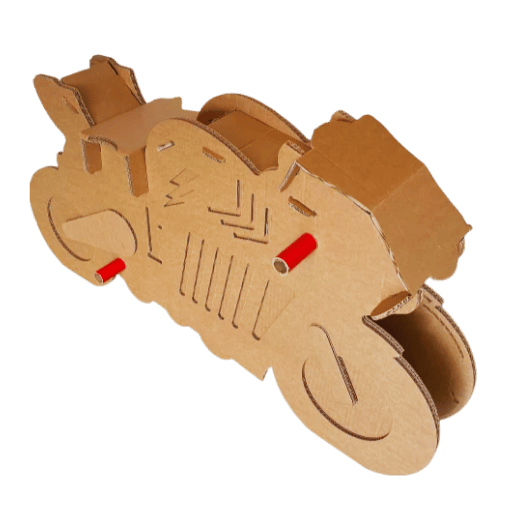
Laser cutting for cardboard is the application of focused laser technology to cut, engrave, or etch exacting designs onto the surface of cardboard with precision and speed. The laser-cut cardboard is that of cardboard subjected to precise cutting or engraving by using a laser cutting machine. It really involves directing the focused laser beam to carve design angles, shapes, or patterns into the surface of the material with the utmost accuracy.
Key Point: Laser cutting is perfect for cardboard, if only to have crisp and clean edges with little waste and for more elaborate customizations. It is popular in packaging, prototyping, and craft activities that require high efficiency and accuracy.
The Rise of Laser Technology
Due to its ability to provide precision and versatility while operating over a wide range of industries, laser technology has made its mark. It has found its track in cutting and engraving, surgery, and data transmission, to name a few processes, with unmatched precision. Lasers are fast and produce identical results, so they are an excellent candidate for further innovation and development within industrial liability domains and academic research arenas.
Who Can Benefit from Laser Cutting?
Designers & Producers
Create precise prototypes and finished products with exceptional detail and accuracy.
Small-Scale Industries
Rely on laser cutting for making vendor-specific and craft articles with professional quality.
Educational Sector
Use laser cutting for rapid production, intricate modeling, and imparting basic application knowledge of the technology.
Packaging & Architecture
Benefit from precise, high-quality results for complex packaging and architectural modeling needs.
Benefits of Laser Cutting Cardboard

Precision and Detail in Cutting Cardboard
- Design Accuracy: The laser cut will ensure detail-level design duplication, with the finest detailing present in all the multiples with precision.
- Polished Smooth Edges: The concentrated laser beam results in an edge that is clean with no burrs and therefore needs no further finishing.
- Design with Complex Geometries: The cutting patterns of laser cutting are very intricate and elaborate, which are impossible for conventional cutters to tackle.
- Waste Less Material: Laser cutting optimizes production efficiency and cost-effectiveness by reducing wastage of material.
- Production Scalability: Maintaining accuracy and detail in prototype production is similar to mass production with laser cutting.
Efficiency and Speed of Laser Cutting
It has been because of the high speed and efficiency of laser cutting that it satisfies operations in many industries. It uses a highly concentrated laser beam to cut through materials with a degree of precision way beyond that of any traditional method, ultimately resulting in shorter processing times for projects that need to cut intricate designs.
This time is saved, in fact, by having continuous cutting without the interruption of tooling changes, so its results remain consistent over complex designs, particularly when using advanced xtool systems. Furthermore, the laser cut system is also equipped and integrated with automation and modern programming techniques that would automate the operation so as to minimize processing times while increasing the workflow.
Eco-Friendly Approaches to Cardboard Cutting
- Recycled Cardboard: Having recycled cardboard in hand may inexorably reduce the demand for virgin materials leading to deforestation and environmental degradation.
- Energy-Efficient Cutting Machinery: Low-energy-consuming cutting machinery, such as that used in small-power laser cutting, helps reduce carbon footprints.
- Non-Toxic Adhesives and Sealants: Eco-friendly adhesives and coatings ought to be preferred so that the end product can biodegrade.
- Precise Cutting to Avoid Waste: Reduce scraps with the help of precise cutting patterns that use materials to the best extent.
- Composting and Recycling of Waste Material: Biodegradable offcuts go to compost, or cardboard waste recycling is implemented for sustainability.
Applications of Laser Cut Cardboard

Creative Projects Using Laser-Cut Cardboard
The possibilities for laser-cut cardboard are endless, allowing for various creative uses, including laser engraving for added detail:
- Architectural models requiring detailed refinement
- Ornate decorative items such as wall art or ornaments
- Custom packaging designs to give pizzazz to product presentation
- Educational tools like puzzles or design concept prototypes
- Projects requiring something light yet sturdy while keeping costs down
Educational Uses of Cardboard Laser Cutting
The creation of interactive learning materials and the promotion of creative activities have been encouraged in laser cutting. Options include maps, models, puzzles, and flashcards for teaching aids while building on students’ learning-by-doing experience. The laser’s precision enables extremely accurate and custom-made designs, a useful choice when working on STEM-related and artsy activities.
Industrial Applications of Laser Cut Cardboard
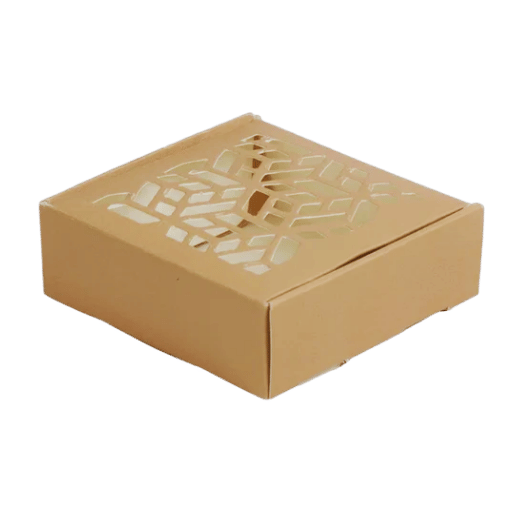
- Packaging Industry: Depending on the customer requirement, laser-cut cardboard is employed to craft highly detailed packaging solutions, including intricate designs for display boxes and protective inserts.
- Prototyping and Modeling: Easy to custom-make and with sufficient strength to form and carry weight, it is best for prototype and architectural model construction.
- Advertising and Marketing: Exhibits, signage, and promotional materials that are one of a kind can be created by a business.
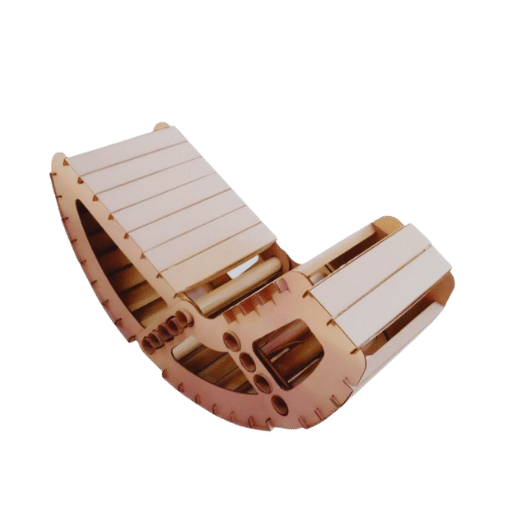
- Furniture Design: Cardboard furniture and decorative items are a trend these days-laser cutting helps in crafting complex patterns and designs that are lightweight and green.
- Product Manufacturing: From larger manufacturing procedures, laser-cut cardboard acts as templates and stencils.
- Art and Craft Production: Largely used in producing installations, sculptures, and craft creations that require intricate patterns or engraving.
- Automotive and Aeronautics: Being used at the cheaper end of the price spectrum for mock-up models and temporary parts during the early stages of design.
- Sustainable Solutions: Industries promoting green solutions see laser-cut cardboard as an eco-friendly, recyclable, and biodegradable option in various applications.
Challenges and Solutions in Laser Cutting
Material Limitations and Considerations
- Thickness Constraints: Cardboards that are too thick can be hard to split cleanly, so one may need to alter power and speed to gain precision.
- Burning and Charring: Heat generation during the cutting process can cause burnt edges or surface discoloration that will spoil the look of the end product.
- Moisture Content: Cardboard with high moisture content lessens the accurate laser cutting effects because it absorbs laser energy differently than dry cardboard.
- Structural Integrity: Thin paper of any sort or cheap cardboard can warp or tear during the cutting process and, consequently, would require very careful handling on the side of the operators and calibration of the machines.
- Burning Hazards: The propensity of cardboard to burn makes it a potential fire hazard if safety measures such as proper ventilation and constant monitoring are not in place.
- Surface Coatings: Cardboards with glossy finishes, laminates, or adhesives could possibly give harmful fumes or could be an impediment to the laser and may require special equipment, such as some sort of filtration, to be used.
Cost of Laser Cutting Equipment
| Equipment Category | Price Range | Target User | Key Features |
|---|---|---|---|
| Entry-Level/Small-Scale | $2,000 – $5,000 | Hobbyists, Small Businesses | Basic cutting capabilities, limited power |
| Medium-Range Systems | $10,000 – $20,000 | Professional Studios, Medium Businesses | Advanced operations, better precision |
| High-End Industrial | $50,000+ | Large Industries, Production Facilities | High precision, advanced automation |
Additional Considerations: Other factors that must be taken into consideration before final investment include maintenance, software, and extra accessories, especially when using industrial CO2 laser cutters.
Skill Requirements for Effective Laser Cutting
Since this kind of machinery is advanced, an operator must have an amalgamation of technical and practical skills to successfully perform operations on a laser-cutting machine:
- Equipment Knowledge: Get familiarized with a machine’s parts, how it works, and the safest ways to run it.
- Basic Design Knowledge: Be able to make fine and accurate cutting patterns using a design software or CAD programs.
- Material Knowledge: Know about material properties to use variable laser settings and set optimal results.
- Attention to Detail: Requires one to be accurate during fine cutting and to minimize errors during the whole procedure.
- Safety-awareness: Keeping safety measures and wearing PPE for safety is paramount.
Industry Trends in Laser Cutting

Advancements in Laser Cutter Technology
Laser cutter technology has undergone tremendous evolution in recent years, developing efficiency, precision, and reach. The key changes have been:
Fiber Lasers
Fiber laser cutters have gained popularity thanks to energy efficiency and require less maintenance than CO2 lasers, while being faster in cutting with precision and reliability.
Automation
Implementation of automated material loading and unloading systems has simplified manufacturing and reduced labor costs, leading to reduced cycle times.
Software Improvements
Improvements in software provide greater design flexibility, better cutting path optimization, and fewer errors with simple-to-use interfaces.
Multi-functional Capabilities
Modern laser cutters offer capabilities for engraving and welding, becoming more multi-purpose solutions with diverse applications.
Sustainability Trends in Cardboard Cutting
Improving environmental sustainability mechanisms for the cardboard cutting business is in high demand:
- Energy Saving Machines: The new cutting machinery being developed consumes less energy during production.
- Recycling Material and Reusing: The manufacturers basically consider the recycled cardboard and reuse any leftover materials to produce less waste.
- Non-Hazardous Cutting Methods: Developing technologies focus on cutting methods that eliminate the use of toxic chemicals, thus ensuring safety and environmental impact.
- Circular Economy Principles: Industrial concern in those production methods so that those methods may be used for reusing, recycling, and conservation of resources.
The Customization Boom in Laser-Cut Products
Demand for customized laser-cut products has bigger. The term refers to the growing level of sophistication in laser power, precision, and technology, paralleled by an unprecedented consumer interest in personalized products. Thus, laser cutting hence can bestow much precision and anatomize further toward extravagant design according to customer tastes.
Likewise, this pushed the scope between different industries, from apparel to home décor, automotive, and electronics, in a perfectly competitive industry where vendors offer more choice to customers. This boost was born from cheapness, speed, and flexibility, placing bespoke laser-cut products within reach of the common man.
Practical Tips for Laser Cutting Cardboard
Choosing the Right Type of Cardboard
When purchasing the right cardboard for laser cutting, one must think about the material composition and suitability for the project. Common types of cardboard used for laser cutting include:
| Cardboard Type | Characteristics | Best Applications |
|---|---|---|
| Corrugated Cardboard | Strong and durable with fluted layer between linerboards | Structural projects, prototypes |
| Chipboard | Heavy and smooth surface | Detailed engraving, precision cutting, packaging |
| Cardstock | Thin and flexible | Greeting cards, bookmarks, small decorative items |
| Honeycomb Cardboard | Lightweight with high rigidity | Large-scale designs, eco-friendly displays |
| Recycled Cardboard | Economical and environmentally friendly | Various applications (check for thickness irregularities) |
Optimizing Laser Settings for Best Results
Laser cutting cardboard to perfection entails proper optimization of laser settings. Some considerations regarding the thickness of the cardboard:
- Power and Speed: Set the minimal power rating and use the highest speed to avoid burning and to ensure a strong, clean cut; this may vary depending on the thickness of the cardboard.
- Focus: The laser beam must be focused to the required level onto the surface of the material.
- Ventilation: Have adequate ventilation or best would be an efficient exhaust system, as accumulated smoke would otherwise make for low cutting quality.
- Test Cuts: Using the same material, carry out test cutting on a scrap piece in order to adjust the laser settings and to avoid errors.
Safety Precautions While Using a Laser Cutter
⚠️ Essential Safety Measures
- Wear Protective Eye-Wear: Wear laserspecific goggles, corresponding to the section of the laser beam range you are working with, to protect your eyes from damage.
- Keep Away from Flammable Materials: Keep any flammable materials or substances payed at large distance from any working zone to avoid meager fire hazards.
- Monitor the Progress: Never leave a laser cutter working alone so that you can be present during any emergencies that arise.
- Ensure Proper Ventilation: A laser cutter ought to have been operating in a place in which all fumes and smoke were vented away through ventilation equipment.
- Periodic Inspection of Equipment: Ensure periodic inspection for damages or wear and tear of the components of the laser system, which comprises the lens and mirrors, so as to ensure that the system allows safe working conditions.
- Be Aware of Emergency Procedures: Before engaging in any operation, ensure you know where the fire extinguishers and emergency cut-off switches are located.
Conclusion and Future of Laser Cut Cardboard
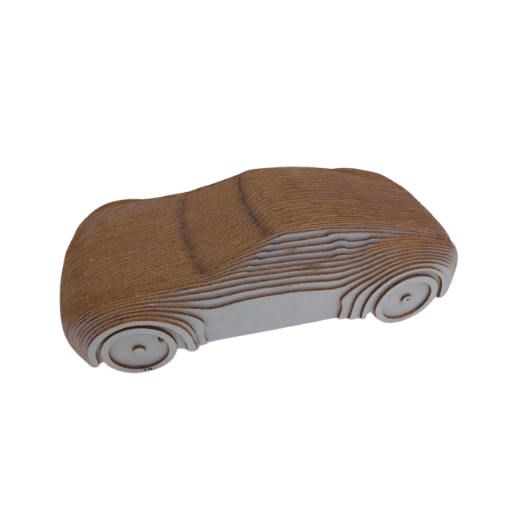
Recap of Benefits and Applications
- Precision and Accuracy: Laser cutting technology allows for extreme detail and precision, perfect for intricate designs and patterns on cardboard.
- Versatility: The laser cutter has an entire spectrum of applications, from prototyping to packaging, social models, art, decor, and much more.
- Efficiency: Speed and reproducibility of designs are among the charms of laser cutters on an industrial scale.
- Cost-Effectiveness: Decreases operational costs by minimizing material waste and undertaking laser cutting without physical tools such as dies.
- Customizability: The technology aids in designing unlimited possibilities for unique designs, tailored projects, or consumer demands.
- Eco-Friendly: When given appropriate settings, laser cutters can cut recyclable and biodegradable materials like cardboard, becoming an eco-friendly option in production.
Encouragement to Explore Laser Cutting
Just we do recommend looking laser technology for material cutting. It cuts with precision and speed and is considered an environmentally friendly way in contrast to methods that fancy contamination. Laser cutting wastes very little and assists in the formulation of ingenious design works out of the combinations of eco-friendly materials and otherwise; in short, this is a solution addressing the evolution of newer production demands. Such a method bridges several avenues for creative works and inventive projects on the artisan and professional levels.
Engagement and Community Sharing
Innovations develop as a result of all options for engagement and communication between the public in laser cutting. Ideas are exchanged, problems are solved, and new methodologies arise on forums, social media groups, and maker spaces in one’s locality. When others share their projects and their experiences, one grows their own abilities and in doing so, almost forcibly inspires others to take a closer look into the laser-cut world. Such collaborative environments should be considered utmost because they promote credible and profitable perspectives and build significant relationships in the community.
Frequently Asked Questions (FAQs)
📚 Reference Sources
- MIT’s Fab Lab – How to Make (almost) Anything: Dedicated to cardboard design and laser cutting in CAD with parameterized designs, among other topics.Visit the source
- North Carolina State University – Laser Cutter Recommended Settings: Offers a compilation of recommended laser cutter settings across a range of materials, including cardboard.Visit the source
- School of the Art Institute of Chicago – Laser Cutter Materials Page: Sheds light on the laser cutting workability of corrugated cardboard, listing thicknesses and setting recommendations.Visit the source
- Laser cutting
- Machine
- Machining
Fancy kicking off your laser cutting adventure? Work on the initial mini projects to get acquainted with your gear, then proceed to handle more serious designs. Practice, after all, is what makes perfection in precision cutting!