Discover how laser cutting technology has revolutionized aluminum fabrication with unmatched precision, speed, and efficiency across industries worldwide.
Aluminium laser cutting has modernized manufacturing with its cutting-edge precision and efficiency. Whether creating intricate designs, fabricating parts for industrial machinery, or crafting custom pieces, laser cutting ensures a level of accuracy that cannot be achieved with conventional methods. This comprehensive guide examines the unique advantages of aluminum laser cutting, the technologies involved, and its transformative impact on industries ranging from automotive to aerospace.
Understanding Aluminium Laser Cutting
What Is Aluminum Laser Cutting?
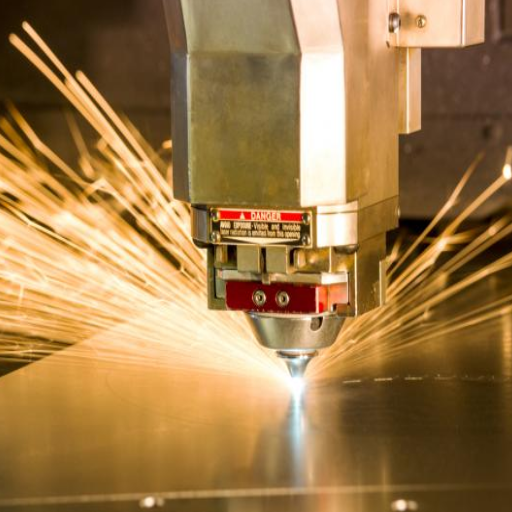
Aluminum laser cutting is one of the most precise manufacturing methods where a concentrated beam of light (laser) is used for cutting aluminum sheets or plates with extreme accuracy. The laser produces heat to melt, burn, or vaporize the material, creating fine and intricate cuts that are otherwise hard to perform by traditional means.
Key Performance Metrics:
- Power Range: 1kW to 6kW+ for industrial applications
- Thickness Capability: Up to 30mm aluminum sheets
- Cutting Speed: Up to 140 IPM (inches per minute)
- Precision: Tolerances of ±0.01 mm
| Specification | Traditional Methods | Laser Cutting | Improvement |
|---|---|---|---|
| Precision Tolerance | ±0.1 mm | ±0.01 mm | 10x Better |
| Cutting Speed | 50 IPM | 140 IPM | 180% Faster |
| Material Waste | 15-20% | 5-8% | 60% Reduction |
| Edge Quality | Requires finishing | Burr-free | No post-processing |
Advantages of Laser Cutting Aluminium
🎯 Unmatched Precision
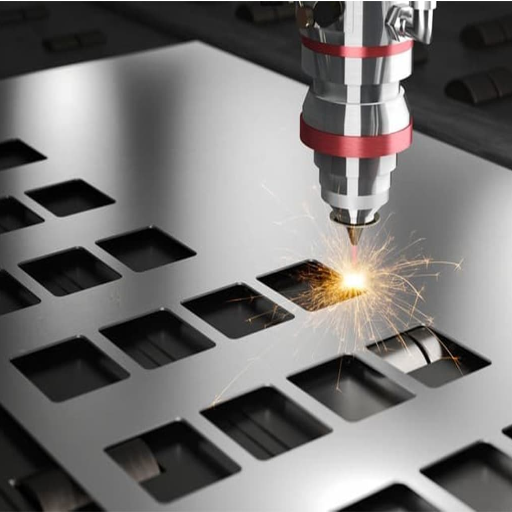
Laser cutting boasts tolerances of ±0.01 mm, making it an ideal choice for aerospace and electronics applications that require intricate patterns.
⚡ High Speed & Efficiency
Modern systems achieve speeds up to 1,400 IPM (35.56 m/min), dramatically reducing production times.
♻️ Minimal Material Waste
Fine laser focus reduces kerf width, optimizing material utilization and minimizing waste, especially valuable for expensive aluminum alloys.
🔧 Versatile Thickness Range
Handle everything from ultra-thin foils to sheets exceeding 30 mm in thickness, depending on laser wattage and system capabilities.
Economic Impact:
- 30% reduction in manufacturing costs compared to traditional methods
- 50% less energy consumption with modern fiber laser systems
- Automation integration reduces labor costs and improves consistency
- Environmental benefits through reduced waste and energy efficiency
Challenges in Laser Cutting Aluminum
Key Challenge: Aluminum’s high reflectivity can cause beam scattering and damage to equipment. Modern solutions include specialized coatings and optimized laser wavelengths.
| Challenge | Impact | Modern Solutions |
|---|---|---|
| High Reflectivity | Beam scattering, equipment damage | Fiber lasers, specialized coatings |
| Heat Conduction | Rapid cooling, cut irregularities | Higher peak power, pulse laser technology |
| Thick Material Processing | Slower speeds beyond 10mm | Advanced beam control, optimized parameters |
| Aluminum Oxide Formation | Surface layer interference | Pre-treatment steps, controlled atmosphere |
How Laser Cutting Machines Work
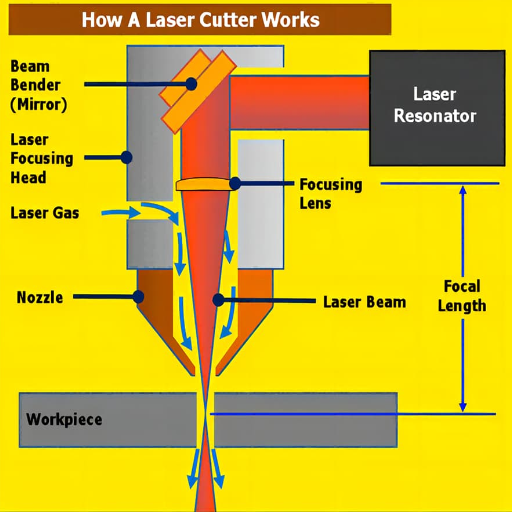
Components of a Laser Cutting Machine
Laser Resonator
The heart of the machine generates the laser beam. Fiber lasers operate at a wavelength of ~1.06 microns, offering superior metal absorption compared to CO2 lasers.
Cutting Head
Contains a focusing lens, a nozzle, and a height sensor. Focuses beam to ~0.1mm diameter for maximum cutting power density.
Beam Delivery System
Fiber optics delivers laser energy with minimal losses and maintains stable beam delivery over long distances.
Assist Gas Supply
Oxygen for faster cutting of thick materials; Nitrogen for clean, non-oxidized cuts. Optimized gas usage reduces operational costs by up to 30%.
Control Unit
CNC programming governs all operations with real-time monitoring for quality assurance and fault reduction.
Latest Industry Statistics:
- Fiber laser machines now hold 40% market share increase over the past 5 years
- Modern high-power systems cut at 150 m/min on thin materials
- Assist gas consumption represents up to 30% of operational costs
Types of Laser Systems for Aluminum Cutting
| Laser Type | Wavelength | Power Range | Best Applications | Key Advantages |
|---|---|---|---|---|
| Fiber Lasers | ~1 µm | Up to 15 kW | Reflective metals, thin-thick sheets | Energy efficient, high absorption |
| CO2 Lasers | 10.6 µm | Up to 8 kW | Thin aluminum (3-5mm) | Fine detail cutting, established technology |
| Disk Lasers | ~1 µm | Up to 16 kW | Aerospace, automotive precision | High beam quality, thermal stability |
Fiber Laser vs. CO2 Laser Comparison
🔧 Fiber Lasers
- 3x faster than CO2 for thin-medium metals
- 50% less power consumption
- 100,000+ hours lifespan
- Minimal maintenance requirements
⚙️ CO2 Lasers
- Excellent for non-metallic materials
- Superior edge quality on thick metals
- ~20,000 hours average lifespan
- Higher maintenance costs
Applications of Laser-Cut Aluminium
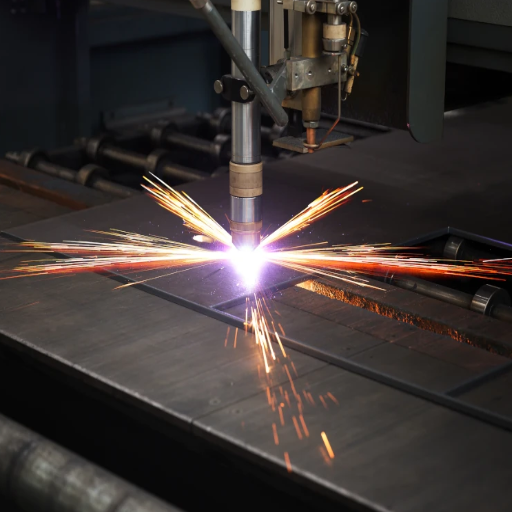
Industry Applications
🚗 Automotive Industry
Lightweight vehicle parts, EV components, chassis, and heat shields. The global automotive aluminum market reached $50 billion in 2022, driven by fuel efficiency and emission reduction requirements.
- Electric vehicle battery housings
- Structural components for weight reduction
- Heat management systems
- Custom brackets and mounting hardware
✈️ Aerospace Industry
Critical applications in fuselage panels, turbine blades, and structural frames. The aerospace laser cutting market is growing at 5% CAGR due to precision engineering demands.
- Aircraft structural components
- Turbine blade manufacturing
- Satellite and space vehicle parts
- Landing gear components
🏗️ Construction & Manufacturing
The global aluminum extrusion market is projected to reach $115 billion by 2027 with a 5.4% CAGR, supported by urbanization and sustainable construction materials.
- Architectural panels and facades
- Bridge components and frameworks
- Industrial equipment housings
- Custom fabrication solutions
Custom Sheet Metal Parts and Fabrication
| Market Segment | 2022 Value | Projected CAGR | Key Drivers |
|---|---|---|---|
| Global Sheet Metal Fabrication | $17 billion | 3.5% (2023-2030) | Automotive, aerospace, electronics demand |
| Custom Fabrication Services | Growing segment | 5.2% | Industry 4.0, automation adoption |
| Lightweight Materials | Premium segment | 6.8% | Energy efficiency, emission regulations |
Advanced Fabrication Benefits:
- CNC Punching: Over 1,000 strokes/minute for high-volume production
- Weight Reduction: Up to 30% lighter vehicle components improve fuel economy
- Automation Integration: Real-time monitoring and predictive maintenance
- Material Optimization: AI-driven supply chain modeling
Choosing the Right Laser Cutting Service
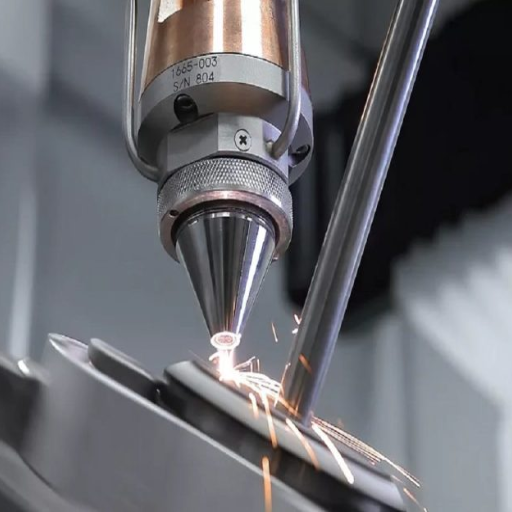
Evaluation Criteria
| Factor | What to Look For | Industry Standard |
|---|---|---|
| Experience | Years in business, project portfolio | 5+ years with aluminum specialization |
| Equipment Quality | Modern fiber laser systems | 50% faster than traditional CO2 |
| Automation Level | CNC systems, CAD/CAM integration | 30% efficiency improvement |
| Turnaround Time | Simple: 24-72 hours, Complex: 1 week | Expedited options available |
| Cost Structure | $13-20/hour basic, bulk discounts | 20% savings with automation |
Service Selection Tips:
- Reviews & Testimonials: 93% of consumers read reviews before deciding
- Rating Threshold: Look for 4.5+ stars for 70% better customer acquisition
- Trend Analysis: Focus on consistent positive feedback patterns
- Communication: Responsive customer service and project updates
Technology Trends and Future Innovations

Recent Innovations in Laser Cutting
AI-Powered Laser Cutting
Real-time parameter optimization reduces material defects by 30% through instant recalibration and path correction.
Advanced Fiber Laser Systems
Modern high-power systems cut 3-4x faster than CO2 lasers while consuming 50% less energy.
Hybrid Laser Technology
Combined welding, cutting, and 3D printing capabilities increase productivity by 40% in metal fabrication.
Micro-Laser Cutting
Precision cutting down to 20 microns for electronics and medical device applications.
Future Trends in Aluminium Laser Cutting
| Trend | Impact | Timeline | Market Growth |
|---|---|---|---|
| Automation & AI Integration | 24/7 operations, reduced labor costs | 2024-2026 | 6.5% CAGR through 2028 |
| Sustainability Focus | 30% energy efficiency improvement | Ongoing | Growing regulatory compliance |
| Industry 4.0 Integration | 10-15% operational efficiency gains | 2025-2028 | IoT and smart manufacturing |
| Multi-Material Compatibility | Composite and hybrid material cutting | 2026-2030 | Expanding application range |
Market Projections:
The global laser cutting market is projected to grow from $5.1 billion in 2023 to $7.3 billion by 2028, reflecting the continuous evolution and high adoption rate across various industry sectors.
Frequently Asked Questions
The cutting process for laser cut aluminum involves using a focused laser beam to melt and vaporize the material. This method ensures clean cuts and high precision, especially useful for intricate designs. A fiber laser cutting machine is often used for cutting aluminum due to its efficiency and ability to handle a wide range of thicknesses. The laser machine adjusts parameters like power levels and cutting speed to achieve the desired cut quality.
One of the primary challenges of laser cutting aluminum is its reflectivity, which can cause issues with beam quality and cutting efficiency. Thicker aluminum sheets require higher laser power and more precise cutting parameters to achieve clean cuts without dross. Additionally, the kerf—the width of the cut—can vary based on the material thickness and cutting head settings.
The thickness of aluminum plays a crucial role in the laser cutting process. Thinner materials, such as thin aluminum sheets, typically allow for faster cutting speeds and require lower laser power. In contrast, thicker materials demand higher power levels and more refined cutting parameters to ensure quality cuts. As thickness increases, the chances of dross and burr formation can rise, necessitating additional deburring processes.
Custom laser cut parts refer to components made from various materials, including aluminum, that are produced using laser cutting technology tailored to specific dimensions and designs. These parts are widely used in industries such as automotive, aerospace, and manufacturing due to their precision and versatility. The ability to create intricate designs with high edge quality makes them ideal for applications requiring detailed fabrication.
A laser cutter is a vital tool in sheet metal fabrication, enabling the efficient and precise cutting of materials like aluminum and steel. By utilizing a focused laser beam, the cutter can create intricate shapes and designs with minimal kerf and high edge quality. The laser cutting machine offers superior speed compared to traditional cutting methods, allowing for faster production times and reduced material waste.
Reference Sources
- Laser Cutting Company, Inc. – Professional sheet metal laser cutting services
- International Journal of Research in Mechanical Engineering & Electronics (IJRMEE) – Laser cutting aluminum alloy research
- Wikipedia – Comprehensive laser cutting technology overview
- Sawmill Creek Forum – Practical insights on aluminum laser cutting feasibility
- Mr Beam Lasers – Aluminum laser cutting applications and techniques