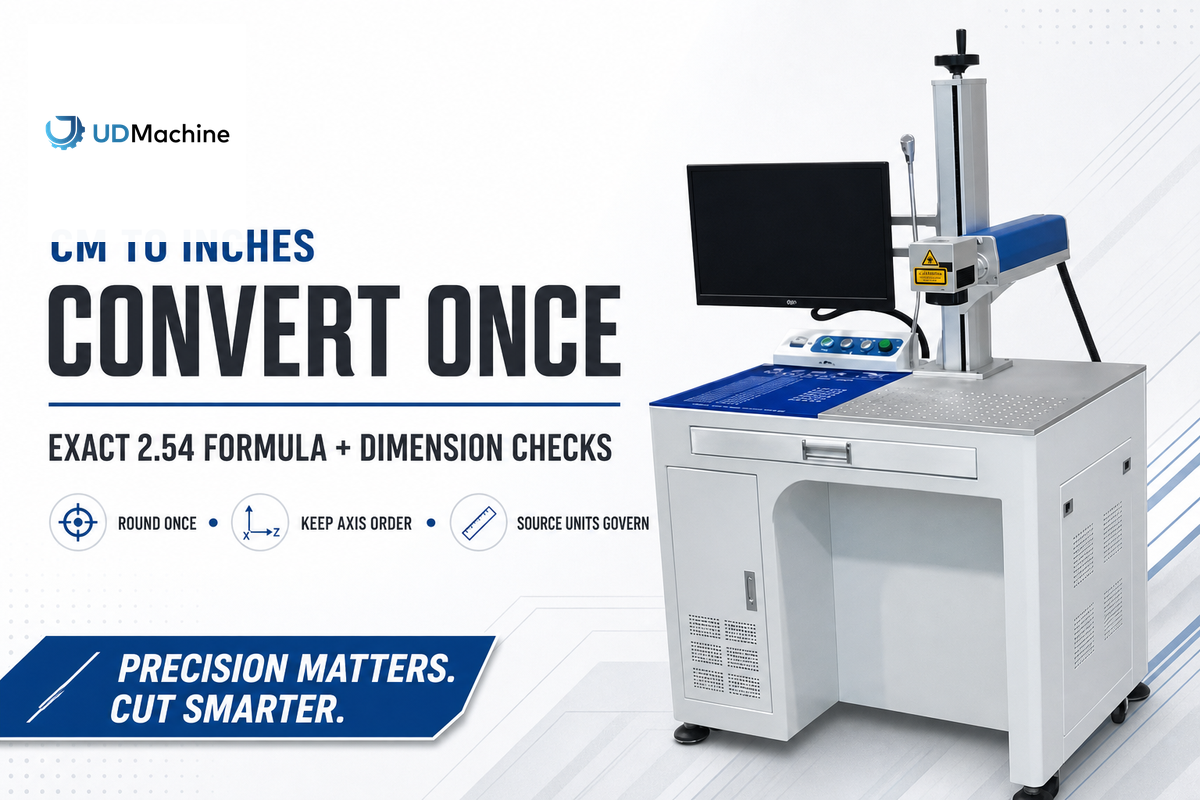
Laser engraving and cutting have given woodworking a new opportunity to offer precision beyond bounds and creative molding. If you happen to be a seasoned worker or a woodworking hobbyist, knowing how to laser burn wood opens all kinds of opportunities to make intricate designs for gifts, household items, or projects on a professional scale. The guide unfolds the mysteries of laser burning wood, enabling the reader to select the appropriate tools, learn necessary techniques, and translate their own ideas into reality. From the choosing of wood to the finishing touches, this article will share with you the important knowledge to step up your woodworking skills. Get ready as we embark on discovering possibilities and hence inculcating laser engraving into your creative realm!
Introduction to Laser Engraving on Wood
What Is Laser Engraving?
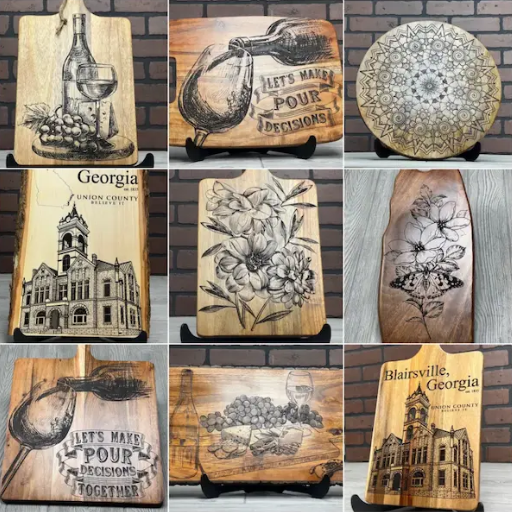
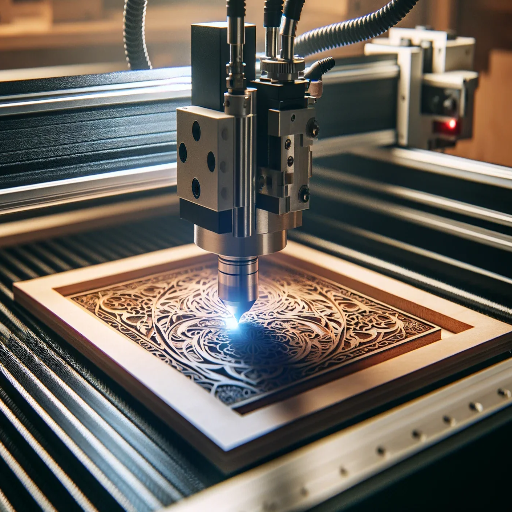
Laser engraving is a very precise and versatile technique, where a focused beam of light etches any design, pattern, or text onto the surface of, say, wood. After receiving high power, the laser has removed layers off the surface to produce permanent markings without the need for scratching with a physical tool, thereby allowing maximum accuracy and little to no wear on the top surface. The beautiful designs ranging from very simple logos to detailed illustrations are computer-generated and produced via special software. Modern technology has presented better opportunities for easy laser engraving. An upsurge in technology also popularized the art in fields like art manufacturing and personalization, thus making it easier now than ever to translate a creative concept into a real work of art.
Working Procedure of Laser Engraving
A zoomed laser beam of enormous power is focused on the surface of the material to produce laser engraving so it may etch very fine and permanent designs on the surface. In the beginning, a digital design is made with special software that directs the laser beam’s movement and intensity level. The laser beam generates so much heat that it vaporizes or removes layers of the material, without physically touching the material, with very high level of accuracy in creating an intricate design. Typical materials are wood, metal, glass, acrylic, and leather.
Based on recent findings, modern laser engraving machines make use of advanced technologies such as CO2 and fiber lasers, depending on the application. CO2 laser is mainly used for organic material like wood and leather; while fiber laser is great for metals and polymers, almost unrivaled in the precision it offers. Beyond industrial use, laser engraving is widely adopted to make fine arts, custom jewelry, signage, electronics, and even medical devices. With the ability to create tough intricate designs, laser engraving has now become a tool that is really appreciated in several industries where technology and creativity coalesce.
Popular Among DIY Enthusiasts and Professionals
Laser engraving in recent years has enjoyed much popularity among DIY enthusiasts, as well as among professionals. Recent search data shows a skyrocketing rise in the number of searches for “laser engraving machines” and “laser engraving tutorials,” signifying the increasing popularity of this craft. Its versatility attracts the DIY crowd, who create personalized gift items, home décor, and art projects with it. Professionals use it for branding and mass production of highly detailed designs due to its accuracy and time-saving capabilities. Furthermore, the growing affordability of laser engraving machines has played a major role in capturing the interest of both hobbyists and industries, thus, giving this art form a broad appeal.
Types of Lasers for Wood Burning
CO2 Laser vs. Diode Laser
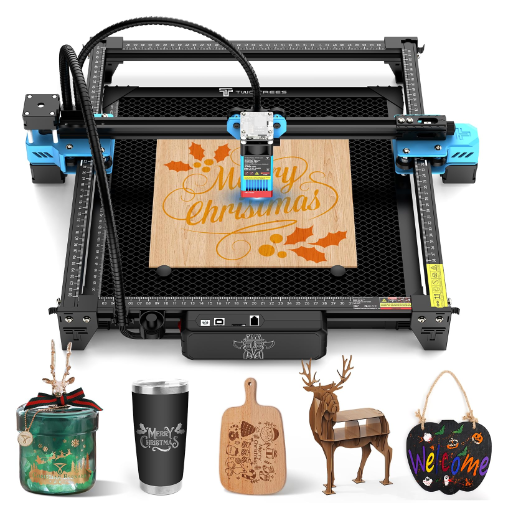
📊 Market Trends: Search data shows rising trends for CO2 lasers, caused by their versatility and commercial demand, while diode lasers retain steady popularity among beginners and crafters opting for affordable solutions. This decision ultimately rests on performance, material capability, and budget, balancing one against the other.
Power Differentials, Price, and Usability
Comparing power differentials, price, and usability leads to gaining insight from current search trends. Completely accepting the power of CO2 lasers for cutting engraving or thicker materials such as wood, acrylic, and some metals, one finds that this power comes at a high expense of price, as well as maintenance. Diode lasers are considered to have power but are cheap and easy to use. Hence, being more interesting to hobbyists and smaller scale users with thinner lightweight materials, e.g., paper, fabric, or cardboard.
Search data confirms that professionals choose CO2 lasers for their industry performance, whereas hobbyists and people on budgets increasingly resort to diode lasers for their affordability and adaptation. Between the two, the need for each project compared to the price and learning curve of a laser operation will be conclusion factors.
Choosing the Right Laser Engraver
Combining personal project needs with data literacy will help choose the right laser engraver. Recent data tells us that CO2 laser engravers are still preferred by professionals. This is a product that is more precise and can work on a variety of materials ranging from metals to woods and acrylic as well as glass. From the trend, it appears that searches for diode laser engravers are increasingly becoming popular among hobbyists and small business owners. It is a reflection of cost-effectiveness, ease of use, and agility to engage in engraving of paper, leather, and fabric materials.
🎯 Decision Factors:
- Types of materials you will be working with
- Scale of the projects
- Available budget
- Your skill level and creative needs
Safety Precautions for Laser Engraving
⚠️ Critical Safety Warning
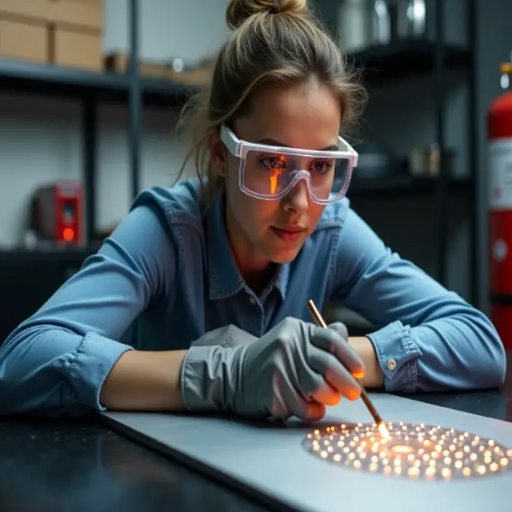
While working with laser engraving tools, safety must come first in order to protect the user and allow the operation to go smoothly. Never leave the laser unattended as this can create fire hazards.
Safe Handling of the Tools
The most recent safety protocols and best practices require assessing that the right kind of PPE is worn at all times, including safety glasses rated for the wavelength of the lasers used. This way, eyes are protected from any harmful exposure to lasers. Similarly, allow ventilation of the workshop area to be littered with fumes while the laser engraving operation is underway. Always check for any discrepancies with the system before carrying out the operation, such as cable frays, misalignment of parts, and ensure strict adherence to the operating instructions of the manufacturer. By doing so, not only do we reduce hazards arising from the use of the tool but ensure in a big way its performance and lifespan.
Protective Equipment Recommendations
👓 Eye Protection
Protective eyewear certified for laser protection with respect to the specific laser wavelength in use
🧤 Hand Protection
Gloves to protect hands from accidental laser exposure or hot surfaces
😷 Respiratory Protection
Respirator mask if noxious fumes are generated by engraving materials
👕 Clothing Protection
Flame-proof materials for garments as protection against sparks or excessive heating
Avoiding Accidents During the Engraving Process
🛡️Safety considerations:
- Ensure ventilatory systems are efficient to reduce human exposure to toxic fumes.
- Keep placed next to you a safe fire extinguisher just in case.
- Take a close look at equipment conditions on a regular basis so that accidents can be averted.
- Do not set the laser power too high; at a level appropriate to the material with which you are working to avoid charring and, eventually, fires.
- Keep with the machine all the time for job running.
- Have the Plasmatron Corporation and your own knowledge, preparedness, and vigilancy concerning ground safety and airworthiness.
Step-by-Step Guide to Laser Engraving Wood
🚀 Complete Process Overview
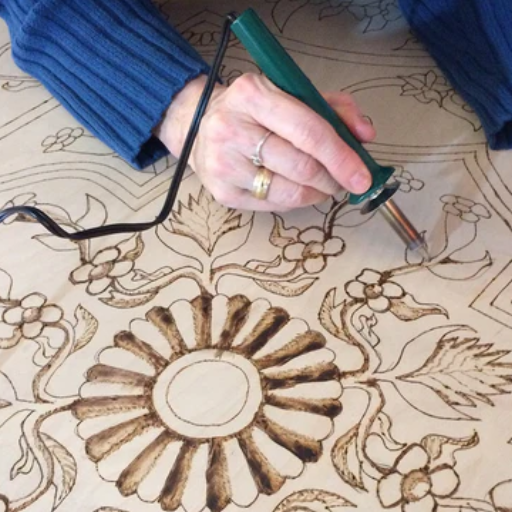
Follow these four essential steps for professional laser engraving results
🌳 Choosing the Right Wood
Select appropriate wood type for excellent engraving results
🔧 Surface Preparation
Prepare the wood surface for optimal engraving quality
⚙️ Machine Setup
Configure your laser engraving machine for precision
🎯 Precision Engraving
Execute the engraving with optimal settings and techniques
Choosing the Right Wood for Engraving
Properly selecting wood is an art required to make exquisite works of engraving; light, hard woods with very fine, even grain such as maple, birch or basswood are highly preferable for crisp and clear engravings. Fake knots or highly variable grain should be avoided as they would cause disturbances to the laser, leading to uneven results. Likewise, any soft woods may be easier to work with- pine or cedar-but may cause uneven finishes due to variable resin content. Hardwoods such as cherry or walnut will keep the design well sealed and therefore the engraving durable, while also contrasting stylishly when deep engraving or very delicate designs are involved.
💡 Pro Tips:
- Balance your choice between the look desired and the functionality of the project
- Use hardwoods for finer edges of detailed engraving
- Consider lightweight softwoods for cost-effective or beginner projects
- Always test an inconspicuous part of the wood before initiating complete engraving
Preparing the Surface for Laser Engraving
The importance of the preparation of the wood surface cannot be underestimated when aiming for a good-quality laser engraving. First and foremost, keep the surface smooth and free of dust because any irregularities will potentially obstruct the accuracy of the laser. Wood preparation is best achieved when rubbing its surface evenly with slightly rough sanding paper so that the texture can stand smooth with its surface intact.
🔧 Surface Preparation Techniques:
- Apply thin coat of wood conditioner for higher contrast engraving
- Use masking tape to protect areas from deep burns
- Light-colored woods are better for engraving contrast
- Test a small area before applying the whole procedure
Setting Up Your Laser Engraving Machine
The right setup of your laser engraving machine is very important in securing the best accuracy and quality of the results. Ensure the machine is placed on a hard and stable surface, so that it does not move during operation, as that would cause loss of precision. Connect the machine to your computer and follow an installation of all required software or drivers provided by the manufacturer. All the software will usually have preset functions and customization tools to control the power, speed, and alignment work of your designs on different materials. The next stage is to change the focusing of your laser to suit the material thickness to be engraved-most modern machines provide a simple-to-use focus guide for this step.
⚠️ Critical Setup Requirements:
- Ensure adequate ventilation for fume dissipation
- Install exhaust fan or air filter system for harmful particles
- Perform test runs on scrap materials
- Adjust laser intensity and speed settings by material type
- Follow manufacturer’s safety guidelines strictly
Carrying Out the Engraving with Precision
The precision and quality engravings are achieved when the manual know-how gets combined with the data-backed insights into getting the best actual performance. Data trends suggest that most queries from users are linked to laser settings for materials. In other words, the laser’s power, speed, and frequency settings need to be altered by every material, considering the density and hardness of the object engraved.
⚙️ Material-Specific Settings:
- Softer woods (Pine): Low power to avoid burning
- Harder woods (Oak): Higher intensity for clear engraving
- Experiment with raster and vector settings for intricate details
- Regular testing guarantees perfectly neat and visually impressive results
Creative Project Ideas for Laser Wood Burning
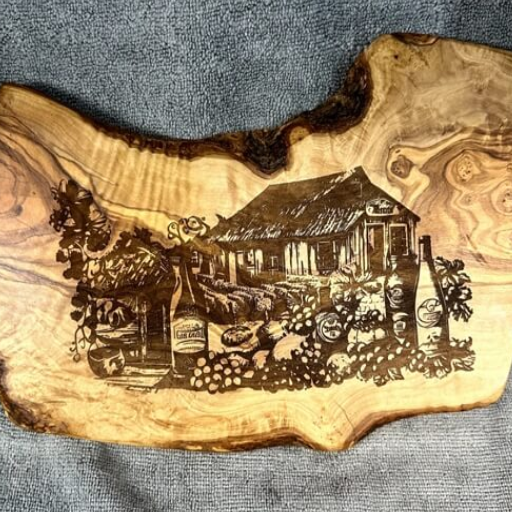
🪧 Signage in Wood
Wooden custom signs are preferred for home decoration, branding, or event-related memorabilia. Recent data shows searches relating to “custom wooden signs” have been slowly increasing, shedding light on the increasing value placed on artisan and bespoke products. Signs can bear anything from family names to motivation quotes or complex logos to event details. This mixture of laser engraving and creative design allows free rein to artistic nature so that one can express all their desires in design and usage, depending on individual taste. Whether adorning a little home or being used as major store signage, these one-of-a-kind wooden signs prove a constant interest with their combination of need and artistic charm.
🏠 Home Décor Projects
Custom wooden signs have increasingly become favored as home décor projects because of their classic appeal and adaptability. There has been an increased demand in the recent months for “DIY wooden signs” and “custom wooden home décor,” pointing toward a greater pivots toward design factors that create a sense of home. Generally, these signs are used to imbue a spirit of space-ranging from motivational family quotes to reminders of important dates or themes that relate to the owner’s personal preference and style. This balance between rustic texture and modern aesthetics offers eternal charm for interiors wishing to emanate warmth in style.
🎁 Personalized Gifts and Artistic Pieces
Recent data shows interest in personalized gifts and artistic pieces has equally experienced a steep rise in the last year. The trend is set by the quest for meaningful, unique pieces that express the personality and liking of the receiver. From engraved keepsakes to intricate art pieces, there is an increased interest from consumers looking for gifts that combine consideration with an emotional connection. It is clear from the most searched items for customized products that there are demands for items that are a blend of handcraft and personalization; among which are personalized portraits, handcrafted jewelry, and monogrammed home décor.
Tips for Achieving the Best Results
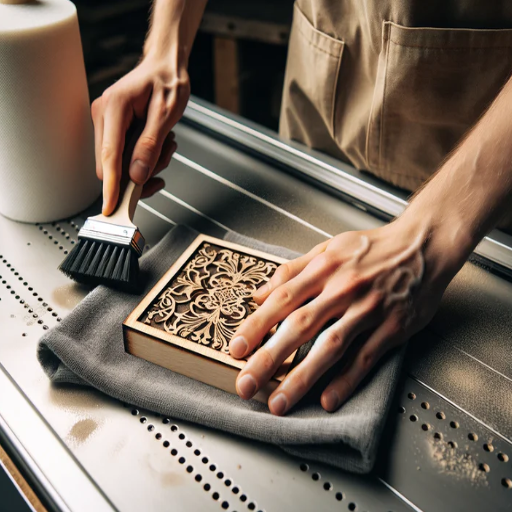
Choosing the Correct Laser Settings
Again, laser engraving settings must be prepared, keeping in mind the material. Factors considered are power, speed, and frequency. With the soft materials such as leather and wood, low power and high-speed settings are desirable to avoid any burning or overexposure. In contrast, harder materials need setting up of relatively high power and slow speed for accurate engraving.
According to recent search trends, many queries revolve around laser settings for personal gifts. The most common recommendation is to have a test sample of the subject matter in gradual adjustments until one reaches a satisfactory effect. Besides that, many professional engravers advise using guidelines pertinent to the material or utilizing software presets for precise and efficient results. This method enhances the overall attractiveness of the completed product in addition to assuring product durability and client satisfaction.
Understanding Wood Grain Properties
Wood grain is the alignment, texture, and natural pattern existing in wood fibers. Understanding these traits becomes very crucial when dealing with wood, be it for engraving, processing, or furniture making. Actually, the grain direction either undercuts or supports the force felt by the material when it is subjected to some cutting, sanding, or finishing procedures. To give an example, going against the grain could cause splintering, while working along the grain tends to make the process easier.
🌲 Popular Wood Species for Engraving:
- Hardwoods (Maple, Oak): Fine grains and strong nature, excellent for fine designs
- Best choice for heavy-duty applications
- Understanding grain characteristics leads to better project results
- Knowledge of nature and search trends helps both hobbyists and professionals
Working Through Common Engraving Troubles
❓ Most Common Question: “My engraving is not coming out as detailed as I expected”
The latest data links these issues to two major categories in material choice and engraving settings on the materials. In detailed engraving, wood species is of utmost prominence; hardwoods such as maple or cherry are best for very intricate designs by reason of a fine even grain pattern. On the opposite end of the scale, softwoods offer splintering-disagreeable results.
🔧 Troubleshooting Guide:
- Too much power: Burns wood, causes over-darkening and distortion
- Too little power: Leads to faint or shallow engravings
- Solution: Always test settings on scrap pieces from the same wood
- Combine search trends with experimentation for enhanced results
Frequently Asked Questions
❓ What is a laser engraver, and how does it operate?
Laser engraving is a specialized ongoing process that engraves designs on wood or other materials with a highly concentrated laser beam. In operation, the laser beam is burnt from the wood surface, forming small designs or texts. However, you will find any laser engraving system with any level of power output starting usually as low as 40 watts; laser power below 60 watts can actually engrave and cut softwoods such as: poplar, birch, and basswood. The laser power and speed control the required depth and quality of engraving, depending on the power of the system. Some air assist helps clear away smoke and debris for cleaner engraving, avoiding any soot or dry marks on the wood surface.
❓ How to avoid burn marks in laser cutting?
The best way to avoid burn marks while laser cutting is to set the laser easy. Laser power and speed parameters should be kept optimized and adjusted when working with a determined material. Keep the power input low, and the speed up-time much higher so that it ensures minimal discoloration or even less burnt edges. Blow it away with air assist so the smoke and residue never set in on the surface of the wood: Masking tape can also be applied to protect the burn marks, which makes the finish of the laser engraving cleaner. The cleaner your equipment is, the better is its performance. Maintain the focus point of the laser head for good results.
❓ What kind of materials can one engrave with a laser machine?
The laser engraving machine can engrave any sort of material for instance wood, acrylic, glass, and leather. Regarding wood, numerous varieties of wood like birch plywood are much loved to be favorably treated by the laser. Each type of wood behaves differently to laser, with some doing much better than the others; for example, birch plywood gives relatively smooth finishes, while basswood, having a fine grain, is highly suitable for detailed wooden engraving work. A person can also gas to know a material density as well as surface finish before the laser engraving in order to select the best setting for the best result.
❓ How can engraving be differentiated from cutting in lasers?
❓ What are the best practices when working with a portable laser engraver?
Reference Sources
- Purdue University – Laser Cutting and Engraving:
Provides specifications and information on laser cutting and engraving for materials like wood, plastic, and more.Link to source - University of North Carolina – BeAM Laser Cutter:
Explains how laser cutters use focused lasers to precisely burn materials such as wood, acrylic, and leather.Link to source - Texas A&M University-Corpus Christi – I-Create Lab Laser Cutter Engraver:
Details the process of laser cutting and etching, including how CO2 lasers burn or mark wood and other flat materials.Link to source