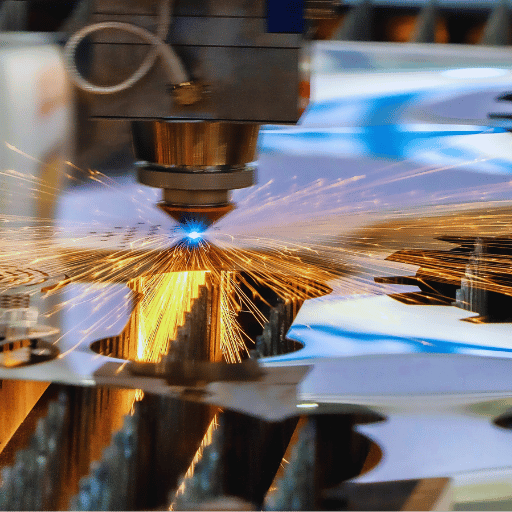
In recent years, the laser-cut Lucite can truly be looked upon as the defining design possibility for another era in acrylic design. Famous for its clarity, flexibility, and durability, Lucite has become a material of choice for industries that range from interior design and fashion to other sectors as well. This guide will take one through how the newest laser technologies greatest of them in acrylic laser cutting-have transformed the way designers and manufacturers work on acrylic projects, with the side effects of utmost precision and creativity.
Understanding Acrylic and Its Types

Polymethyl Methacrylate, better known as acrylic, is a truly versatile thermoplastic material, valued for its lucid vision, strength, and aquiline property among much else. As an alternative to glass, acrylic is sometimes referred to as a shatter-resistant and lightweight material. It is made through two major processes, which differ greatly in material characteristics.
What is Acrylic?
Acrylic is a transparent thermoplastic with remarkable optical clarity and weather resistance. Depending on further materials engineering, acrylic takes its next step into the industrial world, where it is widely applied in:
- Architecture – Building facades and interior design elements
- Automotive – Headlight lenses and interior components
- Medical Devices – Protective shields and laboratory equipment
- Retail – Display cases and promotional materials
Different Types of Acrylic for Laser Cutting
| Parameter | Cast Acrylic | Extruded Acrylic |
|---|---|---|
| Manufacturing | Mold-poured | Mechanically pressed |
| Engraving Quality | High (frosted finish) | Low (clear finish) |
| Edge Finish | Polished | Flame-polished |
| Cost | Higher | Lower |
| Applications | Detailed engraving | Simple cuts |
| Durability | High | Moderate |
| Melting Point | Higher | Lower |
| Thickness Consistency | Slight variation | Uniform |
Cast vs. Extruded Acrylic: Which to Choose?
Decision Guide:
- Choose Cast Acrylic when you need the best engraving quality, a high degree of durability, and the highest polished edge finish.
- Choose Extruded Acrylic when working on a budget, when uniform thickness is required, or when the cuts are simpler.
The Laser Cutting Process
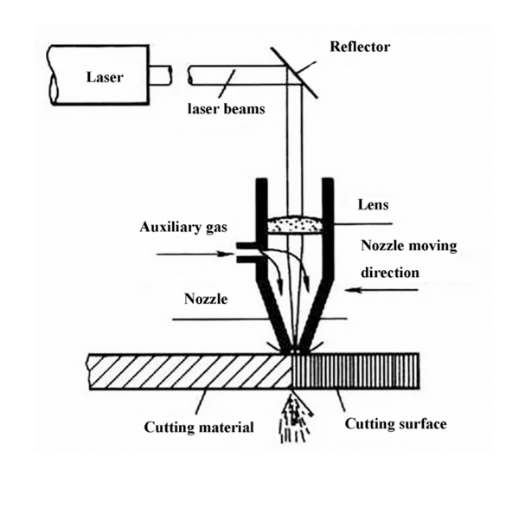
How Laser Cutting Works
Laser cutting is a fabrication method of the highest precision, wherein rays of concentrated light pierce through or engrave upon material. The whole process involves:
- Generation of Laser – The beam emerges from the laser source
- Direction of Beam – Mirror and lens direct and focus the light
- Processing of Material – The intense heat energy melts or vaporizes the material
- Clean Cuts – With waste being at a minimum, cutting is done precisely.
Advantages of Using a Laser Cutter for Acrylic
- High precision with very high accuracy – Create intricate designs with sharp edges and complex patterns
- Smooth Edge Finishes – The heat cuts the edges while simultaneously polishing them, so no post-processing is necessary
- Versatility in Design – Capable of handling varying shapes and thicknesses of acrylic for 2D and 3D objects
- Non-Contact Process – Minimizing risk of surface damage or deformation
- Consistency in Results – Necessary for mass production and replication
- Time-Efficient – Ample speed and automation yield a dramatic improvement in productivity
- Material Utilization – Minimize waste by cutting precisely
Customization Flexibility – Quick, easy design change for custom products
Optimal Settings for Cutting Clear Acrylic
Recommended Laser Settings:
| Setting | Recommendation | Notes |
|---|---|---|
| Laser Power | 60-80% | Adjust based on material thickness |
| Cutting Speed | 10-20 mm/s | For standard 3-5mm acrylic |
| Focus | Surface level | Ensure proper focus for clean cuts |
| Air Assist | Recommended | Prevents overheating and warping |
| Passes | Single pass | Multiple passes for >10mm thickness |
Important: These parameters can vary based on your specific laser cutter and acrylic type. Always run test cuts on scrap material to ensure optimal results.
Innovative Applications of Laser-Cut Acrylic
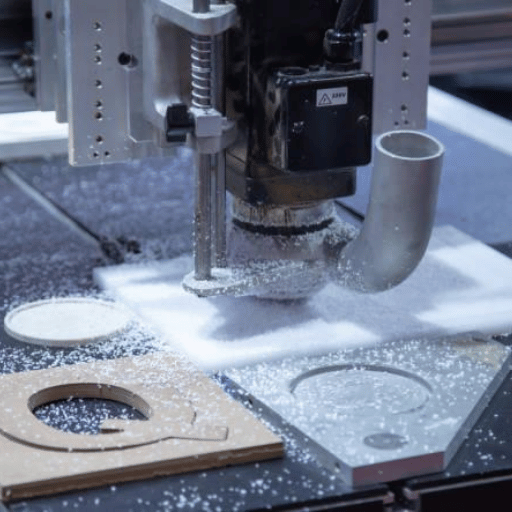
Design Trends in Acrylic Projects
There are four trends in interior design to be noted:
- Minimalism and Precision: Simplicity and modern aesthetics in furniture and décor.
- Layering Techniques: Adding layers to shapes to increase the depth and intricacy of designs.
- Sustainability in Design: Use of recycled, safe, or environmentally clean products for making cast acrylic.
- Personalization: Custom jewelry and artworks.
Industry Applications: From Signage to Art
Signage & Display
Signs-lighting, 3D-lettering, and display boards utilizing acrylic clarity and weather resistance.
Interior Design
Modern furniture setups, partitions, and decorative paneling for architectural setups.
Retail Solutions
Display cases, racks, and podiums with an emphasis on being lightweight but durable.
Art & Craft
All-purpose medium for paintings, laser-cut designs, and artistic installations.
Jewelry Making
Lightweight and customizable materials for making earrings, necklaces, and bracelets.
Medical Equipment
Protection shields, lab equipment, and medical equipment require chemical resistance.
Custom Solutions for Manufacturers
Evidence can be cited that manufacturers are increasingly turning to acrylics for their bespoke industrial needs. Custom fabrication capabilities include:
- Precision-cut automotive components
- Bespoke construction panels
- Laser engraving and molding services
- Thermoforming applications
Design Tips for Laser-Cut Acrylic Projects
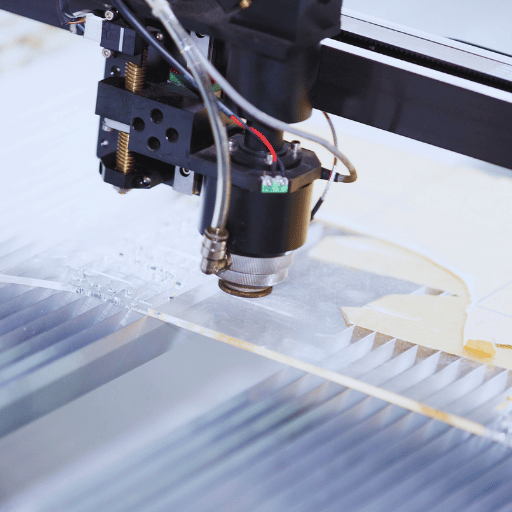
Best Practices for Designing with Acrylic Sheets
| Key Point | Details |
|---|---|
| Thickness Selection | Choose based on durability and design requirements |
| Laser Tolerance | Account for kerf during cutting for precision |
| Design Files | Use clean, vector-based designs for accuracy |
| Corner Design | Avoid sharp internal corners to prevent cracking |
| Finish Selection | Choose matte, glossy, or transparent based on function |
| Testing Protocol | Perform test cuts on scrap material first |
| Edge Polishing | Polish edges for clarity and remove scratches |
| UV Resistance | Opt for UV-resistant sheets for outdoor applications |
| Storage | Store flat or vertically to prevent warping |
| Maintenance | Clean with mild soap and a soft cloth; avoid abrasives |
Engraving Techniques for Stunning Results
Best Techniques for Engraving:
- Make use of laser or rotary tools for precision
- Very best with cast acrylic upon choice
- The surface should be thoroughly cleaned before engraving
- Power and speed settings need to be set appropriately
- Test on a sample area first
Common Mistakes to Avoid in Acrylic Design
| Key Point | Mistake | Solution |
|---|---|---|
| Acrylic Type | Wrong material choice | Match acrylic type to specific project needs |
| Heat Control | Overheating material | Adjust power/speed to avoid warping |
| Surface Prep | Skipping cleaning | Clean the surface thoroughly to prevent flaws |
| Testing | Neglecting test cuts | Always test settings on a sample first |
| Storage | Incorrect storage | Store flat in cool conditions to avoid damage |
Sustainability Considerations
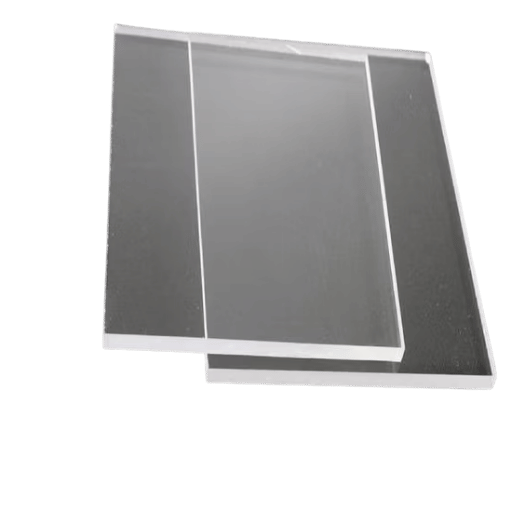
Environmental Impact of Acrylic Production
These environmental challenges create concerns for the environment, giving the industry the impetus to constantly try and improve:
- Resource Dependence – Dependence on petroleum-based derivatives
- Energy Consumption – The energy requirement is very high in manufacturing
- Greenhouse Gas Emissions – This is a cause of concern worldwide regarding global warming
- Waste Management – Non-biodegradable and hard to dispose of
Choosing Eco-Friendly Acrylic Materials
Sustainable Options:
- Recycled Content Acrylic – Reduces waste by repurposing discarded materials
- Bio-Based Alternatives – Derived from renewable plant-based compounds
- Energy-Efficient Manufacturing – Suppliers using sustainable production processes
- Certified Materials – Products meeting recognized environmental standards
Recycling and Repurposing Acrylic Waste
Waste management methods under consideration:
- Mechanical Recycling – Hence, shredding and melting for reformation
- Chemical Recycling – Back to the original monomer state
- Repurposing Projects– Making smaller items out of leftover sheets
- Closed-Loop Systems– Waste segments are injected into a continuous reuse cycle.
The Future of Laser-Cut Acrylic
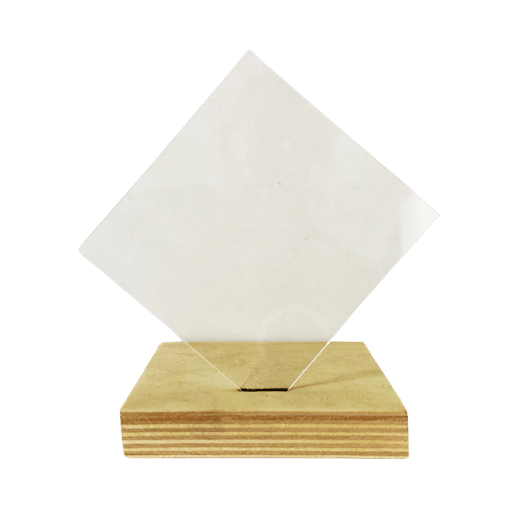
Emerging Technologies in Laser Cutting
Technological advancements are driving innovations in the industry:
- Fiber Lasers: High speeds and energy efficiency in cutting
- AI-Powered Systems: Automated adjustments for optimized cutting paths
- Software Integration: Real-time monitoring and remote operation
- Waste Reduction Technology: Advanced systems minimize the waste of material
Predicted Trends for Acrylic Design
A few Industry Trends to Watch for:
1. Incorporation of Sustainable Materials
Increasing applications of recycled and eco-friendly acrylics have been in response to environmental concerns and consumer demand.
2. Advancement of Customization Techniques
These newly developed technologies allowed very fine and custom acrylic designs for a range of uses.
3. Emphasis on Durability and Performance
Improved formulations have incorporated better weather and impact resistance properties for demanding applications.
4. Emergence of Smart Acrylic Materials
Innovations are introducing acrylics with integrated functions, such as light diffusion or thermal control.
How to Stay Ahead in the Acrylic Industry
Industry-wise strategic interventions:
- Offering Innovation – Invest in R&D for advanced product features
- Market Awareness – Watch out for consumer trends and demands per region
- Commitment to Sustainability – Permeate eco-friendly processes in manufacturing
- Technology Adopted – Embrace foolproof and the latest production techniques
- Data-Based Decisions – Make use of knowledge from market analysis to plan out strategies
Frequently Asked Questions (FAQs)
Q: What kinds of acrylic are suitable for laser cutting?
Both cast and extruded acrylics are suitable for laser cutting. Cast acrylic sheets are sometimes preferred for their clarity and quality of laser cuts, while extruded acrylic tends to be a bit cheaper and may have a lower melting point. Think of the thickness of acrylic and cutting precision, among other factors, when making your choice.
Q: How does laser cutting acrylic with CO2 lasers work?
Using lasers to cut and engrave acrylic entails directing the focused beam through the lens over the acrylic surface, heating, and melting it. The cutting speed may be adjusted depending on the thickness of the acrylic and the quality of the cut, thus making it a very versatile application.
Q: What is the best acrylic for laser cutting?
Acrylic colors can work well in special designs with or for project specifications, while clear acrylics are mostly preferred for laser cuts, whatever the case, for their ultimate clarity and smooth edge finish after cutting.
Q: So what laser settings go for thick acrylic?
Power for the thick acrylic should be raised so that the laser can penetrate it fully through, with slower cutting speeds for proper cuts. It is always advised that one test with settings for a good edge finish before edges start getting burned or melted.
Q: Can acrylic be laser-engraved?
Indeed, the acrylic can be laser-engraved in low-power modes to etch a design on the surface without cutting through it. This is generally done for logos, detailed patterns, or custom acrylic products.
Q: How do I choose the right laser cutter for acrylic work?
One could think of checking the thickness of acrylic to be cut, the level of detail to be maintained, and the amount of work to be done. CO2 lasers are the most preferred in acrylics for maximum working efficiencies and a certain precision level. Make sure the cutter you go for is variable in power and speed settings to cater to different acrylic types and thicknesses.
Q: Explain how laser cutting acrylic would benefit a person?
In laser cutting, one would ensure utmost precision, clean edges that require minimal finishing, and the possibility of complex shapes. It operates in a very reduced maximum time span for moderately thin to very thick acrylics, thereby suited to projects at a small scale as well as a large scale, producing consistent and professional results.
Reference Sources
- North Carolina State University – College of Design
Laser Cutter-Recommended Settings
This is a page that gives recommendations on laser cutter settings for various materials, including Lucite. - The University of Texas at Austin – School of Architecture
List of Approved Materials for Laser Cutting
This list includes approved materials for laser cutting, including Lucite and other acrylics. - University of Pennsylvania – Rapid Prototyping Lab
Cutting Parameters
This page deals with cutting parameters for materials such as Lucite and gives the technical details.