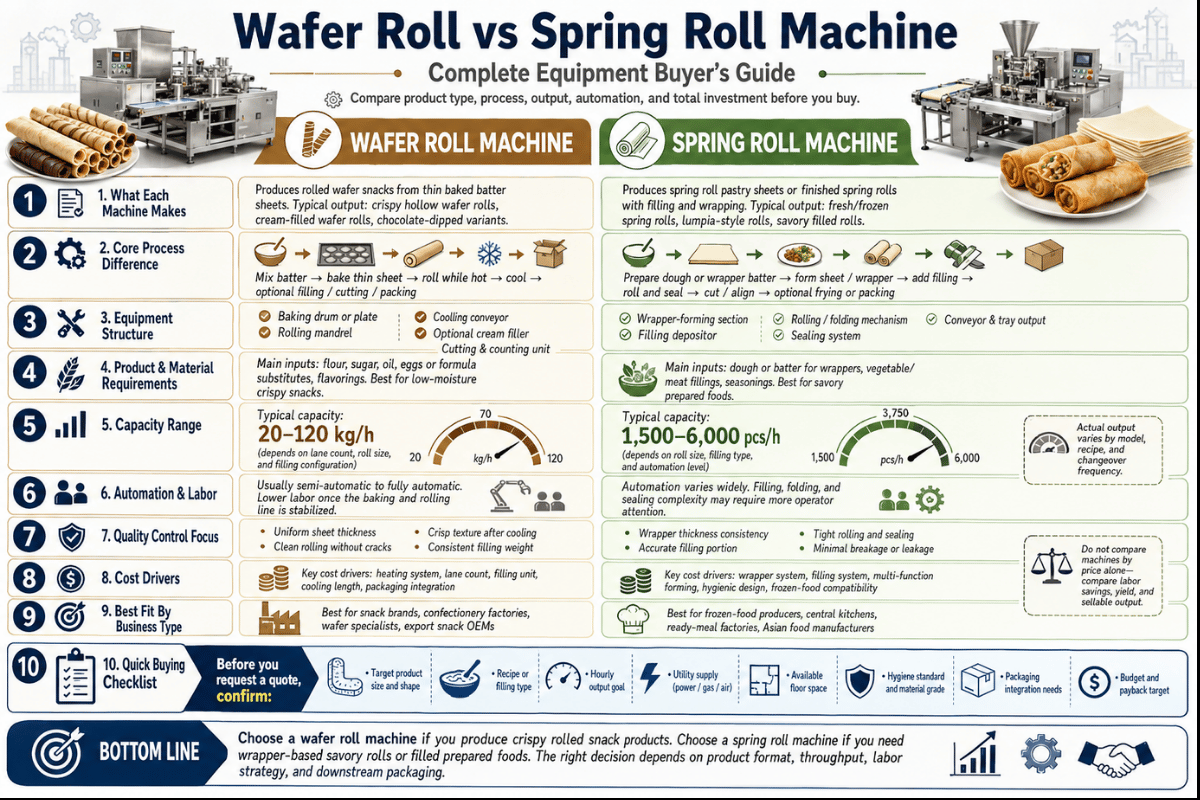
In present-day, press brakes stand among the most exact and versatile machines for shaping and bending metal. The immensely crucial piece of machinery is used across industries-fabricating complex automotive parts, assembling architectural framework, through to artistic sheet metal work. The knowledge of a press brake machine accounts for complete insight into the working of the machine and its industrial application.
Introduction to Press Brakes
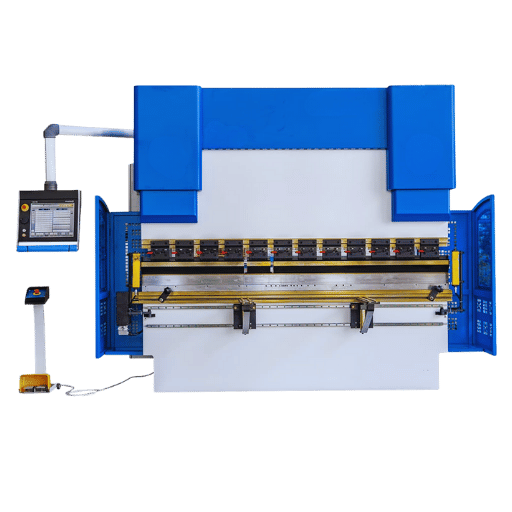
The press brake, an industrial machine, bends sheets of metal in exact shapes and angles, and this creation is of major importance for sheet metal fabrication. With great pressure and precision, these machines operate by means of punches that, driven downward into the die, effect an exact bend. This bending operation is basically a metal fabrication process used across industries such as automotive, aerospace, and construction.
Hence, the evolution of modern press brake is marked with technological growth right from manual to huge automated machine with computer controls. This advancement has brought forth increased precision in less production time with very little dependency on labor. The multiple precision and reliability associated with these bodies enhance their importance in most manufacturing lines.
Definition and Primary Function
A press brake is a special machine that works to bend and alter sheet metal with the closest accuracy. The processing consists of the arrangement of the workpiece between a punch and die; a force is then exerted, controlled to set the angles and shapes of the workpiece. These machines excell in manufacturing processes needing maximum precision and consistency and are main equipment in component production for automotive, construction, and aerospace industries.
Importance in Metalworking and Manufacturing
Press brakes are greatly regarded in metal fabrication plants since they give sheet metal precise, controlled bends that must be made in order to make good-quality parts. Their versatility allows manufacturers to accurately bend to strict standards of design specification across multiple industries. In terms of productivity, press brakes greatly speed up the production of complex shapes and parts, reducing material waste; so, a press brake is really an essential feature in any manufacturing system.
How Press Brake Work is Essential
- Accuracy in Production: Press brakes were used to bend the sheet metal with fine precision and set in accordance with specifications of the aerospace, automotive, and construction sectors.
- Complex Design for Manufacturing: The machines allow for the forming of sheets with complex shapes and advanced design requirements, enabling manufacturers to adapt to changes in project requirements.
- Material Efficiency: Press brakes are able to maximize production while making the right cuts, one of the factors that minimizes errors and the cost of production, all of which are supportive of sustainable manufacturing.
- High Production Capacities: These machines speed up the manufacture of sheet metal parts, and when automated for repetitive operations, can offer significant productivity boosts.
- Consistent Quality: The press brake maintains dimensions and quality of parts during long production runs, adaptable to both small and large manufacturing jobs.
Different Types of Press Brakes
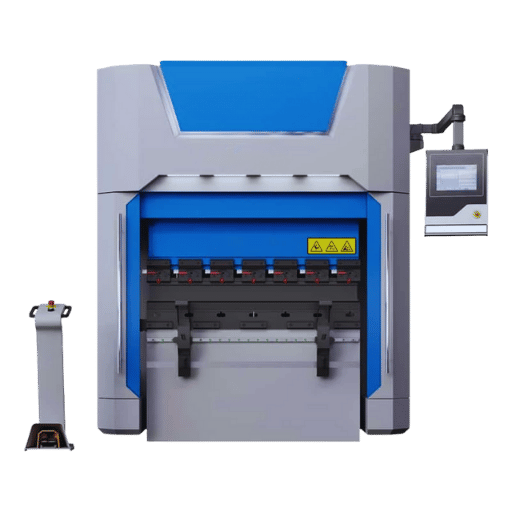
Mechanical Press Brakes
Mechanical press brakes utilize the flywheel mechanism to accumulate and transmit energy to the ram. Such machines are simple and reliable and give consistent performance for simple jobs. They are generally favored because of their lower capital costs and ease of maintenance. The modern design, however, attributes a degree of precision and automation that these machines can’t match.
Hydraulic Press Brakes
Using hydraulic-power systems to apply the pressing force, they provide a multi-axis level of machining precision to satisfy busier bending needs. These machines can give definite programmable options and work with a repeatability factor, along with even greater levels of accuracy that have been placed on even the most complicated of designs. Heavyweight workloads can be handled by adjusting the pressure and stroke range, and so can different materials.
CNC Press Brakes and Automation
Key Advantages of CNC Press Brakes
- Enhanced Precision: CNC press brakes utilize computer numerical control systems to perform highly accurate operations, minimizing the wastage of materials and ensuring the uniformity in all bends.
- Higher Production Output: The automation through CNC allows production to go faster by removal of manual intervention and optimizing machine cycles for faster output.
- Complex Bend Capabilities: These machines excel at intricate, multistep bend operations in manufacturing of highly complex components.
- Lower Labor Cost: With automated systems requiring less manual intervention, operating costs tend to reduce, thus ensuring high productivity.
- Seamless Integration: CNC press brakes integrate with automated material handling systems such as robotic arms and loading/unloading conveyors to further increase productivity.
Other Variants: Hybrid and Hydra-Mechanical Press Brakes
Hybrid Press Brakes: To enhance sheet metal bending capabilities, hydraulic systems with electric technologies are combined in these machines. For bending accuracy at low energy consumptions, designers have hybrid press brakes. They use hydraulic pressure in applications where high pressure is required and electric drives for energy-saving and noise reduction.
Hydra-Mechanical Press Brakes: The brake comprises a combination of hydraulic and mechanical systems to get better performance. The hydra-mechanical press brake can provide high tonnage, maintaining an accurate level consistently. The power of precision can be applied in applications demanding it.
Both variants offer unique solutions for specific manufacturing needs, supporting increased flexibility and enhanced performance across various industries.
Advantages of Using a Press Brake
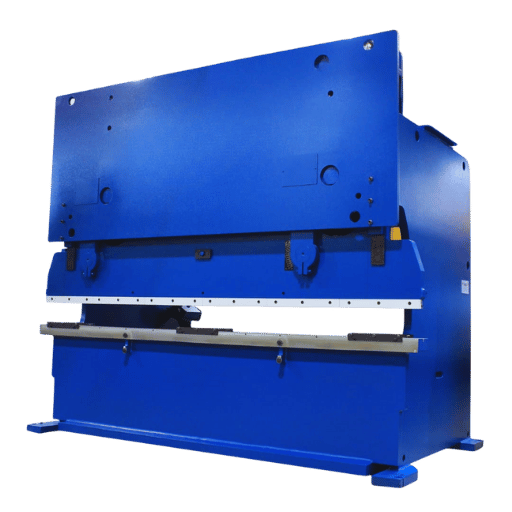
Increased Precision and Accuracy in Bending
Press brakes are critical for achieving high precision and accuracy in metal bending operations. By applying controlled force to materials, they ensure consistent and repeatable bends for production batches. Modern press brakes equipped with CNC systems and automatic angle measurement eliminate much human error, producing even more accurate results. These attributes make press brakes trusted tools for industries requiring precision in demanding or high-volume fabrications.
Efficiency and Faster Production Cycles
Press-brakes with advanced automation and accuracy make industrial operations smooth, fast, and time-effective to manufacture. CNC technologies ensure the processes are quick to set up, thereby allowing further downtime between operations. An auto-changing tool and a programmable backgauge are ways to go about it, speeding manual-adjustment activities. With the operations being well optimized, output is at a higher rate while quality takes no hit. This makes press brakes a must for quick turnaround and heavy production.
Versatility in Material Handling and Thickness
| Capability | Description | Benefits |
|---|---|---|
| Material Variety | Process materials from soft metals like aluminum to harder alloys like stainless steel | Maximum utilization across wide applications |
| Thickness Range | Bend materials from thin sheets to heavy-duty plates | No damage, distortion, or accuracy compromise |
| Tooling Options | Multiple configurable tooling arrangements | Specialized bends and shapes for various industry demands |
Common Questions and Misconceptions
Press Brakes in Large-Scale Manufacturing
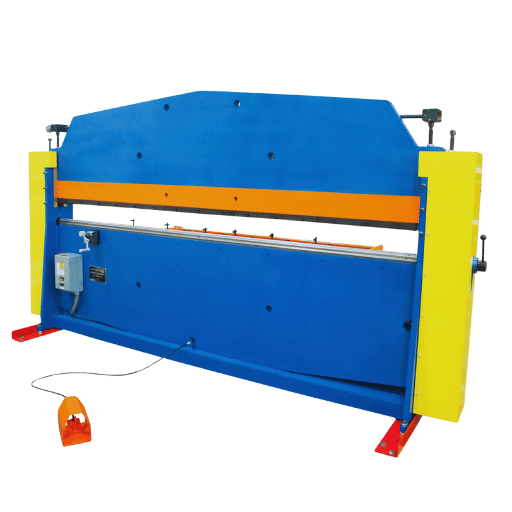
The bending of steel components exactly as required is the vital function that press brake machines perform. Accurate shaping of metal sheets is a prerequisite for high-volume production-factors considered extremely worthy by automotive, aerospace, and building industries. Equipped with CNC advanced controls, modern press brakes give repeatability and less time for production-an important factor to meet high quantity demand. This versatility in materials and design selection is what keeps these tools bound to high-production operations.
Ease of Operation for Press Brake Operators
To automatically control the setting and configuration of the machines, advanced CNC controls minimize manual adjustments. Ergonomics, on the other hand, ensures that operators with minimal experience are able to easily interpret displays that guide them step-wise in programming. Safety-wise, it incorporates protective guards and sensors that ensure safe working conditions during operations. Modernization has made the machines fast and easy equipment, therefore providing a safe working environment and supporting productivity.
Safety Features in Modern Press Brakes
Quite a few other safety mechanisms are added in modern machines to protect the operator and also for ease of operation.
- Laser Safety Systems: These systems monitor the operation of a machine and passively stop its motion when an obstruction appears in its path
- Light Curtains and Safety Mats: These systems establish safe zones where machines must be stopped immediately upon crossing a boundary
- Emergency Stop Buttons: Located around the machines for swift emergency shutdown in case of any critical situations
- Two-Hand Controls: Prevent operations by any unintended actuation unless both of the controls are activated simultaneously
With this array of safety features, systems are able to meet safety standards without compromising on productivity or precision.
Maintenance Tips and Troubleshooting for Press Brake Machines
Regular Maintenance Practices
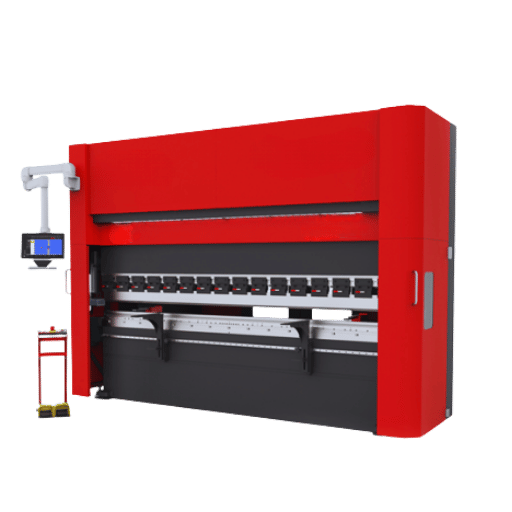
- Regular Inspection: Conduct periodic visual inspection of hydraulic systems, electrical connections, and moving parts to identify any wear or damage at an early stage
- Cleaning: The press brake should be kept clean and dust-free as any dust or dirt can hamper operations. Special attention should be given to cleaning tooling areas
- Lubrication: Apply lubricants to moving parts per the manufacturer’s directions to promote smooth operations
- Hydraulic System Checks: Watch out for the oil level and its quality while changing the oil at the interval of service
- Safety Feature Testing: Regular evaluation must be done for safety sensors, stops, and controls to ensure their responsive and effective operation
- Manufacturer Guidelines: Maintenance schedules, as stated in machine manuals, must be adhered to in order to best maintain the machines
Common Issues and Troubleshooting Tips
| Issue | Cause | Solution |
|---|---|---|
| Hydraulic Leaks | Worn-out hoses, seals, or loose connections | epair or replace the damaged parts and fasten the fittings properly |
| Overheating | Low level of coolant, poor ventilation, clogged filters | Check for coolant, improve ventilation, and clean filters |
| Strange Noises | Worn bearings, loose bolts, misalignment | Check sounds, adjust such components |
| Erratic Movement | Contaminated hydraulic oil, damaged valves | Flush system, replace the damaged components |
| Reduced Efficiency | Dirty filters, inadequate lubrication, misalignment | Clean filters, lubricate, and check alignment |
| Electrical Failures | Faulty sensors, damaged wiring, control panel issue | Test connections, and replace the faulty components |
Extending the Lifespan of Your Press Brake
Follow regularly scheduled maintenance and proper operating procedures to lengthen press brake life. Modify checks frequently if determined by critical parts damage or wear such as hydraulic systems, electrical connections, and mechanical parts. Lubricate all moving parts at intervals stipulated by the manufacturer to avoid friction and premature wear. Keep things clean since dirt and dust accumulation would impair machine performance. Operators need proper training against improper use and overloading. Using genuine spare parts and following manufacturer’s instructions ensures reliability in operation and longevity in performance.
Industry Trends and Innovations in Press Brake Technology
Integration of AI and IoT for Predictive Maintenance
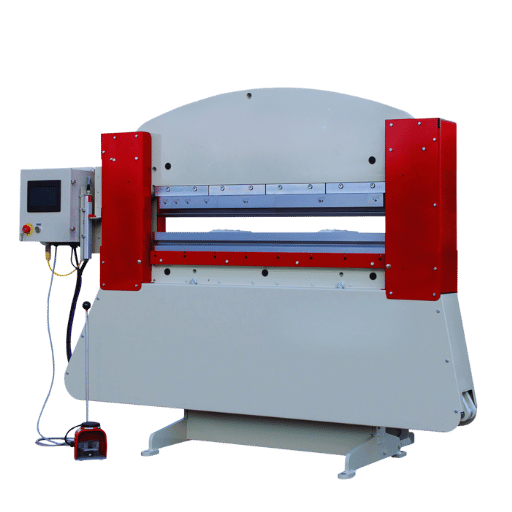
The AI-IoT amalgamation is the evolution of press brake maintenance and surveillance. AI algorithms churn out decisions from real-time data generated by IoT sensors to detect patterns and spot anomalies in operations. This would ensure that machines do not halt, costly repairs never come into fruition, and ever-prolonging existence. Also, the IoT-enabled system is great at diagnosing faults, and maintenance people solve problems on the spot, fast. This blend brings the manufacturing processes to another level of operational efficiency and reliability while ensuring that the machines are functioning optimally in sheet metal fabrication.
Eco-Friendly and Energy-Efficient Press Brake Models
Contemporary press brakes are designed around sustainability and limiting energy consumption with no compromise on performance. These machines feature modern drive technology, such as servo-electric or hybrid, which uses far less power than the older hydraulic systems. Many modes employ an automatic standby mode that stops wasting power during idle periods. By upgrading these features, manufacturers bring down energy costs and minimize environmental footprint. Choosing these types of models supports the high-precision solution of the industry accepted for environment-friendly manufacturing.
Emerging Trends in Automation and Smart Manufacturing
Increasingly, factories use advanced IoT technologies for live streaming and real-time data analysis; production processes are optimized to minimize downtime and maximize efficiency in sheet metal fabrication. Predictive maintenance and quality control save costs through AI-AI while providing product consistency. Another major trend is collaborative robots or cobots: they assist humans in safe environments, with increased productivity also being ensured by safety measures. In association, these initiatives speed up the manifestation of next-step manufacturing paradigms emphasizing adaptability, efficiency, and sustainability.
Frequently Asked Questions (FAQs)
Reference Sources
- Harvard Environmental Health & Safety: Another document related to the safety of the machine shop, including power press brakes used in sheet metal bending. Read more here.
- Academia.edu: A paper entitled “Mechanization of Hand Press Brake,” explaining what a press brake is and how it works. Access it here.
- Walla Walla University: An excerpt from the book “The Fascinating World of Sheet Metal,” which contains information about press brakes. View the document here.
- OSHA (Occupational Safety and Health Administration): eTool page on machine guarding with a particular focus on powered press brakes. Explore it here.
- Press brake
- Machine
- Sheet metal