Innovations in Paper Machine Automation: Forecasting Trends in the Pulp and Paper Industry by 2025
The pulp and paper industry stands on the threshold of a transformative epoch instigated by enhancement and rapid automation in pulp and paper. With more demand for efficiency, sustainability, and precision, paper machine automation stands as an agent of change in conventional manufacturing, set to come up by the year 2025. This article walks us through key trends that shape this evolution, from AI-based predictive maintenance to state-of-the-art IoT integration to leverage production workflows. By pinning down these inventions, the article tries to equip industry professionals and stakeholders with ways in which this automation has helped change the competitive field, evolving into smarter, more agile operations. Get ready to see technologies not only solving current problems but also setting a solid foundation for a greener and more efficient pulp and paper sector trend future.
How Automation is Transforming the Pulp and Paper Industry
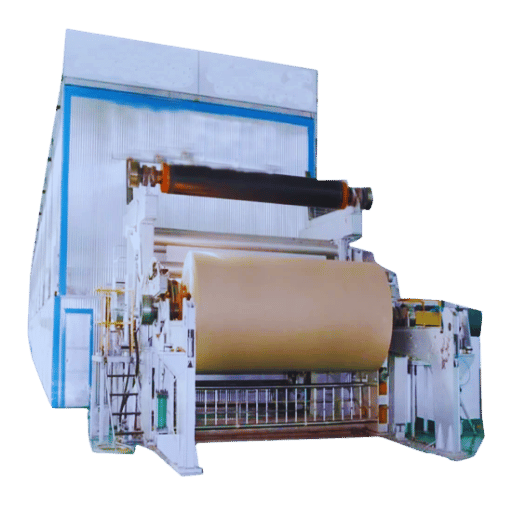
Automation comes down to the big transformation in the pulp and paper industry as it mechanizes the steps in production, improves the plants’ operational efficiency, and mitigates waste. Thus, resources and processes are fine-tuned with cost savings and productivity uplift through intelligent technology like automated systems for quality control, smart machines, and real-time data monitoring. Furthermore, automation increases safety in industrial workplaces by eliminating some manual intervention in hazardous environments. As such, they allow producers to address increasing demand while also lowering the environmental impact for a sustainable, greener future.
Key Transformation Areas:
- Streamlining production processes with intelligent machinery
- Raising operational efficiency through real-time monitoring
- Massive waste reduction and resource optimization
- Improving workplace safety in hazardous environments
- Minimizing costs through automated quality control systems
Latest Automation Technologies in Paper Manufacturing
Advancements in the paper manufacturing industry automation technologies have improved efficiency, minimised waste, and improved the quality of the products as well. Some of the cutting-edge advancements include:
Integration with Internet of Things (IoT)
At present, IoT-enabled sensors and devices are extensively employed in paper mills to monitor and automate different stages of the paper-making process. These systems provide real-time data about the performance of machines, the condition of the environment, and the throughput, enabling predictive maintenance and operational improvement.
AI and Machine Learning
Vast amounts of production data are being analyzed by AI-based systems to search for any underlying patterns. Machine learning models are able to predict resource allocation, equipment failures, and real-time defect identification in production processes to enhance quality control processes.
Robotic Process Automation (RPA)
Robots are now being employed to automate the sorting, arranging, and palletizing processes of paper products. These automated systems enhance the speed and accuracy with which such repetitive, monotonous, and labor-intensive processes are performed.
Advanced Process Control (APC) Systems
These systems control the algorithms for the enhancement of the efficiency of certain processes. They adjust the values of the parameters, such as, in the case of paper production, temperature, pressure, and moisture.
Digital Twin Technology
These systems simulate within computers the controls of actual processes in the factory and allow the operators to adjust controls and see the predicted outcomes of the changes even before making them. This helps minimize the expected downtime and optimizes workflow.
Energy Automation
Nascent automated systems pay keen attention to energy use and conservation, using advanced technologies such as smart grids and energy monitoring systems, which measure and control energy consumption aimed at sustainability.
In paper production, the use of advanced automation allows resource rationalization and operational efficiency,s which augments the responsiveness of producers to customer and ecological requirements. Such innovations are critical in enhancing the sustainability and efficiency of paper production.
Process Control Enhancement in Paper Production
How Process Control Systems Work
Process control thus integrates the paper industry in operational optimization, maintaining product quality, and minimizing waste. By observing the process and manipulating critical parameters, including temperature, pressure, moisture content, and the like, the manufacturing processes remain under strict control. Hence, uniformity of the final product is achieved, and fewer resources are used, giving rise to cost benefits and improved eco-friendliness. Process controls that are highly advanced permit online data analysis and speedy adjustments from within any production line.
The Role of Machine Learning in Pulp and Paper Automation
Machine learning provides transformative automation in the pulp and paper industry through predictive maintenance, process optimization, and quality control. Utilizing large data sets collected by sensors and industrial equipment, machine-learning algorithms detect patterns, predict equipment failure, and optimize operating conditions based on real-time data to maximize production output. For instance, a model will be able to predict a change in raw material property and adjust process parameters accordingly so that quality remains constant during the paper-making process. Also, machine learning aids the analysis of energy consumption in paper mills and helps these plants to cut down on waste towards sustainability targets. With these technologies, P&PI can guarantee operational reliability, minimize downtime, and stay competitive in an ever-resource-conscious market.
Key Trends in the Pulp and Paper Automation Market
Market Dynamics Influencing Automation Solutions
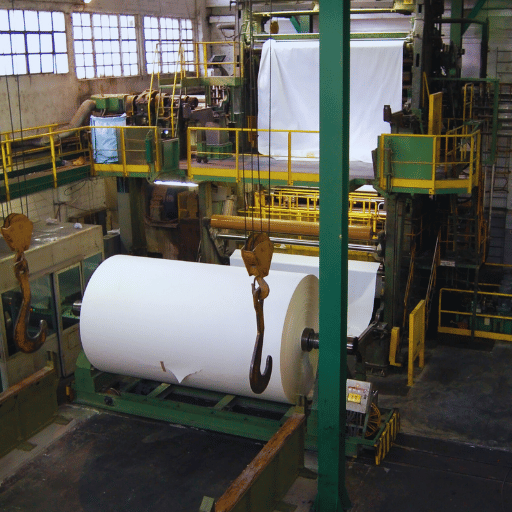
Labor market dynamics essential to automation solutions in the pulp and paper industry include the increased demand for operational efficiency, rising energy costs, and the need for sustainability. Increasingly, automation is being embraced by enterprises for the purpose of optimizing production processes, minimizing waste, and reducing manual intervention. Furthermore, environmental regulations are growing stricter and driving up investments in smart technologies capable of monitoring and controlling the consumption of resources. Advances in technology, such as those in machine learning and the Industrial Internet of Things (IIoT), are further fast-tracking adoption, especially for solutions that bring predictive maintenance and real-time data analyses. Together, these factors aid the transformation of landscapes for automation in this particular sector.
Market Growth Impact in 2024 and 2025
In the years 2024 and 2025, automation will be a major factor in the market growth driven by its ability to solve the problem of labor scarcity, raise the level of production, give the opportunity to quickly use sophisticated technologies such as AI and robotics, and thus change the sector with developed, efficient, and creative solutions that have the whole process as scalable.
Fastest Growing Market Segment
The manufacturing industry is exhibiting the highest rate of automation adoption among all sectors. The fast adoption is primarily due to the developments in robots, along with the rising demand for smooth-running operations and cost reduction. Moreover, this expansion is backed by the availability of flexible automation solutions that are designed to meet the particular needs of production issues.
Sustainable Paper Production and Automation
Innovations Driving Recycled Paper Production
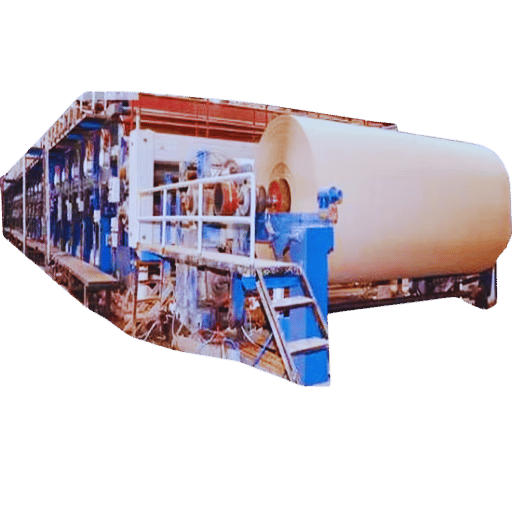
There are several major innovations that are leading the way in recycled paper production. One of them is high-efficiency deinking technologies, which are improving the quality of recycled materials by increasing the ability to remove inks and contaminants from used paper. Besides, enzyme treatment is one of the areas where chemical-based treatments are still king, but the energy and the environmental footprint are reduced. Water waste and usage are minimized by closed-loop systems. Recycled paper is now not only more environmentally friendly but also cheaper to produce because of the above-mentioned innovations.
How Automation Supports Sustainable Paper Initiatives
Automation is a great help to the sustainable paper industry because it makes production processes more efficient, consumes fewer resources, and increases the benefits significantly. Through automated systems, being energy and water usage perfectly monitored and controlled becomes possible which leads to optimal usage and minimum waste. Moreover, the incorporation of robotics and machine learning is making the sorting and recycling processes more efficient, thereby increasing the percentage of recovery of recyclable materials. At the same time, by introducing automation into their operations, the manufacturers of paper will not only be able to reduce their impact on the environment but also enjoy the benefits of being highly productive and cost-effective.
Environmental Benefits of Industry 4.0 in Pulp and Paper
Use of IoT technologies, automation, AI, and other advanced tools in the pulp and paper industry drives the Industry 4.0 paradigm. It sustains the environment by minimizing waste and energy and resource consumption to promote green production.
| Key Aspect | Details |
|---|---|
| Energy Efficiency | Optimized energy usage |
| Waste Reduction | Minimized production waste – a critical goal in the automation of the pulp and paper sector |
| Resource Management | Efficient raw material use – crucial strategies for optimizing operations within a paper mill |
| Water Conservation | Reduced water consumption – essential practices for sustainability in the paper production process |
| Emission Control | Lowered CO2 emissions |
| Sustainable Sourcing | Certified raw materials |
| Automation | Smart, eco-friendly systems |
| Digital Integration | Real-time monitoring – vital for optimizing the paper production process and ensuring high-quality output |
| Predictive Maintenance | Reduced downtime |
| Circular Economy | Recycled material usage |
Global Market Forecast for Paper Machine Automation
Projected Market Size Figures by 2025
The expected market size for 2025 differs by sector, with the AI chips market worth $44.3 billion, the market research sector in the US valued at $36.4 billion, and the action figure market at $10.6 billion.
How Global Market Insights Affect the Paper Industries
Global market insights have a major impact on the paper industries, by affecting their business strategies, resource allocation, and the adoption of new technologies. Changing consumer behaviors and the demand for sustainable products are the most important factors. For instance, among consumers, there is a stronger and stronger tendency towards choosing eco-friendly packaging and recycled paper products, which, in turn, affects the production trends and companies’ investments in green technology. Moreover, the international trade and e-commerce expansion have increased the demand for good logistic and packaging solutions, thus the need for corrugated paper and board has gone up. These insights will help the stakeholders in the industry to recognize the new opportunities emerging, to reduce the risks, and to be very close to the market with their innovations.
Latest Market Report: Trends in the Pulp Sector
According to the most recent market analysis report, the pulp industry is transitioning towards eco-friendliness and productivity-enhancing measures. Besides, the recycling and the invention of green manufacturing processes, for the most part, come from the stringent environmental regulations and the rising consumer eco-consciousness. Furthermore, the focus on carbon neutrality, which is a part of the bigger trend in the industry, just coincides with the considerable investments in high-tech methods that are meant to increase efficient resource utilization and minimize waste creation.
Paper Packaging Evolution with Automation
Trends in Packaging Paper Production
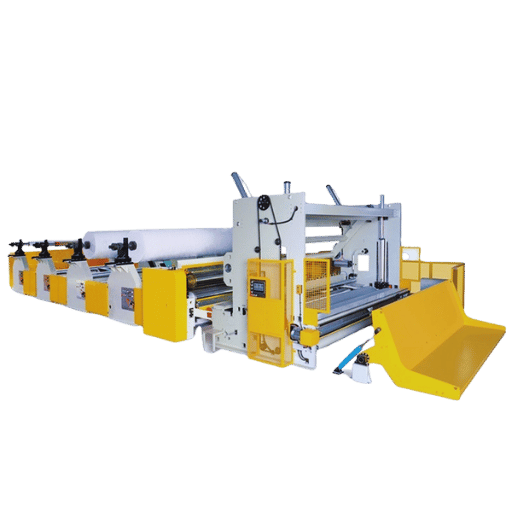
Sustainability and efficiency are the major themes of recent packaging paper worldwide production, and they are practically the only areas where digital technology and automation advancements have a big say. It is evident from the market data that there has been a notable increase in the consumption of recycled fibers and environmentally-friendly biodegradable materials in order to comply with environmental standards and to satisfy consumers’ demands for eco-friendly packaging. Moreover, the new technologies of automation, such as AI-driven processes and machine learning, are being applied to the paper production process to enhance production efficiency, and at the same time, reduce energy consumption and waste generation. Moreover, the applications of predictive maintenance and real-time monitoring systems are being developed to make operations more efficient and to improve the quality of the product. In addition, paper that is lightweight but still sturdy is becoming more and more popular and is seen as the solution to cutting down on material usage without sacrificing durability, which is in line with global efforts to reduce carbon emissions from the packaging sector. All these developments combined mark a significant change to a more sustainable paper packaging production that is also technology-oriented.
How Automation Systems Improve Paper Packaging Efficiency
The efficiency of paper packaging is enhanced by the use of automation systems, which simplify and control the production processes, cut down human labor, and reduce error rates. Such systems use machines that automatically do the cutting, folding, and assembling of the packaging with accuracy, thereby speeding up the operations. They also manage the resources very well by controlling the waste of materials and giving a product of uniform quality. Besides, another benefit shining through automation is the fact that it has actually made the equipment more reliable through the incorporation of monitoring and maintenance features, which has in turn, led to a reduction in downtime and an increase in overall productivity.
Impact of Specialty Paper in the Paper Packaging Market
Specialty paper is one of the most important factors in the paper packaging market that leads to higher functionality and performance. It comes with various advantages like moisture resistance, greaseproof properties, and customized strength, which make it appropriate for food packaging and industrial uses. Moreover, specialty paper has a big part in sustainability because such kinds of paper are mostly made from renewable resources and are either recyclable or biodegradable. This corresponds to the increased demand from consumers as well as industries for eco-friendly packaging options, thus maintaining its growth and acceptance in the market.
Frequently Asked Questions (FAQs)
Reference Sources
These research papers speak of the automation of paper machines, specifically upgrades in the dryer section. They give insights into the automation using PLCs, VFDs, and HMIs.
Read the paper here
This paper surveys the role of automation within human-machine interfaces, focusing on image processing systems, and presents a systematic literature review on the trends in automation.
Read the paper here