Paper-making has traditionally been an essential link in the manufacturing chain; therefore, it consumes much energy. Due to increasing cases of environmental abuse and an energy crisis, manufacturers now struggle to make their paper machines more energy-efficient. This article presents possible sustainable avenues and new technologies to minimize energy consumption while maintaining high performance standards. From process changes to machine changes, the possibilities for helping industries reduce CO2 emissions and achieve greater long-term operational savings will be considered. Anyone in the industry, in any capacity, or a sustainability activist will find in this guide possible accommodations for paper production systems to increase energy efficiency.
How Does a Paper Machine Work?
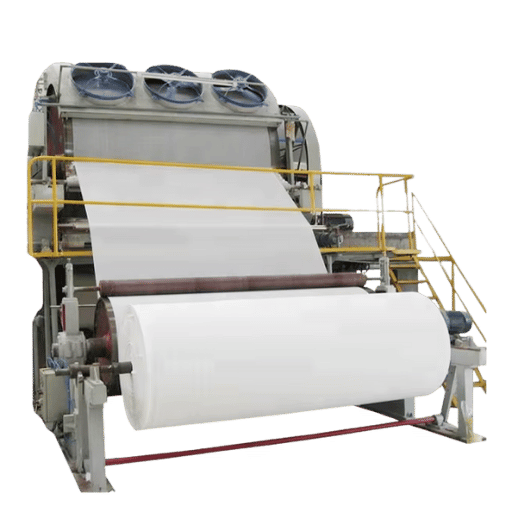
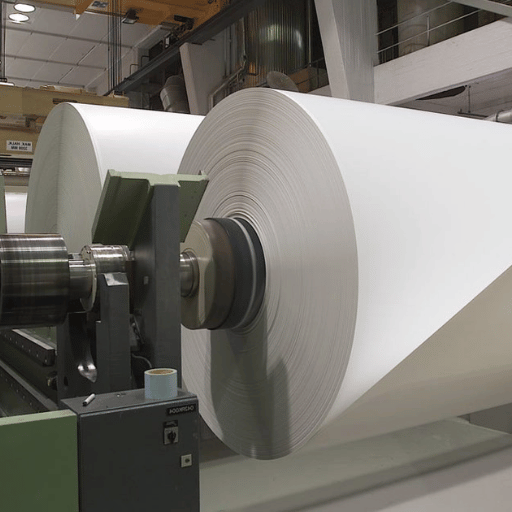
A paper machine works by converting a pulp mixture of water and fibers into continuous sheets of paper through systematic stages. The process starts at the headbox, where slurry is uniformly delivered onto a meshwire conveyor. Excess water drains off while the mesh wire moves, thus forming a wet sheet of fibers. This wet sheet passes through presses and rollers to forcibly remove water, initiating the process of smoothing and linking it into a sheet. The paper then moves into the drying section, where heated cylinders evaporate the remaining moisture; the resultant sheets are rolled into huge rolls, which are then either further processed or shipped. Such a streamlined system assures maximized productivity in paper and board production.
Understanding the Basics of Pulp and Paper Production
Key Components of a Paper Machine
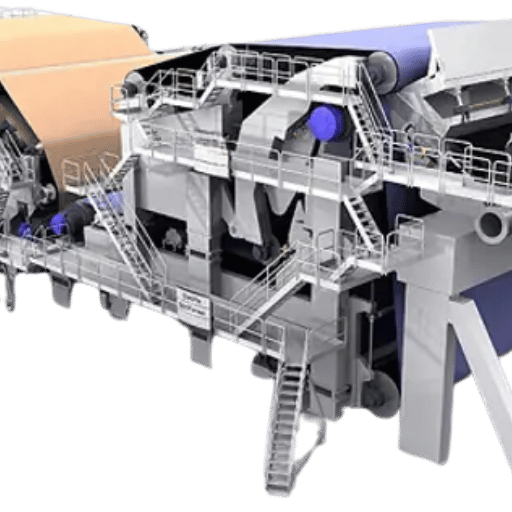
The paper-making machine has several main components. These are arranged sequentially to allow products to be produced efficiently:
Headbox
Distributes the pulp slurry evenly onto the moving wire, allowing paper sheets to form consistently.
Wire Section
It is also called the forming section, where water is drained from the slurry to form a wet paper web.
Press Section
Presses the sheet to remove remaining water and improve its density and strength.
Dryer Section
Dry the paper by heating the cylinders to evaporate remnants of moisture.
Calender Section
Smooths and adjusts paper thickness to achieve the desired surface finish and uniformity.
Reel
The finished paper sheet is rolled for further processing or for shipment.
All of these ensure the set for optimal quality, timely operation, and consistency in paper production.
Challenges in Paper Manufacturing
- Resource Management – Sustainable sourcing of raw materials such as wood pulp and efficient management of energy and water.
- Environmental Impact – Reduce air and water pollution by minimizing chemical use and waste.
- Cost Efficiency – Production cost control amid rising energy prices and operational expenses.
- Technological Integration – Advance with machinery and digital solutions to enhance efficiency, in line with demand.
- Quality Control – To cope with industry standards and customer expectations, and maintain parallel quality on all batches.
What Are the Best Practices for Energy Efficiency in Paper Machines?
Implementing Energy-efficient Technologies
To further improve energy usage in paper machines, advanced technology should be installed. Some of the best practices include:
- 1Optimizing Drying SystemsUsing highly efficient dryers, such as air-impingement or through-air dryers, to minimize energy consumption during drying.
- 2Improving Heat RecoveryThis involves installing heat recovery systems to harness and recycle heat, thus reducing the overall thermal energy requirement.
- 3Upgrading Motors and DrivesReplace old motors with more energy-efficient models and install variable-frequency drives that regulate energy consumption based on operational demand.
- 4Process Monitoring and AutomationDeploy online monitoring systems and controls to maximize operational efficiency and reduce energy waste.
Key Takeaway: Major energy efficiency improvements reduce energy consumption, lower operating costs, and complement the sustainability agenda.
Optimizing the Drying Process
Optimizing the drying process means making the highest level of energy-saving technologies and methodologies available without affecting the quality of the end product. One of the most efficient energy-saving techniques would involve modern drying technologies such as heat pump dryers or microwave-assisted drying. These systems can reduce energy consumption by up to 50% compared to conventional drying systems by recycling heat and/or shortening drying times, further saving energy.
Another strategy involves working with control systems and real-time monitoring. Sensors combined with IoT devices could measure moisture levels, temperature, and airflow conditions in real time, enabling precise parameter control to avoid over-drying or unnecessary energy use. Predictive maintenance of drying equipment would also prevent downtime, reduce operational inefficiencies, and extend equipment life.
In addition, assessing and optimizing airflow design in drying chambers will improve energy efficiency. CFD analysis could be undertaken to enhance airflow paths, ensuring minimal energy loss and uniform product drying. Mainly, when used in conjunction with renewable energy sources, such as solar, to further reduce their carbon footprint and operational costs, such stations could use solar-assisted drying systems.
By consolidating these innovations, drying industries reap all benefits related to drying performance and, hence, energy savings towards sustainability and operational efficiency.
Case Studies of Energy Savings in the Paper Industry
1. Implementation of Heat Recovery Systems
The paper mill set up heat recovery systems to capture and reuse heat from the air exhausted during drying. This arrangement enabled 20% energy savings while significantly reducing natural gas consumption. Consequently, during the recession, plant operations points decline, leading to a decrease in the plant’s greenhouse gas emissions, which makes the owners happy.
💡 Result: 20% energy savings and reduced GHG emissions
2. Transition to High-Efficiency Drying Technologies
Another instance is replacing steam-heated dryers in the conventional process with highly efficient air-pulsed drying systems. This conversion achieved a 25% increase in energy efficiency while maintaining production quality and output. It also provided a quick return on investment by reducing energy costs and income losses due to downtime.
💡 Result: 25% improvement in energy efficiency with quick ROI
3. Use of Renewable Energy Integration
At one facility, solar thermal energy was integrated to preheat water used in the papermaking process, achieving energy savings of almost 15% while reducing reliance on non-renewable energy sources. The initiative further culminated in the sustainability of the company’s operations.
💡 Result: 15% energy savings with enhanced sustainability
These examples demonstrate that modern technologies and renewable energy solutions, once adopted by the paper industry, have far-reaching implications in energy efficiency, cost reduction, and environmental sustainability.
How to Conduct Energy Audits in Paper Mills?
Steps for Assessing Energy Usage
- Data Collection: Compile all energy consumption details for processes, including electricity, steam, and fuel. Use data logs, utility bills, and meter readings for an accurate assessment.
- Process Mapping: Identify all major energy-consuming processes and equipment. Map the flow of energy to identify potential areas of significant energy use.
- Performance Benchmarking: Use performance metrics for energy use today against industry standards or past energy usage to identify areas of inefficiency on which we may capitalize.
- Identify Losses: Check for energy losses due to heat recovery, equipment inefficiencies, and system leakage, such as in steam pipelines.
- Evaluate Improvement Opportunities: Identify areas for improvement, such as upgrading equipment to energy-efficient models, optimizing operational schedules, or installing energy recovery systems.
- Conduct Cost-Benefit Analysis: The measures identified should be prioritized based on potential cost savings and the expected return on investment.
- Document Findings: Summarize the audit findings in a clear report that includes current energy consumption, identified inefficiencies, potential improvements, and recommendations.
Identifying Areas for Machine Energy Conservation
To conserve energy in machinery, focus on the following key areas:
⚡ Motor Efficiency
Assess motors for efficiency and replace outdated or inefficient ones with energy-efficient replacements to save energy.
📅 Operating Schedules
Adjust the operating schedules of machines according to the demand period so as to reduce idle time and energy consumption.
🔧 Maintenance Practices
Regular maintenance ensures that all components, such as bearings, belts, lubrication systems, etc., work efficiently and do not consume excess power.
⚖️ Load Management
Overloading machines makes them inefficient and consume excessive power. Hence, a balanced load is the best way to keep these machines running while saving energy.
🤖 Automation Systems
The use of sensors and control systems to automate machine operation is encouraged, enabling equipment to run only when required.
There is a possibility of making significant energy savings by working on these, without affecting performance or productivity levels.
Tools and Techniques in Energy Audits
An energy audit uses a wide range of tools and techniques to identify and quantify energy-saving opportunities and optimize resource use. Energy audit tools include, among others, thermal imaging cameras to detect heat loss; power meters to measure power consumption; and data loggers to record energy consumption over time. Techniques include benchmarking energy use against standards, on-site inspection of equipment for efficiency, and detailed time-and-motion analysis of energy flow. All these combinations provide insights into energy waste and the corresponding measures to curb it and achieve efficiency gains.
What Are the Costs Involved in Enhancing Energy Efficiency?
Balancing Energy Costs and Savings
Although the costs of investing in energy-efficient systems are high enough to warrant their long-term savings, merely enhancing that hope is not enough. The initial costs are mainly related to acquiring energy-efficient equipment, such as HVAC systems, LED lighting, and high-efficiency appliances, as well as upgrading insulation or installing an energy management system in a building. Industry data shows that installing LEDs instead of incandescent lights can reduce energy use by 75%, and upgrading an HVAC system can lower heating and cooling costs by 20-40%.
Operational cost reductions achieved through efficiency improvements can largely offset such initial expenditures. For example, energy management systems typically perform real-time monitoring and control, identifying waste and optimizing usage patterns. Additionally, some financial incentives, such as tax credits, government subsidies, or utility rebates, may help reduce the cost of such investments. According to this U.S. Department of Energy study, an enterprise undertaking energy efficiency measures should expect paybacks of 2 to 5 years, depending mainly on the nature and scale of the upgrades.
If potential savings are appropriately evaluated through a thorough cost-benefit analysis, stakeholders will build their strategy to maximize returns in support of environmental sustainability. Such equal weightage ensures that energy-efficiency improvement measures remain economically viable and functionally effective.
Return on Investment for Energy-efficient Solutions
Energy-efficient solutions almost always deliver huge returns on investment by cutting costs further and improving machine performance when deployed. The usual payback periods for such cost-saving arrangements range from 2 to 5 years, depending on the upfront investment and the energy cost savings achieved. Key ROI considerations include the type of technology installed, installation costs, and the energy rates applicable in the region. An in-depth assessment of these factors will help stakeholders identify and prioritize projects with the highest financial and environmental yields.
How Can Waste Heat Recovery Improve Energy Management?
Understanding Heat Recovery Systems
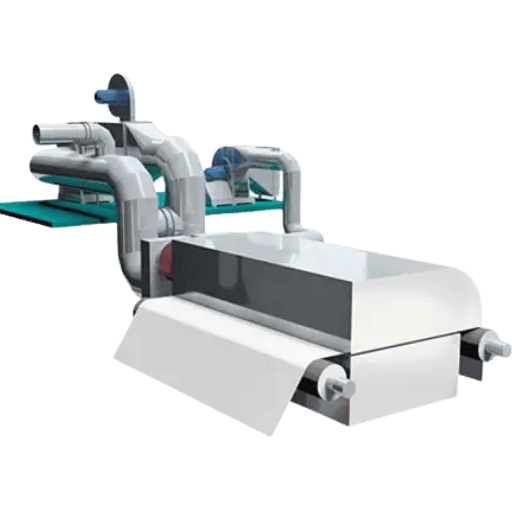
Heat recovery systems have been designed to capture and reuse the thermal energy that would otherwise be lost to the atmosphere during an industrial process. The reclaimed energy can then be channeled into a variety of applications, such as space heating, water heating, or powering other equipment. These systems also reduce energy consumption, thereby lowering carbon dioxide emissions, which, in turn, benefits the organization through cost savings while promoting environmental sustainability.
Common types of waste heat recovery systems include recuperators, regenerators, heat exchangers, and heat pumps. For instance, plate-type heat exchangers are used in industries where liquid-to-liquid heat transfer is essential; they are highly efficient and have a long life, therefore saving energy. Theoretically, depending on the process and technologies used, waste heat recovery can increase energy efficiency by 10%-50% in certain industrial plants. Also, regenerative burners are widely used in high-temperature applications, such as furnaces; they can recover heat from exhaust gases, improving efficiency by over 30% and providing energy solutions for the paper industry.
📊 Market Growth Projection
Heat recovery systems must be installed, which necessitates an initial investment; however, these costs are considered worthwhile given the potential for lower energy costs and increased production efficiency. Technological advancements, coupled with pressure on energy costs, are expected to drive the global waste heat recovery market at a CAGR of approximately 7% over the next five years. By adopting these systems, organizations benefit from increased profits and contribute toward sustainability goals, and they analyze energy regulations because they are stricter.
Integrating Combined Heat and Power in Papermaking
This is an efficient method of producing electricity and thermal energy simultaneously via a Combined Heat and Power (CHP) system, also called cogeneration. In industries that consume significant power, these systems are highly functional. For example, in the papermaking industry, processes such as pulping, drying, and wastewater treatment require substantial heat and power.
Recent literature indicates that CHP in papermaking can achieve efficiencies of 80%, far beyond the separate energy systems for electricity and thermal energy, which usually achieve only 50%-60% efficiency. With this increase in efficiency, fuel consumption and greenhouse gas (GHG) emissions are reduced, making these systems highly appropriate for global sustainability.
CHP utilities also demonstrate that CHP applications in the paper manufacturing industry yield economic benefits. For example, modern CHP systems can reduce energy costs by 20%-30% compared to alternatives, enabling paper mills to achieve faster investment returns. Advanced configurations, for instance, biomass CHP systems, allow paper mills to generate energy from their waste byproducts, increasing their green credentials alongside savings.
Given the scale of nature, initial capital costs can be offset by government incentives, tax credits, and grants targeted at energy efficiency for industries adopting low-carbon technologies. The synergy of fulfillment of environment as well as economic benefits makes CHP a strategic choice for a papermaking industr,y aiming at sustainability and efficiency in operations, especially in energy solutions for papermaking.
Utilizing Renewable Energy Sources
Renewable energy integration is increasingly a key concern for the papermaking sector, as industries seek to lower carbon emissions and meet global sustainability goals. This concept is currently embraced at the most minor scale through methods such as solar, wind, and biomass. Recent studies reveal that nearly 12% of global electricity generation capacity is now attributed to wind and solar power, underscoring their reliability and scalability.
Biomass energy is particularly pertinent to the papermaking industry, as it uses organic materials such as waste wood and byproducts from production processes, thereby converting waste into an energy source. This provides an alternative energy source to fossil fuels while easing the disposal problems faced by this highly energy-intensive paper industry. Beyond that, areas such as battery technologies are advancing energy storage systems to ensure the stability and smooth integration of renewable energies.
These innovative hybrid model sectors, which combine renewable energy with existing systems like Combined Heat and Power (CHP), increase efficiency by using their renewable inputs to generate electricity and thermal energy simultaneously. Diversifying with such setups ensures a more reliable energy supply while mitigating the variability that renewable energy sources can sometimes exhibit. By advancing clean energy, the papermaking industry can meet increased environmental standards while saving in the long run and remaining operationally resilient.
Frequently Asked Questions (FAQs)
Key Takeaways
- ✓ Energy-efficient technologies can reduce consumption by up to 50% in paper manufacturing
- ✓ Heat recovery systems and CHP integration achieve efficiency rates of up to 80%
- ✓ Regular energy audits identify opportunities for 10-30% operational savings
- ✓ ROI for energy-efficient upgrades typically ranges from 2 to 5 years
- ✓ Renewable energy integration reduces carbon footprint while lowering long-term costs