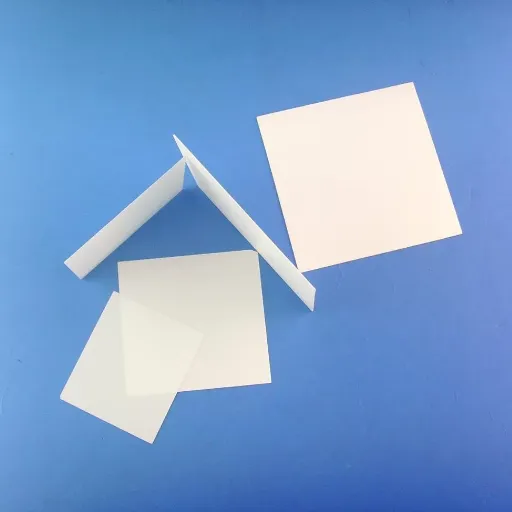
Cutting alumina ceramic plates could be a difficult task even for the most skilled professionals. Alumina is an amazing material with super hardness, wear resistance, and thermal stability, thus making it one of the favorites in many industrial, scientific, and engineering applications. Still, the outstanding toughness of the substance garners it the image of being impossible to cut unless one has got right tools and methods. The following guide will the light on the main stages and the methods that cutting of alumina ceramic plates can be done efficiently and safely. It does not matter if you are a beginner doing your first project or if you are a professional technician who wants to hone your skills, this article is going to provide you with the necessary information and strategies for perfect and precise cuts. In addition, tips from the experts, suggestions regarding tools, and safety measures that will not only make your cutting process easier but also increase its productivity will be shared.
Understanding Alumina and Its Properties

What is Alumina?
Alumina (also known as aluminum oxide Al₂O₃) is a mineral by nature consisting of aluminum plus oxygen. Among all the materials used in the industry, this compound has reached the top because of its amazing qualities like extreme hardness, high heat conduction, and, lastly, resistance to wear and corrosion. Among the sources of alumina, bauxite ore is the most significant one, which is a red clay mineral that is extracted during refining of alumina and utilized in the electronics and medical fields. Alumina’sability to be used in so many different areas makes it indispensable for the production of ceramic components, cutting tools, and electronic devices insulating substrates. Furthermore, with the technology improvement going on, alumina still plays a decisive and nonsubjective role in high precision and demanding environments.
Properties of Alumina Ceramic
Alumina ceramic possess a variety of spectacular characteristics that render the material one of the most desired in the modern industry applications. Its extraordinary toughness and great mechanical strength let it survive the most extreme conditions of wear and tear, making it the perfect material for the use in the environment where durability is the prime demand. Besides, alumina has really good thermal conductivity and electrical insulation, which are support in applications like heat-resistant component and electronic insulator. The material has also a very high melting point, amazing corrosion resistance and biocompatibility, the last one making it suitable for medical implants and devices. Recent developments demonstrate its versatility in high-tech applications like semiconductor manufacturing and aerospace engineering, in precision, reliability, and performance are crucial.
Key Properties of Alumina Ceramic
Extraordinary toughness and mechanical strength
High melting point and thermal conductivity
Excellent insulation properties
Amazing resistance to wear and corrosion
Suitable for medical implants and devices
Survives extreme wear and tear conditions
Applications of Alumina Substrates
The use of alumina substrates is widespread in many different industries and this can be attributed to the amazing thermal, electrical, and mechanical properties of the substrates. In the case of the electronics industry, they are a key material for the production of thick-film circuits, chip carriers, and microelectronic packages, where the advantages are derived from the substrates’ high thermal conductivity and excellent electrical insulation. The substrates’ durability even in the most extreme conditions is another reason why they are suitable for LED manufacturing, where heat dissipation and reliability are of paramount importance.
Moreover, the medical technology sector includes alumina substrates as a sole source of biocompatible surface coatings for implants and diagnostic devices. High-performance materials capable of enduring extreme thermal and mechanical stress required in sensor systems and heat shields in the aerospace and automotive industries is an area where they find a place. Besides, a growing role in renewable energy systems like solar panel mounting structures and fuel cell components is predicted based on ongoing research and data as the industries are shifting towards green technology. This flexibility reaffirms the position of alumina substrates as an adaptable material found in both innovative and demanding applications.
| Industry | Applications |
|---|---|
| Electronics | Thick-film circuits, chip carriers, microelectronic packages |
| LED Manufacturing | Heat dissipation components, reliability-critical substrates |
| Medical Technology | Biocompatible implant coatings, diagnostic devices |
| Aerospace & Automotive | Sensor systems, heat shields, high-stress components |
| Renewable Energy | Solar panel mounting structures, fuel cell components |
Preparation for Cutting Alumina
Cutting Alumina
Exceptional hardness and brittleness of the material necessitate using specialized tools and equipment for cutting alumina. The most effective tools for this purpose are diamond-coated ones because diamonds are among the very few materials that can efficiently cut through alumina. Usually, a diamond saw or a diamond wheel cutter is used for ensuring the utmost accuracy and avoiding the substrate’s cracking risk. Besides, a CNC (Computer Numerical Control) machine equipped with diamond tools is often preferred for difficult or intricate cuts, providing maximum accuracy and repeatability.
To ensure an enhanced cutting operation, coolant or water is generally applied in order to reduce heat buildup and to protect either the material or the tools from being damaged. To protect their eyes and hands, the operator has to necessarily wear safety goggles and safety gloves because alumina cutting gives out very fine dust and very sharp pieces. Adequate ventilation or a good dust collection system is strongly advised so as to maintain a safe working environment. The instruments and safety measures will ensure that cuts are made cleanly and precisely, while maintaining the structural integrity of the alumina substrate.
Alumina Plates Cutter Selection
The choice of cutter for alumina plates is the deciding factor in how precisely the result will be and how much waste will be caused by the material going off. One of the most common tools used is diamond saw blades that are able to cut through the dense and hard material of alumina. A diamond blade in conjunction with a water-cooled cutting system works to eliminate heat and prevent the formation of cracks or chips during the process. Laser cutters can be a better choice for thinner alumina plates or intricate shapes as they are precise without contact, thus lessening the possibility of fractures. Besides, CNC router with diamonds tools provides detailed cutting with both accuracy and speed. The decision mainly hinges on the thickness of the plate, intricacies of the cut, and the nature of the equipment available.
Cutting Tool Options
💎 Diamond Saw Blades
Most common tool for cutting through dense alumina material with water-cooling systems
🔦 Laser Cutters
Best for thin plates and intricate shapes with contactless precision cutting
🤖 CNC Routers
Diamond-equipped CNC machines provide detailed cutting with accuracy and speed
Your Workspace Setup
Make sure your workspace offers all safety needs and is fully functional during alumina plate cutting. It is utmost to maintain a clean and dry environment with good ventilation so as to avoid contamination or any interference in the cutting process. Clamps or a vacuum table should be used to firmly restrain the alumina plate from moving during cutting, lest errors or dangerous situations should arise. Additionally, the workplace must offer PPE (personal protective equipment) such as safety goggles, gloves, and a dust mask because this process unleashes very fine particulates that are hazardous to health. Proper lighting is equally important for precision works so that the material and cutting lines remain very visible. When using all these safety measures in conjunction with the best cutting tools and technologies, namely CNC routers and lasers, high output and superior results can be guaranteed.
Techniques for Cutting Alumina
Laser Cutting Alumina Ceramic: A Step-by-Step Guide
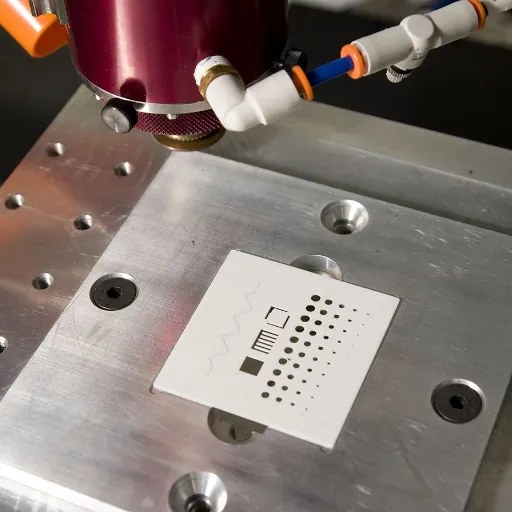
Laser cutting is an advanced technique that allows the precise and fast processing of alumina ceramic. Below is a complete stepwise guide that will facilitate successful results when dealing with this particular material.
Complete Laser Cutting Process
Material Preparation
The alumina ceramic must be of the required thickness, and also it must be cleaned properly. Any dirt and dust on the surface are likely to affect the accuracy of the laser and produce cuts that are not of the best quality.
Selection of Laser Equipment
Choose a very powerful laser cutter for ceramics like a CO2 or fiber laser system. These lasers give off the heat and energy that are enough to penetrate solid materials like alumina.
Setting of Right Parameters
Setting the power, speed, and frequency of the laser is the most important and finest part of the whole process. The ideal configurations eliminate cracking or chipping and thus producing smoother edges. A thicker piece of alumina often requires cutting with higher power and slower speed.
Establish Safety Measures
Proper PPE use, such as safety goggles, heat-resistant gloves, and ventilated masks, is a must. Inhaling toxic fumes produced during the process should be avoided through the use of a well-ventilated working area.
Use of Laser Precision
With the utmost precision, concentrate the laser on the lines of the cut and make sure the beam is focused well. The cutting precision will be impaired and the piece will be ruined if the beams are not lined up correctly.
Maintenance of the Cutting Process
You should keep your eyes glued to the operation so you can catch any problems like the piece getting too hot or breaking when cutting. Cooling with lasers may also be done to control the heat stress of the material.
Inspection and Finishing after Cutting
Ceramic edges should be inspected for any irregularities after the cut has been made. If needed, fine sanding tools can be used to level the rough edges, and the piece should be cleaned thoroughly after that to eliminate any leftover particles.
Following these procedures will ultimately lead to laser cutting of alumina ceramic being both effective and precise. The steps and technology of laser cutting may vary with the nature of the project, but it always remains a viable option no matter how small or intricate the design.
Using Manual Cutters for Alumina Plates
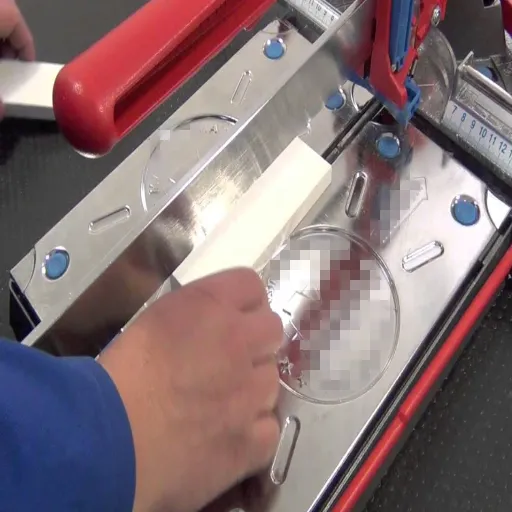
In the case where laser cutting equipment is not available or low precision is acceptable, manual cutters can be a practical alternative for grinding alumina plates. Although these machines need a skilful hand to produce good results, they still cater to the possibility of dealing with larger burning or simpler projects very easily. However, there can be a need to use a diamond-tipped high-quality manual cutter so as to achieve very clean cuts.
In the latest information, it is indicated that, in most cases, the manual cutting process is supported by the technique of scoring whereby the surface of the alumina plate is firstly lightly etched before pressure is applied to break it along the desired line. This approach reduces the chances of chipping to an extent where it can be considered controlled giving this method the advantage of being able to handle the material more easily. Besides, this is also a reason why manual cutters are the tool of choice in situations where mobile operations are required since moving these tools around from one work site to another is not a problem at all. Although using this manual method requires more time when compared to modern methods like laser cutting, it helps achieve cost efficiency, which is also a factor in the accessibility of specialized or small-scale tasks.
Best Practices for Shaping Alumina
It is very important to choose the right techniques according to alumina’s properties and application needs if the shaping of the material is to be done precisely and efficiently. One of the ways to do this is by using diamond-tipped tools or high-quality abrasives, which will not only give the right size but will also last longer as alumina’s hardness will not wear down the quality of the tools easily. A very effective cooling method such as water or air cooling should be applied at the time of machining processes to avoid generating heat that causes the material to crack or warp. Additionally, clean work surfaces and appropriate cutting speeds should be maintained to prevent contamination and preserve the structural integrity of the aluminum.
Recent studies point to the fact that highly intricate designs or the need for precision are the scenarios where cutting with laser technology has become the main option. Minimal edge damage and better results are the reasons why laser cutting technology getting to be more users who want family customers. CNC machine has become a favored solution for industries that require uniform shapes or detailed components, due to its capability of providing precision and repeatability through programming. Eventually, selecting the shaping method according to the specific project requirements, while observing safety practices, would lead to optimal performance and component longevity.
Safety Precautions When Cutting Alumina
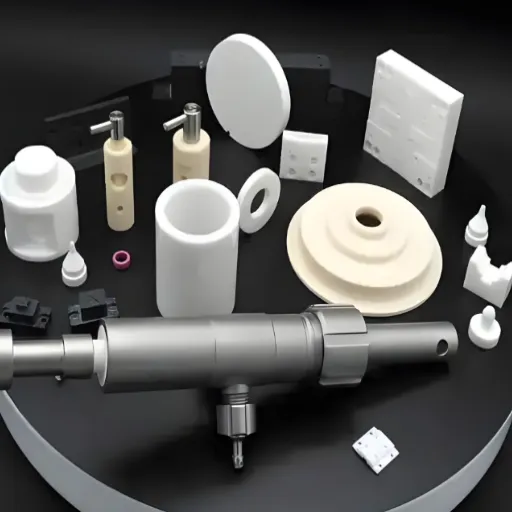
Essential Safety Gear
Correct safety gear when handling alumina is necessary to avoid injuries and to create a safe workplace. Essential safety gear comprises of\protective gloves for hand protection from sharp edges or heat, safety goggles for eye protection against dust and flying particles and a good-quality respiratory mask for inhaling fine alumina which is risky and this can be a health hazard. Besides, when loud machines are in operation, the use of ear protection is recommended. Apron and steel-toed boots give more safety against material splashes and heavy objects’ falls. Wearing this type of gear increases personal safety and is also in line with industry practices.
Protective Gloves
Hand protection from sharp edges and heat
Safety Goggles
Eye protection against dust and flying particles
Respiratory Mask
Protection from inhaling fine alumina particles
Ear Protection
Recommended when loud machines are in operation
Protective Apron
Safety against material splashes
Steel-Toed Boots
Protection from heavy objects’ falls
Common Hazards and How to Avoid Them
The use of industrial tools and materials exposes workers to various hazards which, if not effectively managed, may lead to injuries or medical problems. Dusty air, malfunctioned equipment, and physical stress due to boring work are some of the most frequent hazards. One of the methods to protect the workplace from airborne contaminants like alumina dust is to make sure that the room is well-ventilated and a certified respirator mask meant for fine particles should be used. Malfunctioning equipment can be prevented most of the time through the maintenance of tools and their inspection and making sure that the tools are in good working condition before they are used. Physical strain can be minimized through good posture, taking regular breaks, and using the right support equipment. It is by reducing the risk factors for workplace injuries that , through the use of predictive maintenance, ergonomic workspace designs, etc., combines these practices with the latest security developments, thereby creating a safer environment.
Emergency Procedures
In the case of an emergency in the workplace, quick and properly organized action is necessary to secure the safety of all the people involved. As per the current knowledge from search insights, companies must come up with a distinct and thorough emergency action plan (EAP). This plan is to provide routes for evacuation, places where people should gather safely, and different tasks assigned to members of the staff during emergencies, like fire marshals or first aid responders. The use of digital safety tools such as emergency notification apps and real-time hazard detection systems is greatly emphasized by ‘s data as a means of improving communication and preparedness during critical situations. In addition to these advanced technologies, regular training and drills ensure that the employees have the needed confidence and skills to respond in an effective manner during the crises.
Common Challenges and Solutions in Cutting Alumina
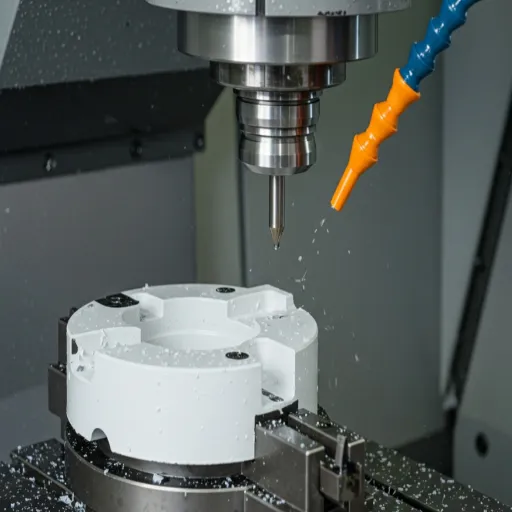
Handling Cracks and Chips
Alumina cutting cracks and chippings occurring in everyday life may impact the process’s value and efficiency. According to Google Trend data, deciding on the causes of these kinds of defects and ways in fixing them appear to be among the most searched inquiries. Improper feed-rates, excessive cutting forces, or inappropriate tool geometry usually bring about cracks; chipping occurs as a result of brittle fracture and lack of material support. The solution involves the use of precision-machined tools, wherein their cutting parameters have been optimized for the properties of alumina. Besides, advanced cooling systems during machining and material support can also help prevent or severely minimize the chances of defects. Real-time monitoring systems coupled with periodic maintenance of equipment will ensure the consistent output of processes that are high-quality.
| Challenge | Solution |
|---|---|
| Cracks from improper feed rates | Use precision-machined tools with optimized cutting parameters |
| Excessive cutting forces | Adjust tool geometry and reduce force application |
| Heat buildup during cutting | Implement advanced cooling systems with water or air |
| Chips from brittle fracture | Ensure stable material support during machining |
| Inconsistent quality results | Use real-time monitoring technologies and regular maintenance |
Guaranteeing Precision in Cuts
The introduction of advanced machining technologies and methods is necessary for the precision of cuts to be possible. High accuracy can be achieved in the planning and implementation of cutting operations by using computer-aided design (CAD) and computer-aided manufacturing (CAM). The combination of these technologies with top-quality materials and ultra-hard cutting tools results in almost no deviation and guarantees that cuts are clean and without defects. Regular equipment calibration and strict quality control measures further provide support for precision. In addition, new developments like laser-assisted machining and real-time data analytics give more authority, which leads to non-compromising good quality results even in difficult applications. Mastering these methods as part of the modern research and practical expertise is essential for overcoming the challenges of modern manufacturing in an efficient way.
Cutting Tools Maintenance
Cutting tools are the ones really requiring diligent maintenance to determine their life and usability during manufacturing. Ideally, such tools should be inspected for wear and tear regularly, re-sharpened after being used, and placed or fitted with a cooling or lubrication system apt for its purpose. Any foreign particles might impede or mar the cutting process, so ensuring the tools are always cleaned after usage is another practice worth having. Through culmination in technology, manufacturers can now go into the mode of predictive maintenance, meaning they can use real-time monitoring systems to keep track of the cutting tool condition and performance indices. Given that the latest information is available to them and by applying these techniques, manufacturers will thus be able to reduce the long waiting time, lessen operation costs, and enjoy a production process output whose quality remains stable.
Tool Maintenance Best Practices
- Regular Inspections: Check for wear and tear before each use
- Re-sharpening: Maintain cutting edge sharpness after use
- Proper Cooling: Ensure cooling and lubrication systems are functioning
- Cleaning: Remove particle accumulation after each use
- Predictive Maintenance: Use real-time monitoring systems for performance metrics
Frequently Asked Questions (FAQ)
What are the methods to cut alumina with?
Different methods are available for alumina cutting, like waterjet cutting, CO2 laser cutting, and plasma cutting. One of the major advantages of using waterjet cutting is its capacity to treat hard and brittle ceramic materials without cooling them off which is the case of thermal stress introduced. CO2 lasers on the other hand can turn alumina ceramic to vapor and cut it through with very high accuracy which would be ideal for even the most intricate of slides. Plasma cutting, on the other hand, is also a possibility but mainly for thicker sheets of alumina and may not be as accurate as the other methods. Regardless, every method has its pros and cons, thus the gain is the only factor that determines the choice of a method.
What are the ways to make alumina ceramic to complicated forms?
Cutting is one of the ways that one uses alumina ceramic to complicated forms, however, it is not the only one. Shaping of alumina requires complex cutting dynamics like abrasive waterjet cutting or high-precision laser cutting. These methods enable the making of intricate designs and at the same time, they cause less damage to the ceramic surface. For example, the use of a waterjet can successfully cut through alumina substrate while the substrate retains its integrity. Besides, CNC machining can come in handy to have the high precision in shaping alumina that is the end goal. It is very important to determine the right setup and parameters to achieve cutting that is done optimally when it comes to alumina.
Which alumina properties suit it for cutting?
Alumina or Al2O3 has multiple properties that can be useful for cutting and is considered excellent for such an application. They have very high hardness and brittleness that make cutting hard: however, these properties could make them last longer with a high degree of wear resistance. The purity in alumina is one factor that will determine its mechanical strength and may give it thermal stability, affection its application in extreme temperature environments. These properties make alumina ceramic capable of retaining its form and quality even after cutting. So, having knowledge of these will greatly help in deciding the best cutting procedure and tool.
Will I have to cut alumina substrates for my project?
Anything that depends on project requirements requires alumina substate cutting or not. Cutting becomes a requirement only if your projects involve designing shapes and sizes of nonstandard nature. Thus, it serves highly beneficial in having a reciprocal understanding of the exact dimension and shape of the ceramic parts that you require. Then, if the selectivity is in any way important to be maintained, the advanced cutting methods should, no doubt, be used in conjunction with a laser or waterjet cutting. Also, if you work with high-purity alumina, careful cutting will help maintain the material’s quality and characteristics.
Is it possible to cut alumina by means of vibration cutting technique?
Vibration cutting is an option to consider among other methods that are commonly used for cutting of alumina. Particularly, it is a good method to use in case when one needs some smoother finishes on ceramic surfaces. The method is characterized by the vibrating of the cutting tool at a very high frequency to enable the cutting tool to penetrate the hard ceramic material while not applying too much force. The cutting tool diminishes the force acting on the alumina which consequently reduces the chances of chipping or cracking that occur with normal cutting. Nevertheless, it is important to have the setup properly calibrated to get the best out of the cutting process as well as the results that you want.
Reference Sources
Electron Beam Cutting in Amorphous Alumina Sheets
This study explores the use of an intense electron beam to cut nanometer-diameter holes and slots in thin sheets of amorphous alumina.
Introduction to Laser Machining of Ceramics
Columbia University’s resource discusses conventional and laser-based methods for cutting ceramic materials, including alumina.
Alumina-Based Cutting Tools—A Review of Recent Progress
This paper reviews advances in alumina ceramic materials used as cutting tools, providing insights into their properties and applications.