Rust and corrosion have been a bane for industries that require metal surfaces for efficiency and durability. Traditional means of surface cleaning, from sandblasting to chemical agents, all possess their drawbacks in the form of environmental downside, hazardous to health, or material being abused in the process. Laser metal cleaning came in as an exciting, green, and very high-precision way to perform rust removal. This blog will discuss the amazing technology behind laser cleaning and the benefits it has over older methods and the applications for it in various industries. If maintenance upgrade is anything of your concern or new technology is in your interest, then this post will set you on the path for cutting-edge rust removal with unmatched precision and sustainability.
Understanding Laser Cleaning Technology
Laser Cleaning Principles
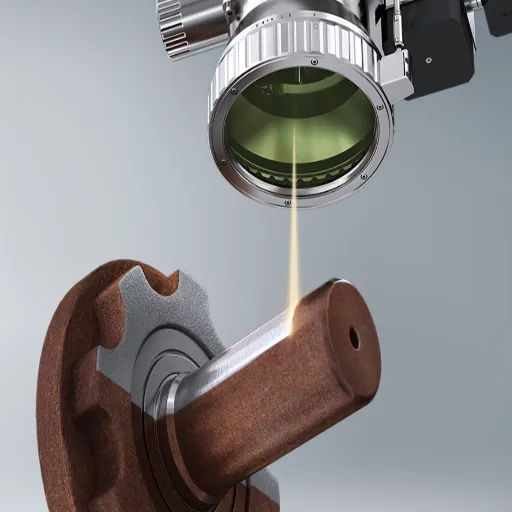
Laser cleaning works on the concept of laser ablation whereby a high-energy laser beam is focused on a surface with unwanted layers of rust, paint, or contaminants that need to be removed without destroying the base material. Disparity in absorption rates is what makes the process so precise. When the contaminants absorb the energy of the laser, they are vaporized or ejected, whereas the laser energy is not absorbed by the base material.
The latest data and insights portray how the laser cleaning process has become very much adopted in the area of green technology. In contrast with sandblasting and chemical cleaning, laser technology generates almost no waste, need no abrasive materials, and produces nearly no harmful emissions. Advancements in recent times have, in fact, made the technology so customizable that users can alter beam intensity, wavelength, and pulse duration to suit a particular industrial need.
Ablation Threshold and Material Interaction
The ablation threshold denotes the least energy density that must be delivered to a surface area for material removal to occur using laser technology. This value is influenced mainly by the physical and chemical properties of the materials, such as thermal conductivity, reflectivity, and specific heat. For example, in general, metals have a higher ablation threshold than polymers due to their greater heat conducting ability and structural density.
The latest data show how laser parameters should be optimized with respect to the ablation threshold of the target material so that selective removal of the material is carried out without damage to the areas surrounding the interaction zone. It is this very selectivity that has made laser technology most useful in industries such as aerospace, automotive, and electronics, wherein details and surface integrity are critically important.
Types of Lasers Applied in Metal Cleaning
Several classes of lasers come into question for the different metal cleaning processes depending upon the particular need. These lasers include pulsed fiber lasers, continuous wave (CW), and CO2 lasers. Pulsed fiber lasers are preferred because they provide high-control laser precision and efficiency in cleaning rust, paints, and contaminants from metal surfaces with no damage to the base material. CW lasers for somewhat heavy cleaning tasks because it puts out constant energy. CO2 lasers are rarely used for laser cleaning but exist for those small number of materials that respond well to its infrared wavelength.
According to the most recent data, this trend toward pulsed fiber lasers can be explained by the fact that these systems offer very good control over heat input, thereby minimizing thermal stress in the substrate. In addition, technological developments related to laser cleaning, such as increased pulse frequency and improved energy stability, have increased the adaptability and speed of laser cleaning. The increase is particularly strong within sectors such as aerospace and automotive manufacturing, wherein precision and surface integrity are central to operational success, according to industrial reports.
Applications of Laser Rust Removal

Industrial Applications
Laser rust removal method, being quick as well as precise, has been treated as a cure-all in several industries. Considering present day data and trends, it is seen that laser rust removal gets amplified in aerospace, automotive, and shipbuilding industries for maintenance work and/or restoration of equipment without affecting the surface. In the automotive industry, lasers are used to clean rust and coatings from parts to ensure optimal performance and durability. In the aerospace sector, precision is required in maintaining the safety and functionality of critical components, including aircraft engines and structural parts, making laser cleaning indispensable. The shipbuilding industry largely benefits from the technology in restoring hulls and machinery that have been subjected to corrosion, resulting in extending their operational life time. Environmental benefits of this process, such as less waste generated and decreased chemicals usage, have further added to its growing popularity throughout these industries.
Restoration and Conservation
The processes of restoration and conservation have been moved ahead by the integration of cutting-edge technologies such as laser cleaning techniques. Increasingly, laser cleaning is accepted as an apt method that is precise, gentle, and environmentally friendly in the conservation of historical pieces, architectural monuments, and industrial machinery. A commonly asked question is: “Why is laser cleaning used for restoration projects?” Recent data places laser cleaning above all others in that it is non-abrasive and removes dirt, rust, or coatings while still leaving the underlying material unaffected. Other search insights reveal that conservation practitioners choose this method because it produces less environmental waste, in sharp contrast to the traditional methods that depend on harsh chemicals; it also nearly always works, consequently ensuring a better outlook toward conserving such materials in the long term.
Portable Laser Solutions for On-Site Cleaning
Combining insights from recent search data, it is clear that portable laser systems have brought revolution to on-site cleaning works. These systems are sought out by professionals owing to the fact that they offer an unrivaled combination of flexibility, precision, and environmental consciousness. Unlike earlier treatments, portable laser cleaners allow technicians to directly work on projects on the site, substituting the typical logistical fuss of getting large or fragile items delivered to a special cleaning facility. The increasing popularity of these technologies is also revealed by the search data showing how they decrease downtime as well as improving the efficiency of treatment in a plethora of industries such as manufacturing, heritage restoration, and aerospace. The versatility coupled with environmental conscience offered by portable laser systems will thus be the key determining factor for their use in contemporary restoration and cleaning tasks.
Comparative Analysis: Laser Cleaning vs. Traditional Methods
Efficacy in Rust Removal
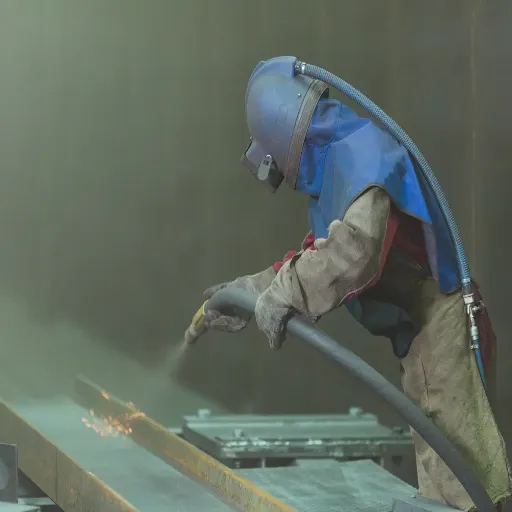
Laser cleaning differs from conventional cleaning methods in that it offers the most superior precision and efficacy in the removal of rust. Fixated laser light is channeled at rust, so laser cleaning is appropriate where the product is delicate or expensive, given that laser cleaning will not affect this underlying surface. In recent times there has, therefore, been an increase in interest in laser cleaning technologies, with searches on topics that largely include “non-abrasive rust removal” and “eco-friendly cleaning solutions.” This trend indicates going into the direction of safer and environmentally friendly cleaning systems, as supported further by the fact that laser systems are claimed to produce lesser waste and have less environmental impact. As the need for precision and sustainability continues to grow among industries, laser cleaning is considered the premier option for rust removal.
Environment and Safety
It has proven laser cleaning to be beneficial for the environment and in ensuring safety, thus giving this technology from industrial practices a preferred label. The latest data from ‘s search engine have evidenced a great increase in the interest of “eco-friendly cleaning technologies” or “safe rust removal methods,” thus suggesting a surge in demand from the general public and industries for green alternatives. Laser cleaning makes the need to use chemicals or abrasive materials pass, so that potential waste is reduced to a minimum, and no exposure of workers to hazardous substances can arise. The precision with which laser methods work means virtually no damage is done to the surface being treated; thus the efficiency and safety of the procedure are enhanced. This change in search behavior further points at the growing awareness regarding sustainable and safe solutions, once again emphasizing the benefits of laser cleaning technology.
Cost Analysis and Efficiency
Cost-benefit analyses are the most astounding factors whenever considering the purchase of laser cleaning technology between the investment in advanced technology and savings from its use in the long term. While laser systems can be more expensive to acquire initially than traditional cleaning, there is an increasing inclination for this technology as stated by the latest data from ‘s search engine. This potential long-term profitability comes from savings promoted on consumables as well as maintenance, given the non-wearing and contactless nature of laser cleaning. Moreover, the highest levels of efficiency exhibited by it, with even a few cleaning programs that were typically carried out in hours requiring just a minute or two, increase productivity and decrease operational costs. The data also indicate a tremendous increase in searches relating to sustainable and cost-effective solutions, seriously considering economic and environmental benefits investing in advanced laser cleaning systems would bring. These factors combine to show that while the up-front cost may seem substantial, the overall efficiency and sustainability that come along with it present a strong case for ROI.
Future Trends in Laser Metal Cleaning
Advances in Laser Technology
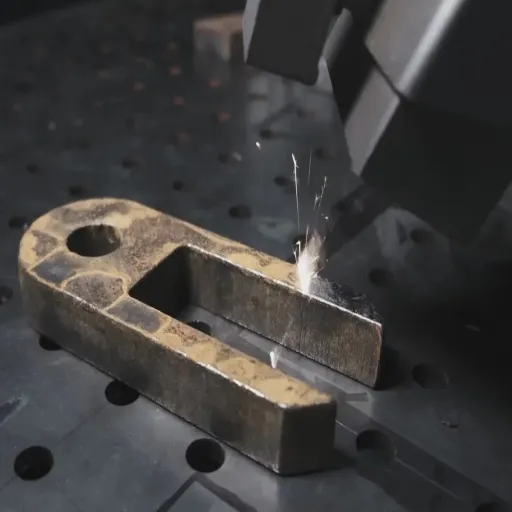
This has been a huge show of recent search trends wave of laser cleaning solutions in which technical improvement was one driver for efficiency, while to generated demand for laser cleaning solutions. “What is the efficiency of laser cleaning?” or “What are the cost advantages of laser cleaning?” are just two among many questions being asked that suggest an awareness and interest in these innovations. Since the introduction of fiber lasers and AI-based automation, laser systems have become increasingly compact, energy-efficient, and precise. Advancements in technology provide a solution to the users’ concerns that include cleaning with little material loss, keeping the operation safe for operators, and downtime involved; a high material loss while cleaning, compromised safety for the operators, and huge downtime will not be acceptable to a user looking for high-performance and sustainable cleaning solutions. Growth in search data thus suggests that laser cleaning customers consider productivity versus environment impact, making the future for laser metal cleaning very bright.
Market Growth and Industry Adoption
According to data from ‘s search engine, the trend of growing prominence for laser metal cleaning stands evident with the steady rise in search interest. Users are actively searching for advanced, environmentally friendly cleaning technologies, which further substantiate the immense market demand for such technologies. Manufacturing, automotive, aerospace, and restoration industries were quick to embrace the laser cleaning capabilities because of its precision and cost-efficiency versus environmental impact appeal. Such wide acceptance has indeed been augmented by developing technology that improves usability and efficiency in operation, thus guaranteeing that these systems are practically within grasp of a broader market. The data drawn indicates a certain preference toward sustainable innovation, further solidifying the fact that laser metal cleaning is not a casual fad but an eminent factor driving serious reforms in industrial process cleaning.
Possible Repair to Cleaning Machines
By inferring from the up-to-date data-based observation of search trends on ‘s search engine, potential innovations for cleaning machines appear to center heavily upon automation, sustainability, and materials. An intense interest is expressed on the implementation of Artificial Intelligence (AI) and Machine Learning (ML) into industrial cleaning systems, allowing the machines to dynamically adjust to varying surfaces and contamination levels, towards a maximum optimization of cleaning intensity and efficiency in real-time.
Another innovation would be to support environmental sustainability by designing cleaning systems that use minimum water and chemicals. However, technologies such as ultrasonics and eco-solvent alternatives are appearing and hold enough promise to substantially reduce environmental impact without meaningfully compromising performance standards. In addition to this, a demand for small-size and hybrid machines is growing, which can clean various surfaces and allow for easy portability. These trends propose that the cleaning machines of tomorrow will be more intelligent, more environmentally friendly, and more adaptable to the needs of different industries.
Frequently Asked Questions
Introduction to Laser Cleaning and Working Method
Laser cleaning uses a cleaning machine to rid metal surfaces of contaminants. These might include rust, paint, or oil. By focusing laser pulses on the surface, the high peak power of the laser evaporates the unwanted materials without affecting the base metal. This is a wide-ranging technology suitable for cleaning and rust removal from metal parts. This laser source has its light set at wavelengths suitable for taking away the layers of even the hard rust. The overall method is a much better alternative to conventional rust removers from an ecological perspective.
How Effective Is Laser Rust Removal?
Laser rust removal is very effective in the elimination of rust from the surface of a metal without any form of damage. The laser cleaning procedure operates on the principle of short pulse technology wherein it can very well control the ablation threshold so as to remove only the rust layer. In comparison with the conventional way of rust removal, such as sand blasting, the laser technique contributes much to reducing the risk of damage to the metal underneath. Depending on how thick the rust layer is, usually, the rust removal laser machine finishes the work either in seconds or in minutes; therefore, it becomes a very time-efficient method.
Laser Metal Cleaning Machines Types?
In laser metal cleaning, several varieties are seen-kinds which include portable laser machines and handheld machines. Both types of machines are kept to satisfy all sorts of cleaning requirements, whether for an industrial setup or for a small cleaning project. Power-wise, the laser cleaners may be divided into models with power in lower ranges, specifically for light cleaning, as opposed to machines with high peak power for difficult rust removal. Every type of machine has built-in features to improve its effectiveness in contaminant removal for the specific application it was designed for, such as paint or rust removal.
Environmental Friendliness of Laser Cleaning?
Yes, laser cleaning is considered to be an environmentally friendly process for removal of rust and other contaminants from metal surfaces. The classic rust removers utilize chemicals that may be harmful, unlike the laser cleaning method that has no toxic waste generation. The process mainly melts rust and other materials from the metal surface through energy transfer from the laser beam. This implies majorly less environmental pollution. Thus, while less time and manpower are required for the laser cleaning method, it transpires that this method is more energy-efficient, which makes it an environmentally sustainable option for industrial and commercial cleaning purposes.
Reference Sources
- A Novel Laser-Based Approach for Cleaning Contaminated Metals – UNT Digital Library: Discusses the effectiveness of laser cleaning for removing oxide coatings and contaminants from steel surfaces.
- How Laser Cleaning Deep Cleans Rust – University of California, Merced: Explains the process of laser cleaning and its applications in removing rust, contaminants, and residues.
- Mechanism and Application of Laser Cleaning: A Review – Harvard ADS: Reviews the environmental and efficiency benefits of laser cleaning technology and its potential to replace traditional methods.