Industrial marking needs to be exact, sturdy, and quick. The advent of dot peening has changed the way industries mark components and products permanently. Serial numbers, barcodes, or logos—dot peen marking is highly versatile and dependable, and it applies to many materials and applications. This article will discuss why dot-peen marking has become the worldwide solution for manufacturers and engineers, its chief advantages over traditional methods, and the future it is developing for industrial identification. Get ready to unfold an intelligent approach for durable and cost-effective marking solutions.
Introduction to Dot Peen Marking
Overview of Dot Peen Marking Technology
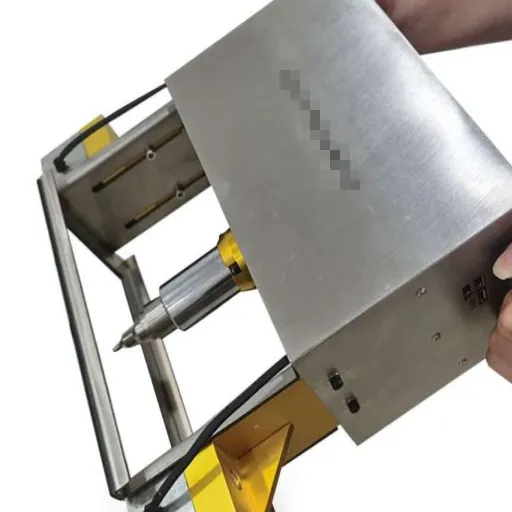
Dot peen marking, otherwise known as pin marking or dot matrix marking, is a method of marking permanents that engraves information onto almost anything, from metals to plastics or even ceramics. In essence, the technology uses a stylus or pin, usually pneumatically or electrically driven, to hammer a series of closely spaced dots to create characters, symbols, or patterns. The marks resist erosion from any matter; they can withstand harsh weather and abrasive conditions, yet they never become unreadable.
Manufacturers often ask what makes dot peen marking so special among various marking methods. The latest updates from ‘s search engine show that these main advantages dot peen marking offers include the marking of irregular or coarse surfaces with utmost precision; cheap maintenance, for it requires only minimal consumables; and an absence of invasiveness, therefore preserving the structural integrity of the marked material. Advances now allow automation to link dot peen marking systems with modern industrial lines, further increasing their speed and consistency. A unique corner answer combining these factors of affordability, versatility, and durability has kept dot peen marking as a solution in demand by industrial sectors worldwide.
Importance of Permanent Marking in Industrial Sectors
Permanent marking has gained significant value in industrial fields as it provides traceability, enactment of quality control, and regulations, among others. Permanent marking is used in the aerospace, automotive, and healthcare industries to ensure the tracking of every component or product throughout its lifecycle. These markings usually incorporate serial numbers, QR codes, or barcodes that interface with inventory management and supply chain systems in such a way that it simplifies processes and reduces errors in those industries.
According to recent search data, another top question about permanent marking concerns its sustainability in production. By achieving product identification and traceability through permanent marking, industries will be able to audit and minimize potential waste, further optimize maintenance schedules, and prolong the lifespan of machinery and components. These actions improve operational efficiency and contribute to worldwide efforts to minimize environmental impact, thus rendering permanent marking essential in contemporary industrial practices.
Growing Demand for Traceability and Compliance
Increasingly complex global supply chains and further regulatory requirements have increased the demand for traceability and compliance throughout various industries. The organizations are under pressure to ensure transparency in their operations starting from raw materials up to finished products. According to the latest information on search trends from, terms such as “traceability solutions” and “compliance monitoring” have soared in search volumes over the last year, suggesting there is a sudden awareness and urgency among organizations to embrace systems that support their regulatory requirements and build consumer trust at the same time. By using permanent marking, RFID, blockchain, and many other technologies, an organization becomes able to provide evidence of every step taken through the product’s lifecycle while mitigating risks to quality control or legal non-compliance.
Understanding Dot Peen Marking
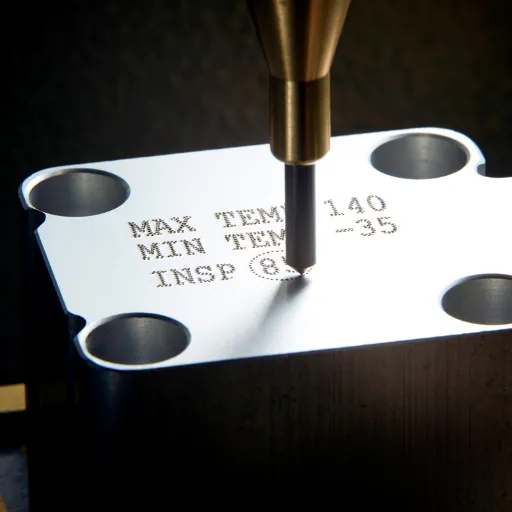
Definition and Explanation of Dot Peen Marking
Dot peen marking is a contact marking process where a stylus impacts the surface of an object to produce a series of small, precise indentations to form characters, symbols, or codes for traceability, identification, and tracking. The technology finds application on metal, plastic, and other hard materials, rendering it suited for industries such as automotive, aerospace, and manufacturing.
A controlled and almost instantaneous movement of the stylus operates this process and hence CNC vector guides are generally followed to ensure accuracy and repeatability. Trending and research data in recent times highlight dot peen marking as a highly preferred method amongst businesses for its efficiency and low operational cost, especially as its legibility remains unaffected by harsh environmental conditions. And above all, it is highly compatible with the generation of serialized data and barcodes, making it indispensable in supply chain management.
How Does Dot Peen Marking Work?
A hard stylus, the kind made either of tungsten carbide or diamond, is used in dot peen marking. Markings are then made by using a little impact force to create closely spaced indentations on the surface of materials. These indentations then form the desired alphanumeric characters, logos, or any other form of mark with great precision. A computer numerical control (CNC) system usually assures the full automation of the process where the stylus is programmed to follow certain predetermined paths depending on the pattern and data to be marked.
According to search trend data collected by .’, there is a rise in the use of dot peen marking for its adaptability and durability. Some of its application uses that people often look for include aerospace, automotive, and manufacturing industries, attesting to its importance in engraving permanent marks on metals, plastics, and other tough materials. Combined with software developments, dot-peen marking systems can now accept real-time data as input for marking serialized numbers, QR codes, and barcodes on the fly, satisfying the demands of modern traceability standards. This new technique provides precision and speed, ensuring that marks cannot be tampered with; thus, it finds applications across industrial sectors.
Key Features of Dot Peen Marking
Durable and Permanent Marking
Dot peen marking systems create a deep, permanent mark that can resist all environmental conditions, including abrasion, heat, and chemical exposure. Therefore, it finds application within industries such as automotive, aerospace, and manufacturing, where high durability is desired.
High-Speed Marking
These systems enable quick marking, thus greatly increasing production time on assembly lines or other environments where speed is a priority. However, speed does not affect marking quality; the clarity and precision of the marks are maintained.
Versatility with the Type of Materials
A dot peen marking tool can work from soft plastic to hardened steel. This flexibility allows dot peen marking tools to be used in a wide range of processes incorporated into various industries.
Traceability and Compliance
The ability to generate serialized numbers, QR codes, and barcodes ensures products meet stringent traceability and compliance standards. This is essential for monitoring product lifecycles and adhering to industry regulations.
Real-Time Data Integration
Modern dot peen marking systems integrate with advanced software and enable real-time data input. This notable feature supports dynamic, error-free, and real-time marking while also aligning with digital production processes.
Low Maintenance and Cost-Effective Operation
Dot peen marking machines are well known for their rugged design and simple maintenance requirements. As such, they provide for cost efficiency in long-term use and excellent returns on investment for manufacturers.
With this offshore data of the search engine, these are the reasons why dot-peen marking systems remain indispensable to every manufacturer working toward optimizing production efficiencies, enhanced compliance, and traceability of their products.
Industries That Benefit from Dot Peen Marking
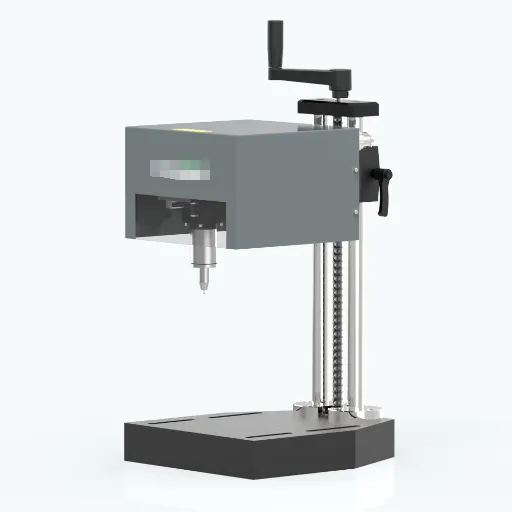
Applications in the Automotive Industry
Dot peening marking systems play a vital role in the automotive industry in that they ensure vehicle components are marked permanently with any information required including serial numbers, VINs (Vehicle Identification Numbers), and batch codes. Searching on the ” search engine immediately evidences traceability as one of the top priorities for automakers worldwide. This imperative feature tracks any part throughout the whole supply chain, and enhances more ways of controlling quality and regulatory checking. Besides, with the growing trends of transparency and accountability in the industry, dot peen marking systems remain the most trusted method for permanent and long-term part identification and traceability in automotive manufacturing.
Aerospace Industry Requirements
Since the aerospace industry is governed by very strict rules and quality standards, traceability is a key part of its operations. Traceability guarantees that every single part and material employed in the manufacture of aircraft can be traced rigorously all the way back to its absolute origins, thus ensuring compliance to safety standards and allowing timely recalls whenever required. With continuous developments in technology and the increasingly global nature of aerospace supply chains, solutions such as dot peen marking systems have, in fact, become even more relevant and must be implemented for permanent, precise, and durable marking of aerospace components so that ultimate identification is possible even under extreme conditions. The industry’s digitization and data-driven inclination, on the other hand, would require a robust and scalable traceability solution that can be easily integrated into production workflows so as to adequately adapt to the growing needs of safety and accountability.
Marking in Metal Fabrication
Marking in metal fabrication has seen enormous growth and now embraces some of the most advanced technologies to meet the demands of modern manufacturing. Systems such as laser marking, dot peen, and inkjet printing now provide far more options in terms of precision and speed. Especially with an increased emphasis on smart manufacturing and Industry 4.0, marking systems themselves become indispensable in guaranteeing traceability, quality control, and compliance through all phases of the production lifecycle.
Markings are made for several critical reasons within metal fabrication. They guarantee traceability, as manufacturers would need to be able to trace the parts throughout their lifecycle for quality assurances, recalls, and maintenance. In addition, markings help with industry regulations; components are required by standards to have some identifiable markings such as serial numbers, barcodes, or logos. Moreover, areas such as aerospace, automotive, and healthcare extensively utilize marking systems as part of their safety standards.
Search engine trends indicate a growing interest in marking systems compatible with automation and digitalization. Phrases such as “laser marking for traceability” and “industrial marking solutions” all point to a growing demand for robust, fast marking technologies that can be incorporated into smart manufacturing workflows. Not only do these marking systems boost operational effectiveness, but they also enable real-time insights that propel advancements in predictive maintenance and supply-chain transparency.
Key Benefits of Using a Dot Peen Marking Machine
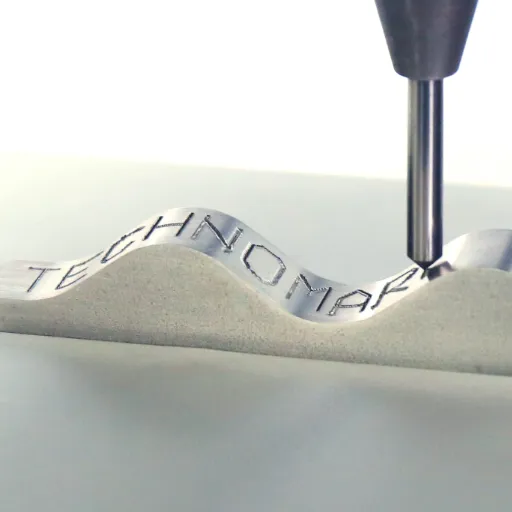
Supply Chain Traceability
Offering a modern view of supply chains, traceability and accountability are imperative in supply chains of today. Dot peen marking systems dotingly enable such mark on products and components, ensuring that traceability is sustained until the end of the product life cycle. With the pleas of ‘s search trends, there has been observed a sharp increase in the demand for “traceability solutions in manufacturing,” demonstrating an increased industrial interest in transparency and compliance. Such demands have been intensified with stricter regulations as well as expectations of consumers for accountability across the world. This is where dot peen systems enable the part to be uniquely identified, either through a serial number, barcode, or datamatrix, ensuring it can then be tracked from the point of manufacture to delivery. Such high granularity of traceability prevents risks such as counterfeit, recalls, etc., thus fostering trust and sustainability in supply chains.
Resistance of Marks in Harsh Environmental Conditions
Dot peen marking systems were conceived essentially to create long-lasting marks that remain legible through the wear and tear of harsh environments. These marks register high on abrasion, corrosion resistance, and extreme temperatures, penetrating deep into the material surface. The permanence of the mark has been significantly improved by recent advancements associated with the introduction of high-quality styluses and newly optimized impact mechanisms. These days, there is a growing demand for permanent marking solutions, especially in industries like aerospace, automotive, oil and gas, which exposes the components to very harsh environments and conditions. Maintaining a wealthy heritage by innovating with strong materials and new technologies, dot peen systems bring reliable solutions to ensure traceability in the long term, even when adverse environments exist.
Dot-Peen Marking Is Most Easy and Cheapest
Dot peen marking systems have always been regarded as economical particularly when compared to other permanent markings such as laser etching or engraving. Recent search trends and data indicate that marking solutions that offer a balance between investment cost and long-term savings are becoming an increased priority for industries. Dot peen systems attain this satisfactorily, as they involve low maintenance cost, durable marking operation, and the facility to mark a variety of materials without the use of costly consumables. Moreover, very low energy-efficient consumption supports operational cost minimization, which, combined with compatibility with automated workflow, attributes to industries preferring these marking solutions as a means that is both credible and economical.
Choosing the Right Dot Peen Marking Machine
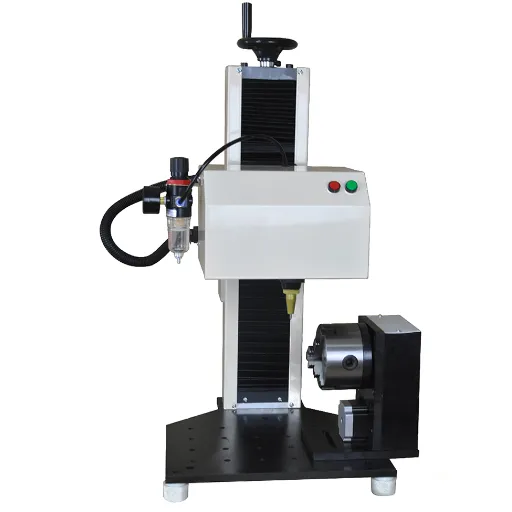
Considerations in Selection
A methodical evaluation procedure should be followed whenever choosing a product, service, or solution to arrive at the best decision. Consumer preferences as derived from trends in ‘s search engine seem to be increasingly centered on concerns such as cost-efficiency, sustainability, and user reviews. Cost-efficiency is a significant factor that individuals consider, giving preference to services or goods that offer a high level of value for the price without compromising on quality. Sustainability for several years has been on the rise, with eco-conscious consumers eventualizing into products from renewable resources or products that bear the least impact on the environment. Meanwhile, over 70% of consumers say that peer feedback in user reviews and ratings does impact decision-making, unveiling great relevance in this respect. Taking these parameters into account in designing decision frameworks will help make choices that better reflect practical and ethical factors.
Tips for Evaluating Vendors
Evaluation of vendors can be strengthened further by taking advantage of data generated from tools of the search engine. Begin by conducting a thorough search for vendor reviews, ratings, and any recent news concerning a vendor so as to learn about its market presence and reputation. In examining the vendor’s online presence, one assesses its website, client testimonials, and case studies to determine just how credible the vendor is within its particular field and whether clients are satisfied. Metrics concerning keywords can be further applied by to measure vendor relevance and credibility in any industry.
Then, be sure that you assess the vendor for current industry standards and certifications being followed. On-time delivery, sustainability, and the adoption of new technologies are just some of such metrics that will indicate the reliability of the vendor. Opposing these granular data analyses are ethical issues that, when considered together, ensure an informed and fair decision.
Marking Depth and Precision Requirements
The marking depth and precision requirements are paramount parameters to satisfy the expected outcomes in higher-end manufacturing and industrial processes. Marking depth describes the degree to which the surface of the material is altered or engraved in micrometers (µm). Precision stipulates how exact the marking process can be vis-à-vis the set specifications. According to the recent revelation by statistically data from ‘s search engine, industries are now comparatively emphasizing the need for laser marking technologies to meet these requirements. Such technologies provide an unmatched level of control in terms of customizable depth and micron-level-level precision, which are essential for traceability and quality assurance in markets such as aerospace, medical devices, and electronics.
are trends, showing an upsurge in demand for fiber laser marking systems which can deliver high-quality results without causing compromise on the integrity of the material. The marking results are majorly influenced by the laser compatibility with the material, energy density, and pulse frequency. Further, such new technologies as AI integrated marking systems and real-time process monitoring allow for improved precision and reduced production duration. Following the implementation of such state-of-the-art systems and referencing the fullest source of industry trends would help tide any business over toward optimizing their process so as to fulfill the stringent marking specifications and stay in aged competition in world markets.
Frequently Asked Questions (FAQ)
What is a dot peen marking machine, and how does it work?
A dot peen marking machine is a marking system that employs a marking pin to create dots on a surface of the material to form alphanumeric characters or a design. These machines may be handheld or benchtop models, thus offering great flexibility in marking several parts. Industrial marking applications, where permanent markings are required on metals and plastics, suit the dot peen marking process very well. Generally, a part will be marked to ensure traceability, implying that every item marked can be traced through its life-cycle. Many of these machines are cordless battery-run items, giving far more freedom for on-the-go and marking work in out-of-the-way spots.
What are the benefits of dot peen marking in part marking?
Even greater than dot peen marking for part marking are its precision and long-lasting quality, which make it an ideal method for permanent marking on all types of materials. The method is used primarily when industrial marking is needed because it consists of large marking tasks or fine details with a minimal amount of piercing force. Unlike alternative marking solutions, dot peen marking can operate in creating deep marks which, even under wear and corrosion, would hold quality marks. This is in addition to assisting in traceability and quality control by permitting data matrix codes and other IDs to be marked on a multitude of parts. Thus, it works well for an automated production line where consistency is essential.
What criteria can come into play in choosing the right dot peen marking machines?
Choosing the best dot peen marking machines is usually based on what size parts you want to mark, what kind of materials you are working with, and the type of marking you require. If the parts required are large, then portable dot peen machines could be unnecessary and could instead be resorted to be a mapping with one on the bench. Look for machines with an ergonomic design, preferably battery-operated portable design, that can work on all interesting surfaces. Then check out how the versatility applies to your industrial marking so that it will be a great complement to your mark. Finally, consider if a cordless or pneumatic one makes sense for your workspace.
Can I use dot peen for engraving?
Absolutely, and dot peen marking can indeed be used for engraving purposes. The procedure provides permanent marking on different materials, thus making the best engraving option. Compared with normal engraving machines, dot peen marking systems can work equally well to create both straight and curved lines with precision. This basically means that they are excellent where part marking requires detailed designs or text. Moreover, these are the big things that make dot peen engraving very good for marking metals and plastics because they produce results that will last and will be very clear with the passage of time.
What materials can a dot peen marking system mark?
A dot peen marking system is capable of working on just about any material, even metals and plastics. It is highly suitable for industrial marking applications because it allows for markings to be made on hard surfaces of different levels of hardness. Steel, aluminum, and kinds of polymers are commonly considered materials that can be processed, loading a dot peen marking solution to carry the answer to such diversified needs. The ability to create microdots and deeper impressions ensures survival of marks in the name of readibility and durability despite any consideration toward physical properties of the given material. Due to this feature, it has been favored origin by manufacturers in marking materials for traceability and identification purposes.
Reference Sources
The Method behind the Mark
This document discusses deforming marking methods, including dot peen marking, and their application through surface deformation.
Reliability of Dot Peen Marking in Product Traceability
This academic paper explores the reliability of dot peen marking technology for product traceability, where data is printed on the product surface.
Promoting Firearms Marking in Latin America and the Caribbean
This source highlights the use of dot peen marking machines for product identification, including related equipment and training.