The demand for durable and premium-grade flexible metal hose conduits for contemporary industrial and commercial purposes is on the upsurge. These conduits have major significance in electrical wiring protection and longevity enhancement apropos of harsh conditions. Do you ever wonder how these important parts are fabricated? This is where the flexible metal hose conduit making machine comes into place. It is a fixture engineered to facilitate fabrication and achieves uniformity and accuracy instantaneously.
This extensive article serves as an informative journey through the technology, procedures, and advantages of these machines. Whether you are a professional in the industry, a producer, or just an individual with an interest in industrial machines, this article contains the useful information on how flexible metal hose conduit making machine works, its developments and importance of such units. Fan-fold the pages and find out how these machines are altering the norms of conduit production expected in the industry and why they are of utmost importance in today’s modern world of efficient production.
Introduction to Flexible Metal Hose Conduits
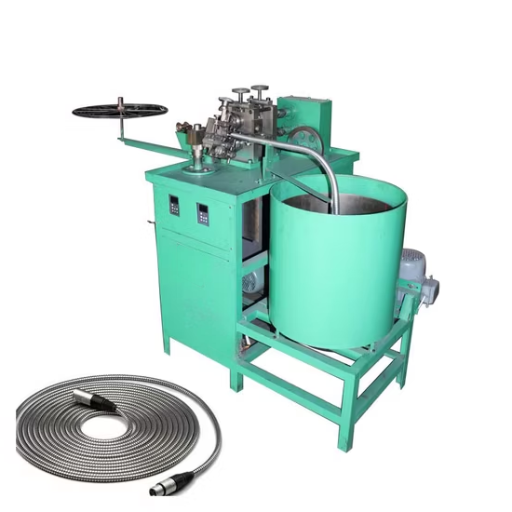
Highly crucial in safeguarding and routing electric wiring in various industrial and commercial applications, flexible metallic conduit conduits are meant to endure harsh conditions such as extremes of temperature and moisture and mechanical stresses, making them panels of choice in selective environments where strength and flexibility have been vital requirements. The conduits have proven to protect the wire and at the same time allow it to go around, adapt, and then become a symbiotic part of a complex system, thereby guaranteeing efficacy in operation and reliability in the wiring system. Due to their versatility in structural design, these are popularly estimated in industries such as construction, automotive, manufacturing, etc.
What is a Flexible Metal Hose?
Flexible metal hoses are among the most versatile components used to safely and effectively convey either liquids or gasses, allowing the transfer of movement, vibration, or thermal expansion. Designed primarily from materials such as stainless steel, these metal hoses are engineered to be flexible and strong through the use of corrugated designs. These hoses find use in myriad industrial, commercial, and residential settings including plumbing, HVAC, chemical processing, and power generation. The flexibility of materials and advances in the production processes allow modern flexible metal hoses to survive in the most extreme thermal environments, high pressure, and corrosive conditions. Largely due to a sturdy and robust structure, capability for wear resistance, flexible metal hoses also have definite usefulness in situations where conventional rigid piping tends to fade.
Applications of Flexible Metal Hose
| Industry | Application |
|---|---|
| Plumbing | For the transport of water, gas, and other liquid in domestic and industrial plumbing installations. |
| HVAC | For the transport of air, steam, or refrigerant in heating, ventilation, and air conditioning systems. |
| Industrial Equipment | For such a system that contains a gas or fluid prescribed for use within a manufacturing or chemical processing plant. |
| Power Production | For fluid and gas transport within power plants and other facilities for energy production. |
| Automobile | Applications include vibration and thermal load-resistant exhaust-systems silencers, fuel-lines hoses, or any other part-component on an automobile. |
Importance of Conduit in Industrial Settings
Conduits are a crucial safety and efficiency feature inventoried in industrial operations. They secure electrical cables, fluid-flow systems, and significant infrastructure from physical and environmental threats such as dampness, heat, or harmful substances. Depending on the application-industrial design, energy generation, automotive-there is a clear trend towards the search for robust and corrosion-resistant conduit materials. This is very well in harmony with the global tendencies favoring sustainable operations and responsible manufacturing. As a pitfall reducer, the conduit provides great support concerning improving uptime, managing costs, and maintaining conformity with regulatory requirements in especially demanding industrial scenarios.
Understanding the Flexible Metal Hose Conduit Making Machine
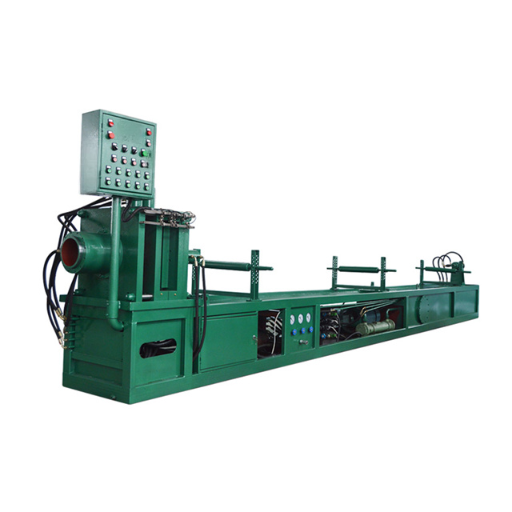
Types of Flexible Metal Hose Conduit Making Machine
|
Type 01 Corrugated Tube Forming MachinesThese machines are developed to profile metal strips to corrugated-fluent sheet, making it a perfect solution for creating hoses that can withstand high temperatures and high pressures as well as hose that are flexible. |
Type 02 Braiding MachinesBraiding machines wind metallic wire up tightly on top of the hose and supply shield against external mechanical abrasion. At the same time, the hose remains flexible. |
|
Type 03 Welding MachinesWelds obtain more strength than or in the same way as its proper material. The welding process becomes very essentially secondary to assuring a stable conduit for industrial variations. |
Type 04 Cutting MachinesThese machines cut corrugated flexible metal hoses in precise dimensions; they have been carefully designed to allow for variations in product length, allowing sizes based on specific criteria. |
Each machine plays an essential role in the production process, guaranteeing that the final product will meet all of the stringent performance and reliability requirements.
Components of a Flexible Hose Making Machine
- 01
Forming Unit: Form the metal strip into the corrugated or helical structure necessary for flexible hose. - 02
Locking Mechanism: The locking mechanisms will ensure the metal strip is coiled consistently and tightly, ensuring both durability and flexibility. - 03
Welding System: Edges of metal are joined tightly to one other to produce a sealed pipe. - 04
Cutting Unit: Cuts the hose to the required length with accuracy and precision to assure uniformity between the products. - 05
Testing Setup: A pressure and durability test on the end-products ensure good performance of the hose.
These fundamental components work concomitantly to deliver high-quality flexible metal hoses ordinance efficiently and reliably.
Working Mechanism of Hose Forming Machines
A metal hose-forming machine is a device by which flexible metal hoses are shaped and assembled for a sequence of automation. The entire event begins with the raw material metal strips or planes being fed into the forming system, where rollers or special tools shape the material into a cylindrical structure to give the hose its basic tubular form while greatly concentrating on its precision and safety.
After the metal is formed, the forming and welding systems join each edge of the material to create a well-sealed and continuous tube, being tight enough to withstand different pressures and conditions. After the welding, cutting unit cuts the hose into certain lengths to make sure their smooth and homogeneous flow on different working uses.
The performance of the hoses is then carefully reviewed in a product testing station. The tests evaluate the hoses for their burst pressure, pliability, and general durability in order to determine if they meet the best industry-recommended practices. The elaborate care of these highly controlled processes ensures the reliable production of high-quality hose finished products for use in industrial and commercial enterprises.
Features of Flexible Metal Hose Conduit Machines
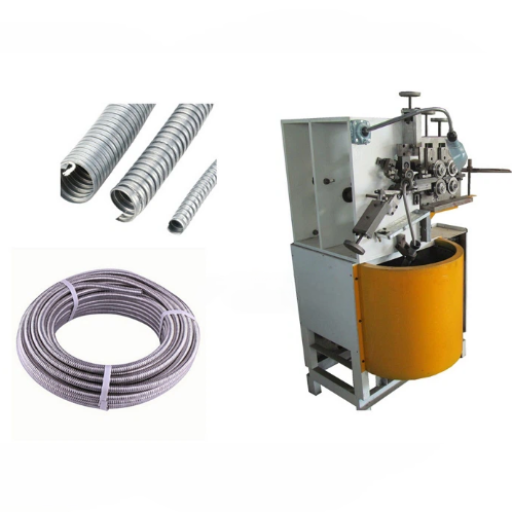
Key Specifications to Consider
| Specification | Description |
|---|---|
| Material Compatibility | The machine need to support a number of alloy materials including stainless steel, for various applications required. |
| Range of Hose Diameters | For both smaller and larger projects, it is mandatory to check the variety of hoses variously-sized machines can handle. |
| Production Speed | Some models are adjustable to several speeds, while machines capable of running at differing speeds maintain perfect levels of efficiency without threatening quality. |
| Precision & Accuracy | All systems should also manage with fine precision the close tolerance range of dimensions for every industrial performance. |
| Ease of Usage | Ease of usage is easily quantifiable via simple controls and interfaces, thanks to some premium features like no other in accommodating installation processes and day-to-day running. |
| Dependability & Maintenance | The best machines are those that can run with minimum downtime yet requiring occasional repair and maintenance. |
| Safety Features | With features integrated to handle safety issues such as critical stop, the industry must also provide similarly substantial safety options. |
Material Options: Stainless Steel vs. PVC
For flexible metal hose conduit machinery, use either corrosion-resistant stainless steel or PVC according to the specifications and the intended purpose.
| Stainless Steel | PVC |
|---|---|
| Very durable material with high temperature resistance, commonly applied in industries where environmental extremes occur. | Offers a lighter, less costly, but also a less versatile alternative. |
| Remains a fine choice for applications whereby high corrosion resistance is necessary, primarily when exposed to chemically laden elements, moisture, or both. | Highly moisture-resistant; thus, suitable for some chemical-exposure applications. |
| Its durability enables it to sustain being pressurized, hence ensuring a long service life in working applications. | Less sturdy, but more flexible and convenient for complex route runs. |
| High cost attribute can be an obstacle in economic considerations. | Unable to bear high temperatures and pressures like stainless steel; not suitable for heavy-duty industrial applications. |
Scope for Consideration
The judgment whether to use stainless steel or PVC hugely depends on what the applications specifically require. It can be concluded that stainless steel is the best answer in cases of heavy-duty operations demanding durability, corrosion protection, and its ability to survive in any kind of condition. In contrast, it may well be PVC in those instances where cost efficiency, ease of fabrication, and handling top the priority arrangements, given that the applications are not very demanding. Background factors including the functions, environment factors, and cost factor guide the total decision-making process.
So, balancing considerations will help in optimizing the performance and engineering on the different flexible metal hose machines.
Interlock Mechanism in Hose Machines
The hose interlock serves as a vital component to ensure that a metal hose assembly is able to withstand the rigors of operation: hisses, temperature, and installation. In an admittedly crude way, this interlock is where the edges of metallic strips are interlocked together as the material is manufactured and eventually acquires low-maintenance characteristics. By applying this procedure, the hose has gained enough structural integrity to face whatever onslaughts that are posed by high pressure, varying temperatures, and mechanical stress.
New machines generally employ an array of up-to-date and sophisticated technologies in interlocking, becoming unabashedly prolific in labor-saving fosterage; these novel technologies may include, besides precision tooling and automation, laser welding. The details of the design, such as the interlock type (i.e., single or double), will vary according to the requirements of the intended application, e.g., flexibility, resistance against vibration and corrosion. This makes it possible for manufacturers to respond promptly to the requirements of the different industries for hoses like petrochemicals, gas distribution systems, and mechanical engineering solutions for heating, ventilation, and air conditioning systems.
Merging the interlock with material selection and efficient manufacturing controls provides the flexibility required by metal hose machines to achieve performance standards as well as long-term reliability under extremely diverse operating conditions.
Manufacturing Process of Flexible Metal Hoses
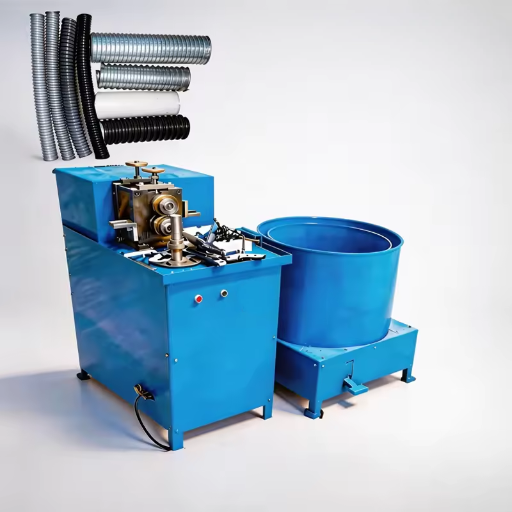
Raw Materials Used in Flexible Metal Hoses Production
Flexible metal hoses generally consist of metals of superior quality such as stainless steel, brass, or bronze, all well renowned for their durability, corrosion resistance, and flexibility. The most frequent use for stainless steel is its durability; it is recommended for high pressure and heat applications of media where strength is of utmost importance. To enhance a property like more heat resistance or flexibility, special alloys may also be used. In this case, raw material is picked according to the need of the application, hence ensuring the last acceptable product for operation and environmental conditions.
Steps in the Flexible Metal Hoses Forming Process
-
1
Materials Selection
This manual procedure starts with the materials selection process, where high-quality raw metals—such as stainless-steel materials or custom alloys—are considered for the desired performance characteristics.
-
2
The Corrugations of the Tube Being Formed
The metal is fabricated into corrugated tubes with an optimum level of flexibility and strength to withstand the environmental pressure created.
-
3
Joining of Ends Through Welding
The ends are either joined or welded to create the make-up of the hose, meaning it remains leakage-free as well.
-
4
Braiding of Circuitry
The corrugated tube is braided with metallic cover to enhance its strength against pressure and prevent transmutations under stress.
-
5
Attachment of Fittings
Interlocking screws, flanges, or any other connectors, after each fastening of the fitting, are crimped on either end of the hose, bringing it together for clear installation kits and systemic prowess.
-
6
Pressure Testing
Each hose is stringently tested at high pressures to ensure the stability of the material and to comply with the most demanding safety features.
-
7
Final Quality Testing and Packaging
Quality assurance inspections are conducted on each hose before they are packed up and dropped off to customers.
Quality Control Measures in Flexible Metal Hoses Manufacturing
Quality control of flexible metal hoses necessitates following stringent processes to ensure safety, reliability, and performance. The quality control process consists of:
-
Materials Inspection
Inspection of raw materials is fundamental to distinguish stainless steel and alloys from one another. It is performed to verify abidance by industry standards set to guarantee quality and strength in terms of the chosen metal and corrosion resistance and remain capable of flexibility in any form. -
Dimensional Accuracy
Each hose receives a measurement against recognized specifications, ensuring that lengths, diameters, and wall thicknesses shall be double-checked and shall conform perfectly to the actual dimensions. Therefore, the hose once finished shall fit perfectly to the intended system, minimizing risks of failure during operation. -
Integrity Testing of Welds
All welds are subject to non-destructive tests, either X-rays or ultrasonic examination, as welding is a critical part in the hose assembly. The purpose of this step is to identify whatever weak areas between the welds could be challengeable to the hose’s operation. -
Pressure and Leak Testing
Hoses are subjected to high-pressure tests to examine their fulfilment of specified rating values of pressure under hydraulic or pneumatic conditions. Helium or air is also checked for poor leakage testing cycles, which are more sensitive and detect extremely fine leaks. -
Cycle Testing
To check flexibility and durability, hoses are subjected to repeated bending or vibration tests to check for their actual use under these harsh test conditions. This then helps to ensure good life fulfillment. -
Surface and Visual Inspection
In the final stages, every item will be subjected to a full visual inspection to look for blood spots or fatigue cracks in their cover with the naked eye up to 20 in. away. A final set of visual assessments will also be given to ensure state inspection on fitting points and engagement items.
The importance attached to these essential quality checks shows that flexible metal hoses are safe, durable, and up to the most responsible use in the industrial, aerospace, and medical industries.
Advantages of Using a Flexible Metal Hose Making Machine
|
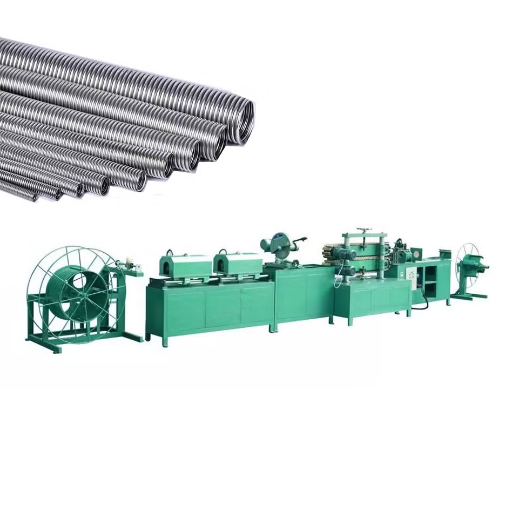
Advantage 01 Efficiency and Production SpeedFlexible metal hose making machines boost the production efficiency by automating complex processes. Making the processes automatic also translates into less manual labor, minimized errors, and assured uniformity in standards of production. Despite having the feature of continuous operation and precision, these machines serve in the mass production of highly durable hoses in slightly lesser times with the sole target of keeping up with fastidious production schedules. This speed of production is further promoted due to the advanced features that come with automatic cutting, shaping, and welding capabilities. These create a facility to significantly increase the production process and respond to any production needs or demands prompted by the products’ requirements exceedingly quickly. This efficiency pertains to not only a reduction in time taken in rolling over operations, but also in reducing machine use cost coupled with a greater efficiency level, ensuring greater productivity. Also allowing for adjustability in metal hose making machines as far as the makers can produce perfection in large. This adjustability is empowered by industries with wide-reaching needs. This is essentially what pays heed to time, having an emphasis put chiefly on offering timely response towards diverse customer needs that renders a basis toward being able to remain competitive nevertheless. Since great hosemakers should integrate speed and efficiency in the process, the machines are important in modern hose manufacturing. |
Advantage 02 Cost-Effectiveness in ManufacturingFlexible metal hose- making machines offer significant price effectiveness while providing efficiency, precision, and longevity. These two machines ensure minimal wastage of raw materials through precisely controlled cutting and shaping, thus guaranteeing reduced operational costs. Because of their automation, labor costs are decreased as manual intervention is kept to a minimum. New standards of energy efficiency have been implemented through advanced design features and the implementation of electrical and mechanical energy-saving mechanisms; this ensures lower costs per unit over the machine’s useful life. Their solid construction provides a durable machinery life while reducing the necessity of frequent refurbishments or costly replacement of parts. Cutting-edge advancement is adopted by the manufacturers, hence the machines allow the making of a high-quality hose at a reduced cost thereby maintaining competitiveness in the market. |
Advantage 03 Customization Options for Different ApplicationsFlexible metal hose-making machines allow for extensive customization to meet the varying demands of different sectors. In conjunction, such machines are capable of making hoses with the lengths, diameters and materials that could possibly meet the plethora of applications ranging from industrial settings to household uses. They also incorporate unique design features such as the option of corrugated patterns or the having of special fittings to suit complex systems. This revolutionary feature allows them to modulate easily to meet market demands and sell custom products, thus not affecting the quality and efficiency. |
Frequently Asked Questions (FAQs)
Reference Sources
-
Failure Analysis of Flexible Metal Hose at Compressor Discharge – Investigates the performance and failure mechanisms of flexible metal hoses, providing insights into their design and manufacturing considerations.
-
Materials, Fabrication, Installation, and Applied Mechanics Considerations in the Catastrophic Failure of a Flex Hose Bellows – Discusses the materials and fabrication processes involved in flexible metallic hose systems, relevant for understanding manufacturing techniques.
-
Failure Analysis of Flexible Metal Hose at Compressor Discharge (Academia) – A detailed study on the effects of design and material choices on the performance of flexible metal hoses.
- Food Machine and Extruders Provider in China