When discussing engraving and metal marking, precision and efficiency are the primary considerations. All of these can be achieved using a fiber-optic laser engraving machine. This remarkable invention is changing how high-quality marks are made on various metal surfaces. Whether your work is in manufacturing, jewelry design, or industrial production, this modern technology delivers exceptional accuracy and durability. But the question is: what makes fiber-optic laser engraving so revolutionary? This blog post is going to discuss all the capabilities of these machines, their advantages over the traditional methods, and the numerous applications the technology can allow. Get ready to learn how this powerful tool is transforming industries with its precision, speed, and versatility.
Introduction to Fiber Laser Technology
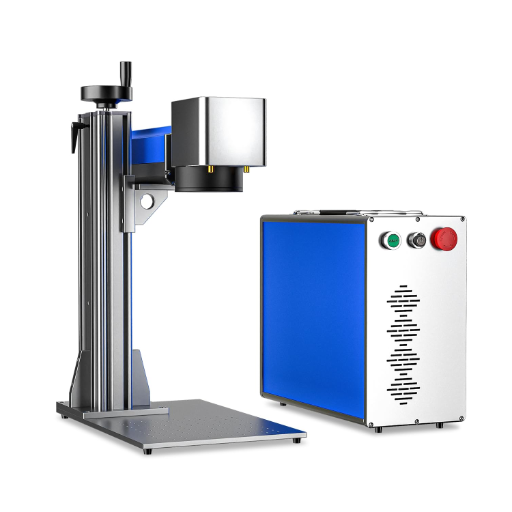
Fiber laser technology uses optical fibers as the gain medium to amplify light. This technology has established itself in the laser industry for its precision, efficiency, and longevity, making it suitable for engraving, cutting, and marking a range of materials. Fiber lasers, unlike conventional lasers, consume less power and have a longer operational lifetime with minimal maintenance. Their ability to produce less residue and deliver more precise results has made them a standard tool across sectors such as production, aviation, and diamond shaping.
What is a Fiber Laser?
A fiber laser is a laser system that uses a rare-earth-doped optical fiber as its active gain medium. In this case, rare-earth elements such as neodymium, erbium, and ytterbium are used as dopants. The process begins with light amplification via stimulated emission in the fiber core, which is pumped by diode lasers.
Fiber lasers are recognized for their outstanding beam quality, high energy efficiency, and space-saving design among other benefits. They serve multiple purposes, allowing the creation of both CW and pulsed laser outputs with high precision. Due to their reliability and flexibility, these lasers have become integral to industries such as metal production, telecommunications, medical equipment, and 3D printing.
Recent advances in fiber lasers have increased their power and performance, solidifying their position as among the most essential innovations in laser technology.
How Fiber Laser Engraving Works
⚡ The Engraving Process
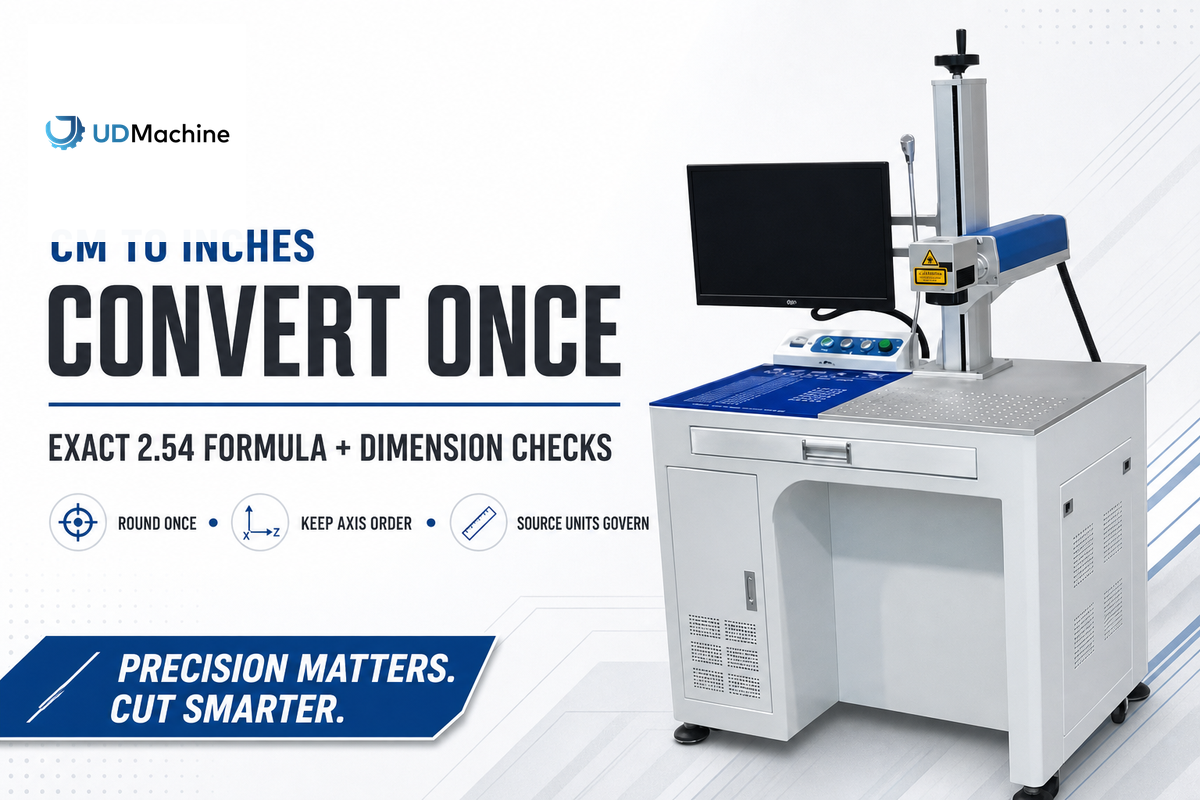
Fiber laser engraving operates by manipulating the material’s surface with a very precisely pointed light beam. The first step in this process is a fiber laser that generates a concentrated beam, which then reaches the material’s surface using mirrors and lenses. This intense beam of energy either removes material in layers or heats it to a sufficient temperature to achieve contrast, producing the desired effect of permanent markings. The fiber laser’s accuracy enables it to produce extremely precise engravings, making it well-suited for delicate designs or even text.
🔧 Technology Advantages
The latest fiber laser technology offers the promise of efficiency and versatility across a wide range of materials. Among metals, fiber lasers excel on stainless steel, aluminum, and titanium, while for certain plastics they are on par with the best. Besides, they operate at light speeds, which are way faster than the traditional methods, thus engraving time is cut down significantly.
Their non-contact mode of operation not only prevents wear and tear on both the machine and the material being engraved but it also prolongs the life and cost-effectiveness of the machine. All these attributes have made fiber laser engraving one of the most dependable tools in industrial marking, manufacturing, and creative applications.
Unique Features of Fiber Laser Machines
🎯 High Precision
With its narrow laser beam, the machine can engrave and cut with high precision, including complex designs.
⚙️ Low Maintenance
Being exceptionally user-friendly, fiber lasers require little maintenance due to their construction without moving parts and consumables like replacement lamps.
💡 Energy Efficient
These lasers consume very little power, reducing electricity bills over time and delivering significant cost savings.
🔄 Versatile Applications
Their ability to cut or engrave different materials like metals, plastics, ceramics, etc. confirms their suitability for various applications.
💪 Durable Construction
Long lifespan and rugged construction deliver a reliable solution for both heavy industrial use and beautification projects.
All these characteristics make them the most recommended option for enterprises that prioritize speed, precision, and efficiency, which are non-negotiable in today’s competitive market.
Applications of Fiber Laser Engraving Machines
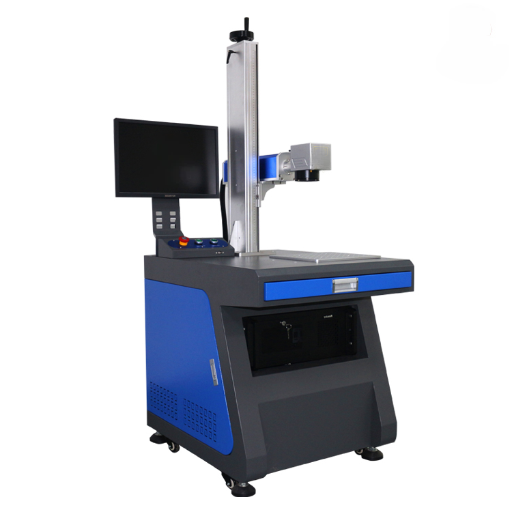
- 🚗 Automotive Industry
Fiber laser engraving machines are used to mark components such as engine parts, VINs, and tools with high precision and durability.
- ✈️ Aerospace Sector
They are used to engrave essential components that must be traced and meet industry standards.
- 💎 Jewelry Engraving
The machines produce detailed, intricate engravings on metals, making them suitable for personalizing jewelry pieces.
- 📱 Electronics Industry
Fiber lasers have been significantly improved to label electronic components, circuit boards, and devices with high precision.
- 🏥 Medical Equipment
The machines are used to engrave permanent and sanitary markings on surgical instruments, tools, and medical devices.
💎 Jewelry Industry
One of the significant applications of fiber laser engraving machines is in the jewelry industry, where they can produce highly detailed, precise designs on a range of metals. The machines are suitable for engraving names, dates, logos, and patterns on items such as rings, necklaces, and bracelets, providing a strong personalization option.
Moreover, the power of laser technology is that it causes no damage to delicate materials; hence, the final product is clean and high-quality. Thus, machines of this kind are essential for manufacturing customized, high-quality jewelry.
🚗 Automotive Sector
The automotive sector is increasingly shifting toward fiber laser engraving machines, driven by their high precision, longevity, and efficiency. Essential information, such as serial numbers, barcodes, QR codes, and logos, is marked on vehicle components using these machines.
Because it is a non-contact process, even the most complex or fragile components receive the marking without affecting their quality or causing wear. Besides, fiber lasers are the best engravers to work on the materials that are widely used in making cars, such as steel, aluminum and plastics.
The very high level of accuracy and durability of the markings contributes to the ability to trace, to the meeting of industry standard requirements and to the counterfeiting prevention. Their compatibility with high-speed production floors is also why they have become an indispensable tool in the modern automotive sector.
🏥 Medical Devices and Electronics
Medical Device Applications
Engraving with fiber laser machines is providing significant support to the medical devices industry due to the precision and high-quality markings they can produce. The medical devices, for instance, are regulated to a great extent and the FDA’s Unique Device Identification (UDI) system is one of them, which stipulates that the devices are to be marked in a manner that is permanent, legible, and traceable to patients and effective recalls, if any, are done. The fiber lasers are able to comply with these strict and tough regulations by giving the very clear and durable engravings on surgical tools, implants, and other medical devices that would not affect the material’s integrity at all.
Electronics Industry Applications
Fiber lasers in electronics are used to mark delicate components such as circuit boards, microchips, and connectors. These machines can create wonderful engravings that include serial numbers, QR codes, and logos, with the latter being critical for traceability and brand protection. Moreover, the non-contact marking process protects sensitive components, preventing product quality issues. In addition, the versatility, efficiency, and adaptability of fiber laser engraving machines have made them a must-have for promoting these highly regulated, innovative sectors.
Benefits of Fiber Laser Engraving Machines
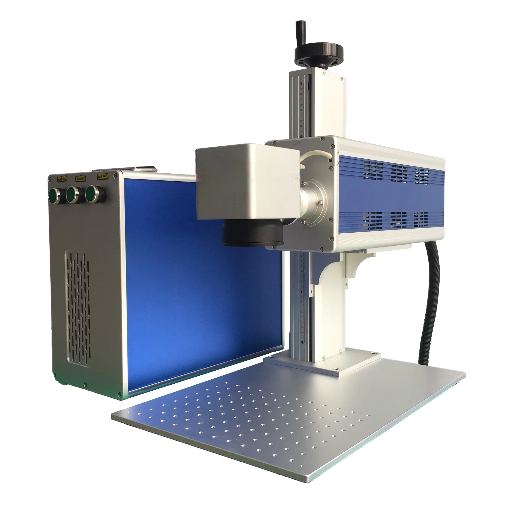
✨ High Precision and Accuracy
Fiber laser engraving machines are the only technology capable of delivering detailed, intricate designs on a wide range of materials.
🔧 Non-Contact Processing
The operating principle of laser technology is that it does not come into contact with the material, eliminating the risk of damage or wear to either the product or the machine.
🛡️ Durable Markings
The engravings are not subject to extinction, through the process of neglect or wear, thus guaranteeing a long-lasting quality and traceability.
🔄 Wide Compatibility
Thus, these machines can be used to engrave metals, plastics, ceramics, and many other materials, offering high versatility.
🌱 Eco-Friendly
Fiber lasers deliver the lowest possible energy consumption and the lowest maintenance requirements, lowering operational costs while protecting the planet.
⚡ Increased Precision and Speed
Fiber laser machines have become the talk of the town because of their outstanding precision and processing speed which are the main factors in modern manufacturing and industrial applications. These machines use cutting-edge laser technology and can produce tiny, detailed engravings, introducing minimal errors even on complex designs. Moreover, with their fast running, production time is significantly reduced, resulting in higher efficiency and lower non-quality. This union of precision and speed turns them into a must-have tool for the likes of automotive, aerospace, and electronics industries where accuracy and productivity are the prime factors.
💪 Durability and Longevity
Fiber laser engraving machines are designed for the longest operating life, making them the most cost-effective for companies over the long term, as they require few repairs and have a shorter maintenance cycle. Lasers that cut or engrave the material with precision use solid-state technology with very few moving parts; therefore, mechanical wear and tear is minimal. Maintenance requirements are lower, and machine lifetimes increase. Moreover, fiber lasers typically have a long source life of up to 100,000 hours, ensuring consistent performance over extended periods.
Moreover, the flatness of these machines enables them to deliver both precision and efficiency in demanding industrial environments. The strong materials used in building the machines are resistant to corrosion, heat, and dust – the three main causes that usually lead to the deteriorating state of other equipment. Industries that invest in fiber laser engraving machines can reduce downtime, lower repair costs, and ensure long-term reliability, making them a key contributor to modern manufacturing processes.
Comparison with Other Engraving Methods
Fiber laser engraving machines can be compared to other methods such as CO2 laser engraving, mechanical engraving, and diode laser engraving.
Choosing the Right Fiber Laser Engraver
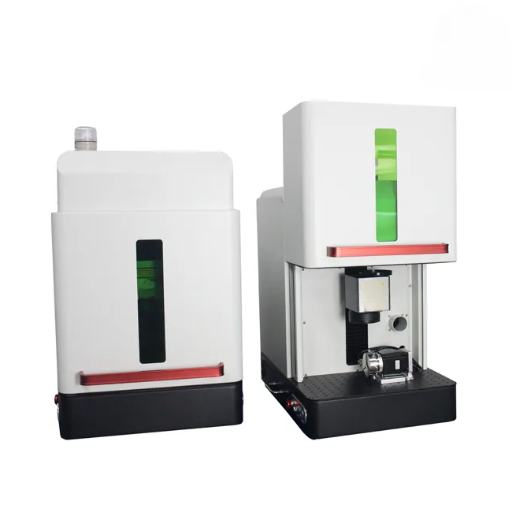
Your decision should be based on your primary concerns and key factors such as speed, versatility, durability, and cost efficiency. The ideal solution for high-speed operations, with low maintenance and long-lasting use, is a metal or non-metal fiber laser engraver. If depth of engraving or versatility is your top priority, prioritize machines that excel in those areas. Evaluate your electricity consumption along with your financial limitations to ensure the most likely match with your necessities and at the same time practice power and quality.
⚡ Power and Performance Considerations
Power and performance are the primary factors to consider when choosing a fiber laser engraver to achieve excellent results. According to the latest data and trends, 20W and 50W laser output powers are most commonly used for metal and plastic engraving, often described as a balance between speed and detail. Laser power ratings of 100 W or higher are more appropriate for industrial applications that require cutting thicker materials. The system’s pulse frequency and power stability are critical, as they affect engraving accuracy and consistency.
New developments identified in the latest searches underscore the need for robust software integration and the ability to work with multiple design formats. Brands like Epilog and Raycus, which have excellent customer support and are reliable, are often recommended for their performance. Consider the type of projects you will run—highly customized engravings or mass production—and select the laser power range and features that best suit your needs.
💻 Software Compatibility
When choosing a fiber laser engraving machine, one of the most important factors is the software’s compatibility with your design tools. The engravers who can handle standard file formats such as .AI, .DXF and SVG should be prioritized. These formats are widely used in software such as Adobe Illustrator, AutoCAD, and CorelDRAW. Depending on your setup, compatibility with both Windows and macOS may be essential. Choose software that not only has an easy-to-use interface but also offers customization and updates that keep functionality high and operations smooth. In addition, reliable software technical support is necessary to resolve any issues that may arise quickly.
💰 Cost-Effectiveness of Laser Engraving Machines
The laser engraving machines’ accuracy, productivity, and low operating costs result in strong overall cost-effectiveness. They allow a company to dispose of almost all engraving materials, saving money over time. In addition, the machines’ longevity and reliability are coupled with already low maintenance and repair costs. The initial outlay can be hard to bear but the savings over time and the machines’ ability to create value through customization and detailed work more than compensate for it, thus making it a financially sound option for various industries.
Maintenance Best Practices for Fiber Laser Machines
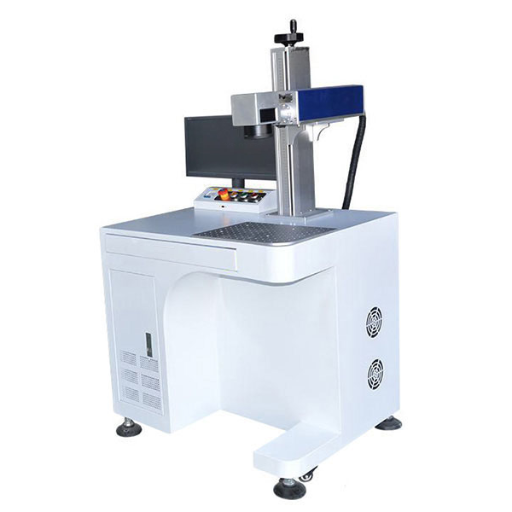
Fiber laser machines’ maintenance includes cleaning activities that have to be done often on the optical parts, so that no contamination occurs, and best performance is reached. Cleaning the machine’s environment by removing dust and controlling the cooling system are steps in monitoring temperature levels. Regular inspection and replacement of worn components, including nozzles and protective lenses, are also performed. Moreover, adherence to the manufacturer’s maintenance schedule and the use of high-quality materials and parts are essential. Operator training can help prevent improper handling and extend the machine’s life.
🔍 Regular Cleaning and Inspection
Regular cleaning and inspection of the machines are essential to ensure efficient operation and extend their service life. The most common questions concern cleaning frequency and the prioritization of specific areas. In an ideal world, every machine would be cleaned after each use, preventing performance degradation from dirt and residue.
The areas of the machines where the wearing and blocking are most likely to happen should receive a lot of attention like filters, vents, and mechanical joints. Checking for rust, cracks, or misalignment during a cleaning session can help identify potential issues early. A thorough cleaning and inspection schedule can help reduce downtime and keep the machine in optimal condition for an extended period.
⚙️ Calibration and Software Updates
For the sake of precision and consistent operation of fiber laser machines, I regularly perform calibration and update the software. Calibration is the process of setting the system to a specific, accurate laser point for cutting or engraving. I perform this in accordance with the manufacturer’s instructions, using any necessary tools or software. Also, I monitor software upgrades to ensure I receive new features, security improvements, and bug fixes. These upgrades typically improve the machine’s efficiency and performance, so I always install them directly from the manufacturer’s official website as the first step. By using these methods as part of my maintenance routine, I can consistently deliver high-quality results while extending the machine’s lifespan.
🔧 Extending the Life of Your Laser Engraver
🧹 Regular Cleaning
The laser and its moving parts may begin to perform less effectively due to accumulated dust and debris. To prevent this, regularly clean lenses, mirrors, and other components using the appropriate tools and materials.
🌬️ Proper Ventilation
Adequate ventilation for the machine is critical to preventing overheating and efficiently removing fumes. In addition to maintaining a safe working environment, adequate ventilation also protects components.
⚡ Use Recommended Settings
It is advisable to always use the laser engraver at the manufacturer-recommended speed and power settings. Operating the machine beyond its capacity can cause it to wear out and shorten its lifespan.
🔍 Inspect for Wear
Conduct monthly or scheduled checks for wear on belts, bearings, and other moving parts. If any parts are worn, replace them promptly to prevent further damage.
📅 Schedule Maintenance
Following the manual’s schedule is vital, including lubricating moving parts and performing realignment checks. Routine maintenance ensures the machine’s accuracy and durability.
By implementing these basic steps, you can maximize your laser engraver’s performance and extend its lifespan.
Reference Sources
-
Investigating the Settings of Fiber Laser Machine to Mark Black Acrylic
- Explores the quality and speed of fiber lasers, highlighting their efficiency in prototyping and production environments.
-
A Review on Laser Engraving Process
- Examines the use of Yb:YAG fiber lasers for machining C45 carbon steel, analyzing material removal rates and surface roughness.
-
Fiber Laser Marking, Engraving, and Cutting Machines
- Discusses the unmatched efficiency of fiber lasers compared to CO2 and YAG lasers, emphasizing their higher electrical-to-optical conversion efficiency.
-
Parameter Characteristic of Desktop Laser Engraving Kit – A study using Taguchi orthogonal analysis to explore the impact of parameters on laser engraving processes.
- Top CNC Laser Marking Machine Manufacturer and Supplier in China
Frequently Asked Questions (FAQs)
❓ What exactly is a fiber laser marking machine and what are the differences between a diode laser and it?
A fiber laser marking machine uses an infrared laser source, typically a master oscillator power amplifier (MOPA) or a standard Q-switched fiber architecture, to mark and etch metals and certain plastics. Fiber lasers, when compared to diode lasers and diode dual laser engraver systems, present superior beam quality, higher laser energy density, deeper engraving capability and good performance for metal engraving and marking. The fiber markers find their place in the industrial application, marking of metal parts, stainless steel, aluminum and other hard materials; diode lasers are, on the other hand, typically used for low-cost portable laser marking and some non-metal applications.
❓ Can a fiber laser engraver for metal do deep engraving and what power is required?
Yes, fiber laser engravers for metal can achieve deep engraving, depending on power and spot size. Twenty- or thirty-watt fiber lasers are sufficient for gentle etching and color marking; for deep metal engraving and high production volume, choose sixty-watt or higher models. Deep metal engraving requires high-quality beams, precise focal points, and, in some cases, a galvo fiber or a galvanometer-based laser head for fast, accurate strokes. Furthermore, cooling, fixturing, and proper laser energy control must be considered to achieve deep metal penetration consistently.
❓ What is MOPA fiber laser and when should you select a MOPA for color marking?
MOPA (master oscillator power amplifier) fiber laser grants fixed and variable (in terms of duration and frequency) pulse, thus, making the difference between color marking, annealing, and subtle contrast on metals like stainless steel without coatings. A mopa fiber laser is always the right choice for color engraving, fine texturing, and when you need versatile metal marking and high-precision laser effects. It’s standard practice in sectors that require decorative color marking, serialization, and multi-tone etching of hard materials.
❓ Is a fiber laser machine with rotary suitable for cylindrical metal parts and how does the rotary work?
Cylindrical metal parts such as rings, tubes, and shafts are ideally suited for a machine with rotary. The rotary attachment secures and spins the workpiece, while the fiber laser marker or engraver performs etching along the circumference. With a compatible controller (LightBurn is compatible with most), the setup enables accurate wraparound engraving, engraving on curved surfaces with the marker, and deep engraving for metal applications.
❓ What are the safety considerations that I should follow when using a laser marking machine based on fiber technology?
Laser safety is of utmost importance. Always wear the proper protective glasses for the laser wavelength (infrared for fiber systems), build enclosures, set up interlocks, provide adequate ventilation to control fumes from cutting and engraving, and comply with local laser-use regulations. Teaching the operators about focal adjustments, being aware of beam quality and safe handling of metal parts and rotating fixtures will minimize risk. For high-power units (60w and above), make sure access to the work area is controlled and proper cooling systems are in place.
❓ What is the degree of compatibility between fiber laser markers and LightBurn software?
Today, fiber laser markers and laser marker heads can be paired with LightBurn, alongside other engraving laser control software, enabling features such as job preview, speed and power control, and rotary support. A LightBurn-compatible machine addresses the challenges of cutting and engraving by controlling parameters such as focal point, pulse settings (a critical factor for mopa fiber lasers), and galvo calibration, enabling full customization and optimization of the setup. One should consider investing in engraving machines that include proper documentation, easy maintenance, and support for high-speed engraving to ensure maximum productivity.