Sustainable and all-natural product consumption is trending globally, and cellulose fibers are among the most sought-after and innovative materials on the market today. From textiles to packaging and construction, and the most recent addition – biopolymers – the range for cellulose use is wide, and its use is unavoidable for a greener earth. It is precisely at this point in the process that cellulose-handling equipment is utilized, enabling the deployment of advanced manufacturing technologies to transform cellulose into high-quality fibers, rather than low-quality ones, in a more efficient and environmentally friendly manner. This work examines the actual issues of creating cellulose fibers, including the most modern machinery and technologies, while also focusing on the causes that compel such actions. Hence, such a paper is likely to appeal to specialists who propose new strategies for obtaining or using this biopolymer, as it serves as a review of ongoing and contemporary achievements in the specified range.
The Importance of Cellulose in Modern Manufacturing
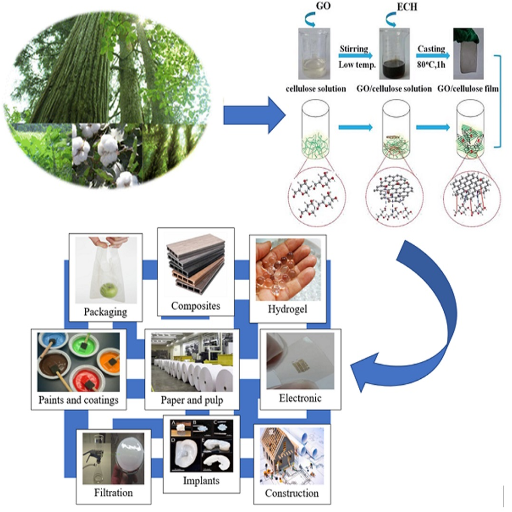
Cellulose has been an essential component in the production of numerous products in modern industry, a result of its abundance, wide application, and pure environmental friendliness. Being closely related and synthesized in plants, it is referred to as herbaceous plants and vegetable cells. It can also be synthesized from wood, which is grouped as a hydrocarbon source or a fiber with entangled cellulosic material, serving as a source for textiles, packaging, and building materials, also known as wood. On the other hand, because it is easily degradable, it can be an excellent substitute for petroleum-based polymers. Therefore, lessening that burden on the environment. Innovations in processing technology have led to a broader range of applications for cellulose, resulting in the production of lightweight, strong, and eco-friendly goods that serve these specific purposes. It is clear that the viability of ecological production methods, as well as any development and research practices, requires the application of all available resources; in this case, cellulose is a primary resource.
Understanding Cellulose and Its Properties
Cellulose is a naturally occurring polysaccharide composed of glucose molecules linked by β-1,4-glycosidic bonds. It exists in plant cell walls and is the most abundant biopolymer in the world. Here are a few of the many attributes of cellulose:
- Biodegradability
It can be appreciated that cellulose is biodegradable. That is, it can break down into non-toxic, environmentally friendly materials.
- High Tensile Strength
Biodegradable materials are often expected to have significant tensile strength, and this is the case for cellulose due to its high elasticity and high tensile strength, which makes it a powerful component of papers, textiles, and fiberglass as well.
- Water Absorption
Biodegradable cellulose is polar, and thus it is reasonable that it tends to absorb water very well; water absorption is high, and hence it can be used in water-balanced products such as paper towels and nappies.
- Thermal Stability
Cellulose is a thermally stable material, which is exposed, and this is of great interest to scientists when compared to other biopolymers. As it is very efficient in the conversion to CNCs, industrial processing can be achieved.
- Chemical Reactivity
Cellulose is an abundant, one of the most naturally occurring polymers, consisting of glucose molecules chained together with cellulose bonds, in addition to the monomers made up of such a carbohydrate. With abundant hydroxyl groups in its structure, cellulose has many adopted uses, including medical biopolymers.
Applications of Cellulose in Various Industries
- Textile Industry
Cellulose is essential for the manufacture of textiles containing fibres, such as cotton and rayon. The textile industry’s market is primarily dominated by cotton, a natural cellulose fiber, which accounts for over 24% of the share, ensuring its place in the construction forum. Rayon is another type of fabric produced from cellulose, but it is widely used in apparel and upholstery due to its soft nature and distinctive appearance.
- Paper and Pulp Industry
One of the key consumers of cellulose is the pulp and paper factories. Cellulose is extracted from trees for further conversion into various forms of paper, including writing, packaging, tissue, and other industrial applications. The global paper and board usage was recorded at approximately 400 million metric tonnes in 2020, indicating a robust industrial interest in cellulose.
- Pharmaceutical Industry
Materials derived from cellulose, such as microcrystalline cellulose (MCC), have widespread applications in tablet drugs as excipients. This idea is based on the claims that they enhance the stability, disintegrability, and compactibility of tablets and hard gelatin capsules. MCC is the most prominent family of cellulose derivatives used in the pharmaceutical industry, and is expected to grow to over $1.5 billion by 2025.
- Food Industry
Cellulose, along with carboxyalkylcellulose and other cellulose derivatives, is used as a food additive in food. These cellulose derivatives function as emulsifiers, thickeners, and stabilizers in various food systems, including ice cream, sauces, and bread. As a positive aspect of cellulose, people are increasingly inclined towards clean-label and plant-based food ingredients, thereby driving up the demand for cellulose derivatives in the food industry.
- Biofuel Production
The lead-acid batteries currently dominate the market. Still, with the surge in research that the market has experienced, the development of second-generation biofuels is likely the next big thing. Lignocellulosic biomass, rich in cellulose, is utilized in the production of bioethanol, a renewable energy source that can serve as an alternative to conventional, hazardous oil fuels. It is essential to add that the consumption of cellulosic fuels can lower greenhouse gas emissions. Thus, the use of biofuels to address the current energy challenges will become almost a necessity.
The Role of Cellulose in Sustainable Production
One of cellulose’s most vital roles in a green production method is eco-packaging. Although it has received some attention, the use of cellulose in making eco-packaging has experienced a surge, driven by the need for environmentally compatible items due to heightened awareness among people about sustainable development. Due to being sourced from plants such as wood and agricultural waste rather than stranded petroleum reserves, these materials can be manufactured with all the benefits of conventional plastics, but without the issues of biodegradability and landfills, as they are compostable. There has been a rapid increase in eco-friendly packaging strategies, with a greater focus on reducing plastic pollution and adhering to the principles of a circular economy. Industries can take the initiative of using cellulose to respond to consumer needs while reducing the environmental impact of their packaging activities.
Overview of Cellulose Making Machines

Machinery used in the production of cellulose is a specific type of industrial equipment set up to convert primary materials such as wood pulp or crop wastes into various cellulose derivatives intended for different uses. Such machines broadly include equipments for the pulping, refining, and molding processes. The basic process begins with the composition of cellulose slurry, followed by refinement and drawing to determine the shape or structure, such as sheets, films, and fibers. Today, cellulose-making equipment is designed to operate cost-effectively by minimizing resources while producing cellulose in line with current trends in the green economy. This is a notable aspect, as many industries, including packaging, textiles, and even bioplastics, require cellulose-based products that meet high standards while being environmentally sensitive.
Types of Cellulose Making Machines
- Pulping Machines
Pulping machines are among the key processing machines available for converting unprocessed materials, such as wood, recycled paper, or agricultural waste, into cellulose pulp. Among the various types are chemical digesters, mechanical digesters, and hybrid digesters, which address different production levels and types of raw materials.
- Refining Machines
Refiners enhance the bond strength and uniformity of cellulose pulps to improve their quality, resulting in optimal fiber bonding and content. The most commonly used include disc refiners and conical refiners, which help modify the pulp properties in a specified manner to facilitate better processing.
- Sheet Forming Machines
Those are the production machines in which cellulose fibers are deposited and pressed to form thin, uniform sheets for processing. Modern-day paper and packaging units consume most of them, where we expect regions with writing paper, or even cardboard for boxes.
- Film Casting Machines
Cellulose films can be manufactured using machines that laminate thin, colored cellulose and plasticizers. These are primarily used as packaging materials, food service disposables, biodegradable, and consumer goods devices.
- Fiber Spinning Machines
There are fiber spinning machines available that convert cellulose solutions or their derivatives into strong fibers. Such fibers are used in fabrics and nonwoven materials, as well as for reinforcement in composites for various applications.
They all complement each other and contribute to the manufacturing of high-quality cellulose-based products, ensuring that one is assured of good-quality products without material wastage.
Technological Innovations in Machinery
The technological and scientific progress of machinery is being made through great strides, giving rise to the logical conclusion of an increase in the efficiency, accuracy, and environmental friendliness of all manufacturing processes. For instance, in prediction, preventive maintenance, and actual monitoring of equipment, companies utilize AI and IoT technologies. The concepts also result in a reduction of maintenance downtime and cost, but without affecting productivity values.
One of the most significant advancements to date is the production of climate-friendly energy equipment, which includes machines that reduce greenhouse gas emissions within the industry’s premises. Automation of industrial equipment is particularly welcomed and supported, implying a renewed focus on flexible and environmentally friendly production methods. These devices offer an advantage in that they enhance the company’s performance while maintaining its commitment to a cleaner environment. This is a trend that is, foremost, hard to avoid because it aims to resolve the paradox of efficiency and environmental conservation.
Recycling and Waste Paper Processing
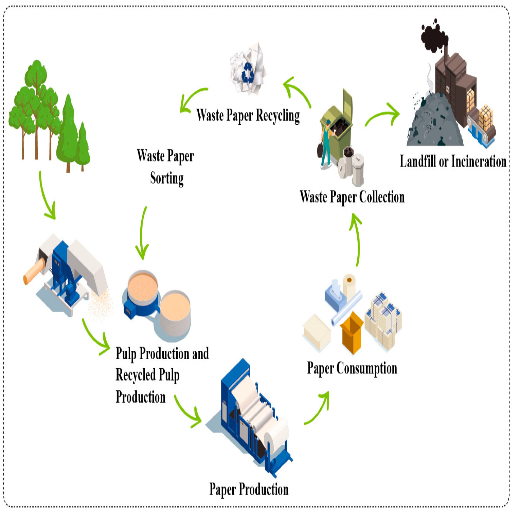
The recovery and treatment of waste paper primarily involve processes such as collection, separation, and reprocessing of used paper products to make them reusable. The entire procedure becomes effective if the used paper is collected and transported to a recycling facility operated by an organization, public or private, where it is typically graded and prepared for further use. The next stage is washing and paper pulping, a process that breaks up the paper into individual fibers. These fibers are then further refined to remove unwanted materials and are strengthened for renewed use in manufacturing. Paper recycling reduces the pressure on resource extraction and consumption, conserving resources and energy. Additionally, it mitigates the amount of waste flowing into landfills, thereby promoting environmental responsibility.
Importance of Recycling Waste Paper
By recycling waste paper, we can help mitigate some of the environmental issues and prevent the depletion of ecological resources. Paper, for example, is the most commonly used material. Still, it is also a significant resource for trees and produces considerable amounts of wastewater, requiring a lot of energy to produce. A total of 17 trees, 7,000 gallons of water, and 4,000 kilowatts of energy are needed to produce 1 ton of paper. The paper industry is a significant contributor to deforestation, yet ironically, it is also responsible for a substantial proportion of the world’s greenhouse gas emissions. Besides, landfill liners made from millions of tons of recyclable paper are full of unwanted methane, causing landfills to release a significant amount of this potent greenhouse gas. Despite that, people and dirty companies are still cutting down forests for economic purposes, while this is what the whole world should be working towards.
Recycling Machines: Efficiency and Innovations
Recycling machines are advancing with innovations like AI sorting, smart bins, chemical recycling, and energy-efficient designs to enhance efficiency and sustainability.
|
Parameter |
Key Points |
|---|---|
|
AI Sorting |
Accurate material ID |
|
Smart Bins |
Automated waste sorting |
|
Chemical Recycling |
Breaks down plastics |
|
Energy Efficiency |
Reduces power usage |
|
Compact Design |
Space-saving machines |
The Impact of Waste Paper Recycling on Cellulose Production
Regenerating scrap paper significantly benefits both the economy and ecology. Cells use cellulose, which is the main ingredient contained in paper. And plants. The fact that 1 ton of paper recycling can save 17 trees, which are a source of cellulose. Paper-recycling factories can recycle up to 70% of the fiber found in paper waste, so there is a reduced need for virgin wood fibers. Manufacturing this paper helps mitigate biodiversity loss and promote water-energy conservation, as it reduces energy use and dehydration costs by 40%.
Moreover, the most recent information indicates that there have been improvements in recycling cellulosic materials, particularly in technologies that emphasize the recovery of cellulose. Advancements, such as the use of enzymes and developed deinking methods, avoid overcooking, which allows the paper to retain its cellulose and be used in various forms, including packaging and printing operations. Through the advancement of such technologies, industries have developed systems that ensure waste is transformed into new products.
Cellulose Fiber Production Lines
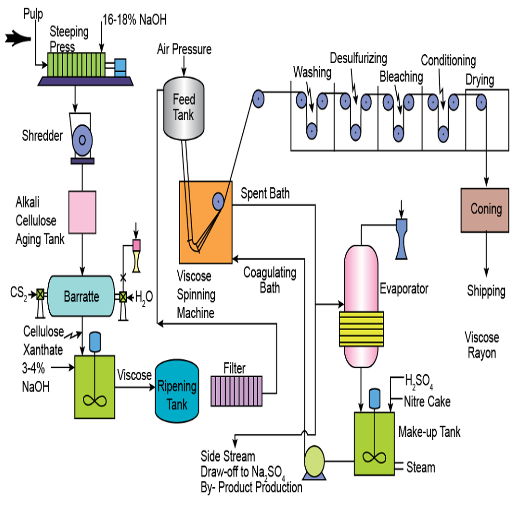
All cellulose fiber production lines currently in operation are under the utmost concern when it comes to efficient operation. Typically, the standard configuration of such lines would contain pulp, refining, fiber, and drying it into sheets and other shapes. However, the use of advanced machines and quality control equipment ensures rates of elimination of rejects, scrap, and power consumption. Therefore, to help reduce pollution, many plants install a recycling water supply, and if available, they try to use ecological sources of energy. These fibrous materials combine the processing technology of industrial needs with environmentally friendly approaches.
Components of a Cellulose Fiber Production Line
A set of core parts constituting the integral elements of a cellulose fiber production process can commonly consist of the following:
- Pulp Preparation System: This involves the preparation of natural plant materials, such as wood or food and field waste, to extract cellulose. It comprises debarking, chipping, and a chemical or mechanical pulp process.
- Fiber Refining Equipment: During the refining process, the cellulose in fibers is treated to achieve specific desired properties, such as flexibility, strength, and uniformity, among others. A refiner and a grinder play significant parts in this process.
- Chemical Recovery Unit: The use of chemical recovery systems serves as a clean technology that ensures the recovery of chemicals from the pulping process, preventing wasteful disposal and thereby decreasing production costs and environmental pressure.
- Drying and Forming Sections: After the refining process is complete, the resultant fibers must be dried and formed. This may involve the use of advanced drying facilities, designed and constructed to dry and produce both high- and low-quality fibers more efficiently and consistently.
- Water Treatment and Recycling Systems: Addressing water reuse issues can be achieved through the use of controlled water treatment systems and recycling units. This aims to place consideration and implement compliance regulations.
- Quality Control Systems: To ensure product quality, advanced sensors and monitoring equipment are utilized throughout the production line. These systems are capable of spotting errors and adjusting processes to deliver the best outcomes at a given time.
- Energy Management Units: Designs that aim to harness energy from renewable sources and utilize energy-efficient equipment during production are increasingly being implemented in production lines. Additionally, enhancing the effective use of systems becomes possible through the incorporation of features such as waste heat recuperation units and optimization of secondary energy systems.
The additive and interactive influence of these parts and devices, together with innovative tools such as automation and exploration, allows for the creation of a new green industry oriented to such industrial standards and aspirations.
Challenges in Production Line Efficiency
- Resource Allocation and Utilization
Inefficient allocation of means of production is not cost-effective as it entails waste of materials, tools, and labor. It was evident that at least 15-20% of materials are wasted in processes that have been optimized, offering numerous opportunities for improvement.
- Energy Consumption
In factories, high energy consumption has always been a limitation regarding production issues. Studies have shown that roughly one-third of global electricity issues are a result of industrial consumption, with older machines being more problematic.
- Equipment Downtime
This is referred to as a system failure. Unplanned breakdowns of systems can cause severe disruptions to the production program, leading to delays and financial losses. It is documented that, on average, 82% of companies experience one unplanned downtime event per year, resulting in as much as $50 billion in losses to manufacturers worldwide.
- Quality Control Issues
In high-speed production systems, maintaining process quality remains a challenge. Almost every business owner, however, understands the risk of customer dissatisfaction from allowing the most common percentage of defects to exceed 5% to 10% of sales.
- Integration of Advanced Technologies
The inclusive use of such technologies, including artificial intelligence, the Internet of Things, and predictive maintenance tools, poses a challenge. Many manufacturing firms argue that such inclusion constitutes a cost that often exceeds hundreds of thousands of dollars, beyond what a business is willing to dedicate to any new process.
Future Trends in Cellulose Fiber Production
The cellulose fiber market is expected to experience significant growth, with an increasing focus on sustainable development and the establishment of new revenue streams. As is generally agreed upon for the materials sector, bio-based materials, such as fibers made entirely from vegetable fibers and those that can be recycled when no longer in use, have become the norm, as humans have shifted their preference away from synthetic fibers. Upon examining the internal fabric of an average garment, one will find significant differences that reflect changes in dressing culture, with “sustainable textiles” and “biodegradable fibers” experiencing over 40% growth compared to the previous year.
Nonetheless, there is considerable hope in the use of nanotechnology to modify fiber properties, including fiber strength, elasticity, and durability. Such concepts may lead to the discovery of novel applications for these cellulose fibers in fields related to the construction of automobiles and the medical field. Not to mention the stabilized closed-loop production systems that control wastage and minimize water consumption are being appreciated. This is evident in that participants in such specific processes are trying to adopt relevant water-saving production technologies, as reflected in searches related to “water-efficient manufacturing processes for textiles.”
As we advance, given the technological dynamic and the quest for sustainability, it is foreseeable that sustainable product development will have a significant impact on the cellulose fiber resource.
Advanced Applications of Cellulose Fiber
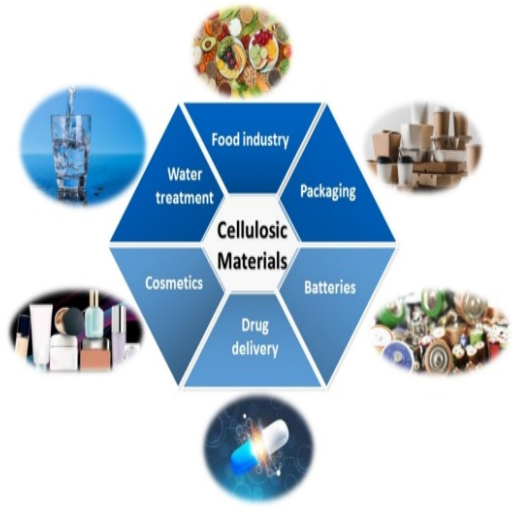
Cellulose fibers are gaining increasing popularity due to their excellent performance and environmentally friendly nature. Their range of use is steadily growing. Viewing them from a different perspective, for instance, in the field of health, cellulose fibers are ideal for wound dressings and the preparation of tissues for tissue engineering. Active cellulose fibers are also used for the Man Utd clothes, as they are perfect for sports and protective clothing because they are lightweight yet remain strong. There are many other applications for cellulose fibers, one of which is their unique ability to effectively entrap particulate matter, making them an ideal candidate for use in filtration technologies, particularly in water and air purifiers. The level of industrial development, combined with the rapid growth in demand for these cellulose fibers, clearly explains why these fibers are in high demand, and their advantages are well-documented.
Insulation Fiber Making Machine Technologies
Over the past few years, the field of insulating materials has undergone significant improvements. The demand for eco-friendly and efficient methods of producing insulation materials has been on the rise, thus driving the need for specialized machinery. With new technology, machines are now able to perform various activities independently without any human assistance. This is why the modern age has machines that are smart enough to utilize all these new and advanced technologies. For instance, high-tech innovations like AI-based automation, coupled with IoT technology, ease production operations by significantly reducing the volume of waste materials and the amount of electricity used. Moreover, many machinery that are manufactured today incorporates environmentally friendly constituents. All these efforts aim to achieve what the world wants, which is to build a sustainable environment.
One of the most frequently asked questions is how these machines can help ensure the quality of the products. Recent developments utilize advanced techniques, including optical fiber sensors, thermal imaging, and real-time data analysis, to measure the size, density, and quantity of the developed fibers or other insulation materials. This has quality-marked every insulation micron manufactured for use in building or any other related industry application. With such benefits, the value chain of insulation fiber production is well-equipped to meet the challenge. It prepares for changing requirements while addressing the focus on environmental concerns, such as climate change.
Paper Production and Tissue Paper Manufacturing
When it comes to paper production, as well as the related process of tissue paper production, emphasis is placed on achieving both efficient and sustainable processes simultaneously. I would put more emphasis on the use of advanced techniques, such as automation, and the adoption of environmentally friendly products. I will make this possible by incorporating principles of reducing, recycling, and efficient resource use to ensure the quality of the outputs. This will be in accordance with recent societal expectations of industries and will serve as assurance of a system-fit production.
Functional Applications of Methyl and Carboxymethyl Cellulose
Methyl Cellulose (MC) and Carboxymethyl Cellulose (CMC) play a significant role in a wide range of industries, due to their distinctive properties. Below, you will find five key uses of these cellulosic derivatives:
- Food Industry
-
- Thickening Agent: Both MC and CMC are added to liquid mixtures to increase the viscosity and stop other components from separating.
- Gluten Replacement: For products that are gluten intolerant, CMC is used to enhance bonding and create a soft, smooth texture.
- Stabilizer: Makes excellent oil-in-water emulsions from ingredients that usually don’t mix. It can spread easily in water, which helps ensure the even distribution of the other ingredients in the formulation.
- Pharmaceuticals
-
- Tablet Binder: CMC is introduced as a less-invasive factor that contains pill-structuring agents, improving uniform compression and enabling pill fabrication.
- Drug Release Control: Treatment of vital diseases like epilepsy can be a challenge, but with the use of certain drugs that convert them into their extended release, societies can make things easier.
- Personal Care Products
-
- Thickening and Moisturizing: They are used concurrently with their thickeners in lotions & cosmetics, which increases water-retention capability.
- Foam Stabilizer: These industries that have MC are heavily oriented towards the production of shampoos and perfumed body cleansers that will not exhibit rebounding behavior and will maintain their structure to produce functional foams.
- Construction Industry
-
- Cement and Mortar Additive: They reduce the mixing time required during manipulation, thereby saving time on the work.
- Tile Adhesive: in bond angles precisely as renders them the strongest when applied in tile adhesives. The tilt adhesives and advancements aimed at them have become immensely helpful.
- Textile Industry
-
- Sizing Agent: For use in the process of weaving, two cellulose derivatives – MC and CMC can be used to treat yarns on weaving looms and reduce the number of threads breaking.
- Thickener for Dyes: These cellulose derivatives help facilitate the orderly deposition of dye by fining up the pigment and its vigorous stirring in the system.
These applications underscore the substantial importance and relevance that Methyl and Carboxymethyl Cellulose have in the quality control of products, the efficiency of manufacturing processes, and the satisfaction of consumer needs.
Reference Sources
-
ScienceDirect: Current advances in processing and modification of cellulose – Discusses the latest methods and challenges in cellulose processing.
-
ScienceDirect: A soft processing technology for the extraction of cellulose – Explores innovative extraction techniques for cellulose from various sources.
-
PubMed Central (PMC): Extraction and Characterization of Cellulose Nanocrystals – Focuses on cellulose nanocrystals derived from tea leaf waste fibers.
-
ResearchGate: Sources of cellulose and their applications – A review – Reviews industrial sources and applications of cellulose.
-
PubMed Central (PMC): Technological limitations in obtaining and using cellulose – Examines cellulose from bacterial and plant origins, including processing challenges.
Frequently Asked Questions (FAQs)
Q: What is cellulose processing machinery?
A: Cellulose processing machinery refers to a range of equipment used in the production and processing of cellulose fibers, including machines for making paper cellulose fiber, isolation fiber making equipment, and various machinery for cellulose derivatives such as cellulose acetate and cellulose ethers.
Q: What types of machines are used in cellulose fiber production?
A: Common machines used in cellulose fiber production include paper cellulose fiber making machines, fiber making machines from China, and industrial paper shredders. These machines are essential for converting raw materials into usable cellulose products.
Q: How do cellulose ethers differ from other cellulose products?
A: Cellulose ethers, such as hydroxyethyl cellulose (HEC) and hydroxypropyl methylcellulose (HPMC), are modified cellulose derivatives that are water-soluble and used in various applications, including as thickeners and binders in industries like construction and pharmaceuticals, differing from traditional cellulose products that may be insoluble in water.
Q: Where can I find reliable suppliers of cellulose processing machinery?
A: Reliable suppliers of cellulose processing machinery can be found among manufacturers in China, which offer a variety of cellulose fiber-making machines. Researching online marketplaces and industry-specific trade shows can also help identify trustworthy suppliers.
Q: What is the role of cellulose in paper recycling?
A: Cellulose plays a crucial role in paper recycling as it is the primary component of paper products. The recycling process involves breaking down paper into its cellulose content, allowing it to be reprocessed into new paper products, thus reducing waste and conserving resources.
Q: Can cellulose be obtained from sources other than wood?
A: Yes, cellulose can be obtained from various sources besides wood, including agricultural residues and cotton, which contains a high cellulose content. These alternative sources are increasingly being utilized in cellulose fiber production and processing machinery.
Q: What types of cellulose products can be made from a cellulose fiber-making machine?
A: A cellulose fiber-making machine can produce a variety of cellulose products, including microcrystalline cellulose (MCC), dissolving pulp, and absorbent cellulose fibers. These products have a wide range of applications in the food, pharmaceutical, and personal care industries.
Q: What safety considerations are there when using cellulose processing machinery?
A: When operating cellulose processing machinery, safety considerations include ensuring that machines are equipped with proper safety guards, understanding the hazards of chemicals used in cellulose processing, and being aware of the flammability of certain cellulose derivatives, such as nitrocellulose and celluloid.
Q: How does the production of cellulose differ between various types of machinery?
A: The production of cellulose can vary significantly based on the type of machinery used. For instance, a paper-making machine focuses on producing sheets of paper from cellulose pulp, while an isolation fiber-making machine specializes in extracting specific cellulose fibers for various applications, each requiring different processing techniques and machinery configurations.