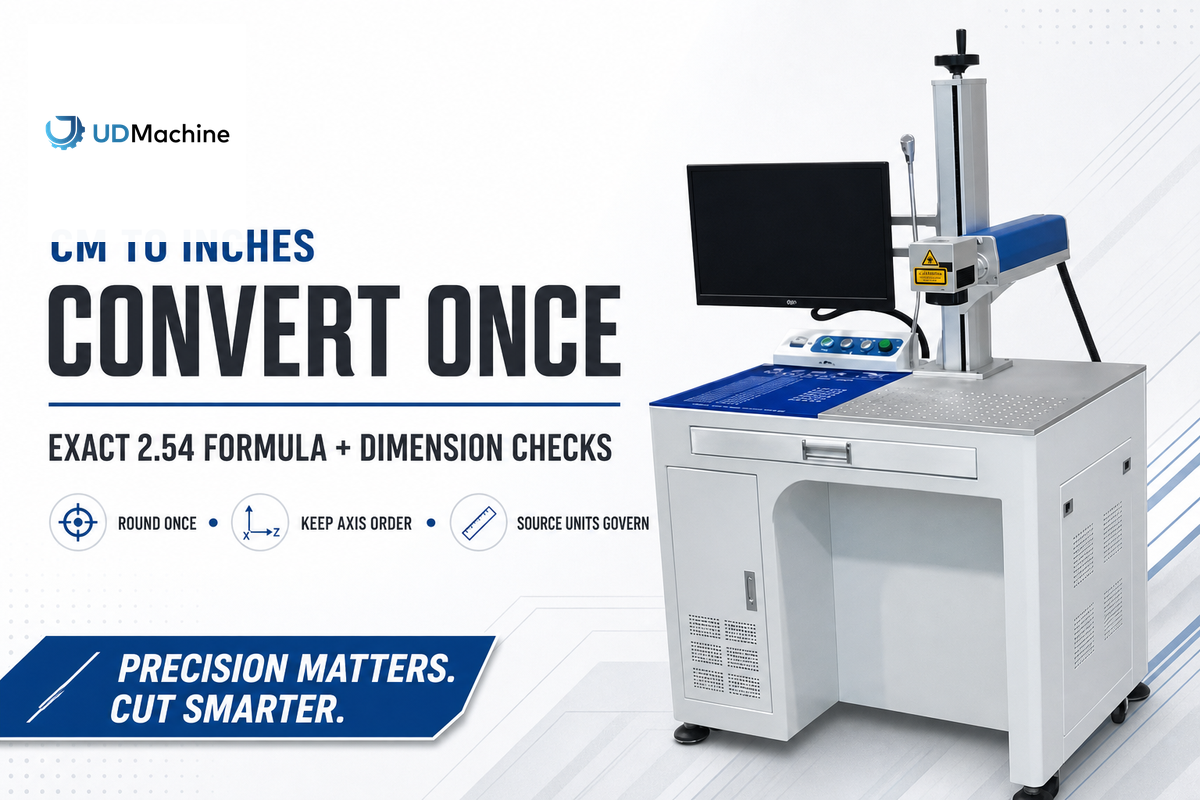
The process of engraving stainless steel has always been completely turned upside down by fiber laser engraving technology. Known for offering innumerable benefits such as speed, precision, longevity, fiber laser engraving is one of the most revolutionary art forms capable of customizing and denting onto stainless steel. It is no longer a fantasy to have intricate designs, serial numbers, logos, and more crafted on perhaps the toughest material available. How about the science behind fiber laser engraving along with everything else, such as procedures, settings, and ideal tips to complete what one can expect as perfection? Whether you have started your work or have been in the industry for ages, this article will grace you with information and essential tips in addition to an empowering confidence, as if you were a professional when working on stainless steel using the fiber laser in order to carve.
01
Introduction to Fiber Laser Engraving
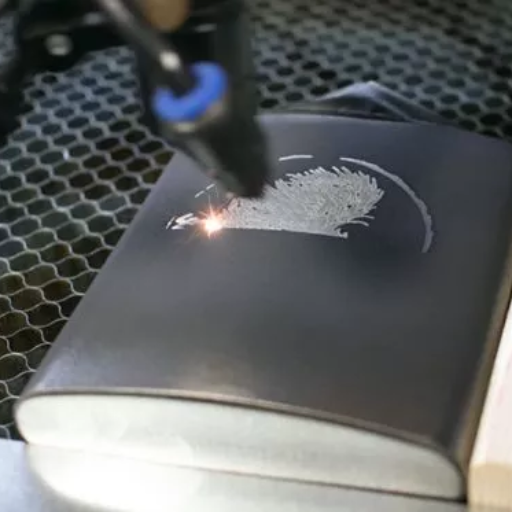
Fiber laser engraving is a cutting-edge technology that involves using highly dense light beams for etching or marking the surface of different materials, including the stainless steel. Upon focusing high-energy light upon a very focal area, some material is heated and vaporized, leaving behind some fine, permanent marks on targets. This technique has demonstrated incredible precision, durability, and hyperefficiency in stainless steel for a variety of applications. Fiber lasers are very well managed and create barely any marks while as well maintaining perfectly crisp and well laid-out designs that can be found with immense utilization in industrial, decorative, and functional applications.
What Is Fiber Laser Engraving?
A fiber laser engraving is a proficient method of etching specific designs on many materials using the fiber laser. It operates by hypersensitizing the material surface to a focused beam of light that gives the surface a design of one’s choice. It operates at a wavelength of around 1064 nm, which is apt for detailing on metals like stainless steel, aluminum, and titanium and some plastics as well. This is an industry-wide common technique widely relied on by applications from aerospace, motor power vehicles, medical equipment, to consumer goods due to its reliability, speed, precision as well as long-lasting marks. Fiber laser engraving has several advantages over conventional engraving methods: first, fiber engraving is non-contact, resulting in less waste and is suitable for extreme environments like wear, corrosion, and environmental conditions; second, it is eco-friendly; additionally, being more cost-effective is always the morale booster for its popularity within the manufacturing and customization industries.
Why Stainless Steel?
Because of its strength, longevity, corrosion resistance, and almost all-around rust-proofing, stainless steel qualifies as material for so many applications. Such peculiar attributes come from its main constituent elements of iron, chromium, and some other alloys that are carefully combined for higher protection against rust or corrosion. This is particularly suitable for industries handling hygienic situations and long-duration performance maintenance such as medical, food process, construction, and aerospace. Stainless steel is environmentally friendly; it is also 100% recyclable and, with a long lifecycle, averts the necessity of replacement, hence cutting costs. With these attributes, it serves to be the most favored either for industrial purposes or for the final consumer.
02
Benefits of Fiber Laser Engraving Stainless Steel
Three Core Advantages
03
Step-by-Step Process for Fiber Laser Engraving Stainless Steel
From Surface Prep to Final Output
Preparing the Stainless Steel Surface
For fiber laser engraving, the quality of engraving on stainless steel is advisable if proper cleaning is observed. Initially, clean the surfaces to their perfection to eradicate any presence of oils, grease, dirt, or oxides. To prepare the ablative surface, use a recommended flux cleaner or isopropyl alcohol to clear all surface contaminants. If the stainless steel is polished or coated, the necessity of a fine-grade sandpaper should be obtained to remove the coatings and expose the bare, even surface for consistent laser marking. The preparation should not limit. It should definitely carefree any transition between this highly desirable engraving task. More sharp and precise marks are achieved on a dry substrate before, or may it be the foundation. The well-prepared earning takes off most of the blemish and magnifies it in its duration of existence.
Setting Up the Laser Engraving Machine
- 1
Choose the Right Setup
Adjust speed, power, and frequency of the laser engraving machine according to the material to be engraved. Follow the manufacturer’s guidelines to prevent overheating or underperformance.
- 2
Set Up Your Workpiece
For the task of engraving on stainless steel, securely afflict the metal with active attachment techniques on the working platform of the machine. Use clamps or sensors to hold the material.
- 3
Laser Focus
The distance between the laser head and material should be set properly. This is to set laser focus into impeccable engraving conditions, thereby being a perfect focus for the job.
- 4
Sample Testing
Set a scratch material as a test material for assessing the settings of the actual process. Do the initial test runs and adjust the on-machine settings for maximum success.
- 5
The Workflow
Following completion of the on-machine setup, engraving should begin. The operator must closely monitor the machine while he does the engraving.
Executing the Engraving Process
The new mantra of ensuring that the safety goggles have been dawned and that the physical guards have been put into place ensures that one is ready to kick-start utilizing the machine. Once the software has been initialized, one can start to engrave after the laser is switched on and the material is ready in position. One has to check the laser power and speed settings in process to ensure they meet stainless steel specifications. A good setting that always works in situations where one is mixing various types of steel (both aesthetic and technical-looking) would be somewhere between power ratings of 20 to 30 watts within a frequency range of 20 to 80 kHz.
Continued oversight of depth and cleanliness of design was observed with intermittent review while amending the settings as necessary from the guidance as configured in the software. Current laser machines apply high-tech controls that allow modification on-the-fly to achieve the desired exactness and uniformity of the artwork. After the work is done, it is better to cool the engraved section before picking up that very material from the workbench. To clean the design from the engraved surface and amplify its visibility, you may use a dampened soft cloth to remove dust and other particles. Following all the right maintenance guidelines for the machine will maintain its good working condition for good quality engraving work in future projects.
Recommended Settings — Stainless Steel
| Parameter | Value / Range | Notes |
|---|---|---|
| Power | 20 – 30 Watts | Suitable for mixed steel types |
| Frequency | 20 – 80 kHz | Adjust for depth and clarity |
| Wavelength | ~1064 nm | Standard for metal engraving |
| Method | Non-contact | No mechanical stress on surface |
04
Best Practices for Optimal Results
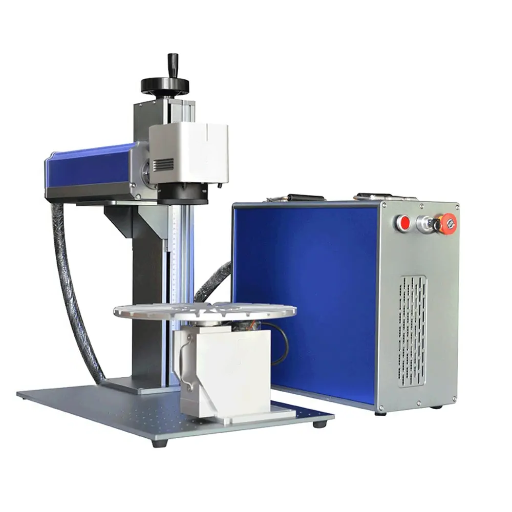
Professional-Grade Techniques
Test
Conducting Power and Speed Tests
Power and speed are two critical tests to help you identify what work best for your fiber laser engraving project settings. Simply create a matrix or grid with an array of power settings and engraving speeds on the specific material you are using. It facilitates evaluation of how differing engraving parameters affect engraving in terms of depth, clarity, and overall quality. It is necessary to perform power settings incrementally and from a low-power setting (for deeper detailing) with low- to medium-power intensity. These are important to keep the fast speed settings.
Gradually amplify the speed or decrease the power on each incremental run as a visual comparison was witnessed on these various settings until the desired goal was reached. It is important to write down the proper settings with optimal outcome on your matrix as the one suitable for your material and design. Make sure you stay within the basic framework of your fiber engraving tests with various power-speed combinations but beware that fiberglass is not the same as rubber and that the laser does behave differently when you scan these materials.
Once the correct settings are found, provisionally document them for performance on the same job, as material composition, thickness, and finish might vary and change the processing results. New testing should follow whenever other types of materials are used. Running such tests regularly ensures accurate and high-quality jobs are completed, ensuring the labor philosophy is upheld in the most viable way.
Spray
Using Laser Marking Sprays (If Applicable)
Laser marking sprays can immensely improve the quality and contrast that can be laser engraved by a fiber laser, especially on materials, such as metals, ceramics, or glass. Spray-coated in a specialized combination that reacts to the heat of the laser, these sprays are left with durable, high-contrast marks. Using sprays, especially if the base material, due to its composition or finishing, cannot naturally give visible engraving, helps further.
To be effective then, the material should be cleaned, including removing any dirt, grease, or oil. This precaution is simply to allow the spray to adhere perfectly. Apply a thin, even coating of the marking spray in a well-ventilated place and allow it to dry thoroughly before engraving. Use settings recommended for the coated surface when running the laser to ensure precision and presentation. Thus, any spray residue is easily cleaned with water or a mild cleaning solution after completing the engraving.
Every synthetic material has peculiarities: a fabric laser engraving machine is so useful for delicate, accurate work and perfect services in sectors requiring only such as space, medicine, or electronics.
Maint.
Maintaining the Laser Engraving Machine
To ensure optimal performance and longevity, the maintenance cost for fiber laser sign-making equipment is really important. A good cleaning schedule will keep dirt from accumulating on the mirrors of the lens in order to prevent the quality of meaningful completion from getting damaged. While cleaning, disposable storage objects are applied to restore care using abrasives. Thereafter, conduct routine inspection and write about replacements of water and filters in the manual instructions to prevent overheating and safeguard operational stability.
The machine is required to have surveillance over all critical components such as air, connectors, and alignment systems so that path is taken to avoid possible wear-and-tear. These moving components, while well lubricated, retain the friction balance, saving them from a reasonable working life. Regular calibration is another good route to keep the engraver very accurate-follow manufacturer guidelines or employ professional service when necessary.
When doing so, make sure always that both software and firmware are updated in order to make the best use of improved functionality for the machine’s better performance. Following such norms enhances the quality of operation and minimizes down time all contributing to the efficiency of the functioning of your machine for years.
05
Applications of Fiber Laser Engraving on Stainless Steel
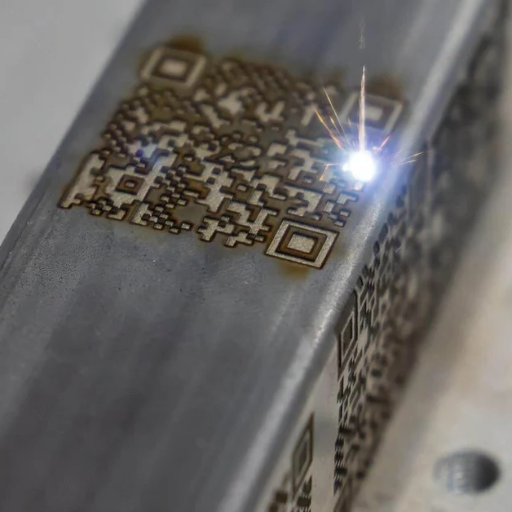
Industry Sectors & Use Cases
Sector 01
Industrial Applications
In a wide variety of industries, fiber laser engraving on stainless steel has emerged as an extremely valuable technology with its remarkable precision, speed, and versatility. Some industries, such as automotive, aerospace, and medical manufacturing, rely on this technology for the identification of their components. For example, automotive users use fiber laser engraving to inscribe serial numbers, barcodes, and logos on components to which they were attached, thus ensuring traceability and product authenticity. In the aerospace sector, fiber laser engraving ensures that the durable laser markings are legible on primary structures that are subject to high thermal stress.
There was a spike in queries concerning the growing popularity of Fiber Laser etching for medical treatments. This underscores the need for the same in the marking and labeling of surgical instruments and devices with identifiers such as the Unique Device Identification code, for compliance and patient safety through the best traceability.
Moreover, in practical aspects, fiber laser engraving stands the best in industrial use as it produces a high-precision mark for a very long time without damaging the integrity of the material. The fast and maintenance efficiency in etching on stainless steel are its best markers with the popular growth momentum in storefronts.
Sector 02
Consumer & Decorative Uses
The process of laser etching with fiber on stainless steel is slowly gaining approval and acceptance from consumers and decorative markets due to the high-grade technology with precise and diverse applications. It enables the development of personalized products like ornaments, watches, or home decoration with sophisticated designs that customers find it difficult to resist. In short, there is no limit to this technology’s potential for areas, including logos, signs, or text, ensuring a professional finish guaranteed to get it favored by the consumer who is on the lookout for a fine likeness. The end-product is extremely ornate since fiber laser engraving even guarantees; moreover, it is extremely long-lasting, thus protecting continuous engraving even after being subjected to wear in any manner or undergoing any kind of weather condition. For engraving almost anything from kitchen utensils to merchandise and symbols on demand, fiber laser engraving remains an exquisite combination of appearance and practicality. Moreover, it is fast and cost-effective, too, making it a well-accepted method of choice for many small enterprises and artists interested in generating decor.
Sector 03
Medical and Scientific Tools
Fiber-laser engraving has become a necessity for the medical and scientific fields due to its extreme precision and conditioning. For surgical tools, implants, and medical instruments there are often not just markings needed for traceability but also marking them with permanent means, a great many sterilization process mandates, and those needed in regard to compliance. The fiber laser can deliver high-quality, corrosion-resistant marks without compromising the integrity or safety of such stainless steel.
On the other hand, having fiber laser-engraved scientific instruments and apparatus enables adding accurate details such as calibration markings or QR codes and allows for the integration of effective tracking mechanisms that effectuate sharper operational accuracy. The most recent developments, which were given close attention, indicate a growing phenomenon in the use of lasers for personalizing and micro-marking medical devices, a situation which is of paramount importance in patient safety and prevention of risk from counterfeit. Whether it’s for legally marking the part, cloning purposes, art, or any other industrial reason, fiber lasers are the most appropriate solution to ensure that these stainless steel components maintain durability for harsher medical-grade conditions.
Industry Applications at a Glance
| Industry | Primary Use | Key Benefit |
|---|---|---|
| Automotive | Serial numbers, barcodes, logos on engine & chassis parts | Traceability & quality inspection |
| Aerospace | Durable markings on high thermal-stress structures | Legibility under extreme conditions |
| Medical | UDI codes on surgical tools & implants | Compliance & patient safety |
| Consumer Goods | Personalized ornaments, watches, home décor | Aesthetics & brand identity |
| Scientific | Calibration markings, QR codes, tracking mechanisms | Operational accuracy |
06
Frequently Asked Questions
Common Queries Answered
Q: What reasons contribute to the fact that fiber lasers are the most preferred way of engraving stainless steel?
An array of advantages distinguishes fiber laser engraving from other methods of engraving: speed, precision, and low maintenance costs. In addition, the depth of the focus of a laser beam can quickly engrave and create any number of fine details in the form of patterns, serial numbers, and logos onto stainless steel without causing any damage to the surface. The dawn of fiber lasers brought a revolution in industries, such as aerospace and medical devices, caused by their availability as having the ability to mark an artifact with a perfect, permanent engraving that meets all industry requirements. The best part of it is that it is a system that is energy-efficient, with saving initiatives to help sustain our planet by reducing waste and resource consumption. For anyone seeking above-average longevity, fiber laser engraving seems to offer the best capabilities.
Q: Can a fiber laser inscribe steel-making items of both industrial and decorative intentions?
Yes, fiber-laser inscription is versatile enough to be used for both industries as well as on consumer goods that are to be used for decoration. In industries like automotive and scientific instrument production, there is a significant need for clear, durable identification codes and marks that will sit through the worst kind of use and cleaning. As for decorative uses, fiber-laser alloys may produce design, pattern, or custom word features on jewelry, home decoration, or personalized gifts. The fiber laser has the ability to change back and forth between heavy-duty identification tasks and classy art, making it a frequent partner to engineers and designers and small proprietors alike. New-generation fiber lasers offer an opportunity to choose engraving settings, ensuring the versatility in different project circumstances.
Q: What are the uses of laser marking sprays while working with fiber laser engravers?
Laser marking sprays are used to contrast and provide better visibility, especially when marking stainless-steel surfaces which are too reflective, or use a lacquer finish and resist the marking process. An opaque layer is formed when the spray reacts with the laser beam, which lasts long enough to be properly marked without damaging the substrate. This kind of shielding is very useful in a situation where visibility is a must, for instance, with barcodes or QR codes for medical or scientific instruments. Normally, the spray can be very easily and efficiently wiped off after engraving to uncover a clean bun and long-lasting design. The importance of laser marking sprays lies in diversifying the types of engraving effects that can be achieved and in expanding the options for surface finishes usable in this method.
Q: How can one ensure that fiber laser markings on medical devices are good for long-term use and corrosion-resistant?
In order to get a permanent, anti-corrosive engraving on medical grade stainless steel, fiber lasers work with dedicated wavelength and settings for metals. The engraving process physically bonds the mark to the surface at a microscopic level, ensuring it is capable of surviving repeated sterilization and harsh cleaning regimes typical in medical environments. Modern fiber laser systems offer space to be programmed with both micro-marking and UDI features, as required by regulatory bodies. Optimal engraving parameters, e.g. power/speed relationships, in combination with post-engraving cleaning, always build up to the best quality of mark for longer periods. Laser engraving, thus, becomes essential to ensure compliance and safety in healthcare and scientific applications.
Q: What are the best practices of optimizing fiber laser engraved results on stainless steel?
Several best practices should be worked on:
- Testing laser settings in relation to power and speed ahead of time could be one best practice to be implemented before production starts especially if the finish or thickness to be processed is different.
- There is regular machine maintenance like lens cleaning, calibration, and software updates.
- The cleaner the stainless steel, the better the results can be.
- Good record keeping of suitable settings for each grade of stainless steel can reduce time and improve efficiency on future projects.
- Staying abreast with the continued advancements in fiber laser technology, including focus mechanisms and ecology, may take user performance and sustainability to further heights.