The use of fiber laser engraving machines has greatly impacted the business sector as they have given brands the ability to mark and personalize their materials with great precision, speed, and flexibility among others. Whatever industry you belong to such as manufacture, jewelry making or electronics, these machines will stamp high-quality and permanent markings on various surfaces including metals, plastics, and ceramics. This article intends to take readers on a thorough journey into the fiber laser marking and engraving solutions, explaining their operation, their pros over the traditional methods, and finally, why they are becoming an industry-wide essential tool. If you are contemplating getting advanced engraving solutions or if you are just inquisitive about this technology’s impact on your operations, you have found the right place. Keep reading to reveal all the information you need regarding fiber laser engraving equipment and its ability to transform.
Introduction to Fiber Laser Technology
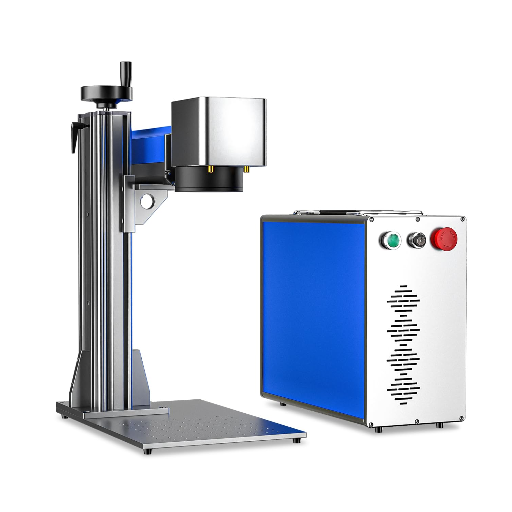
Fiber laser technology is a method of processing materials by means of a very focused and powerful laser beam produced by optical fibers. It is a well-known process for its accuracy and efficiency. The main materials that fiber lasers can work with include metals, plastics, and ceramics, and among the core advantages of fiber lasers, there are their long life, low maintenance, and high energy efficiency. Fiber laser systems are able to deliver high-quality results that are uniform and consistent over a long period of time while also lowering the costs of operation; thus, they are the preferred choice of industries such as manufacturing, automotive, and electronics.
What is Fiber Laser Engraving?
Engraving with fiber lasers is an approach which is extremely accurate and very quick. The use of a fiber laser results in the production of a very concentrated and powerful light beam that can vapourize the surface of a material to etch, mark, or engrave it. The process is so versatile that it is possible to obtain permanent markings on the materials by any means – fonts, numbers, symbols, barcodes, logos, or even full designs. Fiber laser engraving has gained acceptance in a wide array of applications for intricate and high-contrast engravings not only on the hardest materials like stainless steel, aluminum, and titanium but also the soft ones like plastics. The aerospace, automotive, medical and electronics industries are among those that often use this technique for marking and tracking their products due to its outstanding speed and high accuracy, together with the ability to work on different materials without any additional consumption of resources. Furthermore, the technique is classified as really eco-friendly as it does not need any inks or chemicals to function, and hence, it is a very clean process.
How Fiber Laser Marking Works
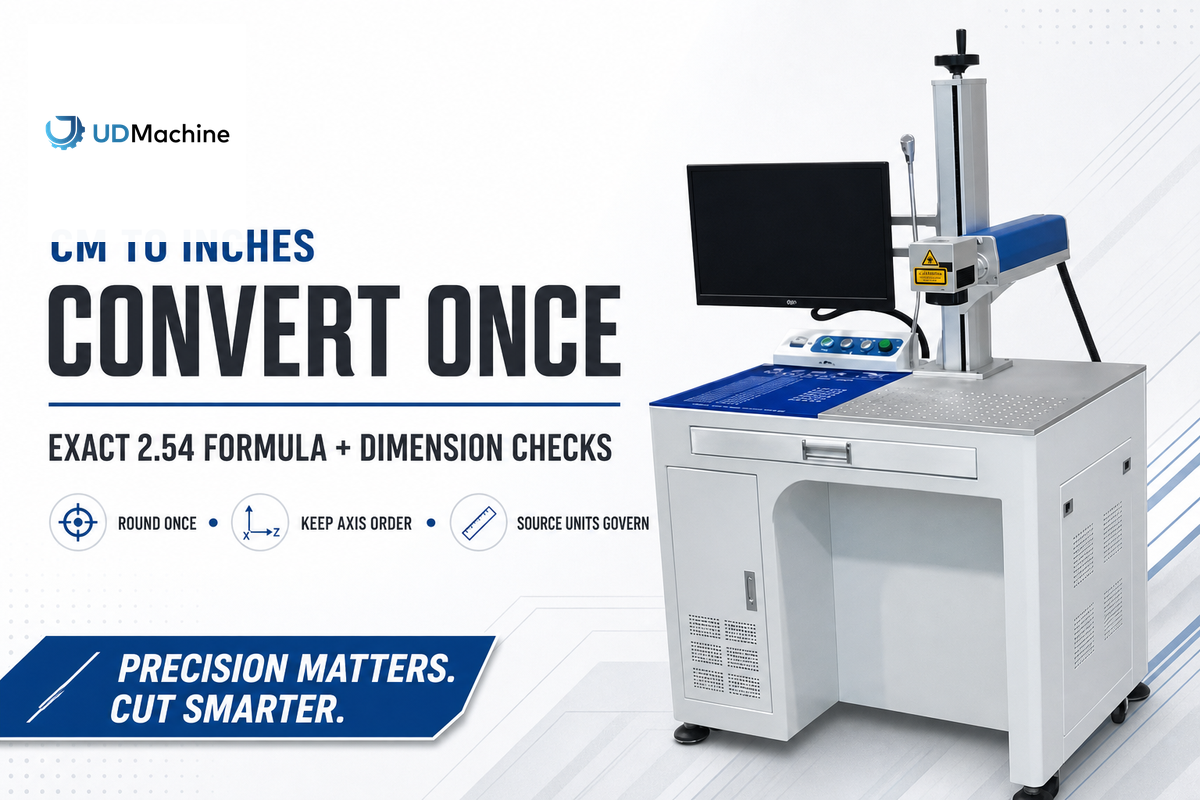
Fiber laser marking is a technique that involves the use of very powerful laser beams made through optical fibers to apply very accurate and permanent marks on a range of materials. The whole procedure starts when a laser source provides a beam of high-intensity light which is then coupled through a fiber optic cable to the scanning head. In the scanning head, galvanometer mirrors very quickly and precisely redirect the laser beam onto the material surface according to the programmed patterns or text. The interaction of the laser energy with the material results in the marks being made through the processes of engraving, annealing, etching, or discoloration, among others.
With the technology constantly improving, the fiber laser marking process has become a lot more effective and flexible. Contemporary systems are already providing options to allow users to set power, speed, and depth adjustments, thus sifting to the best outcome for different applications. The accuracy of fiber lasers leads to the production of very little scrap material and also the production of high-quality parts, so they are being quite a lot of care used in the industry. In addition, fiber lasers only need a small amount of maintenance and also have a long lifespan which is one of the factors driving their economic viability and hence wide acceptance.
Key Features of Fiber Laser Machines
🎯 High Precision
Fibre laser devices produce the highest quality and precision, thus being the best for complex designs and fragile applications.
⚡ Energy Efficiency
Laser systems using fiber technology have lesser power requirements than the conventional laser systems and thus contribute to cheaper operating costs.
🔧 Versatility
Various materials such as metals, plastics, and ceramics can be cut, engraved, or marked by using them.
🛠️ Low Maintenance
The devices are built strong and sturdy that they need very little maintenance; therefore, maintenance will be at a low level in terms of both downtime and costs.
⏱️ Long Lifespan
The fiber laser has a longer lifetime and is more cost-efficient as it is made with advanced technology and high-quality components.
Applications of Fiber Laser Engraving Equipment

- 🚗 Automotive industry: The method has been utilized for cutting and engraving of serial numbers, barcodes, and logos on vehicle parts to provide traceability and branding.
- 💻 Electronics industry: Superb for marking with high precision circuit boards, electronic parts, and connectors.
- 🏥 Medical Device Manufacturing: Used to entice by engraving surgical tools, implants, and medical devices with the detail that meets regulatory standards.
- 💎 Jewelry and Fashion: The technique is mostly used to give jewelry, watches, and other accessories beautiful and meaningful designs and inscriptions.
- ✈️ Aerospace and Defense: Guarantees exact marking on aerospace parts, tools, and devices for recognition and longevity even in the most difficult conditions.
Industries Utilizing Fiber Laser Marking
Fiber laser marking technology is one of the foremost manufacturing processes adopted by a multitude of industries owing to its accuracy, quickness, and versatility. The following are the principal industries:
Common Materials for Fiber Laser Engraving
- Stainless Steel
- Aluminum
- Brass
- Titanium
- Plastics (such as ABS and polycarbonate)
Benefits of Fiber Laser Marking
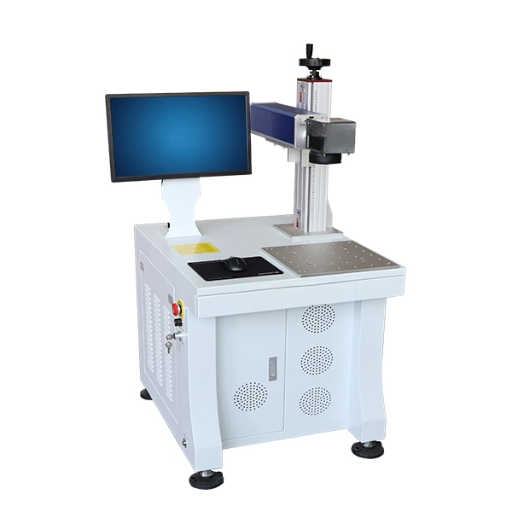
Advantages Over Traditional Engraving Methods
- ✓ High Precision and Accuracy: Fiber laser marking achieves the highest precision and accuracy which allows to create very complex designs and even tiny markings without losing quality.
- ✓ Non-Contact Process: The laser beam doesn’t contact the material at all, hence, there would be no tool wear and it ensures a perfect engraving process.
- ✓ Durable and Permanent Markings: The marks made are not only very difficult to be erased but also are corrosion and fading resistant, thus being ideal for long-term use.
- ✓ Wide Material Compatibility: Fiber lasers are very effective for a broad range of materials like metals, plastics and even some ceramics.
- ✓ Eco-Friendly and Cost-Effective: The production process generates very little waste, no inks or chemicals are required, and the maintenance is also minimal, thereby all leading to the reduction of operating costs.
Precision and Speed in Marking
The fiber laser marking process is great for its highest precision and efficiency, which is the main reason why it has been widely accepted in various sectors. The laser’s high power and precision are such that they allow even the most delicate and complicated designs, texts, and even microscopic features to be marked with exceptional sharpness. Such a high level of precision is crucial for the mentioned industries since they cannot risk getting their products designed imprecisely or of inferior quality.
Moreover, fiber lasers are able to work at very high speeds without affecting the quality of the output. Data from search engines show that modern fiber lasers can perform marking jobs in less time than it was ever possible with traditional methods. Such an efficiency is a plus that the companies will enjoy in terms of their production rates and less time for their products to be ready for sale, thus being able to cater to the customers who want their goods delivered in superior quality and in time. The synergy of speed and precision has put fiber laser marking at the forefront of technology as a viable answer to modern manufacturing demands.
Cost-Effectiveness and Longevity
The fiber laser marking is a process that is very efficient, economical, and has a long life, so it is considered as a good investment for the manufacturers. Manufacturers are looking for cutting solutions that would result in the least possible operational costs and the highest possible output. Fiber lasers are the ones that can meet this need since they are almost maintenance-free, very robust, and have a lifetime of about 100,000 hours or more. The long life of these lasers not only gets rid of the need for frequent replacements and repairs but also brings about a reduction in the total cost of ownership. On top of that, their eco-friendly design is a plus as it leads to lower electricity bills, which in turn, results in further savings in the long run. Being able to offer high precision and versatility among other things, fiber laser marking systems are considered to be the best choice for sustainable and cost-efficient manufacturing processes.
Comparing Laser Engraving Technologies

Fiber Laser vs CO2 Laser Engravers
Fiber laser and CO2 laser engravers differ in wavelength, material compatibility, speed, maintenance, and cost.
Fiber Laser Machines vs CNC Machines
Fiber laser machines and CNC machines differ in precision, speed, applications, materials, maintenance, cost, and operational complexity.
Choosing the Right Technology for Your Needs
When you are faced with a choice between a fiber laser and a CNC machine, it is necessary to assess your needs and preferences first. In case you are very particular about the engraving quality and speed and especially on the metals, a fiber laser will be the excellent option for you. It is user-friendly, needs little care, and lasts long, though the initial investment is quite a bit.
On the other hand, if you are looking for a multi-tasking machine to produce both wood and metal parts, then a CNC machine will be more appropriate for your application. It will be an intermediate option in terms of accuracy, speed, and complexity, but on the other hand, it will be a great deal in terms of application versatility and lower initial investment relative to a fiber laser purchase.
Take a good look at your project’s very specific requirements -like the material to be used, the investment to be made, and the finished product- before making the decision.
Maintenance and Safety Practices for Fiber Laser Systems
Routine Maintenance Tips for Longevity
1
Regularly Clean Optical Components
On the lenses, mirrors, and protective windows a layer of dust and dirt can form which will negatively influence the efficiency of the fiber laser. To keep the optical surfaces in good condition, use suitable cleaning solutions and soft, non-lint materials.
2
Inspect and Replace Filters
Check that the air filters and water filters in your laser system are inspected on a regular basis and replaced when necessary. This will ensure that no dirt gets access to the sensitive parts and the cooling system works properly.
3
Monitor and Maintain the Cooling System
You should check the fluid levels, the quality of the coolant, and the performance of the cooling unit in general. Cooling is important to keep overheating at bay and to allow the system to perform at its best.
4
Keep Electrical Components in Check
Look at the wires, connections, and power supplies for any signs of wear or damage. Taking care of electrical problems before they get serious will not only decrease unscheduled downtimes but also extend the life of the system.
5
Schedule Professional Servicing
Your system should be periodically checked by skilled technicians as part of the preventive maintenance schedule. These professionals can detect and fix problems that are not visible during normal inspections and, thus, keep the system in top form.
Understanding Laser Safety Protocols
Laser safety procedures have turned out to be a major factor in ensuring accident-free operation. Of these, the most significant ones are wearing the appropriate eye protection that is specifically designed for the respective wavelength of the laser, having a clear marking system to indicate the laser operation areas and restricting access to unauthorized personnel. Always follow the manufacturer’s guidelines when operating the equipment and never turn off the safety interlocks or protective measures. The training of users should be such that the risk of an accident is minimized to the lowest possible level. Regularly check and maintain the safety features as a routine to make sure they are working effectively. These days, it is hard to imagine a factory that does not use laser technology as they can be so used safely and in the most humane way.
Common Issues and Troubleshooting
⚠ Laser Not Firing
Cause: Power supply issues or wrong settings.
Solution: Verify the power connection, check wires, and make sure the laser power settings are the right ones.
⚠ Engraving Quality is Bad
Cause: Wrong focus, dirty lens, or software settings.
Solution: Verify that the focus is properly adjusted, use an approved lens cleaning solution to clean the lens, and check the engraving parameters in the software.
⚠ Irregular Marking or Lines
Cause: Machine vibrations or unstable support of the material.
Solution: Make sure the machine is placed on a stable surface and the material is properly secured.
⚠ Overheating or Cooling System in Trouble
Cause: The cooling system is broken, or there is no air circulation.
Solution: Look for blockages or malfunctions in the cooling unit and make sure there is enough air movement around the machine.
⚠ Software or Communication Errors
Cause: Old drivers, incompatible software, or weak USB connection.
Solution: Refresh software and drivers, verify every connection, or switch to a different port.
Keeping up with regular maintenance and troubleshooting in time can save you from the common fiber laser engraving problems, thus guaranteeing your machine consistent performance and delivering high-quality results.
📚 Reference Sources
-
Optimization and Characterization of a Laser Engraving System for Carbon-Based Electronic Devices
- This study explores the optimization of laser engraving systems, focusing on carbon-based electronic devices.
- Read the full paper here
-
The Development of Online Media to Support Design Prototyping with a Laser Cutter
- This research discusses the use of laser cutters in design prototyping and provides insights into their applications.
- Access the study here
-
Optimizing the AR Engraved Structure on Light-Guide Facets for a Wide Range of Wavelengths
- This paper examines the use of fiber lasers in engraving structures for optical applications.
- Download the paper here
-
Specially Shaped Optical Fiber Probes: Understanding and Their Applications in Integrated Photonics, Sensing, and Microfluidics
- This research delves into the applications of specially shaped fibers, including their use in laser systems.
- Explore the document here
- Top CNC Laser Marking Machine Manufacturer and Supplier in China
Top CNC Laser Marking Machine Manufacturer and Supplier in China
Frequently Asked Questions (FAQs)
❓ What is a fiber laser marking machine and how does it compare to a diode laser?
A fiber laser marking machine is a solid-state laser equipment that makes use of an optical fiber that is coiled and doped with rare-earth elements for emitting a premium quality infrared laser beam. This one is good for metal marking, engraving, and fast precision engraving. The main benefits of fiber lasers compared to diode laser systems are higher beam quality, more power options like 20W, 30W, or 50W, longer life, and better metal parts application with deep engraving on tough materials. Diode lasers might be cheaper for some plastic or acrylic use, but generally, they can’t compete with the quality of fiber systems and their performance in industrial-grade settings.
❓ Can a fiber laser engraver mark metal parts and do deep engraving?
Certainly, a fiber laser engraver is a perfect match for metal marking and even deep engraving on metals plus different industrial metal substrates. If a beam of power is up high enough (in the range of 20W to 50W) and the ideal parameters are picked, then fiber laser marker systems will be able to perform not just deep engraving but also etching and high-quality logo marking on metals like stainless steel, aluminum, brass, and others. To get deeper cuts done lasers, it is often recommended to use techniques such as multiple passes, increasing power, or using special optics and galvo systems.
❓ Are the fiber laser marking solutions applicable to materials such as acrylic, plastic and non-metal substrates?
Fiber laser marking solutions in general, are mainly intended for metals marking; still, they are capable of marking some plastics and coated surfaces, but can hardly be used for clear acrylic or many organic materials. The infrared light generated by fiber laser systems interacts with the non-metal and transparent plastics to a different extent; so, most of the times a UV or CO2 laser is the right one for acrylic cutting and engraving. For those workshops that process various materials, it is wise to consider having a UV or diode laser that can be operated alongside the fiber for plastics and soft organic materials.
❓ What safety features like eye protection and emergency stop should I anticipate from a class 4 fiber laser marker?
Class 4 fiber laser markers have high power and thus need strong safety measures. Expect interlocks, enclosures, proper laser light shielding, integrated emergency stop switches, compliant labeling and recommended PPE for operators including laser safety goggles tuned to the infrared laser wavelength (IR). Industrial systems generally have safety interlocks on doors, beam shutters, and local regulations as their compliance. In the case of handheld or open systems, more administrative controls and barriers are implemented to guarantee the safety of operation.
❓ Is it possible to use a fiber laser with LightBurn and how does it compare with galvo to moving-bed systems?
To the point, many marking and engraving fiber lasers are with the same software LightBurn or marking provided by the vendor. However, it’s better to confirm compatibility before making a purchase. Galvo-based systems engrave with precision at high speeds by using high-speed mirrors and are thus perfect for QR codes, logo work and fine details at high speeds among others while a moving-bed or gantry system is able to accommodate larger areas, and it is suitable for cutting and engraving or working with irregularly shaped metal parts. The use of high-quality optical components and good beam quality are the requirements in both cases.