For crafting personalized intricate designs over jewelry, laser engraving has truly represented a turnaround in this field. Whether you are a jeweler wanting to enhance the craft, a business owner trying to bring about custom pieces, or a hobbyist thinking about doing detailed work on metal, having a jewelry laser engraver would be of great help for precision and crafting endeavors.
This guide is an ultimate gateway where you can understand how laser engraving does its stuff, its benefits, and the selection of tools you require based on your needs. From a technical point of view to take the steps in applying it creatively, everything should be here to furnish you with information needed to elevate average items to those prized, unique treasures. Start unlocking the entire potential of laser engraving and bring forth your design, they will surely have a new life now!
Key Takeaway
Laser engraving technology offers a non-invasive, high-precision method to personalize jewelry without damaging delicate precious metals, making it an essential tool for modern artisanal and industrial jewelry production.
The Rise of Jewelry Laser Engraving
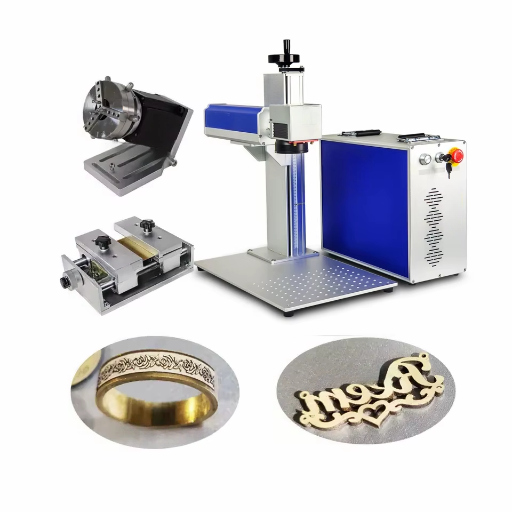
Laser engraving for jewelry has been increasing in demand for accuracy, efficiency, and ability to design extremely delicate patterns. This process facilitates the personal touch of a jeweler by letting their clients inscribe names, dates, or patterns. Of course, the ought not only be a gift, but also an artistic saturation indeed. This process requires no invasive method; nothing is damaged. During these engravings, the importance of the artwork is best realized while neither the gold nor its chic features are destroyed. Owners of the said metals and other noble metallurgy believe in laser engraving to handle their finesse with minimum wear and tear. So we can say that the discrete bars of the highly specialized procedure complete subserviently for these very personal, highly intricate ornaments.
Understanding Laser Engraving Technology
Laser engraving is one of those incredibly magnificent inventions where the laser is used to inscribe various designs, texts, or patterns onto a material. This laser beam will simply concentrate the light and focus on a point from which an excess of the focused laser energy will be hot enough to melt the surface or even vaporize the top. It is a process worked via optical energy, without any physical contact that bears potential damage, and most industries, because of its immense resolution, consider this technique even more favorable.
At present, the art of laser engraving is being employed in combination with the latest software technologies to help in the application of very precise drawings on various materials. Such materials can be metals, glass, wood, or plastic. The main objectives behind this exercise encompass the speed with which the laser can inscribe a particular material, the durability of the mark itself, and the net minimal amount of refuse produced by it, making it one of the most environmentally friendly options. Further, laser engraving is quite popular with both small-scale personalization and industrial applications, indicating not only its versatility but also its growing importance in today’s global market.
The Trend Towards Customization in Jewelry
Expressing itself through the necessity to build its own precedence, the need for personalized jewelry conveys a broader essence in which consumers are looking for not only select few item but such unique ones to have some personal imprint formed around them-respectively terms like ‘Custom-Engraved Jewelry’ and ‘Personalized Necklaces’ have undertaken a search-at-frequency index since the past couple of years. Upon the trends observed in the said category, one can gather a need for a deep understanding of idiosyncratic taste and emotions exhibited by an individualized silhouette. In fashion, customization allows end consumers to manage the choice of specified materials, gemstones, and engravings, always meant to reflect what the personality of the client likes. Jewelers availing of this strategy not only satisfy current consumer needs, through that way of working they also yield new emotional connections to their buyers.
Benefits of Personalized Jewelry
- ✓
Exclusive expression: custom-made jewelry is an ideal channel for self-expression, letting personalities shine through and making every design totally unique. - ✓
Sentimental Value: Custom-made jewelry is often highly emotionally-charged; the pieces can mark special occasions, remember relationships or highlight achievements. - ✓
Perfect Fit: A bespoke design could guarantee that the size, materials, and artistic selection could become the perfect result for the introvert to desire. - ✓
High-Quality Craftsmanship: Personalized jewelry is mostly made by artisans and their staff, which results in a high level of in-depth detailing and precision. - ✓
Timeless Heirloom: Any custom-made piece might go to the hands of the heirs, never losing its charm; it can get handed down through generations with a story worth forever.
Types of Laser Engraving Machines for Jewelry
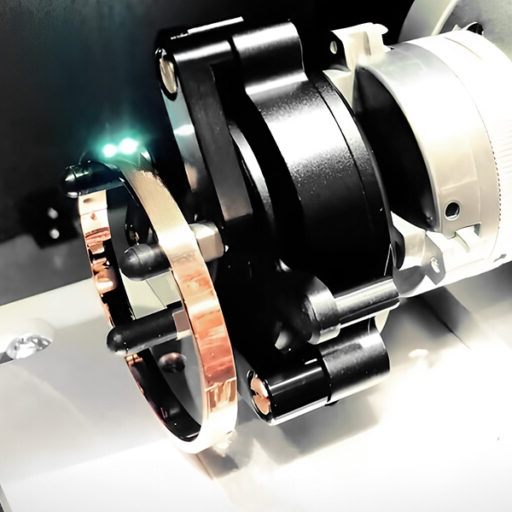
Fiber Laser Engravers
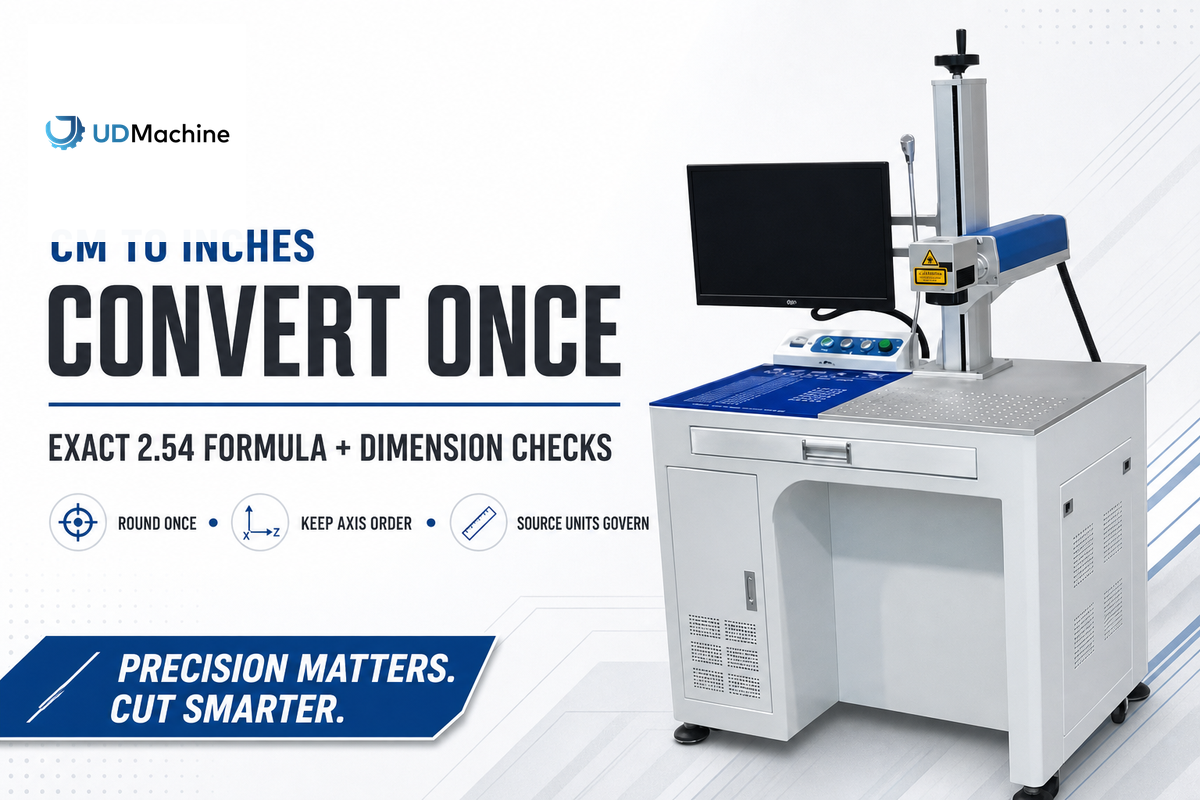
Fiber laser engravers are very highly advanced machines that can finely engrave applying designs and marking very accurately on jewelry. Because of the highly focused light beam, garnished with metals such as gold, silver, platinum, and stainless steel, it provides the benefit of engraving together more precisely. They find wide application for customization of jewelry with custom text, patterns, or anyone’s signature logo. Fiber laser engravers are very popular with their efficiency, ability to produce high-contrast black-to-white-and-white-to-black baffling-dark marks totally causing no damage to the overly delicate material involved. They have low maintenance demands and last much longer, providing a much less costly solution for professional jewelers or hobbyists.
CO2 Laser Engravers
CO2 laser engravers possess a wide range of applications in jewelry design, considering their adaptability and precision. The gaseous laser itself employs CO2 in acting as a medium for engraving on almost any material like wood, acrylic, glass, and metals that are particularly coated for laser marking. While CO2 engraving machines are not so effective on pure metals when compared to fiber lasers, they are quite distinguished for doing delicate details on soft materials preferred for jewelry that involves composite or non-metal parts. Yet, they are also so much simpler for the user with an array of options for customization and an incredibly high level of detail, which makes them ideal for artsy projects or engraved personalization. Further, CO2 laser engravers are among the most economically accessible choices for an initiate or for small applications, strikingly located in a region where affordability and operability are harmonized.
Rotary Engraving Machines
The rotary engraving machines use a spinning cutting tool to engrave designs onto the surface of materials, meaning that they are often called upon when a highly detailed design is to be imprinted on metal or other hard surfaces. This is particularly true when engraving on round, or irregular surfaces like rings, bracelets, and pendants, where mechanical consistency guarantees uniformity in both depth and accuracy. By current searches, rotary engraving machines remain highly favored by jewelers wanting versatile and affordable engraving solutions. The range of materials these machines can handle (including gold, silver, brass, and other alternative metals ) allows for highly specialized and exquisite intricate designing jobs. Additionally, rotary machines are known for their durability and relatively cost-effective durable life in terms of upkeep and usage under heavy business work conditions. Thus, for jewelers desiring a traditional but efficient engraving machine, rotary machines appear to provide a lot of promise in the market.
Materials Suitable for Laser Engraving
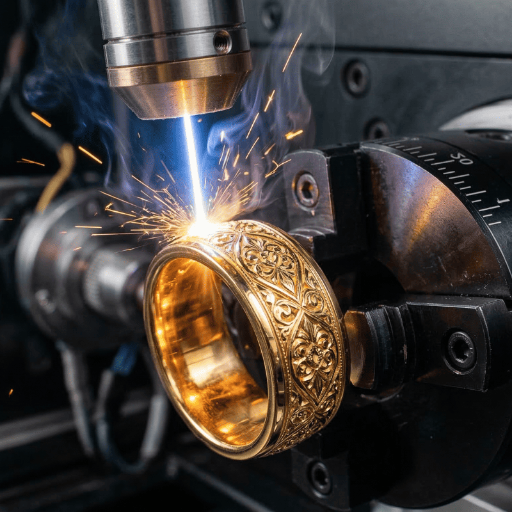
Precious Metals: Gold, Silver, and Platinum
Gold, silver, and platinum have always been considered to be the top-value precious metals in the hands of the laser engraver in some designer jewellery profiles because of the fact that laser-engraving can combine their durability, malleability, and stylishness. Laser engravings provide stunning and permanent customizations on metals, including designs with fine detail or a personal message-it can even engrave a brand logo with accuracy. Laser engraving does not cause metal surfaces to transfer images by interacting with the substrate; this is beneficial because it maintains the shapes and the pure shine of the metals.
Gold is considered one of the most versatile substrates, which glows and shimmers on finely detailed engravings to the point of looking even better on pure gold versus gold-crafted designs. Silver, and its brilliance and high polished appeal notwithstanding, has a superb flat surface for enchanting and deep-cut engraving results. The lustrous backdrop carved by silver will complement engraved designs formidably, this often inviting creativity in fashioning both traditionally styled and modern imprints.
Platinum bears the reputation of being strong and extremely rare and so stands as a third ideal option for laser engraving. Unlike other metallic elements, platinum (like gold) is extremely resistant to wear and will retain its clear and shiny character through numerous years. Platinum engraving opens up luxurious, timeless attributes of the element, adding to its viability for heirloom pieces apart from quality collet jewelry. The combination of gold, silver, and platinum propounds for the jeweler and consumer a great fun and widespread ability to create everlasting engravings.
Non-Precious Metals: Stainless Steel and More
The very durable and inexpensive stainless steel is the metal for laser engraving on jewelry at a speed, compared with other non-precious metals. But the available design becomes a very favorable medium of Personalization, even with exhausting engravings. Besides stainless steel, there are non-precious metals in modern jewelry engraving that are so very popular and preferred for their distinct qualities. For example, titanium is very light in weight, but equally strong, making it fitting into modern and minimalist designs. In terms of jeweler’s rings, tungsten proves to be wear-resistant-its shiny and scratch-free finish is light, which generally features. Aluminum, with a reputation for malleability, can be made and anodized to such a vivid myriad of colors, creating an enhanced opportunity for customization. Revered for their use both for aesthetically pleasing and utilitarian ends, non-precious metal proves to be a wider gateway for laser engraving, depending on a huge area of the consumer spectrum of choice of style and usefulness.
Choosing the Right Material for Your Project
When considering material for laser engravings of jewelry, whether one considers durability, appearance, or precision of engravings, many more factors are critically important. Stainless steel makes a good choice of metal for jewelry engraving as it has high durability, high tensile strength, and a smooth surface supporting high contrast engravings. Equally, titanium is a highly durable yet not much heavy material and hypoallergenic at the same time; therefore, it is perfect for complex, lasting designs. Aluminum stands out for high-quality engraving and is hard to beat in terms of affordability.
As far as non-metallic materials are concerned, wood is most likely to give a rustic, charming look, at the same time granting the very much valued quality of flexibility. While notable hardwoods like maple or walnut engrave beautifully and with much consistency. The acrylic variety is popular overall because it is lightweight, and may be bought clear or colored. Engraving is thus very sharp and detailed with acrylic.
💡
Pro Tip
When you choose right material really all depends on your project’s purpose or by the aesthetics desired. Look at the materials attributes and how they react to laser treatment, as well as their compatibility with your artistic design.
Key Features to Consider When Choosing a Laser Engraver
Power and Performance Specifications
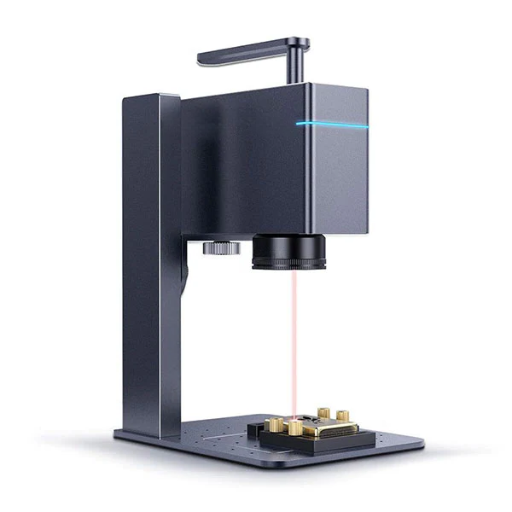
The critical determinants of power and efficiency also determine with higher or lower preference when one chooses a laser engraver. The quantity of laser power, primarily measured in watts, goes a long way to show a machine’s capability to engrave or cut the various materials. A high power laser is effective at cutting or engraving thicker or denser materials. Conversely, a smaller power may be sufficient for merely doing thin engraving. You will be weighing things with the power capability in selecting the product for the intended projects.
Performance like speed and accuracy is of equal importance. Engraving speed dictates productivity in processing tasks specifically for uses that are high in volume, and precision is the detail and the quality of the designs. Choose a machine that strikes a perfect balance between speed and accuracy that will suit your needs while maintaining maximum potential and results. Equally relevant are the servicing needs of the equipment, indicating the future performance thereof.
There are other performance considerations that vendors offer who closely work with the software design and who focus primarily on the engraving area size thus affecting the scope of different sizes the machine can handle simultaneously and how the machine will integrate into one’s workflow efficiently. As customers go through the rigorous research on these aspects, such noteworthy considerations will help in finalizing either of the two proposed laser engravers that are well aligned with your performance demands and project requirements.
Software Compatibility and User Interface
For the laser engraver buyers out there, compatibility of software and ease of use are the topmost concerns. A laser engraver that works well with popular design software such as Adobe Illustrator, CorelDRAW, or AutoCAD is really important in a smooth workflow since users will thus not have to make manual adjustments or file conversions that are too complicated. Moreover, many esteemed manufacturers are offering some highly sophisticated software for their modern-day laser engraving machines with features such as real-time previews, presets for material, and cloud-based storage to enhance usability and efficiency.
The user interface must be such that a user (whether operating through computers or through any built-in control panels) can operate with little hands-on training aids. According to the search popularity about what buyers wish for, users love these engravers with user-friendly and responsive software that would give them flexibility for operations and provide creative freedom within the software, showing the future trajectory of integration in such devices.
Size and Portability of the Machine
For a laser engraver’s size and portability, you should evaluate the area available in your office as well as the purpose you need it for. Bigger machines with more engraving space are actually apt for bigger or intricately designed projects, demanding space for them to operate. On the other hand, these small and portable ones fit well for smaller projects, convenient transport for users working in an area with a short backlog. Note also the weight and size of the machine, especially if portable situations are of concern. Portability with a touch of foldable or modular design will augment the capacity of users to hoist them from one place to another without detaching from their basic usability in any significant way.
Practical Tips for Engraving Jewelry with a Laser
Setting Up Your Laser Engraver
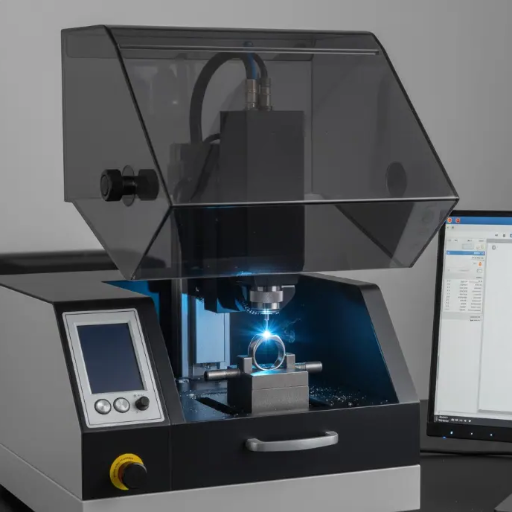
- 1
Machine Placement
Place the machine on an even and fixed surface in a well-ventilated position to ensure proper functioning and safety. - 2
Connections
Set up the laser and connect to power. Download the software needed on your computer and connect via USB or wireless options. - 3
Laser Focusing
Focus the laser as per guidelines, adjusting the distance between the laser head and the material accurately. - 4
Test Engraving
Perform a test engraving on scrap material to verify settings before working on your final jewelry piece.
Best Practices for Engraving Jewelry
To achieve premium-level etching results for jewelry, precision and preparation are two key factors to bear in mind. The choice of media to use for the laser engraver is essential. Materials such as gold, silver, stainless steel, or titanium are significant in this case. The jewelry itself should be clean and free of oil.
According to the engraving subject, the engraving settings should be conventional. Therefore, harder materials will require an equally higher level of intensity, whilst softer metals should expect lower power settings. Lay out your design in some design software and make sure everything will work properly before you engrave using your machine. Design trends might be a good option, as geometric designs, minimal fonts, or personalized scripts have been broadly received via buyers on sites.
It is important to bear in mind that safety dictates: please follow the ventilation rules and wear safety gear. And to conclude, you should keep your engraver in the best working condition by regularly cleaning the lenses and performing software updates, as recommended by the manufacturers, to ensure the engraver stays on top working condition. Adhering to the latest trends in fashion in concert with those recommended steps takes your process to a level with added allure.
Common Mistakes to Avoid
⚠️ Common Pitfalls
- Using the Wrong Setting: Bad zoning with inappropriate power, speed, or focus might get some portion in an incomplete engraving.
- Lack of Proper Cleaning: Failure to clean the machine case can cause debris buildup, leading to scratches or machine damage.
- Forgetting Material Compatibility: Working with incompatible finishes or metals can render poor results or damage the machine.
- Ignoring Safety Precautions: Failing to use eye protection or adequate ventilation leads to life-risking situations.
- Ignoring Design Proofing: Engraving without proofreading waste time and material; always preview the digital template first.
Reference Sources
-
Fiber Laser Engraving on Flat and Uneven Surfaces
This research explores the application of fiber lasers in metal engraving, including jewelry, enhancing the understanding of laser engraving techniques. -
Laser Processing on Titanium for Contemporary Jewellery: A Bridge Between Cultures
A study investigating laser processes on titanium for jewelry, combining practice-based research with academic frameworks. -
Direct Metal Laser Sintering of Precious Metals for Jewelry Applications
This paper focuses on 3D printing precious metals for jewelry using Direct Metal Laser Sintering (DMLS), analyzing process parameters and microstructures. -
The Intersection of Lacquer and Laser Technology in Contemporary Jewellery Design
Research combining traditional lacquer-working techniques with digital laser engraving for contemporary jewelry design. - Top CNC Laser Marking Machine Manufacturer and Supplier in China
Frequently Asked Questions (FAQs)
So what is a jewelry laser engraver, and then how does it work?
The jewelry laser engraver complements the materials laser units may work with. Focused laser beams have the power to remove material or change the surface of non-metals, abraded jewelry for letting in stamped text, logos, serial numbers, or intricate patterns. A precision laser system, be it diode, fiber, CO2 system, is able to control such parameters of spot size, pulse duration, and power (2W IR, 10W diode, 20W diode, 50W laser, 60W, etc.) to effectively vary with effects from deep engraving, color engraving on anodized aluminum, fine engraving on small areas, and more. Many jewelry businesses and small businesses select portable lasers that work best for home-made etchings, while workshop-grade machines are desirable for projects with their huge working areas and engraving areas that are popular in the jewelry industry.
Which are the benefits of applying laser technology to engrave jewelry as contrasted with the traditional techniques?
The definite pluses of laser engraving for jewelry are its cutting edge precision of work, reliable consistency, less surface contact (imperative to any really fine and quite brittle jewelry), capacity to perform with thin and intricate designs for a lavish setting, and rapid setup into serial production. Lasers are also capable (without changing tool) of delivering very fine lines, deep engraving, or laser marking on a great range of materials from precious metals to non-metals whereas it is just another tool that has really come on the horizon for the jewelry craft. This scalability and productivity make laser systems suit the requirements for jewelry industries and tiny customer-specific businesses to boot.
What kind of couple jewelries might commonly be used in the jewelry businesses for laser engraving and for laser marking?
Jewelry laser engraving includes vector and raster engraving; engraving styles for deep engraving, for easy legibility; color engraving on anodized aluminium and on painted metal; laser marking for delicate contrast. The material and application will change from use to another—metal jewelry mostly has fiber or high power diode lasers, whereas CO2 or diode lasers are used for non-metal type; even tumblers are used for laser engraving. Choice of engrave type is usually subject to what you want to engrave into, what sort of finish you are looking for, and a question of the issue of preciseness and clarity either for those tiny patterns or for mass engraving on size on similar patterns.
You need to calculate the maximum work area/engraving area so that it fits typical jewelry pieces and tumblers you would like to sell whatever substrates, Adjusted font size, and distinctive substrate grades that this is the next major point to consider. Spot size has a significant effect on your ability to detail enderlying surface-e.g. smaller spots largely provide finer engraving and sharp edges- both impertinent for detailed jewelry designs and small surfaces; They should meet the following conditions: repeatability, focus lengths, whether other attributes, depending on the system, might increase the degree of placement accuracy, whereas adding smart cameras as optional accessories. Some users may require to speed up their job, and for that purpose, the larger work area is significant; consequently; they should also invest in higher-power options (20W, 50W, 60W).
Are diode laser engravers or a 20W laser better for small businesses and fine engraving?
Diode laser engravers such as an inexpensive hand-held or small laser are pretty much the right choice for small businesses, with respect to this measure being very suitable for fine engraving on wood, acrylic, and some coated metals. A 20W laser diode will likely give a good mix of tape speed and precision for small jewelry work and detailed work on jewelry. Fibers or high-wattage diodes (50W to 60W) may be needed to deliver the same result for jewelry that needs deep engraving on metals or very high-precision marking on anodized aluminum.
Is it possible to achieve deep engraving/high-precision laser markings for small metal pieces of jewelry?
Deep engraving and high precision laser marking are possible for small metal jewelry items, as long as the proper laser is in place, along with the right power and spot size. Really strong fibre or diode lasers (50W or 60W) can engrave deep; for intricate patterns and very fine text, select a high-precision laser engraver equipped with a very small spot size and unyielding hold that avoids all movement. Regarding rather delicate pieces, one should regard a machine on the border of being delicate for itself and that allows very fine regulation.