Brick-making has served as a vital construction method which has constructed our present-built environment through its historical usage. The development of automated production methods, which replaced traditional labor-heavy brick-making techniques, emerged as a result of technological advancements. This blog post explores the exciting field of brick production through its examination of brick making machines, which have changed the entire industry. This guide provides construction workers with advanced technology knowledge and business owners with information about modern brick-making equipment, including its main characteristics and advantages and new developments. We will demonstrate to you how these machines use their capabilities to enhance production efficiency and environmental responsibility and product accuracy during the manufacturing process of this essential construction material.
Introduction to Brick Making Machines

Brick making machines serve as specialized equipment which produces high-quality bricks through efficient and consistent manufacturing methods. The machines automate the entire process of brick production to decrease the need for human workers while they create bricks of identical dimensions and shapes. The machines function by using compression and extrusion techniques to shape materials such as clay and cement and concrete into brick products. The advanced brick production equipment of today operates as essential instruments which construction projects require to meet increasing demands while reducing environmental waste.
The Importance of Efficient Brick Production in Modern Construction
Efficient brick production plays a critical role in addressing the increasing demand for sustainable and cost-effective building materials in modern construction. The construction industry has experienced a substantial increase in demand for environmentally friendly building materials which save energy. Builders achieve waste reduction and energy efficiency improvements and cost savings through efficient brick-making processes which use advanced machines and sustainable building materials. The solution supports worldwide green building initiatives while enabling developers to meet increasing sustainability requirements without losing product quality or durability. The construction industry can progress through brick production which adopts modern technological advancements to meet the demands of growing urban populations.
Overview of Brick Making Machinery
The process of modern construction depends on brick making machinery because it increases the efficiency of producing high-quality bricks. The machines automate the brick production process which decreases manual labor requirements while delivering higher production results. The machines are capable of performing multiple tasks which include mixing raw materials and molding bricks and drying or firing bricks to produce durable and strong final products. The process of automation brings two benefits because it saves time and delivers uniform quality throughout all production runs.
The production requirements of different brick types determine the selection of brick making machines. Small-scale operations might rely on semi-automatic machines, which require partial manual intervention, while industrial facilities typically use fully automated systems capable of producing thousands of bricks per hour. Sustainable manufacturing practices receive support from advanced machines which incorporate precision molding and computerized control systems and energy-efficient designs.
Modern brick production facilities now implement environmentally sustainable manufacturing processes through their innovative machinery technologies. The machines enable sustainable brick production through their compatibility with alternative materials which include recycled aggregates and fly ash, thus enabling the production of bricks that meet green building standards. The combination of innovations and strong machine engineering guarantees that brick production operations meet both changing environmental regulations and the requirements of the construction sector.
Types of Bricks and Their Applications
The selection of bricks depends on the project requirements which ensure that the bricks will perform their intended functions with lasting strength.
Types of Brick Making Machines
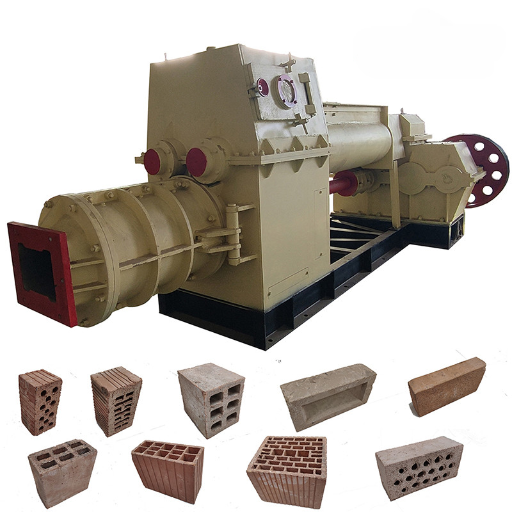
Fully Automatic Brick Making Machines
Highest Output · Maximum Automation
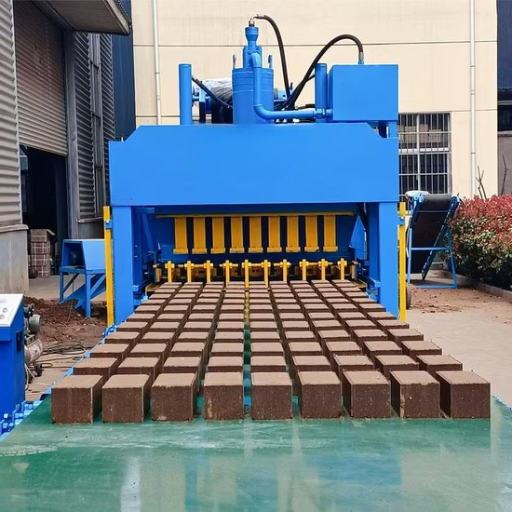
Hence, an automatic brick making machine is a device for making bricks without any help of a person and it is more effective and accurate. All processes including feeding of raw materials, mixing, forming and discharging of bricks are carried out by the machine itself. User indications are higher since the operations themselves are predictive and involve the uses of PLC controls, hydraulic uses and skilled molding.
A complete automatic machine is responsible for several advantages such as huge output, saving on labor expenditure and with more precision. Most of the machines are also equipped to provide various shapes and sizes of bricks such as hollow, solid, cellular, and interlocking bricks etc. Also, these machines make use of eco-friendly principles since, generally, they make use of fly ash or slag and because of this, the environment is protected.
In the market for the best fully automatic brick making machine, a number of factors such as production requirements, available space, maintenance needs and energy efficiency have to be factored in. The manufacturers in the industry are world-class and provide flexible solutions in order to satisfy the demands of any particular project, availing their services for an extended period of time.
Semi-Automatic Brick Making Machines
Mid-Scale Production · Cost-Effective
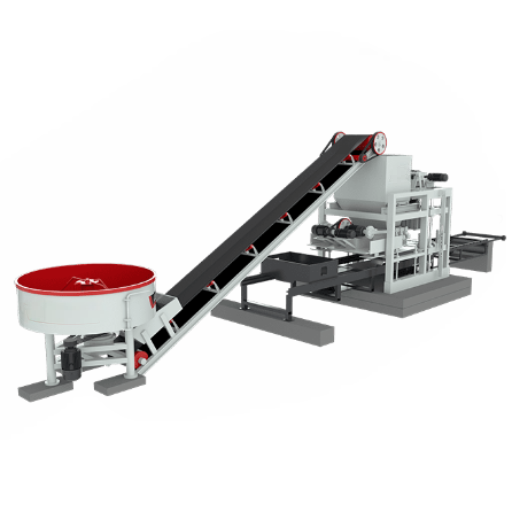
A semi-automatic brick making machine is known to be cost effective yet functional which makes it one of the most preferred systems in situations where medium scale manufacturing is required. This type of equipment encompasses the situation where the raw materials will have to be fed or more so, finished blocks collected by hand while incorporating a great extent of automation in molding and compressing. The main driving factors behind many buyers desiring semi-automatic units are their lower prices and the ability to create a very large number of bricks in a relatively shorter period of time.
Questions concerning the operation of a brick making machine and its upkeep normally ask about the efficiency and maintenance of this equipment. Its flexibility is enhanced further by enabling the cutting of interlocking, solid, and hollow bricks easily. However, these machines are serviced for each time frame that might be different from other machines, and that to combine this machine’s functionality does not require a lot of effort from the user.
Recent patterns show that industries appreciate semi-automatic machines owing to the fact that these industries’ needs may change and meet the desired production targets with minimal outlays as compared to fully automatic machines still in the search of market penetration.
Manual Brick Making Machines
Small-Scale · Rural Applications
Brick making machine in its manual version is still progressive in the aspect of small scale and rural applications in terms of being affordable and easy to operate. These machines function in the absence of electricity, but require manual compression to transform the raw materials into bricks. These machines attract the attention of businesses and people who look for economical means of meeting the most basic construction needs.
The machine production capacity, material effectiveness and longevity are among the most common questions. In general, a semi-automatic or manual brick making machine is capable of making 500-1000 bricks per day in accordance with an operator’s skill level and the design of the equipment. Most of them are classified as clay, sand and cement types thus they do not require very sophisticated conditions to be used. Their robust construction and non-dependence on electricity makes them a very reasonable option for underdeveloped areas.
Key Features and Specifications
Production Capacity and Efficiency
| Machine Type | Output (Bricks/Day) | Best Suited For |
|---|---|---|
| Manual | 500 – 1,000 | Small businesses & rural areas |
| Semi-Automatic | 2,000 – 5,000 | Medium-scale operations |
| Fully Automatic | 10,000+ | Large-scale industrial projects |
A brick making machine works for optimum usage, but also contains more or less power depending on the configuration and form of machine being understood. For instance, if it’s a figure of 500-1000 bricks, most probably such a number would be achieved by a manual machine and would only cater to small business set-ups. Nevertheless, Semi automatic ones can deliver more than double of this range of 2000-5000 bricks every day, subjected to participants destruction and cost of raw materials.
For the projects with high demand of bricks, semi-automatic designs are the most effective given the fact that most brick forming machines used in construction sector produce more than 10,000 bricks a day. There is minimal need of even a few personnel to attend to these machines as they are designed to be most efficient automatically with very many devices inbuilt such as a system that feeds and even compresses the mixture. The consideration of such equipment is only relevant in respect to industrial use which focuses more on press efficiency and output.
The efficiency of brick making machine will further depend on quality of the input and maintenance of instruments. In order to ensure that the instruments work efficiently and for a long time, periodic cleaning of the molds and application of oil to lubricate moving parts is undertaken. Furthermore, ensuring that the components of the mixture are the correct proportions and are well-mixed will enhance the efficiency and minimize the wastage during moulding of bricks.
Power Consumption and Operational Costs
There are varying degrees of power and cost used in making bricks in different machines. All these are determined by the factors of machine type, production capabilities and energy saving. When using the latest technology, it is possible to use fully automated brick making machines which consume less energy with an ability to produce large amounts of output thus, they are very economical with an industrial scale of production.
| Machine Scale | Power Range (kWh) | Notes |
|---|---|---|
| General Electric Range | 20 – 80 kWh | Varies by capacity |
| Mid-Sized (5,000–10,000/day) | ~30 kWh avg. | Standard industrial setup |
| Large Industrial | 50+ kWh | High-volume output |
A number of manufacturers use variable speed drives (VSDs) and energy efficiency devices for the purpose of saving energy in the period when production is in idle mode, or the loads are smaller. Manufacturing costs include as well the charges for service, wages and materials. In small semi-automatic models, the costs for service are low but increase once the systems become fully automated due to more complicated machinery.
In addition to these, companies can cut operational costs by looking for different sources of energy. While solar or hybrid power systems have higher initial investment, over the long run, they provide an economic benefit of having lower electricity bills.
Therefore, with brick making machine, there is a great range of power consumption and operation costs but the benefits in terms of cost and environment are far greater in the long run.
Benefits of Using Brick Making Machines
Increased Efficiency and Productivity
A brick making machine has numerous benefits such as increased efficiency and productivity. Such machines are designed to eliminate most human effort and error that goes into making bricks. They take care of all operations including measuring, mixing, and other duties performed by humans in order to keep the production consistent and fast to meet the required volume of bricks.
One of the biggest advantages of these machines is the large output in smaller timelines compared to the conventional fabrication. This allows the manufacturers to take on bigger jobs and overcomes the limitation of long production time that the traditional methods have. Thanks to the advanced technology, some machines can even operate around the clock without stopping, hence meaning more work can be done without any delay.
Moreover, a lot of brick making machine may be adjusted in size, shape and set to use other raw materials for manufacture. For this reason such flexibility assists the producers to adapt to factory construction demands that vary while keeping the measurement accuracy intact. These facets, in turn, help the companies to reduce the consolidation production and retention costs and further enhance their profits, thus emphasizing the importance of such machines in the contemporary bricks production processes.
Cost Savings in the Long Run
One of the most noteworthy advantages of investing in a brick making machine is phenomenal savings in the long run, thanks to economies of scale and efficiency. Modern brick making machines focus on maximizing the usage of input materials and minimizing waste every step of the manufacturing process. There are consistent figures from reports on the construction industry that automation cuts labor costs by 50% or more because of less manpower required and lack of manual operation involved in the process. What is more, they also absorb quite less energy since they adopt highly effective engineering principles, thereby diminishing operating costs. The greater exposure to the benefits of lowered economics for ground level workers and decreased energy costs progressively balances out the cost spent on the machines over the years, helping producers save rather than increase costs. In case such companies plan to enhance the business, where mitigating profitability is essential, brick making machines may be considered the answer.
Consistent Quality and Durability of Bricks
Consistency in quality and strength of bricks hinges on having the whole process mechanized. This eliminates errors during production process. They rely on accurate dimensions and proportions to make sure that the bricks made are of the same size, shape, and strength. While a lot of products can be made using heavy machinery the consistency of the final product is also imperative for the construction businesses. One of the machines brick making machine considers is the machine which creates bricks which can withstand very high density – very solid bricks. Such bricks also have the advantage of being impervious to wear and tear as they are able to withstand harsh weather and weight changes thereby serving for a longer period. Consequently, these machines afford builders the opportunity to use high grade bricks to produce incredibly elegant structures and constructions that do not call for repairs or replacements for a very long time.
The Brick Making Process
Raw Materials Used in Brick Production
The primary original materials used in the production of bricks are clay, sand, and water. Clay present in the raw mix is the foundation of the materials in that it is pliable and develops into a strong brick on firing. Sand is used to hold the contraction of clay to the minimum limit in the making of bricks. Water is involved to thoroughly mix the materials and help to form a brick like plastic body. Supportive materials such as lime, ash, or pigments may be added to modify properties of bricks, or modify the appearance of the bricks.
The Step-by-Step Brick Manufacturing Process
- 01
Raw Material Preparation
The start of brick-making involves sourcing and preparing raw materials like clay, sand, and water. The clay is first dug out and cleaned to get rid of the impurities inside. - 02
Mixing
Uniformity is achieved with the mixing of the raw materials in the laboratory area. Sometimes, clay may be mixed with sand and water to create a workable paste. - 03
Moulding
The mixture, having completed the preparation stage, is placed in the moulds to give it the shape of a brick, much of which can vary, depending on whether it is being done manually or with the help of machines. - 04
Drying
Once removed through molds, the bricks are sundried or directly transferred to specially constructed drying chambers. This process is used to eradicate moisture and minimize the cracking risk after firing. - 05
Firing or Baking
Presented at the firing chamber, once dried, the brick will zap high temperatures. This stage will make the brick strong and give it higher strength. - 06
Cooling
Once fired, the bricks are left in controlled temperature so that they don’t suffer cracking or warping. If cooling is made with great care, then it can guarantee the maintenance of bricks integrity. - 07
Sorting and Quality Check
Finally, the bricks are examined for quality, then tested, and sorted based on strength, size, and color. All defective bricks are disposed of or reprocessed. - 08
Packaging & Distribution
The finished bricks are delivered to their respective stackers for their use in construction work.
Quality Control Measures in Brick Production
To secure a unique product, the bricks are subjected to stringent quality control at the time of production, so that they come out having the desired consistency, strength, durability, and appearance. This calls for continuous state inspection and control during certain stages of the process.
The beginning will be in picking and testing raw materials, studying for properties such as plasticity and chemical composition, which serve to directly impact the final quality of the product. Taking out any impurities from the clay or other raw materials is performed and as such, the consistency needed for brick manufacture is maintained, which is imperative if the bricks are to retain physical and structural uniformity.
Secondly, while going through melt shaping, drying, and firing stages, several tests are conducted for a range of parameters: core areas like moisture contents, temperature, and firing time. For instance, over or under-firing may result in a much weaker brick or discoloration. To ensure the complete attainment of regular standards in these stages, wastage in the bricks is reduced and maximum power and resilience are attached to them.
Furthermore, after their completion, the bricks are subjected to a series of tests relating to shape, size, and certain issues which relate to the quality of bricks. Standard test include those which test for compressive strength and load carrying capacity. Packaging together with those who are fairly blemished, but still manage to adhere to the necessary standards are finally put on the market. All other rejected bricks are broken down for re-use or merely discarded, among others, in modest terms, as quality end products.
Reference Sources
Frequently Asked Questions
What is the block making machine and how does it work?
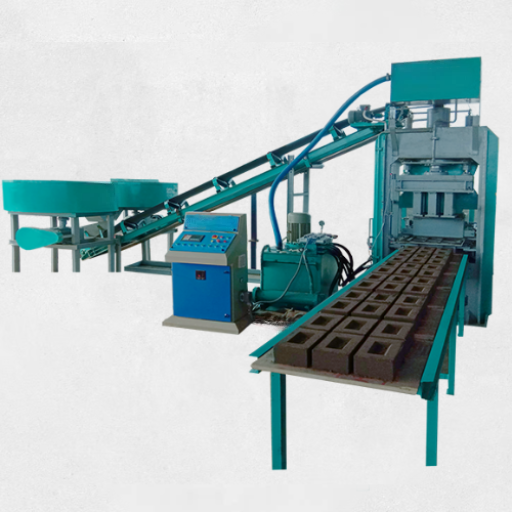
Block making machine, also known as block machine or concrete block machine, involves mixing cement, sand, aggregate and water then squeezing the mixture into moulds with the help of vibration and hydraulic or mechanical pressure. Automatic block-making machines and semi-automatic models which help in carrying out the programmable cycles with hydraulic pressure quickly form concrete blocks, hollow blocks, and paver units. On the other hand, manual models and options like the clay brick making machine tend to be on a much smaller scale for production and generally employ less scientific pressure and hand-fed mold insertion.
What distinguishes three types of concrete block machines (qt6-15, qt10-15, and others like automatic models)?
Variants with qt6-15s and qt10-15s would represent the characteristics of capacity and mold size: qt6-15 is usually smaller, catering to newcomers while qt10-15 is, as a result, geared toward larger block production, per block production, per hour. Automatic concrete block machines are designed with chain conveyors, molds that can be handled automatically, and hydraulic system functions that take less effort; semi automatic and manual types, on the other hand, cost less to purchase and operate being simple, manual machines; also autonomous block machines and would require fewer nontechnical workers overlooking the factory. Machine manufacturers outline the differences into aspects such as block production, machine quality, and block machines designed for mobile use or installation and working from a fixed production line.
What type of mold and size are available to make block bricks?
The features provided by block molds will decide the size, shape and locks on the bricks. The block making machine is designed to work using interchangeable block mold plates for making of hollow bricks, pavers, interlock bricks, and cement bricks. Moreover, manufacturers give options for large bricks, small bricks, and custom bricks; the choice of mold impacts how many bricks the machine can make in an hour and efficiency in overall production of blocks.
How many bricks per hour can a concrete brick making machine produce?
Production volume, which can be in the range of hundreds to thousand per hour, depends on the model. Of course, small semi-automatic machines would produce some hundreds of bricks per hour, automatic plants with block production and qt10-15 type machines may well produce thousand bricks per hour. The output is determined by things like number of mold cavities, cycle time, automation level, every-other thing likely to affect the uniformity of the raw materials, curing method of cement blocks, or concrete hollow blocks.
What advantages are found in a hydraulic, fully automatic brick machine?
A hydraulic system provides steady pressure, durability, and high efficiency with an extensive selection of cement blocks and pressure-brick available. This feature is ideally taken full advantage of when this automatic brick-making machine runs. It operates efficiently and effortlessly, reducing labor input, increasing high precision, quick block production up to the same level, guarantees repeatable block quality through machine automation, usually being easily connected to an assembly line, and with manufacturer assistance for its maintenance and spare parts.
Are types of industrial machinery designed to promote greener or mobile production?
The manufacture of concrete hollow (or solid and/or block-type material) blocks reduces material use, providing strength. Mobile block machines and compact automatic models are meant to produce on-site at construction sites (transferred mechanically off the machine into a destination site), thereby they may significantly lower transportation costs. Eco-designs and efficient hydraulic pressure systems help to cut down energy consumption, as well as economize material use.