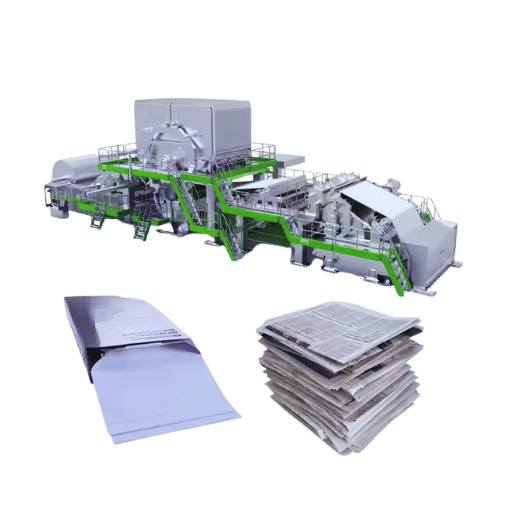
People are talking about sustainability with more urgency than ever, and the paper sector is finally answering the call. The latest buzz centers on a new class of recycled paper-making machines- average folks call them game-changers-and that description is no accident. By reworking old sheets instead of cutting new trees, these rigs trim both emissions and costs while gobbling up scraps that would otherwise clog a landfill. Well, dig into the tech’s quirks, count the environmental savings, and ask how fast the wider industry can pivot. Tag along if you’d like a sneak peek at the kind of system that could hand the planet a fighting chance.
How Does Paper Recycling Machinery Work?

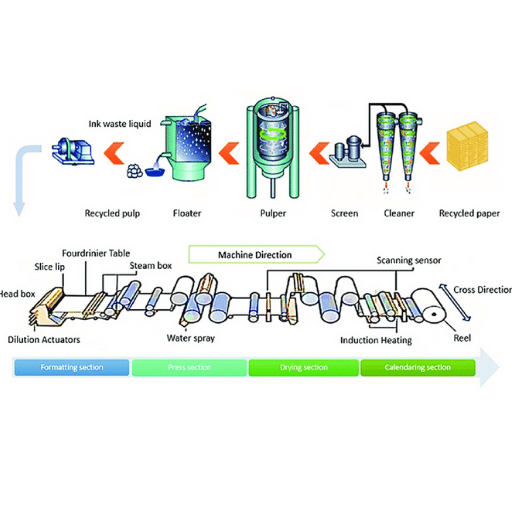
In recycling plants, a steady stream of shredded office memos rattles through a series of hoppers and conveyors, all bent on turning trash back into treasure. Collection crews stack bales according to grade, so newsprint, cardboard, and glossy magazines each get their brief holiday before the machines whir to life. Once sorted, the paper tumbles into a giant pulper where a splash of hot water and the occasional chemical pick apart the fibers and resemble, for a moment, nothing more dignified than gray oatmeal. Screens and filters chase away the stickers, bits of plastic window film, and stray clumps of toner, until the slurry starts looking almost clean enough to drink- were it not for the smell. Refiner blades then chop the mush finer, and mill operators sometimes sprinkle fresh virgin fiber on top to keep the finished paper from tearing at the first fold. The blended pulp slides onto large moving blankets, is pressed between rollers, and finally sheds its last bead of moisture so that a crisp roll of writing paper can be shipped out by dinner time. This choreography of mechanical hands salvages fiber that otherwise would go to a landfill and uses far less water and power than making fresh stock from trees.
What are the key components of a paper recycling machine?
A paper-recycling setup usually starts with a hydropulper that breaks sheets down into mush, later heads through a disc refiner to even out the fibers. The slush then slides into a head box, spreads across a felt conveyor, passes through hot driers, and finally is pressed flat between a pair of rollers.
How does pulp contribute to the recycling process?
Pulp sits at the heart of paper recycling. Ever scrap page ends up being churned into mush, turning office memos and cereal boxes into the very stock from which new sheets spring. Hydropulpers, those noisy steel beasts, slice and soak the paper until the fibers fall apart. Contaminants-inks, adhesives, stray bits of plastic-are stripped away in a deinking bath, leaving a clean, oatmeal-colored slurry. At that point, the pulp can be polished or thickened to match the feel and look needed for anything from toilet tissue to glossy magazine covers.
Numbers from late 2023 show roughly 69 percent of the world’s paper and cardboard is back in the loop, a figure the International Energy Agency keeps track of. Running virgin timber through a mill is energy-hungry; switching to recycled pulp can shave off nearly 60 percent of that power bill. Water use drops even more, by about a third to a half, because none of the long-stock cooking and bleaching recipes are required. Taken as a whole, the short life of a newspaper and its second act as pulp spare forests and fuel from the fire every single time the cycle turns.
What role does machinery play in transforming waste paper?
Without modern machinery, turning discarded paper back into usable stock would be a labor-intensive slog. Hydropulpers grind whole bales into mushy fiber soup, then refiners boost the fibers’ tensile strength and brightness. A tangle of conveyors and rubber rollers keeps the pulp, sheet, and sheet moving seamlessly from tank to dryer. The entire setup offers repeatable precision and scale that hand processing simply cannot match, letting mills feast on curbside paper and spit out fresh sheets with almost no human toil.
What Types of Recycling Machines Are Used in the Paper Industry?
How does a waste paper recycling machine differ from a paper-making machine?
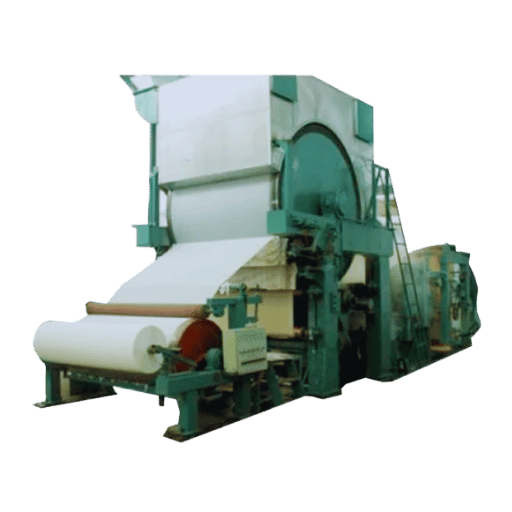
A waste-paper recycling device is designed to convert discarded sheets directly into a workable slurry or intermediate product; in contrast, a conventional paper-making machine relies on virgin wood pulp or recovered pulp to manufacture finished sheets.
Key Distinctions in Table Format:
|
Parameter |
Recycling Machine |
Paper-Making Machine |
|---|---|---|
|
Input |
Waste paper |
Virgin/recycled pulp |
|
Output |
Recycled pulp/paper |
New paper sheets |
|
Process |
Cleaning, de-inking |
Pulping, pressing |
|
Purpose |
Reuse materials |
Create new paper |
|
Raw Material |
Used paper |
Wood/recycled pulp |
|
Focus |
Sustainability |
Production efficiency |
|
End Product |
Recycled paper |
Various paper types |
What are the specifications of a Kraft paper-making machine?
A typical Kraft-board line memorandum outlines preferred furnish grades, end-product qualities, working trim, basis-weight range, roll-speed maximum, daily tonnage target, and space for auxiliary equipment such as showers, cyclones, or pulp-dilution gear.
|
Key Point |
Details |
|---|---|
|
Material |
Waste paper, pulp |
|
Paper Type |
Kraft, liner |
|
Width |
1600-5800mm |
|
Weight |
80-400gsm |
|
Speed |
40-800m/min |
|
Capacity |
10-750T/D |
|
Systems |
PLC, vacuum, drying |
How do paper waste recycling machines enhance production process efficiency?
Recycling machines that handle paper waste have become cornerstones of modern production floors, cutting both raw-material expenses and energy use while delivering a solid environmental bonus. By turning off-cut sheets into workable pulp almost on demand, these devices insert a fresh feed directly into daily paper-making runs.
- Cost savings flow in as soon as mills swap virgin pulp for recycled fiber, trimming the spending line for log purchases and refining. A single ton of reused paper, industry surveys repeat, protects about 17 standing trees and spares roughly 7,000 gallons of fresh water.
- Engine designers keep shrinking the kilowatt-hours needed, coupling high-efficiency motors with heat-recovery wedges borrowed from power plants; studies pin energy shrinkage at 28 percent to 70 percent when numbers from virgin and recycled routes meet.
- Fabricators stack sensors and PLCs across the horizontal deck, tagging each valve and drum with digital IDs that signal corrections before a problem drags on. That automation tightens the pace, cuts the human-in-the-loop risk, and delivers a steadier quality to pulp sellers waiting outside the gated yard.
- Closed-loop water circuits trim the mill thirst, cycling gray fluid back through screens, filters, and centrifuges, until the next batch enters. Operators claim the new architecture shrinks total draw by as much as 50 percent when lined up against the open-drain era.
- Environmental footprint. Every ream of used paper that a recycling press processes saves a bit of space in a landfill, curbing the methane and carbon dioxide that can roil the atmosphere as trash decomposes. Experts estimate that recycling a single ton of office paper clears about 2.5 cubic meters of that shrinking underground archive.
Broader picture. Dropping state-of-the-art shredders and pulpers directly onto the factory floor sharpens workflow and trims costs, yet the bigger win often lies in the green badge it hands to auditors and customers alike. Compliance with emerging circular-economy rules suddenly becomes routine, and brand claims of sustainability begin to feel credible rather than aspirational.
What is the Recycling Process for Recycled Paper Manufacturing?
What is the role of a recycling plant in paper production?
Recycling hubs sit at the midpoint between the wrapper in your hand and the notebook waiting on a student’s desk. Incoming magazines, cardboard boxes, and office misprints are first weighed, then sorted into neat grade piles by laser-sensor guided conveyors. Contaminants, gloss coatings, and stray plastic windows are pulled out while the load is shredded, soaked, and beaten to a wet pulp the color of oatmeal. Modern bailey-washers and press-dry lines use only a fraction of the water and power common plants once burned through, so the overall carbon footprint shrinks even further once the figures are crunched. One industry-wide estimate pins the savings at 7,000 gallons of water, 17 mature trees, and roughly two-thirds of the electricity that would have flowed into a virgin paper run. High-quality recycled sheet is then blown into storage silos and sold to mills that can blend it straight into their furnish recipe, easing the demand for newly logged wood and nudging the entire chain toward a greener equilibrium.
How does the recycling process mitigate paper waste?
When paper is recycled, bulky truckloads bound for the landfill shrink almost overnight. That simple shift cuts the methane banks, and the slow decay of old sheets releases into the atmosphere. Pulpy fibers reused again and again pull far less fresh timber and freshwater out of the biosphere, leaving both in their original places.
What are the Challenges and Solutions in Waste Paper Recycling?
What are the common issues faced in paper recycling?
- Contamination: Leftover food, plastic film, and sticky adhesives often sneak into paper bins. Each foreign item degrades the end product, making it harder to meet quality standards.
- Shorter Fiber Lifespan: Every round in the pulper roughens the fibers a bit more. After six or seven cycles, the pulp is too weak for most new-sheet applications.
- Mixed Paper Grades: Opaque envelopes, glossy mailers, and newsprint occupy the same cart at collection. That mash-up disrupts the shredding and sorting lines the moment they arrive.
- Ink Removal: Chemicals and enzymes break down toner, dye, and printer ink, a step that consumes both water and energy. Because the slurry must be screened multiple times, the operation is anything but quick.
- Economic Factors: The price of OCC rises and falls with containerboard demand, squeezing margins for recyclers during downturns. When profits drop, some facilities scale back on quality controls or shut down for a stretch.
- Energy Consumption: Recycling paper saves trees and cuts virgin pulp costs, yet diesel trucks and roaring grinders still burn power. Lifecycle analyses show a notable but smaller carbon footprint than new-production paper.
- Lack of Public Awareness: Many residents don’t separate shiny magazines from brown craft paper, so one careless toss can ruin an entire bale. Frequent, clear outreach is needed, yet campaigns often fade after initial launch.
How can recycling machinery be optimized for better efficiency?
Researchers have shown that recycling plants can raise their efficiency by weaving together cutting-edge tech and disciplined, numbers-driven management. Drones and robotic arms, for instance, sort paper from plastic faster and with greater accuracy than human crews, sharply cutting labor costs and spoilage rates. Meanwhile, artificial-intelligence routines crunch streaming sensor data on the fly, flagging bottlenecks that slow downstream shredders or balers so operators can adjust queues in minutes. Retrofitting a thirty-year-old trommel with high-efficiency bearings and party-grade motors trims energy use by two-thirds without noticeable loss of volume. Scheduled upkeep paired with wear-prediction software keeps every blade and belt running, slashing the hours a line sits idle. A patch of smart sensors looped into the Internet of Things dashboard lets floor chiefs monitor temperature, vibration, and throughput with one glance, turning reactive firefighting into measured, preventive tuning.
What innovations are driving improvements in waste management?
Recent breakthroughs in waste management are powered by several converging technologies. Artificial intelligence now guides optical sorters that separate materials with human-like accuracy. Collaborative robots, or cobots, handle heavy bags on the factory floor while sending alerts when they need maintenance. Internet-connected bins collect volume and contamination data, allowing truck routes to adjust in real time. At the back end, chemical recycling and gasification push the frontier of what is technically recyclable. Running through all these advances is the circular-economy mindset, which treats every discarded item as a potential input rather than as pointless refuse.
What is the Impact of Recycled Paper Manufacturing on the Paper Industry?
How does the demand for recycled paper products affect the paper industry?
Recent market surveys indicate that consumers and corporate buyers alike are steadily choosing recycled paper for everything from packaging to office stationery. That shift is nudging manufacturers toward a greener operation by adding more reclaimed fibers, trimming their dependence on virgin pulp, and, not incidentally, cutting overall carbon outputs.
What are the environmental benefits of recycling paper?
- Cutting Back on Trees Cutting down forests slows when mills rely on old paper instead of fresh pulp. Every ton of recovered sheet keeps several mature trunks standing.
- Using Less Power Factories that respin scrap, buy only half the kilowatt-hours of brand-new fiber demands. That drop shows up on the grid and in the monthly energy bill.
- Saving Water, Fresh paper-making drinks hundreds of thousands of gallons for each batch; recycling uses a few thousand. The savings fill reservoirs or soothe drought-stricken rivers.
- Keeping Methane in Check Unrecycled sheets rot in landfills and tumble out as methane, a gas twenty-five times stronger than carbon dioxide. Remaking the pages at a recycling center shuts that leak.
- Freeing Up Dumps Every recycled ream keeps forty pounds of trash from a compactor. Every forty pounds lets a landfill stretch a month longer.
- Cleaning Up the Air & Water: The chemicals and steam that virgin mills push into the sky are halved or more when the first grind comes from a bale of blue-bin stock. Fewer spills into rivers mean clearer water for fish and people alike.
- Embracing Circular Economy: Paper loops back into newsprint, then into office pads, then into cardboard, proving no tree ever really dies. That continuity keeps raw costs steady and ecosystems whole.
How does recycled paper manufacturing influence paper products?
Recycled paper production quietly reshapes both the craft and everyday appearance of the sheets we handle. Industry observers still note that the older fibers often measure shorter than their virgin cousins, a characteristic that nudges at things like tensile strength and surface feel. Newer sorting and pulping gear, however, keeps narrowing that gap, so companies now roll out letterhead and magazine stock that most end-users label premium. Each ton of reclaimed fiber also spares an acre or two of woodland, which looks good on both balance sheets and ecological maps. Hygiene standards in food packaging and book-printing remain unforgiving, yet the latest intakes of post-consumer stock pass those tests without special pleading.
Frequently Asked Questions (FAQs)
Q: Can you describe what a paper-making machine is and elaborate on its operational efficiency and workflow processes?
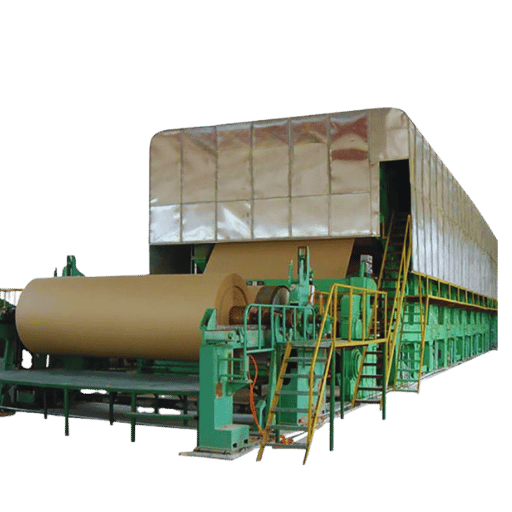
A: A machine designed to create paper from wood pulp is known as a paper-making machine. It takes raw materials in the form of wood pulp, and in pressing, drying, and rolling stages, transforms them into new sheets of paper.
Q: In what way does a Kraft paper-making machine differ from other paper-making machines?
A: A kraft paper making machine operates differently than other paper making machines because it is used exclusively for producing a certain type of paper that is strong and can be used for all packaging purposes. Unlike other paper-making machines that produce multiple types of paper, kraft paper machines concentrate solely on the production of kraft paper by treating wood pulp with specific chemicals to improve its strength and durability.
Q: Discuss the various types of paper that can be produced through the reuse of shredded materials.
A: Through the reuse of shredded materials, one can manufacture office paper, tissue paper, kraft paper, and toilet tissue paper. Each form of paper undergoes different processes to ensure that the recycled paper is of good quality.
Q: What is the significance of the paper-making machines in the recycling process?
A: In the recycling process, paper-making machines serve the important function of converting waste paper and other paper materials into new paper articles. These machines effectively manage recycled pulp to achieve the desired outcome while minimizing waste.
Q: What are the processes involved in a paper mill’s paper production line?
A: A paper production line in a paper mill employs a continuous workflow that includes the preparation of raw materials, pulp making, filtering, pressing, drying, and finally producing finished paper products. The machinery paper used in these lines is focused on optimal throughput and precision.
Q: What advantages are provided in the Kraft paper utilized in packaging materials?
A: Adopting Kraft paper produced via a paper-making device for packaging comes with notable advantages such as improved strength and enhanced durability, along with protection against tearing. Apart from these, kraft paper is eco-friendly as it is made out of recycled materials and can be recycled after use.
Q: What are the available systems for paper waste recycling for industrial purposes?
A: There are systems designed for industrial purposes for the recycling of office, tissue, and kraft paper wastes. These systems have separate units for sorting, pulping, and de-inking, which guarantee the quality of the recycled paper as well as the grade of the de-inked pulps that they would produce.
Q: How does a recycling plant handle various categories of paper?
A: A recycling plant handles various types of paper by categorizing them into office paper, tissue paper, and kraft paper. Each category goes through a unique processing sequence by the industry standards for the produced pulp to be of high quality the end paper products.
Q: What modern technologies are available in India in pulp and paper machinery for recycling?
A: The modernization of technologies in India has included the recycling of waste paper by reducing the time of pulp production, better waste recycling systems, and more strict supervision of the processes and operations in the paper manufacturing industry to ensure compliance with the set standards.
Reference Sources
1. Title: The use of cellulosic ethanol fermentation waste and fiber from municipal solid waste in conjunction with kraft black liquor binder for the production of recycled paper
- Authors: C. Ko et al.
- Journal: Bioresources
- Publication Date: July 27, 2015
- Citation Token: (Ko et al., 2015, pp. 5744–5757)
Summary:
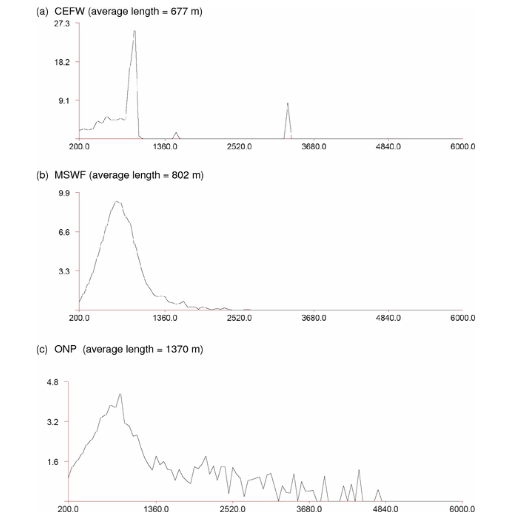
- This paper has a focus on alternative papermaking techniques utilizing centerpieces such as cellulosic ethanol fermentation waste (CEFW) and MSWF (municipal solid waste-derived fiber), which are combined with old newspaper (ONP) fibers. The research results indicated that utilizing a “green” adhesive binder from kraft black liquor enhanced the physical qualities of the paper products obtained, an improvement which can also justify the substitution of ONP fiber with CEFW and MSWF, as it also increased tensile and bursting strength of the products.
2. Title: The Creation of Recycled Paper Using Municipal Sludge Waste as a New Biomass Filler
- Authors: Hao Sun et al.
- This article was published in Nordic Pulp and Paper Research on April 16, 2024.
- Citation Token: (Sun et al., 2024, pp. 177–188)
Summary
- The purpose of this research is to analyze the effect of harmless municipal sludge (HMS) on the properties of recycled paper. This paper studies the characteristics of HMS and its impact on the properties of recycled paper. The study HMS increases the mechanical properties of paper; tensile strength in the presence of HMS as a filler is particularly higher. The paper HMS suggests that the use of municipal sludge is a step forward in improving the sustainability of the production of recycled paper by utilizing waste.
3. Title: “The Development of a Laboratory Test for Deposition Measurement in Recycled Papermaking”
- Authors: B. Sithole et al.
- Publication Year: 1999
- Citation Index: (Sithole et al., 1999, pp. 26–30)
Overview:
- This paper, despite being over five years old, remains relevant and informative regarding the problem of deposition in recycled paper making. The research includes a laboratory test to measure deposition in the recycling process, which is helpful in the optimization of the machinery used as well as in upgrading the quality of the recycled paper products.
5. Recycling