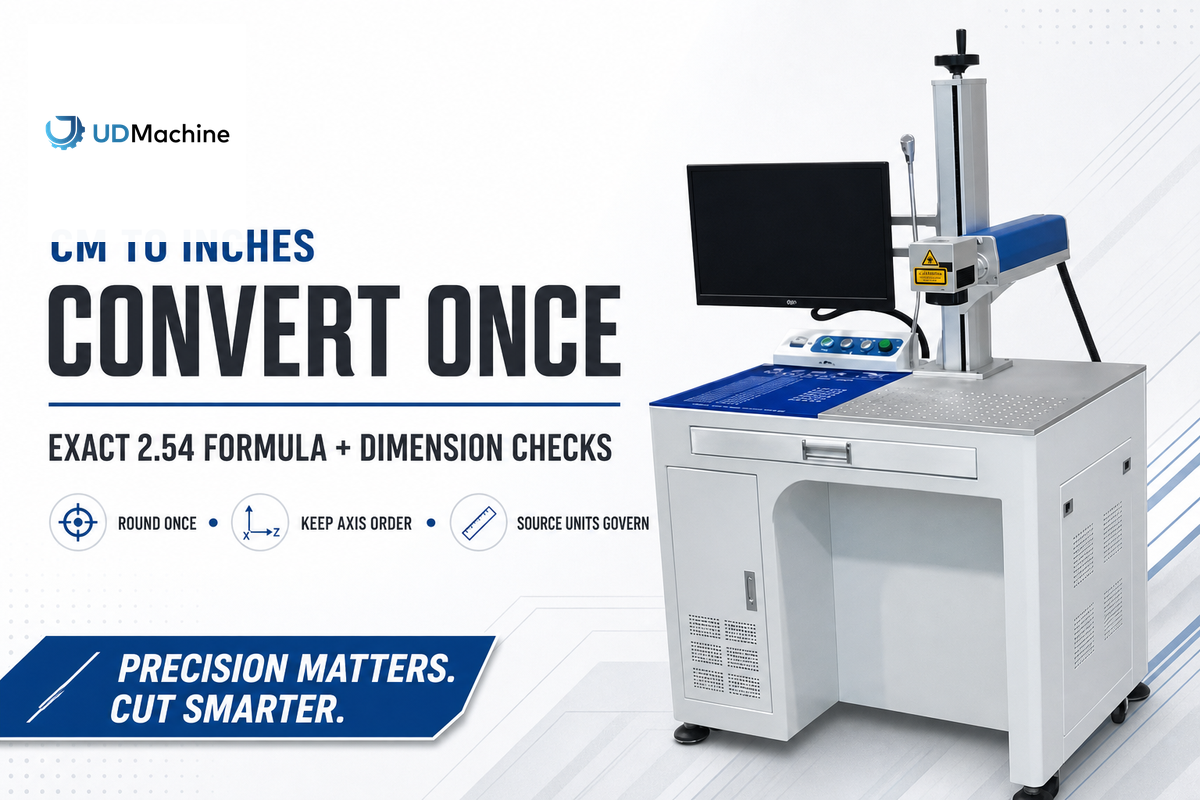
In metal laser etching, the technology is used that combines the two contradicting poles of creativity and quality perfectly, so it is suitable for those who want a surface that will be permanently marked, and nothing else. The precision and flexibility of this cutting-edge technique have been a benefit not only to the production industry but also to the personalized gift sector, which in the past had to endure less accurate and less flexible methods. In case you are a metalworking professional, designer searching for the way of the future to solve your problem or just someone who has a curious mind, this blog is going to guide you to the laser-etching universe where you will get acquainted with the process, the tools, and the endless possibilities that are being supported. Eventually, you will understand that laser etching is not just a tool but a wonderful craft that integrates the two realms of art and technology.
Introduction to Laser Etching
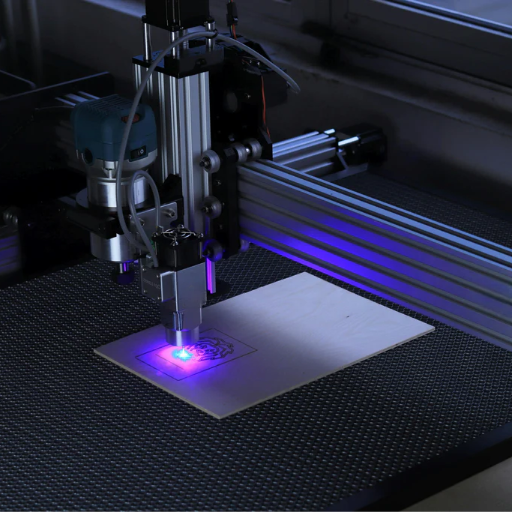
Laser etching is a method that utilizes a focused laser beam and is thus accurate and quick. Contrary to classic engraving methods, it only affects the topmost layer, leaving no traces of material removal while still creating lasting marks. This method is also very adaptable and can be implemented on various kinds of materials, i.e., metals, plastics, wood, and glass. The high speed, precision, and capability of producing complex designs have made it necessary in sectors like manufacturing, jewelry, and branding where it can be used as a tool to promote the product.
What is Laser Etching?
Laser etching falls under the category of laser marking and it is an application that uses the most advanced lasers to quickly heat the surface of a material, making it to expand and produce a raised image. Though this process is very accurate and does not go into the material, it does change the texture and appearance of the material, thus highly detailed and durable marks are produced. It is along these lines that laser etching is a process extensively used in industry and commerce for inserting logos, barcodes, serial numbers, and decorative patterns onto the products. The future of laser etching systems is very promising as technology continues to improve in terms of speed and accuracy thus allowing wide-ranging customization of surfaces made of different materials such as metals, ceramics, and plastics. It is particularly regarded for its ability to deliver uniform and high-quality outcomes with less material distortion.
Growing Popularity in Various Industries
Laser etching is a technology that has been embraced by multiple sectors mainly because of its flexibility, accuracy and speed. Marking of parts with necessary identifiers, which makes them traceable and compliant is one of the uses in the automotive industry. The possibility to produce very elaborate designs and markings on minuscule electronic parts without causing any harm to the material is one of the main reasons that electrical devices manufacturers have preferred the laser etching technology. In the same way, hospitals are using laser etching to apply markings that are not only hygienic and durable but also in compliance with the very strict regulatory standards for their instruments. The wide range of applications, thus, is a major contributor to the tech’s continual and rapid evolution in these and other industries.
Benefits of Using Laser Technology
- High Precision and Accuracy – The highest precision possible is provided by laser technology with no other method able to do so, making it possible to create intricate designs and detailed markings without risking the surrounding materials getting damaged.
- Durability – The laser marks have an extremely long duration since they can’t be worn out, faded or affected by environmental conditions.
- Versatility – It is capable of being used on a wide range of materials including metals, plastics, ceramics, etc. which makes it suitable for many different industries.
- Efficiency – The laser processes are fast and effective which results in shorter production times and lower operating costs.
- Eco-Friendly – The lasers do not need any harsh chemicals or consumables and thus they are considered environmentally friendly technology options.
Understanding the Science Behind Laser Metal Engraving
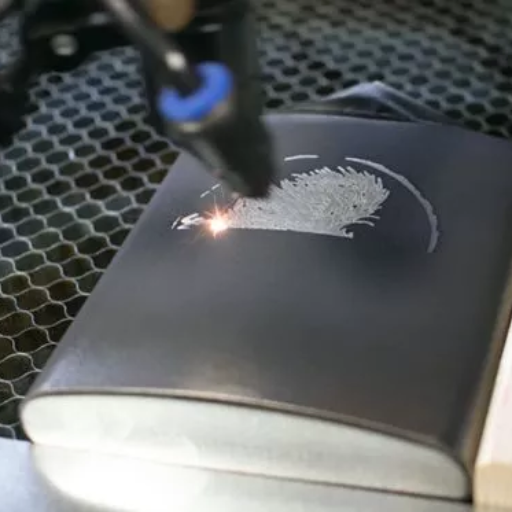
The process of laser metal engraving revolves around the focusing of a high-powered laser beam on the metal surface. The light energy that is concentrated at this point produces a lot of heat which either melts or vaporizes or oxidizes the material depending on the laser power, thus, creating a permanent mark or a design. The whole operation is of very high precision making it possible to perform very detailed engravings without ruining the adjoining areas. The choice of different wavelengths and types of lasers—like CO2, fiber, or pulsed—depends on the specific material and the anticipated result. This technology hinges on the interplay between the energy emitted by the laser and the metal’s physical attributes whereby the most accurate and effective engraving is achieved.
The Basics of Laser Interaction with Metal
The primary factor influencing the interaction of laser with metal is the absorption of light energy at the metal’s surface. The energy from the laser beam that comes into contact with the metal is converted into heat which eventually causes melting, vaporizing, or oxidizing depending on the laser’s power and duration. In case of such metals as aluminum, which has a high heat conductivity, one may have to use a powerful laser to achieve the desired effect. The selection of the laser wavelength is of utmost importance, since it directly determines the extent of the metal light absorption. For example, fiber lasers have been typically considered the best as they are able to operate with a wide range of metals thus ensuring precision and effectiveness in the cutting, engraving, and marking processes.
Step-by-Step Process of Laser Etching
- Material Preparation
Initially, you need to choose the right metal or material which can go through the laser engraving. The following is cleaning and surface preparation – getting rid of all the contaminants as they might adversely affect. - Laser Configuration
When setting up the laser equipment, first adjust the power, speed, and frequency according to the characteristics of the material such as its thickness, thermal conductivity, and reflectivity. - Design Creation
Either create the design in or import it to the CAD (computer-aided design) or graphic software, the design to be etched. Make sure the design is scaled and positioned correctly with the area that is to be targeted. - Positioning the Material
To hold the material securely on the laser platform or work surface so that it does not move at all during the etching process. Because of this, proper alignment is very important in getting precise results. - Focusing the Laser
You must calibrate the focus of the laser in such a way that it matches the surface of the material. This step is the most important one when it comes to etching being sharp and of high quality. - Performing a Test Run
You should do a test run or preview in an area that is small and not visible or on scrap material and so on to confirm the settings and make the necessary adjustments before the actual etching. - Commencing the Etching Procedure
The very first step for the laser etching process is letting the laser tracing the designed path programmed. During the process, the environment should be controlled and monitored for the safety purpose. - Inspection after Etching
After the whole process is done, checking the etched material for precision and quality is a must. Make sure that the design is correct and fulfills the standards given. - Cleaning the Surface
You should use the right cleaning tools or solvents to get rid of the debris, residue, or oxide layers on the material which will then uncover the final etched design. - Final Quality Check
Carry out a final quality check to make the etching legible, durable, and in line with the intended design. If needed, do some refining or touch-ups.
Types of Lasers Used in Metal Engraving
Fiber lasers are very effective and precise, which is why their application for metal engraving is quite widespread. They facilitate the marking of metals such as stainless steel, aluminum, and titanium, by providing excellent speed and longevity.
Medial lasers often used for non-metal materials, the CO2 lasers can still engrave metal if you resort to using marking solutions. They definitely more suitable for soft metals and/or coated surfaces.
The Neodymium-doped Yttrium Aluminum Garnet (Nd:YAG) laser is a powerful multipurpose tool that can penetrate hard metals for engraving. It is highly regarded in the industry for applications that demand high energy output.
MOPA (Master Oscillator Power Amplifier) lasers possess a feature that allows very fine adjustments of pulse duration which makes them excellent for the application of intricate designs and color marking on metals such as stainless steel.
The individual strengths of the laser types necessitate an informed selection of the laser based on the type of material and the quality of engraving that is required.
Choosing the Right Metal for Laser Etching
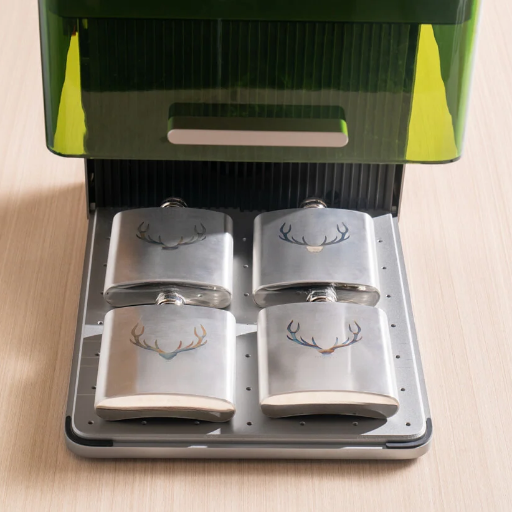
Laser etching needs a suitable metal for the particular purpose which underscores the following conditions of material selections: the grade, hardness, and finish of the material. Out of all the metals, the most widely used metals are stainless steel, aluminum, and brass, as these are quite durable and permit the control and excellence marking through all types of lasers. Stainless steel is used mainly because of its wear resistance and accuracy; aluminum is preferred if appearance in light-weighting aspects and colors helped by anodizing are the objectives; and brass gets selected for its look and not least is used only where the metal is showing. Whatever the metal chosen, aligning the metal surface exactly with your design tolerances and the main structure of your laser technologies will help you achieve the best results.
Best Metals for Laser Engraving
The very best metals for laser marking are stainless steel, aluminium, and brass. Being extremely tough, the stainless-steel marker produces sharp and accurate marks, which render its characteristic shine to industrial and professional purposes. The suitability of aluminum adds to its strength as a light material for the anodised finishes and is a great contrasting medium in laser marking. Brass, however, because of its aesthetic value, is suitable for decoration. The selection of metal will vary, depending on the particular designing and using purposes at the project.
Considerations for Different Metal Types
The selection of metal for laser etching is a process where one must weigh the pros and cons of both function and beauty. Stainless steel guarantees being the most resistant to corrosion and thus is used not only in industrial applications but also in professional etching due to its excellent durability. It offers a variety of benefits ranging from precision to consistency in such applications as product identification and branding. Aluminum is a different story; its low weight makes it very versatile and its anodized surface enables very high-contrast and detailed engravings that are simply the best. Due to its properties, aluminum is the best choice for portability and sharp visuals, for example, in the case of nameplates and tags. Brass, on the other hand, is the metal of choice when it comes to decorative applications owing to its splendid and timeless appearance. It is generally used for awards, plaques, and artistic designs where beauty is the goal.
The thickness of the material, the type of laser being used (fiber or CO2), and the working environment of the etched item should also be considered along with the kind of metal. Moreover, the hottest trends nowadays are the green practices, hence the selection of metals which can be easily recycled and are non-toxic may be in accordance with the specific industry or consumer’s expectation.
Comparison of Metal Properties
The choice of metals for laser etching should take into account their particular traits in order to produce the wanted output. The following are the most frequently considered metals:
- Stainless Steel: Pristine and durable, stainless steel creates amazing and fine etching results. It is perfect for industrial uses, medical tools, and artistic purposes.
- Aluminum: Being soft and light, aluminum also supports faster etching which is a clear comic relief given its soft composition. It is extensively used for nameplates, signs, and aircraft parts.
- Brass: Besides its beautiful nature, brass is also used mainly for medals, plaques, and ornamental objects. Its soft surface allows for delicate motifs but it may need extra coating for durability over time.
- Copper: Owing to its outstanding thermal and electric conductivity, copper is frequently seen in electronic as well as engineering parts. Nonetheless, its high reflectivity might pose a challenge to the etching.
- Titanium: Strong yet light; titanium is very frequently found in the medical and aerospace industries. With the titanium laser etching, the resulting markings are high-contrast and resist both wear and corrosion.
The very traits of each metal will match the requirements of the project, thus making the output of high quality and durable.
Comparing Laser Etching with Other Marking Methods
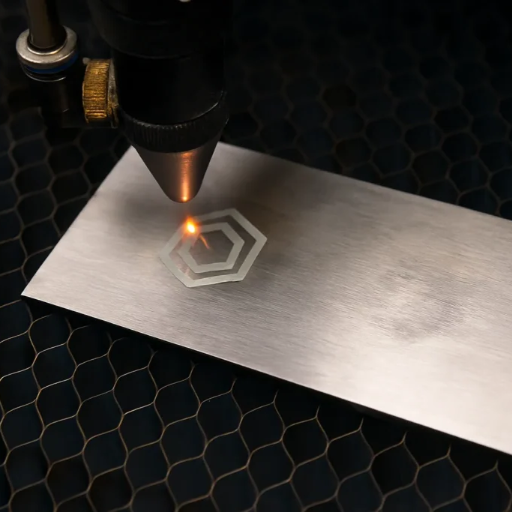
Laser etching, engraving, embossing, stamping, and ink marking are key methods for material marking.
| Method | Durability | Precision | Speed | Cost | Material Use |
|---|---|---|---|---|---|
| Laser Etch | High | Very High | Fast | Moderate | Most Metals |
| Engraving | Very High | High | Moderate | High | Metals/Wood |
| Embossing | Moderate | Moderate | Slow | High | Plastics |
| Stamping | High | Moderate | Very Fast | Low | Metals |
| Ink Marking | Low | Low | Very Fast | Very Low | All Materials |
The comparison suggests that laser etching is the best option in nearly all applications because of its accuracy, flexibility, and longevity. Nevertheless, the choice of marking method should be based on the specific requirements of each project, such as speed, cost, or material type.
Traditional Engraving vs. Laser Engraving
Traditional engraving and laser engraving differ in terms of precision, speed, versatility, cost, material compatibility, and durability.
| Parameter | Traditional | Laser |
|---|---|---|
| Precision | Moderate | High |
| Speed | Slow | Fast |
| Versatility | Low | High |
| Cost | Variable | Moderate |
| Materials | Limited | Universal |
| Durability | High | High |
Advantages of Laser Marking Over Other Techniques
- Superlative Accuracy – Laser marking to the highest accuracy that even the most complex and detailed designs which are impossible with other methods can be created.
- Non-Contact Technique – The non-contact nature of the laser marking process ensures that the least amount of damage possible is done to the materials used, hence a clean and perfect finish is promised.
- Material Compatibility – It exhibits a universal application to metals, plastics, ceramics, and glass, thus the versatility of the material is superlative.
- Human-Friendly – Laser marking is a process that protects the environment, as it doesn’t consume any chemicals, inks, or other materials.
- Long Lasting – The laser marks are extremely durable and are able to resist wear, heat, and corrosion thus providing results that last long.
Cost-Effectiveness and Efficiency
Laser etching has become the most economical and effective method of marking in different fields. The major consumables, such as inks, chemicals, and stencils, are eliminated leading to a substantial reduction in the operational costs. Furthermore, a high-speed laser system is able to quickly process the materials which in turn leads to improvement in production efficiency and reduction in the time taken between the launching of an order and its completion. The situation is such that with minimal maintenance and laser equipment that lasts long, it appears as if the return on investment has come back in a very short time. A recent market analysis predicts that the demand for laser marking and etching all over the world will continue to rise because of the reason that companies are emphasizing on green and efficient manufacturing methods, thus the technology is considered a must-have in the modern industrial sector.
Choosing the Right Laser Engraver for Metal
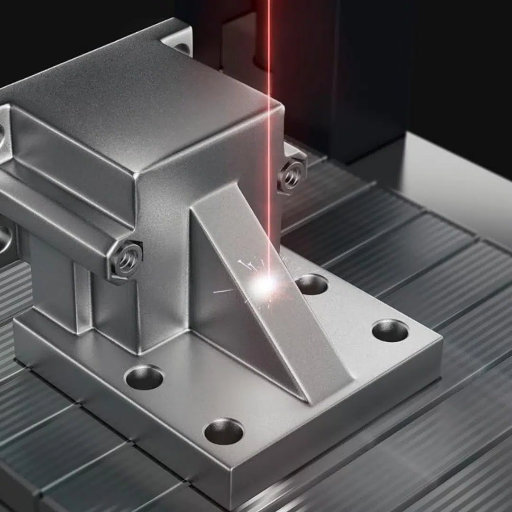
Selection of the suitable laser system for metal depends upon such basis as metaloul, dimensional precision of the problem-to-be-engraved, engraving depth, production volume, etc. Machines that work on the basis of fiber laser technology seem to attract considerable attention after comparing all the rest. They have all the additional advantages compared to the other machines on the market, and they will alternate between different metals’ preselected properties. Therefore every consideration should be given to the power level of the laser, since only the highest power power laser will be the only way to manage engraving at speed and depth. On top of this, compatibility with software, ease of use, and also any maintenance considerations should also be aspects to look at for the machine so that the machine will suit the needs and money availed by your company.
Features to Look for in a Laser Engraver
When it comes to selecting a laser engraver, I have a set of key features that I give priority to according to my needs. Firstly, the laser type is what I mainly look at, whether it’s a fiber, CO2, or diode laser based on the materials for engraving. Moreover, the durability and effectiveness are among the most important things to be considering, especially for large-volume production. Besides, the power output is another factor I take into consideration because high power allows for faster or deeper engraving, which might be necessary for some projects. User-friendliness is a very important factor for me, thus I seek for software that is not only easy to operate but also compatible with my existing tools and is just straightforward to use. Finally, I check that the engraver does not exceed my budget and is accompanied by reliable customer support for maintenance and troubleshooting. All these reasons assist me in picking a laser engraver that offers a good mix of performance, durability, and price competitiveness.
Considerations for Hobbyists vs. Industrial Use
There is a considerable disparity among metal engraving requirements of hobbyists and industrial users. The former would always be the choice for the latter with the limitations and expenses attached to being a metal engraver for hobbyist. The latter would always prefer the former due to the limitations and expenses associated with engraving metal for hobbyists. Notwithstanding the above, hobbyists usually demand a cheap and multi-purpose machine and are on the lookout for controlled, easy-to-use engravers that can handle different materials including metals and the operator need not have a high-level technical skill. Machines like fiber laser engravers or low-end CO2 lasers with metal marking attachments are becoming more and more popular because they are easy to access and quite inexpensive. In addition, hobbyists are attracted to the portability of these machines and are looking for models that do not take up much space and fit comfortably in small workshops or even living spaces.
On the other hand, the industry is looking for machines that can engrave, with precision, fast and efficiently across large production areas. Fiber laser engravers are the most common choice in the market because they are able to produce detailed and fast engravings on metals such as stainless steel, aluminum, and even titanium. Industrial engravers are often provided with strong and highly integrated software, advanced automation features, and powerful wattage that can last through long working hours and diverse project requirements. One of the characteristics often associated with these machines is reliability which implies they can be durably in use even in extremely demanding industrial applications.
When a laser engraver is chosen, it is very important to take into account the exact use cases, as well as project volumes and material types. If the hobbyists are after a versatile and low-cost machine, then the industrial users have to spend on high-quality and powerful solutions to realize maximum productivity and cost-effectiveness for the long run.
Frequently Asked Questions (FAQs)
How does laser engraving metal setup?
Engraving metals with a setup equipped with the laser engraving metal takes you through a process that includes a laser source, appropriate laser settings, and a good understanding of the engraving process. Based on the coating and depth required, diode or fiber laser systems can be used for coated metal and anodized aluminum respectively. Power, speed, and passes are some of the parameters that need to be altered frequently in the laser engraving process along with the focus of the laser head so that the energy of the laser is controlled and only marking and engraving are performed without damaging the metal. Remember to always wear laser-specific safety glasses and experiment on scrap metal before find the best engraving parameters.
What is the preferred technology for laser engraving metals – the diode laser or the fiber laser?
The decision between diode laser and fiber laser depends on metal type applied. Diode laser units are cheaper and can mark painted or coated metals and so on, but they are not capable to write bare stainless steel. The fiber laser that is able to engrave metals like stainless, titanium, etc. and for deep engraving on anodized aluminum or laser annealing, is the fiber laser because it gives higher energy and the infrared source that is the best for marking and engraving metals.
What are the characteristics of a machine meant for industrial metal laser engraving?
Any laser machine with a high power or smaller desktop model would be suitable for engraving metal signs, jewelry, parts, and other varied materials. A well-suited laser machine should possess some basic attributes: the fitting laser source (CO2 or fiber for engraved on coated metals), the largest possible engraving surface, adjustable laser head and repeatable laser focus, cooling apparatus, and software to regulate speed and vector or raster images. In a laser machine with good resolution and stable power that assures the user a repeatable engraving mechanism, higher settings become necessary in a number of situations.
What are the distinctions between laser etching metal, deep metal engraving, and the methods utilized?
In most cases, laser etching metal is taken to mean surface marking or change of color using the laser annealing process or lower energy as well, while deep metal engraving is removing the material which produces high depth and greater durability. The methods being used are laser annealing to change the surface oxide (the common one on stainless), laser ablation to remove coatings and powering the fiber lasers for deep engraving with high power. The choice is determined by the required appearance, durability, and metal material; in the case of metals where engraving is a must for such reasons as serial numbers or industrial marking, deep engraving is given as the right choice for longevity.
What safety precautions and cleaners are necessary in a laser engraver?
The use of lasers to engrave metals comes with a large number of safety measures that should be prioritized: besides always using protective eyewear rated for your laser source (infrared laser or other), proper airflow should be provided for the area to avoid inhalation of fumes from coated metal or ablated materials and strict adherence to the manufacturers’ instructions. The maintenance for the laser head, focus calibration and setting of engraving parameters, monitoring of cooling systems for industrial laser units, and optical inspections are the main activities that will keep the speed and energy consistent during the engraving process.
Reference Sources
-
Basic Mechanisms in Laser Etching and Deposition – This paper explores the fundamental mechanisms of laser-induced reactions in etching and deposition, including applications on metals.
-
Laser Chemical Etching of Metals in Liquids – Research on the precision and control of laser etching on metals, focusing on parameters like laser power and speed.
-
Laser Etching of Metals in Neutral Salt Solutions – A study on maskless laser etching of metals, including steel and stainless steel, with insights into etch rates and laser parameters.
-
Laser-Enhanced Plating and Etching: Mechanisms and Applications – A detailed study on laser-enhanced etching techniques, including applications on stainless steel and other materials.
- Top CNC Laser Marking Machine Manufacturer and Supplier in China
The content-intensive list is going to guide you to the magical world of laser marking on metal that combines artistic creativity with modern technology to provide exquisite precision, resilience, and versatility in so many domains.