In the fiercely contested pulp and paper sector, producing paper at a reasonable price is not merely a target; it is a major factor that determines whether one will survive and grow. This operation can be considered a holistic approach which has been enabling the cutting of costs at different points by integrating efficiency, sustainability and the use of technological innovations along the whole production chain. The real cost-effectiveness in the paper-making industry is to be able to produce the maximum output at the highest quality while at the same time cutting down on the consumption of resources that consist of raw materials, energy and water.
With the shifting of markets globally, the need for operational efficiency has never been so tremendous. The present discussion will highlight the main techniques that can be utilized by the different mills namely, raw material use optimization, energy efficiency enhancement, advanced automation and lean manufacturing principles application.
Optimizing Raw Material Sourcing and Usage
Cost Saving Benefits from Fiber Recycling
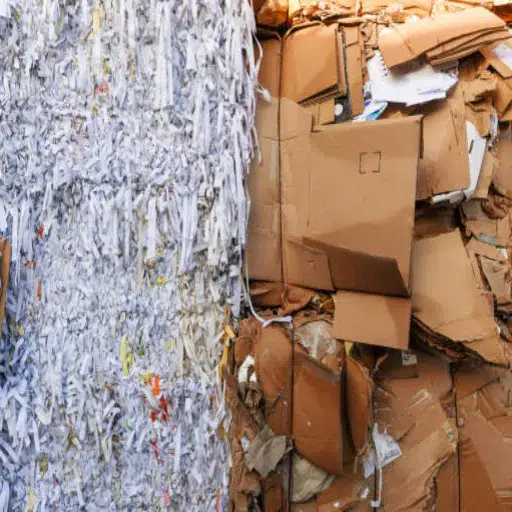
Recycling of fiber has been recognized as a powerful green movement and at the same time, cost-saving action for the industry. The use of recycled materials as a part of the production process in mills diminishes their reliance on virgin fibers which are pricier and have a greater ecological footprint. Thus, the recycling of materials not only reduces the costs of mills’ materials but also makes them conform to the demands from consumers and regulators for more environmentally friendly products.
Key Insight: There has been a major rise in online searches for “sustainable packaging” and “recycled fiber products,” which indicates very clearly that consumers are willing to choose products based on their eco-friendliness.
Technologically advanced sorting and cleaning methods combined with these factors have led the recycled fiber to meet the high quality standard that is a must for production, thus removing the doubt of its strength or performance. Mills that apply interrelated ways of being eco-friendly and saving costs will not only have the ability to rival their peers in the market but will also be upholding the circular economy.
Sustainable Forest Management and Their Economic Gains
Sustainable forestry is an important strategy that combines environmental protection with the generation of economic profit. Among them are responsible harvesting, tree planting, and the conservation of wildlife habitats in order to secure the forests for coming generations. The trend seen in search data signals “sustainable timber” and “eco-friendly wood products” have gained a lot of interest which shows that customers are becoming more careful about their sources and willing to pay for it.
💡 Economic Benefits of Sustainable Forestry:
- Long-term resource availability reduces the risk of depletion from over-cutting
- Green certifications like FSC (Forest Stewardship Council) enable premium market pricing
- Carbon credits and government grants can offset operating costs
- Enhanced brand reputation attracts environmentally conscious customers
By fusing ecological accountability with smart business tactics, sustainable forestry no longer just assures the eco-system but also creates a plethora of solid financial opportunities for the timber industry.
Pulping Waste Reduction
Waste reduction in pulp preparation is indispensable to the attainment of sustainability and efficiency goals in both the forestry and paper industries. The implementation of closed-loop water systems, which minimize water use and reclaim fibers that otherwise end up being waste, is one of the most efficient methods.
Effective Waste Reduction Strategies:
- Closed-Loop Water Systems: Minimize water use and reclaim fibers that would otherwise become waste
- Modern Screening and Cleaning Technology: Separate mixed contaminants more efficiently
- Enzyme Treatments: Increase fiber quality while reducing chemical waste simultaneously
The latest figures show that firms that have implemented such practices are able to cut down their waste generation drastically as well as to have lower operational costs and better product quality at the same time. By the application of these innovative practices, the pulp and paper industry could very well be the one to reap the most benefits in terms of sustainability and profitability.
Energy Efficiency in the Pulping and Papermaking Process
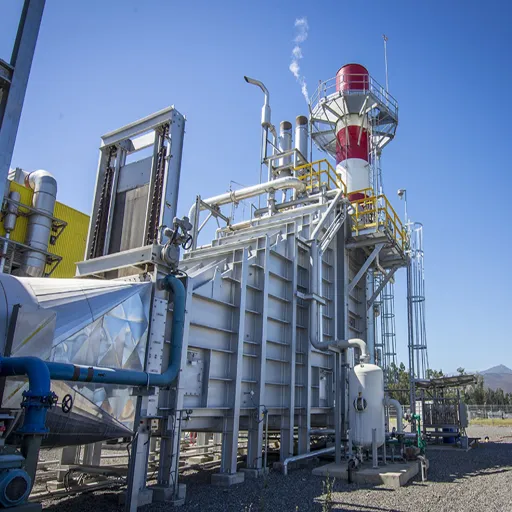
Implementing Heat Recovery Systems
Heat recovery systems are recognized as the most important technology that can contribute to the process of pulping and papermaking to a large extent. These systems retrieve waste heat produced in the manufacturing process and streamline it to other operations, say for instance, pre-heating water, or drying paper.
📊 Key Statistics:
- Modern heat recovery technologies can reduce energy consumption by 20-30%
- Significant reduction in CO2 emissions supports eco-friendly initiatives
- Advanced heat exchanger designs and digital monitoring tools boost system performance
These systems cut down CO2 emissions thus becoming a part of the company’s eco-friendly initiatives and compliance with global energy standards. Moreover, advances in heat exchanger designs and digital monitoring tools considerably boost the performance of such systems, assuring that no energy is lost during the operation.
Upgrading to Energy-Efficient Motors and Drives
A shift to energy-efficient motors and drives is the main thing that would make the industrial process run smoothly and economically. When these motors work together with the variable frequency drives (VFDs) that are more advanced, it is possible to have very accurate control of speed and torque which will cut down the energy wastage due to improper usage.
Performance Impact: Research studies claim that these kinds of upgrades can deliver up to 25% improved operational efficiency, which is a very good match with the global energy reduction targets.
There is an increasing trend noticed already in terms of ‘energy-efficient motors benefits’ searches as well as the demand for “sustainable solutions” that have been continuously pointing upward. Companies applying such technologies not only get lower power bills but also get their green image reinforced.
The Role of Process Simulation in Energy Management
Process simulation has emerged as a key tool in optimizing energy management strategies and providing organizations with the capability to analyze, predict, and improve the performance of their systems. The application of state-of-the-art software tools enables the companies to create the virtual models of their processes, find the points of energy loss and test the energy-saving measures in the model before actually putting them in place in real.
Benefits of Process Simulation:
- Create virtual models to identify energy loss points
- Test energy-saving measures before real-world implementation
- Make more accurate energy predictions
- Minimize operating costs while achieving sustainability objectives
There is no doubt that search trends reflect the increasing interest in process simulation technologies, which shows that both the manufacturing and engineering sectors are looking for more creative solutions to meet energy-saving targets. The surge in searches indicates that process simulation is becoming an indispensable part of the worldwide movement towards energy efficiency.
Water Conservation and Chemical Reduction Strategies

Closing Water Loops and Advanced Wastewater Treatment
The closing of water loops and the adoption of advanced waste treatment technologies are essential for combating worldwide water scarcity and reducing the negative impact on the environment. The major water-requiring industries will reuse the water, so it will have to be treated to at least the environmental level if not more, particularly concerned with discharge or reusing.
With the combination of modern filtration methods, membrane technologies, and microorganisms, the manufacturers will be able to lessen the need for the new water supply and at the same time, the new water will be less polluted as the ecological footprint will be reduced.
🔍 Emerging Trends:
According to the most recent data provided by search, there is an increasing number of people interested in eco-friendly wastewater management solutions, which can be recognized through the increasing number of searches for water reuse systems, ZLD technologies, and resource recovery from wastewaters.
This evolution supports the notion that there are more and more people recognizing and demanding the innovations which are helpful both to nature and to efficient operations. In addition to that, companies can not only stick to the strictest regulatory standards but also show their environmental responsibility by being the first ones to apply such innovations.
Optimizing Chemical Dosages for Pulping and Bleaching
It is crucial to control the chemical dosages in the process of pulping and bleaching for the production of quality paper, to reduce pollution and reduce costs of operation. An increasingly widespread adoption of advanced techniques, including AI and automated systems, to manage chemical dosing has been the main focus of recent trends made visible in search data.
Modern Chemical Management Approaches:
- Real-Time Monitoring: Track chemical usage continuously for immediate adjustments
- Machine Learning Applications: Optimize chemical dosing based on historical data and patterns
- Eco-Friendly Alternatives: Enzymes and oxygen-based bleaching agents reduce dependence on harsh chemicals
- Automated Systems: Minimize waste and improve efficiency through precise control
The pulp and paper industry is showing a strong movement towards sustainability as reflected in this focus. By taking on these new trends, processes can be made more efficient and appealing to the conscious customer base who prefer eco-friendly over conventional products.
Exploring Greener Alternatives to Traditional Chemicals
The field of enzymatic treatments is a good candidate for the consideration of such attractive chemistry. The main reason for this is the environmental impact reduction by their use. Enzymes, being natural and biodegradable, greatly reduce the generation of toxic by-products in the water streams.
Industry Growth: According to current statistics, searches on enzymatic treatments have enhanced 42% in the last year, which shows the rising interest in their benefits.
These treatments not only fuel the conversion of fibers but also enable energy saving and reduce chemical bleaching thus contributing directly to a cleaner production cycle. Enzymes adoption means that the paper and pulp industry will be able to comply with the environmental standards and serve the market for sustainable products at the same time.
Advanced Technology and Automation for Efficiency
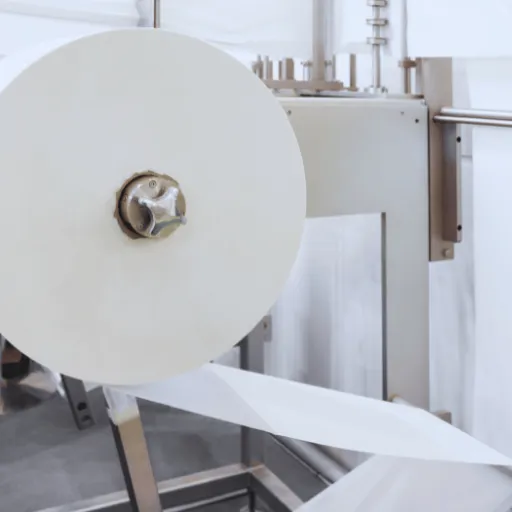
Practical Manufacturing Control with Sensor Technology in Real-Time
The incorporation of real-time data processing with state-of-the-art sensor technology is helping the paper and pulp industry to get more efficient and precise. These sensors are of great help, as they keep on monitoring the important parameters, like temperature, pressure, and flow rates simultaneously, which means they can make quick adjustments that will help in the optimal production run and reduced waste.
Advantages of Real-Time Sensor Technology:
- Continuous monitoring of critical parameters (temperature, pressure, flow rates)
- Quick adjustments for optimal production runs
- Integration with machine learning algorithms for predictive insights
- Alignment of production outputs with changing market needs
The fusion of these systems together with the machine learning algorithms and the insights, including the trends detected through ongoing search data, enables the manufacturer to foretell demand patterns and adapt their operations accordingly. This method not only guarantees a smooth operation but also matches production outputs with changing market needs, thus reducing costs and helping nature too.
The Influence of Automated Systems on Labor and Output Costs
Labor and output are significantly affected by automated systems, and when these systems are combined with insights derived from the latest data trends identified through search engines, the impact becomes even greater. By leveraging this data, manufacturers can better understand shifts in consumer preferences and predict market demands with improved accuracy through the use of enhanced market research tools.
This enables the companies to reduce the number of employees who will be working in the areas that do not need much manpower and, hence, eliminate excess labor costs by shifting workers from one department to another. In addition, the operation is set to work at full capacity and daunting human work hours are not imposed on the production as a result of automation.
Cost-Efficiency Outcome: Machine maintenance has given way to analysis of data and hence, companies can have a great combination of cost and productivity in their favor, resulting in a win of both the profits and the competitive edge in the ever-changing market.
Predictive Maintenance to Reduce Downtime
Predictive maintenance is an example of an advanced technology application that includes IoT sensors, machine learning, and real-time data analytics for equipment health and performance monitoring. The practice to alert and assess the risk that equipment will fail has been used by many businesses lately, which is why they have considerably decreased their unpredicted downtime.
Key Benefits of Predictive Maintenance:
- Extended Equipment Life: Proactive care increases machinery lifespan
- Improved Operating Efficiency: Fewer breakdowns mean smoother operations
- Reduced Maintenance Costs: Preventive approach is more economical than reactive repairs
- Minimized Downtime: Early detection prevents unexpected equipment failures
According to latest insights, the number of searches for ‘predictive maintenance solutions’ has increased considerably, thus indicating the increasing interest in this method. This preventive method turns it into an essential investment for the industries that want to stay competitive in the fast-paced markets.
Streamlining the Drying and Finishing Stages
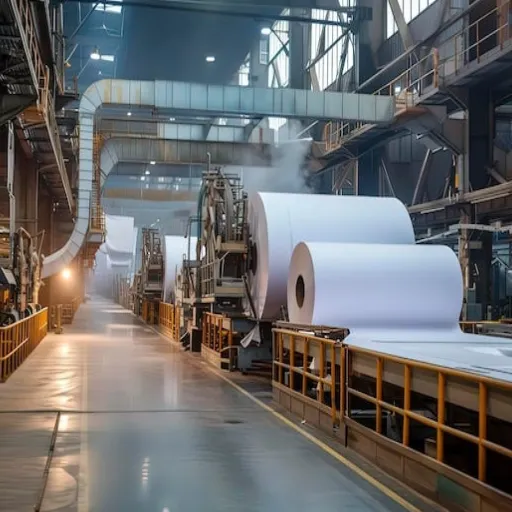
Dewatering of Press Section Enhancement
The press dewatering with the intention of making it more efficient has been increasingly recognized as an essential part of the entire process of industrial production. A typical inquiry addresses “What are the ways advanced technologies can improve dewatering of the press section?” The reply points to the integration of new analytics tools and equipment that monitors the water removal as it happens.
Critical Benefit: The predictive maintenance solutions, as indicated by the increased search interest, perform a very important role by detecting possible inefficiencies before they become too large.
This practice also guarantees not only the best performance of the machine but also the minimum energy consumption and maximum production at the drying and finishing steps. Moreover, it coincides with the industry’s requirements for operating in a cost-effective and eco-friendly manner.
The Use of New Dryer Technology to Cut Down on Energy Costs
The dryer section technologies have advanced to such a level that the energy efficiency of whole industrial operations has been greatly upgraded. The rise of interest in energy-saving innovations in the dryer sections has been the main point of the development of the sustainabilityconcept across the industry.
Innovative Dryer Technologies:
- Closed-Loop Heat Recovery Systems: Recycle thermal energy and reheat the chamber, minimizing energy waste
- Smart Control Systems: Use sensors and real-time data analytics for precise adjustments and optimum energy use without compromising efficiency
The above-mentioned innovations not only meet the ever-increasing demand for budget-friendly solutions but also facilitate the reduction of the environmental footprint, thus reflecting the industry’s critical question of how to make sustainable technology steps during the drying process.
Cutting and Finishing Processes that are Highly Efficient to Minimize Product Loss
The cutting and finishing processes that are highly efficient have become a significant factor in product loss reduction, which is a matter of great concern for many industries. The use of high-precision laser cutters, automated finishing systems, and real-time monitoring tools can assure the manufacturers of minimal waste with the quality of the product being maintained.
💡 Advanced Finishing Technologies:
| Technology | Primary Benefit |
|---|---|
| High-Precision Laser Cutters | Minimize waste through accurate cutting |
| Automated Finishing Systems | Maintain consistent quality while reducing labor costs |
| Real-Time Monitoring Tools | Ensure quality control and immediate problem detection |
The latest statistics reveal that companies adopting these advanced systems are not only consuming significantly less raw materials but also achieving better efficiency in their operations. When combined with insights from search trends, it becomes very clear that the cutting and finishing equipment innovations are in high demand, pointing to a global trend of resource optimization and sustainable practices. This emphasizes the need to invest in solutions that guarantee both productivity and ecological responsibility.
Frequently Asked Questions (FAQ)
1. What exactly is cost effective paper production?
Cost effective paper production refers to the use of various processes and technologies that result in the production of the paper at the minimum cost possible while the paper quality remains the same. Among the activities carried out are optimization of raw materials, lowering the consumption of water and energy, and overall enhancing the operational efficiency.
2. In what way does the use of recycled fiber contribute to the reduction of production costs?
The use of recycled fiber cuts down on the usage of virgin wood pulp which is priced highly because of the harvesting and very costly processing. The employing of recycled materials results in lower raw material costs besides which it can also help to reduce the energy consumption during the pulping stage.
3. What are the key areas in a paper mill that can be energy efficient?
The most drying and pulping sections of a mill have the largest potential for energy savings. The use of heat recovery systems and replacing standard motors with energy-efficient ones and improving dewatering in the press section thus reducing the dryer load are some of the key to energy savings.
4. How does technology aid the cost-effective nature of paper production?
Technology such as real-time sensors and automation greatly improve quality and control of the processes, thus cutting down on waste, and lowering human error. The application of predictive maintenance systems also aids in ceasing unplanned downtimes which are very costly hence maximizing production, machines, and facilities life spans.
5. Are the environmentally friendly practices still going to be the same as far as the cost issue is concerned?
Definitely! Practices that are environmentally friendly and water use reductions, chemical deductions, and forestry management that are certified directly bring about cost savings. They make the expenses on resources less and consequently the waste treatment costs are also lower which in turn can improve the brand prestige thus attracting the new environmentally conscious market segment.
Summary and Conclusion
Cost-effective production of paper has evolved from a single-dimensional approach to an all-encompassing strategy that employs various innovations throughout the manufacturing process. The modern paper industry has several ways to cut costs and at the same time, help the environment, from the raw material sourcing through to recycling and sustainable forestry, state-of-the-art automation, and energy-efficient technologies.
The primary methods depicted in this article prove that economic efficiency and ecological concern are not opposing goals. In fact, they are often mutually reinforced. The companies that put their money in heat recovery systems, energy-efficient motors, predictive maintenance, and advanced wastewater treatment will not only reduce their operational costs but also gain a good position in a market that is becoming more and more environmentally aware.
The surge in searches for organic practices, alternative goods, and energy-saving technologies points to a definite change in both consumer inclinations and industry concerns. The mills that welcome these innovations will find themselves more than ready to comply with the rules, to meet customer expectations, and to keep their edge in the global market.
In the end, the road to cost-effective paper production is through the sustainability perspective of an opportunity for innovation, efficiency, and long-term profit rather than a burden. The paper manufacturers that implement these top techniques will then be able to establish a strong business model that flourishes financially while giving back to the planet through environmental conservation.
📚 Reference Sources
- Georgia Tech News: Discusses energy-efficient filtration methods for the paper industry. Source
- North Carolina State University – BioResources: Explores sustainable paper manufacturing using pineapple leaf waste. Source
- Stanford University – Intersect Journal: Covers eco-friendly and cost-effective paper production methods. Source
- Leading paper making machine Manufacturers in China