The process of papermaking has seen significant changes across the years, with the influence of newly-pioneered technology and the scientific employment of chemical additives. Additives are used in any capacity to improve the quality and use or efficiency of paper manufacturing processes, essentially marketing in their own right to sell paper to a variety of industry and consumer demands. From strength to durability, brightness, and printability, chemical additives are the other name for the silent partners who strike down the moon to create our versatile paper products. This article will delve into the fascinating realm of chemical additives used in paper manufacturing, their function, benefits, and also their impact on the industry. So whether you belong to the industry or simply wish to understand how everyday objects work, this article will aid you with applicable information about modern processes that enable papermaking.
Introduction to Chemical Additives in Papermaking
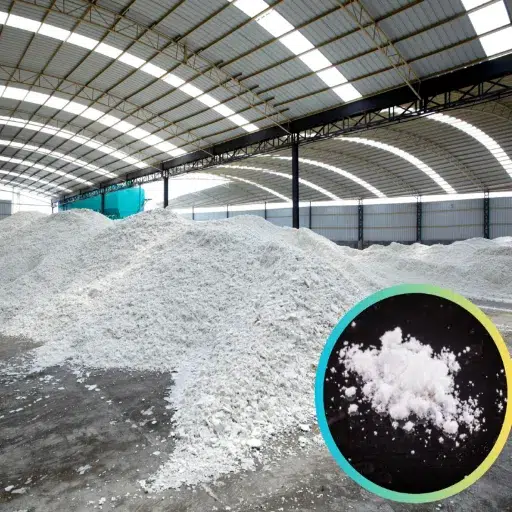
Significance of Additives in Paper Industry
Chemical additives produce an array of effects on the papermaking processes in terms of technical efficiency, the quality of production, and sustainability itself. These substances are used to attain various paper properties of strength, brightness, and printability, thus acquitting themselves to fulfill the requirements of numerous applications. Retention agents retain as much fiber and filler as possible during the production stages, while sizing agents limit the absorption of water and ink onto the paper.
The paper industry today is increasingly dependent on chemical technology advances in order to respond to rising demand for specialty products that have high-performance and eco-friendly properties. Usage of other specialty additives also helps paper products to retain their competitive edge in markets ranging from packaging to publishing. With further innovations in additives, the industry is presently undergoing evolution balancing between functionality and environment friendliness.
📊 Key Statistics
- •
The paper industry contributes nearly 2% to global industrial CO2 emissions - •
Growing demand for bio-based and sustainable additives across all segments - •
Nanotechnology applications increasing in paper additive formulations
Overview of Chemicals Used in Papermaking
Chemicals of various kinds are used in papermaking, each serving a particular purpose in either assisting with the processing or in ensuring a quality end product. The major chemicals are:
Pulping Agents
These chemicals, including sodium hydroxide, sodium sulfide, etc., assist to break lignin in the wood fibers when pulping is going on so that the fibers will be made softer for papermaking.
Bleaching Agents
Chlorine dioxide, hydrogen peroxide, and oxygen commonly serve for pulp whitening. They provide brightness and a better look to the paper while cutting down impurities.
Fillers
Some fillers, such as calcium carbonate and kaolin, favorably change texture, opacity, and printability of papers. Their presence results in surfaces which are even smoother and more durable.
Sizing Agents
Sizing chemicals like alkyl ketene dimer (AKD) or rosin sizing impart waterproofing properties to paper, making it usable for printing and writing.
Retention Aids
Some retention aids such as polyacrylamides upgrade the retention of fine particles and fillers during papermaking, thus lessening wastage and ensuring consistency.
Coating Agents
Starch, clay, and binder materials are coated on the surface of the paper products to improve finish, printability, and impart protection.
These chemicals facilitate the smooth running of the production process, elevate the properties of paper, and conform to stringent environmental standards. On account of research and technological innovations, the industry is moving toward chemical options that boast sustainability and green credentials. The intention is to reduce its ecological footprint.
The Impact on Paper Quality and Production
Binders determine the qualitative nature and production efficiency of paper products. They do this by binding and fastening fibers and by closing the pores on the surface so that increased smoothness and ink adhesion can be formed and therefore clearer print is obtained. This is the prime printing scenario that has to be attained when printing is done for magazines, packaging, and advertising material.
Production Efficiency Benefits: Production efficiency is increased by binders, which shorten drying time and enable the machine to work at a higher speed. In recent times, the paper industry has been increasingly focusing on bio based, rechargeable binders to meet consumer requirements for sustainable solutions while still maintaining the highest quality standards for their products. Such a movement is appropriate from an environmental standpoint but also greatly improves the lifecycle-related performance of paper products.
Types of Chemical Additives Used in Papermaking

Retention Agents and Their Roles
The retention agents are very important chemicals in papermaking to increase the retention of fine particles, fillers, and fibers during sheet formation. These chemicals ensure that a greater proportion of the raw materials go into the actual product and thereby reduce wastage and improve the paper production process.
Recent Developments: Depending on recent data, trends indicate that existing retention agents are developed to work synergistically with other papermaking chemicals, thereby optimizing process performance and reducing production costs. On the other hand, evolution in polymer technology is aimed at making retention agents more environmentally friendly, set within the current framework of sustainability considerations. These agents effectively improve output and thus shall sustain the ever-growing demand for greener and efficient papermaking methods.
Sizing Agents: Functions and Examples
Sizing agents are key ingredients in the paper-making process, providing the major function of rendering the paper water, or liquid, resistant. Thin hydrophobic layers are formed on the fibers. This makes for the durability and printability of the paper. Some common sizing agents include internal sizing agents like AKD and ASA, and surface sizing agents like starch derivatives.
Recent trends in the paper market indicate increasing demand for environmentally friendly sizing solutions, driven by sustainability concerns in the industry. New-age sizing agents are in the process of being developed, wherein, besides possessing old traits such as working ability and performance, they neither adversely affect nor harm the environment. This fine balance between actual working traits and environmental concern forms a very vital point in today’s market, thus changing the nature of sizing in papermaking.
Fillers: Improve Paper Properties
Fillers are one of the main aspects that are critically essential during manufacturing, as they impart quality and functionality to the final product. In general, the filler substances might have been calcium carbonate, clay, or titanium dioxide, all used to improve the brightness, opacity, and smoothness of the paper. The fillers kept between the fibers make an evenly spaced surface, which can be quite indispensable for printing or writing purposes. Also, fillers may be used to reduce costs by replacing some fiber content without affecting paper performance.
Emerging Trends: What have been the new trends in shipments with filler use in paper manufacturing? Recent data and search interests reveal a rise in popularity for sustainable fillers. Manufacturers increasingly explore renewable and bio-based fillers in an attempt to comply with environmental regulations and consumers’ desire for environmentally friendly products. Nanotechnology can also provide a great service, as nano-fillers can improve strength and lightweight characteristics while maintaining the highest standards of quality. These developments mark the continuing balancing act throughout the industry between performance, cost, and sustainability of paper production.
Functions and Benefits of Chemical Additives

Enhancing Durability and Strength of Paper
Chemical additives help in imparting durability and strength to papers, rendering them fit for specific purposes of application. Starches, for instance, are innovative binders; synthetic polymers, too, find use in strengthening the tensile strength of paper and wear resistance. Recent developments point to the growing acceptance of cross-linked additives by various industries. These additives enhance the bonding between cellulose fibers, thereby greatly strengthening the mechanical properties of the paper. These measures enable paper products to exhibit better performance under mechanical stress and at the same time cater to the need for sustainable and recyclable materials.
Additives for Better Printing Performance
Printing output could be improved tremendously if proper additives are used. These eligible additives render the paper smooth with good ink absorption and drying properties worthy of high-quality printing. For instance, fillers such as calcium carbonate ensure surface uniformity that prevents ink bleeding, while sizing agents render crisper, sharper lines by controlling the degree to which water is absorbed by the paper.
The latest research data reveals that innovative formulations in the industry are being adopted in response to increasing demand for efficient and environmentally friendly solutions for printing. These advanced coatings and surface modifications are designed to keep pace with modern high-speed printing technologies, ensuring clarity and accuracy even when printing at large scales. Once solved, manufacturers can bring the production of papers that serve a multitude of applications such as packaging, publishing, and graphic design to fruition with excellent performance.
⚠️ Important Considerations
Effects on Environment and Human Health
The use of additives in paper production gave rise to concerns about potential environmental and health impacts. Many chemical additives, such as plasticizers and heavy metals, as well as synthetic polymers, can contribute to pollution if released into the environment through improper handling during manufacturing or disposal. For example, some studies pointed toward some additives leaching into water bodies, thus affecting ecosystems and aquatic biodiversity. VOCs released in some processes, as well, become air pollutants and cause respiratory problems.
From a health perspective, such additives, especially toxins, could threaten prolonged exposure to workers producing materials in the plants. Research clearly indicates that stricter regulations and eco-friendly alternatives such as biodegradable or plant-based additives greatly diminish the hazard potential. Thus, the industry is slowly veering toward sustainable innovations to lessen the ecological footprint and improve the safety profile of workers, in keeping with international environmental trends.
Regulatory Frameworks and Industry Standards
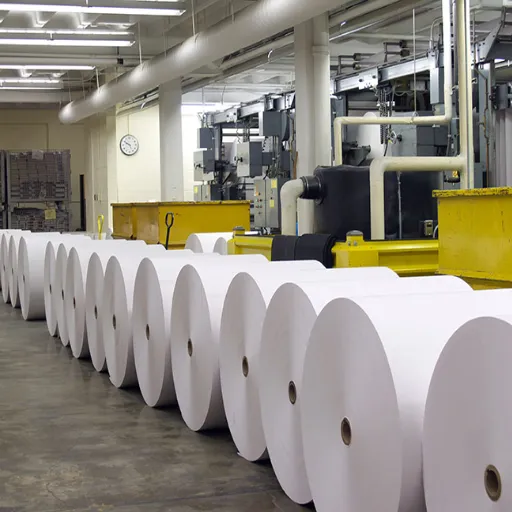
Compliance Requirements for Chemical Use
Compliance with chemical use regulations, having a balancing act with ensuring the safety of workers and preserving environmental integrity, is, in fact, required. Manufacturers are compelled to adhere to stringent laws such as the Toxic Substances Control Act (TSCA) under the US Environmental Protection Agency (EPA) and the REACH regulation of the European Union, which demand the appropriate registration, evaluation, and reporting of chemical substances. Such regulations require the correct labeling of chemical products; provide instructions for the appropriate handling of chemicals; and seek to prevent injuries to workers and pollution of the environment through the disposal of wastes.
| Regulation | Region | Key Requirements |
|---|---|---|
| TSCA | United States | Registration, evaluation, and reporting of chemical substances |
| REACH | European Union | Chemical registration, labeling, and safe handling instructions |
| ISO 14001 | International | Environmental management system standards |
Recent figures confirm that industries increasingly adopting advanced compliance tools and automated tracking systems enjoy a substantial decrease in cases of regulatory violations. For instance, digital monitoring platforms when merged with supply chain processes ensure that every usage of chemical is recorded in accord with updated safety standards. Such a confluence of conformance with regulation and technological advancement enhances the importance of transparency and accountability in chemical management, consequently engendering the creation of a safer and more sustainable industrialization path.
Industry Standards and Best Practices
In the interest of ensuring chemical management compliance, industry standards have often accorded with the environment and technological developments. For example, the ISO framework 14001 guided organizations in managing their environmental responsibilities in an effective manner. Also, Green Chemistry practices reduce the use of toxic materials, thereby aiding sustainability. The infusion of artificial intelligence (AI) and machine learning enables companies to scan through huge amounts of data to foresee, and possibly prevent, risks.
💡 Best Practice Tip
How can businesses stay ahead in rapidly changing regulations?
- Constantly adapting internal policies to regulatory announcements
- Taking advantage of online software that tracks legislation worldwide
- Introducing training programs for the staff to stay informed
- Putting constant attention to the standards and their application to modern technology
This facilitates organizations in creating sustainable systems that stir up creativity alongside compliance.
Significance of Sustainability in Paper Production
Sustainability in paper production has become very important as the world pays more attention to environmental conservation and resource efficiency. Recent data suggest that the paper industry contributes nearly 2% to the global industrial emissions of CO2, thus highlighting the urgent requirement for sustainable practices. Using renewable energy-based technologies, paper industries can limit their impact on nature through better recycling and by getting raw materials from forests managed on sustainable criteria.
🌱 Sustainability Benefits
- ✓
Conservation of biodiversity and water resources - ✓
Reduction in landfilling waste - ✓
Support for a greener planet to fight climate change - ✓
Improved profitability and brand reputation
It is thus imperative that the sector adopts advancement in green technology that supports the circular economy for whatever environmental benefit, alongside assisting in improving profitability and brand reputation in the long run.
Emerging Alternatives to Traditional Additives

Bio-Based and Eco-Friendly Additive Options
Bio-based and eco-friendly additives have become popular as a sustainable alternative to traditional chemical additives due to a growing demand for environment-friendly solutions in several industries. They are usually made from renewable resources such as plant oils, starches, natural fibers, and biodegradable polymers. Search trends data in fact reflect an increasing interest in bio-based approaches, most notably in packaging, agriculture, and construction industries.
Another largest example of the PLA utilization—and a biodegradable polymer made of corn starch or sugarcane—with increasing possibilities for replacement of petroleum-based plastics. Now bio-based plasticizers from soybeans and castor oil impart flexibility and durability without giving into harmful emissions. These sustainable options, in effect, say no to fossil fuel energy dependence as well as reducing environmental impact during the production of products. Rapid developments in the biotechnological industry and the increase in consumer consciousness toward greener alternatives will create a method for the progress of green alternatives.
Innovative Trends in Papermaking Additives
Recent innovations in paper-making additives revolve around protocols of sustainability, efficiency, and high-product performance. One upcoming trend is nano technologies such as the use of cellulose nanofibers in strengthening paper without interfering in its lightness and flexibility. Nanofibers are made from renewable resources, thus giving them an environmentally friendly side as compared to other conventional additives.
Another recent development has come with enzymatic additives that, by means of pulp refining, are capable of diminishing energy demand during production. Enzymes also promote better fiber bonding and paper feel while doing this at a lower environmental route. Moreover, it is increasingly common to use biopolymers in place of synthetic additives, thus again going a step farther down the petrochemical path.
The latest search engine data on paper producers show a huge push toward biodegradable and recyclable materials, showing an increase in consumer demand for eco-friendly paper choices. As a result, research and adoption are occurring in water-based coatings and starch derivatives, which improve the functional properties of paper while being sustainable.
Comparison: Traditional vs. Bio-Based Additives
| Aspect | Traditional Additives | Bio-Based Additives |
|---|---|---|
| Source | Petroleum-based chemicals | Renewable resources (plants, starches) |
| Environmental Impact | Higher carbon footprint, potential pollution | Lower carbon footprint, biodegradable |
| Performance | Well-established, consistent results | Comparable performance with ongoing improvements |
| Cost | Generally lower initial cost | Higher initial cost, decreasing with scale |
| Regulatory Compliance | Increasing restrictions | Favorable regulatory outlook |
| Market Trend | Declining preference | Rapidly growing demand |
Future Directions for Sustainable Practices
Combined with recent data from search engines, paper producers are increasingly turning to innovative methods to meet the burgeoning demands for eco-friendly materials. One such major thrust is developing complete closed-loop recycling systems that aim to dispose of the least amount of waste and reuse resources most. Secondly, developments in organic binders and bio-based polymers are to usurp the remainder of synthetic additives, thus lessening the environmental footprint.
🚀 Future Trends Checklist
- ✓
Closed-loop recycling systems for zero-waste production - ✓
Organic binders replacing synthetic alternatives - ✓
Bio-based polymers gaining market dominance - ✓
AI and machine learning for risk management - ✓
Transparency in environmental reporting - ✓
Partnership with sustainable material innovators
How can businesses align themselves to sustainability measures so as to stay competitive? An answer to this question remains the adoption of a future-oriented approach with long-term eco-conscious goals, partnering with innovators of sustainable materials, and committing to transparency in environmental reporting. Doing so not only satisfies demand from consumers but also makes these companies leaders in a global move for sustainability.
Frequently Asked Questions (FAQ)
❓ What role do additives play in the papermaking process?
Some additives are important in papermaking as those enhance some of the qualities of paper. They can provide the paper with strength, brightness, and a better appearance in addition to its uses. For example, dry-strength additives provide strength to the paper sheets, while optical brighteners provide the highest grade of whiteness. Fillers such as calcium carbonate are also employed to increase the opacity and smoothness of the paper. Combining these additives allows the paper to be tailored to meet specific requirements for different types of papers.
❓ How do fillers find use as additives in papermaking?
Fillers are minerals that are used to bind with fibers and fill the spaces between fibers in paper production. Fillers improve the appearance of paper by imparting a smooth finish to the paper sheet, control printability of paper, affect the optical and mechanical properties of paper, control ink absorbency, and affect paper dimensions and strength characteristics. Commonly used mineral fillers include kaolin, calcium carbonate, calcium sulfate, talc, and titanium dioxide.
❓ What importance do chemical pulps hold in paper manufacture?
Chemical pulping is the crucial step in the manufacture of paper whereby wood chips are broken down into pulp with chemicals used in removing lignin and other constituents. The process produces pulp of a very high quality as compared to mechanical processes and allows a production of cleaner and brighter paper sheets. Considered to be one of the most chemical pulping methods, the kraft process is known for its proficiency and the strength of the kraft pulp. From a chemical view, the paper-making properties of the pulp can be adjusted depending on the desired paper characteristics, affording another common application.
❓ What effect do dyes have on the paper quality?
In the papermaking process, dyes are crucial as they provide the final color and appearance for the paper. Various types of dyes may be used to render myriad colors, thereby adding to the fine visual characteristics of the paper. However, in selecting these dyes, one must consider their compatibility with other additives and their influences on paper strength and durability. In addition, dyes must demonstrate high resistance to fading to keep the paper’s appearance intact for a long period. Appropriately applied dyes can create entirely new paper products, which could meet market demands.
Conclusion
Chemical additives have contributed to the transformation of the papermaking endeavor from a traditional craft into a more technologically sophisticated manufacturing process. Once waste retention agents that minimize waste are added to sizing agents that enhance durability, these substances become indispensable in responding to the diverse requirements of modern paper applications. The evolution of this industry is a marked testimony of a delicate balance between the achievement of superior product quality and urgent environmental concerns.
Historically, as we move forward, the shift in the direction of bio-based and eco-friendly additives means a trend in paper and paper technology. Thus, the application of nanotechnology, enzymatic additives, and biodegradable polymers testifies to the willingness of the industry to innovate and pursue sustainability. With the tightening of regulatory frameworks and increased vigilance from consumers, paper manufacturers and pulp producers have increasingly shifted to practices that respect the environment while maintaining utmost standards of performance.
A second one-life papermaking process must involve a successful virtuous integration of highly chemical technologies with sustainability. In such consideration, with closed-loop recycling systems, investments in R&D for green alternatives, and perhaps a more transparent environmental reporting procedure, the paper industry could continue to meet global needs while granting the Earth to succeeding generations. Indeed, the path to a truly sustainable method of paper production is far from complete as there is still much work to be done; yet, the unrelenting spirit of innovation and commitment within the industry may very well bridge the gap.
📚 Reference Sources
North Carolina State University
Additives and Ingredients in Papermaking – This resource provides an extensive list of essays on various papermaking additives, including acrylamide copolymers and alkenylsuccinic anhydride (ASA). Source
NC State University
Biochemical Additives for Papermaking – This paper discusses the use of enzymatic biochemical additives in the paper industry, focusing on their role in enhancing production efficiency. Source
Georgia Tech
Effects of Chemical Additives on Lightweight Paper – This study provides quantitative insights into how tissue additives affect sheet properties, highlighting the combined application of various chemicals. Source