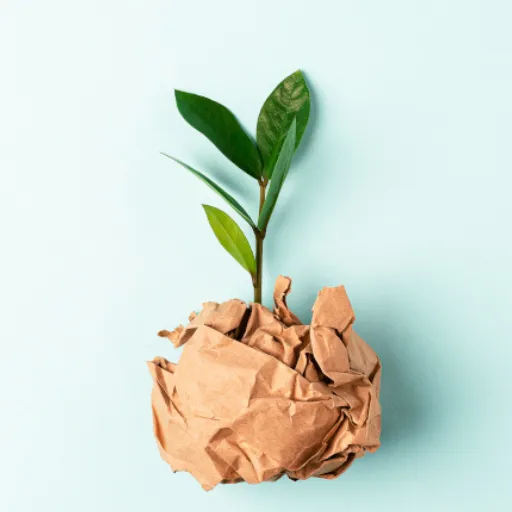
The paper industry has always been a part of human civilization and a source of progress in almost every aspect of life like education, communication, and commerce. This industry has seen a lot of concern over the years regarding its environmental impact which included deforestation, water pollution, and a high demand for energy. On the other hand, a green revolution is not sleeping; it is transforming the very notion of paper making through new technologies and practices that are eventually leading to a more eco-friendly future. The present article is going to bring you the latest trends that are changing the production of paper along with the company’s journey towards being eco-friendly and a sustainable future. With the help of alternative raw materials and energy-efficient processes, the paper industry is showing its readiness to embrace a greener world.
Understanding the Environmental Impact of the Paper Industry
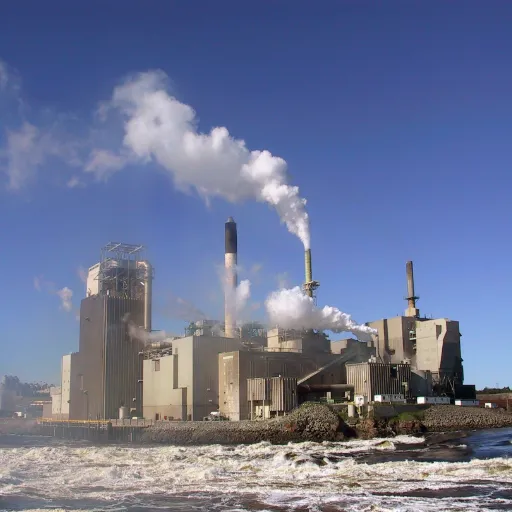
Deforestation and Its Consequences
The great demand for paper products and other reasons attributed to it have caused deforestation, an environmental impact that is going to last for a long time and even forever. It is approximated that the annual loss of 42 million hectares of forest leads to the drawback of habitations, the shifting of climate, and the dying out of species.
⚠️ Critical Environmental Consequences:
- 🌳 Carbon Dioxide Absorption Loss: Trees act as primary carbon sinks, helping to control the greenhouse effect
- 🌡️ Global Temperature Rise: Cutting down forests directly contributes to increased global temperatures
- 🦋 Biodiversity Disruption: Large numbers of plant and animal species are put at risk
- 🌍 Ecosystem Imbalance: Disruption of the earth’s life forms affects entire ecological systems
💡 Sustainable Solutions:
| Solution | Impact |
|---|---|
| Use of Recycled Materials | Reduces demand for virgin wood fiber, preserving forests |
| Responsibly Managed Forests | Ensures sustainable timber sourcing with proper regeneration |
| Technological Innovations | Reduces deforestation through efficient production methods |
The latest information underlines that the use of recycled materials and the sourcing of timber from responsibly managed forests are some of the best solutions to the problem. The paper industry is also progressively adopting these techniques, along with technological innovations with the aim of reducing the amount of deforestation and the resultant detrimental effects on nature.
Water Usage in Paper Production
Water direct consumption during the manufacturing of paper, which is considered to be a big environmental issue, is an enormous amount of water that the industry is utilizing and is part of the manufacturing process.
💧 Water Consumption Statistics
17,000
gallons per ton
Average water consumption to produce one ton of paper
Water-Intensive Stages:
- Pulping Process: Fibers are broken down and separated from wood
- Paper-Making Process: Fibers are prepared and formed into sheets
🔄 Modern Solutions:
Water Recycling Systems: Most paper mills are implementing systems that allow water to be reused multiple times
Closed-Loop Systems: Proven effectiveness in reducing both water waste and environmental impact
Total Consumption Reduction: Significant decrease in overall water usage through efficient recycling
Recent statistics state that the majority of paper mills are putting in place water recycling systems, which allow them to reuse water several times and at the same time, decrease the total consumption of water. Closed-loop systems, for example, have shown their effectiveness in the reduction of both water waste and the environmental impact of paper production by being very efficient.
Emissions and Pollution from Pulp and Paper Processes
The pulp and paper industry is a key player in the pollution of the environment and emission of harmful gases, especially from the processes of production that the gases and pollutants come out from.
🏭 Carbon Emissions
Global Impact: Industry responsible for approximately 2% of total global CO2 emissions, particularly from energy-intensive paper-making processes
⚗️ Chemical Pollution
Toxic By-Products: Bleaching processes using chlorine and chlorine dioxide release harmful dioxins that damage aquatic ecosystems
🌱 Industry Response & Solutions:
| Initiative | Description | Environmental Benefit |
|---|---|---|
| ECF Bleaching | Elemental Chlorine-Free process | Minimal chemical discharge |
| TCF Bleaching | Totally Chlorine-Free process | Zero dioxin emissions |
| Renewable Energy | Solar, biomass, and other clean sources | Reduced carbon footprint |
| Energy-Efficient Practices | Optimized production methods | Lower overall emissions |
Pollution control measures and investment in cleaner technologies are the outcomes of the government’s and industry’s recognition of the problem and the need for the change. These steps signal the industry’s gradual transition to the use of greener methods.
Innovative Technologies Driving Sustainable Paper Manufacturing
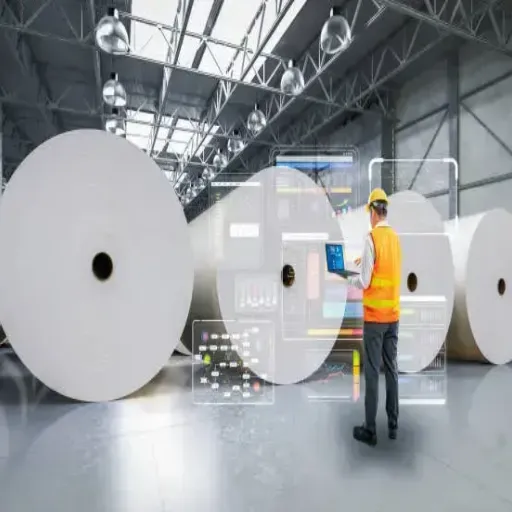
The Role of Recycled Paper in Reducing Waste
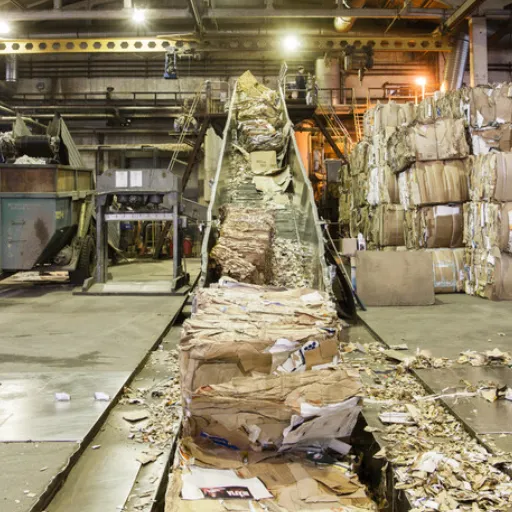
Recycled paper is one of the main factors that contribute to waste reduction and the preservation of natural resources. The latest figures reveal significant environmental benefits that make recycling a cornerstone of sustainable paper production.
♻️ Environmental Impact: Recycling One Ton of Paper
17
Trees Saved
7,000
Gallons of Water
60%
Less Energy Used
🌍 Additional Environmental Benefits:
- ✓ Landfill Diversion: Keeps large volumes of paper waste out of landfills
- ✓ Methane Reduction: Prevents release of potent greenhouse gas from paper decomposition
- ✓ Circular Economy: Materials are reused and reintroduced in the production cycle
- ✓ Resource Conservation: Reduces need for raw materials
- ✓ Forest Preservation: Helps conserve forests while reducing manufacturing impact
Alternative Fibers: A Sustainable Source for Paper
Non-wood alternative fibers are slowly but surely taking over as the eco-friendly paper industry. Paper from tree pulp is still king but these non-wood sources like bamboo, hemp, and agricultural wastes are making their way into the production of paper. Some even consider recycled textiles as a source in this connection.
🎋 Bamboo
Growth Rate: Grows tremendously fast
Sustainability: Can be cut without replanting
Status: Renewable resource
🌿 Hemp
Water Usage: Requires less water than wood plantations
Pesticides: Minimal chemical requirements
Output: Yields large amount of fiber
🌾 Agricultural Waste
Sources: Wheat straw, sugarcane bagasse
Advantage: Upcycles discarded crops
Impact: Contributes to circular economy
👕 Recycled Textiles
Material: Post-consumer fabric waste
Process: Transforms textile waste into paper
Benefit: Reduces textile landfill waste
📊 Research Findings:
Current research establishes that integrating these alternative sources in paper manufacturing helps to bring down environmental impact costs significantly. Recent work shows that industries making use of alternative fibers report:
- Drop in energy consumption during production
- Reduction in water usage throughout manufacturing
- Alignment with global sustainable development targets
- Contribution to circular economy through waste upcycling
This approach not only saves trees but also upcycles waste products turning them into an environmentally friendly paper industry.
Closed-Loop Systems in the Pulp and Paper Industry
Closed-loop systems are a major technological leap in the supply chain of the pulp and paper industry because they allow for the recycling and reuse of resources such as water, chemicals, and energy to occur within the production cycle.
🔄 Closed-Loop System Benefits
💧
Water Recycling
Recovery and reuse within production cycle
⚗️
Chemical Reuse
Minimizes chemical discharge and waste
⚡
Energy Recovery
Maximizes efficiency from resource use
🌱
Fiber Recovery
Reduces production waste significantly
💼 Business Advantages:
The latest studies from search trends indicate that firms adopting closed-loop manufacturing systems have reported not only a major reduction in their operational costs but also the reduction of their ecological footprints. Moreover, these systems help companies in complying with the strictest environmental regulations thus providing them with a competitive advantage in the eco-conscious market which is growing continuously.
The Economic Benefits of Sustainable Practices in the Paper Industry
Boosting Competitiveness through Eco-Friendly Practices
Eco-friendly practices in the paper industry are a solution to the environmental problems and a source of financial advantages. Recent research shows that there is a rise in customer trust and loyalty for brands that take up green approaches.
🛍️ Consumer Behavior
60%
of shoppers willing to pay extra for eco-friendly products
💰 Cost Benefits
- Lower long-term operational costs
- Reduced dependence on expensive raw materials
- Energy savings from efficient machines
- Recycling reduces material costs
📈 Competitive Advantages:
| Benefit | Impact on Business |
|---|---|
| Increased Customer Trust | Higher brand loyalty and repeat purchases |
| Market Share Growth | Capture sustainability-focused consumer segment |
| Enhanced Reputation | Positive brand image in eco-conscious market |
| Profit & Sustainability Balance | Dual benefit of financial success and environmental responsibility |
By switching to these practices, businesses will be able to gain the market share that favors sustainability and thus, they will have both the profit and the good reputation in a world where eco-friendliness is the priority.
Economic Advantages for Communities and Businesses
Sustainable practices bring economic benefits not only to the companies that apply them but also to the people living near them.
📊 Recent Industry Growth Statistics
30%
Increase in sustainable practices adoption over the last two years
💼 Job Creation
New opportunities in renewable energy, waste management, and green technology sectors
🤝 Brand Loyalty
Consumer commitment remains strong despite potential environmental setbacks
🌱 Corporate Responsibility
Environmental friendliness minimizes ill effects and promotes healthier economies
🚀 Innovation Growth
Sustainable future characterized by innovative and sustainable growth
When the businesses and communities draw the line at the adoption of sustainable practices, they will be able to share the spoils of being responsible in a future not so far away that is characterized by innovative and sustainable growth.
Engaging Consumers in the Circular Economy
Engaging consumers with the circular economy is not an easy task and it needs time-consuming and exhaustive education, good technical support, and letting them participate actively.
🔍 Growing Consumer Interest:
The data from search engines has shown the clear trend of people inquiring more about sustainability. Queries like “recycling programs near me” and “sustainable product alternatives” have recorded a huge increase in search volume.
Business Strategies for Consumer Engagement:
- 🔹 Transparency: Openly mention circular economy projects like recycling and upcycling programs
- 🔹 Take-Back Programs: Implement product return systems for reuse and recycling
- 🔹 Incentives & Allowances: Offer rewards for returning products for reuse
- 🔹 Easy Participation: Make consumer involvement simple and convenient
- 🔹 Educational Content: Provide information about environmental impacts and benefits
By trying to understand and satisfy the thirst for environmental changes that consumers have, businesses will not only unite with their audience but will also be part of the good environmental change.
Conclusion: Taking Action Towards Sustainable Paper Production
🌿 Key Sustainability Factors in the Paper Industry
♻️ Recycled Materials
Usage of recycled fibers in paper mill processes reduces virgin wood consumption and saves up to 60% energy compared to producing new paper. Reduces methane production from logging and wood decay.
⚡ Renewable Energy
The paper manufacturing sector is meeting energy needs through biomass and solar. 2023 reports show at least half of power consumption in certain mills comes from renewable sources.
💧 Water Reduction
New water recycling and treatment technologies have transformed paper mill operations. Modern plants can reuse up to 90% of water consumed during manufacturing.
✅ Green Certification
FSC (Forest Stewardship Council) and PEFC (Program for the Endorsement of Forest Certification) certifications promote accountability across the supply chain, making it easier to find eco-friendly products.
📚 Consumer Engagement
Education campaigns and take-back programs assist the circular economy and reduce waste going to landfills. Brands supporting the environment are future developers due to growing consumer preference.
The combination of the above-listed strategies together with the application of technology will not only reduce the environmental impact of the paper industry but also along with the rest of the planet promote sustainability in the future.
📢 Consumers and Businesses Call for Action
It is now or never for consumers and companies alike to be really serious about sustainability in their operations and help in the process of making the planet greener. According to the latest search statistics, there is a broadening of interest in small things like eco-friendly products and living the sustainable life, which signifies an increasing willingness for making the earth less polluted and more habitable.
👥 Consumer Actions
- Choose eco-friendly products
- Participate in recycling programs
- Support sustainable brands
- Reduce paper consumption
- Educate others about sustainability
🏭 Business Actions
- Switch to sustainable production methods
- Use recycled materials
- Form alliances with green organizations
- Implement circular economy models
- Drive broader industry change
In this way, not only will the brands gain customers who are loyal due to shared values, but also the overall environmental impact will be less through the integration of corporate and consumer strategies and the use of breakthrough technologies. Achieving a sustainable and circular economy through joint efforts by the consumers and businesses is indeed a feasible dream.
Frequently Asked Questions (FAQ)
❓ What is sustainable paper production and its impact on the environment?
Sustainable paper production is the practice that pulp and paper industry will minimize the use of resources and the generation of waste by implementing the eco-friendly measures and materials while at the same time creating the high-quality paper that lets the pollution-free gas and solid waste production. The sustainable development model through recycling allows paper making to become more efficient as to using resources and reducing the overall environmental impact. Eco-friendly practices are utilized to comply with environmental regulations, which means a healthier planet.
❓ How does recycling contribute to sustainable paper manufacturing?
Recycling is the major factor in sustainable paper manufacturing as it brings back the materials into the production process, thus lessening the need for virgin fibers. Recycling paper not only saves the natural resources but also lessens the energy usage and emissions related to paper manufacturing. By using the recycled content, paper companies contribute to a circular economy which is the opposite of waste and that is why the industry can attain the sustainability goals and even elevate the pulp and paper production process.
❓ What are the key practices for sustainable forest management in the paper industry?
Sustainable forest management is the assurance that the raw materials for paper manufacturing are properly sourced. It means that paper production is conducted in a manner that supports biodiversity, and ecosystem protection, and takes from the forests only the rate that does not exceed the natural regeneration of that forest. Among many practices, the industry is tending toward selective logging and reforestation initiatives, which prioritize long-term ecological health. By adhering to the sustainable management principles, the companies operating in the paper and wood products industry can lead a more sustainable supply chain while reducing their environmental impact.
❓ How can innovation drive sustainability in the pulp and paper industry?
Innovation is an important factor in the sustainability of the pulp and paper industry, refining the production process and making the products more environmentally friendly. Industry 4.0 technologies like automation and data analytics, for instance, can make production models more waste-free and less energy-consuming. Moreover, the state-of-the-art materials are wood from the agricultural residues and various fibers, which will be introduced in the paper-making process and this will raise the sustainability level of the paper produced. When innovation and sustainability are united in the paper industry then they can easily cater to the consumer’s demand for responsible paper products and at the same time, they will be working towards achieving their sustainability goals.
❓ What is the role of the circular economy in sustainable paper production?
Resource efficiency and waste reduction across the whole lifecycle of paper products are the tremendous advantages that the circular economy brings to sustainable paper production. This way of thinking puts a strong emphasis on recycling and reusing, and each of these actions results in decreased raw material mining and lessened environmental impact. Thus, the paper industry can enter a sustainability-driven production phase rather than a linear-like model where sustainability is an option and leisurely repurposed paper and paper-packaging materials are a must. The adoption of circular economy principles by the industry can increase its contribution to the sustainability cause and also make the paper consumption culture more responsible.
Reference Sources
- 📚 Yale Sustainability
Reducing Paper Use: Discusses strategies for reducing paper consumption and promoting sustainable practices Source - 📚 NC State University
Climate-Friendly Solutions for Pulp and Paper: Highlights innovative DES-based pulping methods that reduce energy and fossil fuel consumption Source - 📚 Albright College
A Sustainable Future: Explores the use of wheat straw for tree-free pulp production, reducing emissions and resource usage Source - Leading paper making machine Manufacturers in China