Guide to Laser Cutting Sheet Metal: Understanding Metal Laser Technology
Complete guide to modern laser cutting techniques, applications, and best practices
Laser technologies have completely altered how industries deal with the cutting and shaping of metal. One can make the most demanding and challenging shapes with the aid of a complex and intricate laser-aided technology. If one is looking to improve their amateur laser cutting or perhaps is looking to learn the basics of such technologies, then an in-depth guide explaining principles and applications of metal technologies will be practical.
What is Laser Cutting for Sheet Metal?
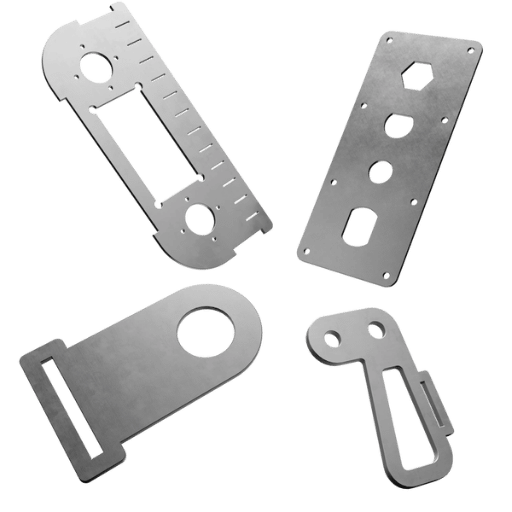
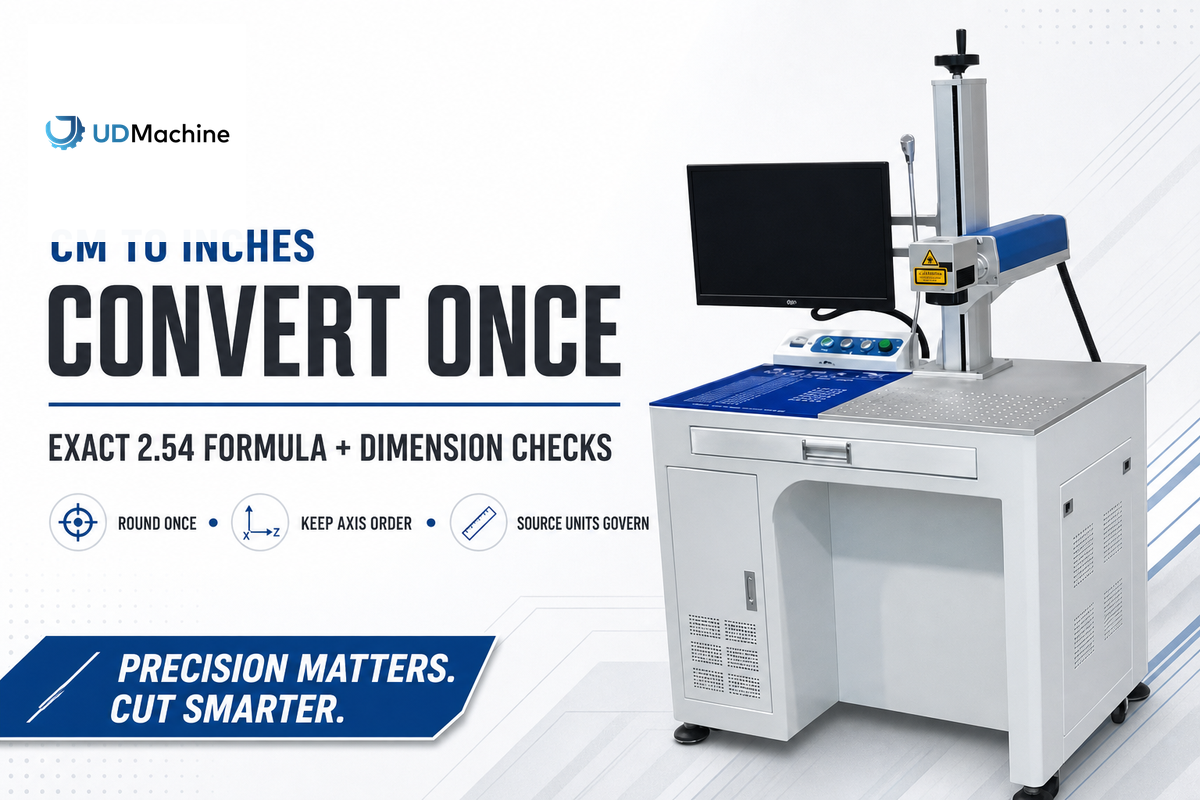
Laser cutting is a manufacturing process for sheet metal that cuts and forms thin metal sheets using a finely focused laser beam. It produces remarkable cuts, mostly since the laser heats the material, which often melts or vaporizes along its trail.
Key Benefits:
- Outstanding precision and quality results
- Handles complex and intricate patterns
- Minimal material waste
- High-tolerance manufacturing capabilities
Definition and Fundamental Principles of Laser Beam Cutting
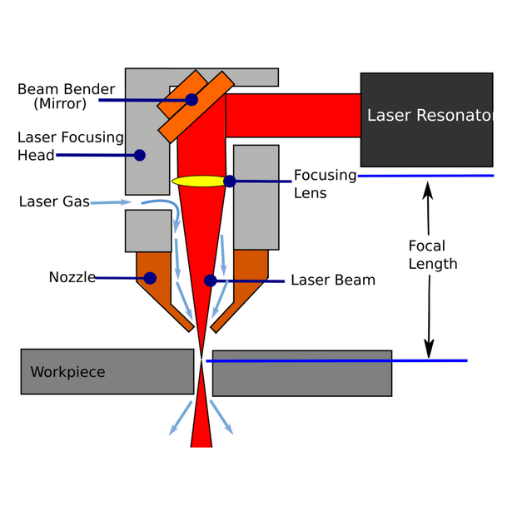
The machining method of laser cutting fabricated components employs a focused and intense beam of laser light to carve, cut, and imprint with great precision various materials. As a non-contact form of manufacturing, the method functions by aiming a laser beam at the material’s surface and then utilizing high-power energy to burn, melt, or evaporate the desired area.
🔥 Heat Application
Intense laser energy creates localized heat to melt or vaporize material
💻 Computer Control
Automated systems follow preprogrammed designs for precision and repeatability
The Development and History of Laser Cutting Technology
1960s – The Beginning
The laser cutting process began with the first system developed in 1965 by Western Electric Engineering Research Center for laser drilling of diamond dies.
1970s – Metal Cutting Era
Technology has advanced to emphasize cutting metals, particularly in aerospace engineering, for creating precise parts.
CNC Revolution
Computer numerical control (CNC) systems revolutionized laser cutting by providing automation and precise control.
21st Century
Significant improvements in control, efficiency, and affordability made laser technology essential for modern manufacturing.
Types of Lasers Used in Sheet Metal Cutting
🔥 Fiber Lasers
The fibres are used to convert electric power into laser power. This characteristic, which is good for metal cutting and direct base marking, makes them favourable.
💨 CO2 Lasers
There’s nothing quite like a CO2 laser when you need to carve through thin metal or want to adjust the power for engraving wishes and welding needs.
Key Applications:
- . Heavier materials such as mild steel.Followed by sheet metal and even soft aluminum in some cases.
- Wood, base metals that do not contain iron, and acrylics, which are widely used in fabrics
- Precision work that includes design detailing
- Laser work that ranges from low-power details to braced systems in steel, and even the removal of panels on vehicles
💎 Crystal Lasers
Crystal lasers function at shorter wavelengths and are known for high-power applications requiring extreme precision.
Specialized Uses:
- Electronics micro parts
- Medical procedures (laser eye surgery)
- Research and spectroscopy
- 3D object manufacturing
Materials Suitable for Laser Cutting
🔧 Metals Commonly Used
🔬 Non-Metal Options
Plastics
High precision and smooth finishing capabilities. Common materials include polycarbonate, polyethylene, and acrylic.
Composites
Durable and lightweight materials like fiberglass and carbon fiber reinforced polymers.
📋 Factors to Consider
📏 Material Thickness
Thicker materials require higher laser power and slower processing rates to maintain precision without compromising quality.
✨ Material Reflectivity
Reflective materials can present challenges. Solutions include laser property adjustments or specialized coatings.
🌡️ Thermal Conductivity
High thermal conductivity materials dissipate heat rapidly and require higher energy levels.
🎨 Surface Finish
Texture affects laser energy absorption. Rough materials absorb more energy than polished ones.
Safety Precautions in Laser Cutting
⚠️
Essential Safety Equipment
👓 Eye Protection
Laser-rated safety goggles provide mandatory protection from laser radiation.
🧤 Hand & Body Protection
Leather gloves and safety aprons protect from laser burns and heat generation.
💨 Fume Removal and Ventilation
Proper fume extraction is critical for laser cutting operations. Essential requirements include:
- ✅ HEPA Filter Systems: Effective fume extractors with proper filtration
- ✅ Local Hood Systems: Capture air laden with dangerous contaminants
- ✅ Regular Maintenance: Professional maintenance aligned with laser safety standards
🔥 Fire Safety Measures
Install and Maintain Fire Extinguishers
Regularly check extinguishers to ensure perfect working condition.
Fire-Resistant Surfaces and Storage
Use fire-resistant materials for surfaces and safe storage of flammable materials.
Clear Emergency Exits
Maintain unblocked exits with proper fire maps and danger indicators.
Personnel Training
Conduct regular fire safety and evacuation procedure training.
Industry Applications of Laser Cutting
✈️
Aerospace
Precision in Lightweight Components
Laser cutting can be employed to create sophisticated designs from advanced materials such as titanium or aluminium, with meticulously crafted tolerances, and at the same time ensuring waste is minimised. The precision reduces component weight and increases fuel efficiency.
🚗
Automotive
High-Speed Production of Metal Parts
Eliminating the need for retooling between part modifications, high-speed, high-precision manufacturing greatly reduces time to production and material waste. Parts like gears, hubs, and pulleys, for which components of STDs already exist, can be rapidly and accurately manufactured in high volumes.
🏥
Medical Devices
Intricate Surgical Tool Designs
Ultra-precise laser technology creates tiny instruments like forceps, lancets, and biliary stents without thermal distortion risk. Essential for maintaining peak precision and sterility in surgical procedures.
Latest Trends in Laser Cutting Technology (2025)
🚀 Cutting-Edge Innovations
The laser cutting industry continues to evolve with breakthrough technologies that enhance precision, efficiency, and versatility.
⚡ Ultrafast Pulse Lasers
Femtosecond pulse durations of fast pulsed lasers allow for both incredibly precise and low-impact cutting. This power is especially useful when it comes to micro-drilling, surface texturing, and intricate microscale component design.
Key Benefits:
- Enhanced product quality
- Reduced material wastage
- Sustainable manufacturing approach
🟢 Green Lasers for Reflective Materials
Green lasers operating at 532 nm have very good performance with materials that are highly reflective, for example, copper, gold, and aluminum. Very high reflective absorption rates are present on the materials utilized for the fabrication of the mentioned laser diode, which makes energy transfer and production of surface textures very fine and controllable by the laser beam.
Advantages:
- No back-reflection concerns
- Equipment durability
- Consistent performance capabilities
🤖 AI and Automation Integration
To find the best possible solution, artificial intelligence (AI) systems can analyse a vast amount of data and make necessary changes efficiently to save on costs and reduce human error. Automation is a key feature of AI-driven systems, which minimizes human intervention to minimize any kind of error.
Industry Benefits:
- Enhanced productivity
- Improved operational cost efficiency
- Predictive maintenance capabilities
- Reduced downtime
Frequently Asked Questions (FAQs)
Best Practices for Quality Results
🎯 Essential Tips for Success
Follow these proven practices to achieve optimal laser cutting results and maintain consistent quality standards.
🔧 Equipment Maintenance
- Use high-quality, well-maintained machines
- Ensure proper lubrication
- Set correct operating parameters
- Regular calibration checks
📐 Design Optimization
- Design for manufacturability
- Consider kerf compensation
- Optimize cutting paths
- Account for material properties
📋 Material Preparation
- Ensure flat, non-warped materials
- Clean surface preparation
- Proper material securing
- Verify material specifications
✨ Quality Control
- Monitor edge quality
- Check dimensional accuracy
- Inspect for thermal distortion
- Verify surface finish standards
🎉 Conclusion
Laser cutting technology has significantly altered the landscape of contemporary industry due to its level of accuracy, flexibility, and speed. Extremely light aerospace components and intricately designed medical equipment are no longer a concern due to the contributions of laser cutting, which seems to be limitless in the achievements it is unlocking in terms of material treatment. Ultrashort pulse lasers and green lasers, as well as the integration of AI, promise a new world of applications with markedly enhanced equipment.
Whether you’re a beginner exploring laser cutting or an experienced professional looking to enhance your knowledge, understanding these principles and applications will help you harness the full potential of this transformative technology.
📚 Reference Sources
Comprehensive guides on laser cutting techniques
Laser Cutter Guide
Link to PDF
An extensive guide about materials and security tips in laser cutting.
Sheet metal processing specifications