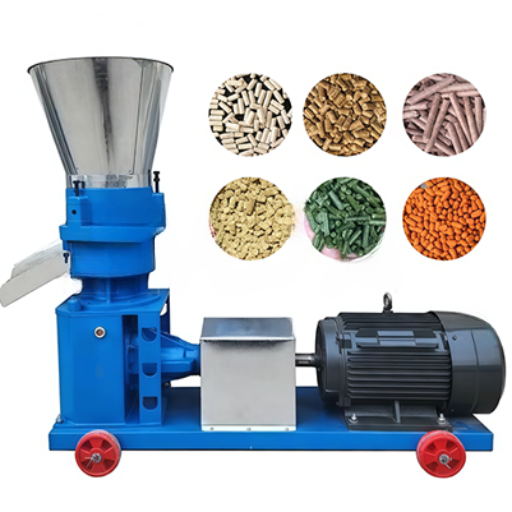
Pellet making machines have brought about significant changes in various industries from agriculture to energy production, offering a convenient way of processing raw materials into quality pellets. If you are engaged in agriculture with the goal of processing feed materials, or if you are in a biomass fuel company, or some industrial corporation looking for equipment for material waste management, these devices are of paramount importance as they increase production efficiency. This manual intends to inform you on the kinds of pelleters available, the methods of using them and what should be considered prior to the purchase. Reading this article will help you gather insights that will enable you in making better choices when it comes to the purchase of an appropriate machine in order to increase and enhance the productivity and effectiveness of the activities that you carry out.
What is a Pellet Making Machine?
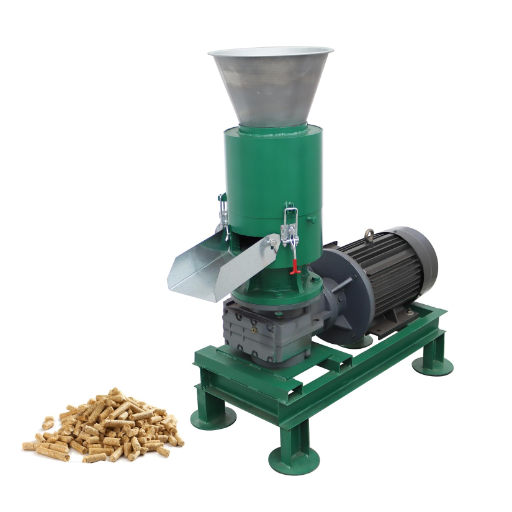
Pellet-making machine is a device for compressing powders into small, cylindrical pellets. This machine is frequently used in agriculture, animal feed production, and biomass energy operations. They use a process of shaping the raw materials into rolled pellets via pressure and heat; after that, it is easier to store, move with load, and use.
Definition and Functionality of Pellet Making Machines
Pellet making machines are devices that are designed for the transformation of loose, available, and often grinded into equal sized compressed pellets. In this type of machine, the raw materials are blended in a specified ratio and sometimes lightly heated depending on the type of material. This process starts with the feeding of the material in the form of a die of the machine, and the compaction takes place through an opening of a die hole in a cylindrical shape. The modern pellet making machine is furthermore equipped with extra facilities such as pressure control, automatic feeding as well as a cooling system hence the increase in output and quality.
As a result, the question of their dimensioning arises more and more often. In order to make this possible, several attempts to make the machine operate on a variety of raw materials have been presented, such as saw dust, plant garbage, organic residues etc. Owing to the advancements in modern infrastructure, a shift can be observed towards resourceful as well as green machines, which come in perfect sync with the world campaigns towards the reduction of carbon emissions and energy dependence. Therefore, a pellet making machine is very useful in agriculture, sustainable energy generation systems and environmental resource protection.
Importance in Various Industries
Various industries turn to pellet making machine as they offer a compact and economical format of the basic material in shape of a pellet. Such equipment is critical in the agriculture industry where the crop residue, as well as agricultural waste, is converted to feed for animals or organic fertilizers, thus helping the farmers in sustainable agriculture. In the renewable energy segment, it is these machines that have a significant contribution to the production of biofuels as they turn biomass into heating and power generating pellets, bringing down fossil fuel consumption. This technology is also put to good use in the waste management sector by transforming organic waste into useful products thus promoting environmental friendly methods and helping in reduction of waste. As per certain media outlets, the worldwide market for pellets production indicates positive growth forecast because of increased accent on green energy technologies and adoption of environment friendly good practices — underlining their importance in the present ecologically conscious world.
How Pellet Machines Work
This simple mechanism helps in easily changing the shape of loose material to a dense one which is the pellets and hence is very convenient to use these solutions in production of energy, animal households or any other spheres of life. These machines become very important in a situation where there is need to use the available resources ingeniously at the same time being ecofriendly in order to explain that it is the wastes that are dangerous and not their games.
Types of Pellet Making Machines
Flat Die Pellet Mills
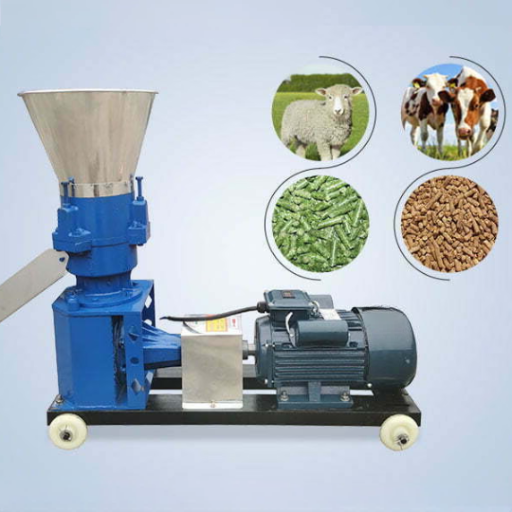
The simpleness and economical outlay of flat die pellet mills make this equipment the mainly applicable especially to the small scale. Unlike many other types of machines which require a fair amount incursion for maintenance or operational handling, these machines use a simple flat die and numerous cavities holed inwards where rollers compress materials to form solid particles. Available data from search engine giant google indicates flat die pellet mills for home use and small scale farming are most effective because it can serve most tasks where saw dust, straw, grass and other agricultural left over can be filled in order to make small particles. Moreover, such technology allows to increase production efficiency of such mills and thus creates opportunities for producing pellets for fuel or feed of desirable quality without significant investments. Because they are quite compact in size and relatively easy to use, flat die pellet making machine is still considered to be a viable method of producing sustainable pellets.
Ring Die Pellet Mills
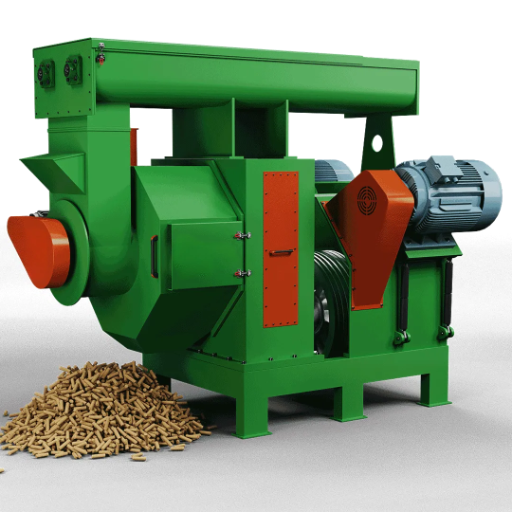
The ring die pellet making machine is an industrial device that is most often used in commercial pellet mills or production lines because it is more efficient and more durable than flat die machines. The machine processes by rotating the ring die to which the material is fed and then turned into pellets by the rollers where they die holes are found. Such machines are efficient in high output production and are able to maintain the quality of compact pellets, which are necessary for both the biomass fuel and animal feeding industries.
One of the main benefits of a ring die pellet making machine is that it can process many types of materials such as wood, straw, agricultural waste, etc. This construction feature also avoids stress concentration which reduces the risk of the components breaking down. The introduction of new technology involves elements such as improved cooling and lubrication systems, allowing technicians to operate the machinery continuously and therefore, it is fit for the factories where production must go on round the clock. Nevertheless, its installation and operation may turn out to be more costly and complex, which can discourage more petite manufacturers. For producers engaged in mass manufacturing of pellets, the ring die pellet mill is a compact and strong design that meets all of their requirements.
Comparison of Flat Die vs. Ring Die
Flat die and ring die pellet making machines differ in design, efficiency, capacity, cost, maintenance, and suitability for specific production scales.
| Key Point | Flat Die | Ring Die |
|---|---|---|
| Design | Simple | Complex |
| Efficiency | Lower | Higher |
| Capacity | Smaller | Larger |
| Cost | Lower | Higher |
| Maintenance | Easier | Requires expertise |
| Application | Small scale | Large scale |
Operational Process of Pellet Making
Raw Material Preparation
For efficient pellet making, ensuring the right workmanship preparation of the raw material is very paramount. The first step involves getting the desired raw materials which may entail such products as tree feathers, wood debris, farming remnants, and other biomass. These kinds of materials should be free from stones, metals and also any other contaminations which are likely to spoil the pellet making machine. Next, there is a need to carry out the exhaustion of the raw material to the desired moisture content which is usually about 10–15% as that will interfere with the solidifying of the raw materials into pellets. After this stage, there is uniformity in the sizes of the materials which is basically caused by chopping or crumbling the content. This process works to improve the quality of the materials as it ensures dimensions do not change on making the pellet.
Pelletizing Process Explained
Pellets are quite diversified in their use – they can be used for energy production, animal feeding, medicine, and everything in between. The process starts with the preparation of materials by cleaning, drying, and size reduction, making sure that the material is uniform and ready for pellet formation.
The prepped raw material is then introduced into the pellet making machine. As the material is processed in the machine, the rollers compress it while pushing it against the holes of the die in the chill case, which is the structure determining the size and shape of the pellet. The point in the process where heat and pressure are utilized is of course useful in binding the material without the use of binders, but can include easily removable additives, if necessary.
After extrusion, the granules are cut to a specified length, cooled solid so as to strengthen their structures. Lastly, the pellets after screening do not contain any fines and reject all broken pieces so only fresh pellets remain for packaging or for instant usage. With such a well-sustained process, durable yet effective pellet making machine can be created so as to cater for different needs.
Cooling and Packaging of Pellets
Cooling and packaging of the pellets happen to be an important aspect in the matter of ensuring the freshness and life span of the called for pellets. Once the pelleted materials have been formed and cut, they should be moved to a cooling line that uses air or water, freezing them toward the optimum temperature. This process goes a long way to giving their material structure good rigidity, easy handling without too much breakage, not causing any new forms of deformation and sticking. An affordable cool-down solution — viewed in terms of costs and energy conservation — constitutes the passage of the most esteemed picture of any cost impact.
The nuclear pellets are fed to screening systems for elimination of fines and improperly formed pellets. The whole, good-quality pellets from the screening are now ready for packaging. Packaging options could be diverse depending on usage parameters and client demands, from bulk storage in silos to small bags, or FIBCs for industrial use. Modern automated packaging systems, however, with precise and controlled weighing, sealing, and labeling, have been allowing even better consistency and traceability. To meet customers’ market requirements, advanced technologies are proving efficient in maintaining the quality of products.
Applications of Pellet Making Machines
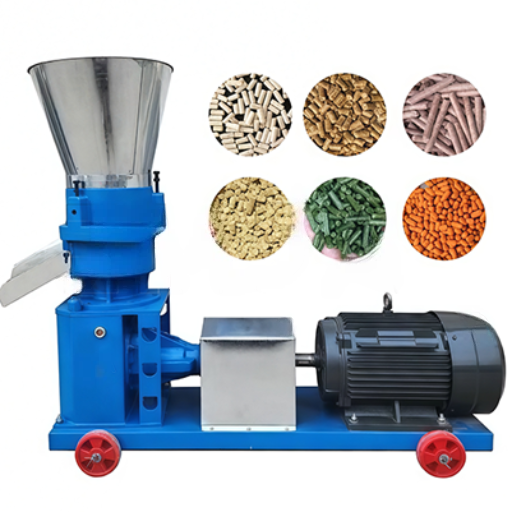
Production of Animal Feed Pellets
Process of making pellets is widely common in making pellets for animal feed aimed at improving feed utilization and storage convenience. In fact, animals are given simple ingredients of grains, grasses, and any additives which are enhanced into uniform-sized pellets, enabling animals to eat a nutritionally balanced diet. The market for animal feed pellets has seen a dramatic increase worldwide, propelled by increased interest in livestock productivity together with sustainable farming methods. In Asia and North America, especially, pellet making machines are essential for the production of good-quality feed, which, together, ensures good animal health and growth. The new version of these machines also has the feature to make pellets in varying sizes and formulations, which can adapt to the type of diet required by different species. Hence, the versatility and importance of these pellet machines to agriculture are highlighted.
Wood Pellet Production for Biomass Energy
In the initial stages of pelletization, a pellet making machine is critical and considered to be an easy process that produces small highly compacted cylinders with low content. These materials include but are not limited to the recovery of wood waste pine logs and bark or reclaimed into high density wood pellet fuels. These wood pellets are most utilized by light or heavy industry and also very many households due to their high efficiency of burning, clean combustibility and the implausibility of either storing or handling burning wood.
Today’s pellet making machine comprises complicated structures that regulate the temperature, settings adjustable within certain ranges, and energy-saving mechanisms for effective and desired production aims. Such machinery goes further and easily accommodates different materials for example hard wood, soft wood or agricultural residues among others hence making it an all inclusive technology as far as raw materials are concerned. Mass use of this technologies has been largely responsible for mitigation of green house gases levels and eliciting sentiments towards self-reliance in terms of energy importation particularly targeting nations that have set objectives based on clean energy.
Making Pet Food Pellets: Dogs and Cats
Pellet making machines are prevalent in the pet canine and feline food industry because of their high accuracy, performance and flexibility. With these machines, the manufacturer is able to produce premium grade pet food pellets that are specific to the dietary needs of both canines and felines. The machines mix ingredients, such as protein, grains, fat and relevant additions such as vitamins which are then able to compress into even handy for storage and packing pellets. This has led to an increasing popularity in demand for customized pet food offerings for example grain free foods, organic foods or allergenic free branded foods. With the pellet making technology, the situation is easy to control since it is amenable for different combinations of ingredients and different raw materials. Therefore it is guaranteed that every pet owner will be able to find a product suitable for their pet. In addition the fact that machines used in these practices have enhanced temperature and pressure control configurations, make it possible to push food safety dimension, nutrient retention and palatability enhancement a notch higher.
Factors to Consider When Purchasing a Pellet Machine
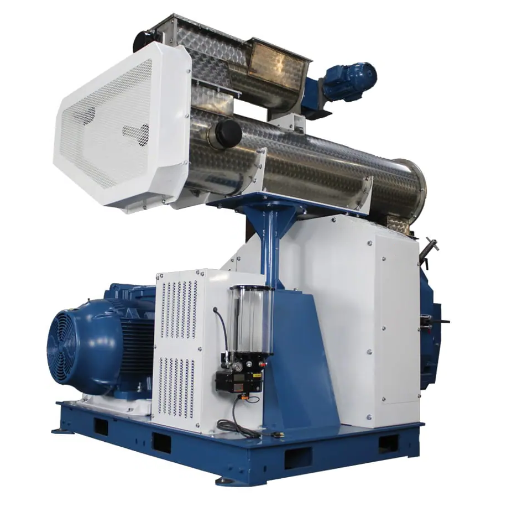
Factors to Consider When Purchasing a Pellet Machine
Reference Sources
-
Development of Animal Feed Pellet Making Machine – Discusses the design and components of a pellet manufacturing prototype for animal feed production.
-
Fabrication of Pellet Making Machine – Explores the manufacturing process of wood pellets, including challenges with different types of wood.
-
Design and Performance Assessment of a Pelleting Machine for Sustainable Biomass Pellet Fuel Production – Examines the performance of pelleting machines and their impact on pellet quality and sustainability.
-
Design and Evaluation of a Pellet Mill for Animal Feed Production – Focuses on the design and evaluation of pellet mills for creating animal feed pellets.
-
Design and Production of a Fish Feed Pelletizing Machine – Details the design and construction of a pelletizing machine for fish feed production.
- Food Machine and Extruders Provider in China