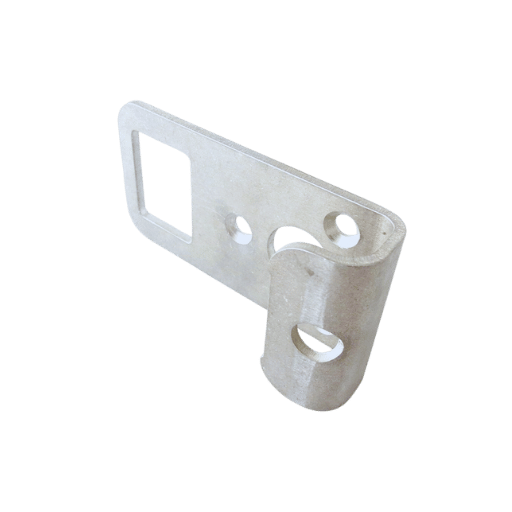
Understanding the intricacies of laser cutters, you will appreciate its usefulness and effectiveness in manufacturing even further. Laser cutting of aluminum is among several fabrication techniques that include CNC folding, machining, stamping, and welding. This dissertational document will address worth mentioning laser-cutting-aluminum and its advantages as well as its benefits in industry.
Understanding Laser Cutting Aluminum
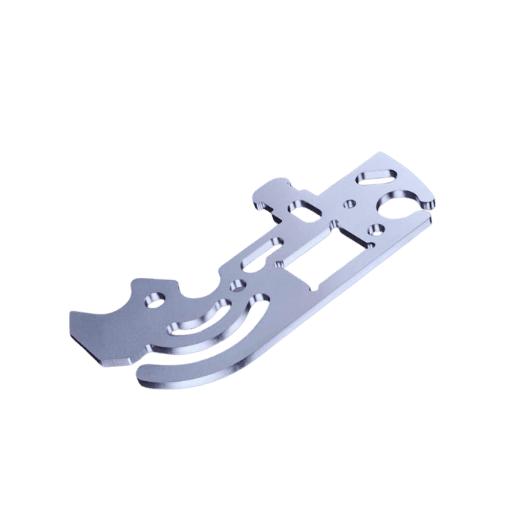
Aluminum’s cutting process via laser is an accurate and effective way of cutting aluminum sheets or parts due to the high energy of a focused laser beam. This technique works well because aluminum is easily cut with heat and also quite reflective, which cannot be easily cut with ordinary metal cutting methods. The latest laser cutting machines employ some recent technologies like use of fiber laser to circumvent these properties and ensure neat and precise cuts, as a result the machining work in laser-cutting-aluminum gets enhanced.
What is Laser Cutting?
Laser cutting is a production process that accurately cuts out or marks material using a high level of intensity within the beam of the laser. Where the course focuses the laser on the surface of a material, enough heat is involved in the corresponding incident that it may cause the actual cutting mechanism to start reducing the material before exceeding it. This technique is popularly desired in most industries due to the convenience and diversity of materials used in the application, such as metal, wood, plastics, and so forth.
Types of Lasers Used in Aluminum Cutting
CO2 Lasers
CO2 lasers are popular in aluminum cutting in that they incorporate both high power and efficiency. A lasing medium composed of such a gas allows for a beam that is continuous and hence suitable for cutting through thin and medium cross-sections of aluminum sheets. They are effective when coupled with anti-reflective treatments or sufficient measures against reflective materials.
Fiber Lasers
Fiber lasers can address the cutting defects of CO2 lasers on aluminium, achieving very high speeds with admirable accuracy. Fiber lasers have a solid-state design, shorter focal diameter, and are especially useful for decorating or cutting thinner sections of aluminum. In addition, fiber lasers are affordable and involve minimal expenses in care.
Nd:YAG Lasers
This is a solid-state laser, and the term Nd: YAG laser derives from the materials used in its construction. Though it is not as popular as fiber and CO2 lasers, this is where this type of laser cutting head shows better performance.
Diode Lasers
Diode lasers are ordinarily used for other types of cutting applications. Aluminum, however, can be cut by diode lasers under special circumstances. These lasers are tiny and efficient and ideal for low-power application or for engraving jobs that require precision. They are, otherwise, not too useful when it comes to bulk laser-cutting of aluminum.
Overview of the Laser Cutting Process for Aluminum
Aluminum laser cutting is a well-known procedure in which the material is removed through melting, burning, or vaporization of aluminum along a particular path facilitated by a very concentrated laser beam. Sometimes when molten aluminum is being removed, a supporting gas such as nitrogen or oxygen is used to achieve cleaner and more precise cuts.
Key factors influencing effectiveness include:
- The thickness of the aluminum sheet
- The power of the laser
- The gas used
- Proper adjustment and preparation of the materials
Benefits of Laser Cutting Aluminum
Precision and Accuracy
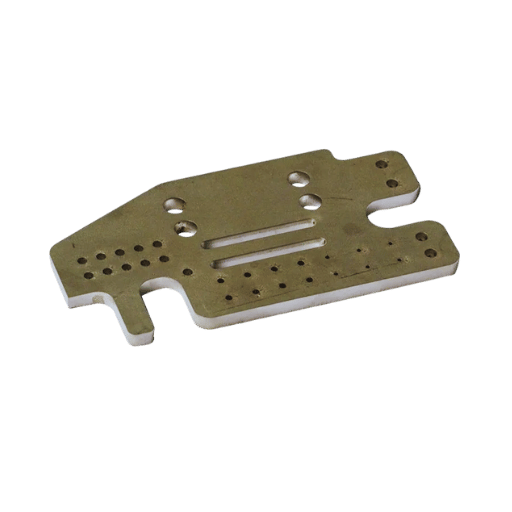
Laser cutting aluminum for precise works, one of the highest-valued virtues attributed to it, is mostly due to very high precision engineering employed in the same. Preceding mechanical force, laser cutting prefers light in various forms wherein this helps with very fine trimming and high prevention of damage in breaking down material or wastage.
Efficiency and Speed
Fast Processing Capability: This is due to the fact that laser cutting machines are extremely fast, and most products can be cut in a very short span of time; therefore, the cutting process will take less time than it would take using conventional methods.
High Level Of Automation: New cutting machines are very well equipped with automation, material loading, and so on, and they have real-time monitoring gadgets, hence reducing the intervention rate to the very minimum.
Cost-Effectiveness
There are several reasons why laser cutting aluminium is cost-effective. First is the precision of cutting, because cutting is so sharp that it is sometimes unnecessary to proceed with further processing, lowering the production cost and the cost of man-hours to a bare minimum.
Challenges of Laser Cutting Aluminum
Material Reflectivity Issues
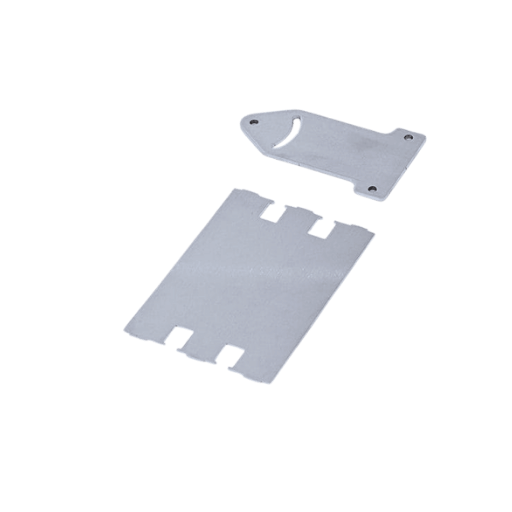
The highly reflective properties of Aluminum make the laser cutting quite complicated. It is because the reflective surface can reflect the laser away from the material, making laser cutting ineffective and damaging the laser equipment as well.
Solutions:
- Apply special coatings or other add-ins to minimize the reflection
- Utilize shorter wavelength lasers like fiber lasers
- Ensure that proper protective measures are used to dissipate the energy from lasers when operated
Heat Affected Zone and Warping
Thermal Warping: Due to the high amount of heat generated, there is an increase in temperature, which leads to unwanted expansion and consequently, distortion of the product.
Warpage of the Material: Aluminum sheets, most especially when thin, will warp with time as a result of being put in heat for a long period of time.
Mitigation Strategies:
- Appropriate design of the sheath cutting conditions (power of the laser and speed of cutting)
- Introduce sufficient coolant.
- Employment of appropriate assist and cooling agents
Thickness Considerations
The presence of aluminum is very important in deciding the technique and methods of cutting, along with the parameters necessary to achieve the best possible cutting:
- Thin aluminum sheets: Apply lower power levels with greater speed
- Thicker aluminum: It is simply an increased demand for laser power, and cutting speeds are much less than in the case of thin sheets
- Calculate and readjust the cutting regimes according to the particular thickness to ensure combined quality and economy
Best Practices for Laser Cutting Aluminum
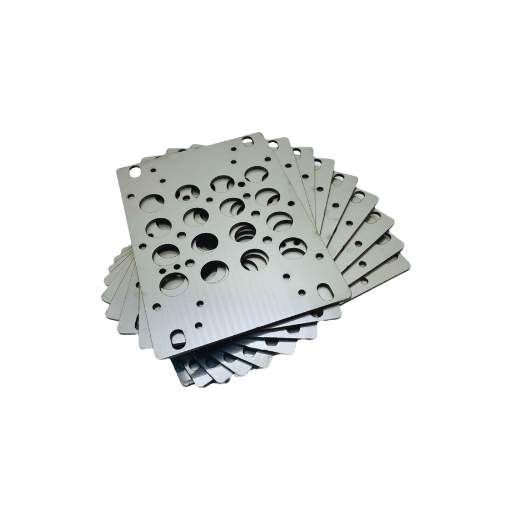
Optimal Settings for Laser Cutting Machines
| Parameter | Thin Aluminum | Thick Aluminum | Purpose |
|---|---|---|---|
| Power Levels | Lower settings | Higher settings | Prevent overheating / Ensure penetration |
| Cutting Speed | Higher speeds | Slower speeds | Maintain precision / Better edge quality |
| Focus Position | At or slightly below the surface | Precise cuts and smooth edges | |
| Gas Assistance | Nitrogen or air | Prevent oxidation and clean finish | |
Choosing the Right Aluminum Alloys
| Alloy | Key Properties | Common Applications |
|---|---|---|
| 5052 | Excellent corrosion resistance, high strength | Marine and automotive applications |
| 6061 | Versatile, good mechanical properties, and weldable | Structural components |
| 7075 | Highly durable and lightweight, with superior strength | Aerospace and military applications |
| 3003 | Non-heat-treatable, excellent workability | Roofing, siding, cooking utensils |
| 2024 | High strength-to-weight ratio | Aerospace and transportation |
Equipment Maintenance Checklist
- Regularly Clean the Optical Devices: Make sure that laser lenses and mirrors have no dirt or any particles by cleaning them with the specially dedicated facilities.
- Examine and Change Filters: At regular intervals, review the filters used in air and water cooling systems and the exhaust and replace them when necessary.
- Verify Beam aligned in line with Operative: evaluating the alignment of the laser beam so that cutting quality remains unchanged.
- Lubrication of the Railings and the Bearing Surfaces: Proper lubrication of the guides and rails and the bearings must be done.
- Control Cooling System: Verify the cooling effect at the level of the coolant and ensure that more cooling system functions are at optimum.
Applications of Laser Cutting Aluminum
Aerospace and Automotive Industries
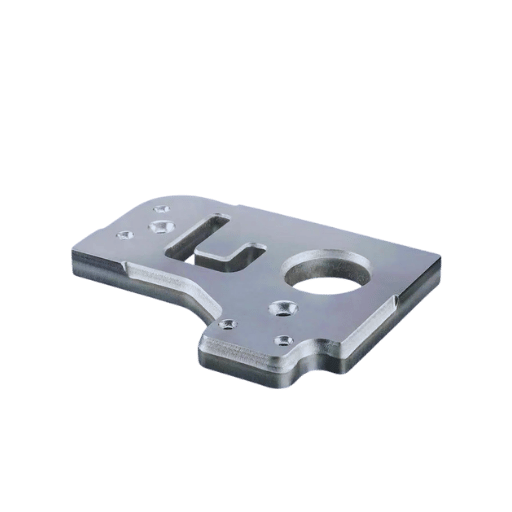
Mainly used to fabricate complex objects that generally combine strength and light weight:
- Laser-cutting aluminum and its metal components
- Car bonnets and shock absorbers
- Complex drapes and attachments
- Close tolerance parts, especially thin-wall sections
Construction and Architecture
Employed in building intricate design elements and precise components:
- Structural design simplicity (piping subpanels)
- Complicated architectural features
- Creation of unique design details
- Green building bricks and blocks
Manufacturing and Product Design
Applications in different manufacturing practices:
- Prototyping: Quick synthesis of thoughts and changes into several application attempts
- Mass Customization: Specific products at no extra cost
- Materials: New material combinations
Historical Perspective on Laser Cutting Technology
Evolution Timeline
1960s – The First Laser
The development of the first laser, based on a synthetic ruby, was completed by T. Maiman. This heralded the age of lasers.
1970s – Introduction of CO2 Lasers
C02 lasers were introduced, which, because of their ability to produce high energy, became the cutting and welding tool of choice.
1980s – Semiconductor Laser Advancements
Diode lasers proved to be convenient, making it possible to manufacture small and energy-efficient devices.
1990s – Emergence of Fiber Lasers
Industries including the medical sector and laser-cutting-aluminum experienced a transformation because of the high precision nature, longevity of operation, and minimal repair of fibre lasers.
2000s – Ultrafast Lasers
In this decade, it became possible to use elephants for very fragile operations as the development of femtosecond lasers progressed highly.
Present – AI and Automation
The use of automation, real-time systems, and slid into everyday life and help by making laser surgeries less of a burden and more accurate.
Future Trends in Laser Cutting Aluminum
Prospects of the laser-cutting-aluminum growth are enhanced by possible achievements in the following directions:
- Very Powerful Fiber Lasers: Allows the development of higher speed cutting as well as more economical cutting.
- Artificial Intelligence and Automation: Making processes more efficient and less dependent on human labor
- Green Capability: Cascading down the ‘energy ladder’ even further and reducing ‘production of garbage’ to near-zero levels
- Further Marking Development: Precision and Control Authoritatively Enhanced
Frequently Asked Questions
Reference Sources
- Stanford University – Product Realization Lab: The website entails details about laser cutting processes, which may also feature anodized aluminum. Source.
- UC Davis – Tech Foundry: The site features a section on laser cutting services and materials, including a mention of limitations on cutting aluminum. Source.
- Effects of Laser Machining Aluminum Alloy in Different Media: An academic article on the effects of laser machining aluminum alloy in different environments. Source.
- Laser cutting
- Aluminium
- Metal