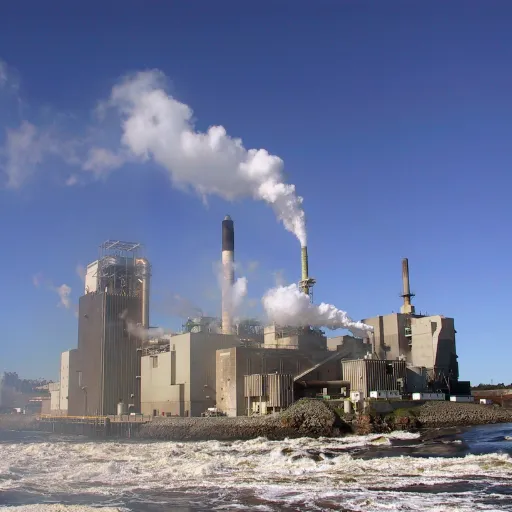
Although the paper industry has always been a major player in worldwide trade, communication, and education, its environmental effects are ringing alarm bells more and more. Deforestation, water pollution, and the release of greenhouse gases are just a few of the negative impacts of paper production that concern the planet. This article examines and discusses the ways in which the paper production process harms the environment, reveals the industry’s role in global warming, and, at the same time, also introduces the development of eco-friendly inventions in the field as an outcome of the industry’s practices. This is going to be a great read for eco-friendly product supporters and even for those who are just inquisitive about the hidden costs of daily products, as it will bring out the light of challenges and perhaps the future solutions of the paper world.
Understanding the Environmental Impact of Paper Production

Overview of the Paper Industry
The paper industry is one of the most significant industrial sectors worldwide. Every year, it produces millions of tons of paper for business and consumer use. The global paper and pulp market was valued at around $350 billion in 2022 and is likely to keep growing steadily. The main reason for constant growth is the use of paper for packaging, tissue, and special purposes. The paper sector is growing, but at a high environmental cost. The industry is a major user of fresh water and energy resources and, at the same time, has a negative impact on the environment by cutting down 10% of the world’s forests.
Sustainability efforts are ramping up in the industry, with the introduction of recycled paper and the development of tree-free alternatives leading the way. Even if these developments are in place, the core question still stands: can the paper-making process be sustainable by simultaneously satisfying the demand of the millennial population and shrinking its footprint? Not only there has been a gradual change, but solutions, such as integrating renewables in factory energy mixes, utilizing the latest water-efficient technologies, and exploring the use of recycled fibers, will be essential for nurturing a future where the industry is sustainable.
Key Statistics on Paper Production
- 📊
Global Paper Consumption: Around 400 million tons of paper are consumed in the world every year, while in many developed countries per capita consumption is more than 50 kg. For a long time, the demand for paper has been infinitely growing due to the packaging, tissue products, and the increasing power of the e-commerce industry. - ⚡
Energy Usage: The paper and pulp industry is among the top industrial categories in energy consumption globally, and it accounts for about 4% of the total energy used worldwide. Shifting to renewable energy sources could lead to a drastic reduction in the carbon footprint that the industry currently has. - 🌲
Deforestation Impact: Almost half of the entire industrial wood produced and traded throughout the world is used in the production of paper. The industry is continuously practicing sustainable forestry, though, it is still a major factor responsible for the cutting down of trees in areas with less stringent regulations. - ♻️
Recycling Rates: In a very positive trend paper recycling has been steadily increasing as the world’s average recycling rate is over 50%, with some countries boasting rates as high as 75%. Thus the significant reduction in the use of fresh raw materials and the considerable decrease in waste generation. - 💧
Water Use: Water demand for producing one ton of paper can be as high as 17,000 gallons. The adoption of water-saving technologies is vital for the conservation of this essential resource.
The paper-making industry has the capability of satisfying the needs of the people and at the same time decreasing its effect on the environment by marrying the current innovations with scalable practices that are eco-friendly. The notion of increasing the use of renewable energy, upgrading recycling systems, accepting the use of tree-free materials more widely, and applying strict policies to ensure sustainable logging practices are all critical. Even though there are still obstacles, the convergence of technology and global consciousness gives the paper industry a hopeful way to push for sustainability.
Defining Environmental Impact and Pollution
The term environmental impact is used to denote the consequences that various human activities have on nature, and it includes among other aspects, resource depletion, habitat destruction, and climate change. Pollution, one of the main sources of environmental impact, implies the discharge of obnoxious substances or energy into the environment, thereby creating a negative impact on ecosystems, biodiversity, and human health. According to recent estimates, pollution was responsible for over 9 million deaths around the world in 2019, pointing to the extent of its adverse effects. One of the examples is air contamination that continues to be among the most significant environmental health hazards and is mainly caused by emissions from factories, exhaust from vehicles, and burning of fossil fuels. To tackle these problems, collaborative global efforts need to be initiated immediately that will include the restriction of emissions, cleaning up different sectors of their technologies, and providing everyone with the means to be sustainable in practice.
Deforestation and Its Consequences
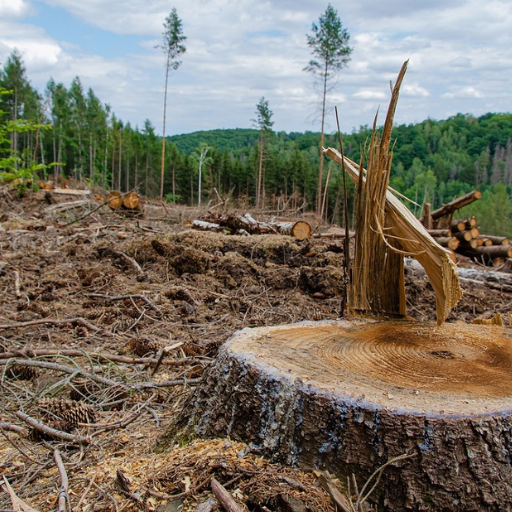
Effects of Deforestation on Biodiversity
Biodiversity experiences profound effects through deforestation, thus, it leads to a considerable extinction of species and disruptions in ecosystems. As per the latest statistics, tropical rainforests, which are the living place for almost 80% of the land species, are subjected to rapid decline on the part of logging, agricultural activities, and urbanization. The destruction of the habitat causes the dislocation of species, extinction of animals in the process of reducing genetic diversity, and at the same time, making the ecosystems weaker and less capable of undergoing any environmental changes. On top of that, research findings suggest that about 1 million species are already under the threat of extinction owing to human activities, and deforestation is ranked among the most significant causes. Therefore, the preservation of these ecosystems will only be possible with the application of conservation strategies, the enactment of protective laws, and global support for reforestation.
Forest Degradation and Carbon Emissions
Forest degradation is one of the major factors of global carbon emissions exterminating almost 10% of total annual emissions. In the process of deforestation or degradation, the carbon accumulated in the vegetation and the soil is given out to the atmosphere in the form of carbon dioxide thereby intensifying the crisis of climate change. The most recent update indicates that the large-scale destruction of forests in the tropical areas alone subjected about 2.5 gigatons of CO2 to the atmosphere in 2022 which is about the same as the yearly emissions of around 500 million vehicles. To get back on track, the world has to pumpernickel huge resource commitments through tree planting, sustainable forest management, and the use of less product consumption associated with deforestation like palm oil, soy, and beef. By tackling the issues mentioned, we can not only imprison the forest degradation but also conquer the colossal carbon emissions impact that it leaves behind.
Case Studies of Affected Regions
The Amazon Rainforest
The Amazon, a forest that is often referred to as the earth’s lungs, has undergone substantial deforestation over the years and it is still being challenged immensely. Lately, the records indicate that nearly 17% of the Amazon has been lost in the past 50 years as a result of logging, agriculture, and cattle ranching among other land use practices. The period from August 2021 to July 2022 witnessed 11,568 square kilometers of the Brazilian Amazon getting cleared raising the alarm for intervention which is already overdue. The carbon storage and the whole ecosystem of species depending on it will also be the victim of this destruction.
Southeast Asia
The palm oil industry has been a major reason behind deforestation in Southeast Asia, particularly in Indonesia and Malaysia. Satellite surveillance data from the area show that farming so far has led to cutting down of more than 25 million hectares of primary forest between 2001 and 2019 while the latter was reported to be contributed by deforestation for agricultural purposes. Such an act of nature has far-reaching impacts on biodiversity, for instance, the extinction of orangutans among many others while it also contributes to global warming through carbon emissions from the burnt and decomposed peatland.
Central Africa
The second biggest rainforest in the world, the Congo Basin, is falling prey to deforestation which is a result of logging, mining, and unregulated agricultural practices. The cutting down of trees is not as rampant here as in other tropical areas, yet the economic pressures and illegal activities are forcing the area to endure the difficult situation. Approximately 1.5 million hectares of forest disappeared from the maps between 2015 and 2020 bringing along with it an outburst of carbon emissions and thereby leaving the local villagers who depended on the forest in a lurch.
Through these case studies, the hazardous global nature of deforestation with its interlinked problems is well illustrated. There are no two ways about it, these issues are going to require cutting-edge solutions backed up by solid international collaboration if the critical ecosystems are to be protected.
The Production Process: Energy and Water Consumption
Water Usage in Paper Manufacturing
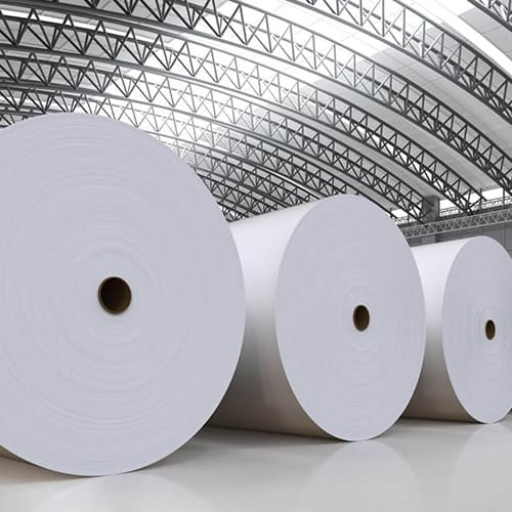
Water usage in the process of paper manufacturing, where a lot of water is needed, is very high at the different stages like pulping, refining, and cleaning, etc. It is estimated that making a ton of paper can take about 7,000 to 20,000 gallons of water, which are the extremes occurring depending on the nature of production process and technology. Paper Production in Modern mill has been reduced significantly as a result of closed-loop systems, water recycling, and use of energy-efficient machines. However, the issue of how to manage water resource has remained as the main challenge for the industry in retaining production levels and sustainable water management practices. Water saving methods and technical advancements in recycling practices are still the main ways left to reduce the overall disadvantage of the paper production process on the environment.
Energy Consumption of Paper Mills
The electricity and heat need by the paper manufacturing process and mills is one of the main issues that need to be taken into consideration in the total energy consumption of these factories. The global paper and pulp industry, according to recent data, consumes around 6% of the total industrial energy use worldwide which is a very high percentage. This energy is mainly consumed for mechanical pulping, drying, and chemical recovery processes.
Modern paper mills are transitioning to more energy-efficient technologies like combined heat and power (CHP) systems and renewable energy sources to create less dependence on fossil fuels and decrease greenhouse gas emissions. Such innovation also helps cut down on costs and simultaneously plays a role in the attainment of sustainability goals. However, ceaseless diligence will be necessary to scale up energy efficiency and at the same time keeping production efficiency in an environmental-friendly way.
Comparative Analysis of Energy Sources
| Energy Source | Environmental Impact | Key Characteristics |
|---|---|---|
| Fossil Fuels | High greenhouse gas emissions | Reliable, extensive infrastructure, major contributor to global warming |
| Solar Energy | Minimal emissions | LCOE reduced 88% since 2010, increasingly cost-effective |
| Wind Power | Very low emissions | Significant price reductions, both onshore and offshore options |
| Nuclear Power | Low carbon footprint | High energy output, concerns about waste management and construction costs |
| Biomass | Variable impact | Renewable but requires careful management to prevent deforestation |
Energy source comparison entails considering such aspects as environmental impact, cost-efficiency, scalability, and reliability. Despite its adverse environmental effects, the dominating role of fossil fuels (coal, oil, and natural gas) is still apparent due to their extensive infrastructure and reliability over various conditions. Nonetheless, their emissions of greenhouse gases are among the major contributors to global warming, and the resources are limited.
On the plus side, solar, wind, and hydroelectric energy—the most common renewable sources—have the least environmental impact since they produce no or very little emissions. Among them, solar and wind energies not only have the least as compared to previous years, but their costs have also been reduced dramatically over the last decade due to improved technology and larger-scale production. According to the data from research studies, By 2023, the global weighted-average levelized cost of electricity (LCOE) for solar photovoltaics has gone down by 88% as compared to 2010, which means it is now one of the most economical choices as far as the renewable sources are concerned. Wind power technology both in terms of onshore and offshore has achieved significant price reductions as well.
Fossil fuels have the ability to satisfy demand for energy while renewable sources are still having a hard time with issues like equipment not working all the time and how to store power. However, fossil fuels will not be the only source of energy in the future because the improvement of battery storage and grid infrastructure will probably hasten the shift to cleaner energy systems. Incorporating clean energy technologies such as green hydrogen with a diversified approach to energy sources can lead to a more sustainable and resilient future energy scenario.
Pulping and Bleaching: Chemical Pollution Concerns
Types of Pollutants Released
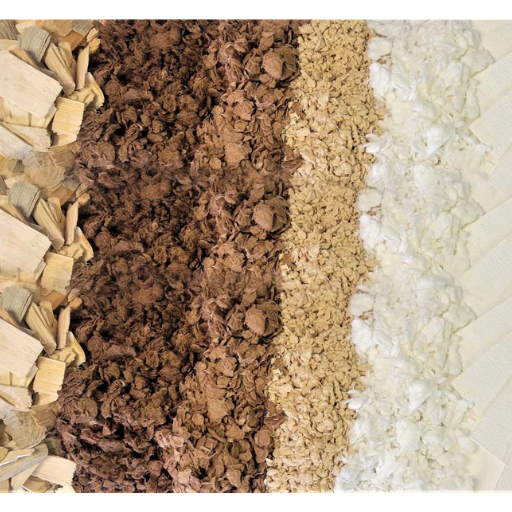
The processes of pulping and bleaching in paper manufacturing throw out diverse pollutants that are major environmental concerns. The most important of them are chlorinated organic compounds like dioxins and furans, which are produced during the use of chlorine for bleaching. Such poisonous substances rule the environment for a long time and can be transferred to the top of the food chain, thus, endangering not only the lives of fish but also of people who consume them. The mills, too, are responsible for discharging raw effluents that raise the levels of biochemical oxygen demand (BOD) and chemical oxygen demand (COD) in water bodies, thereby causing oxygen depletion and killing the aquatic life present. Other sources of pollutants are metals, waste, and sulfur compounds such as hydrogen sulfide, which lead to the pollution of air as well as water. Recent studies have been indicating that there is an urgent need for switch over to elemental chlorine-free (ECF) or totally chlorine-free (TCF) bleaching methods, besides better wastewater treatment systems to reduce the harmful eco-impacts.
Impact on Water Bodies and Human Health
The poisoning of water bodies by dangerous pollutants is a major cause of concern for both marine ecosystems and human health. Industrial and agricultural runoff containing nitrogen and phosphorus is among the main water pollutants that can cause eutrophication, which in turn affects the marine species by disrupting their habitat and, ultimately, leads to the extinction of some marine species. Heavy metals such as mercury and lead find their way to the human food chain through sea and freshwater fishes. Not just the aquatic life, but the humans also at risk who get their fish from the contaminated areas. Besides, the sulfur-based compounds enter the water, causing it to become acidic, which in turn leads to the destruction of freshwater ecosystems and the corrosion of infrastructure. Recent findings have indicated that contaminated water users are more prone to diseases like cholera, dysentery, and heavy metal poisoning, which, in turn, stresses the need for pollution control to be stricter and industrial practices to be more sustainable. The installation of advanced treatment technologies and monitoring systems is necessary to protect water quality and public health.
Regulations and Mitigation Strategies
Wider-reaching water pollution and its on-going impacts require more stringent regulations and better mitigation strategies. The Clean Water Act in the US, for instance, is one of the policies that have been put in place by governments and regulatory agencies worldwide in an effort to implement more stringent water pollution regulations. It sets quality criteria for surface waters and regulates discharge of pollutants into water bodies. Besides, global actions like the UN’s Sustainable Development Goal 6 (SDG 6) underline the need for and the importance of sustainable management of water and sanitation. Recent data point to the fruitfulness of fusing advanced monitoring systems and harnessing AI technology for real-time water quality evaluations, thus allowing rapid reaction to contamination occurrence.
Industries can lower their ecological footprint by transitioning to cleaner production processes, reusing water, and phasing out the use of harmful substances. Furthermore, people being informed through public awareness campaigns about the importance of water use and pollution prevention can also make a decisive contribution. The cooperation of governments, private sectors, and communities is vital for the success of such strategies. In the end, the combination of regulatory action and innovative solutions will lead to better water ecosystems and a more sustainable future.
The Role of Recycling in Reducing Environmental Impact
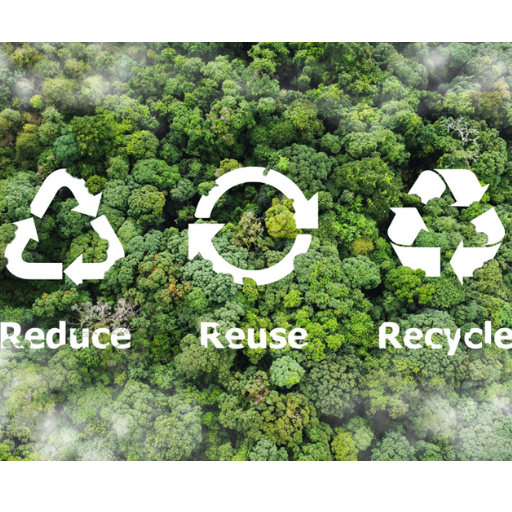
Benefits of Recycled Paper
Key Environmental Benefits:
- Water Savings: Recycled paper production uses approximately 35% less water compared to virgin pulp manufacturing
- Energy Efficiency: Requires 70% less energy than making paper from virgin materials
- Forest Conservation: Every ton of recycled paper saves approximately 17 trees
- Carbon Reduction: Significantly lowers CO2 emissions and supports climate action goals
- Waste Diversion: Reduces methane emissions by diverting paper waste from landfills
The practice of using recycled paper in daily life is a powerful weapon in the sustainability war, as it promotes a circular economy that does the least damage to nature.
Challenges Facing Recycling Efforts
On the other hand, the environmental benefits from recycling are so obvious yet the practice is unexpectedly not very effective owing to a number of hurdles. A major problem that one comes across in this regard is the contamination of recyclable materials that are placed in recycling bins with non-recyclable materials or dirty recyclables. Recently released statistics have indicated that the contamination rate can go as high as 25%, which means of what is thrown into the recycling bin, a quarter is not going to be recycled after all. The situation only ends up pushing the continent sorting costs up while making recycling less efficient overall at the same time.
In addition to that, the market for recycled materials is very volatile and it is the major cause of the recycling industry’s troubles. This means that if the price of plastic or paper goes down, it would become less profitable to carry out recycling and consequently, there would be less inclination towards investing in recycling infrastructure. Moreover, there is extensive public unawareness concerning proper recycling practices and this leads to confusion about what materials are recyclable. To solve this problem it is essential that there be educational campaigns and clear labeling on packaging.
Finally, recycling systems differ enormously from one geographical area to another leading to different levels of accessibility and effectiveness in recycling; for instance, urban places might have advanced systems while rural and underdeveloped areas rarely get the provision of minimal facilities. If these problems are dealt with collectively, it may be possible to increase recycling rates and get nearer to a sustainable future.
Innovations in Recycling Technologies
Recycling technologies are recently being developed to operate in waste management in a completely new way by providing the processors with more efficient methods and making available new types of recyclable materials. One such innovative invention is called chemical recycling, where plastics are broken down into their molecular levels and as a result such plastic can be reused in the production of high-quality goods. Methods such as pyrolysis and depolymerization that are less appealing in the case of recycling through conventional channels are being explored for hard-to-recycle plastics such as multi-layer packaging.
Cutting-Edge Recycling Technologies:
- Chemical Recycling: Breaks plastics down to molecular level for high-quality product reuse through pyrolysis and depolymerization
- AI-Driven Sorting Systems: Uses machine learning and robotics to identify and separate materials with up to 90% accuracy, significantly reducing contamination
- Biodegradable Materials: Bio-plastics and compostable materials reduce dependency on traditional plastics
- Circular Economy Models: Closed-loop systems enable continuous reuse of waste materials, reducing natural resource consumption
Besides, AI-driven sorting systems represent another major step forward. These systems make use of the combination of machine learning and robotics to be able to recognize and separate materials with high precision. Contamination rates drop significantly, and the recycling process becomes so much more efficient. As per the current reports systems that are AI-based can improve the accuracy of sorting by as much as 90%, which in turn leads to better recovery of resources.
Furthermore, the commerce of biodegradable and compostable materials is on the rise with the aim of decreasing the dependency on traditional plastics. Research about bio-plastics and data from environmental studies that are in favor of the bio-plastics show their potential to reduce environmental impacts in the long run thereby making them an essential part of the recycling strategies of the future.
Data from search engine indicates an upward trend in the interest in the concept of a circular economy that envisages continuous reuse of waste materials. The idea is being supported worldwide by the industries that have adopted closed-loop systems to cut down the consumption of natural resources. When the new technologies are combined with awareness raising campaigns, then these innovations will lead to a more sustainable recycling ecosystem.
Frequently Asked Questions (FAQ)
How can the pulp and paper industry become more sustainable?
Cleaner technologies related to the processing of pulp and paper can bring a change in the paper industry by cutting the energy consumption and the emissions that are responsible for global warming. The role of forest management, as well as the sourcing of certified wood, should be recognized, since these practices not only secure the existence of plant and animal habitats, but also foster the global pulp production. The environmental monitoring and the environmental performance reporting are the paper companies’ investments, which enable them to keep a watch over their pollution and waste and report on their progress, including the timelines that have seen reductions in chlorinated compounds and toxic chemical discharges. As a result of increased recycling of paper and the enhancement of the paper-making process, the production of the first paper pulp would no longer be necessary, which in turn would alleviate the existing pressure on the global paper supply. Besides, the implementation of stronger environmental standards, in collaboration with federal agencies such as the Environmental Protection Agency and other regulators, ensures that the best practices are adhered to in the pulp and paper manufacturing sector.
What are the main sources of air pollution from paper production?
The main sources of air pollution in the paper industry come from pulp and paper mills where burning of materials gives off smoke which consists of suspended particles, sulfur compounds, nitrogen oxides, and volatile organic compounds that adversely impact not only the aquatic environment but also human health and the environment. The chemical bleaching stage, particularly when the older chlorine-based processes are applied, is likely to give rise to the emission of toxic chemical byproducts and chlorinated organics. The shift of modern mills from elemental chlorine-free or totally chlorine-free bleaching is an attempt to eliminate those toxic discharges and to progressively improve the environment. The industry can cut down the volume of air pollutants to a great extent through the implementation of emissions controls, better energy efficiency, and fuel switching, and as a by-product of power usage optimization, the industry emits lower greenhouse gases. The environmental monitoring and compliance with the guidelines issued by the environmental protection agency are essential in safeguarding the local communities and ecosystems.
What are the health effects linked to pollution from the pulp and paper sector?
Production establishments of wood pulp and papermaking that are resin and paper pulp applied to the surface can emit through the air warded off diseases, respiratory problems, skin irritations, and long-term health risks due to exposure to certain chlorinated compounds and other toxic chemical emissions. Contaminants from air and water due to the activities of pulp production and pulp paper operations can impact the health of people and the environment, especially in places where communities live which depends on the local water bodies for food supply and recreation. The oversight by the environmental protection agency and the independent environmental monitoring programs not only serve to disclose the dangers but also to direct measures to alleviate the impact and hence, the lives of human beings as well as of the flora and fauna in the affected areas are safeguarded. Decreased pollution and waste, strict adherence to environmental standards, and improved overall environmental performance by the paper manufacturing companies decrease the probability of negative health impacts. Publicly available reports and community engagement activities also reinforce the idea that health concerns related to the paper producers’ making process and the paper manufacturing industry are duly addressed.
How does recycled paper help address waste and sustainability challenges in the paper industry?
One of the significant benefits of using recycled paper is that it can help reduce the demand for virgin paper pulp and also divert waste from landfills thus, overall, it lowers the environmental footprint of the paper produced every year. Making use of recycled fibers in the paper-making process not only conserves energy and water but also contributes to reducing the emissions that lead to global warming, thus supporting the sustainability agenda of the pulp and paper sector. The recycled paper content promotes the circular economy approaches in the paper manufacturing industry and, at the same time, it reduces the tension that forest management systems experience due to the need of producing more paper pulp. Recyclability of paper and paper-based packaging can lead to higher recycling rates for copy paper, paper and board, and other paper products. The combination of stronger recycling incentives, paper producers’ investment, and clear environmental standards fosters the wider adoption of recycled goods and better monitoring of their environmental impact throughout the industry.
Reference Sources
- Yale School of the Environment:
An article discussing the climate impact of paper recycling and the role of fossil fuels in the process.
Powering Paper Recycling with Fossil Fuels Hampers Climate Benefits - Tufts University – Sustainability:
A fact sheet on the social and environmental impacts of the paper industry, emphasizing the benefits of recycling.
Social Impacts of the Paper Industry - North Carolina State University:
Research on how electric power could help paper mills achieve net-zero emissions, addressing the industry’s carbon footprint.
Electric Power Could Bring Paper Mills to Net Zero Emissions - Leading paper making machine Manufacturers in China