Diamonds have maintained their status as enduring gemstones which represent both romantic love and extravagant wealth and everlasting elegance. The diamond market has faced its most significant disruption because of lab-grown and synthetic diamonds which emerged as a disruptive force during the last few years. These exceptional products exhibit an appearance that closely matches their authentic natural diamonds while delivering customers substantial savings and environmentally friendly advantages. The blog post will take readers to explore the hidden aspects of the diamond production process which uses advanced diamond manufacturing equipment. Our research will show how scientists use advanced technologies to convert carbon into beautiful diamonds which have become popular among consumers who prefer lab-grown diamonds. The article will show you how diamonds will change in the future through scientific breakthroughs which drive technological innovations. The upcoming content will show you how scientific discoveries and technological advancements change one of the most treasured natural resources.
Introduction to Diamond Making Machines
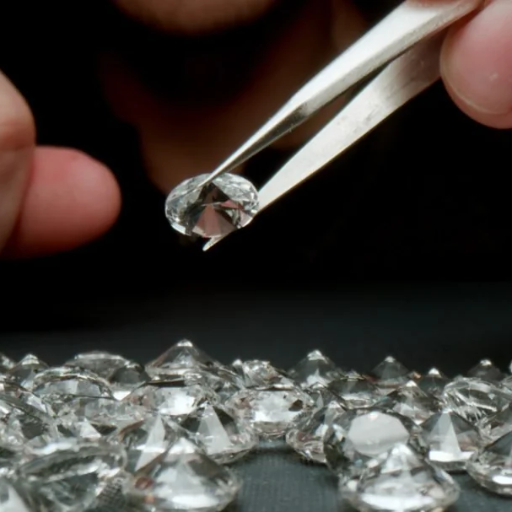
Diamond-making machines are advanced devices which produce high-quality lab grown diamonds by replicating natural diamond formation conditions. The machines operate through two primary techniques which include High Pressure High Temperature (HPHT) and Chemical Vapor Deposition (CVD) methods. The HPHT method reproduces the extreme heat and pressure conditions which exist at deep Earth locations while the CVD method uses carbon-rich gases to create diamond layers. Both methods produce diamonds which have the same composition and appearance as natural diamonds so they serve as an ethical and sustainable solution.
What is a Diamond Making Machine?
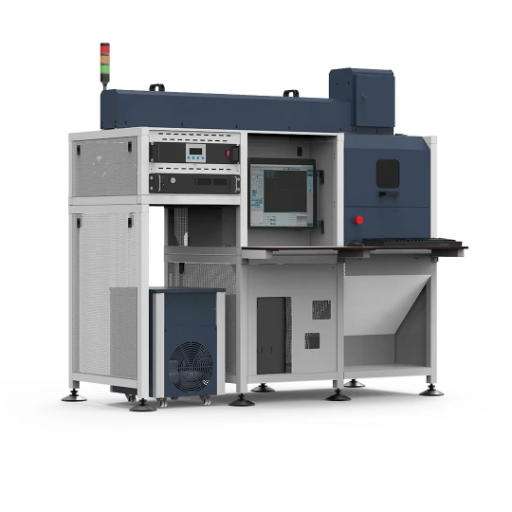
The diamond-making machine operates through advanced technology-controlled environments which replicate natural diamond formation processes to create synthetic diamonds. The machines use High Pressure High Temperature (HPHT) and Chemical Vapor Deposition (CVD) as their main methods of operation. The HPHT process simulates the extreme temperature and pressure conditions existing deep inside the Earth’s mantle while CVD technology uses specialized chambers to break down carbon-rich gases which then form diamond crystals through a gradual process. Modern diamond-making machines operate with high efficiency because they produce lab-grown diamonds which closely resemble natural diamonds in their visual appearance and chemical makeup. The machines create sustainable solutions which satisfy global demands while protecting natural resources and preventing unethical mining operations.
Overview of Diamond Types: Natural vs. Synthetic
Natural diamonds develop through a lengthy process which requires billions of years to complete when they undergo extreme pressure and power which exists deep inside Earth. The extraction process from Earth leads to multiple diamonds which results in their scarcity because they exist as a limited supply. Natural diamonds carry exceptional value because of their one-of-a-kind historical background and their extreme scarcity and natural origins which lead to higher market prices.
Synthetic diamonds, which people also call lab-grown diamonds, are produced through laboratory processes that use High-Pressure High-Temperature (HPHT) and Chemical Vapor Deposition (CVD) as their primary methods. The stones which result from this process exhibit identical natural diamond characteristics because they produce all physical and chemical and optical properties of natural diamonds through a process which requires less time and smaller costs and uses environmentally friendly methods. Lab-grown options provide an alternative solution which eliminates the environmental and ethical issues that come with traditional diamond mining practices.
The two diamond varieties appear completely alike until someone uses advanced testing methods to find their differences. The decision between natural diamonds and synthetic diamonds requires people to decide according to their personal preferences and financial capabilities and their beliefs about sustainable practices and ethical standards.
Importance of Diamond Manufacturing Technology
The diamond manufacturing technique plays an essential role in the diamond industry because it enables producers to meet global diamond market demands while they work on ethical and financial and environmental sustainability challenges. The industry achieves its goal of producing lab-grown diamonds which match the structural and visual characteristics of natural diamonds through advanced techniques that include chemical vapor deposition (CVD) and high-pressure, high-temperature (HPHT) processes. The laboratory methods used to create diamonds from synthetic materials make diamond mining unnecessary which leads to decreased environmental damage and safe working environments because mining activities create dangerous situations.
The diamond manufacturing technology has significance which extends beyond its environmental benefits. This technology makes diamonds more accessible to consumers because it decreases production expenses which results in lower retail prices for diamonds when compared to their natural counterparts. The reduced costs of diamonds enable more people to experience the cultural and symbolic value that diamonds represent which includes their use in marking relationship milestones and personal achievements. The manufacturing process achieves precise technological specifications which produce diamonds that meet consumer standards of quality and brilliance while maintaining both durability and visual attractiveness.
The current advancements in manufacturing technology generate new possibilities for diamond applications through their effects on market expansion and product development. The demand for lab-grown diamonds now extends beyond traditional jewelry applications, as various sectors including electronics and optics seek these diamonds for their specialized thermal and electrical characteristics. The diamond manufacturing technology creates a dual impact on the jewelry sector because it enriches scientific research and industrial development, which produces advantages that extend across multiple aspects of society.
The Science Behind Diamond Synthesis
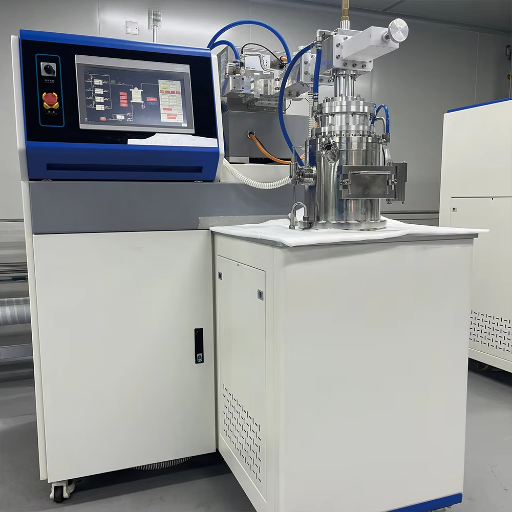
Chemical Vapor Deposition (CVD) Process
The Chemical Vapor Deposition (CVD) process serves as the most sophisticated technique for creating laboratory-grown diamonds. This technique operates by placing a tiny diamond seed into a sealed chamber which engineers a methane-filled environment. The system operates by heating the chamber to temperatures between 900 and 1200 degrees Celsius. The gas enters a plasma state which results from applying microwave radiation and lasers together with other energy sources.
The gas process begins with ionization which enables carbon atoms to detach from gas molecules and stick to the diamond seed. The carbon atoms form bonds with the seed material which creates a diamond structure through a process that builds layer by layer. The CVD procedure creates a controlled environment which enables diamonds to grow at a constant rate while remaining free from substantial impurities that make them suitable for use as gemstones and industrial materials.
CVD technology improvements have enabled better diamond production efficiency together with enhanced diamond quality. CVD diamonds now achieve purity levels of 99.999% which exceed the purity of natural diamonds according to industry reports. The development of multi-seed plate designs has improved diamond production rates which leads to shorter manufacturing durations and decreased expenses. This method provides an environmentally sustainable solution which operates at a large scale and serves as the optimal method for advanced semiconductor and optics and quantum computing applications.
High-Pressure High-Temperature (HPHT) Method
The HPHT method replicates the natural conditions which create diamonds deep inside the Earth. The process needs a carbon source to undergo testing at extreme pressure levels which go beyond 725000 psi and at heat levels which exceed 2000°F. The procedure requires special equipment which includes a press to create required conditions and a carbon solvent which usually exists as metal catalysts to enable carbon conversion into diamond crystal formation.
The process starts with a tiny diamond “seed” which gets planted inside the carbon material that exists inside the press. The carbon material starts dissolving into the molten metal catalyst after operators apply extreme pressure and high temperature to the system while it starts to crystallize around the seed. The synthetic diamond production process requires several days to complete because it depends on the crystallization process. The resulting diamond quality and size can be controlled through temperature and pressure adjustments which provide precise results for each particular use.
HPHT diamonds become popular because they exhibit outstanding purity together with their capacity to maintain specific material characteristics. The materials serve essential functions in industrial settings where they function as cutting tools and heat spreaders and components of electronic devices. The HPHT method enables efficient diamond production which has changed business operations because it provides a sustainable and ethical diamond production method that does not require mining.
Comparing CVD and HPHT Techniques
CVD and HPHT techniques differ in cost, growth environment, crystal quality, applications, and scalability.
| Key Point | CVD | HPHT |
|---|---|---|
| Cost | Lower | Higher |
| Environment | Low pressure | High pressure |
| Crystal Quality | High purity | Variable |
| Applications | Electronics, gems | Industrial, gems |
| Scalability | High | Moderate |
Types of Diamond Making Machines
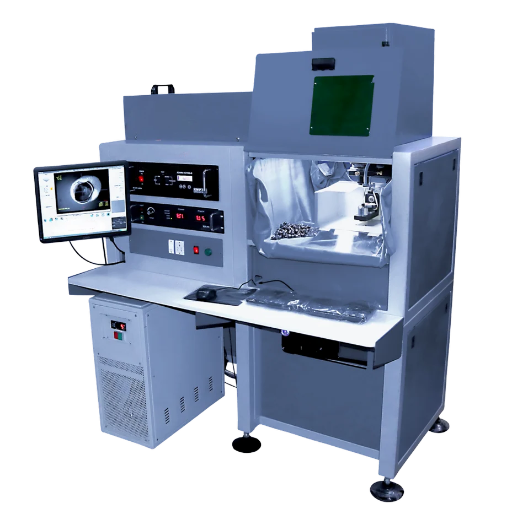
CVD Machines: Features and Applications
CVD (Chemical Vapor Deposition) machines function as specialized equipment which produces high-purity synthetic diamonds through carbon atom deposition onto a diamond seed inside a vacuum chamber. The machines function at low pressure which results in both energy savings and reduced operational costs when compared to traditional methods of diamond production.
Features:
- • Precision Control: The advanced systems provide users with exact control over three parameters which include temperature, gas flow, and deposition rates.
- • Purity: The process produces diamonds which contain only trace impurities making them suitable for both technological applications and gemstone production.
- • Customizable Sizes: The system provides the ability to create diamonds with specific size and thickness requirements.
Applications:
- • Electronics: The materials serve dual purposes in semiconductors because they provide both thermal conductivity and electrical insulation.
- • Gemstones: The process produces diamonds which possess attractive visual qualities that suit the needs of the jewelry industry.
- • Industrial Use: The process generates strong materials which manufacturers use to create cutting tools and abrasives and wear-resistant coatings.
CVD machines serve as dependable options for businesses that need to produce high-quality synthetic diamonds.
HPHT Cubic Press: Mechanism and Benefits
The High Pressure High Temperature (HPHT) cubic press serves as an essential system which enables the synthetic diamond manufacturing process. The system functions by imitating the Earth mantle diamond creation process which occurs naturally. The HPHT method uses high pressure and high temperature conditions which reach 5 GPa and 1,300–1,600°C to convert graphite and other carbon materials into diamond. The press operates with a cubic cell design which enables it to distribute pressure evenly throughout the system, which results in perfect crystal development.
The primary advantage of HPHT technology enables its users to create diamonds which exhibit excellent quality and stable characteristics throughout their existence. The synthetic diamonds possess purity and structural qualities which match those of natural diamonds, which makes them suitable for multiple industrial and commercial uses. Scientists can use this technique to achieve exact diamond production which meets their requirements for specific applications that include cutting tools and semiconductors and high-performance optics.
The HPHT cubic press provides diamond manufacturing companies with an affordable method to create diamonds, which costs less than natural diamond mining operations. The process achieves high productivity while maintaining its ability to operate at both industrial-scale production and precise research activities. The HPHT press functions as a crucial instrument for contemporary material science and manufacturing because it provides a sustainable substitute for mined diamonds while driving the research of next-generation technologies.
Choosing the Right Synthetic Diamond Making Machine
The process of selecting a suitable synthetic diamond production machine requires evaluation of essential elements which guarantee both operational efficiency and budget efficiency for particular industrial purposes. Here are the key considerations based on recent insights:
Production Volume
The scale of diamond production needs to be determined. The industry requires machines which operate at high speeds while maintaining their advanced High Pressure High Temperature (HPHT) pressing capabilities and Chemical Vapor Deposition (CVD) system performance standards for its large-scale production needs. The smaller companies should use specialized machines which take up less space but deliver exact results while maintaining their original quality standards.
Technology Type
The two primary methods for synthetic diamond production are HPHT and CVD. HPHT machines replicate natural diamond formation and are often used in industrial applications due to their efficiency. CVD technology produces high-purity diamonds at low temperatures which makes it appropriate for electronics and jewelry manufacturing purposes.
Energy Consumption
The machine’s energy efficiency needs evaluation because it determines the expenses which will occur during operations. The implementation of modern energy-saving technologies in machines enables companies to achieve substantial reductions in their electricity consumption while developing environmentally friendly operations.
Customization and Control Features
The production of diamonds according to specific industrial needs requires advanced machines which provide users with customizable settings that control pressure and temperature and gas composition.
Manufacturer Reputation and Support
A dependable manufacturer who demonstrates established competence in the industry will provide your business with access to superior equipment and complete technical assistance and machine upkeep. Brands with strong global presence and positive reviews are often safer investments.
The assessment of these factors together with your production goals will enable you to choose the synthetic diamond making machine which best matches your operational needs.
Applications of Lab Grown Diamonds
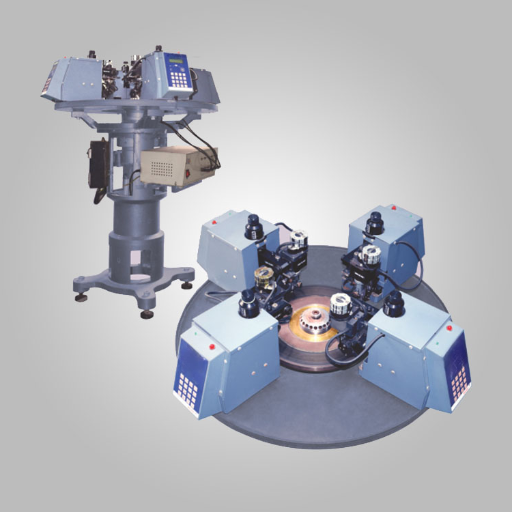
Industrial Uses of Synthetic Diamonds
Synthetic diamonds have become essential materials for industrial purposes because their hardness and thermal conductivity and durability make them suitable for use in various applications. The tools are used to cut and grind and drill through all materials which include metals and concrete because they can endure the most challenging operating conditions. Synthetic diamonds function as heat spreaders in electronic devices which enables effective thermal control in high-performance equipment. The advanced manufacturing processes use the material because it provides both optical precision and durable strength for their optical and laser components. Synthetic diamonds serve a crucial function in multiple industries because they enhance operational efficiency and operational performance.
Jewelry Industry and Lab Grown Diamonds
Lab grown diamonds have established themselves as a major force in the jewelry market because they provide customers with an eco-friendly and cost-effective substitute for natural diamonds. The popularity of lab-grown diamonds has increased during the last few years because people search for “ethical diamonds” and “lab-created diamond rings” more frequently than before. The trend shows that modern consumers prefer products which exhibit environmental protection and social responsibility. Lab-grown diamonds have the same physical and chemical and optical characteristics as natural diamonds which makes them undetectable by specialists. Lab-grown diamonds have become a leading choice for contemporary jewelry consumers because people now demand transparent sustainable products which will determine the future development of the jewelry sector.
Emerging Markets for Synthetic Diamonds
The worldwide market for synthetic diamonds is expanding because various industries, including jewelry and electronics and industrial manufacturing, are developing new market opportunities. The jewelry market remains the largest consumer because younger generations show preference for sustainable and ethical alternatives. The durability and thermal conductivity properties of synthetic diamonds make them increasingly popular for technology and industrial uses in semiconductor and precision tool and optical device applications. North America and Europe and Asia-Pacific represent the regions with highest demand because their increasing investments in production technologies will drive future development. The complete development of synthetic diamonds throughout different industries shows their increasing significance.
Environmental and Economic Implications
Environmental Impact of Lab Grown vs. Mined Diamonds
Lab-grown diamonds have a lower carbon footprint, do not involve ecosystem disruption, and consume less water compared to mined diamonds, though energy use can vary based on production methods.
| Parameter | Lab-Grown | Mined |
|---|---|---|
| Carbon Output | Lower | Higher |
| Water Use | Less | More |
| Land Disruption | None | Significant |
| Energy Source | Variable | High Fossil Use |
| Eco Impact | Minimal | Substantial |
| Traceability | High | Lower |
Economic Benefits of Synthetic Diamond Production
Synthetic diamond production provides substantial financial benefits to various industries. First, it serves as a budget-friendly solution that replaces conventional diamond mining methods. The production process requires fewer resources, such as water and land, and it eliminates the need to build expensive mining facilities. The company achieves reduced operational costs which result in decreased prices for synthetic diamonds that customers can afford.
The industry creates employment opportunities while developing new technologies. The chemical vapor deposition (CVD) and high-pressure high-temperature (HPHT) techniques require skilled workers and scientists who specialize in engineering and material science because these production methods have progressed. The introduction of these technologies fuels economic growth for regions which choose to back these modern practices while creating demand for research into efficient production techniques that protect the environment.
Synthetic diamonds offer more reliable pricing than other diamond products. Lab-grown diamonds can be produced under controlled conditions which create stable products while mined diamonds experience price changes due to mining activities and worldwide supply chain problems. The production process provides consistent supply which results in fixed prices for industrial applications and retail products. The economic advantages of synthetic diamond production demonstrate its capacity to create sustainable and innovative business growth that remains affordable.
Future Trends in the Diamond Making Industry
The diamond-making industry is set to experience technical progress that will focus on sustainable development and technological advancements and ethical business operations. The major market trend for today shows that lab-grown diamonds continue to gain acceptance in industrial and retail markets because these stones create less environmental damage while their origin sources remain clear. The production technologies for synthetic diamonds have progressed through chemical vapor deposition (CVD) and high-pressure high-temperature (HPHT) methods which enable improved diamond quality and production capacity. The market demand for products which use environmentally safe materials and conflict-free diamonds has shifted because consumers now prefer to support sustainable business operations. The supply chain will achieve better traceability and authentication through digital innovations and blockchain technology which will build greater confidence among buyers. The current diamond industry trends demonstrate that future diamond production processes will achieve better environmental responsibility and operational effectiveness together with international sustainability targets.
Reference Sources
•
-
The Diamond Makers: A comprehensive book discussing the history and science behind synthetic diamond production.
-
Current Trends & Advances in the Fabrication & Application of Diamond Tools: Explores the development of synthetic diamond tools and the advancements in diamond-making technologies.
-
Application of Precision Diamond Machining to the Manufacture of Microphotonics Components: Discusses precision diamond machining and its applications in advanced manufacturing.
-
Factors Affecting the Demand of Lab-Grown Diamonds: A Case of India: Analyzes the factors influencing the production and demand for lab-grown diamonds, particularly in India.
Frequently Asked Questions (FAQs)
What is a lab diamond and how does a lab grown diamond machine produce it?
A lab diamond is a gem created in a controlled laboratory environment using processes like HPHT (high pressure, high temperature) or CVD (chemical vapor deposition). A lab grown diamond machine refers to the specialized equipment and machinery which operates these two methods because HPHT units simulate extreme Earth core conditions while CVD reactors produce diamond layers through carbon-rich gas growth in vacuum chambers. Both methods are part of synthetic diamond manufacturing and laboratories and diamond industry manufacturers use them to create lab produced or artificial diamonds which they use for jewelry and industrial diamond applications.
How do lab-grown diamonds compare to real diamonds for diamond engagement rings?
Lab-grown diamonds possess identical chemical and physical and optical characteristics of natural diamonds which results in their appearance and performance matching that of authentic diamonds when they are used in diamond engagement rings. The two types of diamonds differ because their origins determine their price with lab-grown diamonds costing less than equivalent mined diamonds. Buyers who want to make ethical choices or who want to reduce environmental damage should choose lab-grown diamonds. The resale value of diamonds differs between diamond companies and De Beers because each organization has its own market value assessment, so customers should conduct research.
What cutting and polishing diamonds steps are needed after synthetic diamond manufacturing?
Rough lab diamonds which exist after synthetic diamond production undergo cutting and polishing diamonds procedures which match the methods used on mined diamonds. Skilled lapidaries use precision equipment to facet and polish the stone to maximize brilliance and symmetry. The production of industrial diamond grades requires less cutting because manufacturing machines can slice or grind crystals into tools. Proper cutting is essential for those intended as gemstones especially for diamond engagement rings or high-value lab diamond jewelry.
Are lab-produced industrial diamonds suitable for cutting tools and other industrial uses?
Lab-produced industrial diamonds function as cutting tools and industrial materials in various applications. The hardness and thermal characteristics of lab-produced industrial diamonds make them suitable for use in cutting tools drilling bits grinding wheels and heat sinks. Synthetic industrial diamond grades are tailored during manufacturing for toughness or abrasion resistance and they are supplied to the diamond industry and manufacturers worldwide. The use of lab-grown industrial diamond materials provides consistent performance and reduced long-term expenses when compared to certain mined options.
What legal, ethical, and certification issues should I know about lab diamonds and lab grown diamond machines?
The main issues involve two things first lab-produced diamonds should be disclosed correctly while second industry standards require certification from recognized gem laboratories. The documents which describe stones created through lab grown diamond machines must include their place of origin because this information protects consumers from deceptive practices about the stones’ genuine nature. The environmental and human-rights impact of lab-grown products makes them more ethical according to ethical standards but buyers need certified grading reports to understand the diamond’s cut color clarity and carat weight.