Aluminum laser engraving machines are industry favorites for several reasons: accuracy, efficiency, and versatility in a compact form factor. This, and lasers in general, have significantly redefined the fields of customization, branding, and industrial monitoring. The intricate company logo can be etched, a permanent serial number applied, and an impressive decorative engraving achieved with the technology’s precision and consistent quality. I hope this article provides additional motivation for aluminium laser engraving machines, the most expensive option for metal engraving, with features and limitless applications. You are about to explore how this gorgeous and highly efficient tool will elevate your nickel work.
Understanding Laser Engraving Technology
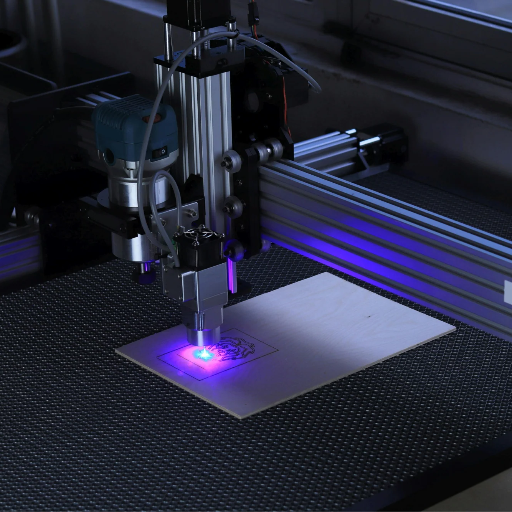
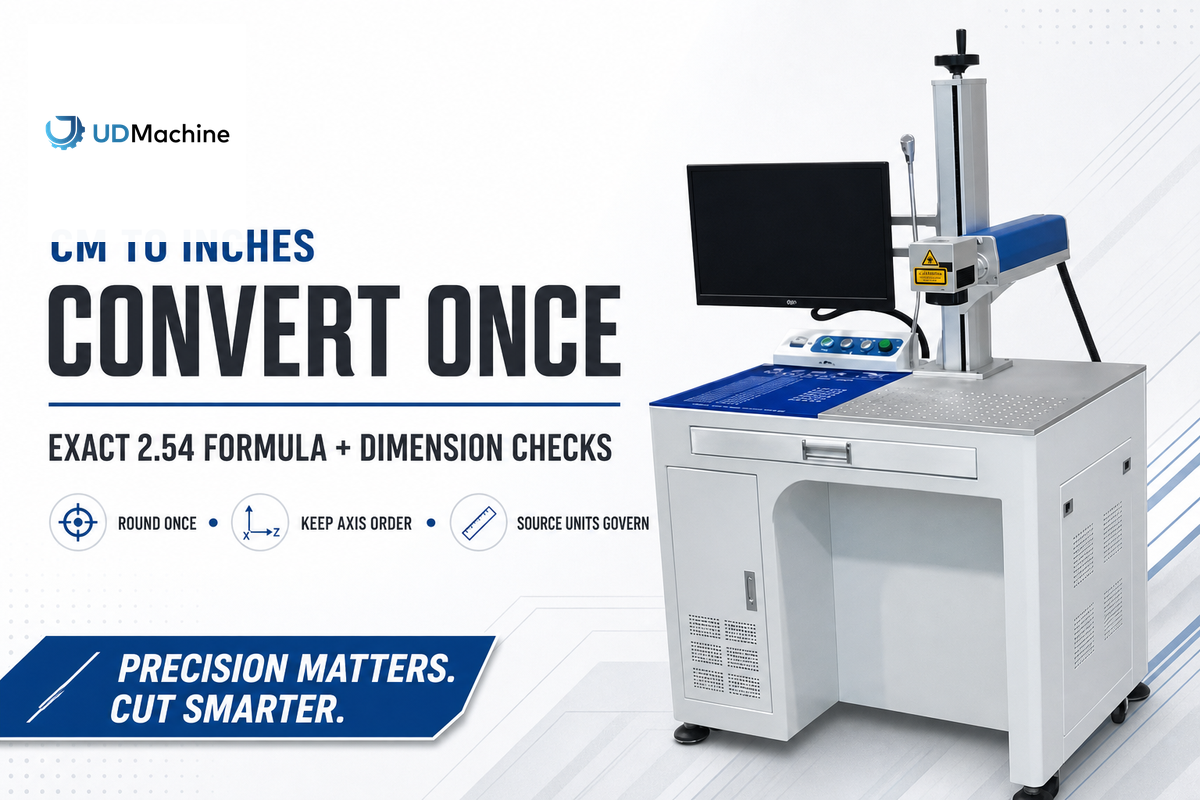
Laser engraving uses a laser beam to focus on a target area with a higher-power configuration, thereby etching intricate details and marks into surfaces. The laser heats more of the pigment, removing residue from the material surface and leaving a smooth, permanent mark. It is a highly reliable technique that works with a wide range of materials, including metals, wood, and glass, and delivers consistent results. Since it operates with computer control, the method enables direct replication of designs. It is a highly effective production method and therefore suitable for industrial applications such as computer-aided design systems, heavy engineering, jewelry, and aerospace work. Laser engraving is a green choice; it eliminates waste, requires no additional materials, and uses no extra inks.
What is Laser Engraving?
Laser engraving is a modern, versatile technology that uses a focused beam of light to create permanent marks by vaporizing surface material. The process can etch intricate designs, letters, logos, or patterns with precision, which renders it ideal for personal and professional applications. The technique can be used on a variety of materials, including metals, wood, leather, glass, acrylic, and certain plastics. Driven by computer-controlled systems, laser engraving consistently delivers high precision, repeatability, and versatility, making it indispensable for art in the making, jewelry, medical devices, and the automotive industry. Laser engraving’s popularity continues to grow in both commercial and creative fields due to its ability to produce high-detail designs and its environmental friendliness and operational efficiency.
Types of Laser Engravers
There are three main types of laser engravers: CO2, fiber, and diode.
| Type | Material | Lifespan | Speed | Precision | Cost |
|---|---|---|---|---|---|
| CO2 | Wood, acrylic, glass, leather, plastics | Moderate | Medium | High | Medium |
| Fiber | Metals, plastics, jewelry, medical tools | High | Fast | Very High | High |
| Diode | Wood, leather, plastics, glass | Low | Slow | Moderate | Low |
How Laser Engraving Works
Laser engraving is achieved by focusing laser beams on a material to vaporize the outer layer, leaving a superficial mark. This work is carried out in three steps:
1
Laser Production
A laser machine focuses a beam of light at the laser’s operating wavelength (CO2, fiber, or diode), generating high temperatures.
2
Material Interaction
The laser beam is deflected onto the material using mirror optics or a galvanometric system. When the focused beam strikes the material surface, it heats it to the point of vaporization or combustion, leaving an engraved design.
3
Controlled Engravings
Using computer algorithms, specific engraving designs determine the laser’s path, intensity, and duration. Such precision enables complex designs to be etched and reproduced consistently.
Lasers are used in a wide range of applications, with laser cutting and engraving becoming increasingly versatile over the years. While laser engraving has long been used, advances in manufacturing and the arts, along with the desire to create custom pieces, have driven the growth of custom cores and flat-lying phases. Drawing upon said point, the understanding and information prompted by personal experience propel this ongoing conversation on specific laser intended uses for these two platform sides, and thus the most suitable type of laser radiation means to introduce the staff, since all three investigations could have been done solely on real-world examples.
Benefits of Using Aluminium Laser Engravers
Durability
Aluminum laser engraving offers high precision quality in the form of ideal wear-, erosion-, heat- and humidity-resistance over an extremely long time.
High Precision
Aluminum laser engraving is usually appreciated for the minute, detailed, specific, or intricate design work it permits.
Fast and Efficient
Aluminum laser engraving is a fast process, making it well-suited for both mass production and single-item production.
Versatility
A laser engraving machine for aluminum can be used for several applications, including logos, serial numbers, barcodes, and decorative designs.
Easy to Maintain
Most modern aluminum laser-engraving systems are designed for reliability and minimal maintenance, reducing long-term operating costs.
Precision in Engraving and Marking
Aluminium laser engravers deliver respectable precision, essential for applications requiring fine, accurate markings. Thanks to newer, enhanced laser technologies, brands can ensure defect-free engraving with precise accuracy and uniformity across all operating modes. The acceptable resolution of the engraving or cut being produced is essential when a part or mark must remain visible, such as in the aerospace, electronics, jewelry, or automotive sectors.
Versatility Across Industries
Aluminum laser engravers are highly adaptable and thus an ideal fit for many industries. Used mainly for marking possible items, such as serial numbers, barcodes, or identifying a brand in various cases, and also a certificate of practicality and professionalism. The medical industry is a significant user of laser engraving to create permanent, legible labels on surgical instruments and devices, in compliance with safety and traceability requirements. It further enables the introduction of elaborate ornamentation and customization, with greater visibility of individual customer needs, across a broader range of creative art, jewelry, and design. This level of versatility is why laser engraving on aluminum (and other materials) is fast becoming indispensable.
Cost-Effectiveness for Small Businesses
Aluminum laser engravers are ideal investments for small businesses given their affordability, efficiency, and long-term cost savings. Aluminum laser engravers reduce material waste, increase speed and precision, and significantly lower costs. They are also rugged, low-maintenance investments that enable users to produce high-quality custom products at a lower price.
For small-scale business networks, they enable the creation of exquisite designs for diverse customers, thereby catering to special needs and minimizing overhead costs. This rare married pair-useful, thrifty performance makes aluminum laser engravers an attractive option for growing businesses.
Common Applications of Aluminium Laser Engraving
Industrial Equipment Marking
This is used to etch and mark tools with serial numbers, company names, and barcodes to support identification and meet safety requirements.
Promotional Items
This is for engraving logos and customized designs on products, including keychains, pens, and mugs.
Aerospace and Automotive Components
These labels feed in with part numbers, serial numbers, and other technical information for traceability and operational purposes.
Medical Devices
This image is used to create image markings, calibration markings, or branding on medical instruments and devices.
Jewelry and Custom-Made Gifts
This is the best choice for creating personalized engraving on jewelry, charm bracelets, rings, plaques, or any assortment of gifts.
Jewelry Design and Personalization
Aluminum laser engraving is massively transforming the jewellery design and personalised market. Its precision enables intricate designs, clear text, and highly detailed patterns, making it well-suited for custom rings, necklaces, bracelets, and other keepsakes. Modern laser technology allows personalized engravings to include names, special dates, monograms or any meaningful quotes with the highest degree of accuracy, giving that everlasting impression.
Growing Market Trend
Personalized gifts are seeing significant interest these days, with a primary focus on engraved jewelry that offers a unique, sentimental appeal for any special occasion. The search volume for terms like this keeps on rising, such as “custom engraved jewelry near me” and “personalized wedding bands.” This is indicative, from one viewpoint, that customer demand for high-quality, personalized products that symbolize sentimental value is growing, and that the laser engraving trend is gaining traction. Thus, the durability of aluminum, combined with laser engraving, which accentuates the physical appeal of products for an extended period, is a keen area of interest.
Automotive Parts and Components
The use of aluminum laser engraving has been paramount in the automotive industry. Automotive components such as vehicle identification numbers (VIN), part numbers, and brand logos can be marked efficiently. Since these engravings help with tracing, add favorable security attributes, and provide crucial information for manufacturers and end users, they should be the following steps to achieve standards. Additionally, laser engraving offers wear-resistant marks, ensuring long-lasting readability throughout the vehicle’s lifespan. Laser engraving is an essential tool for maintaining quality and compliance in the production of automotive parts and components.
Creating Personalized Gifts
Aluminum laser engraving is a very popular choice for personalized gifts, due to its precision, durability, and aesthetic appeal. This technique enables intricate designs, names, or messages to be engraved on items such as photo frames, keychains, and other trinkets. The permanence and high contrast of the marks enhance the sentimental value of these gifts while also ensuring a clean, polished look. The flexibility of aluminum allows a range of gifts to be presented with lasting impact.
Choosing the Right Aluminium Laser Engraver
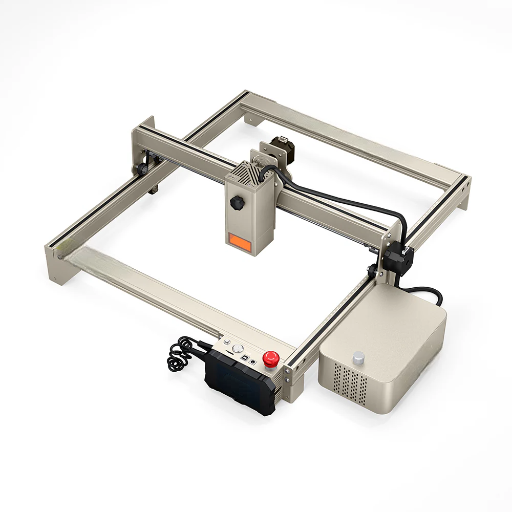
Consider precision, power, and compatibility when selecting the ideal aluminum laser engraver. Combinatively, it would include a unit with very high engraving resolution that handles fine details and supports variable power adjustments to accommodate various project requirements. It is therefore essential that you select an engraver whose size and shape are compatible with the items, that the software is user-friendly, and that you run a few iterations of the design process. The other critical aspects that you cannot overlook are durability, safety features, and customer support.
Budget Considerations
Determining the financial estimate for laser engraving begins by balancing financial capability against requirements.
Entry-Level
For hobbyists and beginners with basic features and limitations.
Mid-Range
Extra resolution, more dominance, and richer product features for small businesses or advanced amateurs.
Professional
Complete systems for top-level results, more finesse, and a top-heavy work regime.
💡 Investment Tip: It may be your turn in terms of your working conditions-choose the material to be engraved and the level, frequency of use, to invest wisely, but not stretch by preference.
Factors to Consider: Power, Precision, and Features
The first step is to identify a range of criteria to ensure the best cost-effective decision across key features of an aluminum laser engraver.
1
Power
Cutting power is essential to a laser engraver, as it determines how effectively it can engrave or cut aluminum. The higher the wattage, the better: higher power allows penetration to occur faster and more deeply. The more watts you have, the more you can engrave through 1/8-inch aluminum at higher speeds.
Recommendation: Consider purchasing a model with 40-60 watts for engravings of this type and/or materials 1/8 inch or thicker; for industrial tasks, 100 watts or more is generally recommended.
2
Precision
Precision is essential for high-quality, detailed laser engraving. A higher-resolution engraver (DPI) is required, with cutting-edge motion controllers that produce clean edges and enable the most complex designs.
Key Point: It is also advisable to select a unit on the market that provides reliable stability and accuracy, which are essential to maintain consistent evaluations for very sensitive patterns or logos on an aluminum surface.
3
Features
So-opted-for-characteristics engravers come with software-compatible accessibility, laser power settings as convenient options, and safety features. Pick those that may very well be considered popular design software (e.g., AutoCAD, CorelDRAW) and offer user-friendly controls.
Additional Benefits: Furthermore, top-of-the-line cooling and dust-extraction systems enhance metal durability while maintaining peak performance. For added comfort, some laser engravers are equipped with rotary attachments, allowing end users to engrave cylindrical items effortlessly.
By examining the features firsthand and identifying your specific needs, you can choose an aluminum laser engraver that suits your project, ensuring a rapid return on your investment.
Comparing Diode vs. Fiber Laser Engravers
Diode and fiber laser engravers differ in laser type, wavelength, speed, material compatibility, cost, and maintenance requirements.
| Key Point | Diode Laser | Fiber Laser |
|---|---|---|
| Laser Type | Diode-based | Fiber-based |
| Wavelength | 450-550 nm | ~1064 nm |
| Speed | Moderate | High |
| Materials | Soft/non-metal | Metals |
| Cost | Affordable | Expensive |
| Maintenance | Low | Very low |
Maintenance Tips for Laser Engraving Machines
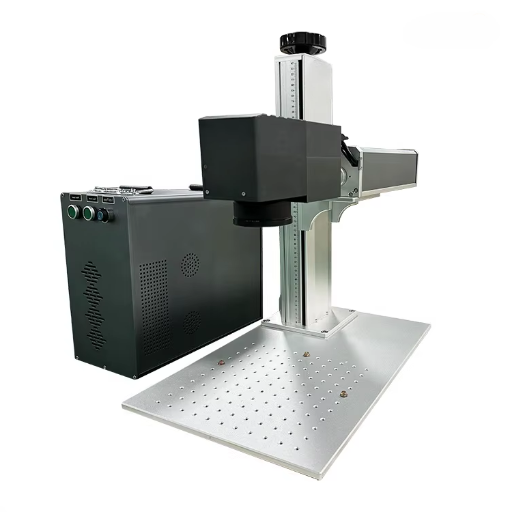
✓
Regular Cleaning
Keep the lens, mirrors, and machine bed clean to ensure optimal laser performance and precision. Therefore, higher accuracy can be achieved with recommended cleaning agents and mechanism designs. Damage can be avoided this way.
⚙
Inspect and Tighten Components
Periodically check belts, screws, and other mechanical components for wear and looseness. Tighten or replace them if loose for printing perfection.
❄
Monitor Cooling Systems
The responsibility of any cooling system, whether air- or water-based, is to prevent overheating that could damage the laser equipment.
↻
Update Software and Firmware
The software that runs the laser should be as modern as possible. Keep track of any software updates that may cause harm. Future designs, such as XY access control, should run well.
⚡
Lubricate Moving Parts
Enable the motion mechanisms built into the laser device to operate smoothly across different parts by routinely applying lubrication, reducing wear and tear and damage.
Regular Cleaning and Care
- Clean Optical Components
Ensure lenses and mirrors are clean with a soft, lint-free tissue before applying any cleaning solution; this is necessary to maintain the accuracy of laser light on the intended target. Keep all of these components free from blemishes and particles. - Dust and Debris Removal
Dust out the interior and exterior of the machine frequently. Dust included in debris causes blockages and restricts airflow. - Review and Clean Filters
Inspect and clean air or water filters to ensure optimal cooling and prevent recurring damage to the entire laser system. In addition, replace filters whenever necessary. - Wipe Down External Surfaces
Using a damp, nubby cloth and a mild soap solution, one may dust, wipe, and, when necessary, disinfect the exterior of the laser device to prevent dust from accumulating. - Empty Waste Bins or Trays
Waste trays or bins must be emptied to prevent overflow and maintain regular machine operation.
Extending the Lifespan of Your Engraver
Your laser engraver will perform best over the long term if it is well-maintained. This means the machine and related parts should be kept clean to prevent dust from accumulating and potentially affecting performance. Monitor components such as mirrors, lenses, and fans, and clean them periodically. Apply the maker-recommended lubricant only on moving parts to retard faster wear and tear while keeping the belts and tubes in good repair.
If parts such as belts and tubes are worn out, replace them immediately as soon as system damage becomes apparent. The machine must operate within the recommended range to prevent overload and resulting stress. Adherence to these steps ensures the machine provides maximum service.
Frequently Asked Questions (FAQs)
Q
How does a diode laser engraving process work on laser marking and engraving aluminum?
A diode laser engraver uses focused laser energy on a specific area to alter the surface and, consequently, its appearance, either by abrading an oxide layer, applying color changes to anodized aluminum, or using marking spray. Such lasers (components of power-scaling dual-laser diodes and a 20W unit) are non-contact and require less maintenance, enabling high-precision marking of aluminum parts. This is most often accomplished when appropriately configured, with special consideration for deeper metal engraving, and the output fed into one of the 20 W fiber, MOPA, or CO2 + fiber hybrid systems, depending on the material thickness and the desired finish.
Q
Can I engrave aluminum with a rotary engraving machine, or is a CNC engraving machine required?
A rotary engraving attachment can engrave an aluminum flat plane for cylindrical aluminum parts such as tubes and a mug, transforming a flat-bed laser cutter into a rotary unit. For CNC engraving on whiteboards and similar items, or for items requiring precise repetition, a CNC laser unit offers programmed control and repeatability. The laser source, fixture, and rotary alignment are critical to the decision between anodized and bare aluminum and are used to control the heat-affected zone (HAZ) to avoid warping.
Q
What laser engraver model and power are suitable for cutting aluminum?
Choose based on part size and workspace—the smaller desktop laser systems generally handle small aluminum parts, whereas the space requirements of CNC or industrial units may be larger. For aluminum engraving, 20 W fiber- or diode-based lasers are suitable for both marking and low-grade engraving; 40 or 80 W systems, or fiber lasers, perform even better, enabling deeper engraving and metal cutting. Keep in mind that a diode laser will not cut thick aluminum; a machine’s cutting capability depends on the type of laser, output power, and its heat dissipation.
Q
How do you prepare anodized aluminum versus unanodized aluminum for laser engraving?
Anodized aluminum generally engraves well, as the anodic layer reacts favorably with lasers, producing high-contrast marks. Bare aluminum typically requires a marking spray or fiber/MOPA lasers because the intent is to impart color, dissipate heat, or etch deeply into the metal. Prepare the surface by removing oils and contaminants, and adjust the power settings to achieve the specified optimal power and number of passes within the optimal technology parameters for neat heat-affected-zone and oxide-layer behavior.
Q
Which laser is more effective for long-lasting aluminum marking and coding: a diode or a 20W fiber laser?
A 20W fiber laser will deliver excellent contrast and highly durable marks on aluminum. It is the favorite solution for coding, serial numbering, and deep engraving, where markings have to be bright and some marking spray has to be used. Diodes, including a 20W fiber, can mark and etch anodized aluminum well for light engraving, and lasers can engrave faster on some surfaces. However, marking spray may be required on bare aluminum. Before deciding, consider the marking speed, the aluminum surface, and the mark’s lifetime.
Q
How do a dual laser system or a Galvo marking/engraving system induce volume efficiencies in terms of aluminum?
These two systems are configured to absorb two different energies, enabling heavier dynamics as required for the secondary material’s operation. Using two lasers for marking alters the process dynamics. Two lasers can increase the overall workload, do so faster, and switch modes for different materials. Galvanometer beam deflectors are used because they enable faster beam deflection, which accelerates setting stamps of equal size, one after another, precisely for codes or logos, without increasing power consumption. Runtime is thereby lessened in marking large quantities of aluminium and affixing exact markings—power-on, HAZ minimal.
Reference Sources
-
Laser Cutting and Engraving | Bechtel Innovation Design Center, Purdue University
- A resource from Purdue University detailing laser cutting and engraving processes, including material compatibility and safety.
-
Laser Cutting/Engraving | University of Pittsburgh
- Information on laser engraving capabilities and applications, provided by the University of Pittsburgh.
-
Laser Cutter Engraver | I-Create Lab, Texas A&M University-Corpus Christi
- A guide to laser engraving and cutting, including technical specifications and supported materials.
-
Laser Cutters | University of Arizona
- Details on laser cutter equipment, usage, and technical features available at the University of Arizona’s CATalyst studios.
- Top CNC Laser Marking Machine Manufacturer and Supplier in China