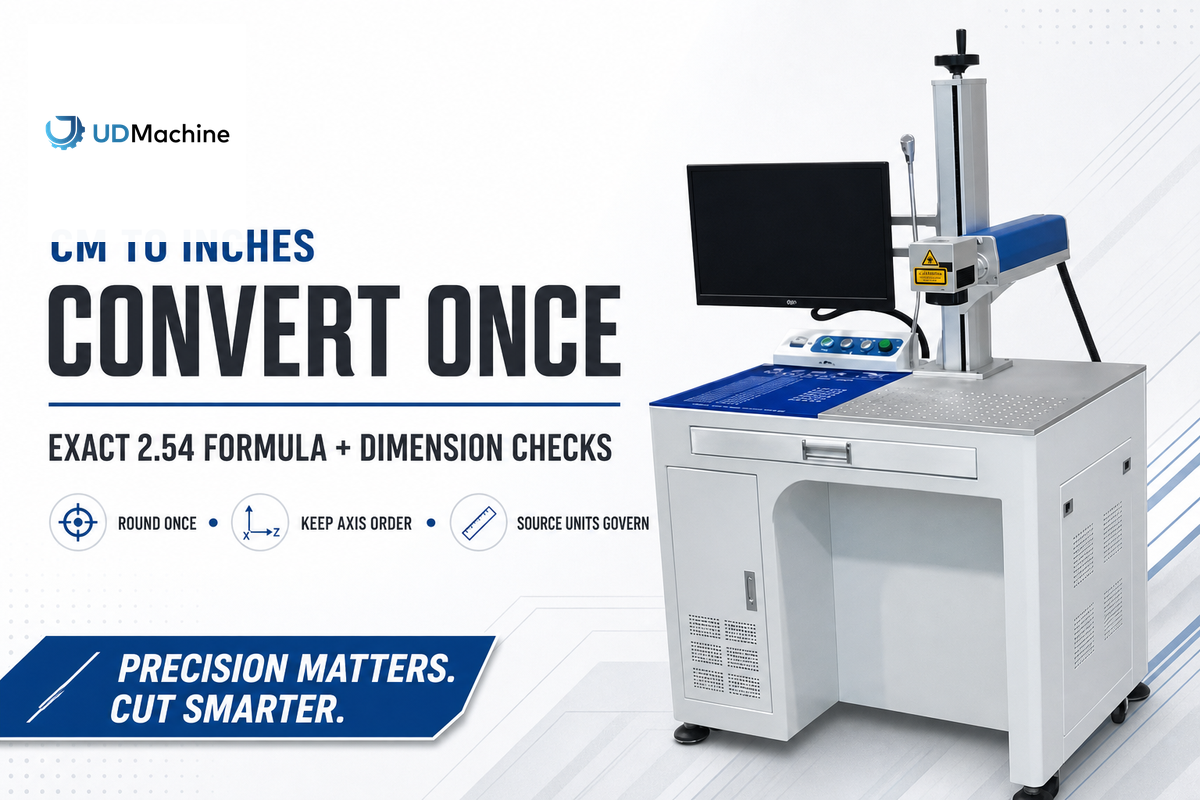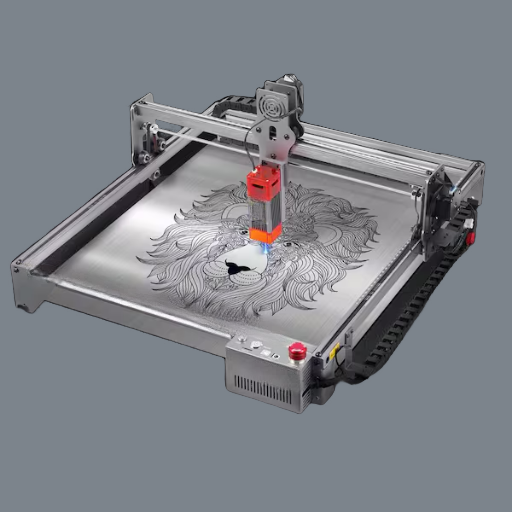
Metal engraving has always been a symbol of accuracy and skills, and the incorporation of laser technology has brought a change in the whole process. Laser engraving on metal is a very precise and fast method of working, and you can safely play with your creativity. If you want to learn about the laser engraving process, its varied uses, and more, then this guide is for you.
It will start with the basics of laser engraving on steel, and then you will gradually apply these principles to the process’s various applications. At the end, you will be well informed about how the laser engraving works, what the different types of machines are, and what the critical points are to produce optimal results. If you want to understand the capabilities of laser engraving on metal, this guide is the best place to start.
Understanding Laser Engraving Technology
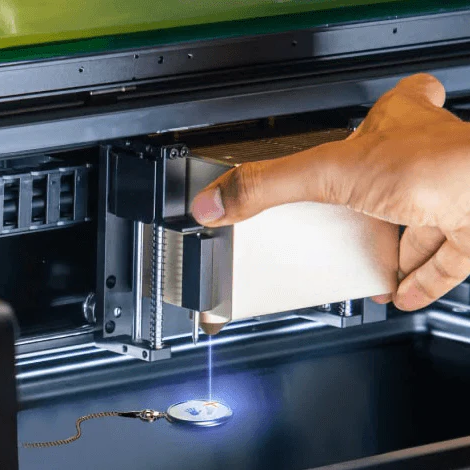
Laser engraving uses a focused light beam to engrave patterns or text on a material’s surface. In the case of steel, the process involves heating localized regions of the metal to produce permanent, high-contrast markings without degrading the material’s structure. A laser equipped with a computer can generate highly accurate, repeatable patterns. This technology is highly valued for its accuracy, speed, and long-lasting results; thus, it is suitable for a variety of industries, such as art and identification.
What is Laser Engraving?
Laser engraving is a manufacturing process in which a highly focused light beam is used to carve patterns, designs, or letters into a material. The operation of this process relies on melting and vaporizing material layers induced by the laser’s intense heat, resulting in markings that are both durable and accurate.
Laser engraving is one of the most flexible and innovative processes currently used across industries, as it can be applied to a wide range of materials, including metals, plastics, wood, glass, and even leather. Moreover, it is an environmentally friendly, non-contact process that requires no cutting tools, reducing tool wear and the risk of material distortion.
The features of laser engraving, such as versatility, efficiency, and cost-effectiveness, have made it a widespread choice across applications ranging from personal gifts and jewelry to industrial branding and product traceability.
How Laser Engraving Works on Steel
Steel laser engraving is a process that uses a highly concentrated laser beam to permanently mark the surface of a steel part. The first step in this process is to aim the laser beam at the steel, which causes the surface to reach extremely high temperatures. The natural convection of heat then triggers a thermal reaction that melts, evaporates, or oxidizes the laser-irradiated area with precision, producing permanent engravings.
When it comes to engraving steel, fiber lasers are often the go-to option because they deliver high power and can effectively process hard materials. Moreover, laser engraving on steel can be adjusted so well to different situations and coming up with more complex designs, alphanumeric codes, logos, or images with outstanding clarity is just one of the advantages it has.
Because this method uses no physical control tools, issues such as tool wear and material distortion are entirely avoided. Steel is widely used in the industrial, automotive, and consumer goods sectors, making laser engraving essential for high-quality, durable product identification, traceability, and branding.
Applications of Laser Engraving on Steel
Key Application Areas:
📦 Product Identification
Laser engraving is employed extensively for the application of serial numbers, barcodes, and other markers on steel goods allowing for simple identification and tracking.
⚙️ Industrial Components
Engraving of critical information, such as part numbers, specifications, or safety instructions, on tools, machinery, and equipment guarantees the longevity and clarity.
🚗 Automotive Parts
The automotive industry uses laser technology to permanently mark parts such as engine components and VIN plates for traceability and regulatory compliance.
🏷️ Signage and Branding
Steel signs and branded products owe their professional, long-lasting appearance to advanced laser engraving techniques.
💍 Jewelry and Personalization
Laser engraving is no longer limited to simple patterns; it can now create complex, elaborate designs on steel rings and other personalized items, such as watches and bespoke gifts.
Benefits of Using a Laser Engraver for Steel
🎯 Durability and Precision
Laser engraving not only produces highly accurate and intricate designs, but also makes them impervious to wear, thus giving rise to very durable outcomes.
🔄 Versatility
Laser engravers can work with various steel types, including stainless steel and alloy steel, enabling them to handle a wide range of applications.
⚡ Efficiency
The method is both quick and precise, resulting in short delivery times without sacrificing quality.
🌱 Environmental Friendliness
Laser engraving is an inkless, chemical-free method, making it a green option.
💰 Cost-Effectiveness
After the initial setup, laser engraving will generate minimal material waste and reduce consumable costs, making it an economically viable option in the long run.
Precision and Accuracy in Metal Marking
In metal marking, precision and accuracy are the primary factors influencing the quality of the results. Laser engraving is a good option for this, as it uses a laser beam with an excellent focus to engrave intricate designs and text with unparalleled detail. The precision is due to the fact that the laser can get to tiny areas and it does not have any negative impact on the surrounding material, thus it is perfect for the applications where very high accuracy is demanded such as in the case of medical devices, aerospace components, and delicate jewelry.
The precision granted by the laser engraving process makes the engravings clear, legible, and consistent. The need for traceability, branding, and regulatory compliance drives this. Moreover, accurate engraving reduces material waste and errors, thereby accelerating production and ensuring a professional finish every time. The combination of high-tech and accurate laser engraving makes it the choice for today’s metal marking requirements.
Versatility and Applications of Fiber Lasers
Fiber lasers are highly versatile devices capable of marking, cutting, and engraving a broad range of materials, including metals, plastics, and ceramics. Their accuracy and flexibility make them indispensable across sectors such as automotive, aerospace, electronics, and medical devices. Their durability and clarity make fiber lasers the choice for engraving applications, including serial numbers, barcodes, and logos. Furthermore, they are considered the “green” choice because they require minimal maintenance and use much less energy than traditional methods. This wide range of applications attests to the efficiency and effectiveness of fiber lasers for both industrial and commercial applications.
Cost-Effectiveness Compared to Traditional Methods
The significant cost advantages of laser engraving on steel compared with traditional methods are remarkable. It completely gets rid of the necessity for consumables analogous to inks, chemicals, or etching materials which directly leads to a decrease in ongoing expenses. Moreover, the laser engravers are low maintenance and have a longer lifespan which results in lower operational costs during the whole period. The high accuracy leads to less material waste, and the automated process takes away the need for labor thus increasing the efficiency of the entire process. All these factors make laser engraving a highly cost-effective option for marking steel in industrial and commercial applications.
Types of Laser Engravers for Metal
- Fiber Laser Engravers – With their high precision and efficiency, fiber lasers are widely used in industry for marking metals such as stainless steel, aluminum, and titanium.
- CO2 Laser Engravers – Non-metal materials are their primary application, but the engravers can also mark some coated or anodized metals when set up accordingly.
- UV Laser Engravers – For minimal marking and low heat impact, UV lasers are the best choice for delicate metal parts or complex designs.
- MOPA Fiber Laser Engravers – With adjustable pulse durations, these engravers are versatile and capable of producing a wide range of textures and colors on metal surfaces.
- Green Laser Engravers – These engravers are used to mark highly reflective metals such as gold and silver with high precision, without damaging the surface.
Fiber Laser vs. CO2 Laser: Key Differences
Advantages of Fiber Laser Engraving
- ✓
High Precision – Fiber lasers offer unmatched precision, making them ideal for fine, highly detailed engraving. - ✓
Faster Processing Speeds – They operate at higher speeds than other types of lasers, resulting in higher output and shorter engraving times. - ✓
Durability – Among all laser types, fiber lasers have the longest life span and that too with very little maintenance. - ✓
Versatility – Laser engraving is capable of cutting not only plastic but also metals with varying opacities, enabling multiple applications. - ✓
Energy Efficiency – The energy use of fiber lasers is very low making their operational costs very low over a long period.
Limitations of CO2 Laser for Metal Marking
- Limited Metal Compatibility – The use of CO2 lasers and bare metals is not a strong point, they cannot mark the metal surface without the help of additional coatings or application of sprays beforehand.
- Lower Efficiency for Metal Marking – The marking efficiency of CO2 lasers with metals is lower than that of fiber lasers due to the longer wavelengths that are not so easily absorbed by metal surfaces.
- Higher Operating Costs – CO2 lasers have higher power requirements and require more frequent maintenance, leading to higher long-term costs.
- Shorter Lifespan – The replacement rate for CO2 laser tubes is higher than for fiber laser sources because CO2 laser tubes have a shorter lifespan.
- Larger Footprint – CO2 laser systems are bulkier, occupy more space, and are less mobile for specific applications.
Selecting the Right Laser Engraving Machine
When choosing a laser engraving machine, your specific requirements and applications should be the primary factors in your consideration. A fiber laser may be the best option for metal marking, owing to its high precision and versatility. However, CO2 lasers can be used to process non-metallic materials and for large-scale production operations. Consider material compatibility, operating costs, required maintenance, and available workspace to select the best machine for you. Pick the features of the machine that are most important to your business for maximum performance and efficiency.
Key Features to Look for in a Metal Engraving Machine
- Impact and Quickness – Guarantee that the apparatus is powerful enough to take in your materials and, at the same time, runs smoothly to comply with the production deadlines.
- Fineness and Exactness – Search for a device that can produce extremely minute and precise engravings, especially for the very delicate patterns.
- Material Compatibility – Ensure the machine can engrave the specific metal types you need for your projects, such as stainless steel, aluminum, or brass.
- User-Friendliness – An easy-to-use interface and innovative software can reduce time and help operators get accustomed to it more quickly.
- Toughness and Care – Machine-made with top-notch materials and low-maintenance requirements, promising long-term reliability, is the one to go for.
Comparing Different Laser Types: Diode vs. Fiber vs. CO2
This summary provides a concise comparison of these laser types, helping users select the right laser for their specific needs.
Budget Considerations: Finding the Right Balance
When budgeting for a laser system, it is essential to weigh cost, lifespan, and application. CO2 lasers are generally the most affordable option for simple marking and cutting applications, especially for small-scale operations. Although fiber lasers are more expensive to buy initially, they last longer and are more efficient, which is why they are excellent for high-precision applications and long-term use. If your requirements are primarily for heavy-duty cutting, crystal lasers may be an option, even though they consume more energy and have higher initial costs. Identifying your precise needs and budget will help you make a wise choice that won’t strain your finances.
Expert Tips for Successful Metal Engraving
🎯 Professional Tips & Best Practices
1. Decide on the Right Laser Type
The laser type decision should be based on both the material and the application. For example, in situations where laser marking is required on metals, fiber lasers are the best choice, while CO2 lasers are more suitable for non-metals.
2. Take a Proper Surface Preparation Step
A thorough cleaning of the metal surface should be performed to remove dirt, grease, and coatings that can otherwise degrade the engraving quality. A clean surface will yield sharper, more consistent results.
3. Optimize Laser Settings
The power, speed, and frequency settings should be adjusted based on the metal type and desired engraving depth. Running a few test engraving runs can help determine the optimal parameters.
4. Aim the Laser Precisely
By properly aiming the laser, it can deliver high-precision, high-power energy to the material. Always check and adjust the focus for every project to improve engraving accuracy.
5. Do Equipment Maintenance Regularly
Consistent maintenance of your engraving machines, including lens cleaning and wear checks, will not only ensure consistent performance but also extend the machine’s lifespan.
Settings and Parameters for Optimal Engraving Results
⚡ Power and Speed
Adjust the power and speed settings to match the material being engraved. Deep engraving is achieved with low speed and high power, whereas surface marking is performed with the opposite combination: higher speed and lower power.
📐 Resolution
Select the engraving resolution based on the project requirements. Higher resolution provides more detail but may take longer to engrave, whereas lower resolution is faster and suitable for less detailed work.
🔧 Material Type
Settings should be appropriate for the particular material used. For example, wood may require more power than soft materials such as leather or plastic.
💨 Air Assist
Activate air assist to minimize debris and improve engraving clarity. Additionally, it will keep the area cool and guarantee accuracy.
🧪 Test Runs
It is always good practice to run a small test on scrap material to verify settings before engraving the actual product. This will significantly reduce the chance of errors and the quality of the end result will be guaranteed.
Note: Adjusting these parameters individually can yield results that are perfect for your engraving project.
Techniques for Deep Metal Engraving
High-quality results in deep metal engraving require precise techniques and advanced tools. Hereunder are the effective methods for deep metal engraving:
Utilize a High-Powered Laser
A higher-wattage laser is required for deep engraving. For example, a fiber laser excels at cutting through tough metals such as stainless steel and titanium. The power settings are correctly adjusted to enable deeper penetration without sacrificing work precision.
Multiple Passes
The final depth is achieved through multiple engraving passes. The gradual increase of depth with the use of successive laser passes avoids overheating and the material is thus kept intact.
Speed and Focus Optimization
Engraving at slower speeds helps deliver energy more precisely, resulting in deeper marks. Moreover, ensuring the laser focus is precisely matched to the metal’s surface yields immaculate, detailed results.
Surface Preparation
The metal surface should be thoroughly cleaned to remove all dirt, oil, and residues that could impede the engraving process. A properly prepared surface ensures uniform engraving depth and quality.
Change Frequency Settings
The laser frequency influences the metal surface texture and depth. Lower frequencies are best for producing deeper cuts because they deliver more concentrated energy pulses.
Cooling Systems
Have efficient cooling systems, such as air-assist or water cooling, in place to dissipate heat during engraving. This helps keep the equipment and metal safe from heat damage.
💡 Pro Tip: Merging these techniques with modern laser technology will allow you to achieve the precision and deep metal engraving quality that is professional-grade. It is a process that requires patience, careful calibration, and attention to detail but ultimately produces results that are both durable and visually striking.
Maintenance Tips for Your Laser Engraver
🔧 Essential Maintenance Checklist
- ✓ Keep the Lens Clean Regularly: The laser lens can become less efficient due to the accumulation of dust and other particles. Regularly clean it using a lens cleaning solution and a soft cloth.
- ✓ Mirrors: Inspect and Align: Check the laser mirrors’ alignment to confirm accuracy and prevent power loss. If necessary, adjust them with caution.
- ✓ Cooling Systems: Check the cooling systems. Ensure that air-assist or water-cooling systems are functioning properly to prevent overheating during use.
- ✓ Moving Parts: Lubricate. Apply the appropriate lubricant to the rails and mechanical components to ensure the machine runs quietly and smoothly, with no wear and tear.
- ✓ Software and Firmware: Update. Keep your laser engraver’s software and firmware up to date to unlock improved performance and access to new features.
Reference Sources
-
Steel Laser Engraving Machines: Precision, Durability, and Ergonomics (PDF) | SSRN
A multidisciplinary study analyzing the technical, economic, and ergonomic aspects of steel laser engraving machines. -
Study of 3D Laser Engraving for Steel 37 and Stainless Steel 304 Samples (PDF) | ResearchGate
This research focuses on 3D laser engraving for different steel types, providing insights into material behavior and engraving precision. -
Experimental Investigation of Stainless Steel SAE304 Laser Engraving (PDF) | Semantic Scholar
A scientific paper exploring laser engraving on stainless steel plates, with applications in industrial and artistic fields. -
Femtosecond Laser Engraving of Deep Patterns in Steel (PDF) | MDPI
A study highlighting the advantages of femtosecond laser engraving for achieving higher precision and versatility in steel applications. - Top CNC Laser Marking Machine Manufacturer and Supplier in China
Frequently Asked Questions (FAQs)
Final Thoughts
Laser engraving technology has revolutionized the metal marking industry, offering unparalleled precision, efficiency, and versatility. Whether you’re working with stainless steel, aluminum, or other metals, understanding the various laser types, proper settings, and maintenance requirements will help you achieve professional results consistently. By following the expert tips and techniques outlined in this comprehensive guide, you’ll be well-equipped to make informed decisions and produce high-quality metal engravings for any application.