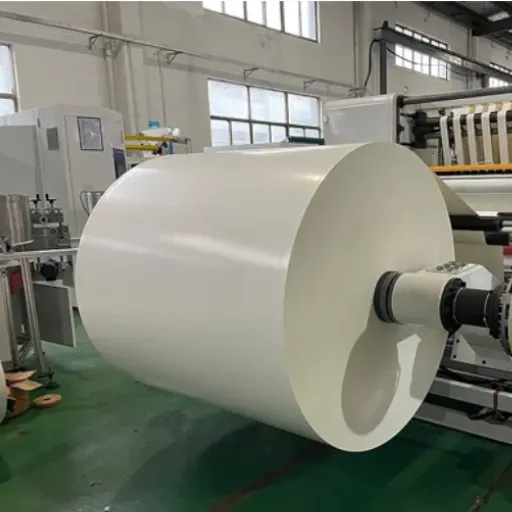
For any enterprise engaged in papermaking, maintaining the paper machines’ efficiency and lifespan is a must. Such complicated machines are installation’s mainstay, though they entail a lot of problems – the biggest being maintenance and repair costs. Knowing the right way to handle these costs without performance suffering can bring about a cut in the operational profit sharing. In this article, we will examine the main factors that affect the paper machine maintenance cost, analyze the techniques to optimize service schedules, and discuss the best practices for improving machinery reliability. If your goal is to lower downtime, do less unplanned repairs, or just gain a better grip on your maintenance budget, this guide will be a source of great information for you to get the upper hand.
The Importance of Maintenance Cost in Paper Production
Understanding the Cost of a Paper Machine
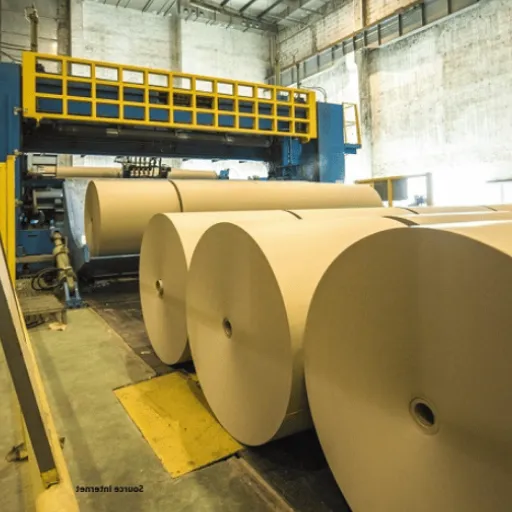
A paper machine cost is determined by a number of factors such as the size of the machine, the capacity, the automation level, and the specific technologies that are applied in the machine’s design. On top of that, the paper type that is being produced whether it is standard paper, specialty grades, or packaging materials, could play a significant role in determining the complexity and price of the machine. A trend in the paper industry suggests that, although modern paper machines with advanced automation and energy-efficient systems have higher initial costs, they eventually lead to savings in energy and overall efficiency owing to the reduction in their operations.
Total cost ownership is another essential factor that needs to be considered and this includes not only the initial price of the machine but also the cost incurred during its lifetime for maintenance, labor and energy. After this detailed study, the manufacturers are able to spot the right investment that will yield value for a long time.
Impact of Maintenance on Production Efficiency
Manufacturing systems with maintenance play an important role in keeping up with the production efficiency. A recent report states that if the machine is well maintained, the unplanned downtime will be lessened by the rate of 30%, and thus, the total productivity will be directly impacted. Different maintenance strategies that are supported by advanced analytics, i.e., preventive and predictive maintenance, help organizations to catch the possible problems before they turn into expensive failures. Also, the machines that are serviced regularly would be working at their maximum capacity; thus, less energy would be needed and the product would be of a better quality. With the adoption of modern maintenance technologies and practices, manufacturers not only lengthen the life span of their machines but also attain a remarkable increase in operational efficiency and profit.
Key Statistics: Maintenance Impact
- 30% reduction in unplanned downtime with proper maintenance
- Enhanced productivity through maximum capacity operation
- Improved product quality from regularly serviced machines
- Lower energy consumption with optimized equipment performance
Long-term Financial Benefits of Effective Maintenance
The effective maintenance practices rendering the businesses long-term financial implications are significant. By being proactive in addressing the wear and tear, the companies will significantly lower the chances of equipment breakdown that is not planned for, which is an outlay that usually comes with an emergency repair and downtime when the machine is not working. Recent studies indicate that predictive maintenance utilizing advanced analytics can lead to a reduction of maintenance costs by as much as 30% and, at the same time, the corresponding equipment downtime can be brought down by 40-50%. Moreover, organizations that put preventive maintenance at the forefront enjoy more extended asset lives and hence they do not have to incur the barriers that come with the constant reinvestment in replacements. In the long run, these strategies represent a cumulative cost savings, enhanced resource allocation as well as increased profitability-especially, for maintenance that one must consider investment for financial health in the long-run.
📊 Financial Benefits Summary
- Up to 30% reduction in maintenance costs with predictive maintenance
- 40-50% decrease in equipment downtime
- Extended asset lifespan reducing replacement frequency
- Enhanced resource allocation and profitability
Factors Influencing Maintenance Costs
Age of Machinery and Its Impact on Downtime
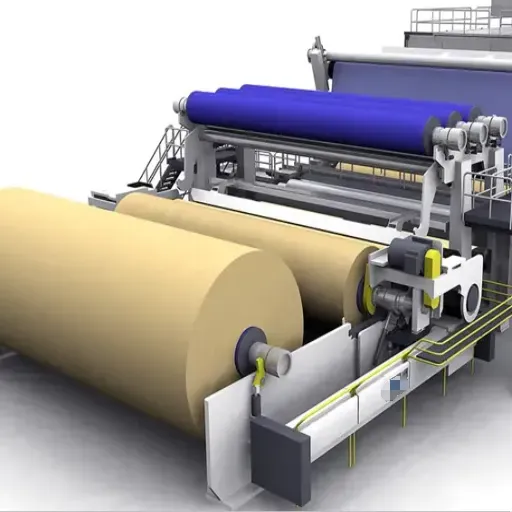
There’s a direct relationship between the age of machinery and unproductive time as well as maintenance needs. Old machines suffer more from wear and tear which results in frequent breakdowns and long repair periods. Recent statics indicate that as the equipment gets older, the probability of failure of critical parts increases greatly, and a study reveals that machinery over 10 years is subject to 70% more unproductive time than modern machines. Moreover, such machines may also be incompatible with the latest technology and sensors, which all contribute to predictive maintenance being hard. Hence, to counter these, the companies often bring in retrofitting solutions or go for the newer and more expensive machines, thus maintaining the balance between the age of the equipment and the effectiveness of the operation.
⚠️ Critical Factor: Equipment Age
Machinery over 10 years old experiences 70% more downtime than modern equipment due to:
- Increased wear and tear
- Frequent breakdowns and extended repair periods
- Incompatibility with modern sensors and technology
- Difficulty implementing predictive maintenance
Production Volume and Maintenance Demand
The machines are really working hard because of the huge quantities they have to produce and this, in turn, causes them to wear out faster and the likelihood of component failure increases. The result of all these factors is a requirement for maintenance that not only is regular but also extensive to ensure smooth operations. According to the most recent data trends, there has been a considerable rise in the number of searches for “optimal maintenance schedules for high production equipment” and “reducing downtime in manufacturing.” This signifies that an increasing number of industries are investing their resources in the creation and application of maintenance strategies that would allow them to satisfy both high production and maintenance needs at the same time. The use of technologies like automation, predictive analytics, and IoT-based monitoring can help the companies to stay ahead of their maintenance needs in a proactive way, which will, in the end, result in the company being able to keep up with the demand efficiently and consequently, the unproductive time would be less.
Types of Paper and Their Unique Maintenance Needs
Maintenance practices needed to be different according to the type of paper if one wanted the papers to be kept up to the point and last a long time for different applications. One such paper is:
When companies adopt the right data-driven solutions like digital climate control systems, predictive software for monitoring environmental conditions, and advanced storage designs, they manage to overcome the challenges posed by these paper types in terms of maintenance. Providing the optimal maintenance conditions leads to not only better material performance but also reducing waste in large-scale production or distribution.
Strategies for Reducing Maintenance Expenses
Implementing Predictive and Preventive Maintenance
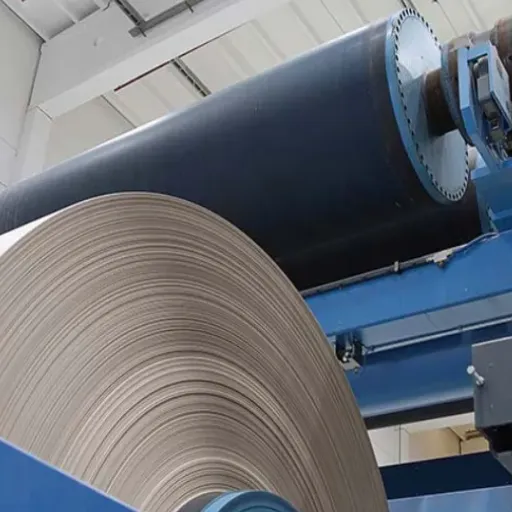
Merging the two maintenance strategies prediction and prevention along with up-to-date data can lead to an impressive increase of efficiency in operation. As an example, the incorporation of real-time analytics and artificial intelligence can forecast equipment failures prior to their occurrence, thus eliminating not only the killing of time but also the injecting of money in repairs that may otherwise not be needed. Scheduled inspections and continued updating of the machinery are some of the preventive measures through which systems are allowed to stay in their best condition. The organizations that combine predictive insights with preventive practices will have a solid maintenance foundation that will ultimately result in lowering expenses over the long term and boosting productivity.
💡 Best Practices: Maintenance Strategies
- Integrate real-time analytics and AI for early failure detection
- Schedule regular inspections to identify issues before they escalate
- Implement continuous machinery updates to maintain optimal condition
- Combine predictive insights with preventive practices for comprehensive coverage
- Utilize data trends to inform maintenance decisions
Developing an Effective Maintenance Schedule
It is necessary to fuse the old conventional preventive approach with the modern and innovative preventive one in maintenance schedules if the latter is to be effective. By way of keeping track of trends in usage, points or places where failure is most likely to occur, and best practices of the industry, the companies or organizations can cope with their specific needs by customizing the schedule. And with this knowledge, companies can set the order of priority for doing things, make the best use of their resources and always be ready for problems that might come up in the future. An adequate maintenance plan should not only concentrate on doing routine checks but also, it should change along with advancements in technology and the needs of the operations, hence providing maximum reliability and performance.
Leveraging the Internet of Things for Cost Reduction
Internet of Things (IoT) technology has changed the way the world businesses view the issue of cost efficiency the other way around, as it has allowed real-time monitoring, automation, and predictive maintenance. Taking a case of the application of IoT in the manufacturing sector, here IoT sensors can be deployed to continuously monitor heavy machinery performance while the data collected is sent to another system that will be analyzing the collected data for any irregularities this will be a way of preventing expensive production stoppage by resolving issues that are not yet at critical stage. When combined together, IoT and powerful insights give the companies the capacity to be proactive, fast, and at the same time cost-effective and therefore competitive in their reduction strategies.
🔧 IoT Benefits Checklist
- ✓ Real-time machinery performance monitoring
- ✓ Automated data collection and analysis
- ✓ Early detection of equipment irregularities
- ✓ Prevention of costly production stoppages
- ✓ Proactive maintenance scheduling
- ✓ Enhanced cost-effectiveness and competitiveness
Challenges in Paper Machine Maintenance

Challenges to Maintenance Staff and Their Solutions
Maintenance crews usually face problems, such as ceaseless breakdowns of equipment, hard predicting the life span of parts, and having no access to the right training or no seeing it as a resource for overcoming the techie problems. Other difficulties come forth with the practicing of lubrication in an even and well-timed way, the dealing with humidity that is too high which in turn speeds up the corrosion process, and the handling of old machines which have no monitoring systems that are modern.
All these challenges can be handled quite well when IoT data in real-time merges with proper resources. For instance, watching video tutorials, participating in technical forums, and reading industry-specific manuals, will also allow the personnel to unravel very complicated issues. This helps in speeding up the communication between technical personnel and the support staff and both will have a common, much clearer ground view of what is happening which will in turn reduce the time required for maintenance and increase overall operational efficiency.
Downtime Effects on Production and Costs
The production downtime can considerably affect the costs and the volume of goods produced, since it gangue the movement of goods and stream considerable money losses. Unscheduled downtimes in recent times are said to cost the industrial manufacturers almost $50 billion every year, thus, maintenance and operations strategies that are efficient are no longer a luxury but a need that cannot be ignored. When the output stoppage is sudden, not only is the business losing its production, but also the labor cost is going up because of emergency overtime along with emergency repairs that were by nature not planned. There are also penalties, in terms of missed deadlines, and reduced customer satisfaction and even possible reputational damage among the additional costs. Predictive maintenance methods using technology and data analytics in real-time can be the shields against these negative effects since they will ensure that the downtime is kept to a minimum and costs are monitored well.
⚡ Downtime Impact: The $50 Billion Problem
Unscheduled downtime costs industrial manufacturers nearly $50 billion annually. The hidden costs include:
- Lost production output
- Emergency overtime labor costs
- Unplanned emergency repairs
- Penalties for missed deadlines
- Reduced customer satisfaction
- Potential reputational damage
Maintenance Issues and Strategic Solutions
One important way of curing the maintenance hurdles when they arise is by catching them at their weakest point or even adopting a prevention methodology, which besides the necessity of relying on humans, also utilizes the power of data in the form of technology. For instance, predictive maintenance systems aided by artificial intelligence (AI) and machine learning can help spot breakdown signs long before they occur. The very large datasets that are ceaselessly analyzed consist of historical performance and current sensor data, which patterns are recognized and future developments are predicted based on. On top of that putting in place IoT devices means that it is possible to keep an eye on the machinery non-stop, and the maintenance crew gets the alerts and insights promptly.
For this reason, another strategy that is important is the creation of a culture of constant improvement through employee training and development of skills being implemented regularly. The response of well trained teams, as to the maintenance needs, is quicker; they can easily implement best practices, and also adopt new technologies very fast. That is why firms will have to keep abreast of the situation and use the new technologies in the right way to be able to gain an edge over their competitors.
Recent Trends in Paper Machine Maintenance
Adoption of Predictive Maintenance Technologies
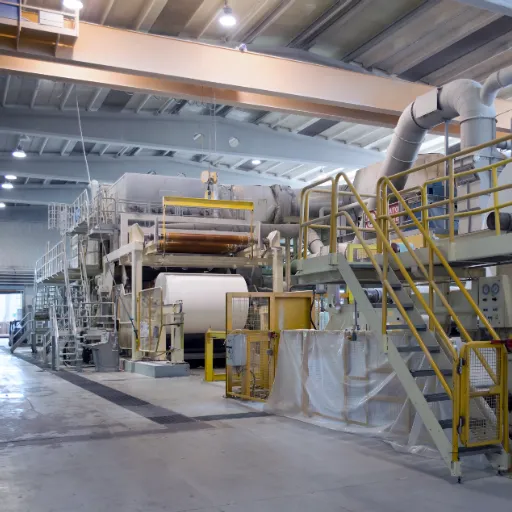
Predictive maintenance has quickly turned out to be the most important way to secure the perfect performance of paper machines in terms of maintenance. The visible benefits that they provide are among the reasons for the trend. Predictive maintenance anticipates and hence prevents unplanned downtimes, it cuts down on repair costs and it also enhances the performance of the machines by detecting minor issues before they grow bigger. Moreover, when IoT-based solutions are integrated the process gets more surface and analysis happen in real-time which in turn gives the manufacturers data they can rely on to make right decisions. This change of the paradigm is a mirror of the industry’s efforts to increase productivity and to keep their market position in an ever-changing environment.
Integration of IoT in Manufacturing Machinery
The incorporation of Internet of Things in manufacturing has led the industry to an entirely different path, that of data getting driven innovations and thus a much more efficient industry overall. Real-time data collection and analysis are made possible through the use of IoT devices, which in turn leads to identifying the most energy-consuming parts of the whole company or at least the main source of energy wastage, and it allows pinpointing where the system may be inefficient. Along with the increase in productivity, this connectivity also ensures that there is constant communication between the machines, thus timely intervention of potential problems leading to reducing the time the machines are down. Those manufacturers who opt for IoT solutions will always be included in the group that is at the forefront of the market, characterized by continuous innovation and high adaptability.
Case Studies: Successful Maintenance Cost Reduction
📋 Case Study 1: Automotive Industry Leader
An automotive manufacturing company had going through its production lines on all the equipment top-notch monitoring IoT-enabled sensors. The data from the sensors were analyzed and it was found out that the company had early signs of wear and tear in important machines. Then the maintenance schedule for the machine was developed where the maintenance was done before the wear was detected schematically if not prevented. Maintenance failure was prevented to a large extent because of this.
Results Achieved:
- 25% reduction in overall maintenance costs
- 15% increase in production output
📋 Case Study 2: Energy Sector Innovation
The energy company that was at the forefront of integrating technology into its power plant operations, using machine learning models to predict possible failure of the turbine. The company was able to carry out repairs in advance, which otherwise could have caused costly plant shutdowns.
Results Achieved:
- 20% drop in maintenance costs
- Higher energy output due to fewer operational interruptions
The process of failure prediction is made by huge amounts of data generated by the IoT technologies which the manufacturer can also analyze real-time. With this proactive approach, the reliance on the reactive maintenance practices goes down thus reducing the cost of emergency repairs and avoiding complete production stoppage. Maintenance consists of replacing or fixing those parts that need it only based on the conditions of the machines rather than on a predetermined schedule. The outcome is the best allocation of resources, productivity improvement and significant savings in costs across different sectors.
Frequently Asked Questions
What are the kinds of maintenance that can cut down on the maintenance costs for paper machines?
Paper industry employs a variety of maintenance strategies that include preventive maintenance, predictive maintenance, and total productive maintenance. In preventive maintenance, proper scheduling and inspection of the machinery are done regularly to avoid any failure in the equipment. On the other hand, predictive maintenance makes use of state-of-the-art technology and data analysis in order to determine the best time to perform maintenance; as a result, unexpected downtimes are significantly reduced. Total productive maintenance aims at maximizing the availability of powder and the whole process is carried out with the involvement of every employee in different maintenance tasks. The diverse strategies when applied together can bring about significant reductions in the maintenance costs and at the same time, the machine performance will be improved.
How can a maintenance schedule be a factor in the longevity of paper machines?
The longevity of paper machines heavily relies on a well-maintained and properly scheduled maintenance program. The regular testing and the scheduled maintenance activities guarantee the efficient functioning of the machines and the fast tackling of the problems. The maintenance practice described above eliminates the chance of major machine failures occurring, which in turn would cause expensive system shutdowns and extra costs for repairs as well as for acquiring spare parts. Apart from that, the application of preventive and predictive maintenance tactics in the maintenance routine will ensure effective resource use, which, in the long run, will lead to a greater return on investment overall. Manufacturers can, therefore, cut their operational costs on the equipment while allowing it to last longer by giving priority to regular maintenance.
What is the importance of the maintenance crew in the management of maintenance costs?
Paper machines have high maintenance costs; nevertheless, maintenance employees are the ones who always make the difference when it comes to managing them. They are skilled enough to carry out regular inspections and carrying out maintenance activities which help maximize the outputs of the machines. Moreover, if the staff is well trained, they’ll be able to find out the problems early on which leads to interventions being done on time and hence, expensive breakdowns not happening. Besides, machine operators who are very effectively trained might be able to do the daily maintenance and also tell when there’s a need for the technician to come in due to the complexity of the issue. When maintenance personnel are skilled and experienced, paper mills can make their maintenance program more effective and at the same time, improve the overall economic viability of their operations.
How do the operational and maintenance costs relate to each other in the paper production process?
In the paper production process, operational expenses are closely related to maintenance costs since the performance of the machinery has a direct effect on the overall efficiency and productivity. The situation of high maintenance costs might be a signal of problems that could cause the equipment to be less operational and thus the production levels to drop. One way of preventing this is through the establishment of a well-planned maintenance strategy that adopts both preventive and predictive maintenance; as a result, the operations will be smooth and the costs related to machine breakdowns will be decreased. Furthermore, the paper industry may rely on energy-efficient machines to not only cut operational expenses but also keep maintenance costs within a feasible range. In the end, the strategic management of maintenance helps to strike a good balance between the two kinds of costs i.e. operational and maintenance; this is one of the factors that promote environmental sustenance in the paper industry.
What are the investment costs that are incurred at the very beginning in the implementation of a preventive maintenance program?
The initial investment costs for preventive maintenance programs increase or decrease according to the size and the sophistication of the paper mill. The costs include among other things, the acquisition of maintenance management software, the training of the maintenance staff, and the purchase of the necessary tools and replacement parts. Nevertheless, the financial outlay mentioned does not appear to be so bad because the initial costs lead on to decreased frequency of running into unexpected repairs and the situation where the downfall of production due to machine breakdown becomes a concern. If a mill has been relying on reactive maintenance, the switch to preventive maintenance will translate into not only improved equipment life span but also higher return on investment over time. No doubt the investment cost of having a preventive maintenance program in place is outweighed by the resulting savings; thus, the program becomes a strategy manufacturers cannot do without.
Key Takeaways
- Proactive maintenance saves money: Predictive maintenance can reduce costs by up to 30% and downtime by 40-50%
- Equipment age matters: Machinery over 10 years old experiences 70% more downtime than modern equipment
- Technology is essential: IoT sensors and AI-powered analytics enable real-time monitoring and early problem detection
- Training is crucial: Well-trained maintenance staff can identify issues early and prevent costly breakdowns
- Different paper types require different care: Customize maintenance approaches based on paper characteristics
- Downtime is expensive: Unscheduled downtime costs industrial manufacturers nearly $50 billion annually
Conclusion
Maintenance management if done effectively is not only a necessity for operations but also the main factor to maximize profit in the paper industry. Usage of modern technology like IoT sensors, predictive analytics and AI monitoring systems will help the paper makers to change their work from being reactive to proactive and thus avoid machine failure that involves a lot of expenses.
The statistics are very clear: organizations that integrate total maintenance respect the maintenance variables extremely and thus reap the enormous benefits of reduced costs and downtimes. The approaches to operational excellence through preventive maintenance, predictive methods relying on data, and total productive maintenance that involves the whole labor force are all guided by the fact that maintenance must be treated as a major contributor to business success.
Paper production will be a moving picture in the years to come but those manufacturers who will apply high-tech maintenance and team development will have the opportunity to not only reduce their operational costs but also to supplant the competition in the market. Maintenance of paper machines in the future will be more advanced, more efficient, cheaper, and more intelligent than what we have today.
Reference Sources
- Texas A&M University: A study discussing the life-cycle costs of mechanical equipment, including maintenance and downtime costs. Elements of Mechanical Equipment Life-Cycle Costs
- South Dakota State University: A guide on calculating machinery ownership and operating costs, including maintenance cost estimations. How to Calculate Machinery Ownership and Operating Costs
- University of Minnesota: A paper presenting methods for deriving repair and maintenance cost factors for machinery. Repair and Maintenance Costs for Agricultural Machines
- Leading paper making machine Manufacturers in China