Electrochemical etching is a power-packed and innovative technique that has fueled the revolution of industries ranging from manufacturing to scientific research. The method, by the principles of electrochemistry, assures material removal with much precision, giving a user unparalleled advantage over the design implementation of all sorts: texture, pattern, and functionalities-alongside working on any cumbersome surface offered by nature. Hence, what is it that makes electrochemical etching so special? And why is this method preferred over its own kind for any special application? This article is going to explore the fundamental methods of electrochemical etching, look into applications where it is predominantly used, and emphasize on the benefits that make it indispensable in innovations today. Whether you seek cutting-edge etching techniques as a professional or have an interest in this exciting technology, you will soon discover why electrochemical etching is becoming the future of material processing.
What is Electrochemical Etching?
Definition and Overview
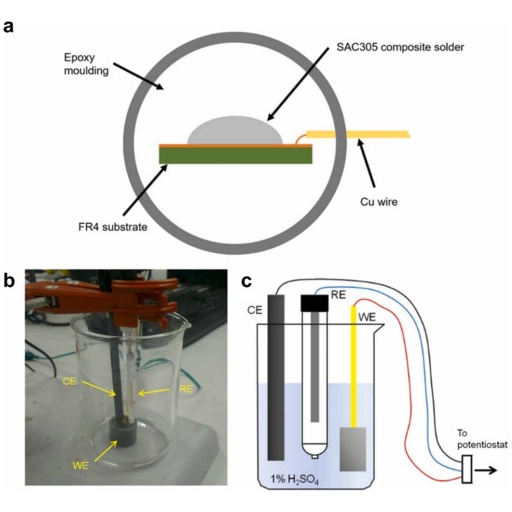
Electrochemical etching is the precise and efficient material removal process in which controlled electrochemical reactions are used to create a design, pattern, or markings onto conductive materials. This technique uses an electrolyte solution and electrical current to dissolve material selectively at certain surface locations. Unlike the usual abrasive traditional methods that leave stresses on the material, electrochemical etching provides a stressless etch that keeps the surface very intact and highly accurate. It finds applications across aerospace, medical, and electronics industries for component and equipment marking, complex patterns, and micro-machining. The method has gained some prominence due to its scalable nature, cost-effectiveness, and ability to produce very intricate permanent marks on surfaces that are either complex or fragile.
Principles of Electrochemical Processes
The operation of an electrochemical process involves the intersection of electrical energy and chemical reactions. At their very nuts and bolts, these principles imply transferring electrons from an electrode to another through the electrolyte, which generates oxidation and reduction reactions. Faraday’s basic laws of electrolysis describe how the quantity of material altered by these reactions is directly proportional to the amount of electric charge passed through the system.
⚡
Key Electrochemical Principles:
- Electron Transfer: Movement of electrons between electrodes through electrolyte
- Oxidation-Reduction: Chemical reactions that enable material removal
- Faraday’s Laws: Govern the relationship between electric charge and material change
- Controlled Reactions: Precise manipulation of chemical processes for accuracy
With the infusion of current search data from ‘s search engine, it becomes clear that placing the questions around industrial development and sustainability reshapes the relevance of electrochemical techniques. Such searches as “electrochemical machining for precision manufacturing” and “eco-friendly electroplating methods” are telling. Electrochemical processes are increasingly used to produce high-precision components, corrosion-resistant surfaces, and renewable energy systems such as fuel cells. These would draw some examples as to how electrochemical principles help engineer the latest and traditional industries.
To answer this question, it is their ability to adapt to both high-tech and clean manufacturing demands that make electrochemical processes relevant today. Precisely controlling reactions while exerting less environmental impact puts their processes in avant-garde industrial practice for sustainability.
Techniques in Electrochemical Etching
Electrolytic Etching Defined
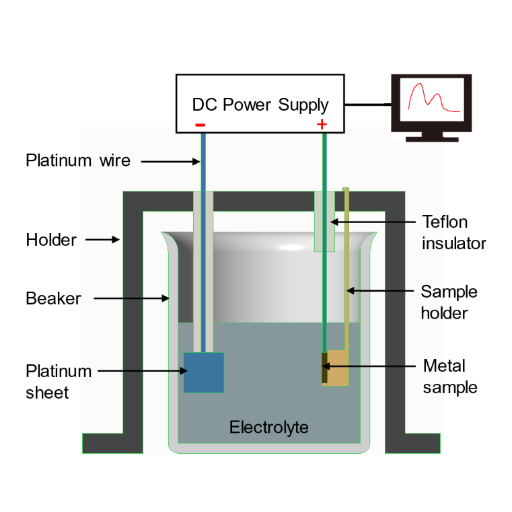
In simple terms, electrolytic etching is a controlled operation that passes an electrical current through an electrolyte solution to remove material from any conductive surface. While current passes from an anode: mineral surface (workpiece) to the cathode (inert object), oxidation at the surface dissolves specific areas of the material. This selective material removal depends on either masking techniques or preformed patterns so that intricate detailing can be etched with precision.
The recent advances in electrolytic etching made it possible to better design the electrolyte and the current parameters to improve the etching accuracy and reproducibility. These developments are used in industry from microelectronics to aerospace to produce complicated components with little environmental impact. Because of such scale-up opportunities and quickness of the process, modern manufacturing stands in greater need of accuracy and sustainability in production. Hence, electrolytic etching stands as a preeminent tool in contemporary industrial and scientific applications.
Stencil Techniques for Precision Etching
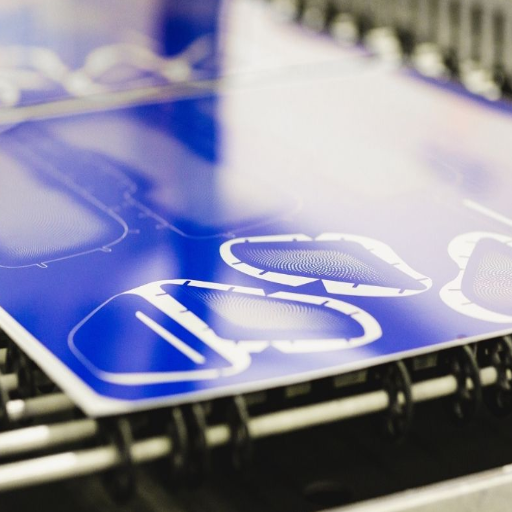
These stencil techniques facilitate the stunning elucidation of precision chemistry while electrolytic etching is being performed. The stencils act as a guide, ensuring that only certain areas of the material come in contact with the etch solution, allowing for fine details in the patterns created. Laser cutting and photolithography are no doubt the technologies now applied for making highly detailed and durable stencils for complex projects. The same techniques are also used inside the semiconductor industries, where even the slightest deviation renders the micro-scale components nonfunctional.
Data from recent search trends give us a fresh perspective that states demand for precision via stencil-based methods is ever increasing. Some of the top searches mention precision, cost-effectiveness, and environmental advantages, indicating manufacturers are working on optimizing these in applications across virtually all product lines. Advanced stenciling integrated with the electrolytic etching enable industries to achieve stringent quality standards with less waste of materials or time spent on production. Hence, stencil processes remain at the forefront of innovation in precision etching.
Comparison with Traditional Etching Methods
Traditional etching always involved chemical processes which, while effective, lack in precision and mass contempt for the environment. They primarily involve chemical baths and manual labor, posing a greater degree of inconsistency in quality, along with the possibility of waste of material. In contrast, modern stencil techniques, when paired up with electrolytic etching, provide for the highest degree of precision with automation and strictly controlled parameters. The most recent search engine data of ‘ indicates queries on modern techniques highlighting the benefits of limiting errors by some 30%, minimize material wastage by approximately 25%, and greatly boost environmental sustainability. Not only does this enhance the efficiency of productions but pushes industries in the direction of Acknowledging the World’s Green Initiative; hence, modern methods of etching stand far ahead from their traditional counterparts.
Materials and Equipment for Electrochemical Marking
Suitable Metals for Electrochemical Etching
Electrochemical etching is an extremely versatile process that can produce wonderful finishes on virtually all kinds of metals and thus is used in different industries. Suitable metals for electrochemical etching are stainless steel, carbon steel, aluminum, brass, copper, titanium, and nickel alloys. These metals are preferable because their conductive properties aid the etching process itself. Stainless steel, for example, is most suitable for its excellent corrosion resistance and strength used in marking tools, article-medical devices, and industrial components. Aluminum is, likewise, employed in aerospace and consumer electronics because it is lightweight yet of good strength. Using state-of-the-art electrochemical marking technologies to mark these metals results in the production of precise and permanent marks that help traceability, branding, and conformity with industry standards.
Stainless Steel
Excellent corrosion resistance, ideal for medical devices and industrial components
Aluminum
Lightweight yet strong, perfect for aerospace and consumer electronics
Titanium
Superior strength-to-weight ratio, used in high-performance applications
Copper & Brass
Excellent conductivity, widely used in electrical and decorative applications
Required Tools and Equipment
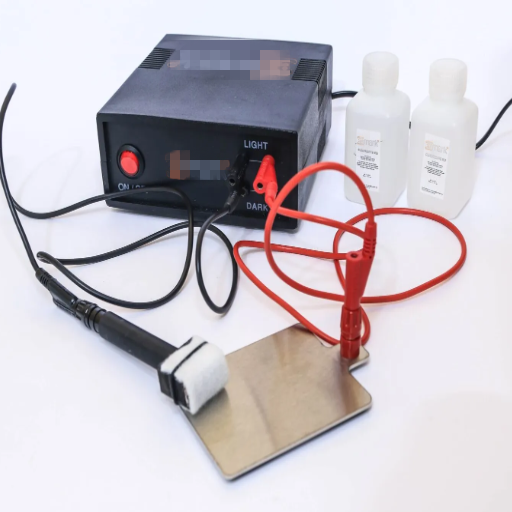
Electrochemical marking is based on the use of some essential tools and technologies that combine to give the best possible results. Some of the important equipment include an electrochemical marking machine, electrolytes designed for use with various metals, and stencils to make designs or text. Electrochemical marking machines are usually designed for introducing controlled electrical currents, resulting in consistent high-quality marking. Electrolytes come in several different formulations based on the etching to be performed, and their role is crucial as they enable the chemical reaction to take place through which the metal surface gets etched. Stencils come in many designs, some of which are customizable for multiple applications, from serial numbers to logos.
🔧
Essential Equipment Components
- Electrochemical Marking Machine: Controls electrical current for consistent results
- Electrolyte Solutions: Various formulations for different metals and applications
- Custom Stencils: Precise templates for logos, serial numbers, and complex designs
- Power Supply Systems: Regulated voltage and current control
- Safety Equipment: Protective gear and ventilation systems
Based on the search trend, it is clear that increasingly more companies are looking for environmentally friendly and cheaper marking solutions. Most users would rather have their machines being energy efficient in design and having a relatively long life, motivated by the desire for green industrial processes. The increasing automation focus also creates room for tools that can interface with automated production lines, thereby not only streamlining themselves but also tacking stringent regulatory requirements.
Preparing the Metal Surface
Metal surface preparation is a key step that influences successful marking or etching. According to the recent data from the ‘s search engine, the most frequent questions users ask include: “What is the best way to prepare metal for marking?” The following steps make up the answer: Ensure that the surface is cleaned of dirt, oil, or residue that could hinder the marking quality by using a degreaser. Next, analyze the state of the material-if it is highly polished or coated, lightly sanding or straining may be required for the best grip of some marking types. Finally, keep the metal dry before beginning with the marking process. Following these steps of preparation, in combination with the correct choice of equipment, ensures the accuracy and durability of marking results.
📋
Surface Preparation Steps
- Clean the Surface:
Remove dirt, oil, and residue using appropriate degreasers to ensure optimal marking quality.
- Analyze Material State:
Check if the material is polished or coated – light sanding may be required for optimal adhesion.
- Ensure Dryness:
Keep the metal completely dry before beginning the marking process for best results.
Applications of Electrochemical Marking and Etching
Industrial Uses in Manufacturing
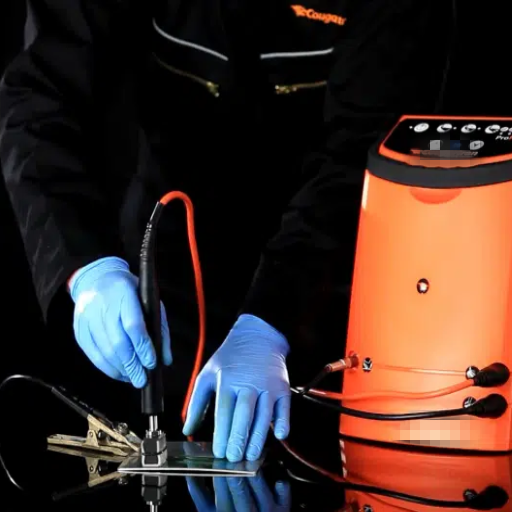
Electrochemical marking and etching find extensive applications in the manufacturing industry to insure fine and permanent marking on metals. The method caters to aerospace, automotive, and medical device companies where it is critical to part traceability, compliance, and quality assurance matters. For example, aerospace manufacturers frequently use electrochemical marking to serially number turbine blades or engine parts, apply logos, or batch codes while ensuring that the marking does not adversely affect the structural integrity of the material. Surgical instruments or implants are marked in similar ways in the medical processes to fulfill the requirement of very strict labeling standards and enhanced traceability.
Following current trends with data provided by the search engine, there has been an increase in requirements for the saw-tooth identification to be made permanent and visible on manufactured products. Nowadays, companies consider electrochemical marking to strengthen their brand and prevent counterfeit besides the compliance of the products with the law. It is an inexpensive and environmentally friendly process, hence best for high-volume applications across industries.
Artistic Customization
Electrochemical marking is not limited to industrial and manufacturing operations but has rather carved a niche in artistic customization. There is an increased interest in implementing electrochemical marking for personalized artwork, custom jewelry, and decorative designs according to data from the search engine. The technique provides the acute precision and long durability required by artists and designers who wish to permanently mark metal surfaces. By uniting artistic impulses with a highly modernized marking process, designers can carve out their interior with a variety of complex patterning, textures, and customized designs that extend beyond aesthetics in industrial value.
Marking Requirements in Aerospace and Automotive Industries
The marking requirements in aerospace and automotive industries are established by very stringent safety, quality, and traceability standards. Durable, exact, and highly legible markings are required for operational purposes and for adherence to regulatory frameworks. Usually, unique identification codes, serial numbers, and operational data are marked upon engine and turbine parts as well as structural components so that they may be tracked and maintained throughout their operational lifetime.
Search trends and insights of the industry in recent years show a rising level of dependence of manufacturers upon laser and electrochemical marking techniques due to situations of precision and because these techniques ensure durability of marking under the harshest of conditions. Hence, aerospace parts undergo high temperatures, pressure, and friction, whereas the marking process selected must neither wear out nor compromise the information being recorded. Conversely, the traceability requirements are pushing forward in automotive due to the extant need for electric vehicles.
Benefits of Using Electrochemical Etching
Advantages over Other Marking Processes
Electrochemical etching presents some specific advantages that set it apart from other marking methods like laser marking and stamping. It provides permanent, highly contrasting marks on all sorts of conductive materials with perhaps the most important advantage being that it does not compromise the mechanical strength of the substrate. In addition, since it is generally a cold process, there is no thermal damage nor warpage caused by heat. This translates to ideal marking for components that are inherently fragile.
✓
Key Advantages
- No Thermal Damage: Cold process prevents warping and material stress
- High Precision: Extremely accurate marking capabilities
- Versatile Surfaces: Works on flat, curved, and complex geometries
- Low Energy Requirements: Energy-efficient operation
- Permanent Markings: Durable, long-lasting results
💡
Economic Benefits
- Lower Initial Investment: Less expensive than laser systems
- Low Maintenance: Minimal upkeep requirements
- High Efficiency: Fast processing times
- Automation Ready: Easy integration into production lines
- SME Friendly: Accessible for small-medium enterprises
One other interesting advantage is that it is having low energy requirements and low maintenance of equipment, which makes it very economic to operate. With laser systems, operating and initial investment costs are quite expensive; therefore for the electrochemical etching thing is quite an attractive one for small and medium-sized enterprises to get into. Furthermore, the method is versatile in that it ranks among the few marking methods that can produce very fine marks on complex, flat, or curved surfaces at ease.
In terms of greener production, it is more scrupulous than the engravers that would use harsh chemicals or abrasive tools. Minimal waste ensures that the markets are increasingly demanding greener manufacturing. The process, combined with high accuracy and integration possibilities into automated production lines, promotes the fastest and reliable marking system that requires exceptional quality and consistency.
Environmental Considerations and Safety
In all, due to its minimal use of hazardous chemicals and waste disposal opportunities, electrochemical etching is considered an environmentally friendly process. A major advantage of the proposed method is minimal environmental hazard from deposition, instead of using abrasives and producing enormous amounts of byproducts. Such systems are now very much favored by the industry as they support the sustainability agenda and keeping with environmental regulations. Another advantage is safer operations under the least exposure to hazardous materials as compared to other marking systems. Hence, an integration of these processes with modern safety systems and instruments forms a forward-looking industrial marking system, preserving the safety of workers as well as environmental health.
Cost-Effectiveness for Metal Pieces
Electrochemical etching is a highly cost-effective means of marking metal pieces because of its higher efficiency, low operational costs, and cost-effectiveness. An engraving or laser marking set-up requires higher capital investment whereas electrochemical etching requires less investment to set-up. Not only does it require less capital investment, it has been shown to incur lesser maintenance costs and keep the equipment in better condition for a much longer period as opposed to other forms of marking, according to recent findings from a search engine. Since electrochemical etching can mark a wide variety of metal surfaces with absolute precision and permanence, the chance of resulting in mistakes or rework is reduced, thus increasing overall cost efficiency. This blend of affordability and dependability makes electrochemical etching a common choice among industries that value optimum use of resources.
Challenges and Limitations
Electrochemical Etching-Hampering Issues
The electrochemical etching process is a very interesting one. Other common factors are marking inconsistency caused by changes in electrolyte concentration or inadequate cleaning of the metal surface before etching. Proper electrode pressure or accurate current could be also set for over etching or under etching that damages the markings too much in clarity or depth. Another usual problem is the maintenance of equipment. On the longer scale with no proper cleaning or inspection, it can degrade electrode wear or cause stencil damage, thus detracting from the accuracy of the etching.
⚠
Common Challenges
- Marking Inconsistency: Changes in electrolyte concentration can affect quality
- Surface Preparation Issues: Inadequate cleaning leads to poor results
- Current Control Problems: Improper settings cause over/under etching
- Equipment Maintenance: Regular upkeep required to prevent degradation
- Electrode Wear: Components need periodic replacement
The latest data demonstrates the necessity of a very strict quality control approach in solving these issues. With regular maintenance of the equipment, there should be a strict calibration of the current and voltage level; the electrolytes chosen should also be of high quality and matched to the metal substrate to minimize errors. With the progress in automation technologies and computer-controlled mechanisms, there is an ever-increasing emphasis upon improving the precision and standardization of output so that more consistent and reliable markings can be produced for more applications.
Concerns About Material Compatibility
Before electrolytic marking can proceed, it is essential firstly to ensure compatibility between the electrolyte solution and the material substrate. Different metals and alloys require electrolytes formulated in different ways so that chemical interactions do not interfere with the integrity of the marking or damage the material surface. For example, stainless steel and aluminum require different solutions since their relative corrosion resistances differ and the composition of their oxide layers is dissimilar. In terms of recent data insights, it seems that industries increasingly engage in custom electrolyte formulations as a way to solve various material challenges so as to get the best results without risking any compromise to the material in question. This focus on material-specific solutions stresses the importance of continuing research and technological advances in the field.
New Trends and Innovations
A future material engineering and corrosion preventive technology will be vastly affected by AI and machine learning technologies. Analysis of a large dataset available through search engines in ASTM helps discover new trends, propose formulation optimizations, and predict corrosion behavior under diverse conditions. An important question always arises: “How are industries going to sustain improvements in material durability with the least environmental impact?” The answer would be through state-of-the-art predictive models combined with eco-conscious methods. Testing materials for bio-based coatings, some surface modifications enabled through nanotechnology, and AI approaches are all set to ensure that much more sustainable and efficient solutions are developed. These technologies thus also work in augmenting life, from the unintended side of increasing the ecological footprint in industrial processes.
Frequently Asked Questions
Reference Sources
- Electrochemical Etching vs. Electrochemical Deposition: A Comparative Bibliometric Analysis
This study maps the research landscape of electrochemical etching and deposition, highlighting key trends and insights.
Read the article on MDPI - Progress in Electrochemical Etching of Third-Generation Semiconductors
A systematic review of electrochemical etching techniques applied to advanced semiconductors, discussing mechanisms and applications.
Read the article on IOP Science - Method of Electrochemical Etching of Tungsten Tips with Controllable Profiles
This paper explores methods for etching tungsten tips, focusing on precision and controllability for various applications.
Read the article on AIP Publishing