When creating a union between two pieces of metal, the terms welding, brazing, and soldering are often used in interchange; however, each has an application and characteristics different from the others. This distinction should be clear to those working in manufacturing, construction, or automotive repair, since the choice of method employed can dictate the strength, speed, or cost of a project. This article endeavors to bring clarity to the differences between these processes by offering a comparative explanation of their workings, their merits and demerits, and the sort of applications for which each process would be best. Products abound in the marketplaces targeting engineers and technicians alike, but this article hopes to impart the information needed to decide which joining method would be appropriate for a given procedure.
Introduction to Joining Techniques
Overview of Brazing
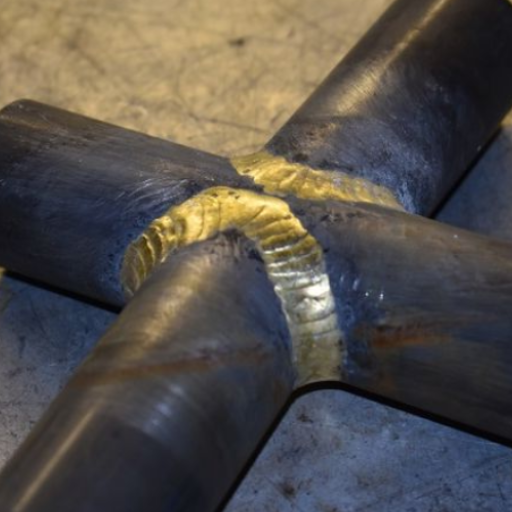
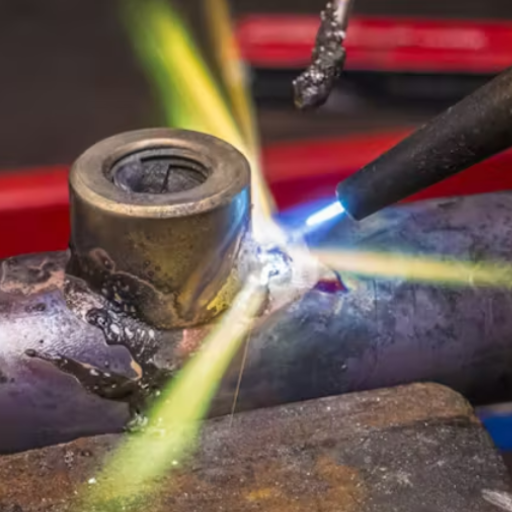
Brazing is a metal joining technique in which a filler metal alloy is heated beyond its melting point until it flows between two closely fitted base metal components in a deliberately made gap through capillary action. The melting point of the filler metal is always considerably lower than that of the base metals joined so as not to alter the base materials or their structural characteristics to any degree. The filler metals commonly used include various alloys of silver, copper, aluminum, and nickel, largely chosen on the basis of their compatibility with the base metals and the working environment of the joint.
As per the latest data and information, brazing is preferred mostly where clean and precision joining is required, for example, in aerospace, automotive, and electronic industries. It is preferred because brazing creates strong, leak-proof joints without causing distortion or thermal damage, which generally happens in higher-temperature welding processes. Brazing also joins dissimilar metals very well, so it is extremely versatile.
The disadvantages of brazing are the joint is weaker than welding, and the joint clearance has to be extremely precise to encourage good capillary action. It is also unsuitable for applications that will undergo very high loading of a level that will cause it to fail or at a temperature high enough to melt the filler material. Still, brazing is an invaluable technique whenever precision, minimal thermal effect, and aesthetic appeal are issues.
Overview of Welding
Welding is basically a fabrication process that ensures joining materials, especially metals or thermoplastics, using heat to melt them, pressure to hold them together, or combinations of them. Over and above these considerations, welding develops a hardy and permanent harmony between the materials by fusing base materials at the molecular level. It is a very important process for construction, manufacture, automobile industries, and so forth. A recent study shows that various welding types exist, including MIG (Metal Inert Gas), TIG (Tungsten Inert Gas), stick welding, and laser welding, with each tailored for a specific application and material type.
So according to the latest search trends, there appears to be growing interest in advanced welding processes such as robotic welding and friction stir welding. Industrially, robotic welding is deemed to have great potential due to improved efficiency and accuracy. In contrast, friction stir welding is joined with great praises for its ability to weld two dissimilar materials without melting, thus drastically reducing defects and maintaining structural integrity. Evidence of the evolution of such technologies shows how crucial welding is to contemporary engineering and manufacturing requirements.
Overview of Soldering
Soldering is a precise technique that physically joins two or more metal parts together by melting the filler metal called solder without melting the base metals. This method is employed chiefly in the electronics business, plumbing, and metalwork because it can provide reliable and conductive bonds. Modern soldering has now been equipped with all the requisite apparatuses that include temperature-controlled soldering irons and lead-free solder alloys necessitated by safety, environmental, and regulatory standards. Research also points to the increasing trend for automation and robotic soldering in high-volume production, providing great repeatability while reducing human errors. According to the latest data by, the number of queries regarding “best lead-free solder for electronics” and “tips for soldering small components” shows the increasing interest in green practices and precision tools. Such a trajectory highlights the continuing relevance of soldering across different sectors whose innovation is vital to meeting technical and regulatory requirements.
Key Differences Between Brazing and Welding
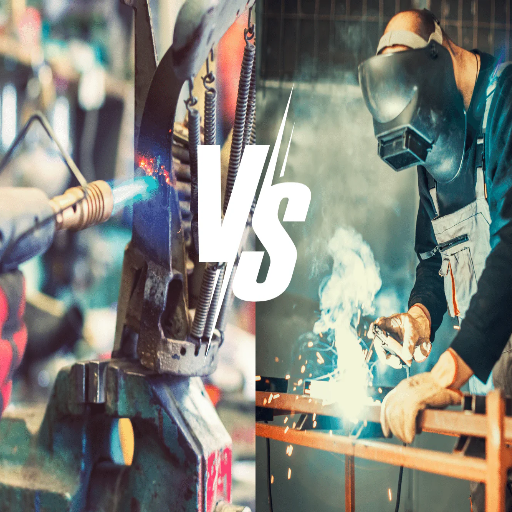
The Process of Brazing vs Welding
The processes of brazing and welding differ significantly in their processes and applications. Brazing is the process of joining two or a few metals by melting the filler metal into the joint; the filler metal has a melting point lower than those of the base metals, so that the base materials do not melt. Brazing can join metals in very precise ways without altering the structural characteristics of the base metals, which could be suitable for delicate assemblies or dissimilar materials. In contrast, welding relies on high heat that melts the base metals to join them; therefore, the base metals should be similar in nature so that the joint can be uniform and strong.
Based on recent inputs from the search engine of , questions with keywords like “brazing vs welding strength” or “best methods for joining dissimilar metals” are now trending bigger. This implies there is some interest in potential applications where these two methods could become interchangeable. Brazing usually goes in when heat distortion has to be kept to a minimum or when final appearance counts, while welding goes in for the heavy-duty applications where strength has to be maximum. The rising interest in ecological concerns, through terms like “low energy brazing techniques” and “sustainable welding practices,” points to the latest trends influencing material joining processes. An appreciation of such finer differences becomes necessary, with appropriate selection being based on specific techno-environmental considerations.
Difference Between Brazing and Welding Techniques
Brazing and welding are joining methods considered by some as interchangeable options when it comes to joining materials, but they are very different technically, in terms of application as well as processing conditions. Welding melts the base materials to join the components strongly, while brazing employs a filler metal with a lower melting temperature to join components without melting the base metals. This allows welding to be positioned more towards structural applications where high strength is required, e.g., construction and heavy machinery, whereas brazing becomes a precision job and components sensitive to heat such as electronics, plumbing systems, and some medical equipment.
According to the latest from the search engine of , there has been an increasing emphasis on processes that combine technical performance with an environmental view. Search words such as “low-energy brazing techniques” highlight a growing interest in processes leaning toward energy conservation, putting brazing as a sustainable alternative in certain scenarios. Representations like “high-strength welding for aerospace” emphasize welding in industries where durability is the highest concern. Such trends paint a picture of the welding mainly being used in high stress, heavy-duty applications while brazing is gaining ground as an environmental conscious option for fine assembly.
Choosing between brazing and welding comes down to pure technical requirements-e.g., strength, precision, thermal impacts- and the more general considerations on energy efficiency and sustainability. Taking everything into consideration, manufacturers and engineers could then adjust their approach towards joining of materials accordingly to what’s being demanded by industries today and their opposite ecological accord.
Tensile Strength Comparison
In a general comparison between brazing and welding, the latter is considered superior in terms of tensile strength because the capability to attain a greater degree of mechanical integrity is imparted by welding. Welding is the process of joining base materials by melting them to form a metallurgical bond which can reach or sometimes exceed the tensile strength of the parent materials. On the other hand, brazing uses a filler metal that has a lower melting point to join parts, and this normally gives less tensile strength compared to welded joints, especially in high-load applications.
On the contrary, with the development of brazing methods and materials like the introduction of high-strength filler alloys and the optimization of joint design, the gap in tensile strength between welded and brazed joints has been reduced for certain specific applications. In cases where brazing ensures some advantages for application concerning higher precision, lower thermal impact, or joining of various base metals, it is adopted. So in the end, the choice between brazing and welding comes from the application itself and its performance needs, compatibility between industries, and basic research orientation based on the most recent experience of engineers and materials testing.
Advantages and Disadvantages of Brazing and Welding
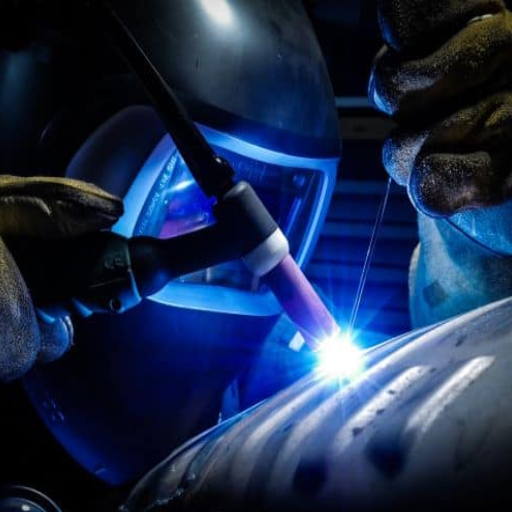
Benefits of Brazing
Brazing is laden with perks that render it a rigid phenomenon in the modern domain of engineering and manufacture. One of the benefits is that it joins dissimilar metals with great little heat distortion, retaining the strength of base materials. While welding involves excruciating heat that distorts and weakens materials, brazing does not entail melting of the base materials, thereby lessening this propensity during high-temperature exposure. Besides, the joints are made with an even distribution of force, often being stronger than the material being joined, thus ensuring durability and reliability during working conditions.
The other important advantage of brazing is its precision and related scalability, especially for assembling small parts or producing them in very high numbers. According to industry reports and modern research, the automation of brazing makes the process efficient and consistent. Another concept that sets brazing apart from other joining techniques is its ability to fill complicated joint geometries by means of capillary action. Lastly, brazing can marry alloys of corrosion resistance or thermal conductivity to tailor solutions for demanding environments, such as aerospace or electronic applications. These considerations highlight brazing as technically sound and versatile joining means.
Disadvantages of Brazing
Temperature Sensitivity
Brazing normally carried out between 800 and 2000°F often causes changes to the metallurgical properties of the base materials, making it hazardous to heat-sensitive units.
Lower Strength
The strength of what has been joined by brazing is inferior to welded joints, limiting its usefulness in applications that demand high strength from mechanical actions.
Joint Integrity Issues
Joints may lose their integrity when subjected to extreme operating conditions, particularly with large mechanical loads or constant vibration.
Precision Requirements
Lack of tight control over joint clearances may greatly diminish the capillary action that distributes the filler metals.
Cost Considerations
Base material and filler alloy must complement each other, potentially forcing the use of pricier filler options such as silver-based alloys, along with strict cleaning requirements.
Benefits of Welding
Superior Strength and Permanence
Welded joints can endure great stresses through mechanical incidents and harsh environmental conditions, making them crucial for aerospace, automotive, and infrastructure development.
Material Versatility
The process handles all sorts of materials from steel to aluminum, titanium, and diversified alloys with high precision through advanced techniques like laser beam welding and robotic systems.
Automation Capabilities
Integration with robotic systems operates with higher precision, enhancing efficiency and lowering wastage while mitigating labor shortages and augmenting consistency.
Sustainable Development
Newer developments accommodate sustainable aims through hybrid welding and use of environmentally friendly consumables that minimize emissions and energy consumption.
Drawbacks of Welding
While welding remains a critical process in industrial and manufacturing settings, it grants quite significant drawbacks, especially if one goes by recent data trends. One very fundamental concern is identified with toxic fumes and the ultraviolet (UV) radiation that welders receive during welding operations. Apparently, according to data from the Occupational Safety and Health Administration (OSHA), prolonged exposure to welding fumes prompts respiratory ailments, whereas UV radiation can produce abject eye injuries such as “arc eye.”
Welding is yet another of energy-consuming processes that are beside making high salaries, also causing profit-making operational expenditures and elevated carbon emissions. On the other hand, though remedies such as hybrid and energy-efficient methods have been brought in on the table, traditional welding techniques are the ones yet to become energy-efficient, which could be considered counter-productive on the modern urge for sustainability.
Material distortion or material weakness resulting from incorrect welding methods, especially in the welding of delicate or thin materials, can be another drawback. These types of extreme heat will induce a lot of residual stress inside, rather than act as a quick way to bind materials together, making something at the very least structurally damaged on occlusions may frequently cure the integrity of the resulting product. On the other hand, a welder is a highly skilled technician. The global shortage of skilled welders, however, has always posed major problems for industries depending on this technology.
Last but not least, the expenses for equipment, maintenance, and consumables related to specialized welding applications create substantial barriers for smaller-scale operations or businesses operating on limited budgets. While these challenges are indeed big enough, they also represent the basis for further innovations and safety practices in the welding business.
Common Applications of Brazing and Welding
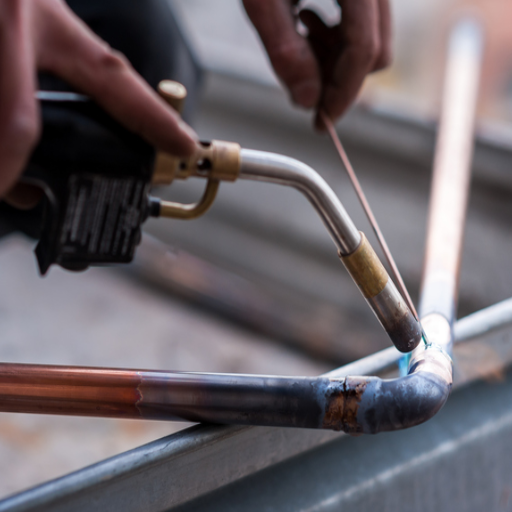
Industries that Use Brazing
Brazing is an extremely versatile joining process used in many different industries because it can produce strong joints that are above all leakage-proof, yet it prevents the melting of the base materials. Essentially one of the major industries that employ brazing is aerospace, for instance, turbine blades, heat exchangers, and jet engine assemblies-all require extreme precision and need to resist operational conditions of very high order. Similarly, manufacturers in the automotive sector employ brazing in fuel injection assemblies, radiators, and air conditioning systems, where the method’s use in joining dissimilar metals with very little thermal distortion is a welcome thing.
In HVAC, brazing is mainly utilized to join copper refrigerant lines and create durable, defect-free seals for high-pressure systems. Also, the electronics industry uses brazing to make strong joints for assembly in circuit boards and microelectronic components and for hermetic sealing, which is crucial for devices requiring both high reliability and tight tolerances. Brazing is becoming more frequently used in the medical equipment industry for the assembly of surgical instruments, diagnostic tools, and implantable devices where uncontaminated, precise joints are considered extremely important, according to recent trends in searches and market evaluations.
Such diverse applications attest to the wide applicability of the brazing technique, especially in those industries where structural integrity, dependability, and tailor-made solutions for complex assemblies are required. Considering the ever-advancing brazing alloys and automation technologies, the future looks bright for its increased utilization in emerging sectors.
Industries that Use Welding
Welding is a crucial process that has been applied for the fabrication of various joints across industries owing to its significance in making strong joints. Recent data regarding welding industries generally include the following:
Automotive Industry
Welding in automotive manufacturing mainly adds to the fabrication of vehicle frames, engine components, and exhaust systems. Advanced welding techniques such as laser welding and robotic welding bring precision and efficiency in executing very high volume projects.
Construction and Infrastructure
Structural welding is extremely important when it comes to erecting bridges, skyscrapers, pipelines, and other construction projects. Welding under heavy loads involves many types of arc welding, including GMAW.
Aerospace and Defense
In the aerospace industry, welds are used to assemble aircraft, spacecraft, and defense equipment. Some of the more important welding candidates to this industry are electron beam welding and friction stir welding of exotic alloys.
Energy Industry
Welding is indispensable in the energy sector, comprising oil and gas, renewable energy, and nuclear power. It welds pipelines, wind turbines, offshore rigs, and pressure vessels under extreme conditions where reliability is a must.
Ship Repair and Marine
Building and repairing of ships, submarines, and offshore platforms depend heavily on welds made with special attention to corrosion resistance properties of the materials involved.
Among those industries describe the versatility and indispensable characteristics of welding. With innovations in automated and AI-powered welding systems, the scope of its application continues to expand, ensuring that it will meet increasing modern industrial demands.
Comparison of Automotive and Aerospace Applications
A comparative view of the application of welding in the automotive and aerospace industries reveals similarity and contrast based on the unique demands and operational frameworks posed by each sector. Welding methods are heavily relied upon in automotive manufacturing as it emphasizes the least time consumption. Most recent data suggest that resistance spot welding is employed in over 70% of automotive assembly worldwide because of its speed and reliability in joining thin sheets of metal. The automotive sector emphasizes cost-effectiveness, durability of materials, and the scalability of production systems with a heavy weight on lightweight materials such as aluminum and high-strength steels to improve fuel efficiency.
The aerospace side is more keen on accurate work and the performance of material under extreme conditions. With advanced materials such as titanium alloys and composites, the aerospace sector employs laser beam welding and friction stir welding. These methods allow for very strong welds relative to the weight of the weld, which is very important in flight dynamics and fuel economy. On the other hand, the high degree of safety standards and certification requirements imposes the use of welding processes that could be automated and fully controlled in aerospace production.
While robotic welding and AI-supported monitoring systems are cutting-edge technologies in both industries, objectives differ; automotive applications demand speed and cost-efficiency for mass production, whereas aerospace applications prioritize highest structural-integrity and performance, often in higher costs. Consider these differences as an illustration of industry-specific requirements that have led to welding technology being tailored in order to achieve the best results in both.
Choosing Between Brazing and Welding
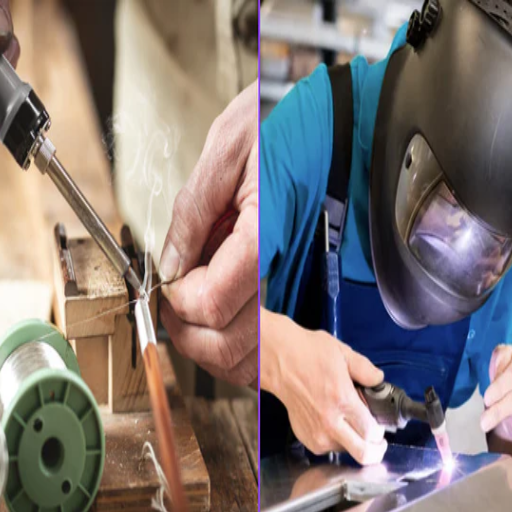
Cost Considerations
Several major factors affect the cost consideration between brazing and welding. Brazing can command lower equipment costs, as the machinery involved tends to be less expensive and requires less special tooling. Brazing may also join dissimilar materials with slight thermal distortion, which could, in a few applications, reduce material-level cost. On the other hand, using filler materials such as silver alloys could add recurring costs that are high, depending on the chosen requirements for the particular application.
In contrast, welding involves higher initial costs for machinery considered some of the most advanced, for safety equipment, and for skilled subject operators. In addition, various processes position additional costs, such as expenses for gases, electrodes, and maintenance under TIG or MIG welding. The large-scale projects requiring relatively stronger joints, on the other hand, outweigh welding costs due to the fact that welding bypasses filler metals that are expensive if similar materials are joined.
Hence, the decision about brazing versus welding really depends on a number of criteria including the budget, material compatibility, and production scale, as well as performance specifications. Careful consideration of these factors is paramount in arriving at a cost-efficient and technically acceptable solution.
Equipment and Tooling Requirements
Considering equipment and tooling requirements for brazing or welding requires that the tools selected be appropriate to the work carried out. For welding, equipment would include a power source such as MIG, TIG, or arc welders; electrodes or filler materials; protective equipment; and clamps for securing workpieces. For some welding methods, additional equipment such as gas cylinders or flux may be needed. More complex welding processes may even demand automated equipment like robotic welders or CNC-controlled machinery to guarantee precision and repeatability.
In contrast, in brazing, a heat source greater enough to attain the desired temperature would be necessary, whether it be a gas torch, induction heating system, or furnace. Brazing tools consist of filler metals with a predetermined melting point appropriate for the materials being joined, flux to prevent oxidation during heating, and jigs or fixtures to hold the components in the required configuration. Even though in general brazing involves working temperatures much lower than welding, one has always to ensure that the heat is distributed evenly across the heating surface, so the joint remains strong and reliable.
Until now, in both areas, hybrid systems and automated solutions are gaining acceptance. Analysis of search data points out that “automated welding systems” and “induction brazing equipment” have been searched more than ever before, underlining the industry’s emphasis on efficiency and accuracy. This also stresses how the proper equipment choice will not just affect weld or brazed joint quality but will also dictate process efficiency and cost.
Skill Levels and Requirements for Each Process
Welding and brazing skill levels differ largely depending on the complexity of the method, the type of material, and the required precision. The more skillful the manual processes are the ones where welding requires experience, say TIG and MIG welding, which demand a steady hand and deep knowledge of heat control. According to search trends, automated welding systems increasingly reduce the skill requirement, thereby enabling operators with moderate training to produce professional-grade results.
With brazing, the method can be considered less technical in its application compared to welding; however, consistent results demand a basic understanding of joint design, material compatibility, and flux application. The rise in searches for “induction brazing equipment” signifies trends in the industry leaning toward automation in brazing as well, thereby moving away from manual advanced skills to system operation skills.
In summary, while both methods can embrace automated solutions to reduce skill requirements, operators should hope to learn to maintain, program, and optimize these systems as modern industries impose the demand for further efficiency and precision.
Frequently Asked Questions
What distinguishes brazing from welding?
The main differences between brazing and welding boil down to the temperatures and melting processes associated with them. Welding melts the base metal and the filler metal at much higher temperatures to form a strong joint. Brazing, however, joins two pieces of metal by means of a filler metal that melts at a temperature lower than that of the base metals. So the base metals are not melted in brazing, meaning that dissimilar metals can be joined without distortion from the heating process. Both can render a permanent joint, but the choice between them really depends on the application and materials involved.
Brazing versus welding: what happens during the processes?
In brazing, the pieces to be joined are heated and molten filler metal applied to the joint. The filler then fills up the joint through capillary action. Unlike in welding, the base metals are not melted but held at lower temperatures so as to retain their original shape. This method is advantageous in the assembly of dissimilar metals, such as steel and copper, to form strong joints with good bonding between the filler metal and base materials. Brazing can be done using a torch or in a furnace, allowing it some degree of versatility. Hence, brazing provides a unique joining method to complement welding, especially when less heat is required or when different types of metals have to be fused.
Welding and brazing in metal fabrication: what methods are used?
Many different types of welding methods are used in metal fabrication, notably arc welding and gas tungsten arc welding (TIG). These methods melt the base metal and add filler material for a welded joint. Brazing processes, on the contrary, make use of a filler metal that melts at a lower temperature, so the joining of metal parts happens without melting the base materials. Torch and furnace brazing are the most common methods, with each having its own benefits, depending on the materials and strength of joint required. A comprehension of the welding and brazing techniques enables one to choose the right technique according to a particular fabrication need.
Is it possible to join dissimilar metals by brazing?
Brazing is an effective way to join dissimilar metals and is often the preferred process when such joining becomes necessary. The main attraction of brazing processes is that the metals with different melting points can be joined without melting the base materials. The filler metals used in brazing are chosen to complement the thermal and mechanical properties of the metals being joined to produce a strong joint. Moreover, brazing results in considerably less distortion than welding; this is advantageous when dealing with thin sheets or when a complex assembly is involved: thus, brazing can be adapted to many joining requirements.
Why is brazing labeled lower temperature than welding?
Brazing is termed a lower temperature process compared to welding because the filler metal’s melting point in brazing is far lower than that in welding. Welding requires enough heat to melt the base metals; brazing goes lower in the temperature scale by never melting the base metals but above 450°C or so. This application of lesser heat is good since it reduces the chances of thermal distortion and damage to the base metals. Another instance in which this has proven advantageous is when there is need to join metals that are sensitive in one way or the other or metals that are rather thin since there would be no compromise in the structural integrity of these metals. Hence, brazing could become a first option in situations involving heat-sensitive components.
Reference Sources
- University of Texas – Feedback Control of Gas Metal Arc Braze-Welding Using Thermal Signals: This study explores the braze-welding process, focusing on feedback control and parameter studies for brazing and welding applications.
- Ohio State University – Active Metal Brazing of Ceramics: This research discusses brazing techniques, including the wetting of liquid filler metals on ceramic surfaces, and compares it to other metal joining methods like welding.
- ERIC (Education Resources Information Center) – Welding: This document provides an overview of various welding techniques, including oxyacetylene braze welding, and compares them to other methods like arc welding.