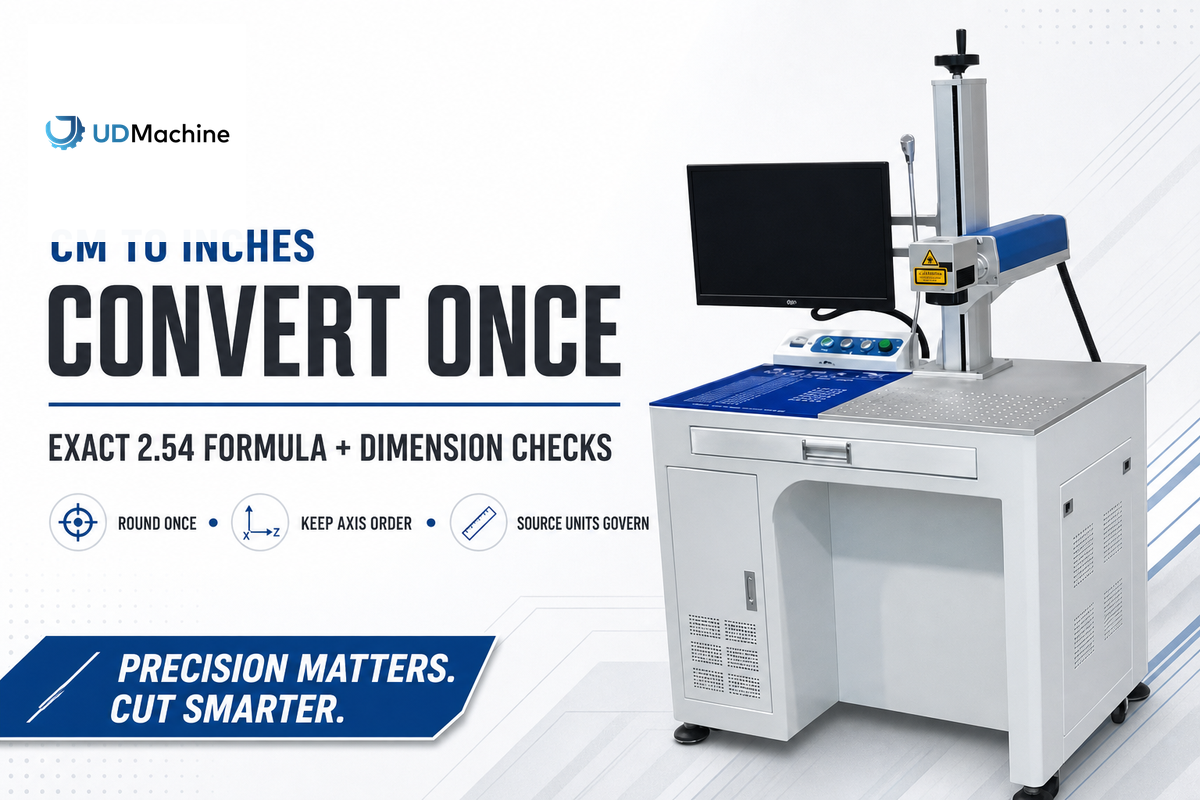
Laser etching on stainless steel puts emphasis on refinement, utmost durability, and clean lines with modern styles. The laser etching technology is truly an all-time foe of developers who work-from manufacturers to engineers, jewelers, and one-off branding. But what makes it really so revolutionary? We will go over the process of laser etching on stainless steel, engraving and marking applications, and the newest technologies involved. The article promises to give you an exhaustive insight into the laser-based technology and customization world, whether you want to know about its industrial impact, creative potential, or its effects on environmental sustainability.
What is Laser Etching?
Defining Laser Etching
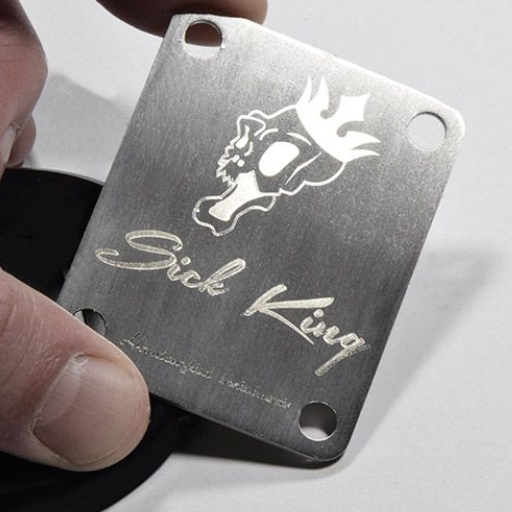
Laser etching is considered to be one such method to get the most precise marks applied to the surface of an object through a focused laser beam without compromising the structural appearance of the surface. It works on the principle of localized heating; i.e., contours are made through intense localized heating, melting, or vaporizing the surface layer that results in high-contrast marks that are entirely durable and permanent. Such marks can be created on metal surfaces like stainless steel, with the laser applied to extremely fine designs, text, serial numbers, and logos.
Industry statistics: Currently, laser etching technologies provide such high precision that up to 1200 dpi resolution can be achieved. Furthermore, industry data indicates that the market for laser etching systems is expected to grow with a CAGR of 8.5% during the years 2021 and 2028, due to the increased need for laser etching systems in automotive, aerospace, and medical device industries.
Nowadays, laser etching machines etch at speeds even greater than 350 characters per second, supported by energy-efficient technologies that accelerate the environmental benefits.
The largest area of versatility for laser etching. Materials other than stainless steel for laser etching include aluminum, titanium, glasses, and some plastics. At the root of transformation fiber laser and CO2 laser technologies provide industries with applications, such as traceability in manufacturing and customization in retail, with precision speed marking.
With the continued addition of evolving hardware and software, laser etching continues pushing farther beyond the bounds of possibility provided by material processing with high-level sustainability. This marks superior quality control to an extent never before possible through traditional methods of marking, ensuring the limitless possibilities of customization.
Differentiating Between Engraving and Marking
The processes are engraving and marking, and indeed, they fall into material processing categories, with the method and application placing one above the other in terms of severity. A differentiation between the two allows one to choose the appropriate type depending on the business and product requirements. Deeper contrasts can be looked into:
Process and Depth
Engraving shall mean any process by which materials shall be removed from areas of surfaces by means of tools or lasers or mechanical procedures. A deep and permanent indentation shall be left that shall resist harsh environments and wear over time. Laser engravers, for example, shall work by penetrating into a material generally in the range of 0.02 to 0.1 inches, dependent upon laser power and material type.
Aiming at slight material removal and alteration of the surface shall be the goal of markings. That is why laser marking uses etching, oxidation, or discoloration at the surface. It usually involves a 0.001-inch surface change or less, making it a conceptually fast process but one that is less sturdy than engraving.
Precision and Detail
An engraving is better when deep cuts are required, and where durability is required, such as serial numbers for tools or plaques. Marking with high power lasers is very accurate so that numbers or symbols stay sharp and legible even when exposed to chemicals or abrasives.
Marking is used where high speed is favored, for visual or nearly superficial information. It is applied for barcodes, QR codes, and product labels for traceability and branding. It can also produce fine details, especially when marking metals, plastics, and ceramics.
Industry Applications
Within the jewelry field, engraving is highly common for articulate designs. For machine tools, it is used for engraving machine parts. It is also used for commemorating headstones and plaques. Updates show the forecasted growth for the engraving market to be about 5.2% per annum during 2023-2028, which signals the continued relevance of the segment.
Marking was and still is a must for tracking identifiers in aerospace, automotive, medical device manufacturing, and electronics industries where identifiers must be noninvasive physically. In healthcare, laser marking is now established as the de facto gold standard for regulatory compliance such as Unique Device Identification (UDI).
Durability and Lifespan
- The durability of engraved marks is unheard of. They can stay identifiable for more than decades even when harsh conditions of physical abrasion, moisture, and pressure are applied to them.
- Whereas marked surfaces suffer wear under abrasive conditions since the process does not yield a depth of mark or indent.
Cost and Efficiency
- Because of its cutting and machinery setup operations, engraving is more time-consuming and expensive.
- Marking is faster and cheaper on high-volume production lines; industries that put speed and efficiency first will always go with marking.
Environmental Impact
Both laser technologies used for engraving and marking evolved in an attempt to lessen the impact on the environment by reducing chemical waste and energy usage. Marking is, however, thought to be more environmentally friendly for being non-invasive and wasting less material.
An analysis of their differences in depth, precision, durability, climatic, and costs will allow the enterprise to make an informed decision based on its needs. The latest developments in laser technologies brought identification systems really close to engraving systems, thus emerging the concept of hybrid solutions that can either engrave or mark depending on project requirements.
The Technology Behind Laser Etching
Laser engraving is a sort of technology that takes the finer points of physical properties and hardware into consideration in rendering an object permanently marked. Marking is done by means of a very high-powered laser beam on the surface for contrast with light emission without removing whatever layers are in between. Metal, ceramic, plastic, or glass could be appropriate, depending upon the interaction of the wavelength of the laser with the material.
Current laser-etching machines usually make use of fiber lasers, CO2 lasers, or diode lasers for the purpose of etching. For example, fiber lasers are more suitable for metals; CO2 lasers are more suitable for organic materials like wood and acrylic. Such machines function very fast, able to etch at a speed up to 1200 mm/s, depending on the type of material and crafting of the design. This makes laser etching a super choice for mass production lines.
Being noncontact is another benefit of laser etching, which would lessen the wear and tear of the material surface, and thus on the maintenance of the machine. Also, laser etching can go up to 600 dpi resolution with extreme depth so that it can produce very complex design, detailed text, and serial numbers with clarity.
According to an updated report, laser etching is witnessing an increasing number of applications. The report by MarketsandMarkets reveals that the laser marking industry, along with etching, will touch $4.3 billion in 2027, growing at 8.1% CAGR from 2022 onward. Growing demand for precision marking and labeling for traceability and custom work from industries of auto, aerospace, and medical devices is driving the market expansion.
New developments in laser systems and AI granted real-time monitoring and automatic quality control for further advancing the precision and speed of etching. The new world of possibilities in manufacturing would soon consider laser etching and relevant technologies as very worthy.
Why Choose Stainless Steel?
Properties of Stainless Steel For Laser Etching
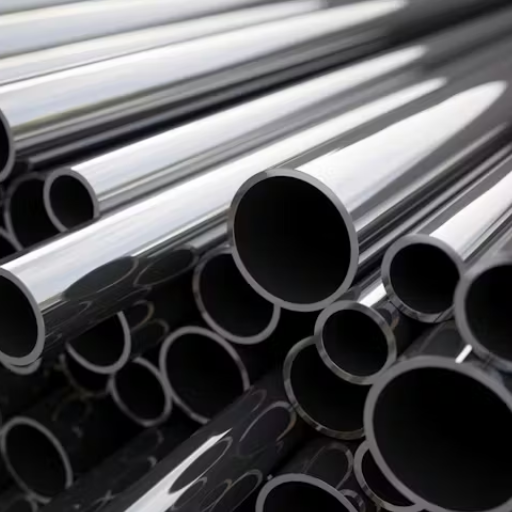
Because of their peculiar combination of features, stainless steel is considered a suitable material for laser engraving. They are hard and corrosion-resistant, so the metal is ideal for laser engraving of any industrially accepted marking that has to be long-lasting and precisely executed-with applications being medicine, aerospace, and automotive operations.The highly polished surface finish offers an almost unimaginable degree of engraving detail with uniformly high-quality results.
Another higher temperature resistance property may prove vital, ie., protection of the high temperature during marking when the surface of the stainless steel was heated with finely focused laser beams. Various grades in stainless steels are also used depending upon corrosion resistance and mechanical properties-the most common stainless steels are 304 and 316: For instance, stainless steel 304 is one of the popular grades containing 18% chromium and 8% nickel, which is a good compromise between weldability and strength. Addition of molybdenum in stainless steel 316 improves corrosion resistance in fairly harsher environments such as marine and chemical industries.
Research demonstrated that the best laser parameters for stainless steel etching depend on the type of laser-fiber or CO2-and modulation of the power and speed of etching. In short, fiber lasers examine the stainless steel in a way that allows very precise markings and high contrast during engraving. The settings of laser engraving of stainless steel range anywhere from 20-50 W of power with the speed of 300 to 1000 mm/s, basically depending on the depth required and majority of design.
Technological advancement is being seen more and more in laser science, with features henceforth, such as MOPA laser systems, enhancing the potentialities of stainless steel engravings. The MOPA laser tightly controls pulse duration to produce the darkest color and highest contrast marks without damaging the crystal structure of the material. Having these qualities, stainless steel remains a prime choice for industries that want durable laser engraving of the finest quality.
Advantages of Etching Stainless Steel
Stainless steel etching has several advantages, which make it one of the favored methods in different industries. Etchings on stainless steel are generally resistant to the elements, such as their wear and corrosion, extreme temperature variations are never considered in factoring the longevity of etchings, and hence they assure permanence under even the harshest conditions. This is particularly useful in aerospace and medical device applications, industrial machinery, and so on.
Others are given to time-consciousness and accuracy. With the latest laser etching methods, such as fiber lasers, it is nowadays possible to design highly complex and multi-detailed designs with tremendous feasibility. Current data show that fiber laser etching can produce the highest precision of up to 0.001 inches, and with this level of precision can engrave text, logos, and barcodes that are clear enough for traceability and branding.
Environmental Benefits: As well, since it requires less materials than any of the other methods, steel etching can be considered an environment-friendly operation. It has been recorded that laser etching reduces up to 70 percent of the material waste compared to the much slower conventional methods.
Another very important feature is the ability to do different things. Finishing stainless steel etching is a big range, almost as deep engraving to almost marking with high contrast. It is an advantage for industries in which beauty matters, for example, custom jewelers, consumer electronics, and architectural design.
In the end, an automated laser etching system cuts down the costs due to higher efficiency. The high-speed production requires very little post-processing, allowing companies to enhance production workflows thereby reducing operational costs. Laser systems may boost production efficiency by as much as 20-30%, according to various sources.
Account for the above features that qualify the usage and preference of the stainless steel etched wherever there is a need for quality, durability, and precision.
Applications in Different Fields of Industry
Stainless steel etching employs a vast array of industries because of its precision and versatility. Mentioned thereof are primary industries that show the general utility of the technique:
Aerospace Industry
Stainless steel etching is very essential for aerospace applications in the manufacture of turbine blades, heat exchanger plates, and complex fuel systems that should be light yet strong. Industry analysts suggest the global aerospace component manufacturing market will hit $1.36 trillion in 2027, whereetched components will remain crucial for their precision and performance.
Automotive Industry
First of all, stainless steel is etched to manufacture complex parts like injector plates, battery contacts, and braking components for automotive manufacturers. Increasing demand for stylish and high-quality precision-etched components for electric vehicles (EVs) further stimulates their demand. Worldwide sales for electric cars were predicted to mount at a rate of 17.5 percent CAGR from 2023 to 2030.
Medical Devices Industry
Stainless steel etching pertains to medical devices for creating surgical instruments, diagnostic instruments, and implantable devices. The facility to etch stainless steel without affecting biocompatibility and corrosion resistance is a matter of patient safety and device viability. Going along with a recent marketing analysis, the global medicine industry would near $760 billion by 2030, with the large chunk being stainless steel establishments.
Electronics Industry
With stainless steel etching for manufacturing, it opens doors for EMI shielding, micro electromechanical systems (MEMS), and precision connectors. High precision components for 5G technology or IoT devices are a hot topic today. Recent estimates have pegged the global electronics manufacturing services market at $838 billion by the year 2030, highlighting the importance of etched components.
Energy Sector
The etching on parts made from stainless steel is increasingly significant in renewable energy technologies such as solar panels and wind turbines for the efficient generation and storage of energy. The technology is important in the setup of power plants and fuel cells. According to experts from the industry, demand for etched components is forecasted to be the highest ever, with thought given to renewable energy generation reaching nearly 50% across the globe by 2050.
With the help of warm inox etching established in these industries, companies can position themselves far better to offer novel solutions that are reliable and cost-effective, in line with market trends and technological progress. The adaptability of the technology spells out its continued use and relevance across the sectors.
Types of Laser Engraving Machines
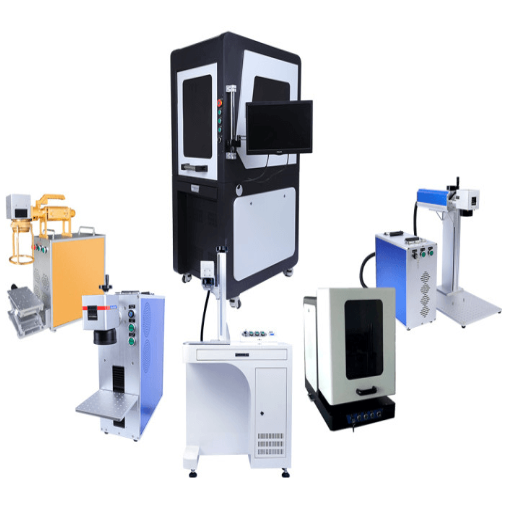
Popular Laser Engraving Machines For Stainless Steel
Unquestionably, the greatest factor that leads to proper laser engraving on stainless steel with accuracy and durability is the choice of laser engraver. Regarding current market developments and trends, here are some of the best-selling and well-rated lasers used for laser engraving on stainless steel:
Fiber Laser Engraving Machines
Fiber laser engraving machines are believed to be the best machines that work with stainless steels in high-precision, high-velocity speed, and in efficient ways. The engraving is executed by a high-intensity laser beam focused directly onto the surface area. Due to their detailed engraving operation and option for cheaper machinery, Intelli-Dye users are probably most attracted to an OMTech 50W Fiber Laser Engraver or a Raycus Fiber Laser Engraving Machine. It may reach speeds of even 5,000 mm/s, allowing for very quick outputs in industrial projects.
CO2 Laser Engraving Machines
Normally, CO2 laser engravers are used for making designs on wood and acrylic materials, but certain advanced models with metal marking sprays or specialized attachments can do stainless steel engraving. It is a widely loved machine among many small businesses because of how easy to use it is and its versatility. For laser marking stainless steel with CO2-based laser systems, an extra step will generally be applied on the surface of stainless steel wherein the appropriate marking agent has to be sprayed.
MOPA Fiber Laser Machines
The MOPA-“Master Oscillator Power Amplifier” is a class of fiber lasers that provide more possibilities when it comes to setting parameters. For example, black marking on stainless steel is exceedingly desired by industries such as medical device manufacturing. XT LASER’s MOPA Fiber Laser Marker machines give a black stain that offers huge contrast and corrosion resistance, which is perfect for finishing work.
Desktop Stainless Steel Engraving Machines
Small businesses and hobbyists can seriously consider compact and fine fiber Laser Engraver like the Orion Motor Tech 30W Fiber Laser. They maximize on the easy portability while having the power to engrave laser and provide the sort of professional quality in a very small space in which they work!
Performance Comparison Table:
| Machine Type | Ideal For | Marking Speed | Cost Range | Additional Features |
|---|---|---|---|---|
| Fiber Laser | High precision industrial engraving | Up to 5,000 mm/s | $4,000–$20,000+ | Minimal maintenance, long lifespan |
| CO2 Laser (with coating) | Small-scale, multipurpose projects | Up to 600 mm/s | $2,000–$10,000 | Versatile but requires extra preparation |
| MOPA Fiber Laser | High-contrast and color marking | Up to 7,000 mm/s | $6,000–$25,000+ | Ideal for intricate and detailed designs |
| Desktop Laser Engravers | Compact, small-scale engraving | Up to 3,000 mm/s | $2,500–$8,000 | Portable and cost-effective |
Key Factors to Consider When Choosing a Laser Engraver
- Orientation and Use: Making adjustments to the machine for a specific purpose (industrial production or amateur work)
- Material Compatibility: It should allow for stainless steel engraving without any extra prep.
- Price: Prices vary considerably; buy in accordance with your volume of production and frequency of use.
- User Friendliness and Maintenance: Intuitive controls in software design and machines that require little maintenance will save you valuable time.
Keeping track of the modernization in laser engravers will enable you to make an apt selection of equipment for both business and personal needs.
Features of the Best Laser Machines
Look into the features and specifications of a laser engraving machine to see if they pertain to your immediate task. The varying features that come with a best laser machine include:
Precision and Speed
With the introduction of modern laser machines integrated with better galvanometric systems and high-power lasers, engraving precision-speed combination was regarded as incomparable. They are meant to layer on detail, executing at extreme high speed of about 1200mm per second in engraving, hence are meant for very high intricacy, high-volume production.
Material Compatibility
Everything that a superlative laser can be set to work on resides within several materials, just to name a few: wood, glass, leather, acrylic, metal, and ceramic. Metals, such as stainless steel and aluminum, are better marked with fiber laser; whereas CO2 laser is better on organic materials. Such a pair of applications finds itself across jewelry making, branding, and personalized gifts.
Power Options for Flexibility
In general terms, a power laser machine would concern the medium that it has in cutting or engraving thick and sometimes dense materials. The best machines usually offer a power range from about 20W to 150W. For example, a 100W laser machine will cut through 10-mm. acrylic or wood to fulfill the much deserving industrial purpose.
User-friendly Software Integration
The production of an etched masterpiece depends on the machinery and software being used. Features and software integrations in very advanced engraving machines include AI, DXF, and SVG formats. Moreover, many models support design software such as Adobe Illustrator and CorelDRAW, allowing users a smooth workflow to execute their design. Other machines put emphasis on automatic focusing for a smooth machine set-up.
Durability and Cooling Systems
These efficient lasers include considerations of durability for the laser tubes along with other components like cooling systems, such as water-cooled lasers-mode, where any untoward disruption may close down operations for a length of time, thereby affecting their life span. Temperature regulation in high-end lasers is provided to safeguard sensitive components from overheating.
Cloud and Wi-Fi Connectivity
Heavy penetration of cloud and Wi-Fi connectivity helps the user to upload designs at bear consideration and know how the machines perform. This enables the provision and implementation of the better device on sale scale.
Safety Features
It is important that there are safety measures in today’s design trends. The advanced model comprises protective enclosures, safety sensors, and emergency stop buttons for safe exercise.
Energy Efficiency
Advanced laser machines are now becoming energy efficient, having been evolved as notable upgraded elements towards lesser power consumption options yet in full view of performance. This in turn saves any business’s money for operational purposes in the long run.
Keep abreast with the latest in laser technology that will allow you to spot machines that guarantee the synthesis of quality with cost-effectiveness and versatility, meeting your specific needs while furthering productivity.
Choosing the Right Laser Engraver for Your Needs
Selecting the best laser engraver can weigh on lots of considerations, such as the working project, the materials he will be working on, and, of course, his budget. Let’s now look at some key points to consider, along with some insights and facts available in the industry:
Material Compatibility
Laser engravers are fitted for a particular material. Most CO₂ lasers are very versatile, allowing them to cut and engrave many materials such as wood, acrylic, leather, and glass, to name a few. Fiber laser engravers, however, are superb at engraving metals: stainless steel, brass, and aluminum. According to recent statistics, around 60% of small businesses prefer engravers using CO₂ lasers for the wide option of materials they can work on.
Wattage and Power
According to the engraving-on-laser description, the laser has less power to cut and engrave. You can do some nice fine cuts with that laser of about 30 watts. Over 100 watts go deep for cutting or used with very hard materials. Per a 2023 study, small and medium enterprises mostly used laser machines with power ranging from 60W to 100W, probably to balance price and performance.
Work Area Size
Područje kreveta je već jedan od faktora. A bigger placed workspace allows for greater flexibility in handling projects of various sizes. Workstations are generally sized from 300x200mm to 1000x600mm. Anyhow, make sure before purchase that the bed size meets with the dimensions of your usual project for future no restrictions.
Precision and Speed
Highly precise and quicker output leads to higher quality and greater output. Any machine boasting a resolution beyond 1000 DPI (dots per inch) and an engraving speed greater than 500 mm/s is one to consider. Comparing a few of the best laser engravers on the market shows that the Glowforge Pro and Epilog Helix share the top spot in terms of precision engraving, with a close race from a speed standpoint.
Software and Connectivity
From the viewpoint of industry, modern engraving lasers emphasize modernized design and accompanying control software. The control software connects with any conventional design software like CorelDRAW or Adobe Illustrator and supports multiple file formats, say .SVG or .DXF, while Wi-Fi is another integration option for the work area.
Cost and Return on Investment (ROI)
The price of laser engravers widely varies. Entry-level ranges started from just under $500, while professional-grade can easily go past $10,000. Some considerations would be; what is your budget? What capacity do you have to generate income from the use of this machine? How long can you analyze the lifespan of this laser? Based on a report dated 2023 by TechMarket, companies that task between $3,000 and $5,000 for mid-range machines have, in general, achieved ROI in less than 12 to 18 months, mainly from improved productivity and quality of output.
Combining this with an analyses of your particular needs will lead you to buy the right laser engraver that will be along with your initiative, be it for personal use and fun, project work, or industrial manufacture. Correctly investing in the right equipment up front saves you a lot of time and money in the long run.
Latest Innovations in Laser Etching
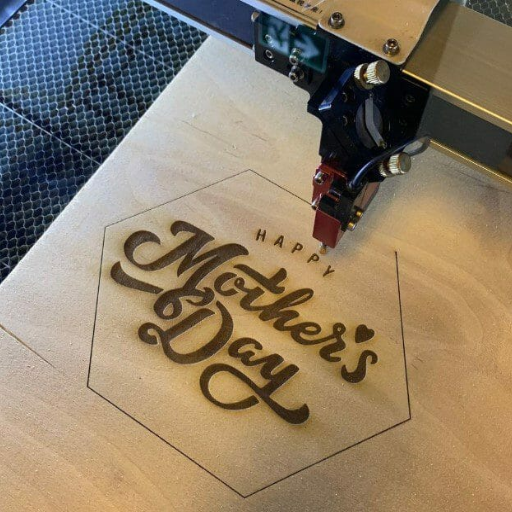
AI and Automation in Laser Marking
The developments of AI and automation have left a mark on manufacturing: processes being fast, accurate, and efficient. Because of AI algorithms, laser systems can self-adjust to the different material types and thicknesses for precision; otherwise, there would have been manual adjustment all the time. Further, automation goes toward mass production, reducing downtime costs after placing the order, hence increasing throughput.
In another latest development, AI-based vision systems enabled laser engravers to identify and offset positioning errors on the fly. Systems with micron-level accuracy have drastically reduced wastage and errors. The global laser technology market is projected to reach $17.99 billion by 2025, with the growth being promoted to a large extent by the commercialization of AI-enabled solutions, says MarketsandMarkets.
This will be another big growth area: cobots doing marks. Such robots do repetitive work efficiently, thus freeing human operators to do more strategic activities. Companies report up to a 40% increase in overall production efficiency when implementing this technology. These improvements will complement ML-enabled predictive maintenance so that manufacturers will be better equipped to reduce the impacts of unplanned downtime and further improve the service life of their laser systems.
These latest innovations surely bear testimony to how AI and automation are the new faces leading the way in the future of laser marking industries that can meet high demands at reduced manufacturing costs and better quality.
Development of Micro-Scale Engraving
Indeed, micro-scale engraving has undergone a number of developments recently, thanks to the development of finer lasers, AI-guided control, and sturdier materials. These milestones help manufacturers impute surface details with extremely tiny dimensions, almost thousand times thinner than a human hair. For instance, femtosecond lasers, which can pulse in one quadrillionth of a second, can now engrave practically at the microscopic level without causing damage on delicate materials such as metals, ceramics, and polymers.
Another remarkable innovation that this field has seen is 20 nm resolution for intense engraving. The applications derived from this mostly benefit the semiconductor and biomedical domains, ranging from microchip marking to the personalizing of medical devices. Industry analyses show that worldwide laser engraving revenues hit $2.96 billion in 2023, having over 7.7% CAGR through 2030, substantially propelled by micro-metric capabilities. By bringing more precision into the manufacturing process, such developments provide an edge to green manufacturing, reducing material wastage.
AI-powered software is also increasingly used to ensure optimization of micro-scale engraving processes. Their real-time adjustments help to hålla a fixed product quality and rate even in the high-volume production landscape. As demand drives industries toward more customization and precision, advances in micro-scale engraving technologies will remain the key innovation cutting-edge opened possibilities in various other sectors.
Green Technologies in Laser Etching
Industrial processing is a prime example of how green technology in laser etching has transformed the processing of materials. Perhaps the greatest leap is marked by the invention and ensuing popularization of fiber lasers, which are much more energy-efficient than the traditional CO2 variety. Depending on the situation, a fiber laser system can consume almost half the power that a CO2 laser would consume, and in other instances, it can operate with a power level equal to or exceeding that of a CO2 laser system: this is the sustainability advantage the manufacturers reap. Besides this, these systems produce lesser wastes as they do not utilize chemicals, inks, or consumables, hence lowering the cost of cleanup linked with the conventional engraving means.
Expansion of Green Technology: Recent industrial speculations estimate that the global market for green laser technologies may see a CAGR of about 13%, strongly driven by the urge for green manufacturing. Another sustainability contribution of laser etching is precise material usage, prolonging component life and minimizing waste, particularly in aerospace, automotive, and electronics.
Water-cooled laser etching machines that guard stored qualities in recent years now prevent increased potable water consumption and thermal pollution. On the contrary, filtration systems in many of these laser units filter air contaminants to provide healthier working environments and avoid air pollution.
Going one step further towards sustainability, laser etching is being paired with the production of green energy by solar, wind, etc. With the advent of research toward biodegradable materials for protective laser coatings, such green technologies are set to make laser etching a synonym for sustainable manufacturing. The more environmentally conscious the world gets, the more green technologies in laser etching will begin drafting the green future.
Conclusion
Laser Etching for Your Projects
The laser engraving and etching market is estimated to hit $3.39 billion by 2028, growing at a CAGR of 5.45% from 2021, with increasing acceptance of laser technology across industries attributed to automotive, electronics, and custom manufacturing. Laser etching offers maximum precision, ranging into personalizing consumer products to industrial designs, with almost infinite possibilities.
Laser etching is one of few processes capable of etching different materials like metals, glass, ceramics, wood, and plastic. CO2 lasers, for instance, will etch organic materials best, such as wood and leather, whereas fiber lasers are ideally suited to mark metals and industrial-grade components. In addition to this, the evolution in laser technology with respect to energy efficiency and CAD compatibility further enhances the production speed and reduces wastage of materials.
If opting for laser etching for your projects, prices vary mostly depending on the type of machine and its power rating, also on other features such as automation. An entry-level desktop laser etching machine will be priced at around $2000, whereas an industrial-grade system can reach well past $100,000. In other words, though the first investment can be quite hefty, the low maintenance price and the efficiency bonuses that the business has provided from the moment where the original laser has since then been applied are enough to make that kind of an investment worthwhile. Using such advances, companies, as well as individuals, will be enabled to bring forth tailor-made solutions of the highest quality in a sustainable way according to their needs.
Staying Updated on Innovations
Keeping a recent eye on technological developments in laser etching is crucial for utmost efficiency and the market’s holding capacity for its own competitive edifice. According to the latest information from industry reports, the global laser engraving market will exhibit a CAGR of 6.8% from 2023 to 2030. This rise is attributed to increasing demands in manufacture, automobile, and jewelry sectors, all of which boast of customization.
Innovations in this field currently involve intelligent design tools with AI integrations and cloud-based platforms that enable fluid workflow execution from remote locations. Laser technology improvements, therefore, enable faster engraving, with better energy efficiency and versatility for a broader scope of materials.
For any business or individual aspiring to keep with trends, manufacturers’ updates, trade magazines, and online forums should be some of the resources used. Trend and research tools will, too, feed real-time data about market changes thus prompting enthusiasts and professionals to move into sustainable, innovative laser etching practices.
Call to Action for Engraving Enthusiasts
Like in any other fast-changing field, staying relevant here entails keeping an ear to the ground for the latest trends, tools, and techniques. A year’s worth of data suggest that popular searches with respect to laser engraving have grown, including queries on “laser engraver ideas” and “best laser engraving machines 2023.” Interest is seen to rather focus on the creative application of laser cutting, with a lion’s share of projects going to custom phone cases, jewelry engravings, and home decor.
The other trend to watch out for is the surge in popularity of green and sustainable engraving materials like bamboo and recycled metals to meet the worldwide cries for greener alternatives. The more you keep in consciousness these trends, the more competitive and innovative you can be. Join the supportive online engraving community, so you can buy into workshops or trade shows that are open for sharing ideas among creatives and also to gain inspiration.
There you go, now your moment to play the active role. Look into the latest high-speed-energy-efficient laser machines or grab some of the new cool materials that can make the business or hobby a bit forward. Use alerts, blogs, and professional forums to keep updated and inspired. The more you commit to it and work within an ever-growing industry, the greater will be your talent for engraving.
FAQ
What are some of the benefits of laser engraving stainless steel?
An engraver laser for stainless steel can be used for precise manipulation and high accuracy in complicated designs while engraving on products. This treatment produces very high-contrast designs with a coating that surely wears away over time and must be applied to personalized stainless steel items such as flasks or mugs. Besides, another advantage of fiber-laser engraving is that marking can be done on a deeper level, which allows the engravings to be more seen. Laser engraving machines can function with diverse settings and effects depending on whether you want to etch, mark, or cut and engrave. All these are advantages, which made the metal engraving by laser technology much more common.
Can stainless steel be laser engraved?
This stainless steel can be laser engraving, which can do well for long-term durable designs. A fiber laser is used for engraving stainless steel; it works very well on this type of metal. Before engraving stainless steel, the cleaning of the stainless steel should be done in order to guarantee worthwhile results. A cleaner that removes grease or any dirt or contaminants will guarantee a very good engraving. Another good thing about laser engraving stainless steel is that the engraving is done freely, which makes it a wonderful option for gifts and customizations.
How does laser engraving for stainless steel differ from other engraving processes?
When compared with other engraving methodologies, engraving with laser technology on stainless steel differs to a greater extent, more so in the methods and results if regarded as different matters. Traditional engraving is mechanical and very precise or with a greater working time. Laser engraving furnishes one with very fine accuracy, and designs can be complicated to execute with a huge beam of light. Besides engraving stainless steel, it works for other materials as well, thus being versatile concerning engraving requirements. Furthermore, laser-engraved engraving will resist wear better than mechanically generated engraving, thus will be good for products that will be subjected to frequent use.
What types of stainless steel stuff can a laser engraving machine for stainless steel work on?
There are practically hundreds of stainless steel things that the laser engraving machine can engrave. Common items would be flasks, mugs, and jewelry. Since the laser is so good at doing fine designs, even small things can be beautifully personalized. When choosing items, ensure that the items selected can be safely laser-engraved without weakening the material itself. Also, using the right settings on your engraving machine will actually give better results on your engravings, and that opens up more opportunities for you in both personal and professional applications.
What’s the best way to etch stainless steel?
Fiber laser engraving is among the best etching methods for stainless steel to achieve a crisp, high-contrast mark that will last. First, peer through the stainless steel so that there is no dust or other contaminant that interferes with the engraving process on the surface. Then, follow the steps that will give you your desired result by adjusting the engraving machine on your parameters. Experimenting with different wavelengths and power settings will provide a gamut of results so that you can work out the finest way to approach your project. Knowledge of these methods allows you to greatly improve the detail and sharpness of your etches.
Reference Sources
- Metal Etching Organization – A detailed explanation of laser etching techniques for stainless steel, including its non-contact process and applications: Stainless Steel Etching Companies Services
- Wikipedia – A comprehensive overview of laser engraving, including its process and applications across various materials, including stainless steel: Laser Engraving
- ANSI Blog – A guide to laser engraving, discussing its use in industries like aerospace and defense, and its compatibility with stainless steel: A Quick Guide to Laser Engraving
- Best Leather – A resource exploring various engraving techniques, including diode laser etching for stainless steel: The Art and Science of Engraving Stainless Steel
- Engraving Etc. Forum – A discussion on challenges and solutions for laser engraving stainless steel, including power and speed settings: Stainless Problem – Engraving Etc. Forum