Laser marking and cutting machines have dramatically changed the industry’s perspective on precision engraving and cutting. These multipurpose machines enable the creation of highly complex and delicate designs and their production at an incredible speed, with no loss of quality, regardless of the material used—metal, plastic, wood, or glass. Laser technology has been a decisive factor across a range of applications, from producing minute patterns for artisanal products to high-precision manufacturing for industrial requirements. This comprehensive guide will help you understand the field of laser engraving and cutting, with a full overview of the process, technologies, applications, and the tools that play a critical role. Prepare to see how laser marking and cutting machines can make your projects more creative, elevate your artistry, and change your view of modern manufacturing.
Understanding Laser Technology

Concentrated light in the form of a laser is what technology does besides cutting and similar other things like engraving, marking, and measuring. A process known as stimulated emission is responsible for light amplification, the basis of a laser, and ultimately results in the creation of a powerful, focused beam. One of the main reasons that this technology has been widely accepted is its accuracy, speed, and versatility. Its application has spread throughout industries ranging from manufacturing to healthcare. This technology provides clean, precise cuts and markings for its respective applications, making it an essential tool for the future.
💡 What is a Laser?
A laser is a device that produces a focused, very intense light beam, usually at a specific wavelength. It does this by amplifying light using stimulated emission of radiation. Because of their accuracy and power, lasers are used in a variety of fields, including medical practice, manufacturing, communication, and scientific testing. Their adaptability stems from their ability to concentrate energy on small areas without damaging surrounding materials.
Types of Lasers Used in Engraving and Cutting
🔴 CO2 Lasers
CO2 lasers are still the most popular laser type for engraving and cutting applications due to their ability to deliver excellent results on a wide range of non-metal materials, including wood, acrylic, leather, glass, and fabric. They perform consistently with high quality.
🔵 Fiber Lasers
Fiber lasers are manufacturers’ preferred choice for metal engraving and cutting; they deliver excellent results on stainless steel, aluminum, and brass. They are renowned for their efficiency, accuracy, and durability, making them the preferred option for industrial applications.
🟣 Diode Lasers
In terms of size and price, diode lasers are the smallest and cheapest ones available. For this reason, they are primarily used for light engraving on wood, plastic, and leather. They have become a favored choice amongst hobbyists and for small-scale applications.
🟡 YAG Lasers
YAG (Yttrium Aluminum Garnet) lasers are mainly deployed in metal engraving and cutting where high precision is the primary requirement. They are considered best in situations where power and accuracy are necessary parameters such as jewelry or electronics manufacturing.
Comparison of CO2 and Fiber Lasers
CO2 lasers and fiber lasers primarily differ in their wavelength, materials they can process, speed, precision, maintenance, and cost-effectiveness.
| Key Point | CO2 Laser | Fiber Laser |
|---|---|---|
| Wavelength | 10.6 µm | 1.06 µm |
| Materials | Non-metals | Metals & Non-metals |
| Speed | Moderate | Faster |
| Precision | Lower | Higher |
| Maintenance | High | Low |
| Cost | Cheaper upfront | Costlier upfront |
Laser Engraving and Cutting Machines
Overview of Laser Engravers and Cutters
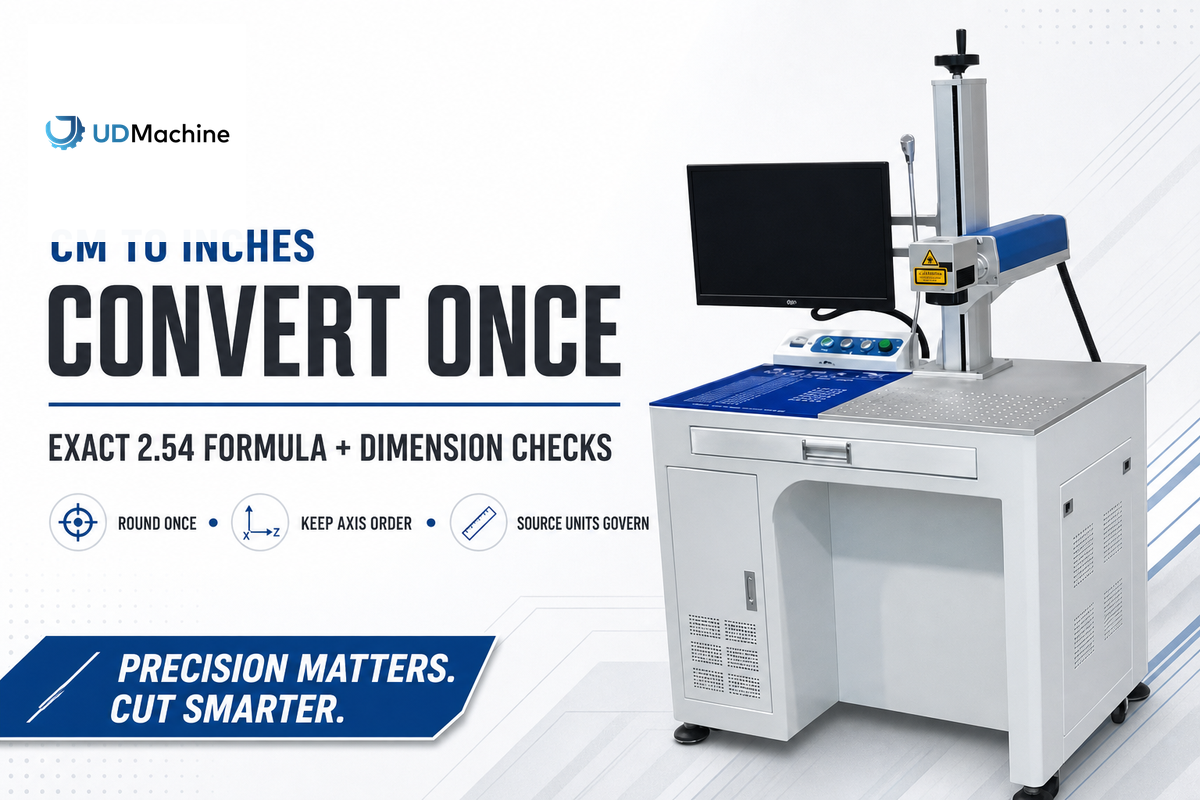
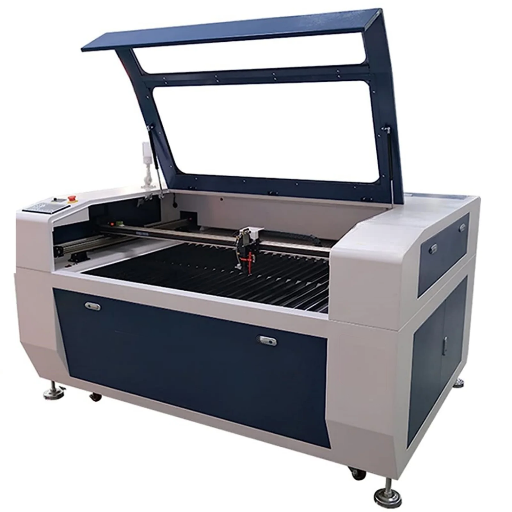
Laser engraving and cutting machines use high-intensity light beams to engrave or cut through various materials with utmost precision and speed. These machines are found in almost every sector such as manufacturing, design, and personal customization. The working principle involves directing a concentrated laser beam onto a surface, either vaporizing the material for cutting or modifying it for engraving. The two most common types of lasers are CO2 lasers and fiber lasers, both having specific applications. CO2 lasers can engrave and cut non-metal materials such as wood and acrylic, while fiber lasers can process metals more quickly and accurately. The machines provide a highly skilled, universal way to work with intricate drawings, producing products to the same quality standard.
Key Specifications: Power Ratings (20W, 80W, etc.)
The power ratings of laser engraving and cutting machines widely vary, and this diversity affects their function and range of use very much:
20W-50W: Light Applications
Intended for very soft applications only like engraving text or simple graphics onto wood, plastic, and leather. Perfect for hobbyists or small-scale production.
60W-80W: Medium Range
This power range enables engraving and cutting to be performed with equal efficiency. The user can work with relatively thick materials, such as acrylic or MDF, and produce more intricate designs with less time and effort.
100W and Above: Heavy-Duty
These are power lasers for heavy-duty cutting and engraving. The latest technology can use lasers for industries, working with very dense materials like metals or cutting large project areas rapidly with precision.
💡 Important: Choose the right power rating based on the material, desired efficiency, and project complexity.
Desktop Laser Machines vs. Industrial Models
Desktop laser machines are compact, affordable, and suitable for beginners or small-scale projects, while industrial models are larger, more expensive, and designed for high-volume, professional use.
| Parameter | Desktop | Industrial |
|---|---|---|
| Size | Compact | Large |
| Cost | Lower | Higher |
| Power | Moderate | High |
| Material | Light-duty | Heavy-duty |
| Speed | Moderate | Fast |
| Precision | Fine | Very Fine |
| Usage | Hobbyists | Professionals |
| Maintenance | Low | Higher |
| Portability | High | Low |
| Durability | Moderate | Robust |
Benefits of Laser Marking and Cutting Machines
🎯 Increased Precision in Engraving
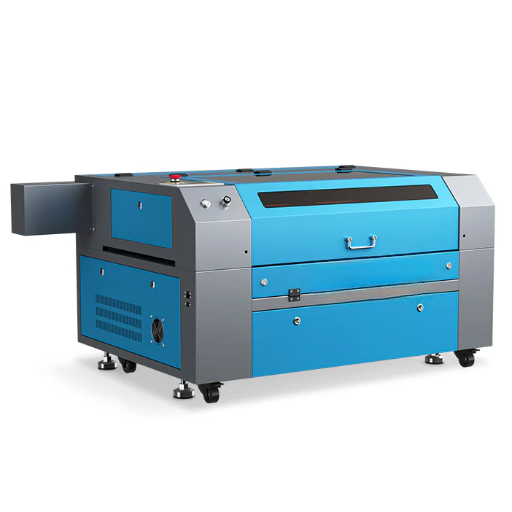
Laser marking and cutting equipment offer exceptional precision, producing high-quality, uniform engravings on a range of materials. The mentioned precision guarantees elegant, sharp designs, even in complex patterns or small areas. Unlike conventional techniques, lasers operate with virtually no physical contact, minimizing the risk of material damage and ensuring homogeneity across projects. This is why they find their place in factories across industries as demanding as jewelry, electronics, and custom manufacturing, which require top-notch results.
⚡ Speed Advantages in Manufacturing
In manufacturing, laser marking and cutting machines are speed kings. They can perform swift, precise, and highly complex operations on a variety of materials using cutting-edge laser technology, thereby drastically reducing production time. Apart from that, their ability to perform tasks automatically, such as cutting intricate patterns or engraving fine details, is also a major contributor to reduced production times. Besides, laser systems are very much compatible with computer software which not only allows them quick design changes but also batch processing. Being so flexible, manufacturers can not only meet very short delivery dates but also maintain excellent quality, hence, making laser technology a necessity in contemporary production settings.
🔄 Versatility Across Different Materials
Among the benefits of laser marking and cutting machines, the one that stands out most is their versatility in working with various materials, making them a must-have in many industries. These machines can perform precise operations on metals such as stainless steel, aluminum, and titanium, as well as non-metals such as wood, glass, acrylic, and leather. The reason for its widespread application is the sophisticated laser technology, which accurately adjusts wavelength, intensity, and focus to material properties. Fiber lasers are great for marking metals with excellent detail while CO2 lasers are best suited for cutting and engraving flowing materials like wood and fabric. Laser marking and cutting techniques result in minimal material waste, making them an eco-friendly option. They also provide uniform results with the highest possible level of detail, which is very important in electronics, automotive, and fashion industries.
Choosing the Right Laser Machine
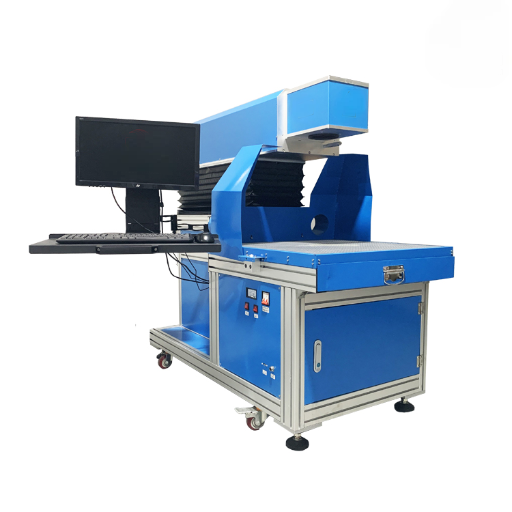
Key Factors: Laser Power and Material Compatibility
The most important factors when choosing a laser machine are power and material compatibility, as they determine the machine’s ability to cut or engrave a material. For instance, a high-power laser is recommended for metals, but the same laser cannot be used for fabrics, plastics, etc.
Material compatibility is also crucial, as the laser’s interaction with different materials varies. For example, glass, wood, and acrylic need different wavelengths and cutting powers to be processed without damage. Therefore, it is advisable first to check a laser’s capabilities for a particular material and then consult the manufacturer’s recommendations before making a decision.
💻 Software Considerations for Laser Engravers
The selection of software for laser engravers is largely driven by compatibility and usability. Consider these critical factors:
- Compatibility: It is very crucial to have software that works with your operating system and is compatible with the specific model of your laser engraver
- File Format Support: Seek out software that has easy-to-use design tools and an extensive range of file formats supported, including standard formats such as DXF, SVG or PDF
- Control Settings: The software must give you exact control over engraving settings which consist of power, speed, and resolution so that accurate results can be achieved
- Material Profiles: The majority of programs also come with pre-set material profiles, which help in making the engraving process easy
- Support & Updates: It is wise to go for software that has good support, regular updates, and active customer service because it can enhance reliability and overall functionality
Budgeting for Your Laser Cutter
When planning a budget for a laser cutter, start by determining how much you are willing to invest. The price of laser cutters can vary widely, with the lowest-priced units around $300 and the highest-grade units at several thousand dollars. Think of the use you have in mind—hobbyists or small businesses might be okay with inexpensive desktop models. In contrast, professionals might need more powerful systems for large or accurate applications. Don’t forget extra costs like maintenance, replacement parts (tubes or lenses), software, and safety equipment. Always keep your budget open for these costs to ensure uninterrupted operation and consistent quality over time.
Maintenance and Safety Protocols
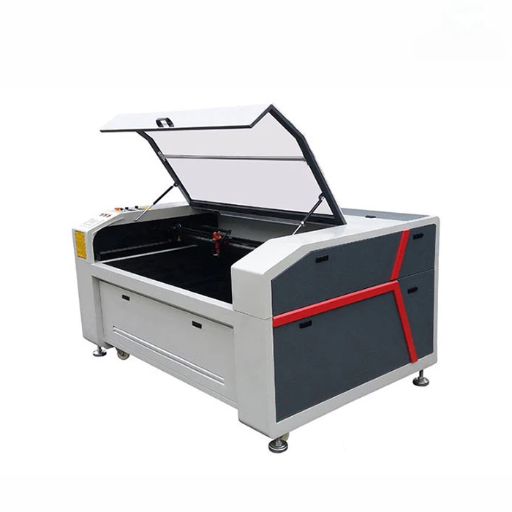
🔧 Routine Maintenance Tips for Longevity
1. Clean Optical Components Regularly
To maintain laser performance and accuracy, regularly clean lenses and mirrors. Remove with appropriate cleaning solutions, and use lint-free cloths.
2. Check and Align the Laser Beam Path
Laser beam alignment should be checked periodically, as it may not be adequately calibrated. The beam could be misaligned, resulting in reduced cutting quality and even damaging machine parts.
3. Inspect Cooling Systems
Cleaning and monitoring the machine cooling system, whether it is water or air-based, is essential to prevent overheating and increase efficiency of operation. Change coolant per manufacturer’s recommendation.
4. Lubricate Moving Parts
Apply lubricant to rails, screws, and other moving parts regularly to prevent wear and tear on the machine and ensure smooth, accurate movement for longer.
5. Perform Software and Firmware Updates
Make sure the machine is always running the latest version of software and firmware to enable new features, improve performance, and reduce the risk of bugs or issues.
⚠️ Safety Measures when Operating Laser Machines
- 👓 Wear Appropriate Safety Gear: Always protect your eyes with laser safety goggles that are specifically rated for the wavelength of the laser in use to guard against potential damage
- 🌬️ Ensure Proper Ventilation: It is a must that the laser machine is operated in a place where air circulation is good or that an exhaust system is being used to get rid of fumes and particles produced during cutting or engraving process
- 🚫 Avoid Direct Beam Exposure: Do not ever let your skin or any reflective items come into contact with the beam of light from the laser as this could result in burns or accidents
- ✅ Confirm Material Compatibility: Use only materials that are marked as safe for laser work, since some materials may produce toxic fumes or may cause fire when placed under the laser
- 👀 Monitor the Machine During Operation: Always keep an eye on the laser machine while it is running, because this will help to detect the risk of accidents or malfunctions quicker than if the machine was left unattended
Best Practices for Engraving and Cutting Operations
My number one priority in engraving and cutting processes is always safety, followed by precision. First, I clean and organize the workplace, remove unnecessary items, and address potential hazards before starting work. Moreover, I verify once again that all materials which I am going to use are compatible with the laser and do not emit any harmful fumes or create hazards. Using appropriate safety equipment is essential for me; for example, laser-specific wavelength goggles are required to protect my eyes and skin.
I stay alert throughout the process by constantly monitoring the machine. I never let it run without supervision, as a quick intervention may turn a minor issue into a serious problem. If I hear any unusual sounds, smell anything unusual, or notice the machine behaving erratically, I stop the process immediately and check the system. As a final step, I perform routine maintenance on the laser equipment, including cleaning the lenses and checking alignment, which ultimately ensures safety and optimal performance.
Frequently Asked Questions (FAQs)
What are the functions of a laser cutting machine and what is the difference between laser cutting and laser engraving?
A laser cutting machine is able to cut and engrave various materials such as wood, acrylic, leather, and metals; laser cutting is specifically about penetrating through the material while laser engraving (or marking) is simply the removal of a certain amount of surface material to create or etch an image or number. The majority of people go for a laser cutter and engraver or a laser cutting and engraving machine for their artistic projects, personalization, and signage, as they can do both cutting of shapes and very accurate detailed engraving on home decorations and key chains.
What is the performance of CO2 laser or CO₂ laser cutter on different materials?
CO₂ laser cutters are well-suited to a wide range of materials, including wood, black acrylic, leather, and paper; CO₂ lasers excel at engraving wood and cutting thick non-metallic materials. Standard CO2 laser modules (10W, 30W, 40W, and higher), along with air assist and a water chiller, guarantee even cutting and accurate engraving, while settings and the focal point determine output power, cutting speed, and edge quality.
When should you buy a fiber laser engraver, or the best fiber laser machine for metalwork?
Fiber laser engraving machines, including 20-watt models, are designed to engrave and mark metal at high speeds with durable marks. They are the primary devices for engraving serial numbers, etching metal, and making precise engravings on industrial parts. The best fiber laser is determined by your requirement for output power, marking machine features, and if you need MOPA capability for color marking on coated metals.
What is the difference between a UV laser and a CO2 or fiber laser and when should I use a UV laser?
UV lasers are highly efficient for marking fragile or heat-sensitive materials, such as certain plastics and coated surfaces, where heat input must be strictly controlled; they can create excellent, clear marks that would likely be burnt or distorted with a CO2 or fiber laser. UV lasers are often preferred for minimal, precise marking on electronics, small signs, and specialized personalization tasks.
How is safety, maintenance, and material choice interlinked with long-term performance of marking machines?
Safety during operation should always include proper enclosures, ventilation for infrared laser modules, eye protection, and regular maintenance, including lens cleaning, alignment, and water-chiller inspections. The choice of material has an effect on wear—cutting of metals needs different machines than engraving of wood—thus it is essential to select the right CO2 laser cutter, fiber laser engraver, or diode setup and stick to maintenance schedule for ensuring both reliable and precise engraving and cutting for many years.
📚 Reference Sources
- The Preparation of Cutting Edges Using a Marking Laser: Discusses the use of marking lasers for preparing cutting edges, including geometry and roughness considerations.
- A Comprehensive Review of Laser Marking: Provides an in-depth exploration of laser marking processes, methods, parameters, materials, and applications, including laser engraving.
- Laser Cutting Technique: A Literature Review: Reviews experimental and theoretical studies on laser cutting techniques for various materials and shapes.
- Top CNC Laser Marking Machine Manufacturer and Supplier in China