Laser cutting is changing the way precision manufacturing and creative design interventions occur in industries. From almost impossible-to-see array engravings to component fabrication with never-before attainability of precision, laser technology therefore has always been the preference with business and the creative minds. This highly workable technique combines incredible productivity and rigour to provide detailed and professional results on metals, plastics, wood, and some other miscellaneous materials. Whether engraving some personalization onto whichever design, prototyping an innovative concept, or going full-on production scaling, these laser cut services guarantee to facilitate the realization of your vision. In this present write-up, we get to know about the basics of laser cutting, practical applications of laser cutting, and why utilizing laser cutting services is best for your next venture.
Understanding Laser Cutting Technology
What Is Laser Cutting?
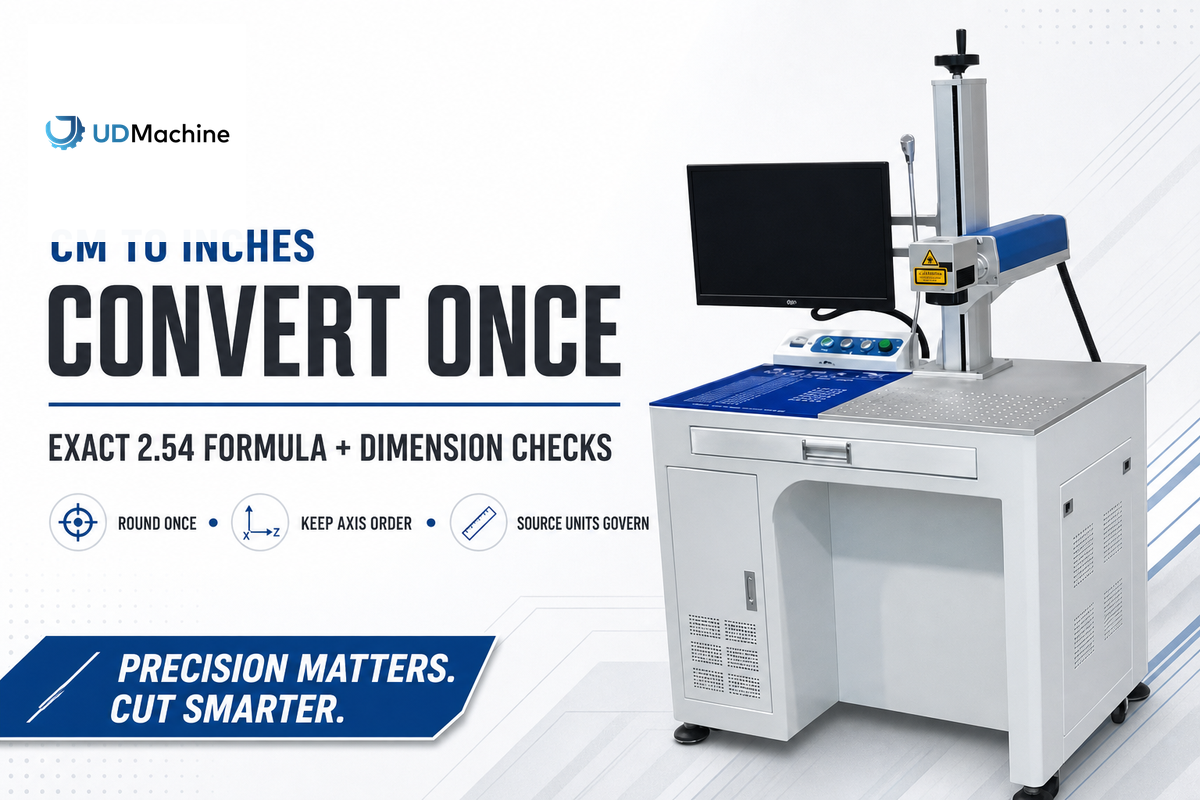
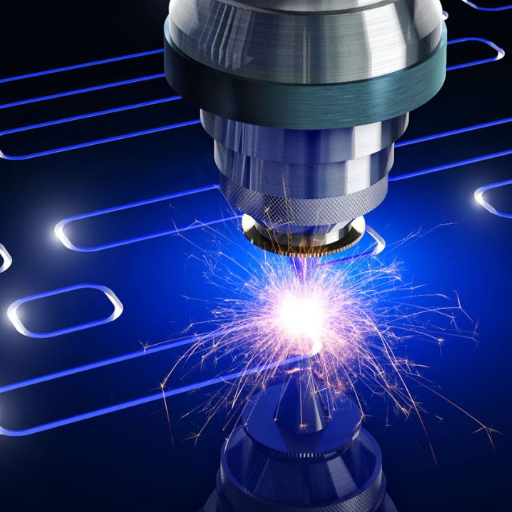
Laser cutting is a process which accurately and efficiently makes products using a tightly focused beam of coherent light to cut materials or engrave and mark on these materials. In this high-tech manufacturing technique, laser energy is focused by a lens on a tiny spot of the object so that the material can be heated to very high temperature, which melts, burns, vaporizes, or is blown away by high-pressure gas with perfect precision. Most modern laser cutting systems operate with the assistance of CNC systems to perform more complex patterns with very little human intervention required. According to recent searches, its applications span industries such as aerospace, automotive, healthcare, and consumer electronics, primarily because laser cutting provides clean edges with minimum material wastage, even for extremely complex geometries. The growth of fiber and CO2 lasers has enhanced the capabilities of laser cutting when it comes to processing and has made available a variety of materials for laser cutting, including metals, plastics, ceramics, and composites.
How Does the Laser Cutting Process Work?
The laser cutting process is carried out by putting a concentrated beam of light-the laser-through the unobstructed path of material to cut it. It starts with the generation of the laser beam, which is typically generated by the laser resonator and made to pass through the fiber optics or carbon dioxide (CO2) gas. The generated beam then gets reflected by mirrors to a focusing lens where the energy gets concentrated to an extraordinary power density at which cutting takes place. When the beam is focused on the surface of the material, the surface is heated and melted or vaporized almost immediately along the front of the cutting path.
CNC programming is usually involved today to guarantee precision as it automates the whole process, guiding the laser cutter along previously set cutting patterns. The outside of the cutting area, depending on the material, and needs oxygen or nitrogen assist gases. These gases assist in blowing away the molten material; in the case of nitrogen, it prevents oxidation and results in a clean edge. With state-of-the-art sensor tech, precision controls guarantee the consistency of the cut during intricate or microscopic designs, hence pushing laser cutting further to being the standard for industrial fabrication.
Different Types of Laser Cutters
The laser cutters exist in several types, with each being tailored to specific needs. The main types are CO2, fiber optic, and crystal.
CO2 Laser Cutters
A CO2 laser system uses a gas mixture mainly carbon dioxide, with nitrogen, helium, and hydrogen, to generate a laser beam. It is highly effective on non-metallic materials such as wood, acrylic, plastic, leather, and glass, making it suitable for applications ranging from signage to small-scale manufacturing. Further, they are cheap and widely used for their versatile cutting and engraving capabilities.
Fiber Laser Cutters
These fiber lasers are solid-state installations amplifying a laser beam by means of optic fibers doped with rare-earth elements. Offering extreme precision and power efficacy, these cutters are best suited for engraving metals and cutting thin metal sheets such as stainless steel, brass, or aluminum. Because of the reliability and ease of maintenance, fiber laser cutters have become the industry standard for metal processing at high speed and in large volumes.
Crystal Laser Cutters
Providing Nd:YAG (neodymium-doped yttrium aluminum garnet) or Nd:YVO (neodymium-doped yttrium orthovanadate) as an active medium, crystal lasers allow engraving or cutting of metals at even greater intensities compared to fiber lasers. On the contrary, this type would offer the very best for demanding applications but it is expensive in operational costs due to maintenance demands and complexity of its components.
Technology advancement has slowly separated older classifications, giving rise to hybrid systems that combine a number of types of cutting mechanisms to cater to special purposes. Laser cutter selection thus depends very much on the type of material, thickness, speed, and budget, all driven by escalated demand for efficiency and precision in the present-day manufacturing world.
Types of Laser Cutting Processes
Vector Cutting vs. Rastering
Vector cutting and rastering provide two different methods of laser cutting, each dictated by the application and the goals of the project.
Vector Cutting
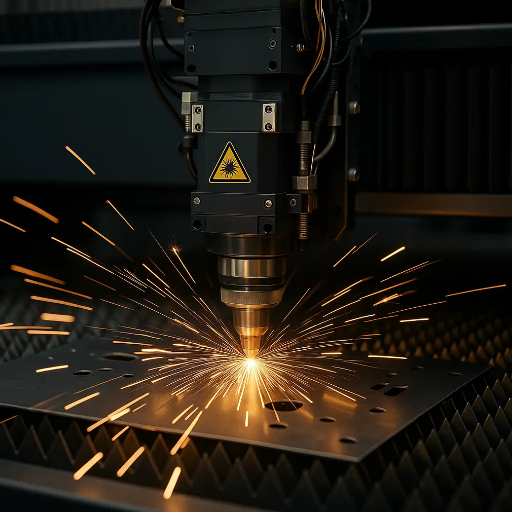
Vector cutting follows a vector-based design path with the laser cutting along a continuous path through the material. Laser cutting is best for making precise and detailed shapes, structures with intricate patterns, signage, or parts for manufacturing where the laser moves exactly on the lines given in the design file. The vector method generally uses less energy and material waste cutting through thinner materials such as wood, acrylic, or metal sheets.
Rastering
Rastering works somewhat like a printer. The laser moves over the surface in a series of passes, removing the surface material in rows. Such a process is meant for finer surface engravings of logos, text, or images, where depth and texture matter. It also hampers speed-wise as compared to vector cutting, as rastering requires back-and-forth scanning within the given area.
Recent trends and statistics, including search metric-derived insights, reveal that the hybrid combinations of vector cutting and rastering have been very much in demand lately. For instance, vector cutting of structural components combined with raster engraving for aesthetics, in applications like custom manufacturing and commercial design, has gained prominence lately. The hybrid uses fit the recent trends of product development that stress on personalization and precision, quite well enough to warrant marketwise exploration.
When choosing whether to employ vector cutting or rastering, it is essential to consider the ability of the materials to take the coating, the design complexity, and the desired good finish of end results to unite into one efficient method.
Laser Cutting Techniques for Different Materials
One needs to adopt different laser-cutting techniques depending upon the unique properties of the material in question. For example, metals such as stainless steel and aluminum require high power laser systems because they tend to conduct heat and reflective surface. Fiber lasers are best for cutting metals as they concentrate the energy very well and deliver very precise cuts with minimum thermal distortion.
On the other hand, non-metal materials such as acrylics and wood depend on CO₂ lasers, which operate at longer wavelengths suited for non-metallic surfaces. Acrylics are cut with the clean and polished edge with lower power setting and controlled speed, whereas for wood, depending on its density and moisture content, the settings are altered to reduce charring.
According to recent search trends, users are frequently looking for the optimum settings for laser cutting various materials. They convey that the settings depend on laser power, cutting speed, the focus point, and material thickness. For example, thin plastics generally use lower power and higher speed so that the material does not melt, while brittle materials such as glass are usually cut by laser engraving and controlled cracking schemes for highly fine results.
Adjusting those parameters accordingly but choosing the right laser system for each material will improve the manufacturing time and quality of work. Thus, in light of these considerations, the results tend to be equally strong and absolute in areas ranging from electronics all the way into custom fabrications.
Contrasting Cutting: CO2 and Fiber Laser
CO2 and fiber lasers are two finalist names in the world of industrial cutting applications, each capable of being switched to unique working requirements and material types. CO2 lasers perform with a gas mixture-electric power being the main exciting factor comprising mainly carbon dioxide. They are considered great cutters for non-metals such as plastics, wood, ceramics, and glass, given their longer wavelength of infrared radiation-the 10.6 microns method of extremely interacting with the surface molecules.
Fiber lasers work the operation solid-state schematic wherein the laser light is created and simultaneously amplified within optical fibers. With a somewhat short wavelength (around 1 micron), fiber lasers are really best in cutting metals, as well as highly reflective substances like aluminum, brass, and copper. With good quality beam and greater energy density, fiber lasers are capable of cutting metal with the highest precision and cutting rate respectively, thereby putting fiber lasers among the most-wanted cutters in industries that take metal mass production.
In the comparison aspects of operational considerations, fiber lasers shine through as being more energy-efficient and require less maintenance. This translates into reduced downtime and hence becoming cost-effective along the whole lifecycle of fiber lasers. CO2 lasers, however, are more versatile as far as the processing of the wider range of non-metallic materials is concerned. At the end of the day, the choice between the two technologies is decided upon what one wishes to process in a specific material, how deep the cuts should be, and the ranking of priority for each of the applications.
Recent trends indicate that fiber laser is becoming more in demand, especially on industries looking for peak performance in metal processing and energy consumption. On the contrary, CO2 lasers continue to be the choice of industries that put complex non-metal material projects upfront! Understanding such knowledge helps the manufacturers to align their laser cutting technologies with the latest technological developments and market demands.
Applications of Laser Cutting Across Industries
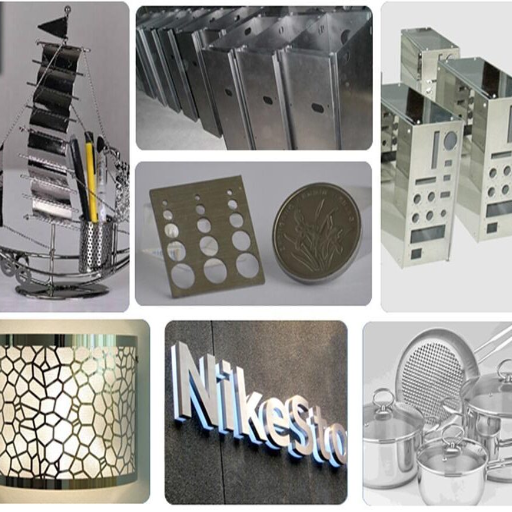
Laser Cutting for Manufacturing Industries: Advantages and Use Cases
Laser cutting technology provides unmatched precision and efficiency in manufacturing operations, setting it apart as the go-to choice across industries. By harnessing-focused laser beams, manufacturers perform precise cutting, engraving, and shaping operations on various materials-an advantage never before thought possible-with metals, plastics, and composites being his major categories. The non-contact nature of laser cutting becomes a key advantage: deformations on the materials resulting from other cutting processes are almost nonexistent; laser cutting also ensures leveling effects whereby repeated batch production maintains the highest consistency in quality. The cutting edge CNC technology complete in automation with laser cutting processes has decreased half of production period and labor cost.
Search engine data reveals an increasing deployment of laser cutting in modern industry for engraved and intricate designs with high repeatability. Such demand maintains a striking resonance with the increasing trends in mass customization and rapid prototyping, especially in automotive, aerospace, and electronics industries. The manufacturers also attest to the improvement of their material utilization rate and the reduction of wastage because of laser cutting finesse, pushing the operational agenda for more sustainable and cheaper production. These are just some of the aspects-demanding definitions for the demand for flexibility, speed, and environmental consciousness that laser cutting fulfills in modern industry.
Laser Cutting for Art and Design: Engraving and Creation
The laser cutting process has been adopted widely in art and design because of its precision, versatility, and efficiency. This technology allows artists and designers to pursue complex geometries, intricate patterns, and customized productions that would otherwise be too complex to accomplish via traditional means. Taking advantage of state-of-the-art computer-aided design (CAD) software, designers convert their concepts into vector files, which a laser cutter executes with absolute precision.
Along with highlights from recent search trends, there appears to be an increased interest in laser-engraved items, ranging from personalized gifts to architectural models for places of worship and homes. This rising demand further legitimates the increased accessibility of laser cutting technology for small-scale artisans and industrial production alike. Many queries are towards eco-friendly materials, such as bamboo and recycled acrylic, marking a trade-up toward sustainability in the creative industry.
The laser-cutting treatments allow the art and design industries to continue to break down the barriers of what is possible, generating fresh ideas for the creation of customer demands oriented toward customization and sustainability.
Laser Cutting Services for the Automotive Industry
Laser cutting technology has been an important topic for automotive manufacturing in the more recent days due to its unique precision and efficiency. Following, search data reported a rising interest in automotive laser applications with searches such as “laser cutting for automotive parts” and “automotive laser fabrication” steadily gaining ground on the search rankings. High recognition of laser cutting in making intricate designs, producing less wastage of materials, and shortening the array of time of production points toward a recognition of such technical implementation.
One of the major and most cited usages of laser cutting is in manufacturing automotive components such as fabrication of engine parts, airbag covers, or body panels. The technology provides supreme accuracy with complex geometries and tight tolerances, which are very important in the design of contemporary vehicles. Laser systems are also in place to cut lightweight materials like aluminum and advanced composites, opening another opportunity for the industry to push fuel-efficient and sustainable ways.
As related to growing trends in sustainability, the automotive industry somehow is currently evolving on greener footprints: by doing so, laser cutting creates less wastage of materials and supports environmentally friendly production through laser cutting-enabled precision engineering.
Benefits of Choosing Laser Cutting Services
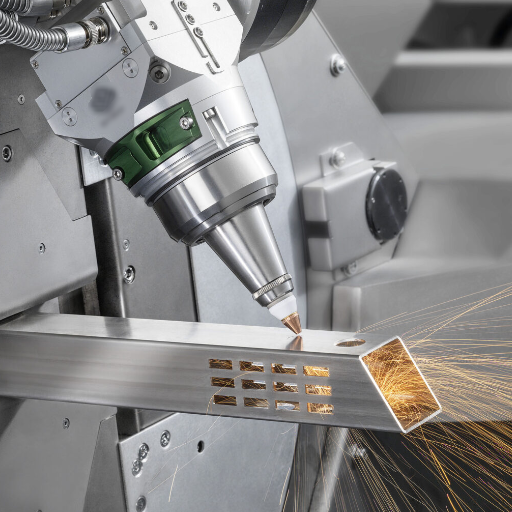
🎯 Precision and Accuracy in Laser Cuts
Laser cutting is renowned for its precision and accuracy, stemming from its ability to focus a high-intensity laser beam onto a pinpoint area. Such precision manufactures highly detailed components with tolerances as narrow as ±0.001 inch. The latest CNC (computer numerical control) systems implemented in these laser cutting machines even improve accuracy by providing automated control over intricate cutting patterns, therefore minimizing human error.
From latest Google Trends data, it is observed that search volume for terms related to “high-precision laser cutting” and “accurate manufacturing solutions” have been increasing significantly. This trend is an indicator of the growing demand for manufacturing methods that adhere to the strictest quality standards in the aerospace, medical device, and electronics industries. This demand is met by laser cutting with capability for repeatable accuracy in large-scale production, ensuring each component produced meets consistency and reliability requirements.
⚡ Time and Cost Benefits for Efficient Production
The discovery of laser cutting through production processes has been a big help in increasing time and cost efficiency. The search was constrained by keywords like “efficient manufacturing solutions” and “cost reduction in production,” reflecting a heightened interest in manufacturing optimization. Laser cutting answers all these concerns as it wastes minimum materials through precise cutting while maximizing precious material.
Besides that, on the other hand, the process is swift without exerting much influence on the quality of the output; thus, this would mean less pay for labors and faster project turnover time. Modern laser cutting systems are programmed and automated to ensure that one job flows smoothly into another, reducing downtime and increasing throughput. With attributes like that, laser cutting becomes the bane for any company trying to stay afloat in a cost-sensitive world.
🔧 Wide Range of Materials in Laser Cutting
Laser cutting demonstrates superlative versatility with respect to materials since practically anything can be accommodated precisely and efficiently. Metals such as steel, aluminum, brass, and titanium are commonly processed because of their range of thermal conductivity and reflectivity, allowing for intricate designs and clean edges. Moreover, non-metallic materials like acrylics, wood, rubber, and some kinds of plastics can be cut, engraved, or shaped with precision. The same can be applied to more specialized materials such as composites and ceramics with appropriate equipment and setups.
Recent search trends indicate that there is growing demand from users for information on the adaptability of laser cutting to new materials in aerospace, automotive, construction, and medical device manufacturing. Such demand reflects the need for cost-effective and customizable manufacturing solutions. Meanwhile, developments in fiber- and CO2-laser technology have expanded materials to be processed, balancing an increased number of cuts per inch with operational flexibility. This means consistently of quality is assured regardless of material type by using properly calibrated equipment and competent laser cutting operators, further strengthening laser cutting as a top solution in various commercial and industrial applications.
Future Trends in Laser Cutting Technology
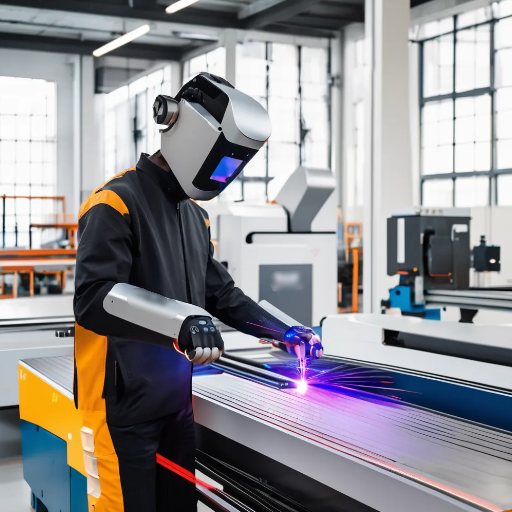
Laser Cutter Design Innovations
Advancements of laser cutting technology largely concern precision, speed, and agility towards materials. One notable innovation is integrating automation of AI-driven systems that are able to continuously optimize the cutting paths; thus, it is less wasteful and faster while not compromising on precision. Moreover, multi-axis cutting heads have grown in popularity to carve elaborate 3D features that planar laser cutters were not able to provide.
Hybrid laser systems are also used for harder materials and for other materials such as carbon fiber or plastic; namely, the combination of fiber and CO2 laser enables an operator to carry out the action on metal and non-metal materials, thus bestowing them with an unmatched level of versatility for industrial applications. Another issue faced when designing these systems is their cooling: improved cooling techniques, such as water cooling of diode lasers, have made machines more energy efficient by maintaining operating temperature within an acceptable range, thereby extending the lifespan of the machine and reducing power consumption.
Moreover, recent search trends highlight the interest in small-scale and portable laser cutting devices promising to be handy to small businesses and hobbyists. Until now, such designs have applied miniaturization without precipitation on performance, enabling these users to enjoy the professional-grade capabilities in a smaller, more affordable package. From this perspective, innovations are spearheading democratization in the laser cutting world, ensuring that the technology is accessible across the spectrum-from manufacturing to creative outlets.
Emerging Materials for Laser Cutting
Advancements in material science and applications’ desire for a multitude of options have rapidly changed the view of those that are workable for laser cutting. Besides the usual materials such as wood, acrylic, and metal, new materials such as fiber-reinforced composites, biodegradable polymers, and even graphene-based substrates are gaining high importance. Fiber-reinforced composites offer unmatched strength-to-weight ratios for aerospace and automotive applications. Biodegradable polymers are still in search of an eco-friendly alternative for packaging and prototypes, due to the worldwide push for sustenance. Theoretically, graphene should open application areas for electronics and precise applications with its amazing electrical and thermal conduction.
Recent search engine trends suggest there is great interest in laser processing of hybrid materials-mixed metals and polymers-to fabricate multifunctional components. These hybrid materials cater to the growing need for lightweight yet sturdy products in the fields of medical devices and wearable systems. The amalgamation of such materials into laser cutting processes frequently calls for sophisticated machine setups, including output at multiple wavelengths, to accommodate differing thermal profiles. Needless to say, emerging materials that require technology adaptable to ever-shifting changes outline remaining laser cutting technologies on the forefront, consciously pursuing new challenges and opportunities confronted by modern industry-mediated artistry.
Impact of Automation on Laser Cutting Services
Automation has ushered in a paradigm shift in laser cutting services layered with enhanced efficiency, precision, and scalability across industries. Laser cutters integrated with automated systems including robotic arms, CAD-driven processes, and monitoring software are performing highly complex operations with very little human intervention. Such undercuts human error, optimizes production cycles, hastens turnaround time, and guarantees consistent quality.
Automated precision manufacturing now is trending in search data, highlighting low-cost production methods that are scalable. Smart scheduling and predictive maintenance come through automation, with IoT-enabled devices providing real-time diagnostics thus reducing downtime. Several companies assert that they experience tangible improvements in productivity and profitability as a result, positioning automation even more as an important part of the future of laser cutting services. Increasing interaction between automation and laser cutting translates well to the concepts behind Industry 4.0, hence keeping manufacturers on par with digitalization and connectivity.
Frequently Asked Questions (FAQ)
❓ What are the benefits of laser cutting?
Laser cutting offers many advantages, accounting for its predominance in several industries. A foremost advantage: precision-wise, the laser beam is capable of supporting very high levels of accuracy-intrinsic to designs with minute details. Secondly, laser cutting greatly reduces the time for production as compared to its conventional counterparts. The range of materials on which laser cutters can operate is quite broad, with acrylic, mild steel being a few examples amongst many others. The minor heat-affected zones offer a low chance of warping and distortion; great quality laser cut parts are an assurance here. Therefore, the advantages of laser cutting rightly position it to be most suited for both industrial applications and custom works.
🔧 Which types of laser cutters exist?
There exist different types of laser cutters-for cutting materials with variations in specifications for each application. CO2 lasers are used most often for cutting non-metal materials such as acrylic and wood, while fiber lasers cut metal sheets like mild steel and stainless steel very well. Solid-state lasers like Nd:YAG are also used in industrial cutting, providing high power and efficiency. You might prefer high-power laser cutters while working on thicker materials for the best finish. The kind of laser cutter that will be selected will depend on the material that is to be processed as well as the speed and accuracy desired in cutting. Some of these laser cutters are even fit with intelligent features like omnidirectional cutting or laser rastering.
⚙️ Explain the process of laser cutting?
Laser cutting involves a focused laser beam melting, burning, or vaporizing the material in order to achieve precise cuts. It starts by choosing the appropriate laser cutter-whether different in power or in type. The laser beam then cuts into the material with the aid of a laser head moving according to an established path. Therefore, it is able to make very complicated designs and shapes with less wastage. This cuts down on high wastage common with other cutting methods and makes the laser cutter useful for many applications-from big industrial manufacturing processes to small bespoke projects. This laser cutting process is good for cutting different materials, ensuring an efficient and quality finish to the product.
🛠️ Can laser cutting cut metals?
Of course! This laser cutting through metals makes it useful also for the metal-cutting company. Fiber lasers can cut metal efficiently and include stainless steel and mild steel with its high power and efficiency. The laser showcases vaporizing material cutting so the edges are clean and can be designed in very detailed ways. It is also suitable for a wide range of thicknesses, handling both thin materials and thicker materials with ease. This way, it is often preferred to the traditional methods like flame or plasma cutting due to its added precision and smaller heat-affected zone-working away. These laser cutting metal parts are certainly a best choice for highly finished laser cut parts.
🏢 What are laser cutting services used for?
Laser cutting services are widely used across various industries for their precision and versatility. These services can cater to custom projects, producing unique designs in materials like acrylic, wood, and metals. The automotive, aerospace, and signage industries make use of laser cutting to achieve very precise specifications when designing part components. Also, laser cutting services can be used for mass production, thereby making the manufacturing process very efficient and saving time and resources. Being able to cut various materials and volumes perfectly and without hassle is surely what sets these laser cutting services apart, making them crucial to businesses willing to innovate and maintain their quality. What is more to that, custom laser cutting services are currently offered online by many companies, which facilitates the ordering of custom products by the customers.
📚 Reference Sources
Stanford University – Laser Cutting Guide
Overview of laser cutting applications for various materials
Purdue University – Laser Cutting and Engraving
Material compatibility and safety considerations
Kansas State University – Laser Cutting Guide
Applications for personalized accessories and mechanical parts