Do you want to know the process which transforms ripe tomatoes into the ketchup which you use at your dining table? The process of tomato sauce production showcases a fascinating combination of innovative methods and efficient operations which produce delicious final products. This guide to ketchup making machines takes you behind the scenes to explore how these remarkable devices transform fresh ingredients into the tangy, flavorful condiment we all know and love. This article explains modern ketchup production processes which include equipment and product advantages to both food enthusiasts and industry professionals who want to learn. Prepare yourself to learn about the hidden methods which create one of the most essential items found in kitchen cabinets.
Introduction to Ketchup Making Machines
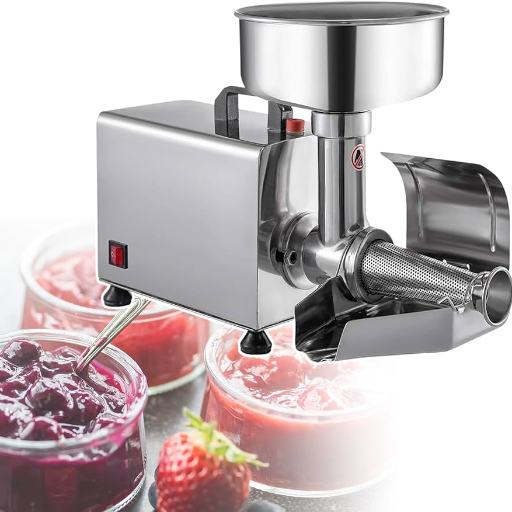
Ketchup making machines are specialized equipment designed to efficiently produce ketchup on a large scale. The production process becomes more efficient through the machines which handle all operations starting from ingredient cleaning and preparation to creating a smooth mixture and cooking until the desired taste is achieved and finally packaging the complete product. The system guarantees consistent product quality while boosting operational productivity and safeguarding sanitary conditions during the entire manufacturing procedure. Ketchup making machines generate standardized production runs through their combination of automated systems and accurate control mechanisms which satisfy both industry standards and consumer requirements.
Understanding the Importance of Ketchup
Ketchup has become a fundamental kitchen condiment that people worldwide use because it can be used with different foods and has delicious taste and cultural importance. The sweet and tangy flavor of the product works well with a range of foods which include burgers and fries as well as eggs and pasta. People worldwide choose ketchup because it offers two main benefits which are low-cost and user-friendly and it improves taste for basic dishes. The development of ketchup from its beginnings as Asian fish sauce through its transformation into a tomato-based product shows how ketchup has changed over time. The main brands in the market have developed new products which include low-sugar and organic and gluten-free ketchup varieties to satisfy multiple dietary needs while maintaining ketchup’s status as an essential food product in the changing culinary market.
Overview of Ketchup Making Technology
The technology used to produce ketchup has advanced throughout history to enable industrial manufacturing processes which will produce identical products of high quality. The process starts with selecting ripe tomatoes which undergo washing and inspection to verify their cleanliness and quality. The tomatoes undergo crushing and heating to destroy enzymes which helps maintain their original color and flavor. The mixture which results from this process serves as the primary tomato ingredient used to create ketchup.
The paste receives additional ingredients which include vinegar sugar salt and various spices to create the desired flavor profile. The mixture undergoes homogenization to create a texture that is both smooth and uniform throughout the product. The blending step establishes the distinctive thick yet pourable texture which defines the final product. The ketchup undergoes heat treatment through pasteurization which kills pathogens and extends product shelf life while maintaining safety and flavor integrity for consumption.
The final stage involves filling and sealing the ketchup into sterilized bottles or packaging. Advanced technology ensures the filling process is efficient while minimizing contamination risks. The system depends on automation and quality control systems which include processes to verify proper sealing and correct labeling and total product quality. The production process of ketchup demonstrates how technology achieves both fast production times and exceptional product quality which includes taste and safety standards.
Purpose of Ketchup Making Machines
Ketchup making machines exist to simplify production processes while maintaining quality standards and safety regulations. The machines operate all ketchup production stages by precisely and efficiently handling the processes of ingredient mixing cooking pasteurization and bottling. The system uses advanced automation technology to decrease both manual work and contamination risks while sustaining food industry hygiene standards. The machines enable mass production of ketchup to meet consumer demand while maintaining the product’s authentic flavor and texture. The system supports both economic growth and strict quality control requirements through its essential functions.
The Technology Behind Ketchup Production
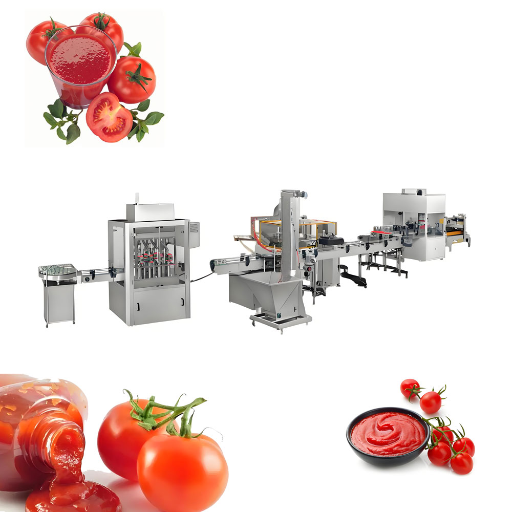
How Automatic Tomato Processing Works
The automatic tomato processing system uses multiple mechanized operations to transform fresh tomatoes into various products which include ketchup and paste as well as sauces. The process starts with the sorting and washing procedure which removes all dirt and debris together with any unsuitable produce from the tomatoes. The automated sorting systems apply visual or mechanical techniques to select only the ripe and high-quality tomatoes which will advance through the production process.
The sorting process leads to tomato transfer into machines which perform crushing and pulping functions. The machines separate pulp from seeds and skins together with other undesirable materials. This step utilizes fine sieves and centrifugal force to produce the smooth consistency which tomato-based products require to achieve their desired texture. The pulp extraction process involves filtering the pulp to prepare it for subsequent processing steps.
The pulp undergoes a sequence of cooking followed by concentration processing. The advanced processing equipment operates by heating tomato pulp while simultaneously removing excess water until the desired thickness is achieved. Modern systems maintain precise temperature controls which help preserve the original color and flavor together with the nutritional content of the tomatoes. The concentrated mixture undergoes a sequence of seasoning and sterilization before being packaged in sanitary conditions which guarantee the product will meet strict safety and quality requirements.
Key Components of a Ketchup Machine
A ketchup machine consists of several key components critical to its operation:
- Pulping System – This system extracts tomato pulp by eliminating seeds and skins which results in a smooth ketchup base.
- Heating Unit – The unit achieves necessary consistency by heating the mixture to precise temperatures which enable evaporation.
- Evaporation Chamber – The chamber extracts surplus water from the mixture in order to create a concentrated form that keeps its original flavor and nutritional value.
- Mixing Tank – The tank mixes seasonings and other ingredients throughout the concentrated pulp to achieve uniform distribution.
- Sterilization Unit – The unit ensures that all harmful microbes have been eliminated from the mixture which helps maintain food safety standards.
- Filling and Packaging System – The system operates under hygienic conditions to seal finished ketchup into containers which ensures product freshness.
The high-quality ketchup production process depends on each essential component which transforms raw materials into final product through efficient and safe processing methods.
Innovations in Ketchup Making Equipment
According to the newest research findings, ketchup technology is undergoing a vast expansion, primarily because of improved manufacturing and product standards. At present, today’s technologies such as Artificial Intelligence (AI) and Internet of Things (IoT) technologies will handle all operational processes. Embedded with a lovely standard, smart sensors discern mixing tanks; communicating among one another, they also adjust rates of mixing among various components based on real-time measurements, so none of the components are left untreated during mixing. The new sterilization systems-here UV light coupled with High Pressure Processing (HPP) technology-provide bacterial or microbial eradication ensuring taste and nutritional values aren’t discriminated against. These automated filling and packaging systems combining robotics and advanced-cutting human contact with product hygiene to increase volume production. Whole components mesh together to come out with a quicker process of manufacture while delivering a safe and environmentally friendly ketchup following today’s consumer demands. The great pace at which technological innovations are entering the ketchup industry setting new standards for the area of food manufacturing.
Types of Ketchup Production Lines
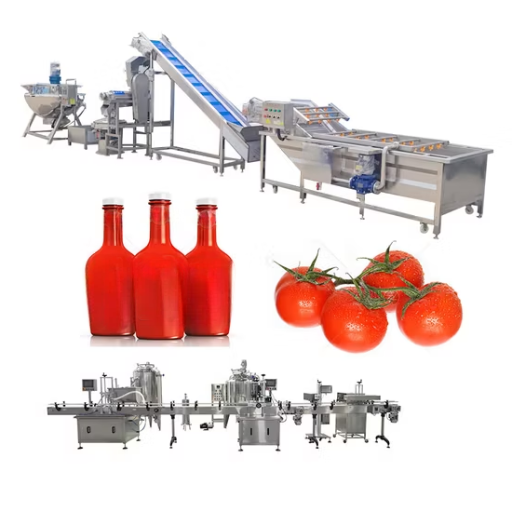
Small Scale Tomato Sauce Making Machines
Tomato-sauce making machines in limited quantities-will serve to be the perfect machinery solution for small-scale enterprises and home-based food production and start-ups. The machines are usually created to accommodate tomato washing, peeling, pulping, and blending, becoming an all-encompassing solution leading to the production of sauce. The compact design machine allows user setup and operation with less strain. The semi-automatic machines besides offering less labor input also make operation easier for users who need to produce lesser production levels since their costs are pocket-friendly. Stainless steel-made machines guarantee service because of both durability and conformity with food-grade hygiene standards. The whole machine can work at multiple speed levels ranging from 50kg to 500kg per hour thus ensuring small-scale production with quality reliability. The user can operate several varied sauce textures by adjusting the settings, which accommodate all sorts of customer expectations.
Automatic Tomato Ketchup Machines
The food processing industry has experienced a transformation through automatic tomato ketchup machines which deliver both efficient performance and exact production results. The machines use advanced technology to perform automated operations which include grinding and mixing and cooking and packaging processes that result in decreased expenses and faster production times. Automated ketchup manufacturing has become more appealing to small and medium-sized enterprises because these businesses need better production methods to expand their operations. Users of the system demonstrate increasing demand for three specific features which include energy efficiency and user-friendly interfaces and the capacity to operate multiple recipes.
The machines use exact temperature control systems together with automatic ingredient measurement systems to create identical high-quality products for each production run. The use of programmable logic controllers (PLCs) enables manufacturers to create custom recipes which they can save for future use while ensuring product quality remains unchanged throughout their production process. The system improves operational productivity while satisfying customers who seek premium products with rich tastes.
High-Capacity Ketchup Production Lines
High-capacity ketchup production lines are designed to produce large volumes of ketchup through efficient processes which achieve high product quality. The production systems use advanced equipment to automate their main processes, which include ingredient mixing and cooking and filling and packaging. The company uses automation to speed up production processes while creating products with consistent quality because it minimizes human mistakes and production defects.
The production lines have capacity to process bulk materials and function as uninterrupted systems to fulfill demands for their products. The system uses pasteurization technology to create safe products with extended shelf life, while the filling and sealing systems protect product hygiene. The company uses precise measurement controls to maintain consistent textural and taste and viscosity characteristics of ketchup across different production batches, which meet their quality requirements.
High-capacity ketchup production requires systems which operate with efficient performance and flexible capacity. The production lines provide customization options which enable them to process multiple packaging formats and specific recipes from small sachets to large bottles, which meet different consumer requirements. The system provides manufacturers with essential tools, which enable them to maintain market competitiveness, while they deliver products for local and international markets.
Benefits of Using a Ketchup Making Machine
Efficiency and Speed in Production
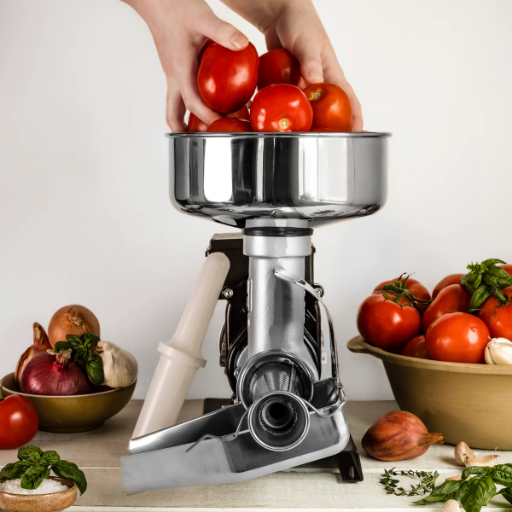
The use of a ketchup production machine improves production efficiency and production speed, which allows manufacturers to produce more products while maintaining their product quality standard. The machines use modern automation systems to improve their operations, which include mixing and cooking and blending and filling activities. The current technological advancements which match popular online search patterns, show that the industry prefers high-speed systems which require less human operation and produce less waste while delivering uniform results. The system decreases production duration while it enhances production volume, which enables the facility to create extensive ketchup quantities within a short time period that exceeds manual production methods.
Quality Control and Consistency
Ketchup production equipment enables companies to achieve constant product quality through their automated processing systems which handle essential production tasks. The equipment enables operators to manage essential production elements through complete control of which ingredient components will be used and which cooking temperatures and mixing durations will be applied. The production process maintains consistent results through this control system which generates identical texture and flavor and color for all ketchup batches until they reach the required standards of both customers and government regulations.
Using automated systems within ketchup production limits the opportunities for human error that could lead to differences among outcomes. The advanced sensory and monitoring systems of these devices will operate in real-time for pinpointing and solving system mishaps, thereby preventing product defects and contamination events. The activity will not only append to quality but also straddle safety bars up a notch, leaving a solid footing for the product to abide by any industry certification in the long run.
The machines used for ketchup production help businesses become more effective while maintaining their quality control procedures. The equipment maintains production consistency through its ability to create a managed operational environment which protects the entire production process. The manufacturing process requires less manual work because of this system, which allows manufacturers to produce products that maintain uniformity at their established quality benchmarks, which builds customer confidence in the product.
Cost-Effectiveness for Small Scale Tomato Sauce Making
Small-scale tomato sauce production achieves cost efficiency because it requires less operational expenses while producers can adjust their output to match customer needs. The deployment of portable compact equipment solutions enables small-scale manufacturers to attain operational efficiency through decreased material waste while they achieve optimal production levels. The operation of this business model enables companies to deliver their products at affordable prices while maintaining product quality which makes it suitable for food industry startups and small businesses.
Key Features to Look for in a Ketchup Machine
Size and Capacity Considerations
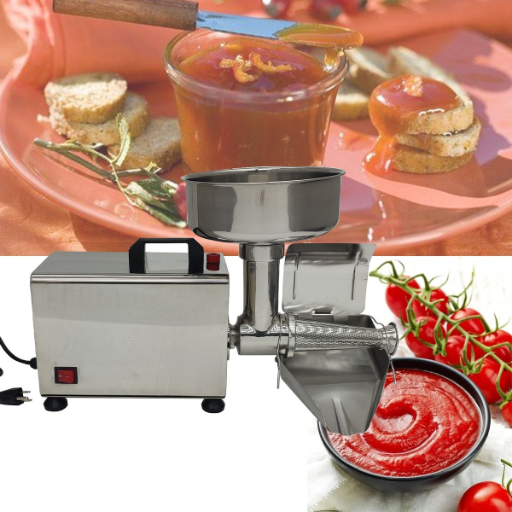
The size and capacity of a ketchup machine must be evaluated because those elements determine how efficiently products are made and how much space will be used. The machine should match your projected production requirements. A small operation needs a small machine which has a lower capacity because it can produce enough output while operating in restricted areas. A machine with higher capacity exists to manage the increased workload which comes with larger production needs.
The machine needs evaluation because its scalability stands as an important requirement. Future expansion needs require equipment to match upcoming growth requirements because operations will expand. Choose a machine that provides adjustable capacity through its modular system because it allows your business to adapt without needing major financial investment. Your equipment will function as a sustainable solution which adapts to your evolving business requirements.
The machine needs evaluation based on its physical dimensions because they impact your available workspace. The space needs to be measured precisely to confirm that the machine installation will not interfere with operational workflows. The production area can achieve better space management through compact ergonomic designs which enable maintenance of a tidy organized environment. The evaluation of these factors leads to a decision which meets the operational requirements of your business.
Versatility for Different Tomato Products
The first thing to consider when choosing a ketchup machine needs to be its ability to handle different tasks. The equipment must be able to handle multiple tomato products which include ketchup and sauces and pastes and purees. The machines which provide adjustable settings for consistency and texture and viscosity enable users to create their preferred product specifications. The system provides product flexibility through its ability to switch between different products using interchangeablenozzles and modular components. The selection of a multipurpose machine leads to expanded product options which boost operational efficiency and help businesses satisfy multiple customer requirements.
Ease of Use and Maintenance
The selection process for a ketchup machine requires its operators to handle all aspects of their work operations. The machines which have both user-friendly interfaces and intuitive controls enable operators to learn their functions with less effort, which allows them to work effectively in production environments. The machine becomes easier to use because it includes digital touchscreens and preset modes and simple programming options which permit users to control its functions. The selection of equipment with modular design and components that enable quick cleaning will decrease equipment downtime while maintaining proper hygiene standards. The ideal machines need to provide disassembly through tools-free methods while also displaying maintenance procedures through clearly identified maintenance timelines. The demand for dependable machinery which requires minimal upkeep has become a primary concern for businesses which seek to enhance their daily operations while reducing future expenses. The selection of this machine brings operational advantages which reduce daily work requirements while increasing equipment durability, thus making it a valuable investment.
Reference Sources
-
Optimizing Ketchup Manufacturing Process: A Tecnomatix Simulation for Reduced Waiting Time and Improved Operational Efficiency: Investigates the optimization of ketchup production processes, analyzing systems to improve efficiency and reduce waiting times.
-
The Use of Sophisticated Process Design Software to Teach Basic Chemical Engineering Principles Through the Design of a Ketchup Manufacturing Process: Explores the design of ketchup manufacturing processes using advanced software, focusing on equipment and process optimization.
-
Experiments on the Spoilage of Tomato Ketchup: Examines factors affecting the quality and spoilage of ketchup, which can be linked to production and machinery considerations.
Frequently Asked Questions (FAQs)
What is a tomato ketchup making machine and how does it fit into a processing line?
A tomato ketchup making machine serves as dedicated equipment which processes fresh tomatoes to produce complete ketchup products and tomato paste ketchup products within processing facilities. The sauce production line uses a sequence of operations which involves washing vegetables, sorting them, crushing or grinding with a grinder or colloid mill or mill chili, cooking food, emulsifying food, homogenizing food, and finally using filling machines and packing machines. The complete processing line contains processing machine units which handle tomato puree production and mixing and straining and paste production and packaging machine integration to create an effective workflow for producing tomato ketchup.
How does the grinding machine or colloid mill affect tomato puree and paste production?
The grinding machine and the colloid mill both impact tomato puree and paste production processes. Grinding ketchup or using a colloid mill impacts texture, particle size and mouthfeel of tomato puree and tomato paste. A colloid mill or grinder chili produces a fine, stable pulp ideal for smooth tomato paste or ketchup; for chili paste grinding machine applications it ensures even mixing when making chili sauce or ketchup chili sauce. The correct mill selection determines both emulsifying efficiency and final sauce viscosity results.
How do processing plant makers ensure quality when using a machine tomato system for tomato juice, puree or paste?
Machine manufacturers create processing equipment according to food processing hygiene standards which require stainless steel construction and CIP (clean-in-place) compatibility and sanitary strainers and controlled heating/cooling systems for both the mill and mixer areas. The quality control process tracks three measurements which include paste production temperature and pH and solids content of tomato juice and puree and strainer filtration results to ensure processing of tomato ketchup meets established standards.
What is the typical price tomato paste or cost range for a tomato paste making machine and full processing equipment?
Price tomato paste equipment varies widely based on capacity, automation level and features. The cost of a small-scale tomato paste making machine costs less than the price of a complete production line which includes a colloid mill and mixer filling machine and packaging machinery. Machine manufacturer quotes often depend on customization options, production capacity and whether the equipment is sourced as a Chinese machine or from other international suppliers.
How do grinding ketchup and chili paste grinding machine choices affect sauce consistency and chilli heat distribution?
The choice of grinding equipment determines particle size, fiber breakdown and how uniformly chili particles disperse in the sauce, which affects both texture and perceived heat. The process of producing chili sauce and ketchup chili sauce blends requires a mill chili or grinder that creates a fine and uniform paste because this equipment produces uniform chili distribution. Proper emulsify and mixer stages further stabilize the sauce and integrate oils or mayonnaise components when required.