The process of making custom buttons and magnets has become more accessible and entertaining because of the various magnet making machines which exist in the present. The magnet and button makers provide unlimited creative potential which benefits both small business operators and craft enthusiasts and people who enjoy making customized gifts. The guide will present all essential information needed to operate these adaptable machines which includes their operational mechanics and practical applications and equipment selection for specific requirements. Prepare yourself to create physical products which will grab attention through their unique design elements.
Understanding Magnet Making Machines
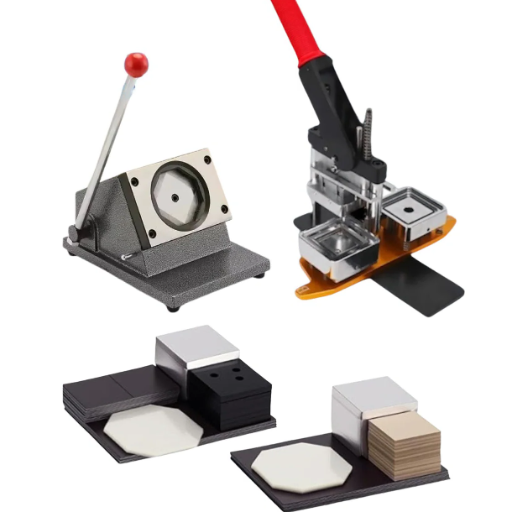
Magnet making machines function as dedicated equipment which produces tailor-made magnets that users can utilize for either personal or professional purposes. The machines create permanent and attractive magnets through their standard operation which combines printed images with adhesive materials and magnetic sheets. The procedure requires first applying the printed design onto a magnetic backing which operators will then cut into the necessary shape and fasten into position. The compact size of magnet making machines enables users to operate them easily because they can use the equipment for both minor projects and extensive manufacturing operations. The equipment serves as a common solution for producing promotional content and customized presents and aesthetic items.
What is a Magnet Making Machine?
The magnet making machine functions as a device that produces custom magnets through the process of combining a printed design with a magnetic base. The machines enable users to efficiently create specific material shapes because their design allows for quick cutting and pressing operations. People use these machines to create functional and decorative magnets which include fridge magnets and promotional products and customized presents.
The machine works by allowing users to attach a printed or decorative design onto a magnetic sheet or other compatible material. The machine achieves its purpose by cutting and pressing the aligned layers which results in a magnet that displays both durability and visual attractiveness. The machine capacity determines which additional functions the system will provide because some systems enable users to use laminating functions while others provide advanced cutting technologies for complex patterns.
Magnet making machines serve multiple purposes because they support both creative work in small projects and industrial production in large operations. The product allows different users to operate it because of its straightforward design which enables quick and effective custom magnet creation.
Core Functionality and Components
The machines for magnet production use essential elements to achieve their goal of producing precise custom magnets. The machines need three main components which are the cutting system, the printing system, and the lamination system. The cutting mechanism ensures that materials such as magnetic sheets or flexible magnet rolls are shaped accurately according to the desired designs. The printing module uses advanced technologies which include thermal transfer and inkjet printing to create visually striking and long-lasting printed materials. The printed designs receive protection through laminating systems which apply an extra layer that extends their operational time while resisting damage.
Modern magnet making machines integrate smart features and cutting-edge technology for improved usability. The system includes touchscreens which enable users to operate the machine through automated alignment and they can transfer data between devices through its connectivity options. Current research indicates that magnetic material technology has progressed to a point where these machines can now handle stronger and more flexible magnetic substrates which opens up fresh creative and industrial applications. The innovations which magnet making machines use function as critical resources that businesses need to produce promotional products and educational resources which include their complete range of signage materials.
How Magnet Making Machines Work
The production of magnets requires machines which use complex techniques to convert magnetic substances into finished products. The process begins with raw magnetic materials which include ferrous powders and sheet metals that undergo processing through cutting and molding and shaping tools that create the intended final product. The machines maintain exact specifications for the application requirements through their work which demands complete accuracy.
The magnetization process begins after the materials complete their preparation. The prepared components undergo exposure to a magnetic field which the machine generates to align the domains within the material for permanent magnet creation. The process enables users to modify both strength and polarity of the magnet which creates a flexible technique for manufacturing magnets with different strength and orientation configurations.
The finished magnets need protective coatings or treatments which improve their resistance to corrosion and wear while enhancing their visual appeal. The final step makes sure that the magnets will work properly while maintaining their operational performance throughout their expected lifespan. The machines make magnet production easier by converting a difficult process into an efficient method which industrial manufacturers and custom product developers can use for their various production needs.
Applications of Magnet Making Machines
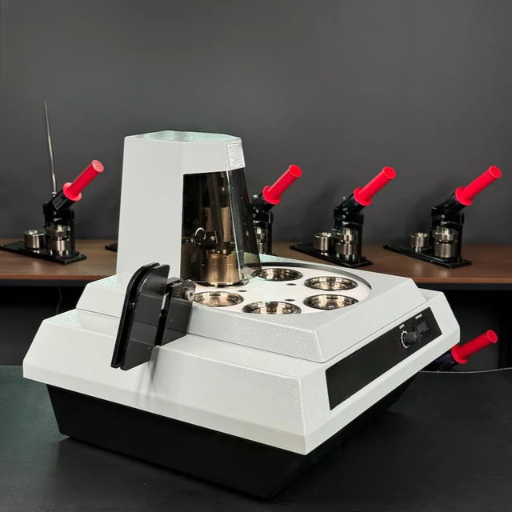
Industry Uses: Manufacturing and Electronics
Magnet making machines play a crucial role in both manufacturing processes and electronic production because they provide essential equipment which helps achieve accurate results and optimal performance. The manufacturing sector employs these devices to create high-performance magnets which serve industrial machinery and automotive parts and renewable energy systems including wind turbine technology. The worldwide wind turbine sector depends on neodymium magnets which will generate a market value of $25 billion by 2028 due to the increasing demand for environmentally friendly energy solutions.
The electronics industry depends on magnet making machines to produce essential parts which power smartphones and electric motors and speakers and sensors. The machines produce permanent magnets which enable devices to become smaller while their performance capabilities expand. The consumer electronics market is expected to grow at a compound annual growth rate of 6.5% from 2023 to 2030 according to current statistics which will create a higher need for specialized magnets.
Industrial magnet making machines now use advanced technologies such as AI and IoT to create more precise manufacturing processes which allow for better product customization. The technological development process increases production rates while decreasing expenses which establishes magnet manufacturing as a major force driving innovation in these industrial fields.
Automotive Applications of Magnet Makers
Magnet makers play a pivotal role in the automotive industry, particularly with the rapid shift toward electric vehicles (EVs) and advanced mobility solutions. Permanent magnets, such as neodymium magnets, serve as essential components for electric motors which power EVs through their high efficiency and performance capabilities. The latest data shows a significant uptick in global searches for “EV motor magnets” and “automotive magnet innovations,” which indicate that both fields are receiving increased research attention from researchers in this domain.
Magnet makers produce essential parts for power window systems and sensors and actuators which depend on advanced magnetic materials to achieve both accuracy and reliable performance. The demand for lightweight yet durable magnets has also seen a rise as automakers aim to improve energy efficiency. The introduction of autonomous driving technologies requires magnets to function in LiDAR systems and various sensor applications which demonstrate their essential role in driving automotive technology forward.
Crafting with Magnet Making Machines
Machines used for magnet production work to create high-quality magnets with precise and efficient manufacturing processes. The machines perform three main functions which include compressing magnetic powders and heat treating materials and finishing surfaces. The system guarantees that all three attributes required for demanding industrial applications which include automotive and electronics fields will be measured with complete accuracy through its automated processes. Operators have the ability to adjust production settings according to their specific needs which enables them to create magnets designed for distinct applications. Modern magnet production equipment has become essential for use in magnet manufacturing because technological developments have improved both its reliability and user-friendliness.
Benefits of Using Magnet Making Machines

Improved Efficiency in Production
Magnet production equipment operates at higher efficiency because it handles complex manufacturing tasks with less need for human workers while decreasing operational mistakes. According to the latest data, automated magnet manufacturing processes can increase output by up to 40% because they enable greater production capacity while maintaining product quality. These machines are designed to handle large quantities with precision, enabling manufacturers to meet growing demands in industries like automotive, consumer electronics, and renewable energy. The equipment delivers reliable performance results which decrease operational interruptions while maximizing resource efficiency, which makes the equipment vital for modern industrial operations.
Precision in Button and Magnet Making
Magnet making machines provide precise and efficient methods which create high-quality magnets. These machines provide uniform dimensions and operational characteristics which essential for electronics and renewable energy systems that depend on precise requirements. The system reduces manual errors through its ability to automate main production processes which leads to better product quality and consistency. The exact measurements of this system result in better product operation which increases customer satisfaction.
Magnet production machines enable manufacturers to create better products because of their ability to produce larger quantities at work. The system can process bulk orders while still delivering precise results which makes it suitable for producers who need to achieve their high production targets. The system enables companies to produce more products through its improved efficiency which leads to decreased production time and lower operational expenses. The system gives manufacturers two advantages which include better cost management and flexible production capacity.
Manufacturers can use these machines to implement processes that support environmentally friendly production. The system meets industry standards for sustainable production by using materials efficiently and creating minimal waste. The product design which focuses on durability and efficiency leads to continuous operational performance without needing regular upkeep or product replacements. Modern industries gain a competitive advantage through magnet production machines which achieve three key objectives of precise measurement, effective operations, and environmentally friendly practices.
Scalability for Small Businesses
Small businesses that want to expand their operations will benefit from using magnet making machines because they provide important advantages. The machines deliver an affordable production method which enables factories to manufacture superior magnets during each production cycle. The system provides both straightforward operation and flexible functionality which allows businesses with minimal resources to operate in their small manufacturing areas. The system enables small businesses to produce customized output which helps them handle increasing customer demands without needing to invest in expensive industrial machinery. The system enables businesses to grow their operations while keeping track of all production activities and associated expenses.
Selecting the Right Magnet Making Machine
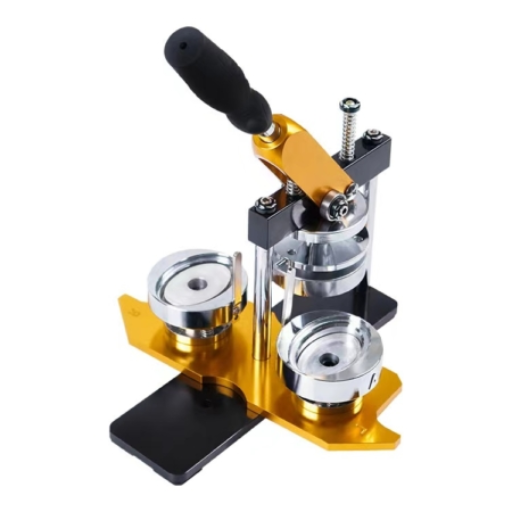
Factors to Consider: Production Volume and Budget
The process of choosing a suitable magnet-making machine requires operators to find the right balance between their production needs and financial limits which will lead to their most effective production results. Businesses which operate at small to medium scale should use machines that produce between 50 and 500kg of output daily because these machines provide them with production flexibility to meet multiple order sizes. To stay competitive in the market, large companies with strong market demand need equipment that can handle production volumes exceeding 1000kg per day.
The selection of the best machine depends on the available budget which establishes the maximum spending limit for equipment purchases. The price range for entry-level magnet-making machines which majorly target small production operations starts at 5000 dollars and ends at 15000 dollars but actual costs depend on the machine’s operational capabilities and the manufacturer’s reputation. The price range for high-end automated manufacturing equipment starts at 50000 dollars and goes beyond 300000 dollars. The total expenses of a project include both its initial purchase price and its ongoing running costs which consist of electricity expenses and material losses and equipment upkeep needs.
The adoption of technology upgrades through energy-saving equipment and AI-based systems will result in substantial savings throughout the extended operational period. Industry data shows that automated systems which use modern energy control technology can achieve energy savings reaching 30 percent. The organization needs to analyze these elements together with its existing operations and forthcoming business expansion plans to establish an equitable and systematic method for choosing options.
Specific Industry Requirements
The process of choosing the right magnet manufacturing equipment requires understanding the specific needs which your business operates. The electronics and healthcare industries demand machines which provide both precise performance and exacting control over minimal acceptable error limits. Production operations in automotive manufacturing and heavy equipment production require machines which deliver both high output capacity and long-lasting operational performance. The assessment process needs to determine whether the machine can handle materials which your applications use because this capability affects product quality. The evaluation should include machines which fulfill your industry’s regulatory requirements because such compliance streamlines both certification and market access procedures. The establishment of these priority factors will enable organizations to achieve their operational goals by selecting machines which match their sector requirements.
DIY Kits vs. Professional Machines
DIY kits are cost-effective and flexible for beginners, while professional machines offer efficiency, precision, and scalability for commercial use.
| Key Point | DIY Kits | Professional Machines |
|---|---|---|
| Cost | Low | High |
| Setup Ease | Easy | Complex |
| Precision | Moderate | High |
| Scalability | Limited | Extensive |
| Durability | Moderate | High |
| Maintenance | Low | High |
| Learning Curve | Simple | Steep |
| Application | Hobby | Commercial |
| Compatibility | Basic | Advanced |
| Output Quality | Variable | Consistent |
Maintenance and Best Practices
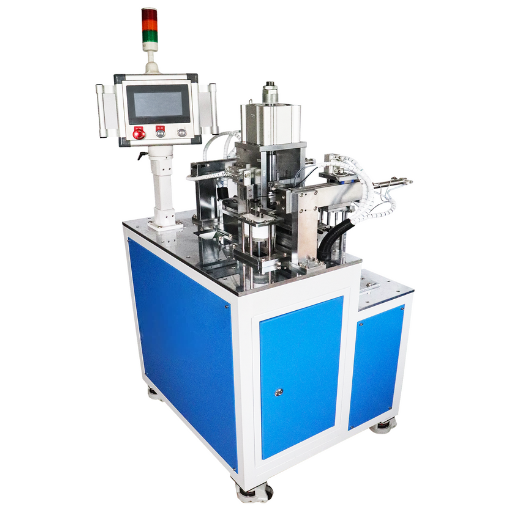
Routine Maintenance Tips for Longevity
- ▸
Regular Cleaning – The cleaning process requires all components to be cleaned after each use especially the molds and working surfaces because they need to prevent residue buildup which would affect their performance. - ▸
Lubrication of Moving Parts – The equipment requires regular maintenance through lubrication of its gears hinges and all other moving components to achieve proper operational performance while extending their durability. - ▸
Check Electrical Connections – The wiring and electrical system components need to be inspected on a regular basis to detect any loose connections or damaged parts which could lead to operational failures. - ▸
Replace Worn Components – The production process needs continuous monitoring of seal and mold and consumable part conditions to ensure timely replacement of these items which protects output quality. - ▸
Temperature Monitoring – The monitoring process requires tracking machine operating temperatures because it helps prevent overheating while extending the operational life of heating elements and motors.
Best Practices for Reliability
The operation of a magnet making machine requires maintenance agreements which must be followed with exact dedication to achieve reliable performance. The procedure requires technicians to inspect the equipment while they perform cleaning tasks and lubricate all components which have moving parts to achieve minimum friction and wear reduction. The maintenance work should be performed on a regular basis because it allows maintenance personnel to spot potential problems which they can resolve before these issues become major operational disruptions that result in equipment downtime reduction and operational performance improvements.
The practice of machine calibration represents an essential maintenance task. Machines lose their operational accuracy because they undergo continuous usage which results in different output quality levels. Calibration should be conducted at scheduled times to confirm that all components operate at their designated performance standards. The machine’s operational settings should be checked against manufacturer specifications or through consultation with experienced technicians to ensure that all configurations match the correct settings for the machine’s intended functions.
The training program for employees operates as one of the most important factors which determines system dependability. Machine operators should receive comprehensive training which teaches them both proper equipment operation methods and how to detect equipment failures during their initial stages. Users who receive continuous training about safe equipment operation and machine problem solving and equipment care methods will learn to manage their equipment which will result in extended machinery lifespan and steady equipment functionality.
Common Issues and Troubleshooting
The following list contains typical operational challenges which magnet making machines encounter together with their corresponding solutions.
Uneven Magnet Formation
Cause: The molds are not correctly positioned and the material has not been distributed throughout the facility.
Solution: Verify that the molds have obtained correct alignment while the material has been distributed throughout the facility for testing purposes.
Machine Overheating
Cause: The machine operates continuously without receiving necessary cooling breaks.
Solution: The cooling system must be operational at all times while the system should not operate beyond its designated capacity.
Material Jamming
Cause: The machine contains both foreign objects and an excessive amount of material.
Solution: Check the feed system for blocked areas and clear the paths while making sure that material enters the system correctly.
Power Supply Issues
Cause: Power experiences both voltage fluctuations and complete power outages.
Solution: To prevent service interruptions, connect to a reliable power system or install a voltage stabilization device.
Reduced Magnetic Strength
Cause: The processing temperatures and material combination fail to meet expected standards.
Solution: The temperature controls need calibration while the proper material ratio needs to be maintained according to production standards.
The magnet making machine requires essential maintenance work together with procedures which manufacturers recommend to achieve efficient operation and prevention of frequent operational problems. The user manual contains complete troubleshooting information which addresses your specific equipment problems.
Reference Sources
-
Magnet Guide & Tutorial: A detailed guide discussing various types of magnets, their properties, and applications, including bonded magnets.
-
Machine Tool with Active Magnetic Guides: Explores the use of magnetic guides in machine tools, providing insights into their design and functionality.
-
A Manufacturing Driven Design Methodology for Permanent Magnet Electrical Machines: Focuses on the design and manufacturing of lightweight permanent magnet rotors for electrical machines.
-
Driving Force: The Natural Magic of Magnets: A comprehensive book on the history, science, and practical applications of magnets.
- Food Machine and Extruders Provider in China
Frequently Asked Questions (FAQs)
What is a magnet making machine and how does it work?
A magnet making machine functions as specialized equipment which enables the creation of permanent magnets through processes that involve the magnetization of ferromagnetic materials and their subsequent manufacturing through various methods such as sintering and injection molding and pressing and high-field coil magnetization. The machine performs three essential functions according to its design because it can compress magnet powder and it enables the heating and sintering of compacted materials and it provides a powerful magnetic field that aligns magnetic domains to create industrial magnets and electronic magnets and consumer magnets.
What types of magnets can be produced with a magnet making machine?
Magnet making machines produce multiple types of permanent magnets which include ferrite ceramic magnets and neodymium NdFeB magnets and samarium cobalt SmCo magnets and bonded magnets which include nylon bonded and epoxy bonded magnets. Specific machines achieve optimal performance through special design because press and sinter lines function with sintered magnets while injection molding machines work with bonded magnets and coil or pulse magnetizers serve to finalize the magnetization process of complete products.
What are the main components and features to look for when buying a magnet making machine?
The main components of the system consist of powder handling equipment and compacting presses and injection molding machines and sintering furnaces and grinding machines and magnetizers which include DC and AC and pulse systems and quality control instruments such as flux meters and demagnetization testers. The essential features of the system include process control and automation and safety interlocks and field strength and uniformity for magnetizers and temperature control for sintering and production volume scalability.
What safety precautions are necessary when operating a magnet making machine?
The organization implements safety measures which include shielding and strict access controls to prevent unauthorized entry into areas with high magnetic fields and lockout/tagout procedures to protect workers from mechanical equipment and thermal protection measures to secure furnaces and ventilation systems to ensure safe powder handling and PPE requirements which include respirators and gloves and eye protection. The strong magnetic fields at the site can damage electronic devices and magnetic storage therefore staff members should establish exclusion zones which include visible warning signs. The organization needs to train operators on two essential skills which include emergency shutdown procedures and safe handling of rare-earth powders that present a pyrophoric danger.
How do I maintain and troubleshoot a magnet making machine?
The maintenance schedule requires personnel to clean powder feeds and presses while they check the alignment of tooling and die systems and conduct magnetizer calibration and flux meter calibration and thermal element inspection and thermocouple testing and seal and filter replacement for damaged components. The troubleshooting process requires four steps which include verification of power and control signals and confirmation of raw material specifications and moisture content and measurement of magnetic field strength during magnetization and assessment of mechanical tolerances. The maintenance log should be maintained while the service intervals of the manufacturer need to be followed because this practice will help reduce equipment downtime.
What are typical production capacities and costs associated with magnet making machines?
The production capacity of machines varies because bench top magnetizers and small injection molding systems produce hundreds of parts to thousands of parts every day while industrial automated systems reach production levels of tens of thousands of parts and above. The price range for simple magnetizers starts from a few thousand dollars while complete sinter and grind production systems reach costs of millions. The total expenses depend on three factors which include the type of magnet and the expenses for materials which include rare-earth powders and the amount of automation and the necessary quality control instruments.